Plizio Visual Lab
Cape Cross Seal Reserve
Weather…
Water temperature…
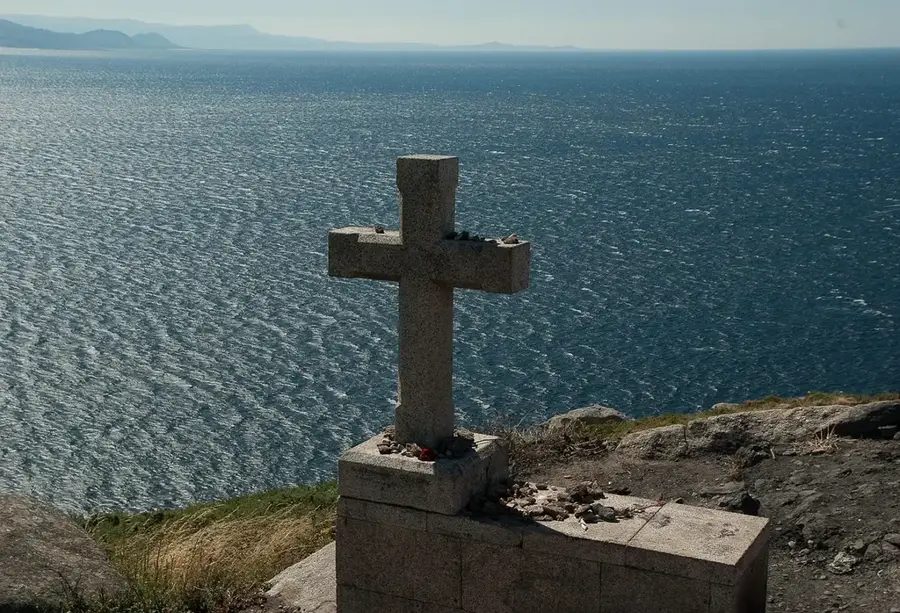
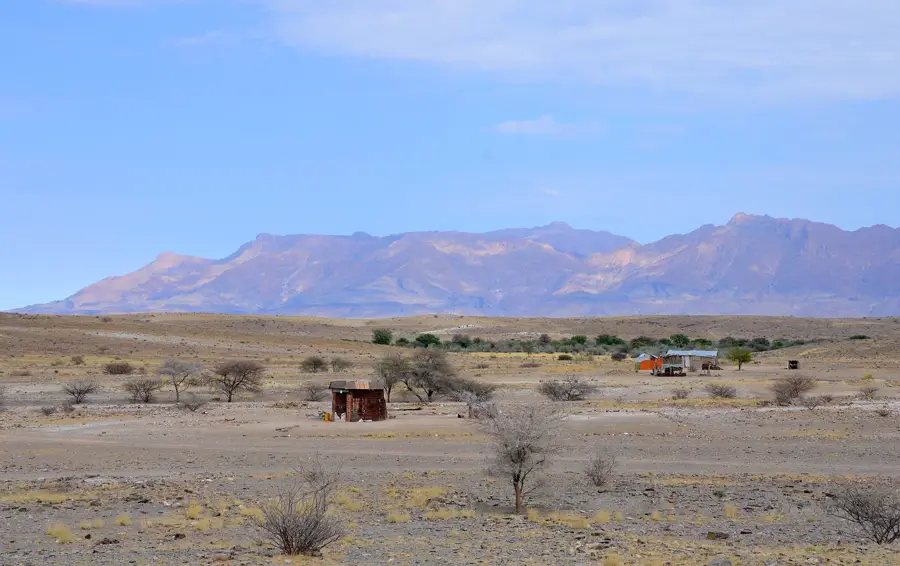
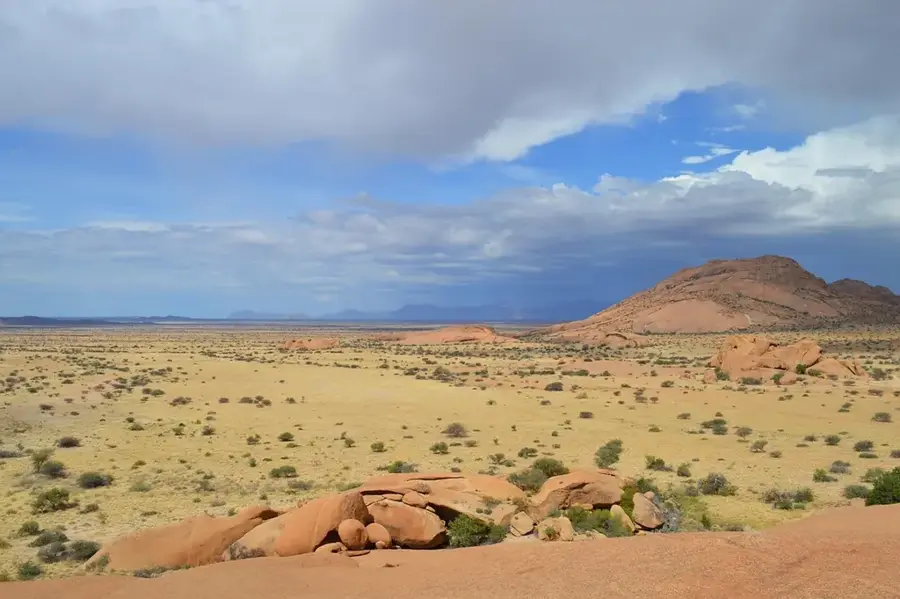
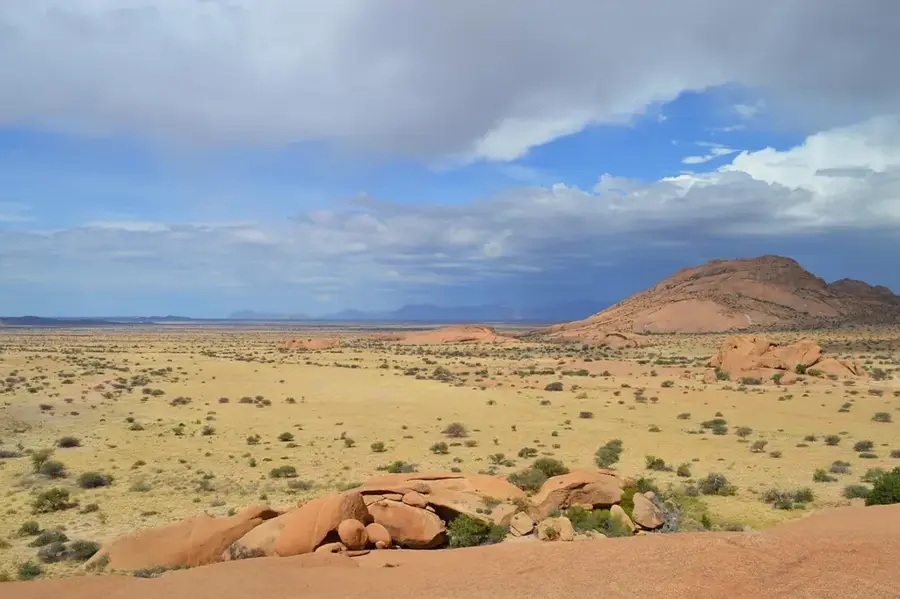
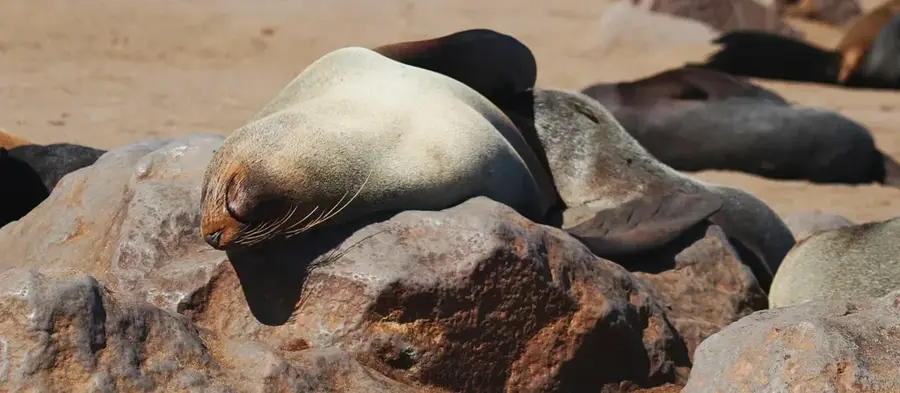
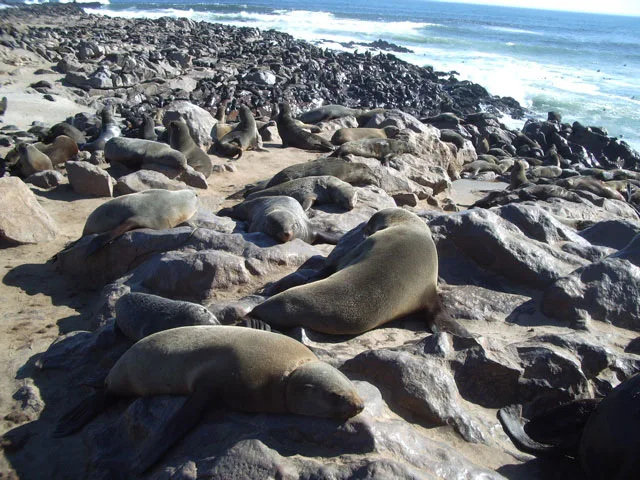
The Cape Cross Seal Reserve on Namibia's Skeleton Coast is home to one of the world's largest breeding colonies of Cape fur seals. During the peak season, up to 250,000 animals gather on the rocks and in the water, creating an impressive, albeit pungent, natural spectacle. Historically, the site is of immense significance as the Portuguese navigator Diogo Cão was the first European to set foot on Namibian soil here in 1486, erecting a stone cross (padrão) to mark his claim. The cross visible today is a replica, while the original was taken to Berlin at the end of the 19th century. The reserve is located in an extremely desolate coastal desert where the cold Benguela Current provides a rich fish fauna that sustains the massive seal population. Visitors can observe the seals from a secure walkway at close range, with the pupping season in November and December being particularly spectacular. The area is strictly protected to maintain the ecological balance between the commercial fishing industry and the burgeoning seal colony.
- Location: Namibia
- Nearby: Henties Bay (44 km)
Best time to visit & climate
The most pleasant time to visit is May, Nov, Dec.
| Jan | Feb | Mar | Apr | May | Jun | Jul | Aug | Sep | Oct | Nov | Dec | |
|---|---|---|---|---|---|---|---|---|---|---|---|---|
| Avg °C | 22 | 23 | 23 | 23 | 22 | 19 | 19 | 18 | 19 | 20 | 20 | 21 |
| Rain mm | 25 | 36 | 26 | 17 | 1 | 0 | 0 | 0 | 1 | 3 | 8 | 10 |
📋 Practical info
Geography
Facts
- The seal population can peak at over 250,000 individuals.
- Diogo Cão erected the original stone cross in 1486.
- The reserve was formally proclaimed in 1968.
- Seals consume up to 8% of their body weight in fish every day.
- Cape Cross is situated roughly 120 km north of Swakopmund.
- The cold Benguela Current maintains high nutrient levels in the ocean.
Explore nearby
Notable places around


Route planner — Car & Motorhome
Where do you start? We build the route here, with stops and country notes along the way.
© OpenStreetMap contributors · OpenRouteService
Sights nearby
Frequently asked questions
What is special about Cape Cross?
Is an entry fee required for the seal reserve?
Can one experience the seals up close?
At what time of year are there the most seals?
Is the place easy to reach?
Cape Cross Seal Reserve: where is it located?
Cape Cross Seal Reserve: when is the best time to visit?
Cape Cross Seal Reserve: why is it worth visiting?

Nearby cities

History & landmarks
Nature
More places