Plizio Visual Lab

Twyfelfontein
Plizio editorial teamData Sources
Historical site
—°8
Twyfelfontein (Namibia)

Weather…

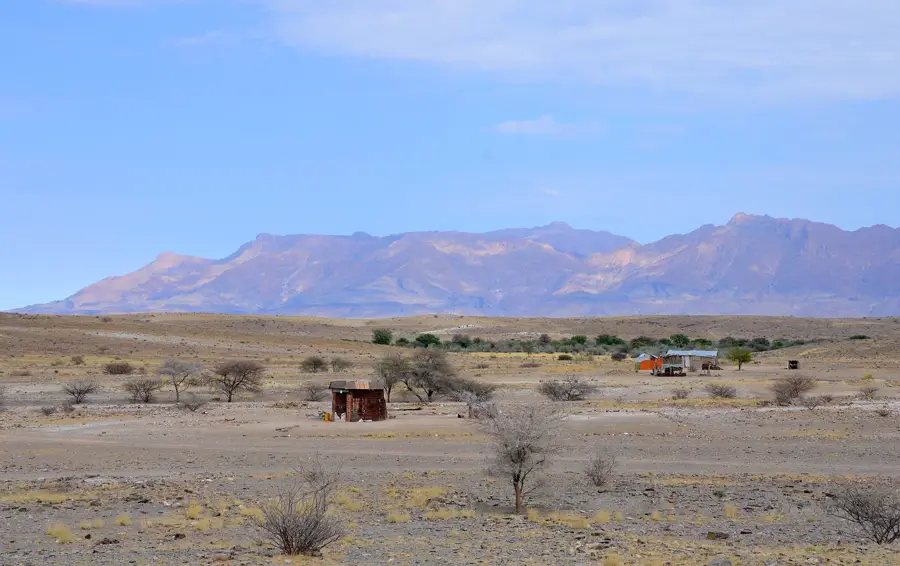
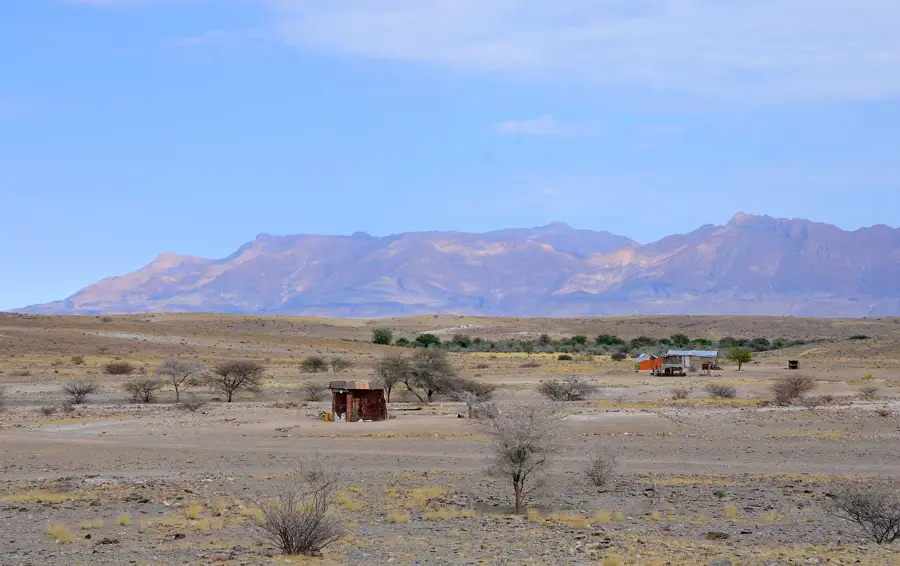
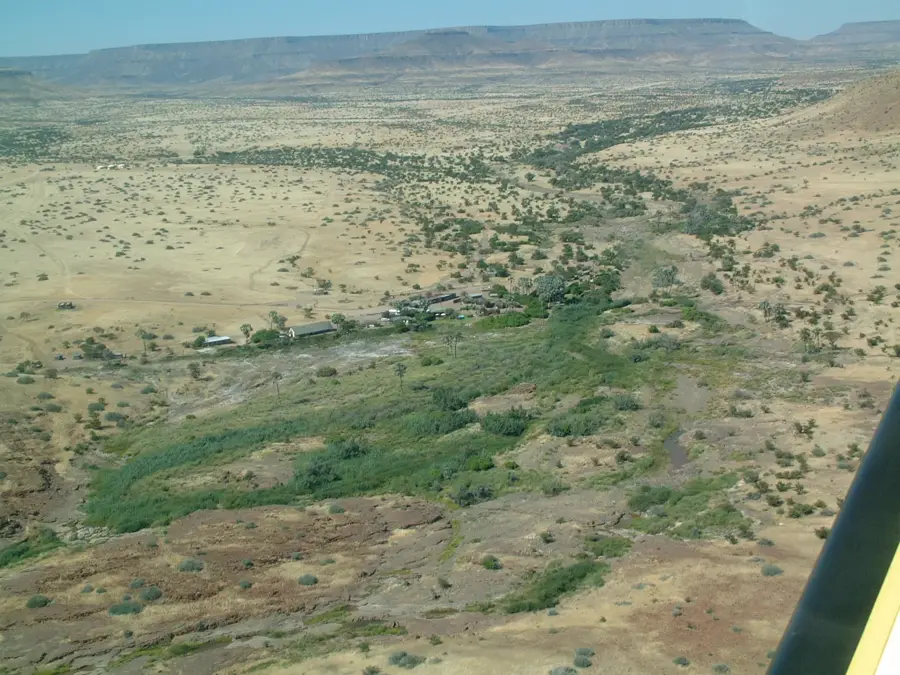
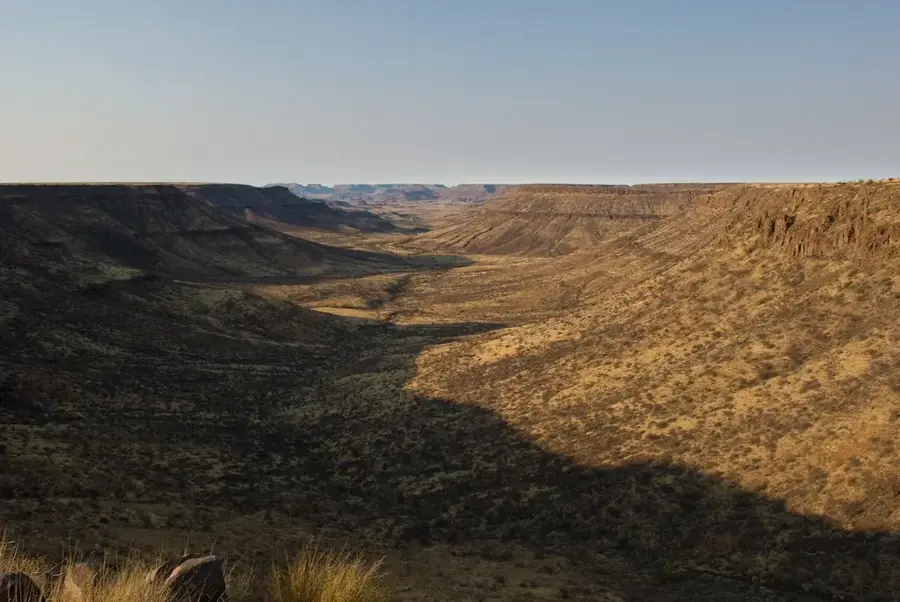
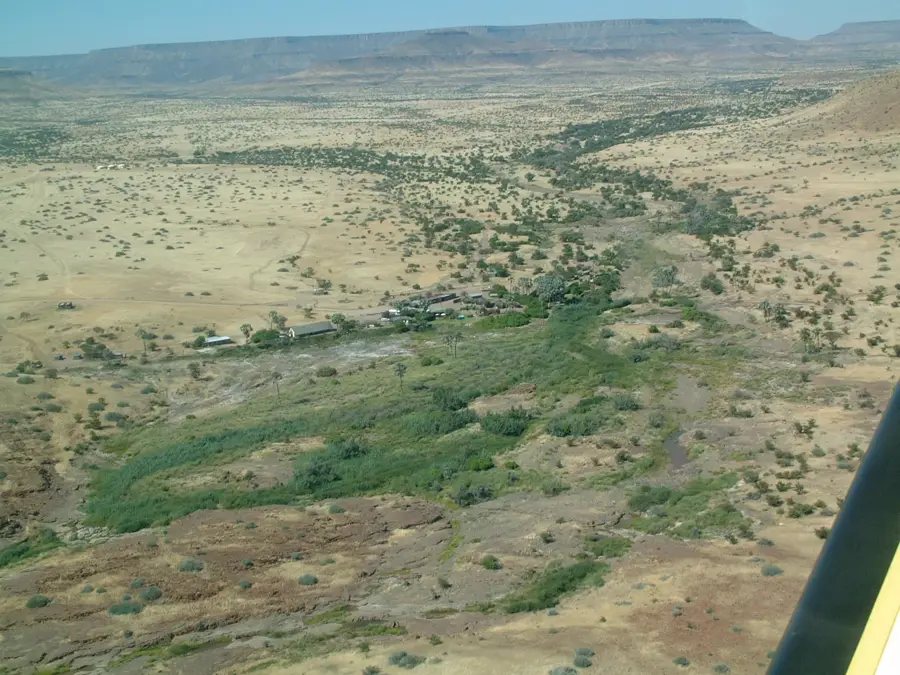
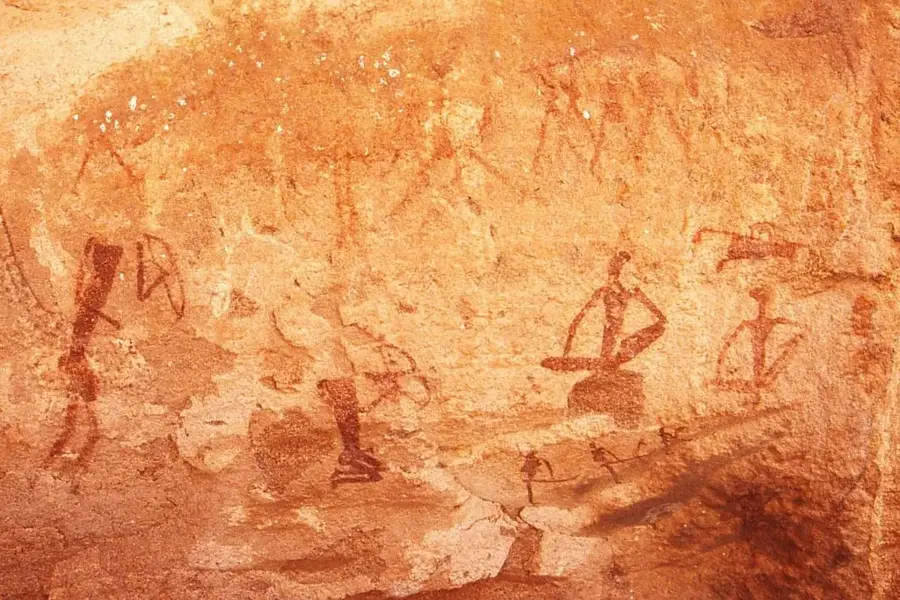
Twyfelfontein, officially known as |Ui-||Ais, is one of the most significant rock art sites in Africa and was designated as Namibia's first UNESCO World Heritage Site in 2007. Located in the Kunene Region, the site contains over 2,500 petroglyphs created primarily by San hunter-gatherers between 2,000 and 6,000 years ago. These engravings depict a wide range of animals, including elephants, rhinoceroses, giraffes, and ostriches, alongside human figures and abstract geometric patterns. The name Twyfelfontein translates from Afrikaans as "Doubtful Fountain," referring to a perennial spring in the valley that was often unreliable. The site served for millennia as a ritual space for shamanic practices and as a means of communicating knowledge about water sources and prey behavior. Today, the area is a protected monument, offering profound insights into the spiritual beliefs and environmental interactions of Southern Africa's prehistoric inhabitants.

Best time to visit & climate

The most pleasant time to visit is Jun–Aug.

JanFebMarAprMayJunJulAugSepOctNovDec
Avg °C252526252320202023252525
Rain mm507578372000131219

📋 Practical info

🚪
Visiting
The site is an expansive outdoor gallery of ancient rock art, where visitors must follow designated walking paths to protect the delicate engravings. Guided tours are typically mandatory to ensure visitors do not accidentally damage the incredibly valuable historical carvings.
🕒
Typical hours
Access is normally granted from early morning until the late afternoon, with the final guided tours usually departing an hour before closing time. Arriving at the very beginning or end of the day has slightly cooler temperatures and softer, more flattering light.
📷
Photography
Photography is widely permitted, but the use of flash is strictly prohibited to prevent slow deterioration of the ancient pigments and stone. A zoom lens is exceptionally helpful to capture clear details of the engravings without straying from the authorized walkways.
⏱️
Time needed
A comprehensive guided walk through the primary engraving sites typically lasts between one and a half to two hours depending on the pace. This gives you ample opportunity to learn about the fascinating hunter-gatherer stories depicted in the rusty red rocks.
Combine with
The nearby Organ Pipes and Burnt Mountain are geological marvels that make logical additions to any day trip exploring this arid region. Many visitors also pair the rock art with tracking desert-adapted elephants in the surrounding sprawling Damaraland landscapes.
🧭
Getting there
The site is accessible via well-maintained gravel roads that can usually be navigated with standard two-wheel-drive vehicles during the dry season. However, having a sturdy off-road capable vehicle provides better comfort and safety on the corrugated desert routes.
💡
Insider tip
The desert sun reflecting off the rocks can be overwhelmingly intense, so wearing a wide-brimmed hat, sunglasses, and carrying plenty of water is essential. Listen closely to the local guides, as their generational knowledge brings the silent stones to vivid life.

Geography

Coordinates
-20.59560, 14.37360

Facts

  • Over 2,500 individual rock engravings are cataloged here
  • Designated as a UNESCO World Heritage Site in 2007
  • Age of engravings ranges between 2,000 and 6,000 years
  • Rediscovered by European settlers in 1947
  • The original name |Ui-||Ais means 'jumping water'
  • There are 17 distinct visitor locations within the core area

Explore nearby

Notable places around

Route planner — Car & Motorhome

Where do you start? We build the route here, with stops and country notes along the way.

Vehicle
Only stops with (optional):

© OpenStreetMap contributors · OpenRouteService

Sights in the town Twyfelfontein (8)

"Wondergat" = hole in the ground📍 landmark

The Wondergat is a deep natural sinkhole plunging into the rocky terrain near Twyfelfontein.

Damara Living Museum🏛 museum

This open-air museum showcases the traditional culture, crafts, and bush skills of the indigenous Damara people.

🕒 sunrise-sunset

Engravings📍 landmark

These ancient petroglyphs feature thousands of animal tracks and figures carved into the red sandstone.

Wondergat🌿 nature

This viewing platform allows visitors to gaze down into the dark depths of the natural sinkhole.

Zieben Platten National Heritage Site📍 landmark

This heritage site protects unique geological rock slabs that rise dramatically from the arid desert floor.

Twyfelfontein Rock Engraving🏺 historical

This UNESCO World Heritage site preserves an exceptional concentration of prehistoric San hunter-gatherer rock art.

Uibasen Twyfelfontein Conservancy🌿 nature

This protected nature reserve shelters desert-adapted elephants and black rhinos among its rocky hills.

Old Farm House🏺 historical

The crumbling stone ruins of this old settler farm house stand as a testament to early agricultural attempts in the harsh desert.

Sights nearby

Frequently asked questions

What are the engravings here?
Twyfelfontein is a UNESCO World Heritage site with thousands of millennia-old rock engravings by the San.
Do I need a guide?
Yes, guided tours are mandatory to protect the delicate rocks.
How long does the tour take?
A tour takes about 45 to 60 minutes walking over rocky terrain.
When is it best?
Early morning or late afternoon, as it gets very hot in the sun.
Is it suitable for children?
Yes, but wear sturdy shoes and bring plenty of water.
Twyfelfontein: where is it located?
Twyfelfontein is located in Namibia.
Twyfelfontein: what is there to see?
Highlights include "Wondergat" = hole in the ground, Damara Living Museum, Engravings.
Twyfelfontein: when is the best time to visit?
The most pleasant time to visit is Jun, Aug.
Twyfelfontein: why is it worth visiting?

Twyfelfontein, officially known as |Ui-||Ais, is one of the most significant rock art sites in Africa and was designated as Namibia's first UNESCO World Heritage Site in 2007.
View on map → The Top 50 Attractions → OpenStreetMap →
Africa
Explore with Plizio Discover more places in Africa
More places in Namibia →

Nearby cities

History & landmarks
Nature
More places