Plizio Visual Lab
Bokak Atoll (Taongi)
Weather…
Water temperature…
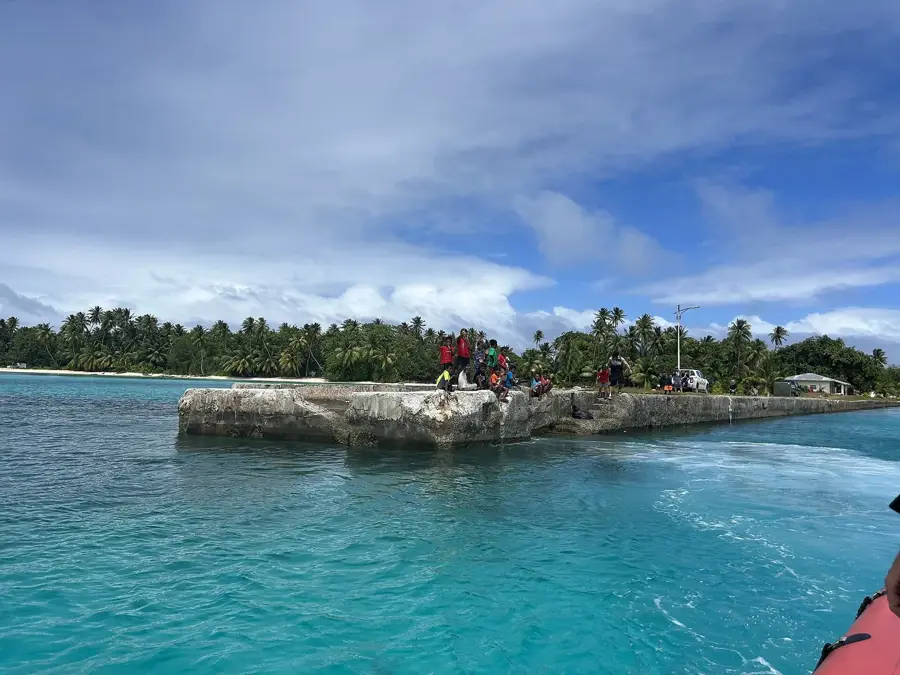
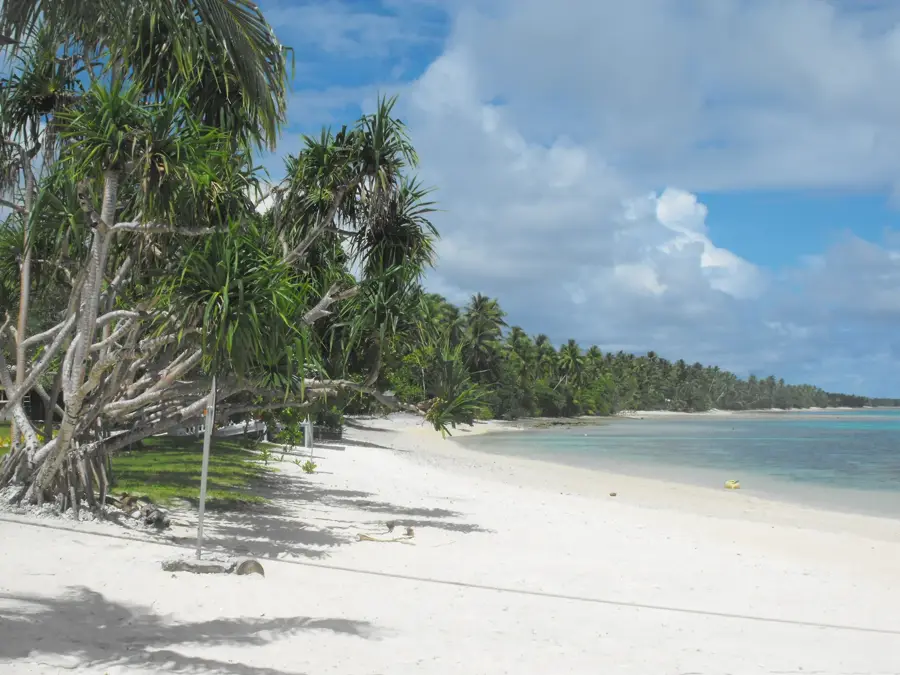
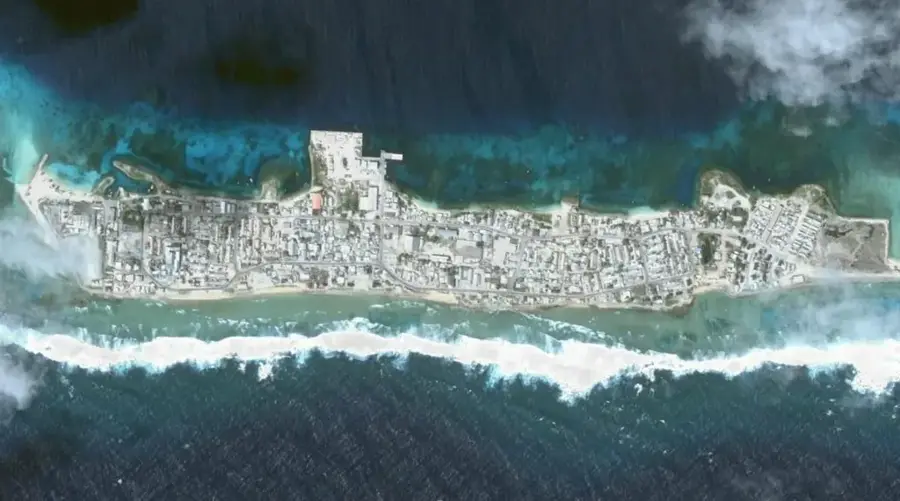
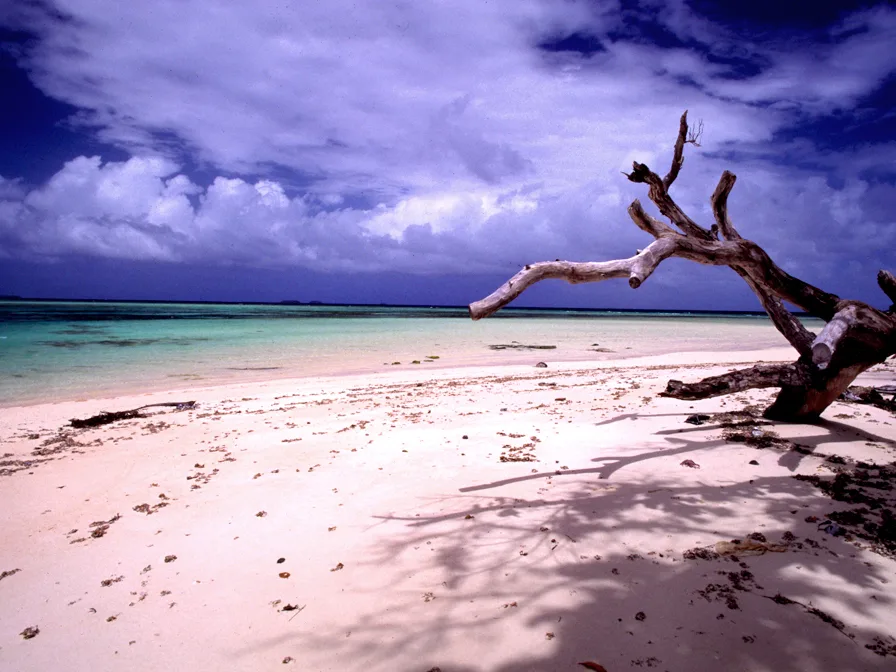
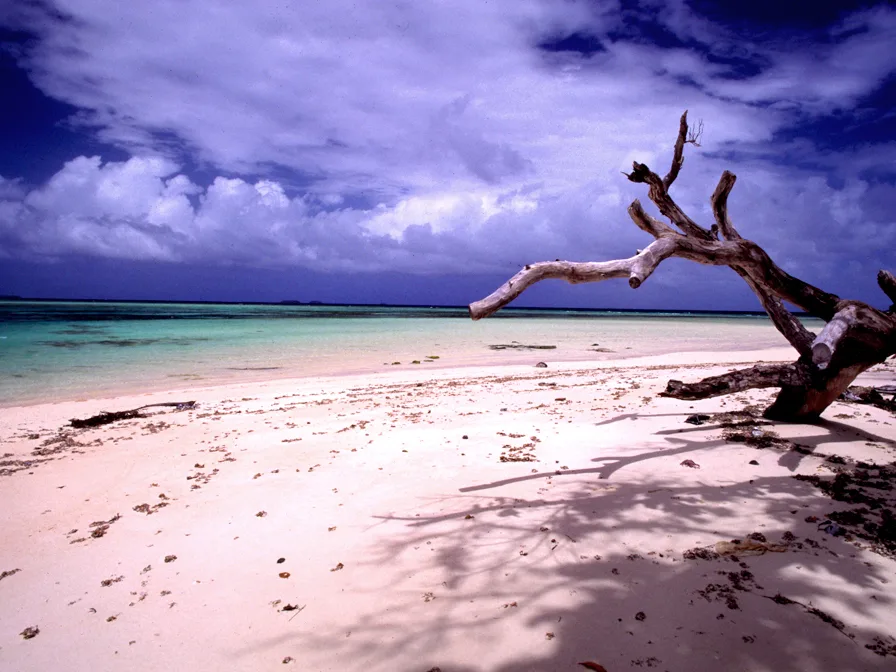
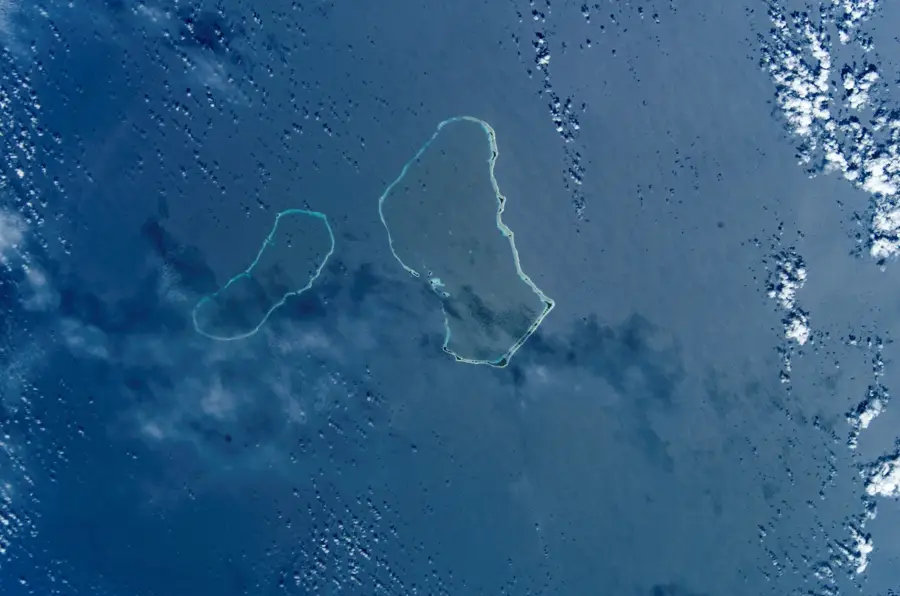
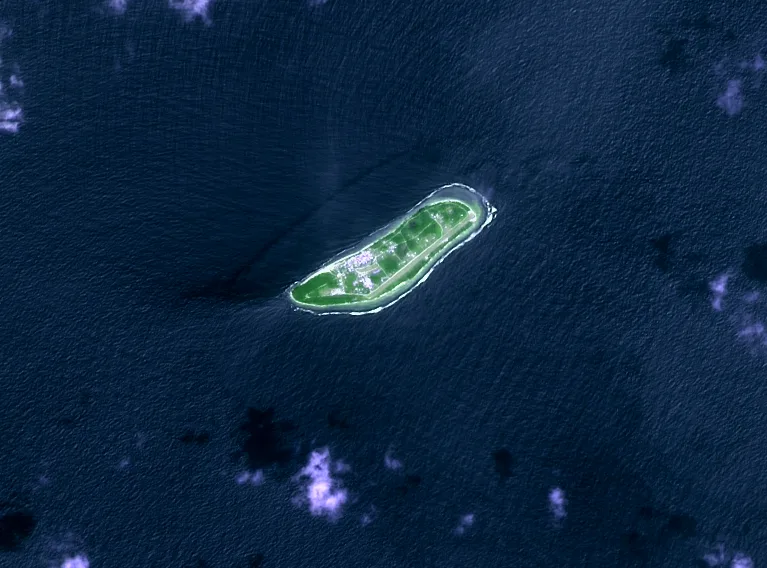
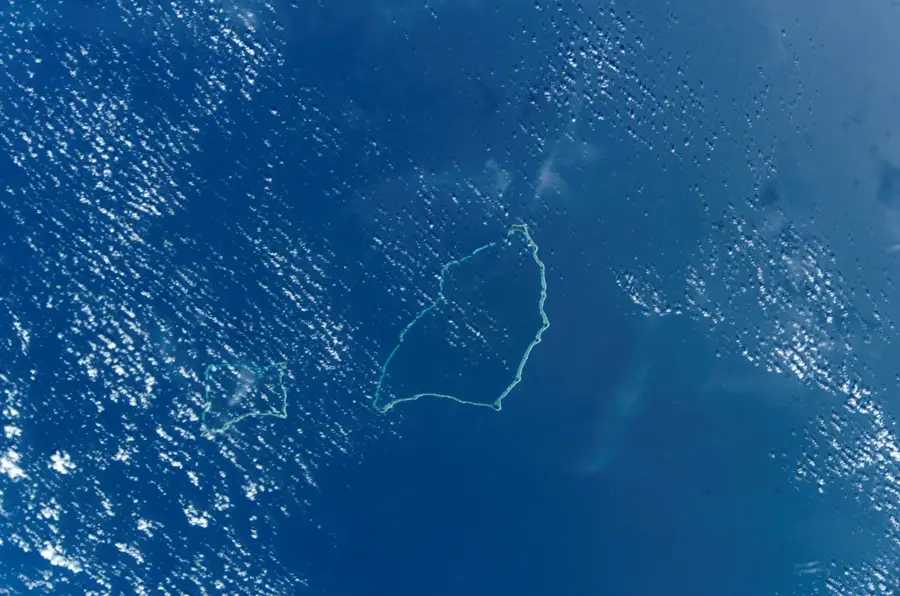
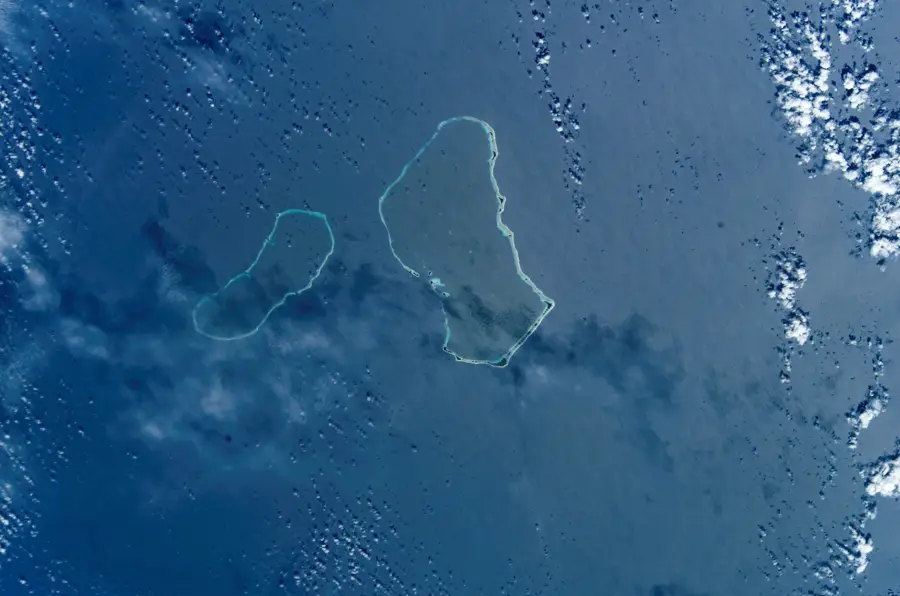
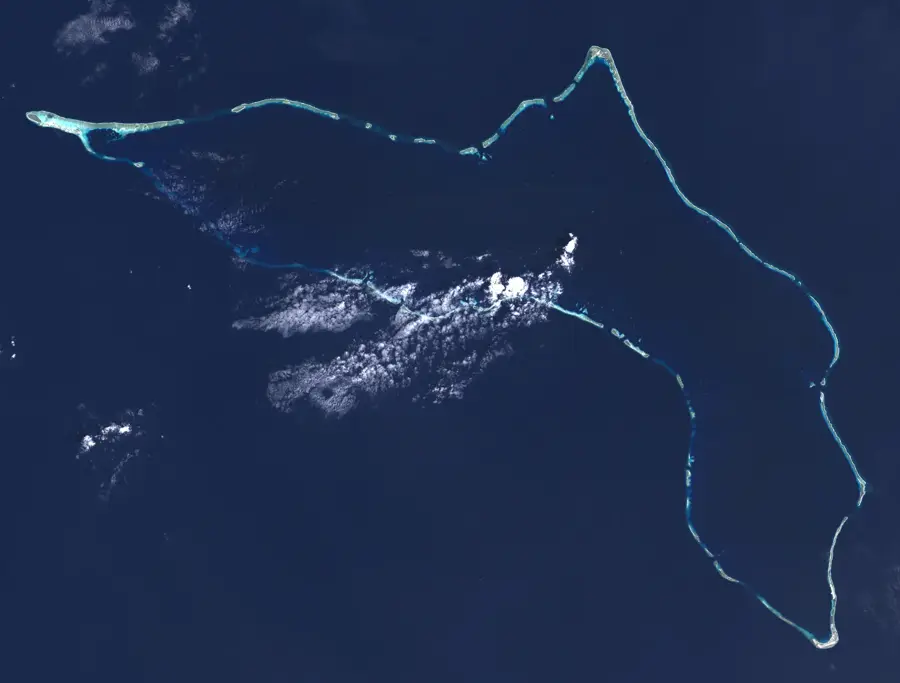
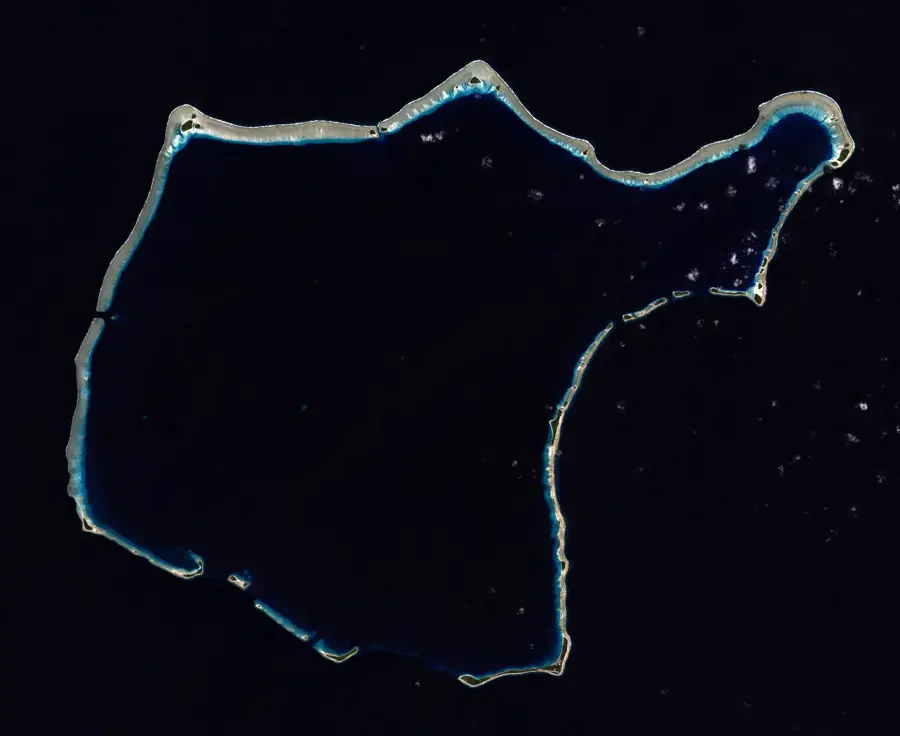
Bokak Atoll, also known as Taongi, is the most northerly and isolated atoll in the Marshall Islands. Its remote location and arid climate have prevented permanent human settlement, leaving its ecosystem in a remarkably pristine state. This isolation has made Bokak one of the world's most significant breeding grounds for seabirds, with massive colonies of boobies, frigatebirds, and sooty terns numbering in the thousands. The vegetation is uniquely adapted to high salinity and low rainfall, consisting of hardy grasses and scrub that provide essential nesting habitat. Unlike many other Pacific atolls, Bokak’s lagoon is nearly completely enclosed by a solid reef rim, which creates a distinct hydrological environment where the lagoon water level remains higher than the surrounding ocean during low tide. As one of the few remaining examples of an undisturbed semi-arid coral atoll, Bokak is a critical site for scientific research and international conservation efforts in the Central Pacific.
Best time to visit & climate
The most pleasant time to visit is Jan–Mar.
| Jan | Feb | Mar | Apr | May | Jun | Jul | Aug | Sep | Oct | Nov | Dec | |
|---|---|---|---|---|---|---|---|---|---|---|---|---|
| Avg °C | 27 | 26 | 26 | 27 | 27 | 28 | 28 | 28 | 28 | 28 | 28 | 27 |
| Rain mm | 16 | 20 | 25 | 21 | 24 | 35 | 57 | 94 | 116 | 121 | 70 | 37 |
📋 Practical info
Geography
Facts
- Northernmost point of the Republic of the Marshall Islands
- Presence of rare plants such as the Pisonia grandis
- Breeding ground for over 20 different species of birds
- Unique ecosystem characterized by the absence of invasive rodents
- The lagoon surface is about 1 meter above sea level
- Limited water exchange leads to higher lagoon salinity
Route planner — Car & Motorhome
Where do you start? We build the route here, with stops and country notes along the way.
© OpenStreetMap contributors · OpenRouteService
Sights nearby
Frequently asked questions
Why is Bokak Atoll protected?
Can you dive there?
Is there fresh water?
When is the best time to visit?
Is Taongi the same as Bokak?
Bokak Atoll (Taongi): where is it located?
Bokak Atoll (Taongi): when is the best time to visit?
Bokak Atoll (Taongi): why is it worth visiting?
Nearby cities
History & landmarks

Nature
More places