Plizio Visual Lab
Quínara Oil Palm Groves

Weather…
Water temperature…
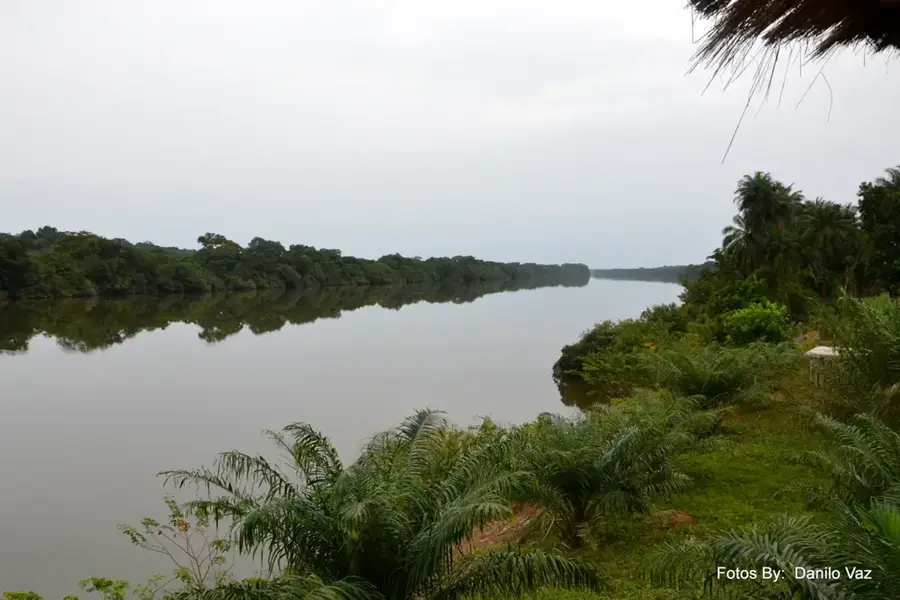
The oil palm groves of the Quínara region are far more than mere agricultural plots; they are the pulsating heart of the local economy and an integral part of the cultural identity in southern Guinea-Bissau. The African oil palm (Elaeis guineensis) grows here in vast, semi-wild groves that dictate the rhythm of daily life. The extraction of red palm oil is a labor-intensive process, often performed by women's collectives in the villages: the fruits are boiled, pounded, and filtered to produce the nutrient-rich oil that forms the base of almost every traditional dish, such as 'Caldo de Mancarra'. Beside the oil, the palm is the source of the famous palm wine. 'Palm wine tappers' climb the smooth trunks with astonishing agility to collect the sap from the flower buds, which is sweet when fresh and ferments quickly into a mild alcoholic beverage. This wine plays a central role in social gatherings, weddings, and traditional ceremonies. The groves also provide habitat for numerous small mammals and birds, supporting the region's ecological balance. In Quínara, the oil palm is a symbol of nature’s generosity, as nearly every part of the tree, from the fronds for roofing to the kernels for fuel, is utilized by the local population.
- Location: Guinea-Bissau
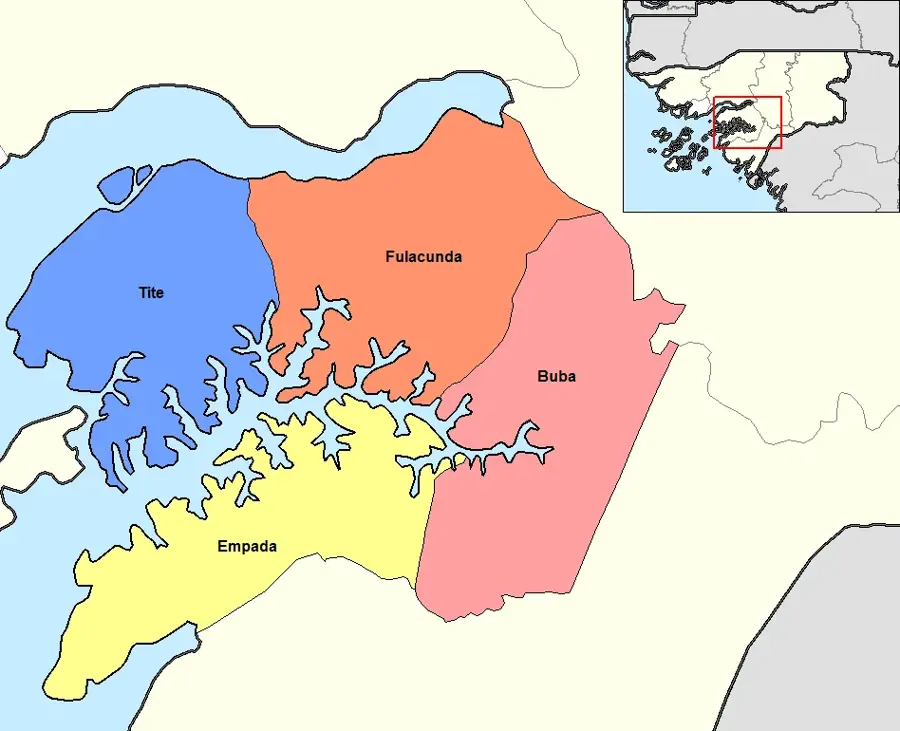
- Nearby: Fulacunda (6 km)
Best time to visit & climate
The most pleasant time to visit is Jan, Nov, Dec.
| Jan | Feb | Mar | Apr | May | Jun | Jul | Aug | Sep | Oct | Nov | Dec | |
|---|---|---|---|---|---|---|---|---|---|---|---|---|
| Avg °C | 25 | 28 | 30 | 30 | 30 | 28 | 26 | 26 | 26 | 27 | 26 | 25 |
| Rain mm | 0 | 0 | 1 | 1 | 30 | 166 | 422 | 529 | 367 | 182 | 18 | 0 |
📋 Practical info
Geography
Facts
- Red palm oil is a primary source of vitamins A and E in the local diet.
- Palm wine is often consumed as a ritual drink during ancestral ceremonies.
- The oil palm is indigenous to West Africa and thrives in Quínara’s climate.
- Tappers use a traditional rope harness called a 'corda' to climb trees.
- The residue from oil extraction is often used as a natural fertilizer.
- Groves are managed collectively by villages rather than large corporations.
Explore nearby
Notable places around


Route planner — Car & Motorhome
Where do you start? We build the route here, with stops and country notes along the way.
© OpenStreetMap contributors · OpenRouteService
Sights nearby
Frequently asked questions
What is extracted from the Quínara oil palms?
Can you see wild animals in the palm forests?
Is the palm oil produced industrially?
When is the best time to visit?
Is there palm wine there too?
Quínara Oil Palm Groves: where is it located?
Quínara Oil Palm Groves: when is the best time to visit?
Quínara Oil Palm Groves: why is it worth visiting?

Nearby cities
Nature
More places