Plizio Visual Lab
East Mostar
ℹ️Practical info — East Mostar
▾
🌤 Weather — 5 days
📍 Nearby
Sights nearby
💡 Tips
- Drive carefully as the mountain roads in the Velež range are narrow and sometimes unpaved.
- Bring your own supplies of food and water, as there are very few shops in the municipality.
- Pack warm layers, as mountain winds can make it surprisingly chilly even during summer evenings.
- Ensure your vehicle has enough fuel; the nearest gas stations are several kilometers away.
- Be prepared for spotty mobile reception due to the rugged mountainous terrain.
🍽 Food
Enjoy this traditional Bosnian specialty at the small roadside taverns on the way to Nevesinje.
A pungent cheese aged in sheepskin, best purchased directly from farmers in the mountain hamlets.
Look for local beekeepers selling honey derived from the aromatic herbs of the Velež slopes.
🛍 Shopping · 🧘 Quiet spots
Rugged socks and vests made from local sheep wool, often sold by village women.
High-quality herbal tea mixes like sage and mountain germander, gathered from the pristine slopes.
Stop at the plateau edges for a sweeping panoramic view overlooking the Nevesinje valley.
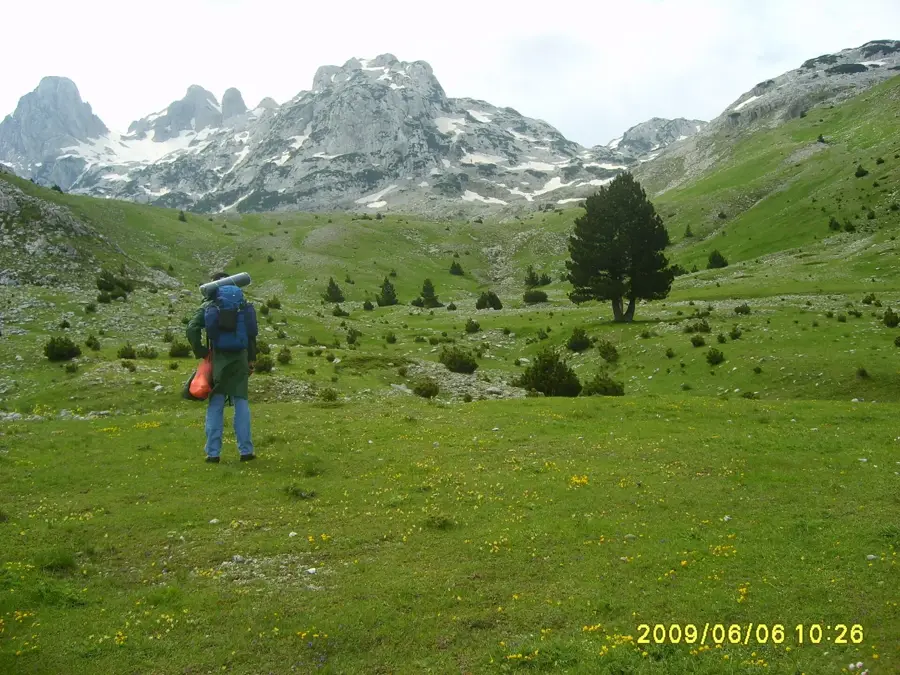
Experience total silence in the alpine meadows, where the only sound is the distant ringing of sheep bells.
Water temperature…
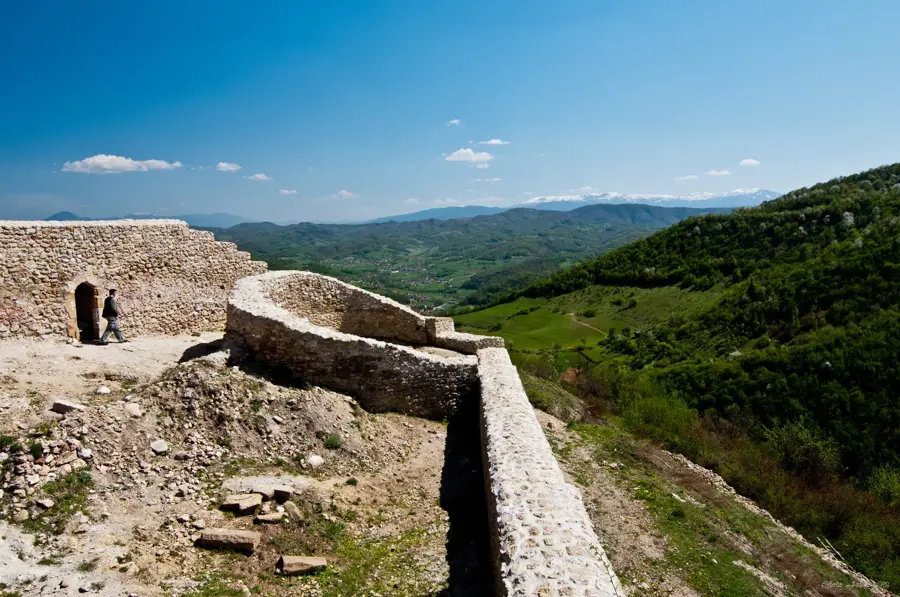
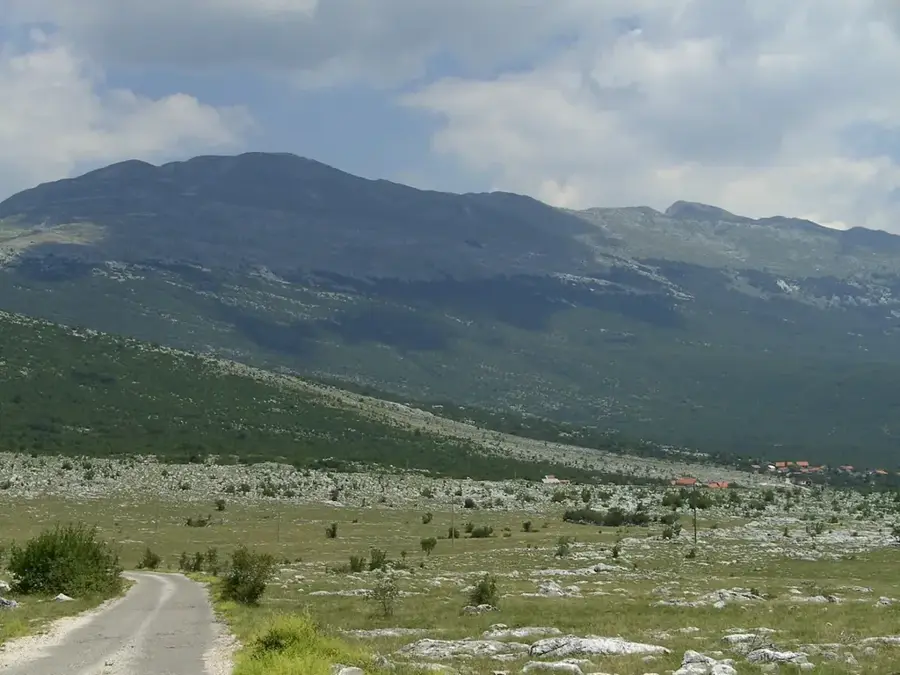
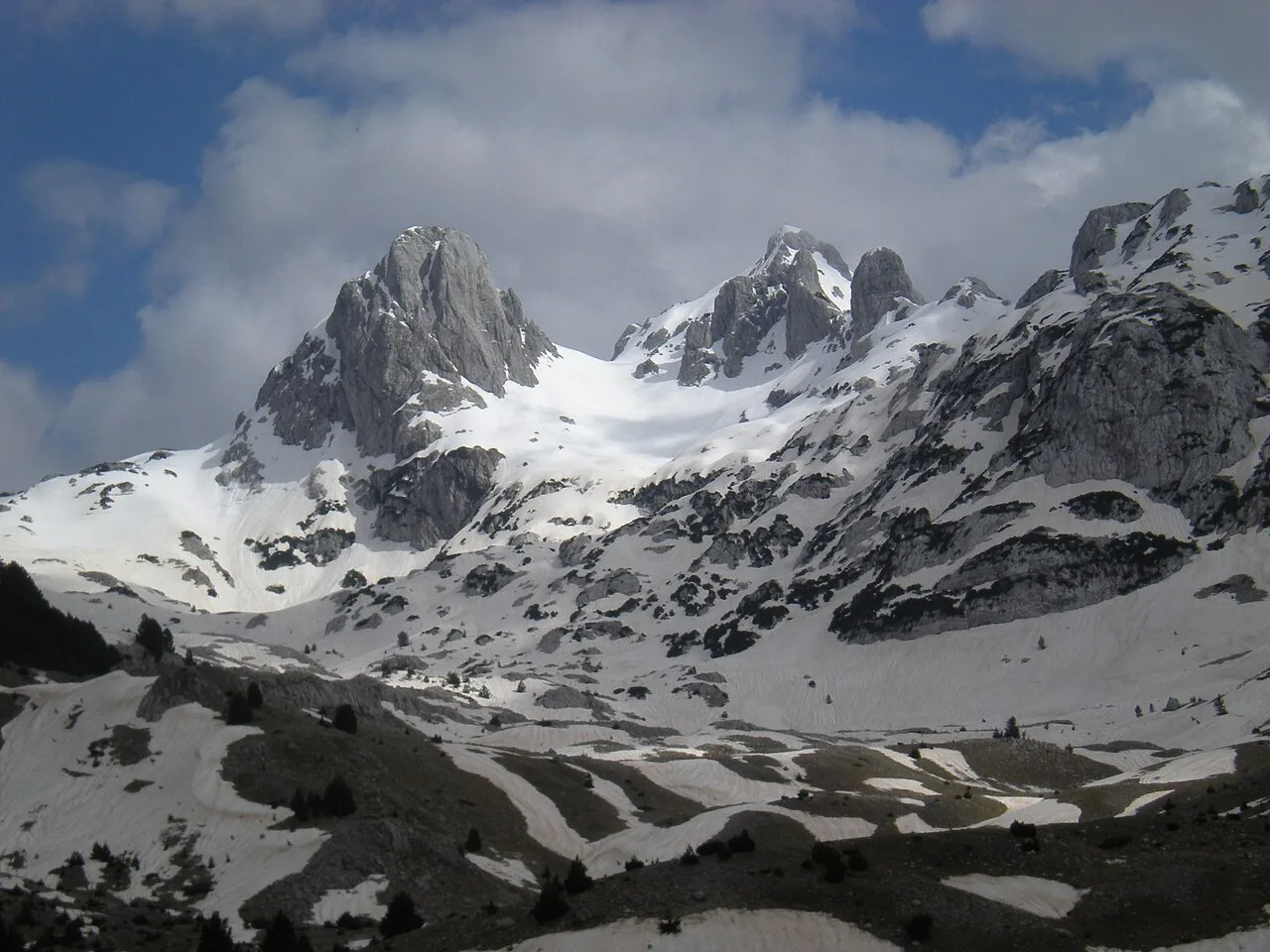
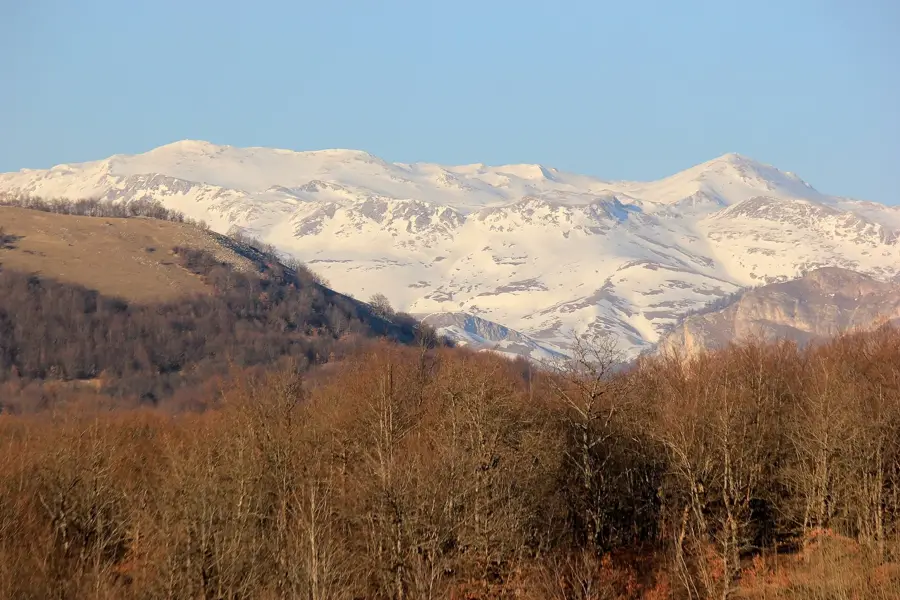
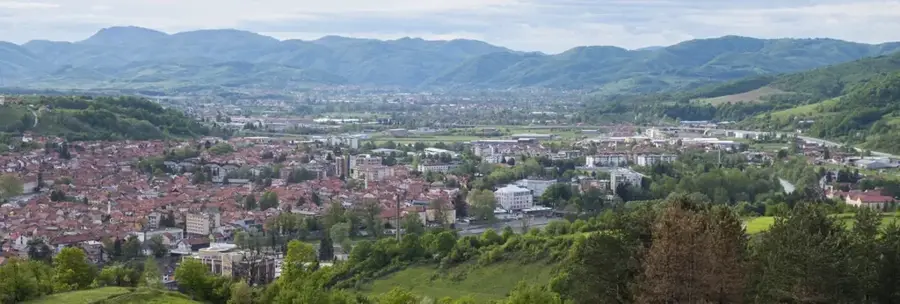
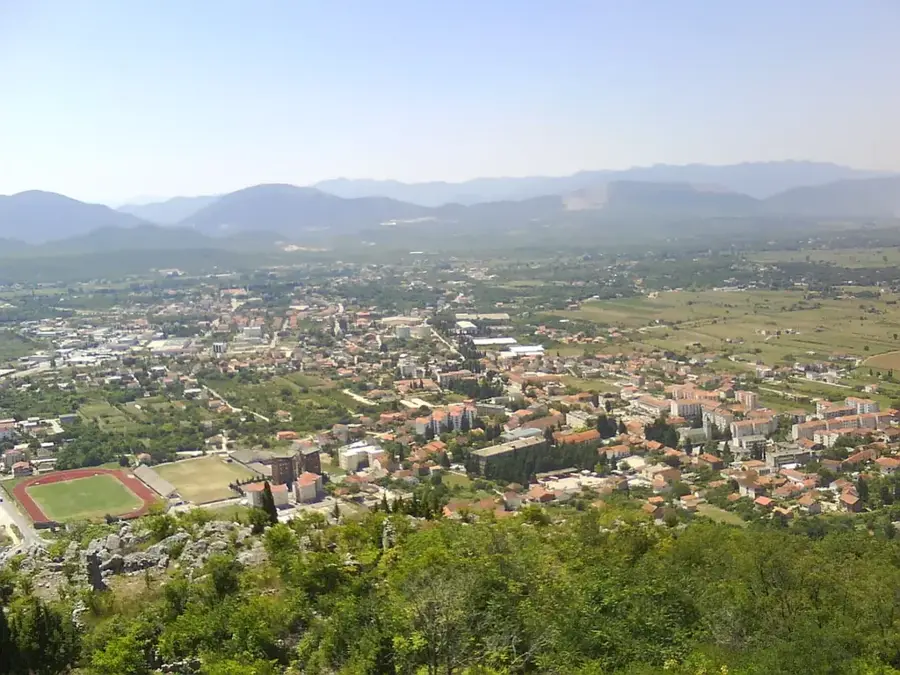
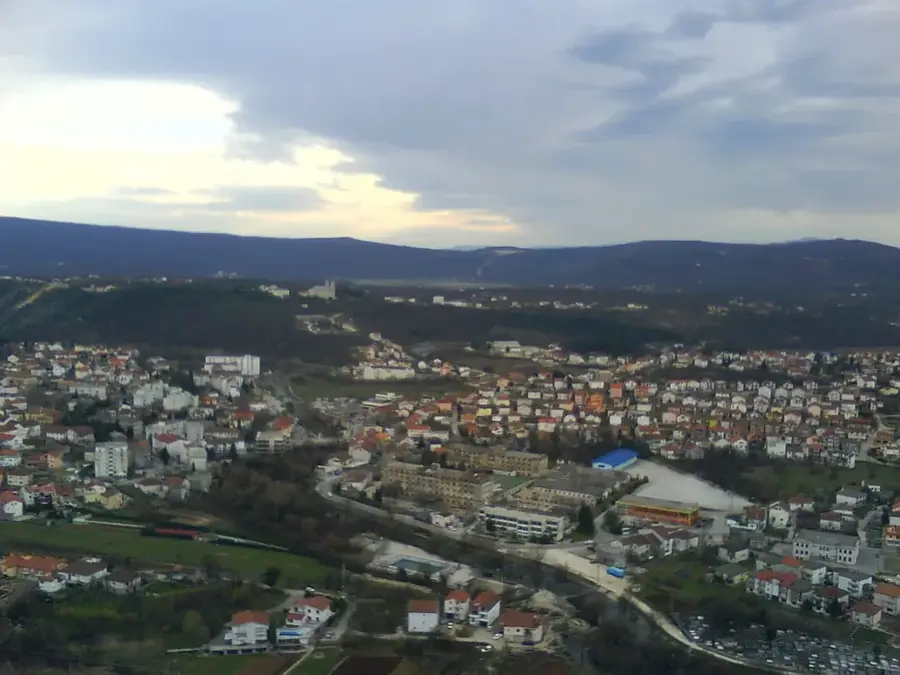
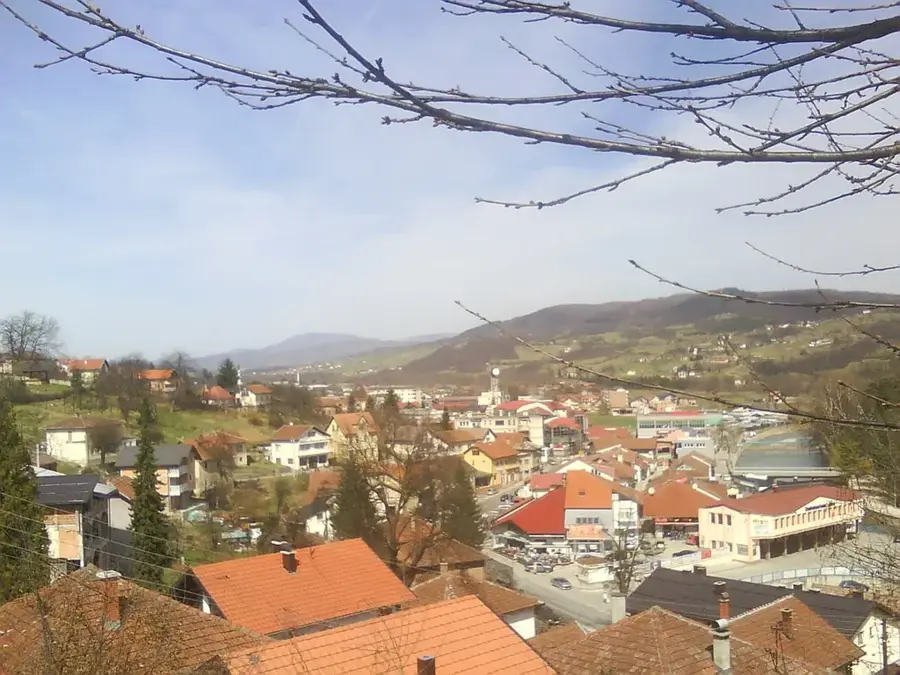
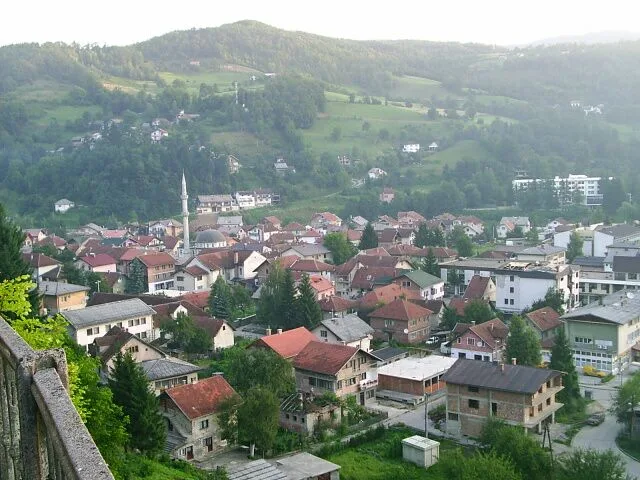
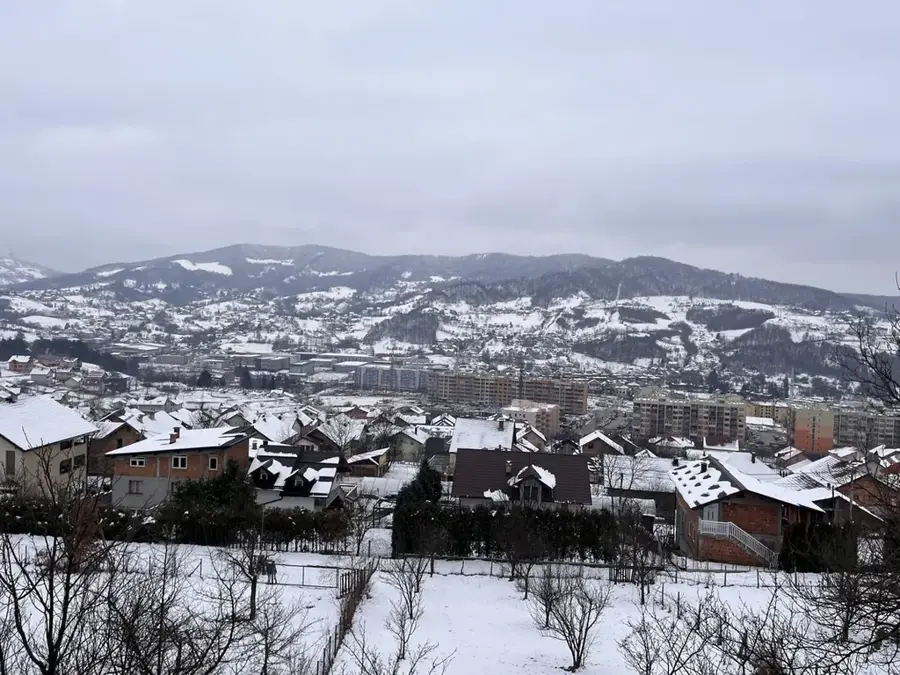
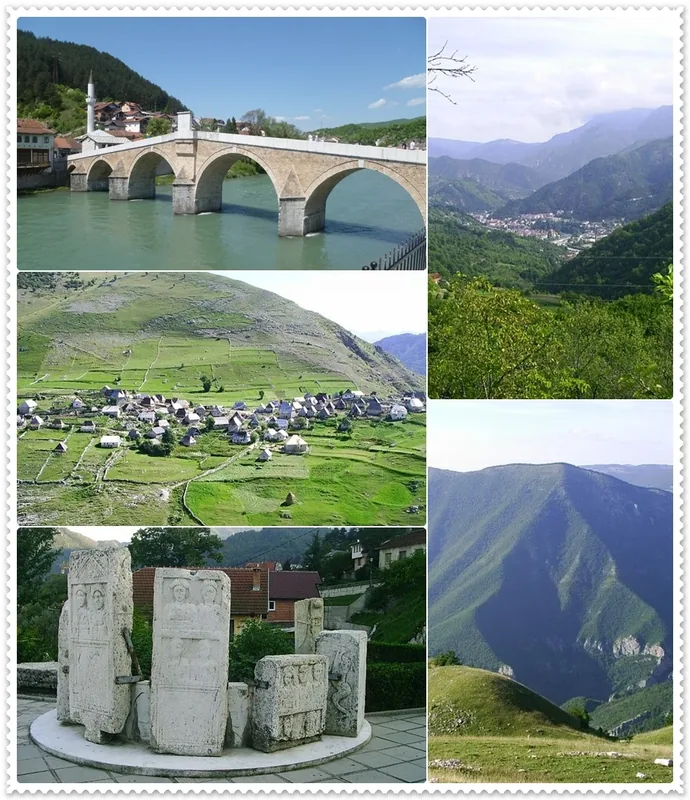
East Mostar (Istočni Mostar), formerly known as Srpski Mostar, is one of the smallest municipalities in Bosnia and Herzegovina, located within the Republika Srpska. It was established in 1995 following the Dayton Agreement, comprising the eastern mountainous peripheries of the pre-war Mostar municipality. Geographically, it is situated in a rugged and relatively inaccessible region near the border with Nevesinje. The landscape is characterized by harsh Herzegovinian karst terrain and sparse pastures, which limits agricultural activities primarily to livestock farming. The administrative center is located in the village of Zijemlje. Due to its very small population and isolated location, the municipality is economically linked to the surrounding larger urban centers. Despite these challenges, the residents maintain a traditional way of life deeply connected to the natural environment of High Herzegovina. Infrastructure improvements are ongoing to better connect the remote settlements. The climate is a mix of Mediterranean and continental influences, with hot summers and cold, windy winters.
- Location: Bosnia and Herzegovina
- Nearby: Prenj (13 km)
- Population: ~210 (2013)
Best time to visit & climate
The most pleasant time to visit is Jun–Aug.
| Jan | Feb | Mar | Apr | May | Jun | Jul | Aug | Sep | Oct | Nov | Dec | |
|---|---|---|---|---|---|---|---|---|---|---|---|---|
| Avg °C | -1 | -1 | 3 | 8 | 12 | 16 | 19 | 19 | 14 | 10 | 5 | 0 |
| Rain mm | 101 | 96 | 91 | 76 | 77 | 74 | 48 | 48 | 86 | 98 | 120 | 115 |
Geography
Facts
- East Mostar is one of the smallest municipalities in the country by population count.
- The municipality was officially separated from parts of Mostar in 1995.
- The administrative seat of the municipality is in the small village of Zijemlje.
- In 2013, only about 257 people were recorded living in the municipality.
- The municipal territory covers an area of approximately 85 square kilometers.
- The primary source of income for the residents is traditional mountain livestock farming.
Explore nearby
Notable places around


Route planner — Car & Motorhome
Where do you start? We build the route here, with stops and country notes along the way.
© OpenStreetMap contributors · OpenRouteService
Sights in the town East Mostar (1)
Frequently asked questions
What should you know about Istočni Mostar?
What outdoor activities are possible?
Is there tourist infrastructure here?
How is the weather in winter?
What is the nearest major tourist center?
East Mostar: where is it located?
East Mostar: when is the best time to visit?
East Mostar: why is it worth visiting?
Nearby cities

History & landmarks
Nature
More places