Plizio Visual Lab
Punakha
ℹ️Practical info — Punakha
▾
🌤 Weather — 5 days
📍 Nearby
Sights nearby
💡 Tips
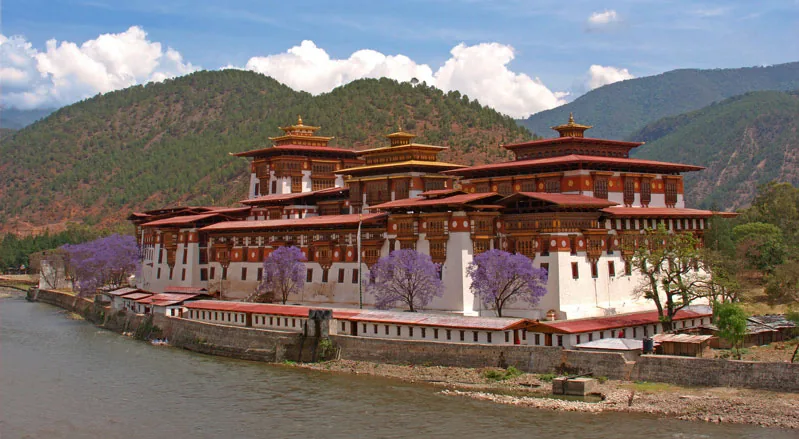
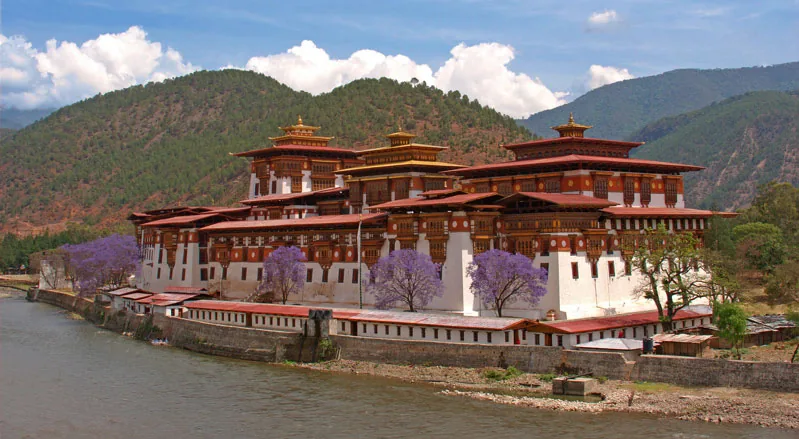
- The Punakha Dzong is best visited in the early morning or late afternoon for the best lighting and fewer crowds.
- Spring (especially around May) is impressive due to the blooming jacaranda trees around the dzong.
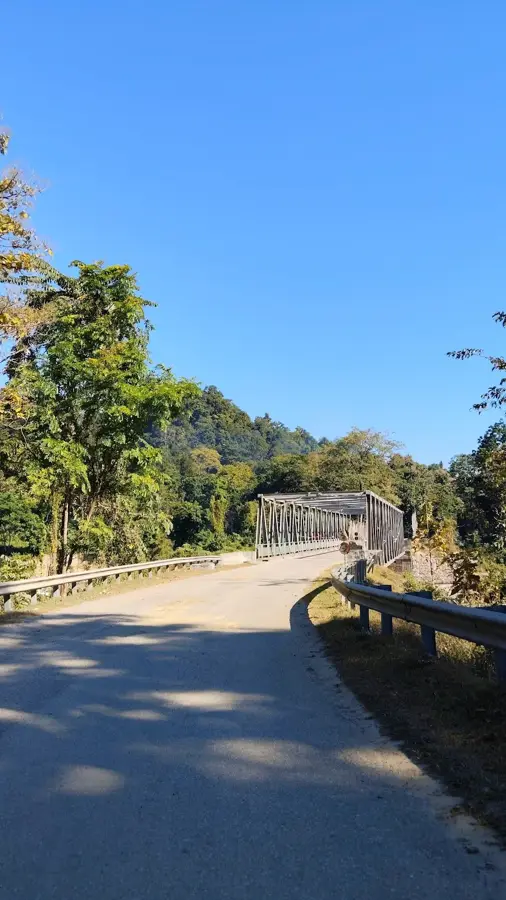
- You must cross the Pho Chhu suspension bridge to get a great view of the river and valley.
- Dress modestly when visiting the dzong; shoulders and knees must be covered.
- The weather here is significantly warmer and lower in altitude than Thimphu, so dress in layers.
🍽 Food
The national dish of chilies and cheese; try it at local eateries near the main market.
A staple in Bhutanese cuisine, often served with stews in traditional guesthouses.
Warm up with traditional salted butter tea, available at almost every local café.
🛍 Shopping · 🧘 Quiet spots
Stop by roadside stalls for fresh organic fruits and vegetables grown in the fertile valley.
Find intricately woven textiles and bamboo products in small shops around the town center.
A peaceful spot by the riverbed to sit and watch the waters merge.
The trail itself provides quiet reflection through terraced rice fields.
Water temperature…
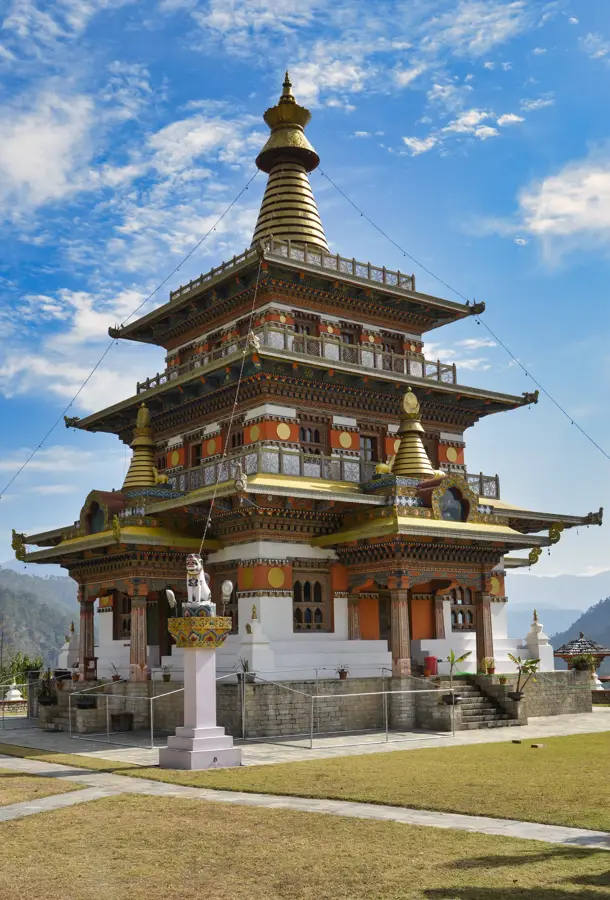
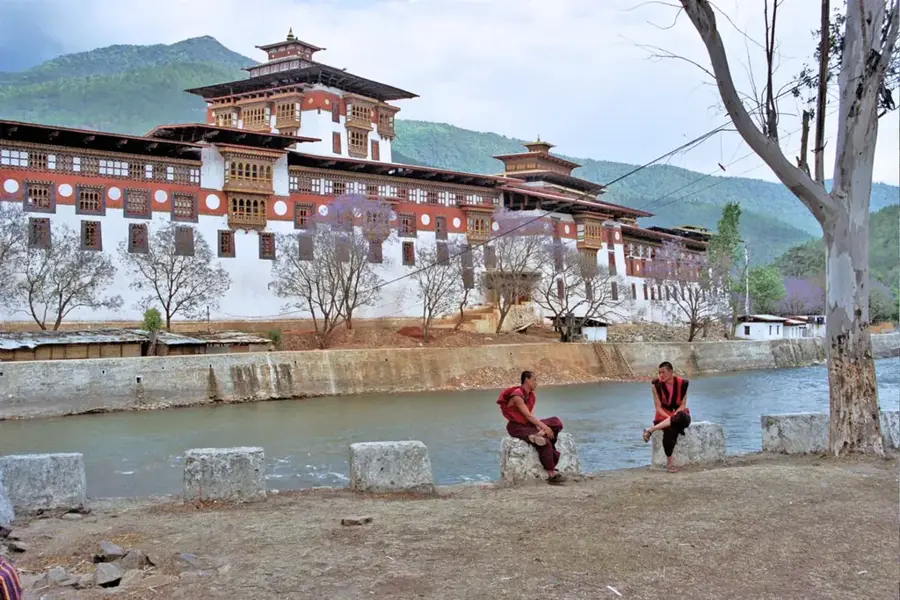
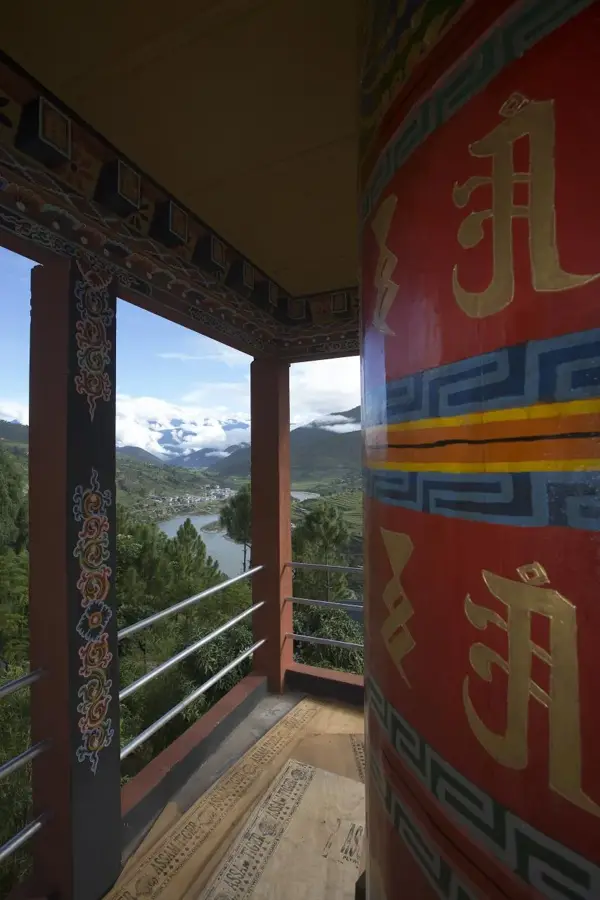
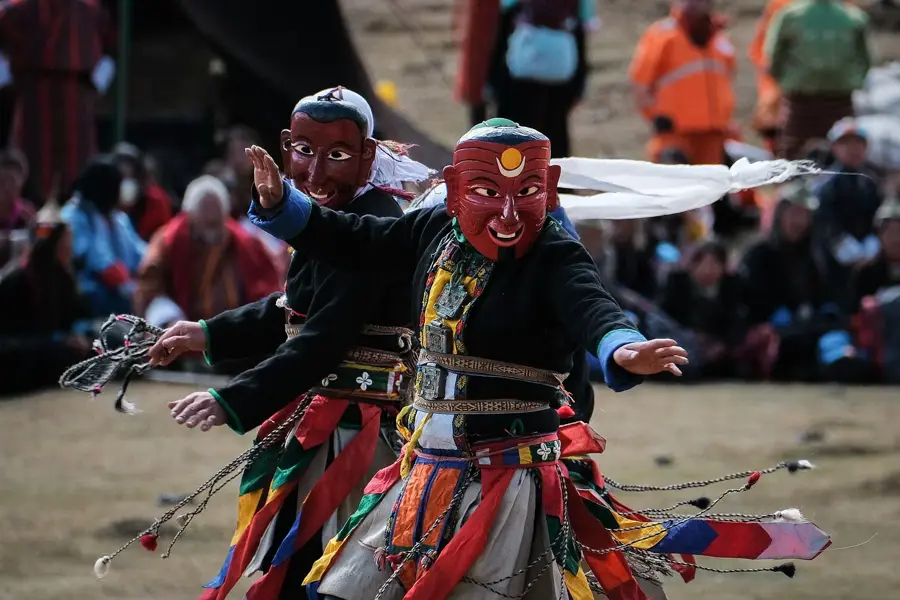
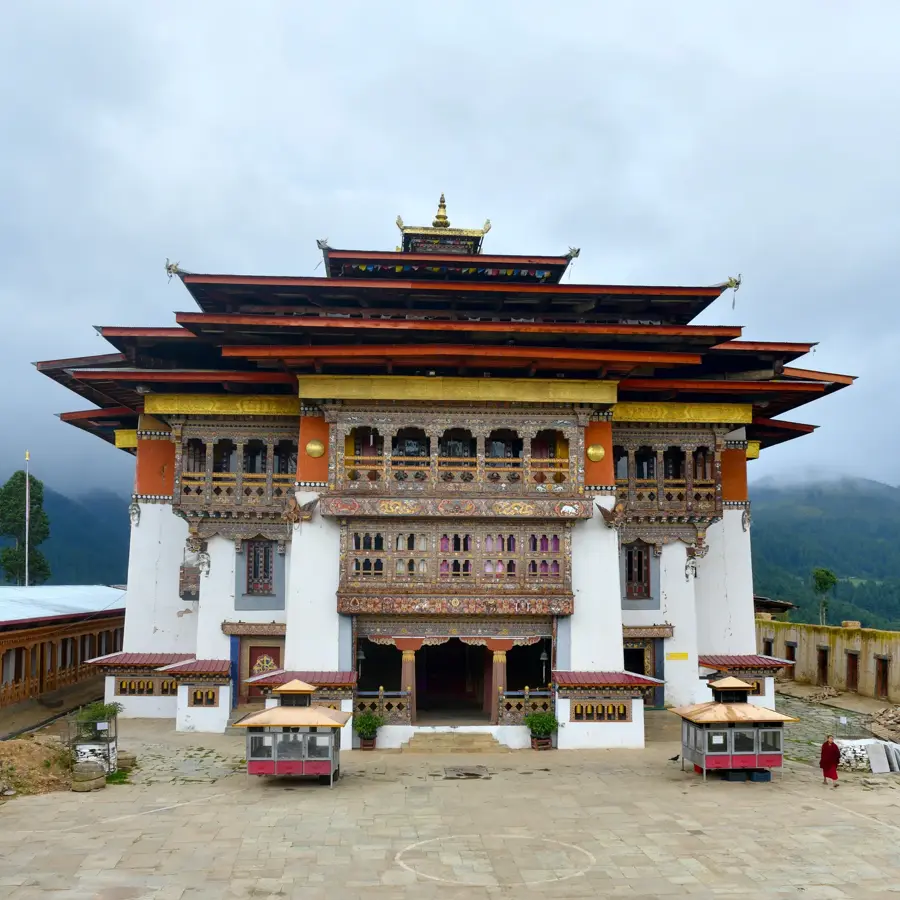
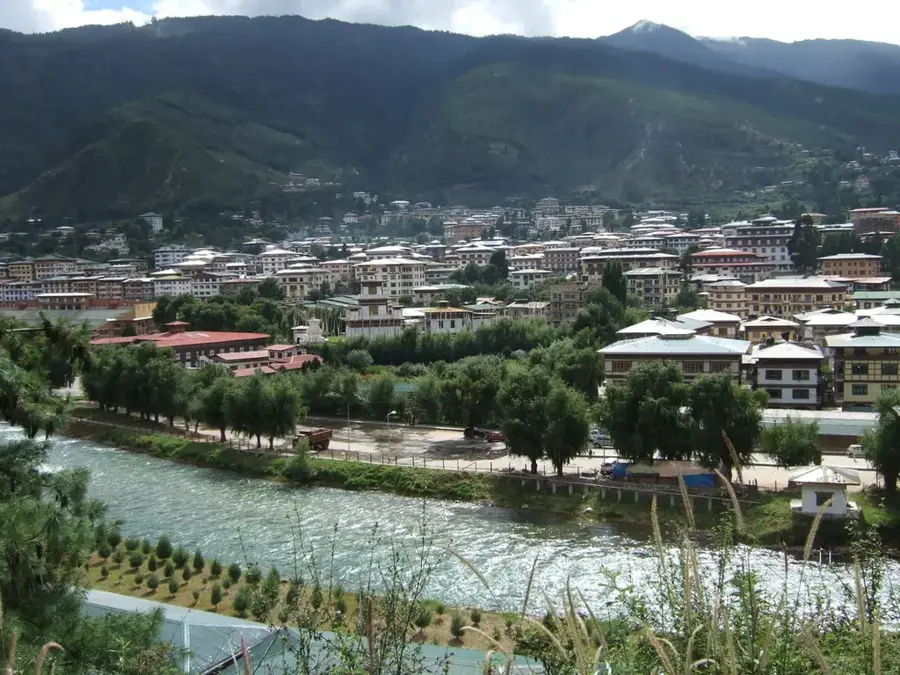
Punakha, the former capital of Bhutan until 1955, is situated at a moderate elevation of about 1,200 meters in the central-western part of the country. The city is world-famous for Punakha Dzong, a majestic fortress built in 1637, strategically placed at the confluence of the Pho Chhu and Mo Chhu rivers. Due to its lower altitude compared to Thimphu, Punakha enjoys a subtropical climate, which is why it remains the winter residence of Bhutan's central monastic body to this day. The fertile valley allows for intensive rice cultivation, particularly the famous Bhutanese red rice, as well as various fruits. Historically, Punakha was the setting for many significant events, including the coronation of the first King of Bhutan in 1907. The architectural splendor of the dzong, with its intricate woodwork and paintings, reflects the depth of Bhutanese culture and Tibetan Buddhism. Today, the city remains a spiritual center and a vital location for national celebrations like the Punakha Tshechu.
- Location: Bhutan
- Nearby: Lhamoizingkha (6 km)
- Population: ~21.500 (2026)
Best time to visit & climate
The most pleasant time to visit is Sep–Nov.
| Jan | Feb | Mar | Apr | May | Jun | Jul | Aug | Sep | Oct | Nov | Dec | |
|---|---|---|---|---|---|---|---|---|---|---|---|---|
| Avg °C | 1 | 2 | 5 | 8 | 11 | 14 | 15 | 14 | 13 | 9 | 5 | 3 |
| Rain mm | 4 | 12 | 32 | 74 | 119 | 164 | 254 | 202 | 130 | 55 | 4 | 2 |
Geography
Facts
- Capital of Bhutan until the year 1955
- Punakha Dzong was founded in 1637
- Located at the confluence of Pho Chhu and Mo Chhu
- Winter residence of the central monastic body
- Elevation of approximately 1,200 meters
- Site of the first King's coronation in 1907
Explore nearby
Notable places around

Route planner — Car & Motorhome
Where do you start? We build the route here, with stops and country notes along the way.
© OpenStreetMap contributors · OpenRouteService
Frequently asked questions
Why is Punakha so important?
What is the main attraction?
What is the climate like in winter?
Are there hiking trails?
What is the Punakha Suspension Bridge?
Punakha: where is it located?
Punakha: when is the best time to visit?
Punakha: why is it worth visiting?

Nearby cities
History & landmarks
Nature
More places