Plizio Visual Lab

Karabakh Plateau
Plizio editorial teamData Sources
plateau
—°3
Karabakh Plateau (Azerbaijan)

Weather…

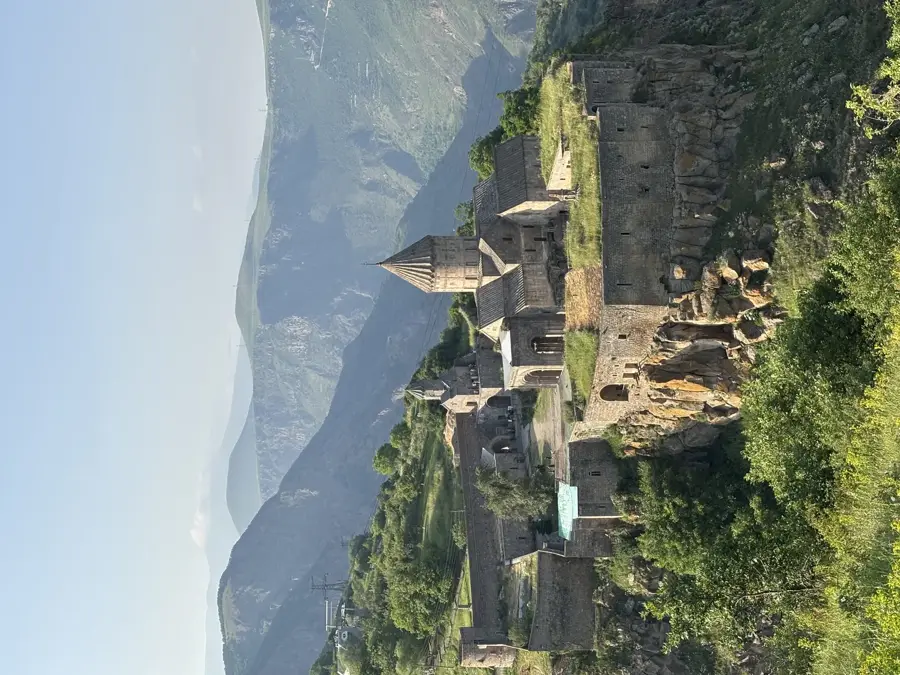
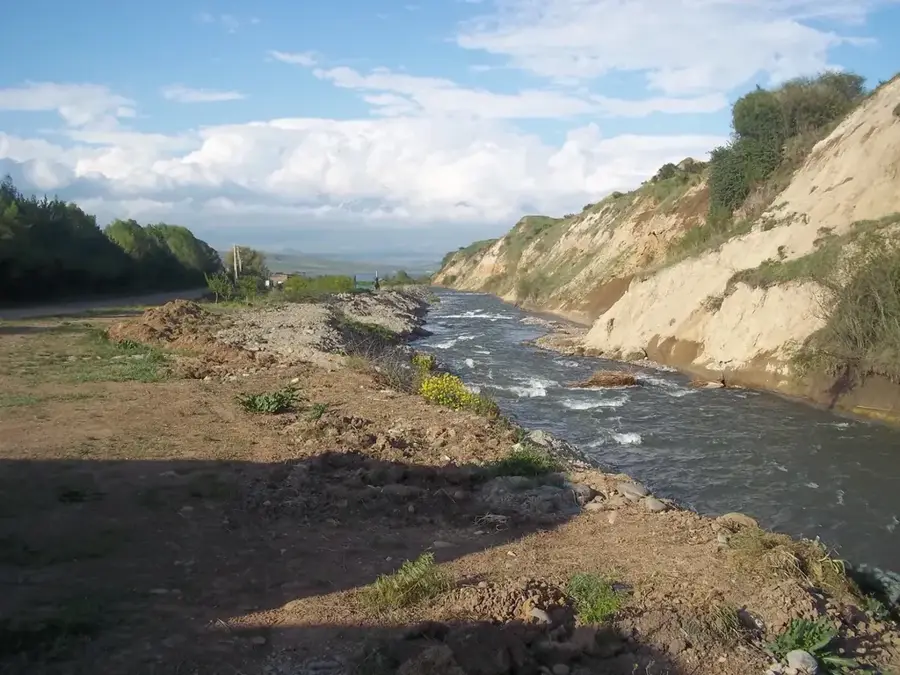
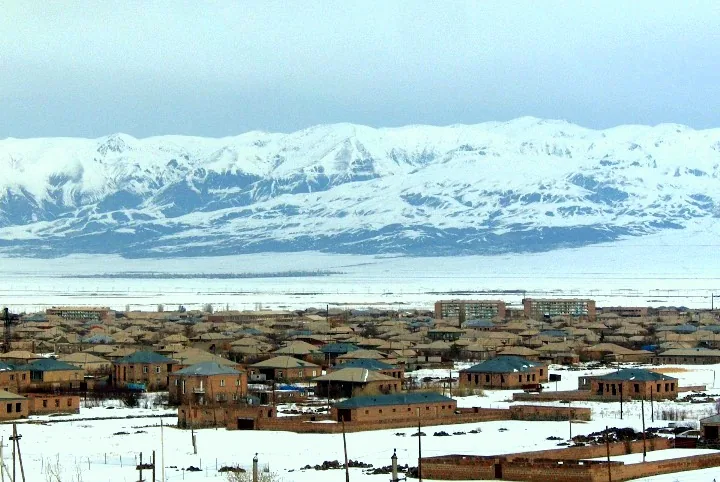
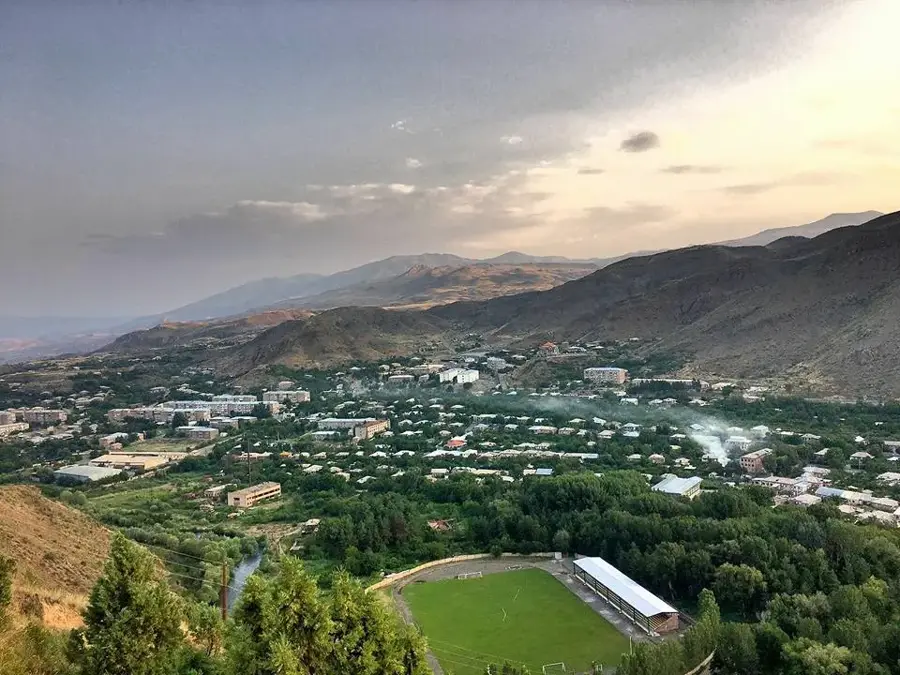
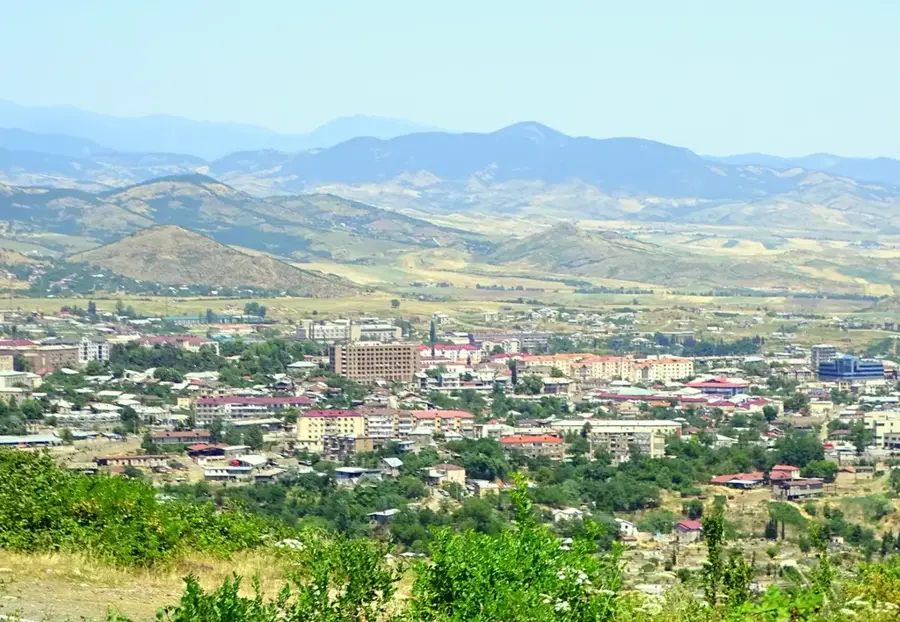
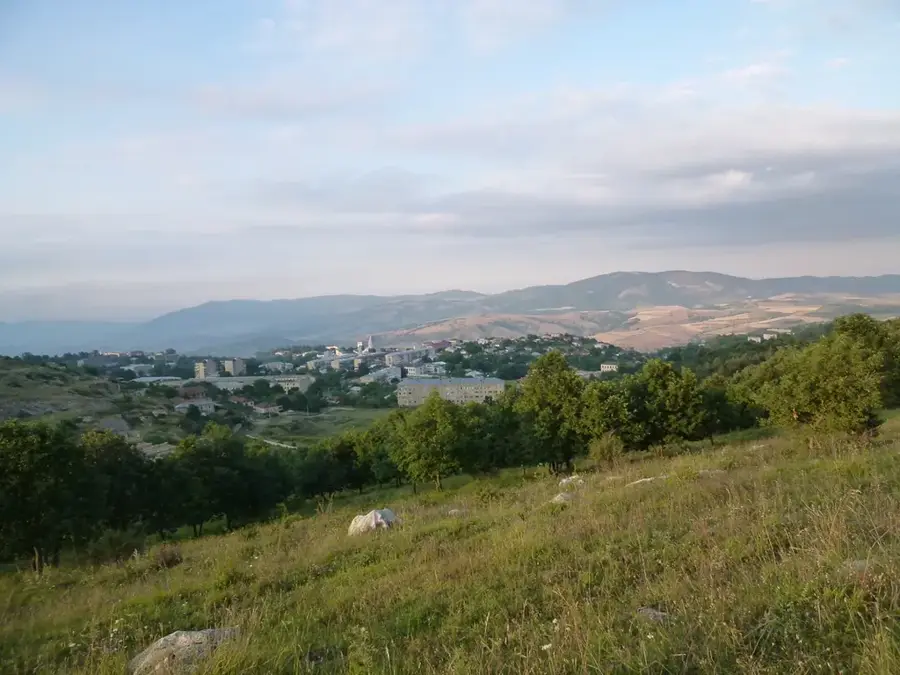
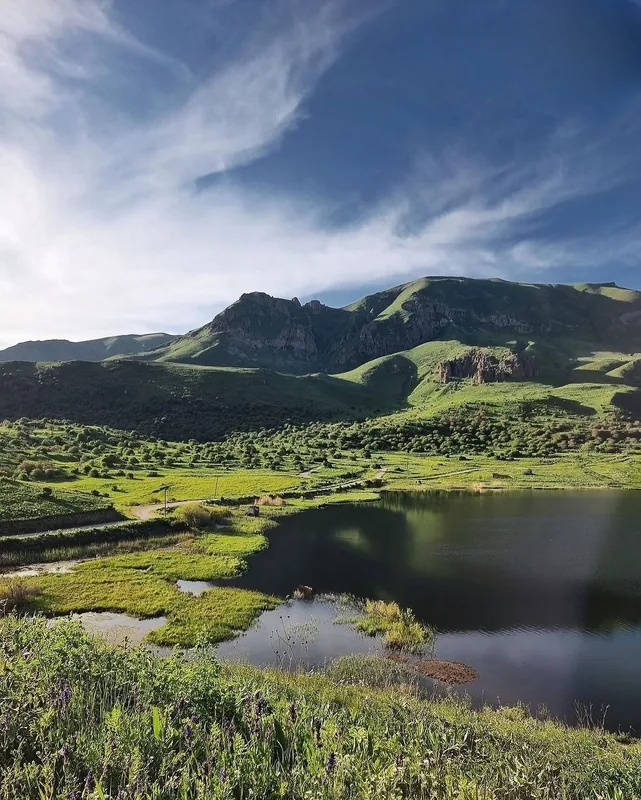
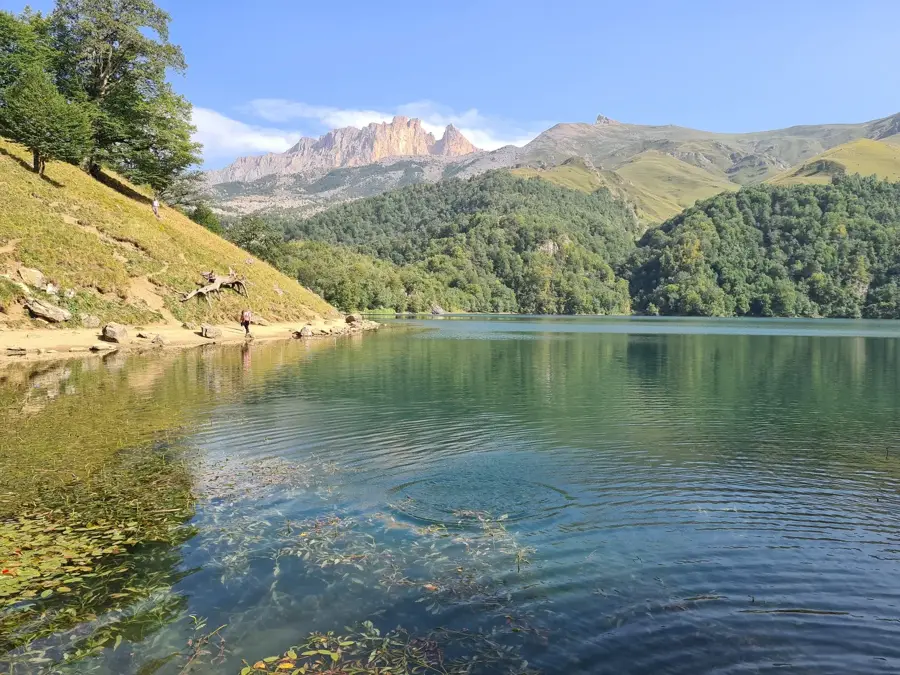
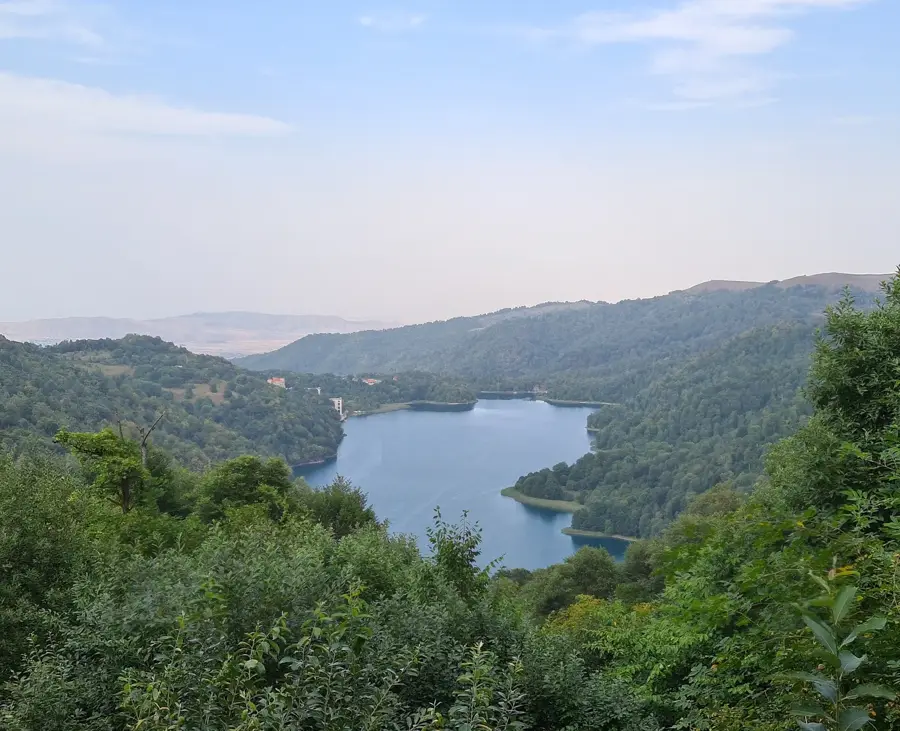
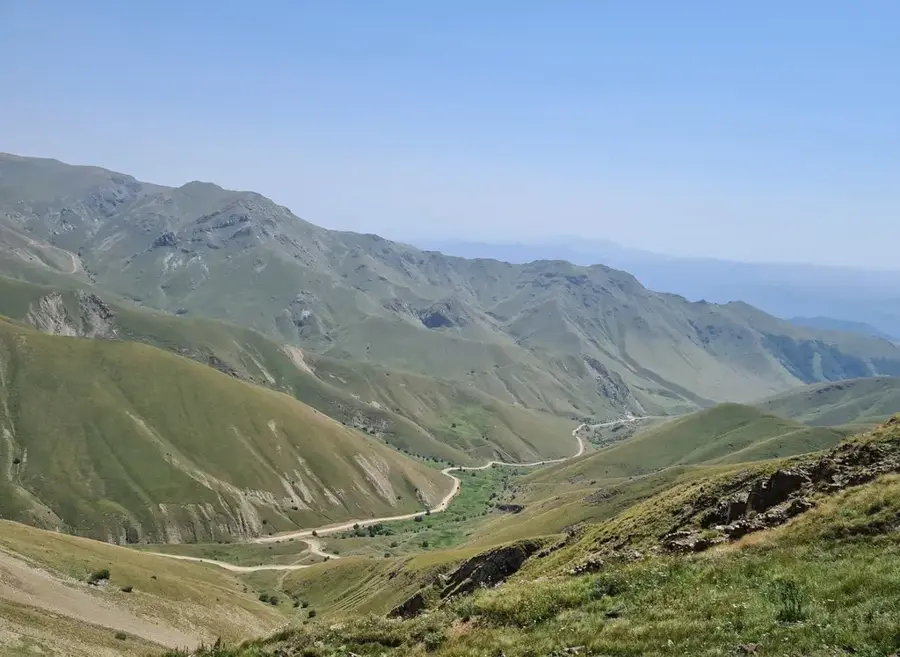
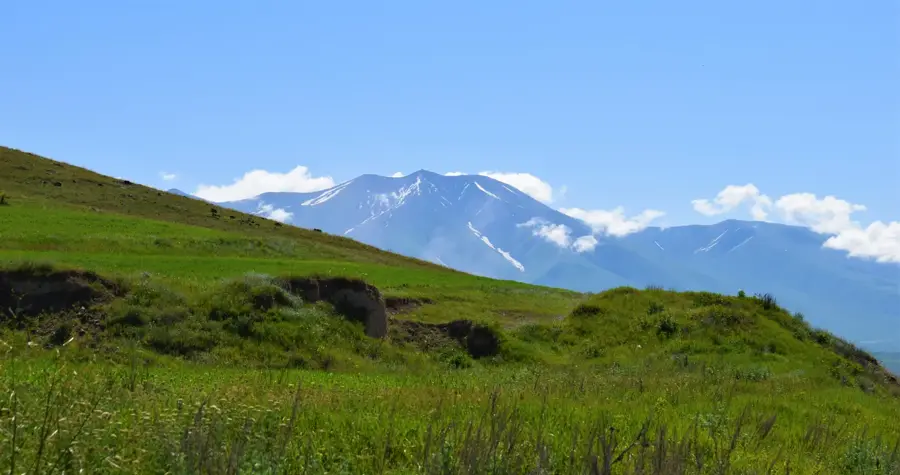
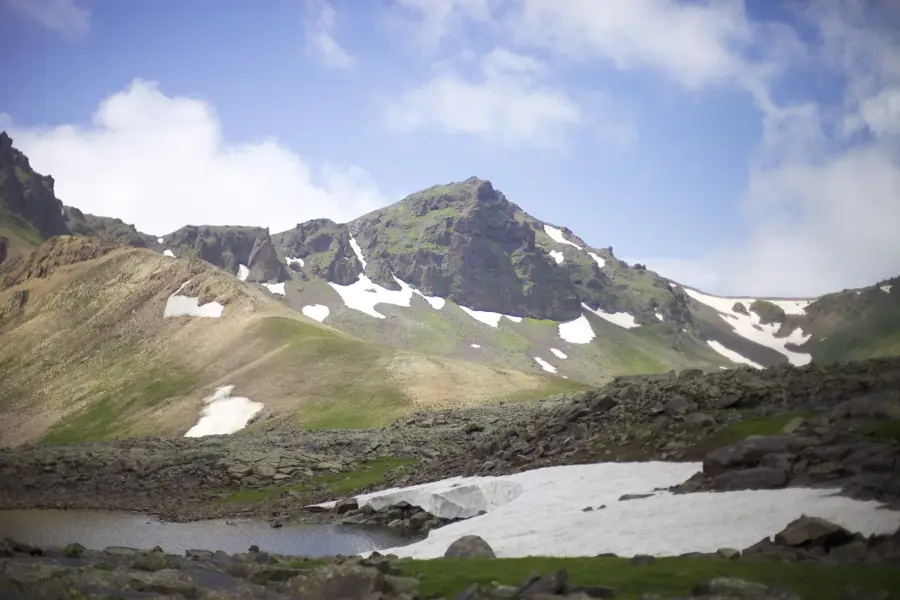
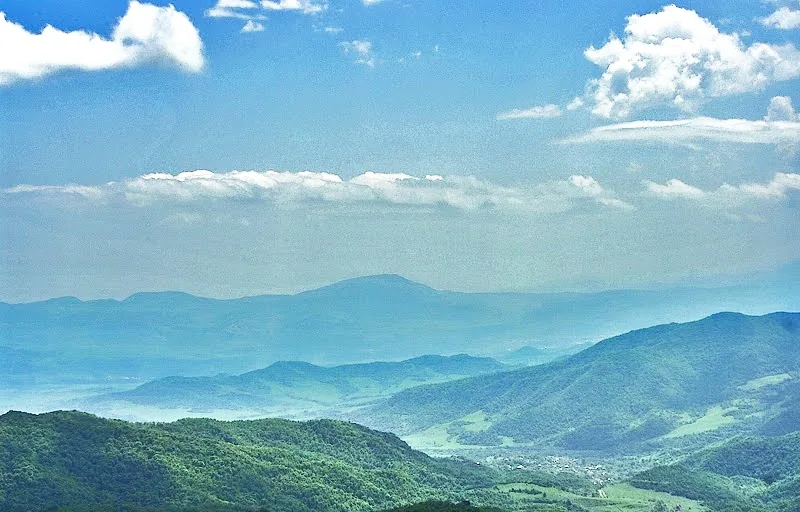
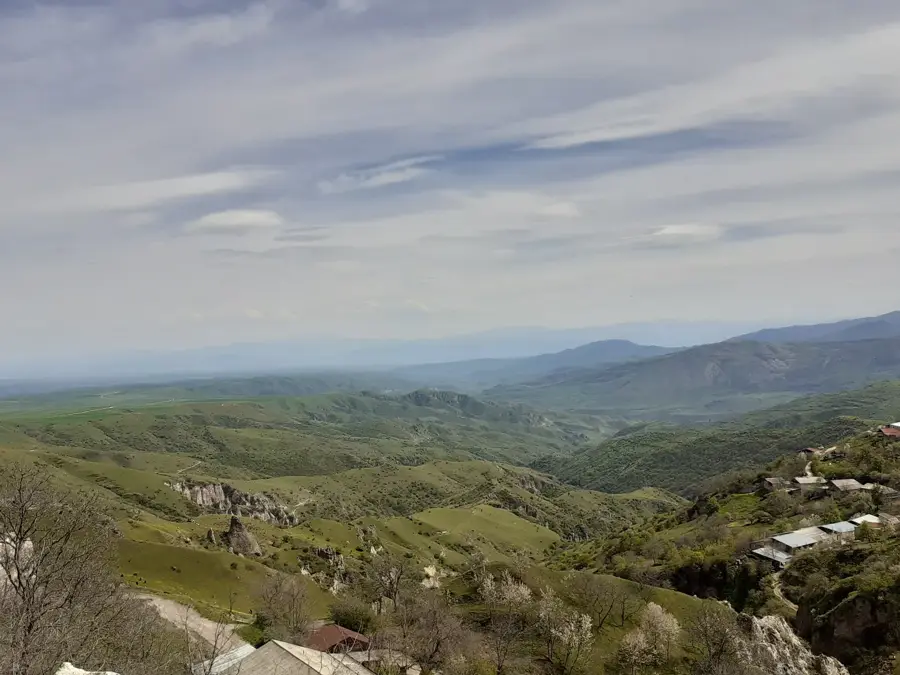
The Karabakh Plateau is a volcanic upland located in southwestern Azerbaijan, forming part of the Lesser Caucasus mountain system. It lies between the Zangezur and Karabakh mountain ranges, with an average elevation ranging from 2,000 to 2,500 meters. The landscape is characterized by extinct volcanic cones, vast alpine meadows, and deep river valleys carved by tributaries of the Aras and Kura rivers. Geologically, the plateau consists primarily of volcanic rocks such as basalt and tuff, reflecting intense magmatic activity in the past. Due to its high altitude, the region experiences a harsh mountain climate with snowy winters and cool summers. The plateau is ecologically significant and has traditionally served as summer pasture for livestock. Additionally, important rivers like the Tartar and Hakari originate here, providing essential water for the irrigation of the surrounding lowlands.

Best time to visit & climate

The most pleasant time to visit is Jun–Aug.

JanFebMarAprMayJunJulAugSepOctNovDec
Avg °C-4-226121618181592-2
Rain mm151731374628131117292116

📋 Practical info

🧭
Getting there
The Karabakh Plateau is generally accessible via unpaved and challenging mountain roads, often starting from regional centers in Azerbaijan. The journey almost always requires an off-road vehicle and a knowledgeable local guide.
📅
Best season
The best travel months are typically late spring and early summer when the alpine meadows bloom and temperatures are pleasant. In winter, heavy snowfall and harsh winds make the region largely inaccessible to most regular visitors.
⛰️
Terrain & paths
The landscape is characterized by steep gorges, broad volcanic plateaus, and uneven terrain. Hiking trails are rarely marked, making good navigation skills absolutely essential in this rugged and wild mountainous environment.
🎒
What to bring
Visitors should definitely bring sturdy, ankle-supporting hiking boots, layered wind- and water-resistant clothing, and reliable sun protection. A compass, GPS equipment, and sufficient emergency provisions are mandatory for longer trips.
🅿️
Parking
Parking options are mostly limited to informal spots in the last settlements before the ascent. From these starting points, further exploration must be continued either on foot or with specialized off-road vehicles heading towards the plateau.
⚠️
Safety
The extreme remoteness requires careful planning, as mobile phone reception and medical assistance are far away. Rapid weather changes at high altitudes pose a significant risk and demand constant vigilance from all members of the expedition.
⏱️
Time needed
A typical excursion takes at least one to two full days to fully experience the scenic diversity of the plateau. Shorter trips are usually hardly worth the effort due to the demanding and time-consuming journey required to reach the area.

Geography

Coordinates
39.60000, 46.10000

Facts

  • The average altitude of the plateau ranges between 2,000 and 2,500 meters.
  • The highest peak on the plateau is Delidag, reaching 3,616 meters.
  • The plateau is predominantly composed of rocks of volcanic origin.
  • Major rivers like the Tartar and Hakari originate in this mountainous region.
  • The region is famous for its mineral-rich thermal springs such as Istisu.
  • The upland has served as a vital summer grazing area for centuries.

Explore nearby

Notable places around

Route planner — Car & Motorhome

Where do you start? We build the route here, with stops and country notes along the way.

Vehicle
Only stops with (optional):

© OpenStreetMap contributors · OpenRouteService

Sights in the town Karabakh Plateau (3)

Ughtasar🌿 nature

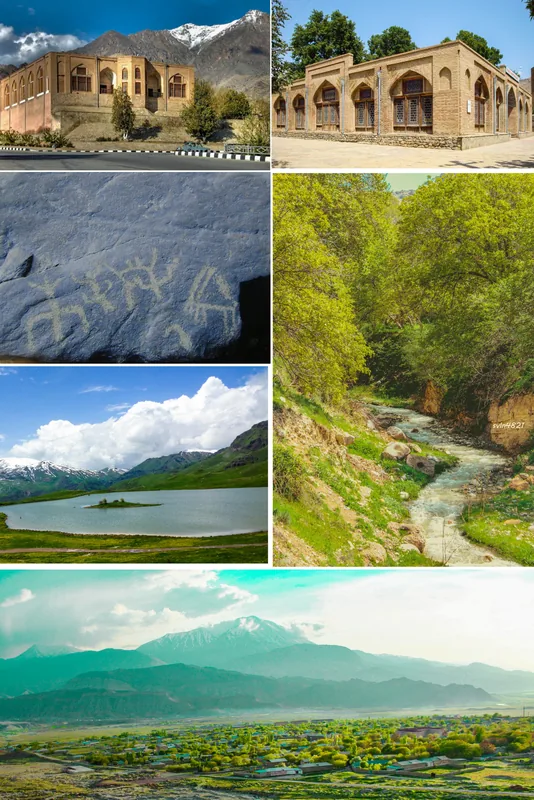
A mountain exceeding 3300 meters, renowned for the thousands of prehistoric petroglyphs found on its slopes.

Qızıltəpə🌿 nature

A peak on the Karabakh Plateau, characterized by its distinct reddish coloration and sparse vegetation.

Kantyeri🏺 historical

Ancient ruins on the high plateau, indicating very early human settlement in this region.

Sights nearby

Frequently asked questions

What characterizes the Karabakh Plateau?
It is an impressive, mountainous region with deep history.
Is the region easy to travel through?
Infrastructure is currently being heavily developed.
Are there historical sites?
Yes, there are many old fortresses and churches.
How is the weather there?
The mountain climate is changeable.
Are there nature parks there?
Yes, the region is very green and rich in forests.
Karabakh Plateau: where is it located?
Karabakh Plateau is located in Azerbaijan.
Karabakh Plateau: what is there to see?
Highlights include Ughtasar, Qızıltəpə, Kantyeri.
Karabakh Plateau: when is the best time to visit?
The most pleasant time to visit is Jun, Aug.
Karabakh Plateau: why is it worth visiting?
The Karabakh Plateau is a volcanic upland located in southwestern Azerbaijan, forming part of the Lesser Caucasus mountain system.
View on map → The Top 50 Attractions → OpenStreetMap →
Asia
Explore with Plizio Discover more places in Asia
More places in Azerbaijan →

Nearby cities

History & landmarks
Nature
More places