Plizio Visual Lab
Traiskirchen
ℹ️Practical info — Traiskirchen
▾
🌤 Weather — 5 days
📍 Nearby
Sights nearby
💡 Tips
- Use the Badener Bahn tram-train to comfortably travel to Vienna or Baden without worrying about parking.
- Visit a local 'Heuriger' (wine tavern), look for the pine branch hung outside to see if they are currently open.
- The town museum has fascinating insights into the industrial history of the region; plan an hour or two for your visit.
- The area is famous for Zierfandler and Rotgipfler wines; a wine tasting in the vicinity is highly recommended.
- A walk along the Schwechat river is particularly pleasant in the late afternoon.
🍽 Food
Try cold spreads, traditional cold cut platters, and regional wines directly at the local wine taverns.
Taste this indigenous white wine variety at a local vinotheque or wine tavern.
Enjoy Austrian cakes and strudel at a traditional confectionery in the center.
🛍 Shopping · 🧘 Quiet spots
Purchase excellent Rotgipfler and St. Laurent wines directly from the producers as souvenirs.
Get fresh, regional food and specialties at the weekly local market.
A green oasis in the middle of town, good for a short break on a park bench.
Enjoy the peaceful atmosphere on the paths along the riverbanks.
Water temperature…
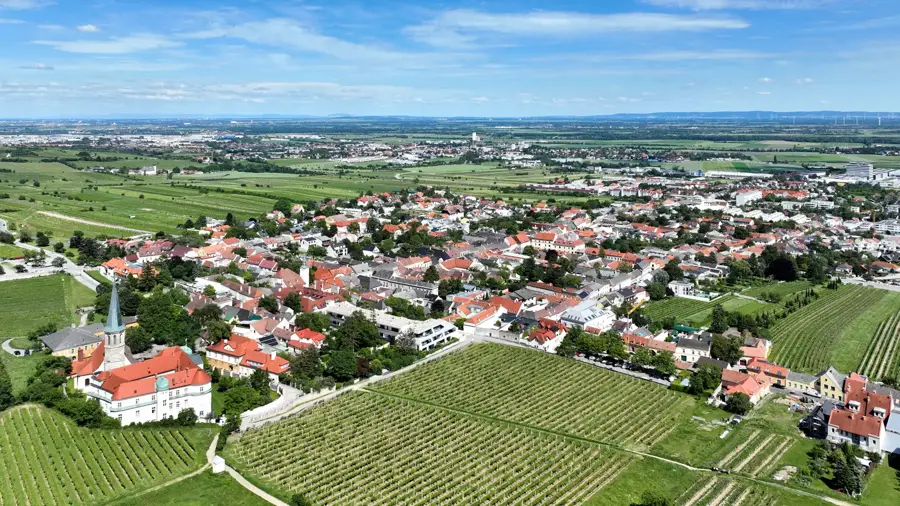
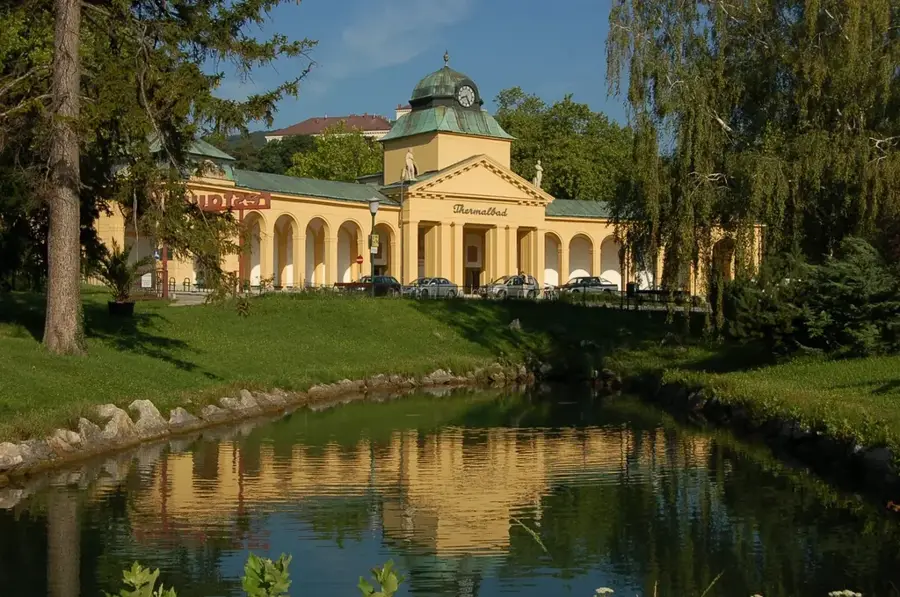
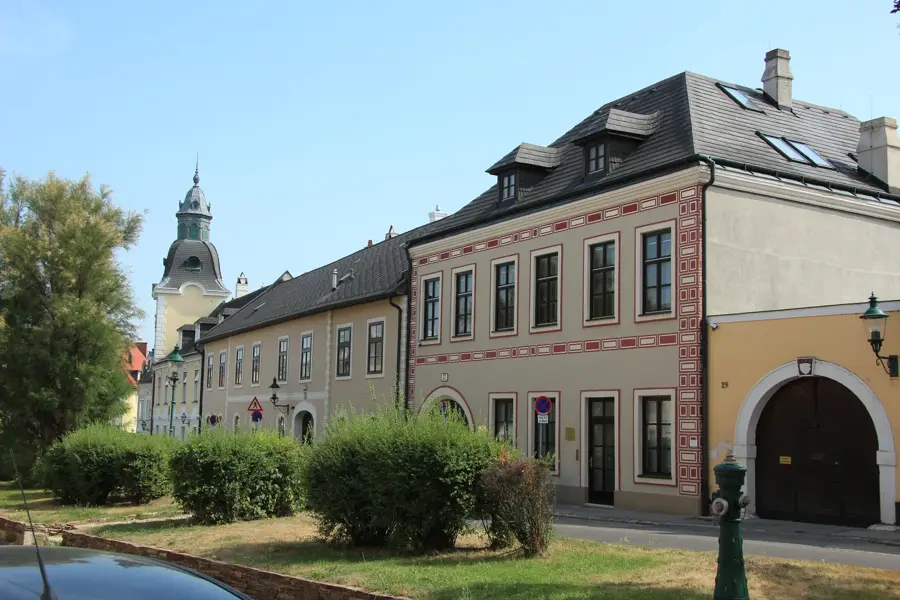
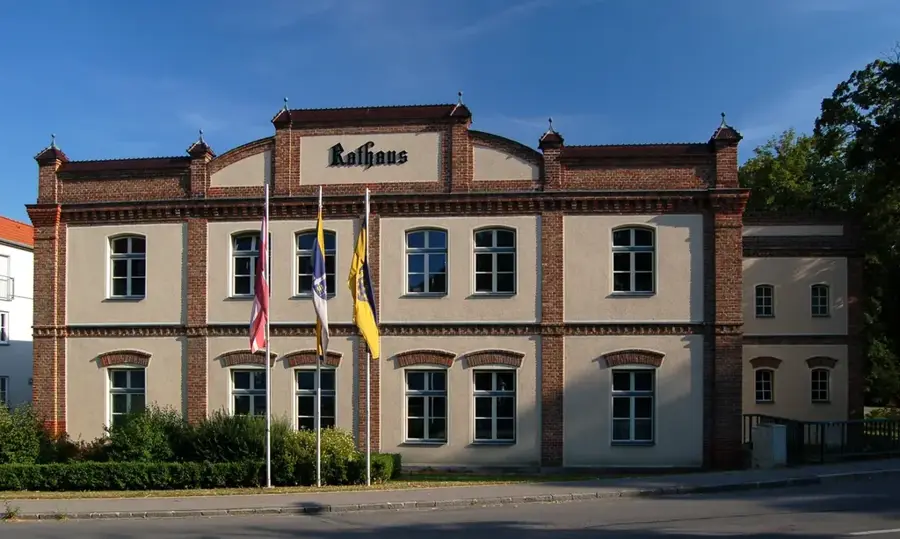
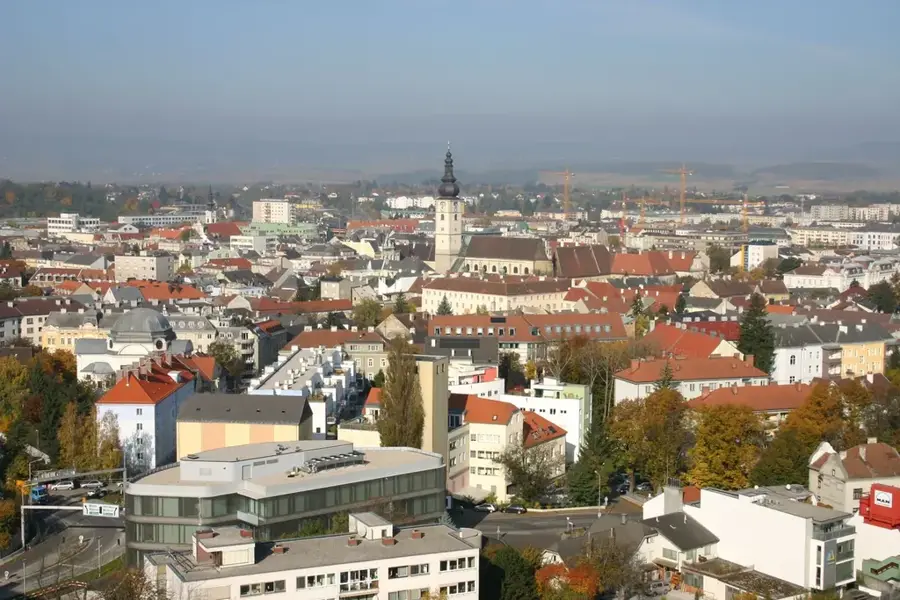
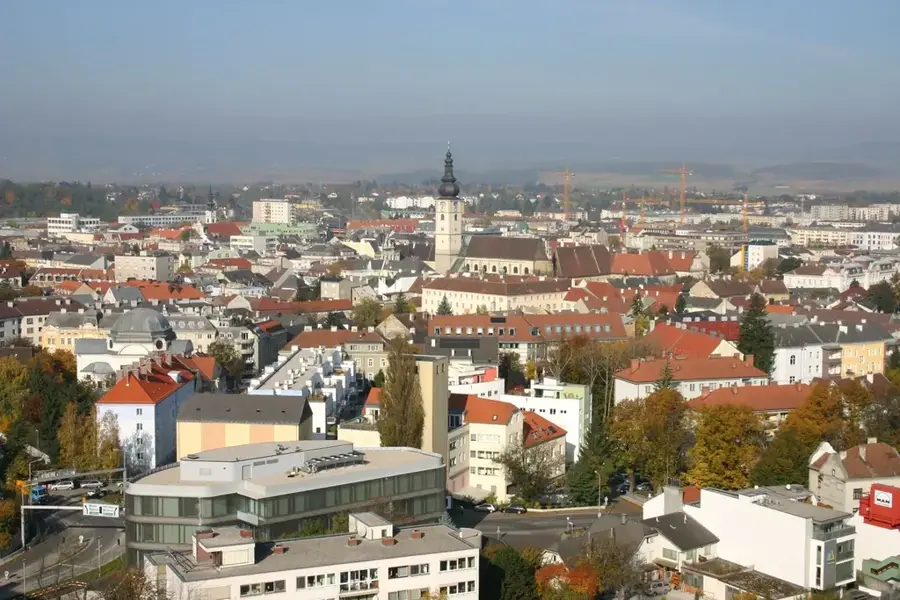
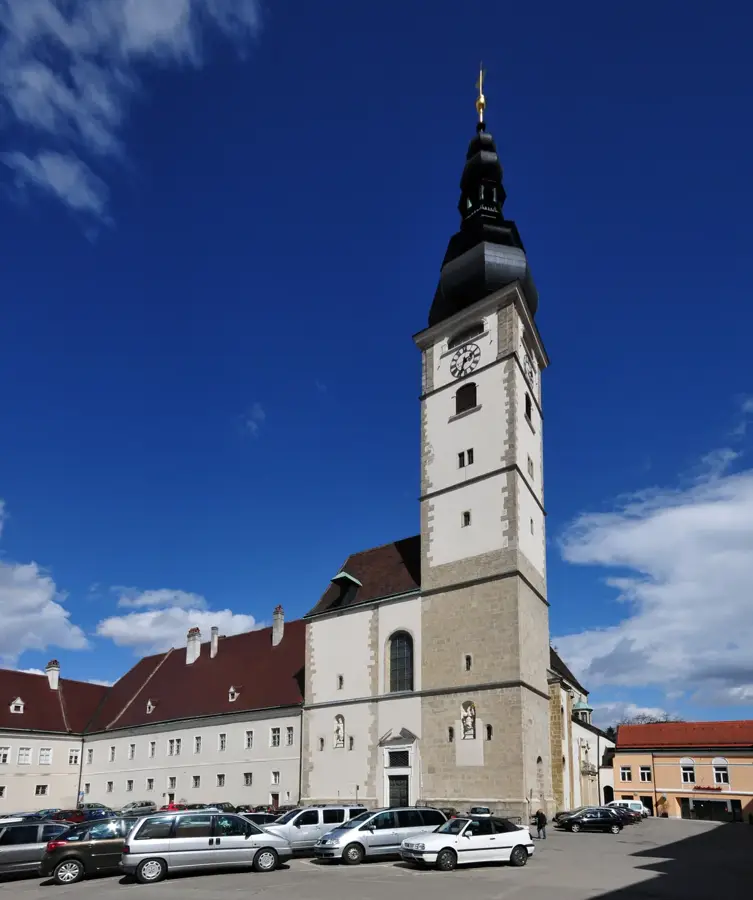
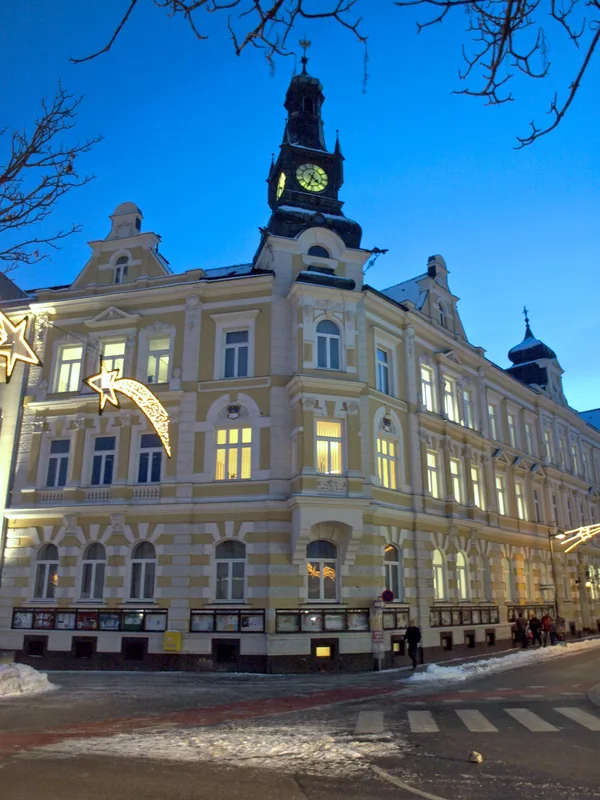
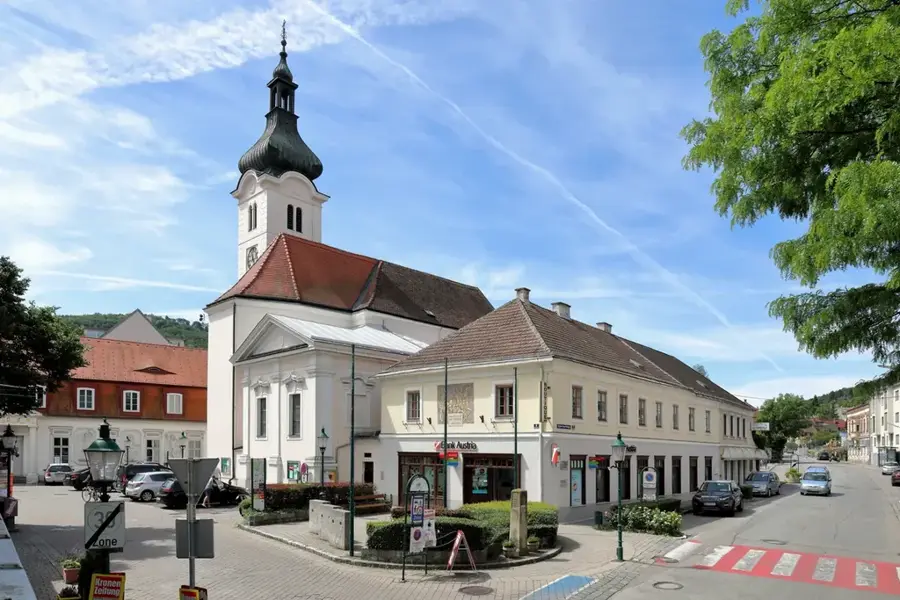
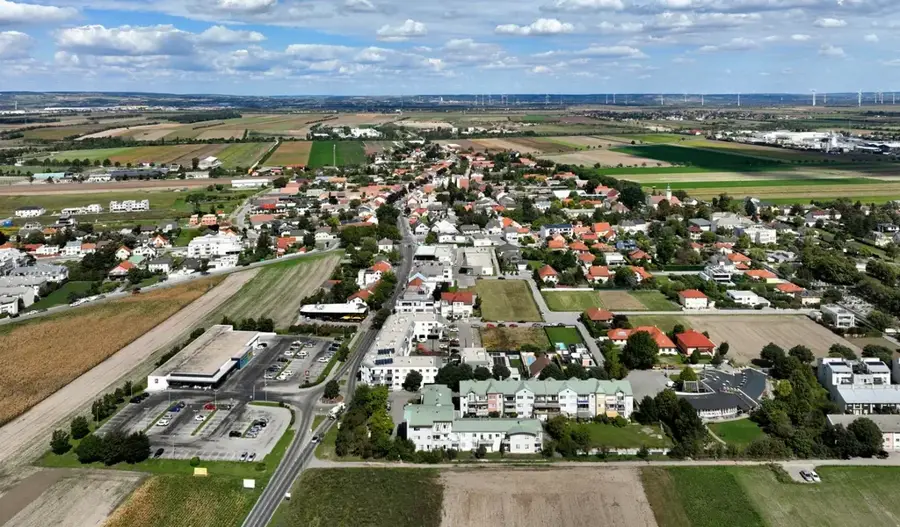
Traiskirchen is located south of Vienna in the fertile plains of the Vienna Basin and belongs to the Thermenregion. The city looks back on a long tradition of viticulture, reflected in the numerous Heuriger wine taverns. Historically, the town is closely linked to the textile industry, which shaped the rise of the community in the 19th century. A significant landmark is the parish church of St. Nicholas, whose origins go back far and which served as a fortified church. Today, Traiskirchen is primarily known nationwide for the Federal Reception Center for asylum seekers, housed in a former imperial cadet school. The city also features the Traiskirchen City Museum in the former worsted yarn spinning mill, which features deep insight into the everyday history and industrial development of the region. Economically, the city is characterized today by a mix of commercial businesses, industry, and agriculture. The connection to the Badner Bahn railway and the Southern Motorway ensures excellent accessibility. Despite its industrial character, Traiskirchen has maintained a village-like feel in its core, complemented by modern residential areas and leisure facilities like the popular adventure pool.
- Location: Lower Austria, Austria
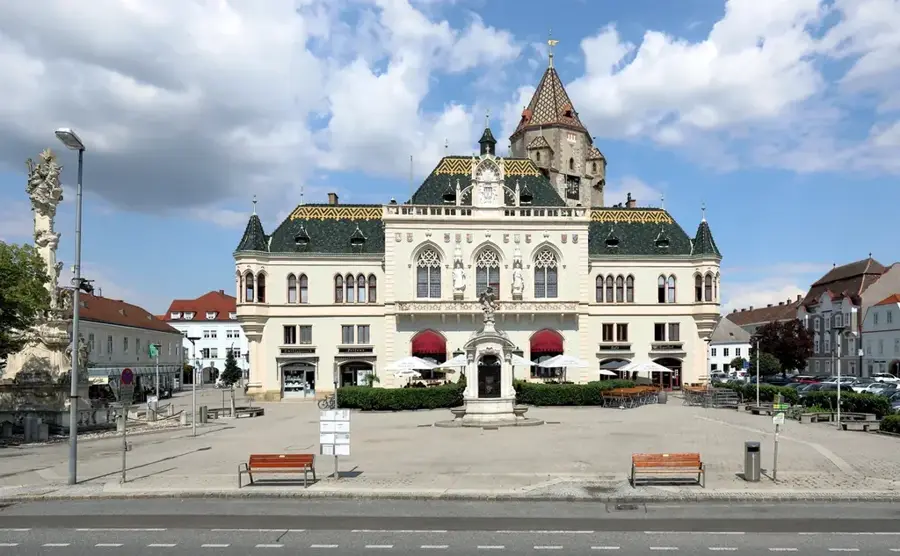
- Top sights: Museum Traiskirchen · Schloss Tribuswinkel · Stadtsaal Traiskirchen
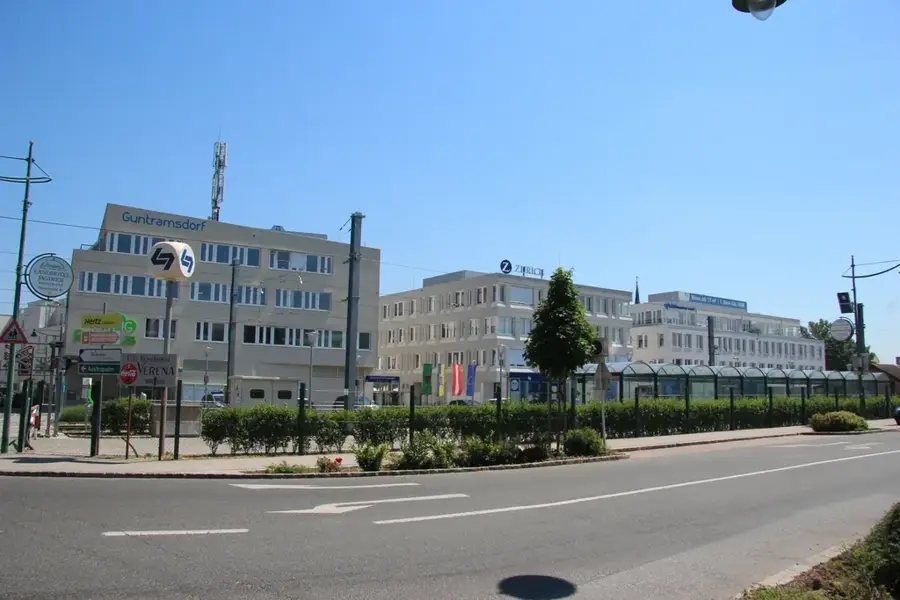
- Nearby: Guntramsdorf (4 km)
- Population: ~19.569
Best time to visit & climate
The most pleasant time to visit is Jun–Aug.
| Jan | Feb | Mar | Apr | May | Jun | Jul | Aug | Sep | Oct | Nov | Dec | |
|---|---|---|---|---|---|---|---|---|---|---|---|---|
| Avg °C | -2 | 0 | 4 | 10 | 14 | 19 | 21 | 20 | 15 | 10 | 4 | 0 |
| Rain mm | 43 | 38 | 46 | 41 | 85 | 91 | 88 | 87 | 79 | 54 | 45 | 43 |
Geography
Facts
- City status since the year 1927
- Located on the historical wine route
- City museum in a former factory
- Population of over 19,000
- Significant cold-water adventure pool
- Industrial history since the 19th century
Explore nearby
Notable places around
Route planner — Car & Motorhome
Where do you start? We build the route here, with stops and country notes along the way.
© OpenStreetMap contributors · OpenRouteService
Sights in the town Traiskirchen (9)
Frequently asked questions
What is Traiskirchen known for?
Can you visit the Heurige wine taverns?
What does the city museum offer?
Are there parks in Traiskirchen?
How is the connection to Vienna?
Traiskirchen: where is it located?
Traiskirchen: what is there to see?
Traiskirchen: when is the best time to visit?
Traiskirchen: why is it worth visiting?

Nearby cities
History & landmarks