Plizio Visual Lab

Schladming Tauern
Plizio editorial teamData Sources
Mountain
—°4
Schladming Tauern (Austria)

Weather…

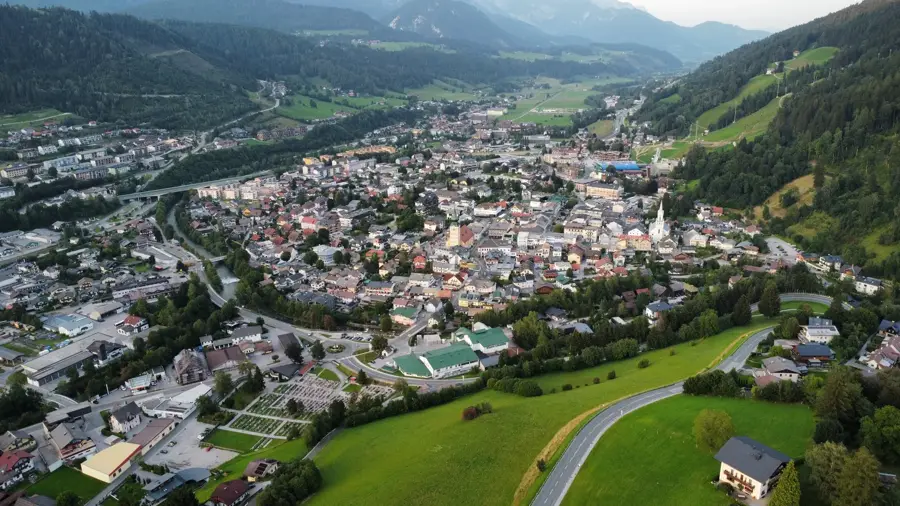
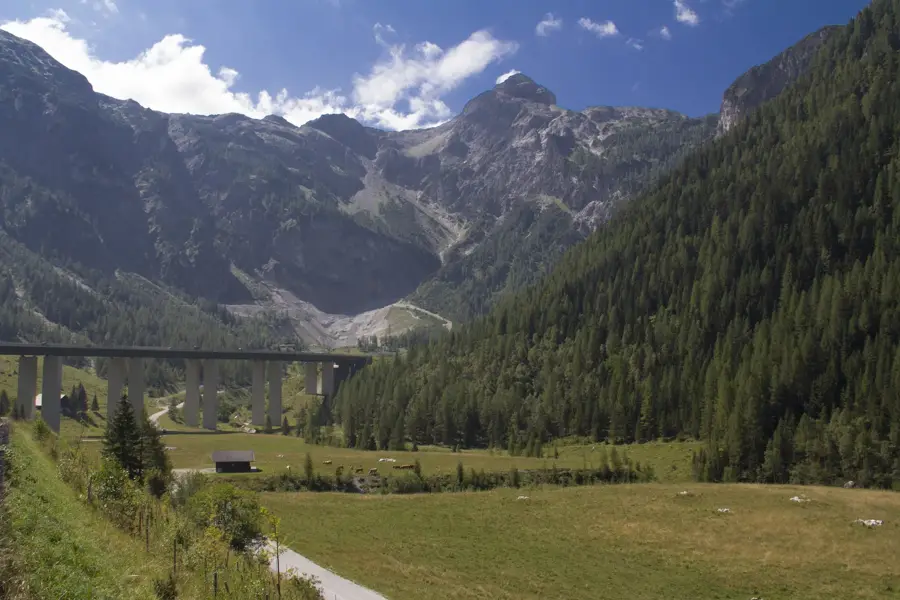
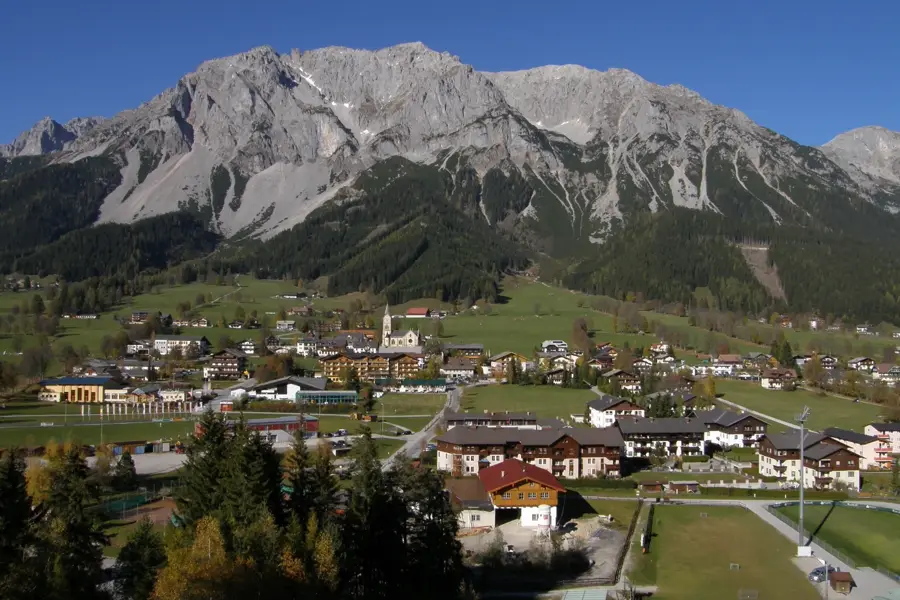
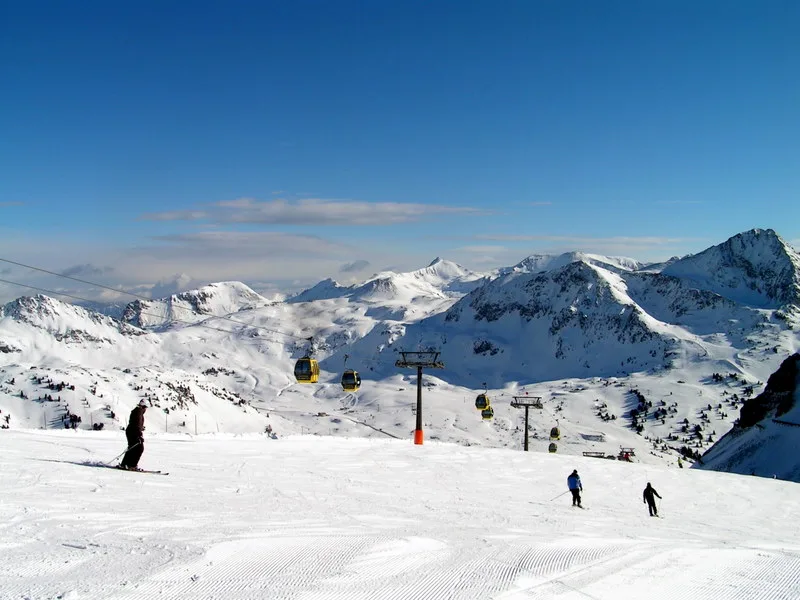
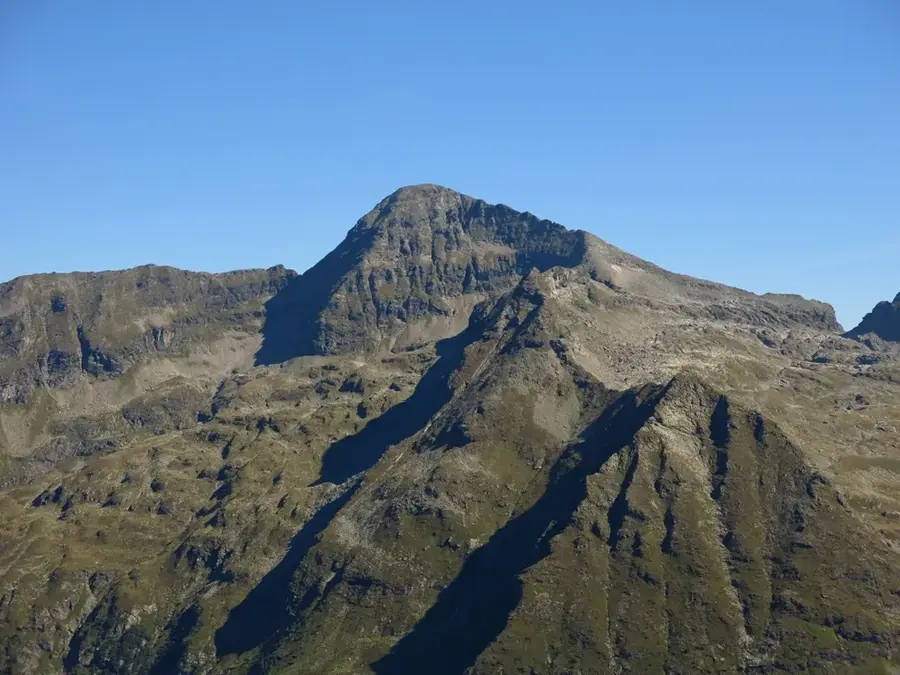
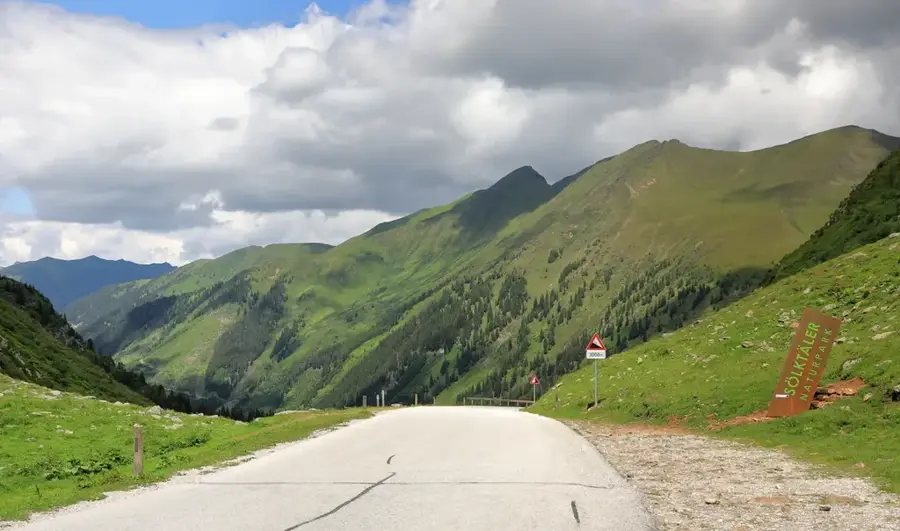
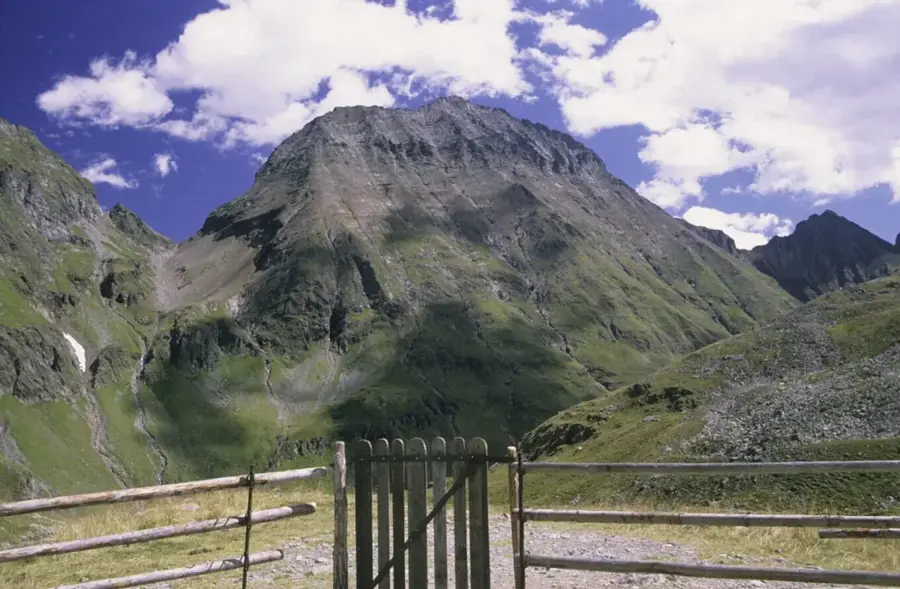
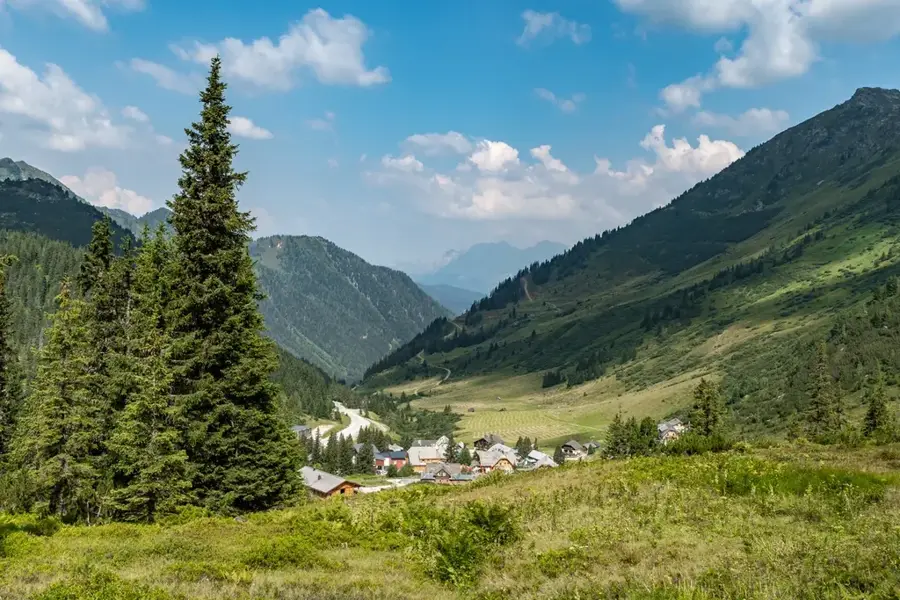
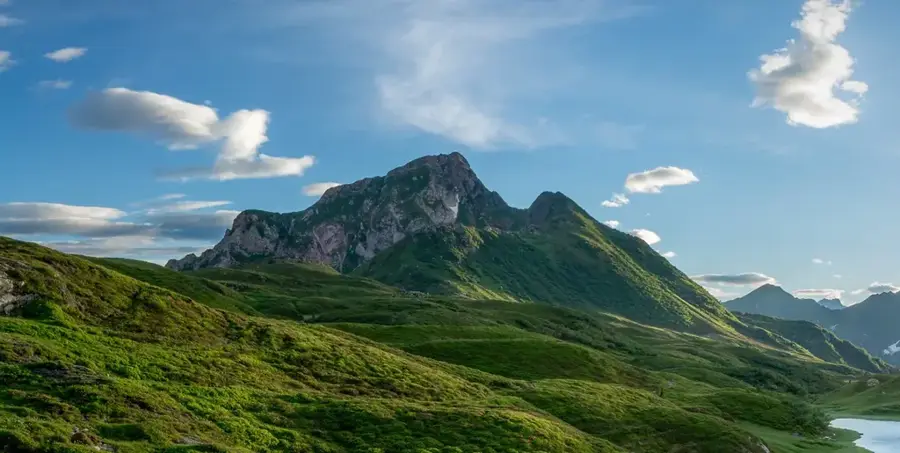
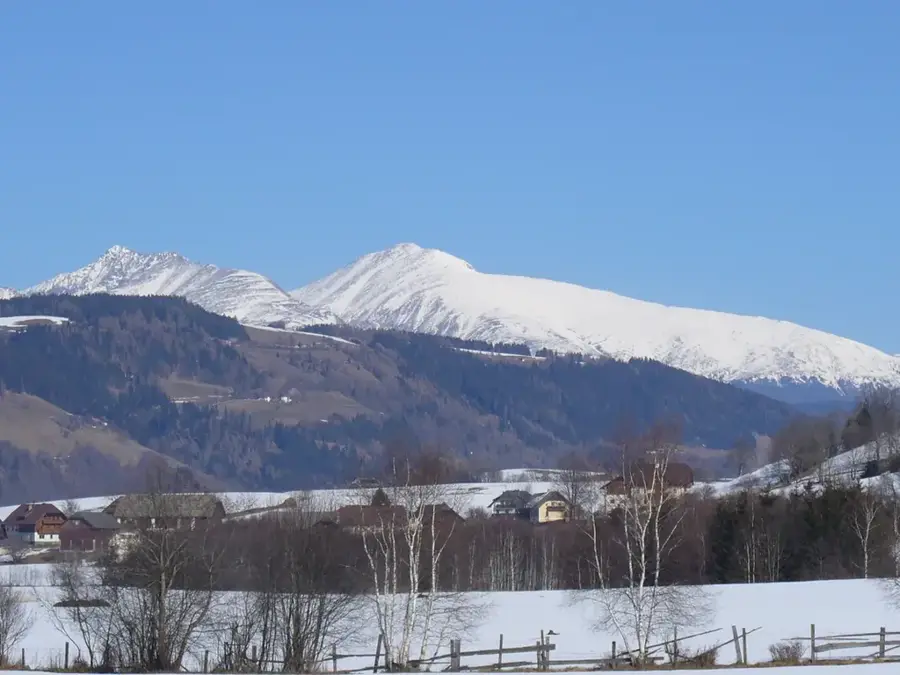
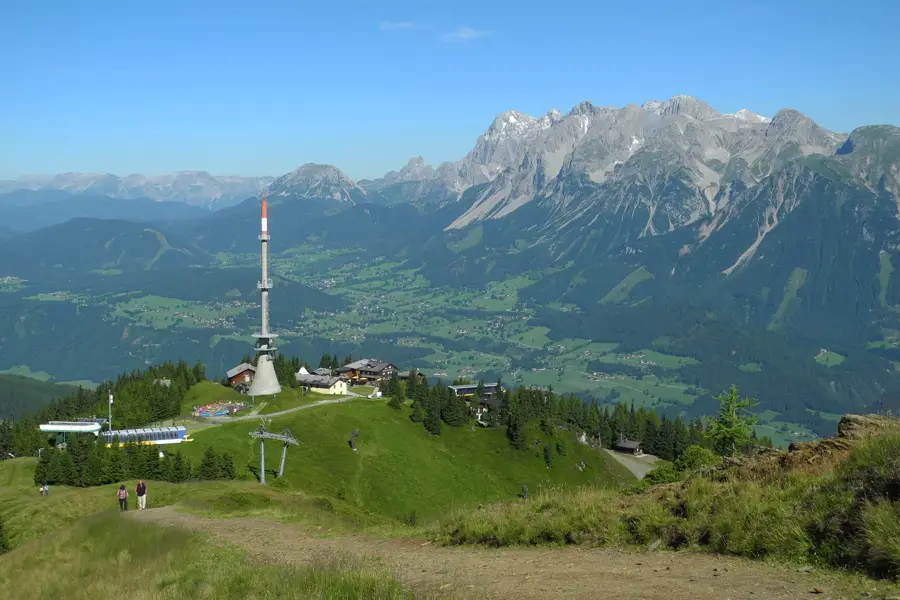
The Schladming Tauern are a sub-range of the Lower Tauern, stretching across the federal states of Salzburg and Styria. They are world-famous for their water-rich landscape, which includes over 300 mountain lakes and numerous waterfalls, such as the Klafferkessel natural phenomenon, a relic landscape from the Ice Age. The highest peak is the Große Wildstelle at 2,747 meters, while the Hochgolling on the border with Lungau marks the highest point of the entire Lower Tauern at 2,863 meters. Geologically, crystalline schists and gneisses dominate, which facilitated the formation of the many high-alpine lakes. Historically, the region was a center for silver and cobalt mining, with the town of Schladming gaining economic significance as early as the Middle Ages. Today, the mountains are an eldorado for hikers and mountaineers, while the northern slopes, including Planai and Hauser Kaibling, are among the most important ski areas in the Alps. The species-rich fauna includes ibex, chamois, and the rare alpine salamander.

Best time to visit & climate

The most pleasant time to visit is Jun–Aug.

JanFebMarAprMayJunJulAugSepOctNovDec
Avg °C-5-5-1491315141061-4
Rain mm82678175140167177175132967376

📋 Practical info

🧭
Getting there
The Schladming Tauern mountains are most effectively approached from the surrounding valleys, particularly the Ennstal or the Großarltal. The appealing towns set within this region usually serve as excellent base camps for everything from leisurely walks to demanding high-alpine expeditions.
📅
Best season
For hikers and nature enthusiasts, the snow-free window typically stretching from June to October is generally the safest and most rewarding time to visit. While summer showcases lively alpine meadows, the winter months frequently provide exceptional conditions for ski touring and snowshoeing adventures.
⛰️
Terrain & paths
This mountain range is distinguished by its pristine, rugged landscape, featuring crystalline rock formations, numerous pristine mountain lakes, and steep ridges. The trail network ranges from gentle valley paths to highly challenging, exposed ridge walks that are strictly for experienced mountaineers.
🎒
What to bring
Robust, weather-resistant alpine equipment is absolutely essential for safely navigating this formidable mountain environment. In addition to well broken-in hiking boots and plentiful provisions, carrying a comprehensive first-aid kit and a reliable navigation device or detailed map is completely non-negotiable.
🅿️
Parking
Visitors will typically find ample parking facilities, some of which may require a fee, situated in the well-known valley towns and at major trailheads. When visiting highly popular destinations such as local waterfalls or lakes, an early morning arrival is strongly advised to secure parking near the start.
⚠️
Safety
Given the significant elevations and the unforgiving nature of the terrain, meticulous route planning combined with constant weather monitoring is vital. It is incredibly important to realistically assess your physical capabilities and to strictly avoid exposed ridges during fog, snow, or heavy rainfall.
⏱️
Time needed
The length of a visit can easily range from a half-day excursion to a nearby alpine lake to a multi-day hut-to-hut trekking adventure. To genuinely appreciate the vast scenic diversity that the Schladming Tauern has to offer, visitors should ideally plan to spend at least two to three full days exploring.

Geography

Coordinates
47.30000, 13.80000

Facts

  • The region is home to over 300 mountain lakes, including the Klafferkessel.
  • The Hochgolling (2,863 m) is the highest peak in the Lower Tauern.
  • Silver was mined in Schladming as early as the 14th century.
  • The Schladming Tauern High Trail is one of the most famous long-distance trails.
  • Geologically, the mountains belong to the crystalline basement of the Central Alps.
  • The Planai in Schladming is a famous venue for Alpine Ski World Cup races.

Explore nearby

Notable places around
Route planner — Car & Motorhome

Where do you start? We build the route here, with stops and country notes along the way.

Vehicle
Only stops with (optional):

© OpenStreetMap contributors · OpenRouteService

Sights in the town Schladming Tauern (4)

Naturschutzgebiet Klafferkessel🌿 nature

A high alpine plateau with over 30 mountain lakes in the Schladming Tauern.

Waldhorn📍 landmark

A prominent mountain peak in the Schladming Tauern range.

Greifenberg📍 landmark

A mountain peak in the Schladming Tauern, known for its scenic views.

Greifenstein📍 landmark

A mountain peak in the Austrian Schladming Tauern range.

Sights nearby

Frequently asked questions

Why is the region famous?
Famous for the 4-Mountain Ski Swing and Ski World Cups.
Which peaks belong to it?
Planai, Hochwurzen, Reiteralm, and Hauser Kaibling.
Are there mountain lakes for hiking?
Yes, the Klafferkessel is a famous high-mountain lake district.
How to reach Schladming?
Easily reached by train or via the Ennstal federal road.
Is the region active in summer?
Yes, mountain biking and hiking are main attractions.
Schladming Tauern: where is it located?
Schladming Tauern is located in Carinthia, Austria.
Schladming Tauern: what is there to see?
Highlights include Naturschutzgebiet Klafferkessel, Waldhorn, Greifenberg.
Schladming Tauern: when is the best time to visit?
The most pleasant time to visit is Jun, Aug.
Schladming Tauern: why is it worth visiting?

The Schladming Tauern are a sub-range of the Lower Tauern, stretching across the federal states of Salzburg and Styria.
View on map → The Top 50 Attractions → OpenStreetMap →
Europe
Explore with Plizio Discover more places in Europe
More places in Austria →

Nearby cities

History & landmarks
More places