Plizio Visual Lab

Ansberg

Plizio editorial teamData Sources
Mountain
—°3
Ansberg (Austria)

Weather…

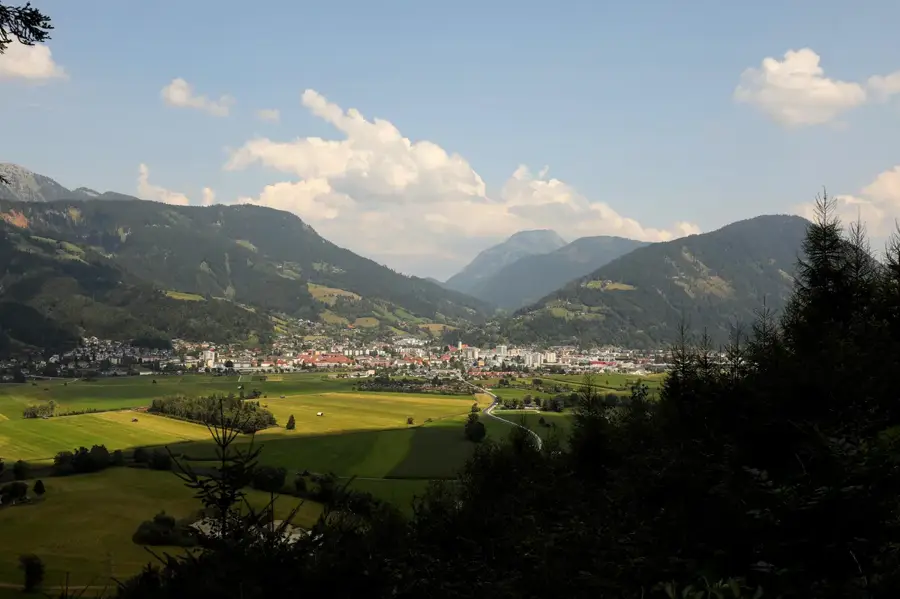
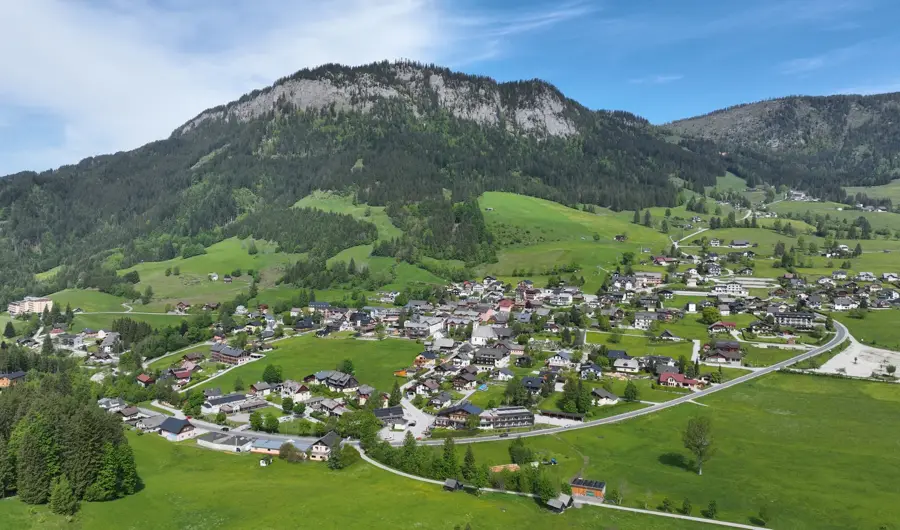
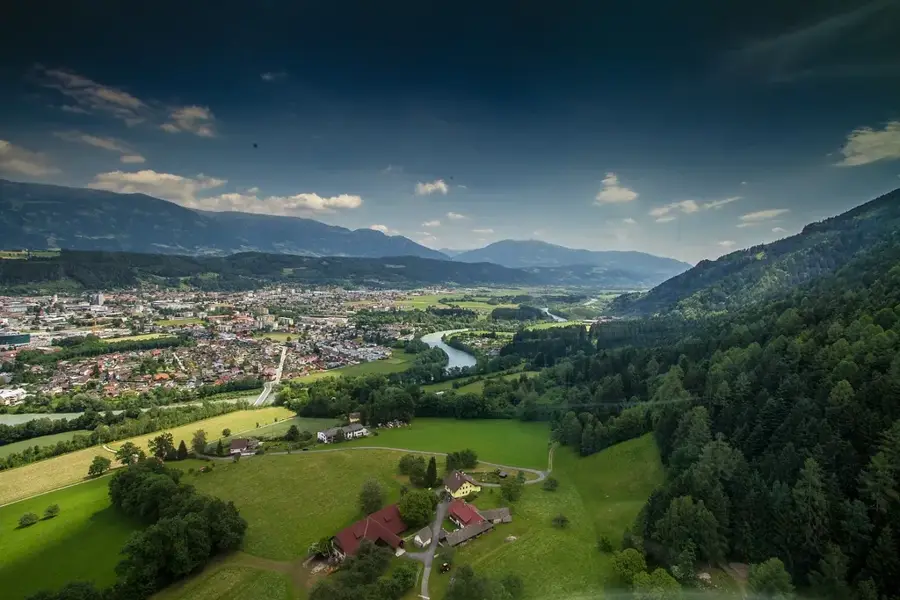
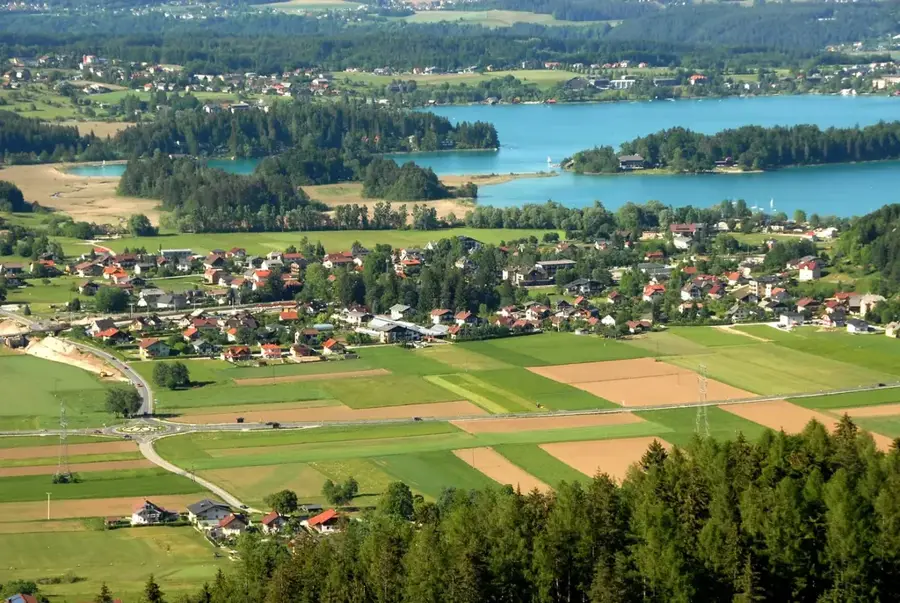
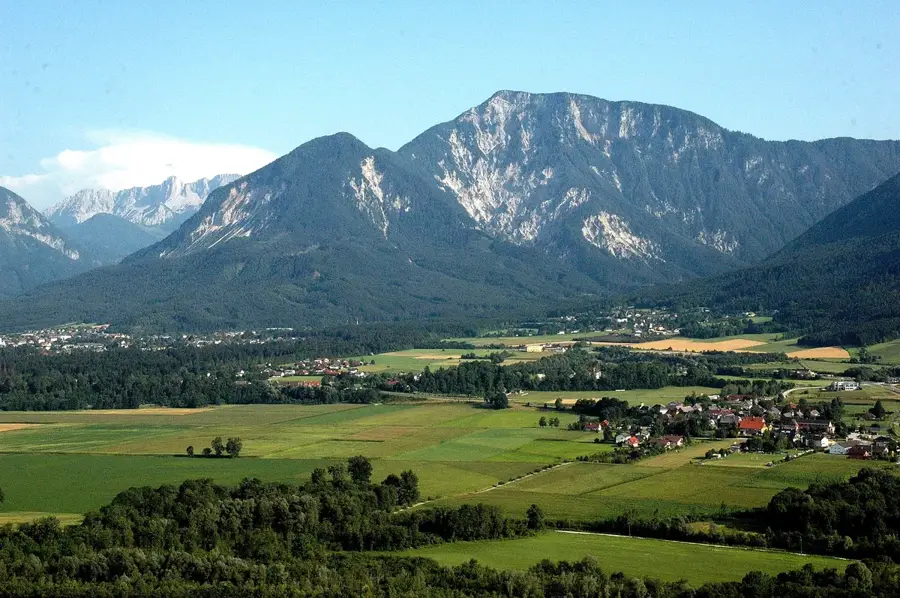
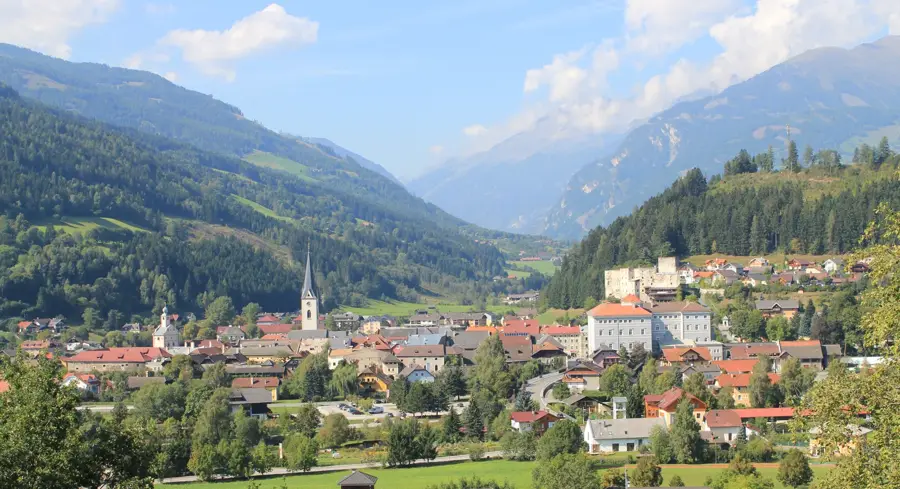
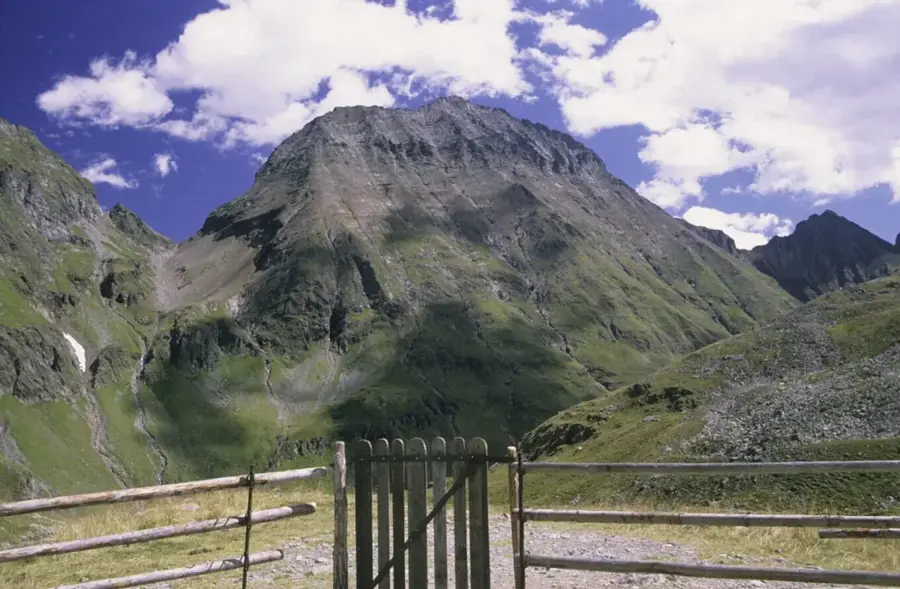
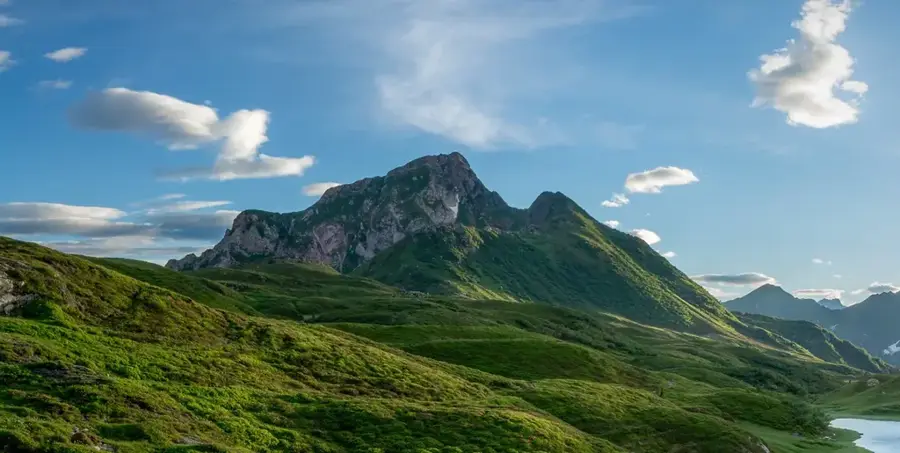
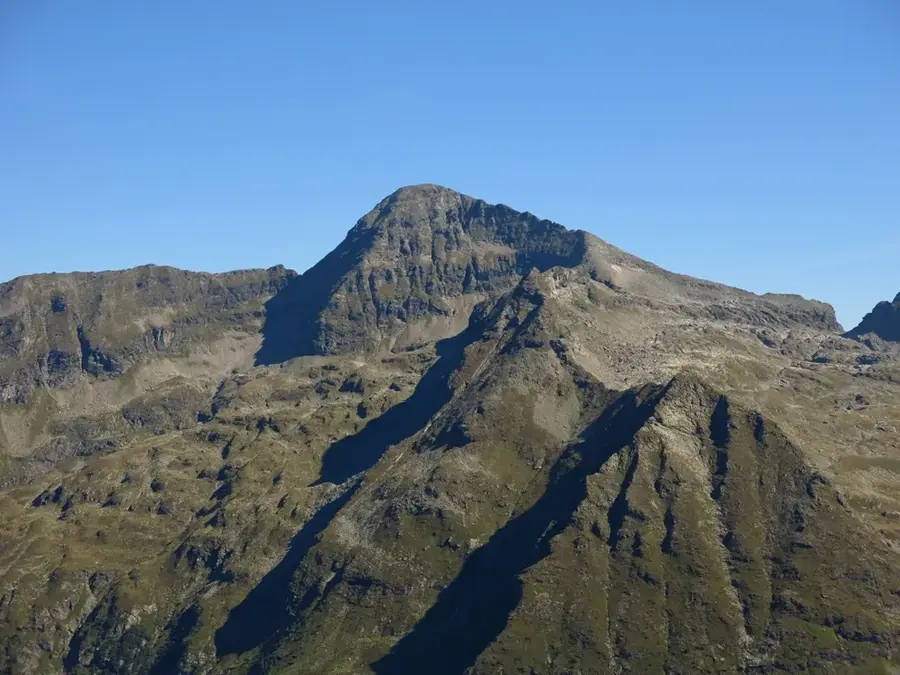
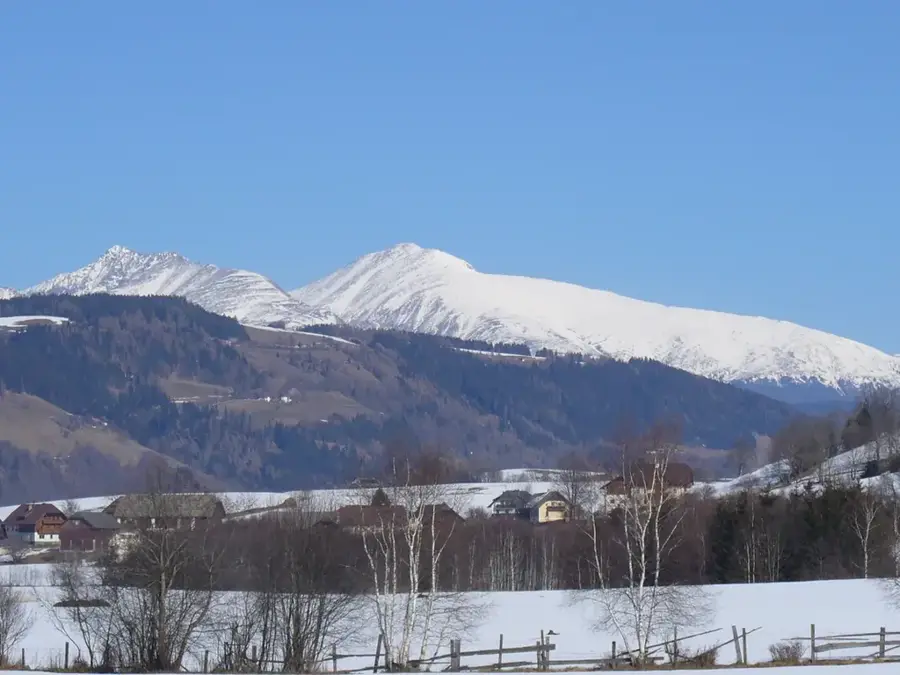
Ameisberg (frequently referred to as Ansberg) rises to 940 meters, making it one of the highest elevations in the Upper Mühlviertel region of Upper Austria. Located in the municipality of Sarleinsbach, its prominent position on the high plateau affords striking 360-degree views that extend from the Bohemian border to the main Alpine chain on clear days. The summit features a heritage-listed observation tower built in 1904 in a historicist style, serving as a popular local destination. Geologically, the mountain is part of the Bohemian Massif, composed primarily of granite and gneiss, evidenced by characteristic boulder formations and weathering patterns. The surrounding area is defined by a traditional agricultural landscape, first-rate for hiking and cross-country skiing during the winter months. Historically, the region was an important settled area along the ancient trade routes connecting the Danube River with Bohemia.

Best time to visit & climate

The most pleasant time to visit is Jun–Aug.

JanFebMarAprMayJunJulAugSepOctNovDec
Avg °C-5-5-1491315141061-4
Rain mm82678175140167177175132967376

📋 Practical info

🧭
Getting there
Accessing this peak in the Lower Tauern region usually involves driving from the nearby administrative center of Liezen and navigating smaller, local mountain roads. Arriving by private car is typically the most practical approach, as direct public transport to the higher trailheads is generally infrequent or entirely unavailable.
📅
Best season
The most dependable period for a safe and enjoyable hike usually spans the warm summer months through the early weeks of autumn. Visitors generally avoid the mountain during late autumn and early spring, when unpredictable snowfalls in Styria can quickly obscure the trails and create hazardous conditions.
⛰️
Terrain & paths
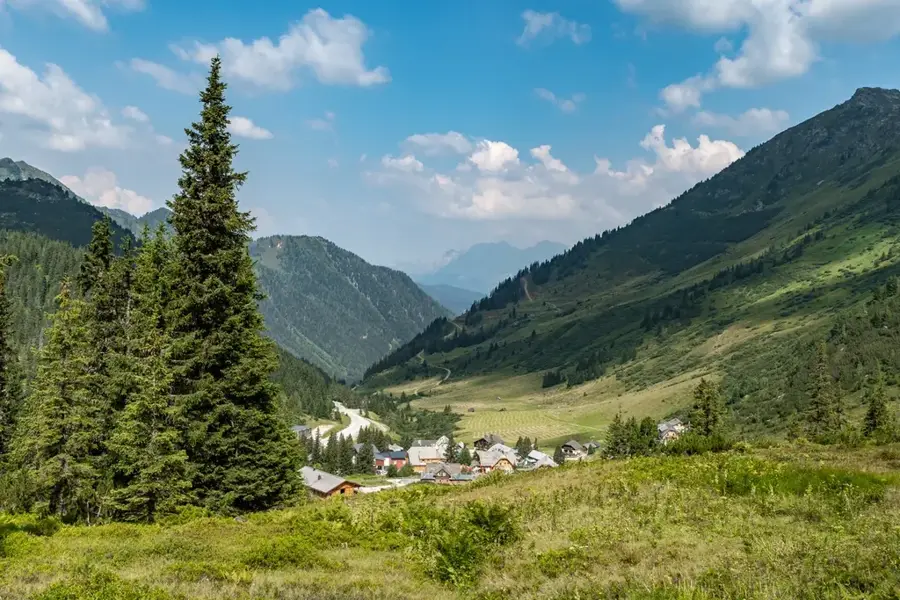
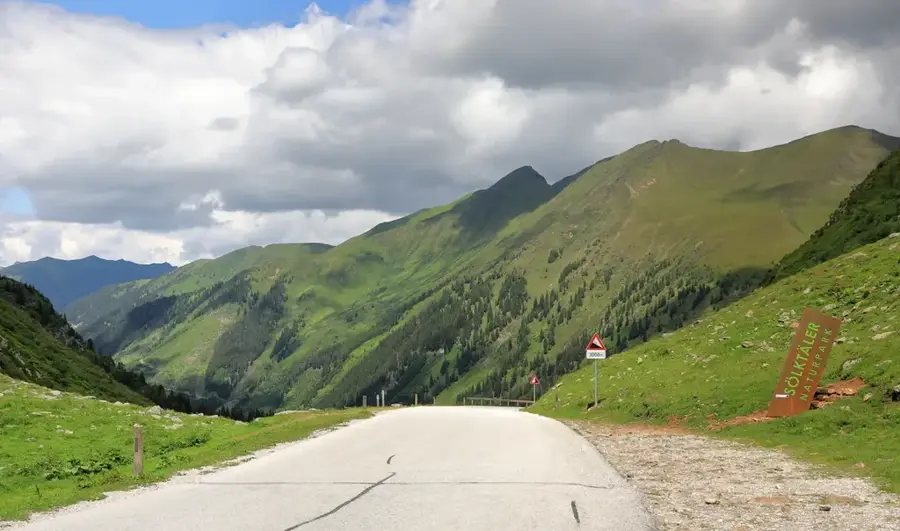
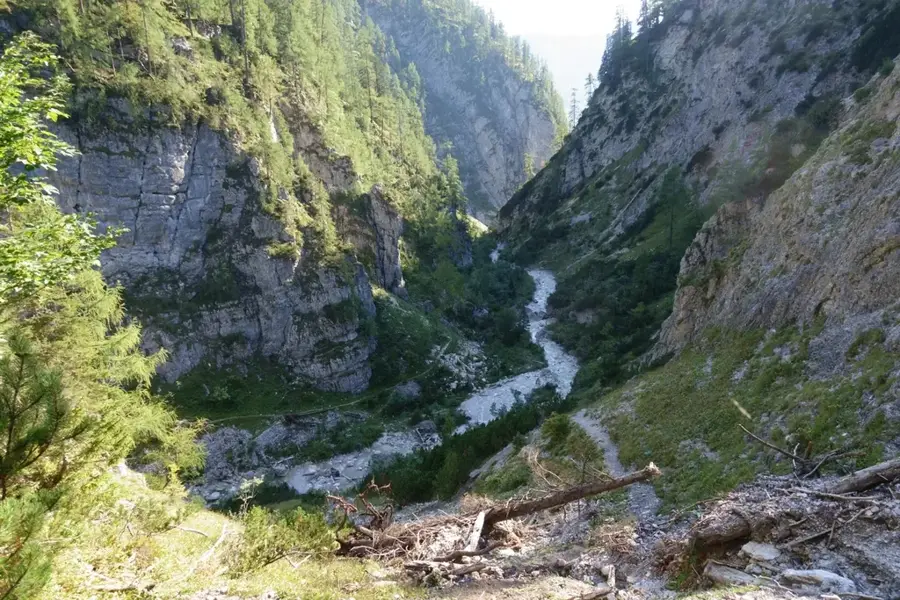
Hikers can typically expect a progression from dense Styrian forests at the lower elevations to rocky, wind-swept alpine meadows closer to the summit. The higher ground often features loose stones and steep gradients, generally requiring visitors to be sure-footed and comfortable with classic alpine topography.
🎒
What to bring
High-quality hiking boots with aggressive tread patterns are usually considered indispensable for safely tackling the uneven, rocky sections of this mountain. Visitors should also generally pack reliable waterproof outer layers, adequate hydration bladders, and physical maps, as mobile reception in the Lower Tauern can be highly inconsistent.
🅿️
Parking
Small, often unpaved parking spots are typically found at the ends of logging roads or near designated mountain huts that mark the start of the primary ascent routes. Because these spaces are usually quite limited in capacity, early morning arrivals are generally highly recommended during peak hiking weekends.
⚠️
Safety
The exposed nature of the upper elevations generally demands respect for rapidly shifting mountain weather, particularly afternoon thunderstorms common in the region. Hikers are typically advised to stick to clearly marked routes, carefully pace their ascent, and immediately descend if dark clouds begin gathering over the peaks.
⏱️
Time needed
A typical round-trip hike to the summit generally demands a commitment of roughly half a day, assuming a steady walking pace and short rest breaks. For those attempting a slower ascent or wishing to linger and enjoy the panoramic views, setting aside six to eight hours is usually a wise decision.

Geography

Coordinates
47.38000, 14.24000

Facts

  • Ameisberg reaches a maximum elevation of 940 m.
  • The observation tower at the summit was completed in 1904.
  • The tower stands 24 meters tall and includes a small restaurant.
  • Geologically, the mountain belongs to the Bohemian Massif's granite layer.
  • On clear days, the visibility extends for over 150 kilometers.
  • It is the highest point within the Rohrbach district.

Explore nearby

Notable places around
Route planner — Car & Motorhome

Where do you start? We build the route here, with stops and country notes along the way.

Vehicle
Only stops with (optional):

© OpenStreetMap contributors · OpenRouteService

Sights in the town Ansberg (3)

Breiteckkoppe📍 landmark

A mountain peak in the Austrian Alps offering wonderful views.

Hintergullingspitz📍 landmark

A peak in the region popular among hikers for its alpine beauty.

Brennkogel📍 landmark

A prominent mountain peak offering hiking trails and nature experiences.

Sights nearby

Frequently asked questions

Where is the Ansberg located?
It is a summit in the Upper Austrian Prealps.
Is it suitable for light hikes?
Yes, it provides well-marked hiking trails through forests and across meadows.
What is special about the view?
From the summit, you have a beautiful view of the Danube Valley and the Mühlviertel hill country.
Are there inns there?
In the surrounding villages, there are cozy inns with regional cuisine.
Which season is best?
Spring and autumn are handy for hiking in clear weather.
Ansberg: where is it located?
Ansberg is located in Carinthia, Austria.
Ansberg: what is there to see?
Highlights include Breiteckkoppe, Hintergullingspitz, Brennkogel.
Ansberg: when is the best time to visit?
The most pleasant time to visit is Jun, Aug.
Ansberg: why is it worth visiting?
Ameisberg (frequently referred to as Ansberg) rises to 940 meters, making it one of the highest elevations in the Upper Mühlviertel region of Upper Austria.
View on map → The Top 50 Attractions → OpenStreetMap →
Europe
Explore with Plizio Discover more places in Europe
More places in Austria →

Nearby cities

History & landmarks
More places