Plizio Visual Lab
Villa María
ℹ️Practical info — Villa María
▾
🌤 Weather — 5 days
📍 Nearby
Sights nearby
💡 Tips
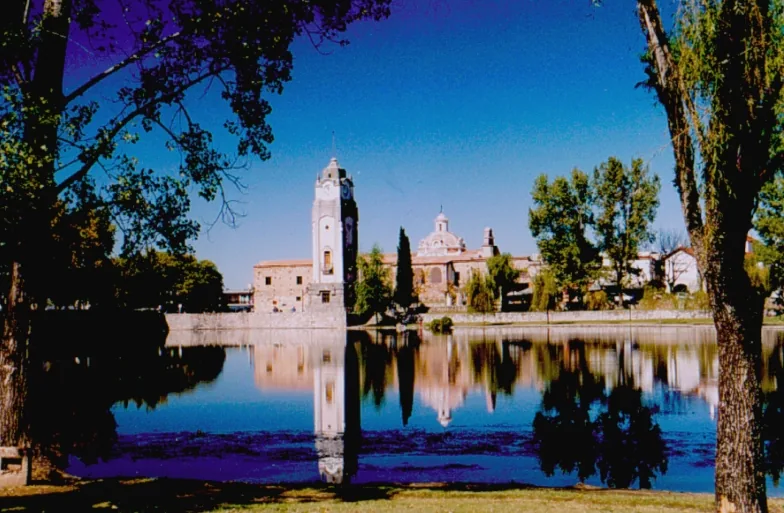
- Walk along the expansive Costanera next to the Ctalamochita River, especially pleasant at sunset.
- If visiting in February, book accommodation well in advance for the famous Festival de Peñas.
- Rent a bicycle to easily navigate the flat, well-paved streets of the center.
- Summer afternoons can be very hot; follow the local custom of resting indoors until the evening.
🍽 Food
Try the local fruit-filled alfajores at bakeries in the city center.
Enjoy traditional Argentine barbecue at a parrilla near the riverfront.
Sample the region's famous dairy products at specialty food stores.
🛍 Shopping · 🧘 Quiet spots
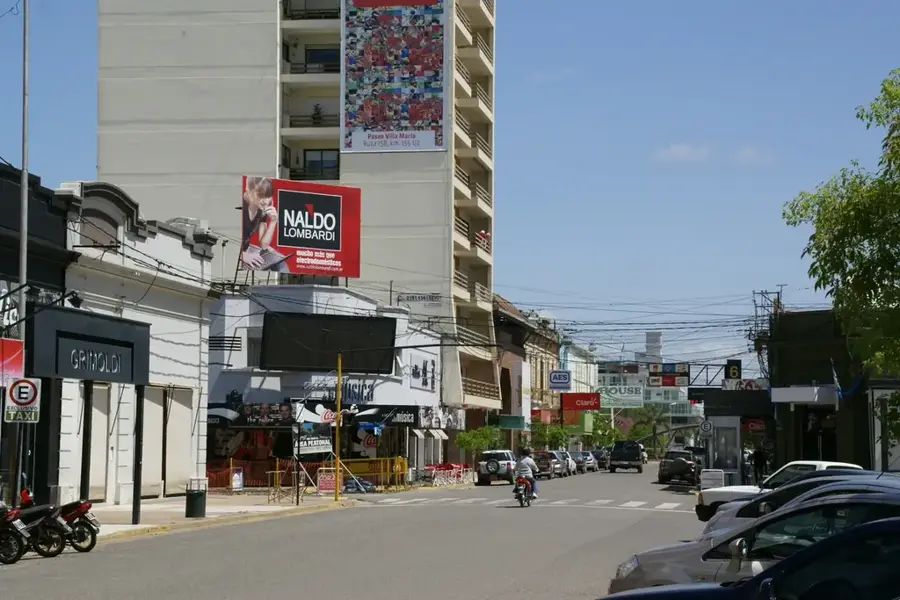
The main pedestrian zone features clothing, shoes, and everyday items.
Look for weekend markets along the Costanera for handmade crafts.
A large green space perfectly suited for a relaxed afternoon picnic.
Outside of festival season, the area around the amphitheater is calm and scenic.
Water temperature…
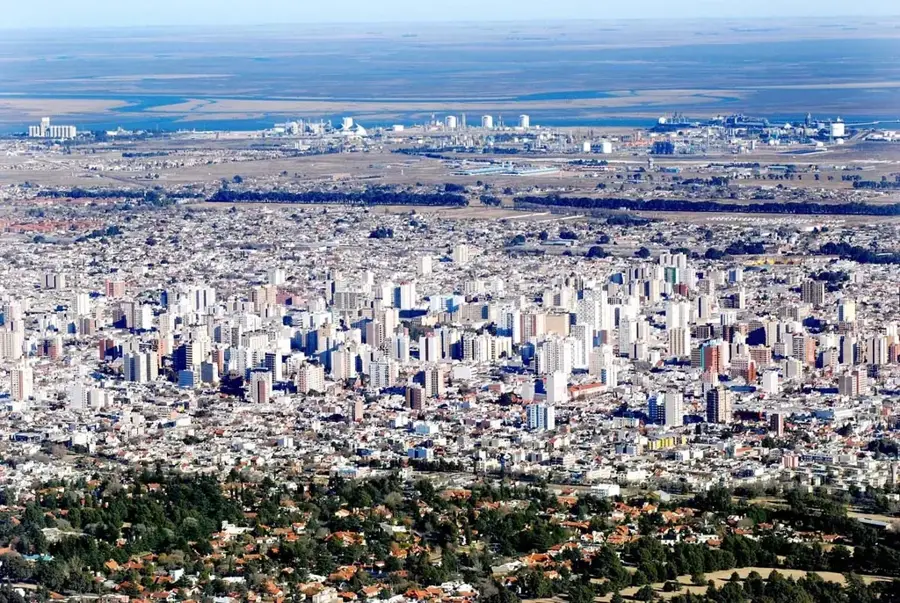
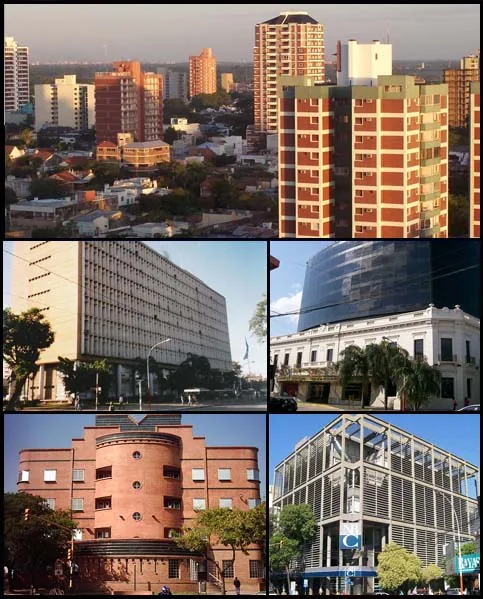
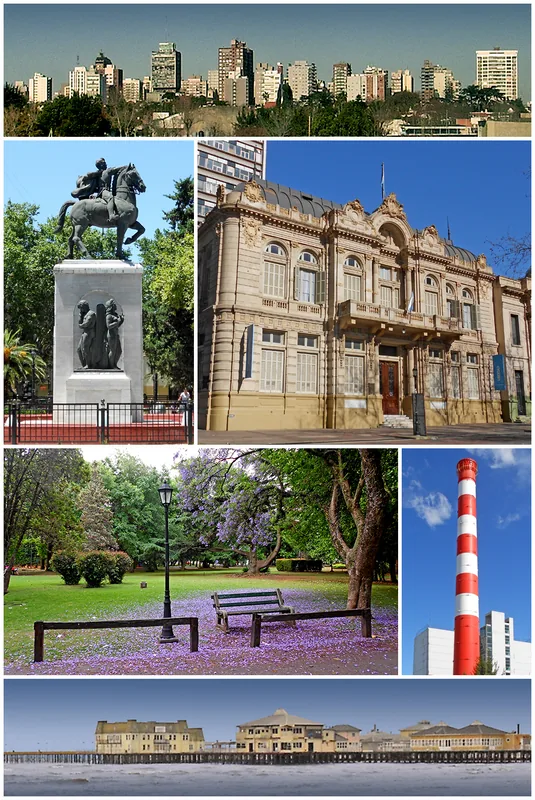
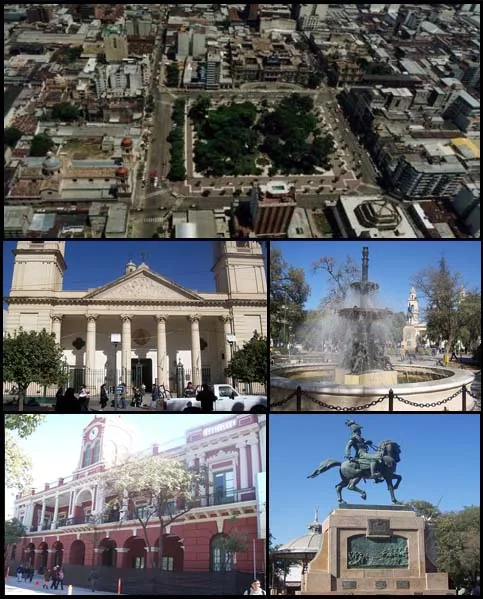
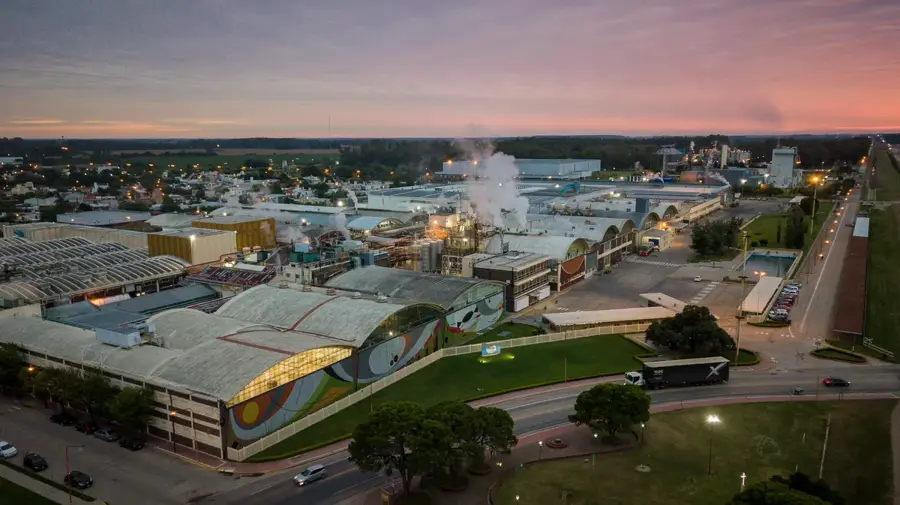
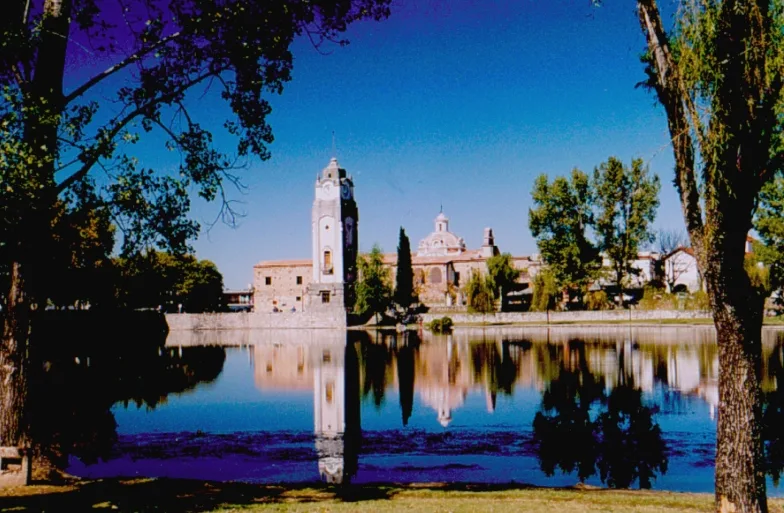
Villa María is a thriving city located in the heart of Córdoba Province, standing as one of Argentina's most significant agro-industrial and educational centers. Founded on September 27, 1867, the city's growth was catalyzed by the expansion of the national railway system, connecting the fertile plains to the major ports. Today, Villa María sits at the center of the country's most vital dairy-producing region, hosting large-scale processing plants and food technology companies. The city is widely known for the 'Festival Nacional de Peñas,' one of Latin America's premier music festivals, held annually in its impressive municipal amphitheater. Urban life is centered around the scenic Tercero (Ctalamochita) riverbanks, featuring long stretches of public parks and recreational areas. The National University of Villa María (UNVM) contributes significantly to the city's academic prestige and technological advancement. Positioned strategically on the main highway between Córdoba and Rosario, Villa María serves as a critical logistics hub for national trade. The city's blend of industrial productivity, academic focus, and cultural vibrancy makes it a standout destination in the Argentine interior.
- Location: Argentina
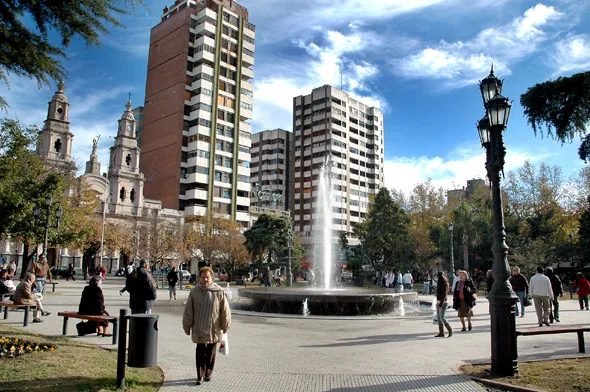
- Top sights: Plaza General San Martín · Plaza Centenario · Plaza Independencia
- Population: ~92.453 (2026)
Best time to visit & climate
The most pleasant time to visit is Mar, Oct, Nov.
| Jan | Feb | Mar | Apr | May | Jun | Jul | Aug | Sep | Oct | Nov | Dec | |
|---|---|---|---|---|---|---|---|---|---|---|---|---|
| Avg °C | 25 | 23 | 21 | 17 | 13 | 10 | 9 | 11 | 14 | 18 | 22 | 24 |
| Rain mm | 125 | 123 | 114 | 88 | 32 | 11 | 11 | 16 | 42 | 87 | 115 | 122 |
Geography
Facts
- Founded on September 27, 1867, by Manuel Anselmo Ocampo.
- Heart of the primary dairy-producing basin in Argentina.
- Home to the Centenario Municipal Amphitheater, seating over 12,000 people.
- Features the National University of Villa María (UNVM), established in 1995.
- Host of the Festival Nacional de Peñas, often called the 'Festival of Festivals.'
- Strategically located on the AU9 motorway linking Rosario and Córdoba.
Explore nearby
Notable places around
Route planner — Car & Motorhome
Where do you start? We build the route here, with stops and country notes along the way.
© OpenStreetMap contributors · OpenRouteService
Sights in the town Villa María (16)
Frequently asked questions
How many days do you need for Villa María?
What is the best time to visit?
How do you get there?
What should you eat there?
Is Villa María family-friendly?
Villa María: where is it located?
Villa María: what is there to see?
Villa María: when is the best time to visit?
Villa María: why is it worth visiting?
Nearby cities