Plizio Visual Lab

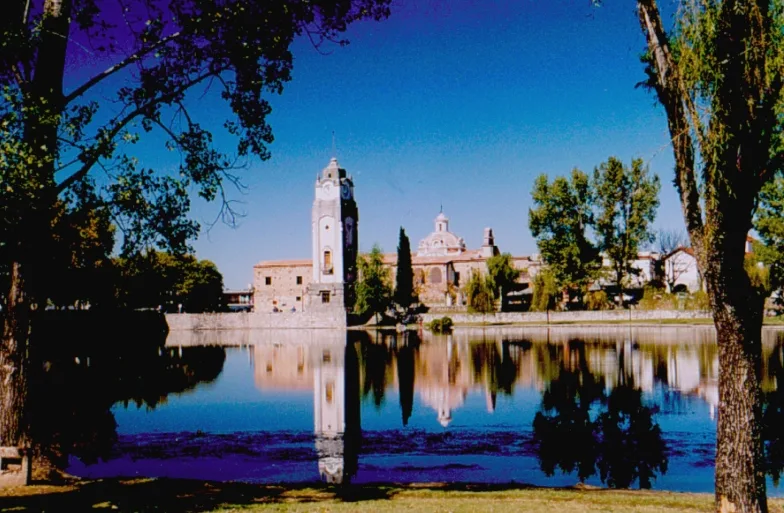
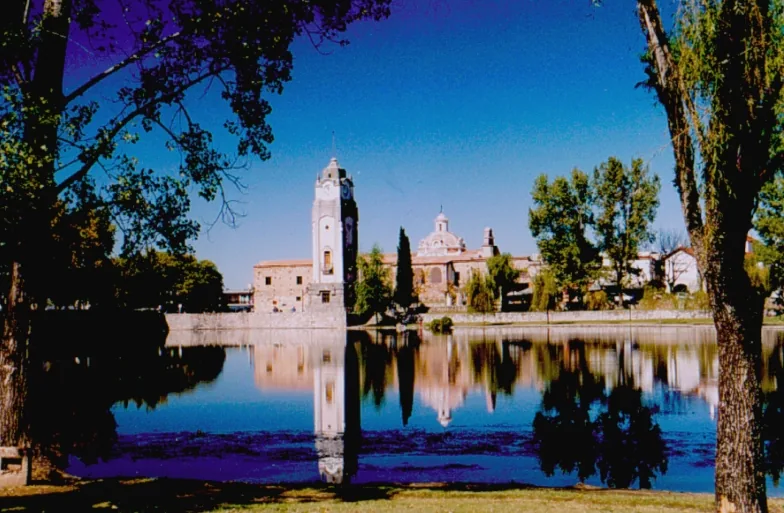
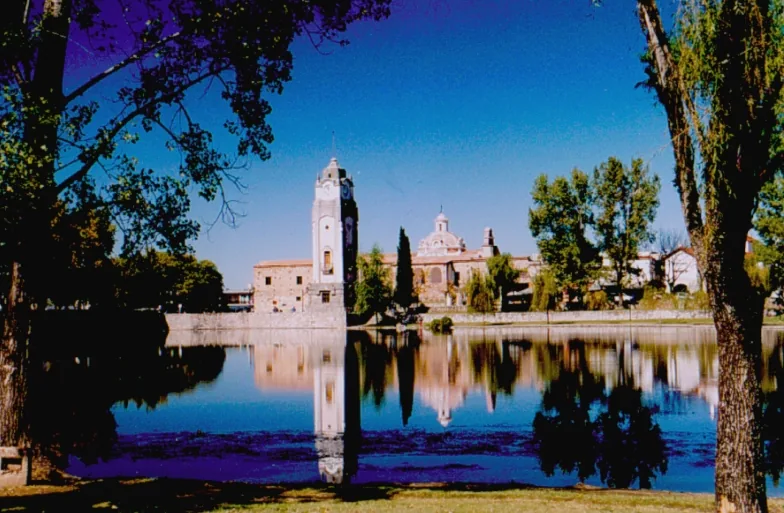
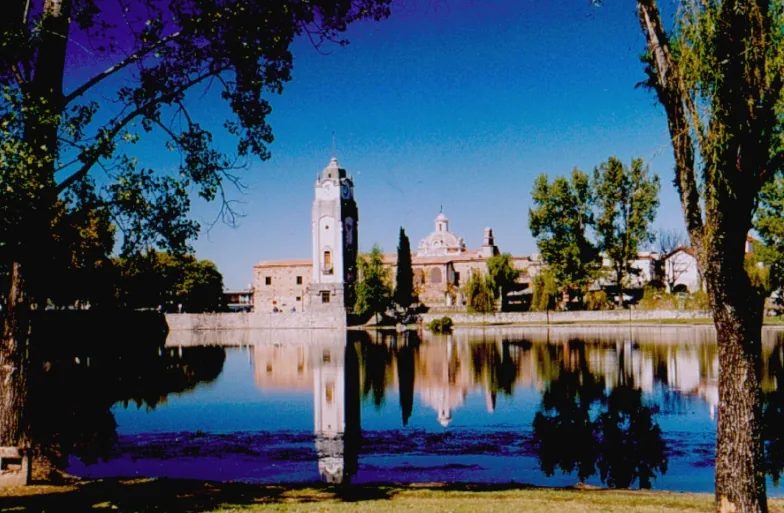
Chapel of Santa Teresa (Orphans)
Plizio editorial teamData Sources
Historical site
—°15
Chapel of Santa Teresa (Orphans) (Argentina)

Weather…

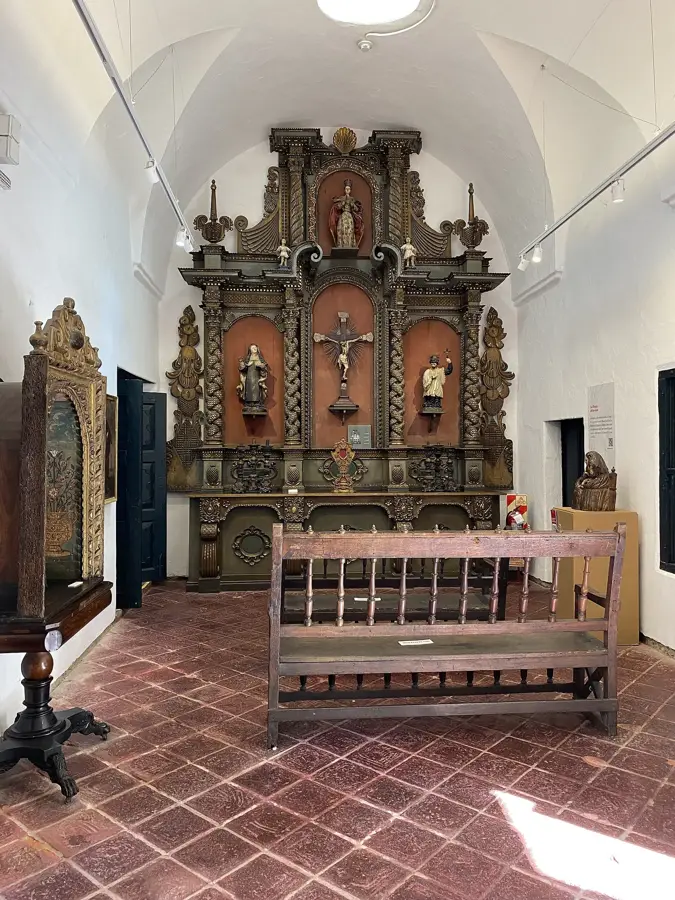
The Capilla de los Huérfanos in Buenos Aires is a significant religious and social monument reflecting the city's late colonial history. Originally part of an orphanage founded by Viceroy Vértiz in 1779, the chapel provided spiritual guidance to abandoned children. Its architecture showcases the simplified Baroque style prevalent in the 18th century, emphasizing functional yet sacred design. Historically, the institution was managed by the Brotherhood of Holy Charity, an organization pivotal in early social welfare efforts. The interior houses precious examples of colonial sacred art and altarpieces that have survived for over two centuries. Despite the rapid urbanization of the surrounding districts, the chapel remains a silent witness to the social structures of the Spanish Viceroyalty. Now recognized as a national historic site, it gives visitors a profound look into the educational and religious upbringing of Argentina's early urban population.

Best time to visit & climate

The most pleasant time to visit is Mar, Apr, Oct.

JanFebMarAprMayJunJulAugSepOctNovDec
Avg °C252421181310101215192224
Rain mm12713111564259983271117113

📋 Practical info

🚪
Visiting
The Chapel of Santa Teresa (also known as Orphans' Chapel) is a historic church in Argentina, reflecting colonial social structures. The interior is usually open to visitors, but not always continuously.
🕒
Typical hours
The chapel is usually open on weekdays in the morning, often from 9 am to 12 pm. On weekends, it may be accessible only during Mass.
📷
Photography
Photography inside is allowed without flash to protect the artworks. Please respect the private devotion of visitors.
⏱️
Time needed
A visit typically takes 30 minutes. For a quiet viewing with attention to details, allow 45 minutes.
Combine with
The chapel is in a historic area that also includes other churches and colonial buildings. Combining it with the nearby Cabildo and Salta Cathedral is recommended.
🧭
Getting there
The chapel is located in central Salta and is easily reachable on foot. From Plaza 9 de Julio, it's just a few minutes' walk.
💡
Insider tip
Visit the chapel early in the morning to enjoy the quiet. Ask the priest about the history - there are often interesting anecdotes about the orphans.

Geography

Coordinates
-31.41720, -64.18110

Facts

  • The orphanage was formally inaugurated by Viceroy Vértiz on August 7, 1779.
  • The chapel is one of the few surviving buildings from the Viceroyalty of the Río de la Plata era.
  • It is located in the historic San Telmo neighborhood, near the city's foundational square.
  • The institution was the first in Buenos Aires to systematically care for foundling children.
  • The interior features an 18th-century altarpiece dedicated to the Virgin of the Abandoned.
  • The building was designated as a National Historic Monument of Argentina in 1942.

Explore nearby

Notable places around
Route planner — Car & Motorhome

Where do you start? We build the route here, with stops and country notes along the way.

Vehicle
Only stops with (optional):

© OpenStreetMap contributors · OpenRouteService

Sights in the town Chapel of Santa Teresa (Orphans) (15)

Cripta Jesuítica del Noviciado Viejo🏛 museum

Rediscovered under the city streets in 1989, this subterranean Jesuit crypt now serves as an atmospheric museum of colonial history.

🕒 Mo-Fr 09:00-18:30

Teatro Real🎭 culture

Located opposite Plaza San Martín, this prominent performing arts venue has been staging diverse theatrical and musical productions since the 1920s.

Basílica Nuestra Señora de La Merced⛪ religious

This distinguished minor basilica features a richly decorated eclectic facade and houses a revered historical altar.

Museo del Banco Provincia de Córdoba🏛 museum

Set within a grand architectural banking building, this museum displays extensive collections of historic currencies and numismatic artifacts.

🕒 Mo-Fr 08:00-17:00;PH off

Plaza Rivadavia🌳 park

This landscaped urban park provides shaded walkways and seating areas centered around a monument to Bernardino Rivadavia.

Plaza Leandro Alem🌳 park

Characterized by its broad pathways and mature trees, this public square commemorates the prominent political figure Leandro Alem.

Parque Las Heras🌳 park

Situated along the banks of the Suquía River, this expansive green space provides open lawns and recreational paths for city residents.

Museo histórico provincial Marqués de Sombremonte🏛 museum

Housed in an authentic colonial-era residential mansion, this historical museum displays period furniture, artworks, and artifacts.

La nave🎭 culture

This intimate independent theatre space regularly hosts contemporary plays and local performing arts productions.

Anfiteatro🎭 culture

Set outdoors, this classic semicircular amphitheater with tiered seating hosts open-air concerts and public gatherings.

Memorial Desaparecidos⛪ religious

This solemn memorial site is a space of reflection dedicated to the victims who disappeared during the country's military dictatorship.

COMPROMETIDA CON JESUS⛪ religious

This local evangelical church serves as a dedicated gathering space for its Christian congregation to worship and study.

Casa Eiffel📍 landmark

An architectural attraction notable for its distinctive iron structure linked to the Eiffel legacy.

Iglesia Corazón de María📍 landmark

A Christian church dedicated to the Immaculate Heart of Mary.

Parroquia Nuestra Señora del Carmen📍 landmark

A Christian parish church dedicated to Our Lady of Mount Carmel, fostering local community faith.

🕒 Tu-Fr 17:00-20:00

Sights nearby

Frequently asked questions

Where is Capilla Santa Teresa (Los Huérfanos)?
It sits in a historic rural setting and is a quiet pilgrimage and cultural site. The exact access is often signposted locally.
How much time do you need for the visit?
The chapel itself usually takes 30 to 45 minutes. If you want to explore the surroundings too, plan for an hour.
Is the place more interesting for pilgrims or tourists?
Both, but for different reasons. Pilgrims come for devotion, tourists for the architecture and quiet atmosphere.
Can you take photos there?
Usually yes, but respectfully and without disturbing services. Inside, discretion is sometimes expected.
What is the best time to visit?
Mornings are usually quieter and the light is nicer. Sundays and holidays can be busier.
Chapel of Santa Teresa (Orphans): where is it located?
Chapel of Santa Teresa (Orphans) is located in Argentina.
Chapel of Santa Teresa (Orphans): what is there to see?
Highlights include Cripta Jesuítica del Noviciado Viejo, Teatro Real, Basílica Nuestra Señora de La Merced.
Chapel of Santa Teresa (Orphans): when is the best time to visit?
The most pleasant time to visit is Mar, Apr, Oct.
Chapel of Santa Teresa (Orphans): why is it worth visiting?
The Capilla de los Huérfanos in Buenos Aires is a significant religious and social monument reflecting the city's late colonial history.
View on map → The Top 50 Attractions → OpenStreetMap →
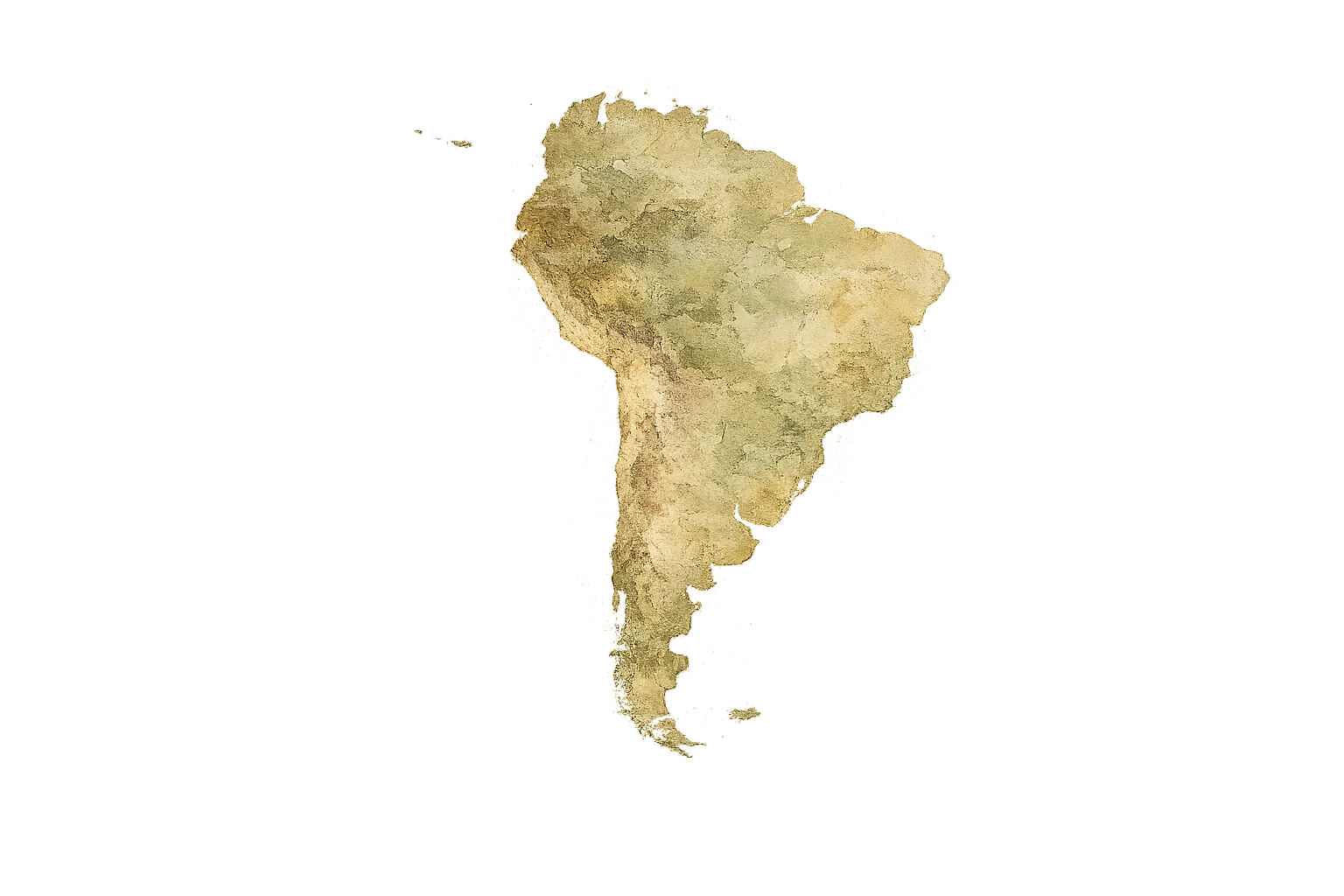
South America
Explore with Plizio Discover more places in South America
More places in Argentina →

History & landmarks

Nature

More places