Plizio Visual Lab
San Carlos de Bariloche
ℹ️Practical info — San Carlos de Bariloche
▾
🌤 Weather — 5 days
📍 Nearby
Sights nearby
💡 Tips
- Weather can change drastically in a matter of hours. Dress in layers to be prepared for anything.
- Get a SUBE card to use the local buses, which are the best way to reach trailheads and ski resorts.
- During high season (July/August and Jan/Feb), make sure to book restaurants and tours well in advance.
- Cerro Campanario viewpoint is less crowded in the morning, and the lighting is best for photography.
🍽 Food
Stroll down Calle Mitre and sample artisanal chocolates at the famous chocolatiers.
Bariloche has a booming microbrewery scene. Hit the cervecerías around the downtown core for a local pint.
Try smoked trout, venison, or wild boar at the rustic restaurants in town.
🛍 Shopping · 🧘 Quiet spots
Calle Mitre is the go-to place for buying chocolate souvenirs and boxes of alfajores.
Check the artisan markets for warm sweaters and scarves made from local wool.
A vast park just outside the city that has fantastic, quiet hiking trails through arrayán forests.
Walk further away from the downtown core along the Nahuel Huapi beaches to find a peaceful spot by the water.
Water temperature…
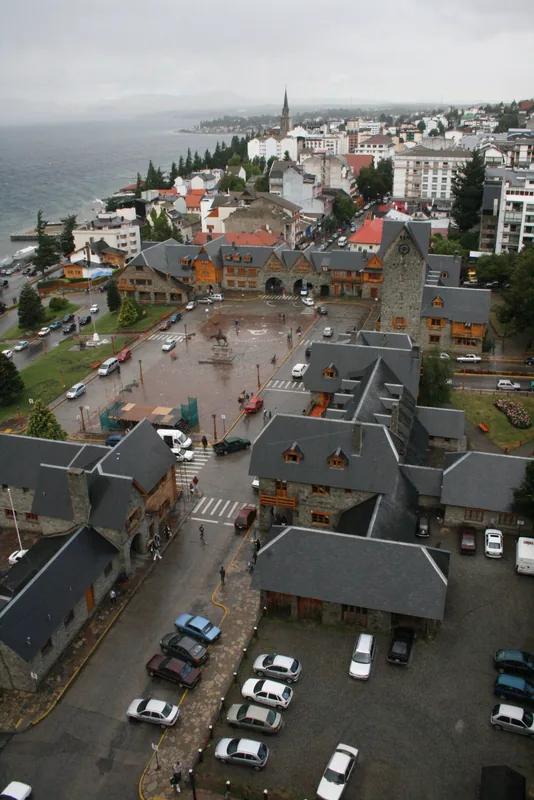
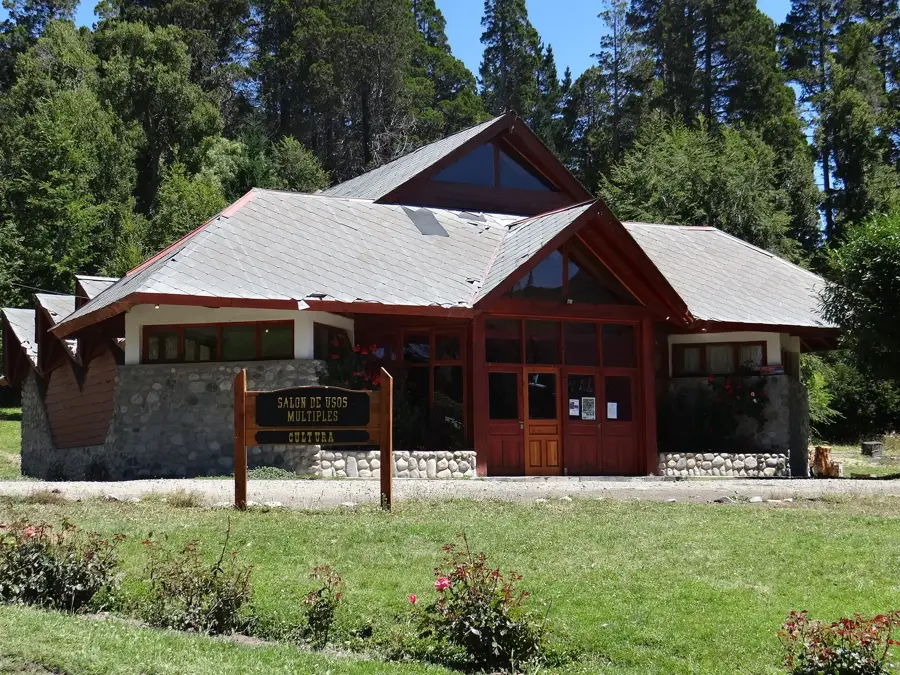
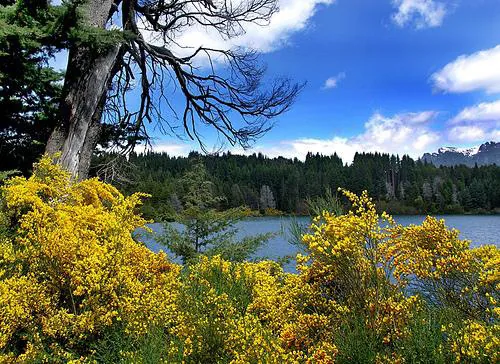
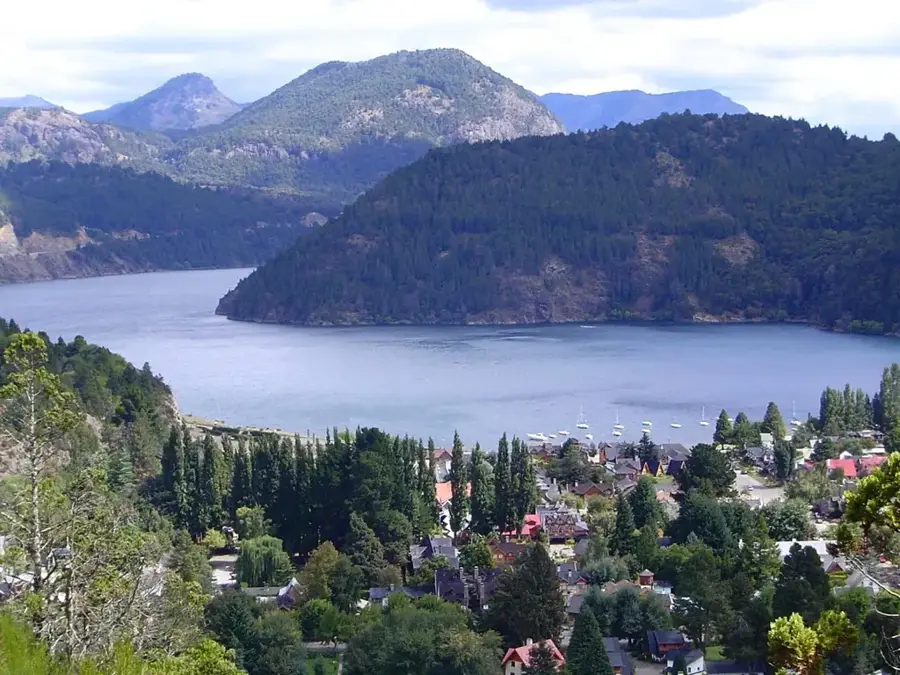
San Carlos de Bariloche, situated on the shores of Lake Nahuel Huapi in Río Negro Province, serves as the premier gateway to Argentine Patagonia. Founded in 1902, the city is internationally recognized for its distinctive Alpine-style architecture, a legacy of Central European immigrants who utilized local wood and stone. During the winter season, the nearby Cerro Catedral operates as the largest ski resort in the Southern Hemisphere, while the city itself is celebrated as the chocolate capital of Argentina. Beyond tourism, Bariloche is a significant hub for science and technology, housing the Balseiro Institute and the headquarters of INVAP, a leader in aerospace and nuclear engineering. Surrounded by the pristine wilderness of the Nahuel Huapi National Park, the area features glaciers, deep blue lakes, and rugged peaks that attract mountaineers and tourists year-round. This unique combination of natural beauty, culinary tradition, and high-tech industry makes Bariloche a vital economic and cultural pillar of the region.
- Location: Argentina
- Top sights: Francisco Moreno Museum of Patagonia · Museo del Chocolate · Teatro El Brote
- Nearby: Villa Traful (20 km)
- Population: ~95.394 (2022)
Best time to visit & climate
The most pleasant time to visit is Jan, Feb, Dec.
| Jan | Feb | Mar | Apr | May | Jun | Jul | Aug | Sep | Oct | Nov | Dec | |
|---|---|---|---|---|---|---|---|---|---|---|---|---|
| Avg °C | 13 | 13 | 10 | 6 | 3 | 0 | -1 | 1 | 3 | 5 | 8 | 11 |
| Rain mm | 33 | 24 | 33 | 59 | 120 | 156 | 127 | 122 | 62 | 52 | 38 | 30 |
Geography
Facts
- Bariloche was officially founded on May 3, 1902, by Carlos Wiederhold.
- Cerro Catedral features over 120 kilometers of diverse ski runs.
- The city is home to INVAP, the company responsible for Argentine satellites.
- Lake Nahuel Huapi covers 557 square kilometers and is 464 meters deep.
- The city produces more than 1,000 tons of artisanal chocolate every year.
- The iconic Llao Llao Hotel was first opened in 1938 to promote tourism.
Explore nearby
Notable places around
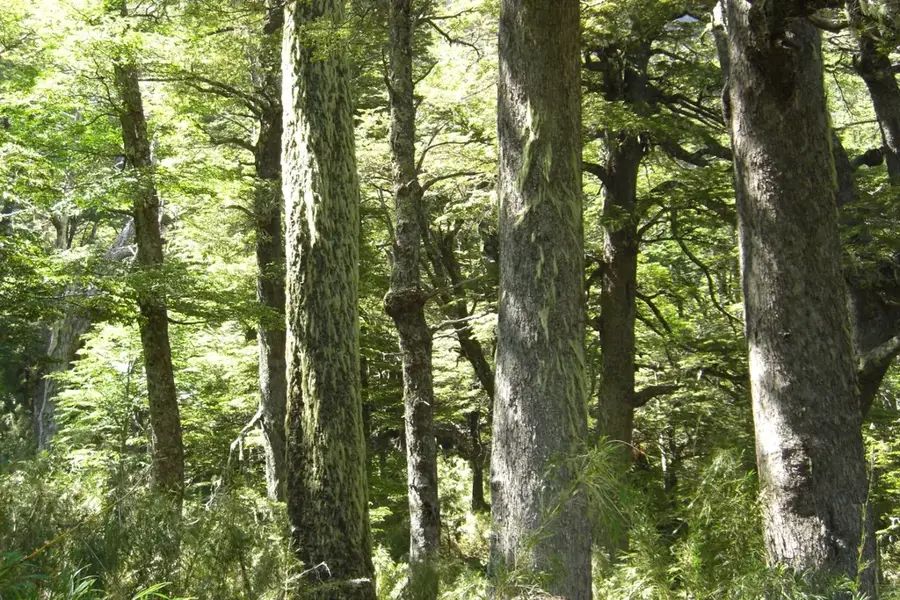
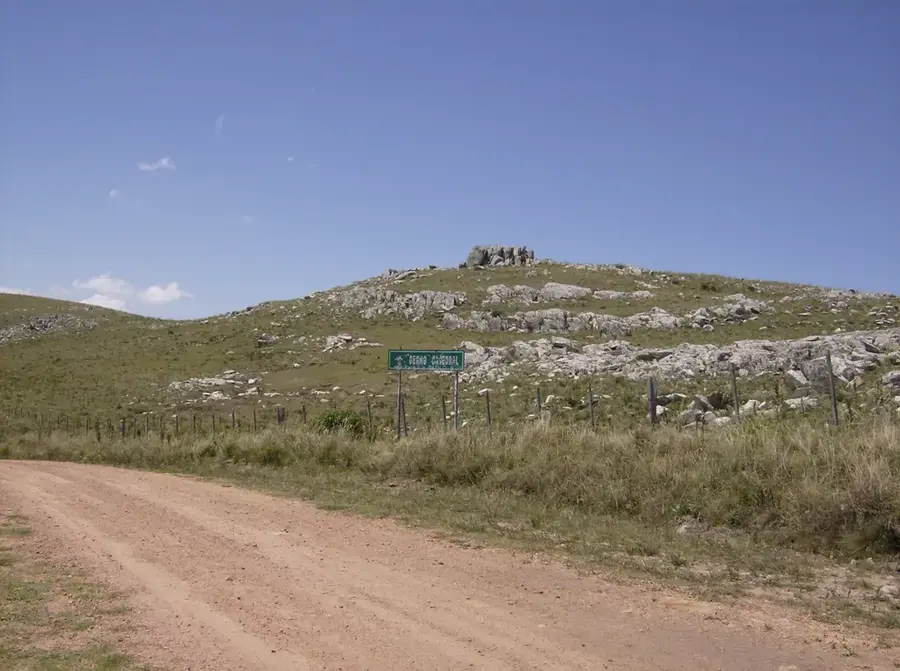
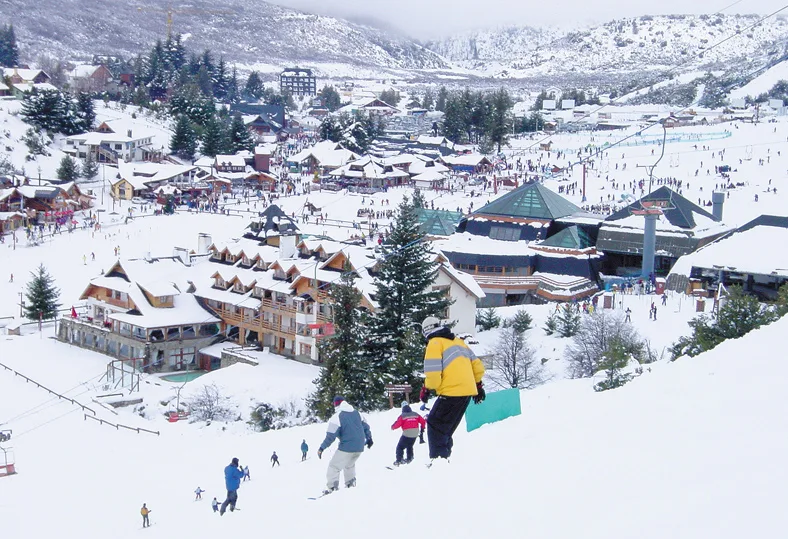
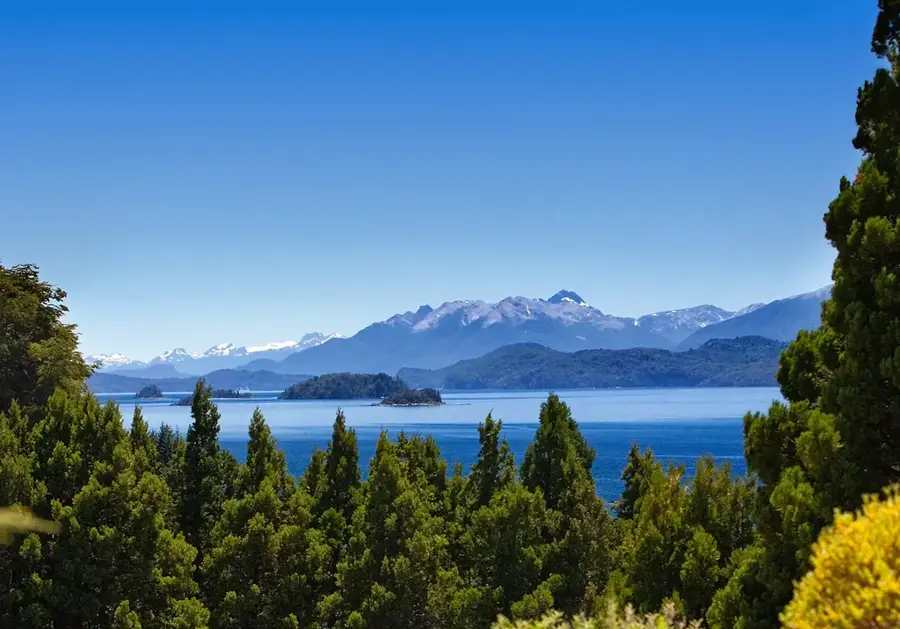
Route planner — Car & Motorhome
Where do you start? We build the route here, with stops and country notes along the way.
© OpenStreetMap contributors · OpenRouteService
Sights in the town San Carlos de Bariloche (15)
Playa Centenario🎡 recreation
On the shores of San Carlos de Bariloche, Playa Centenario welcomes its visitors with magnificent views over the water. The cozy beach is a great spot for anyone looking for refreshment in the lake or wanting to relax on the shore. Sun worshippers and bathers alike appreciate the nature-close atmosphere. For warm summer days, it is highly recommended to pack swimwear and plenty of sunscreen.
Frequently asked questions
How many days do you need in Bariloche?
What is the best time to visit Bariloche?
How do you get to Bariloche?
What should you eat in Bariloche?
Is Bariloche family-friendly?
San Carlos de Bariloche: where is it located?
San Carlos de Bariloche: what is there to see?
San Carlos de Bariloche: when is the best time to visit?
San Carlos de Bariloche: why is it worth visiting?
Nearby cities