Plizio Visual Lab
Andean-Patagonian Forest
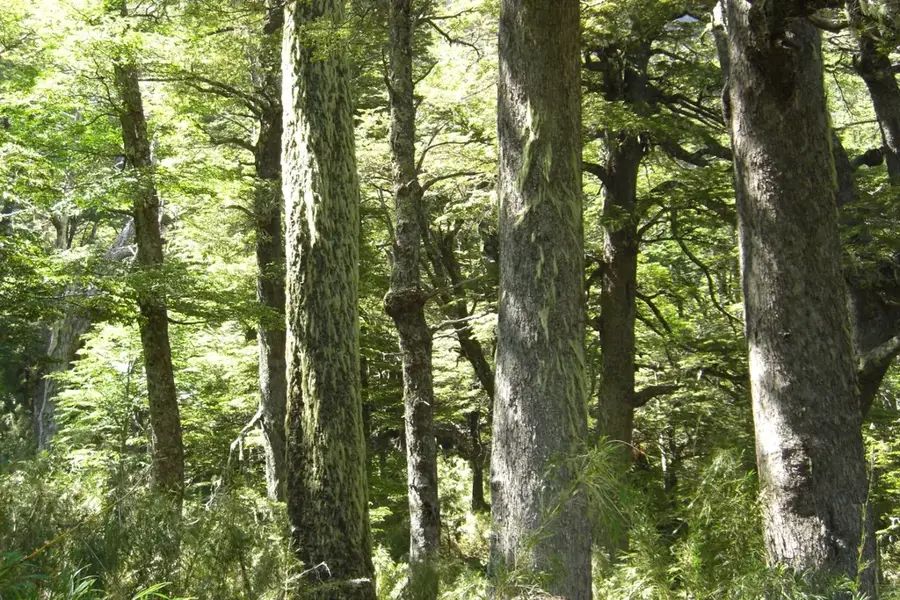
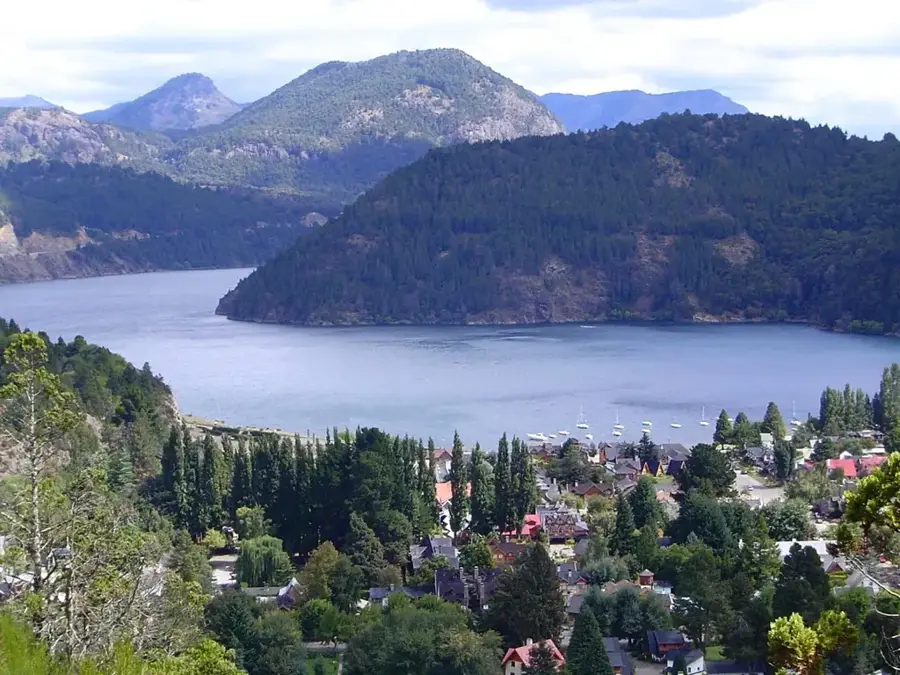
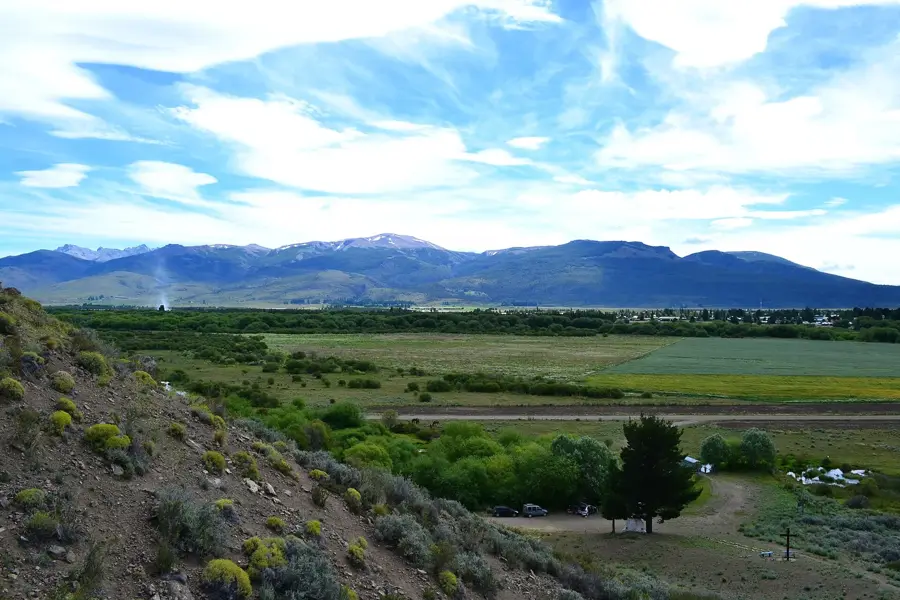
The Andean-Patagonian Forest extends as a narrow strip along the Andes in southern Argentina and Chile. This ecosystem is characterized by a cool, moist climate and vegetation that has perfectly adapted to the extreme conditions of the Southern Hemisphere. Dominant tree species belong to the Nothofagus genus, including trees such as the Lenga, Ñire, and Coihue, which turn the landscape into brilliant shades of red and gold during autumn. The forest plays a critical role in the region's water cycle, as it captures and stores moisture from the winds blowing in from the Pacific Ocean. Wildlife includes rare species such as the huemul deer and the small pudu, as well as the majestic Andean condor circling above the peaks. Many of these areas are protected as national parks, including Nahuel Huapi, Los Glaciares, and Tierra del Fuego. Human use today is largely restricted to tourism and sustainable forestry, while the preservation of primary forests remains a top priority.
- Location: Argentina
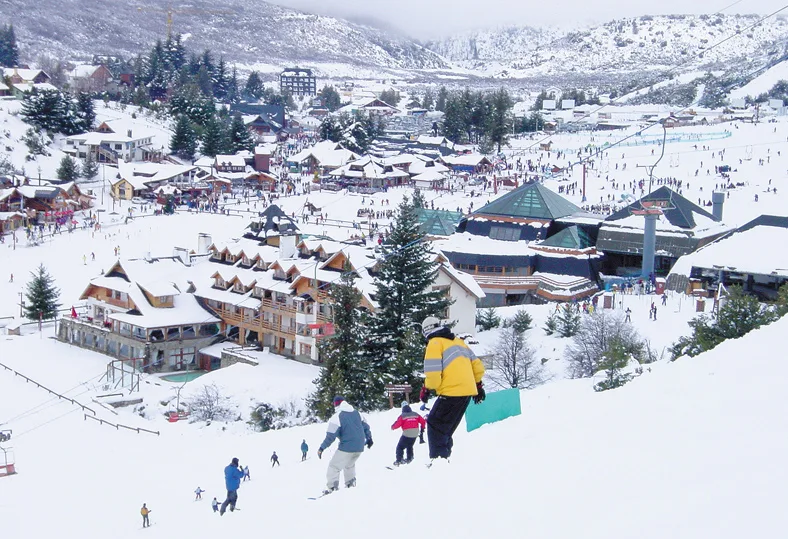
- Top sights: Cerro Blanco · Cerro Confluencia · Playa Lago Gutiérrez
- Nearby: San Carlos de Bariloche (10 km)
Best time to visit & climate
The most pleasant time to visit is Jan, Feb, Dec.
| Jan | Feb | Mar | Apr | May | Jun | Jul | Aug | Sep | Oct | Nov | Dec | |
|---|---|---|---|---|---|---|---|---|---|---|---|---|
| Avg °C | 13 | 13 | 10 | 6 | 3 | 0 | -1 | 1 | 3 | 5 | 8 | 11 |
| Rain mm | 33 | 24 | 33 | 59 | 120 | 156 | 127 | 122 | 62 | 52 | 38 | 30 |
📋 Practical info
Geography
Facts
- The forest stretches over a length of more than 2,000 kilometers.
- Lenga trees can grow at altitudes of up to 1,200 meters above sea level.
- In the wettest areas, annual rainfall can reach up to 4,000 mm.
- The huemul deer is designated as a national natural monument of Argentina.
- Some Alerce trees in the region are over 3,000 years old.
- The soil often consists of volcanic ash and decomposed organic matter.
Explore nearby
Notable places around

Route planner — Car & Motorhome
Where do you start? We build the route here, with stops and country notes along the way.
© OpenStreetMap contributors · OpenRouteService
Sights in the town Andean-Patagonian Forest (10)
Sights nearby
Frequently asked questions
What characterizes this forest?
Can you hike there?
When is the best time to travel?
What should you pack?
Is the forest well protected?
Andean-Patagonian Forest: where is it located?
Andean-Patagonian Forest: what is there to see?
Andean-Patagonian Forest: when is the best time to visit?
Andean-Patagonian Forest: why is it worth visiting?

Nearby cities

Nature
More places