Plizio Visual Lab
Junín de los Andes
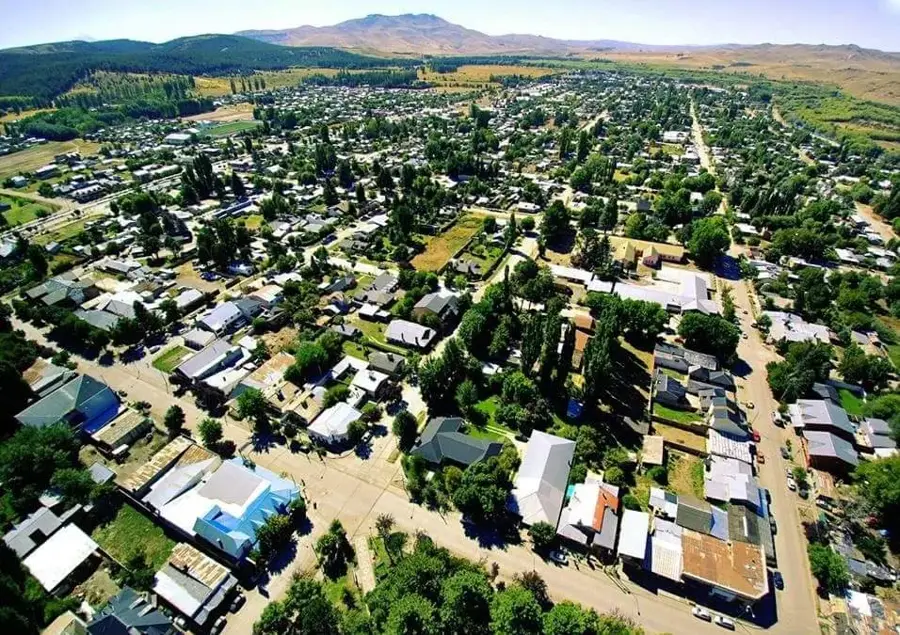
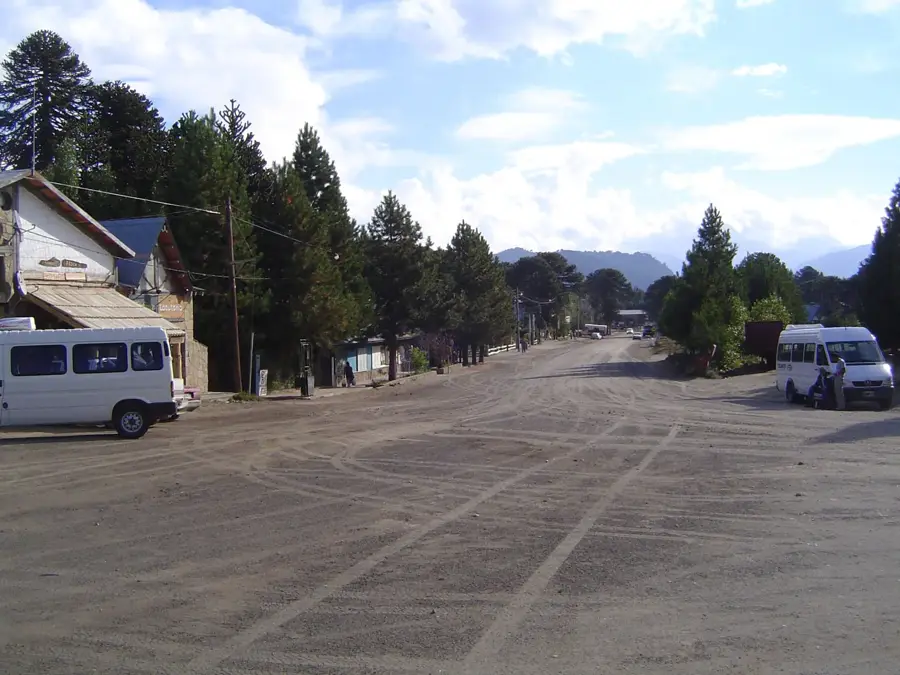
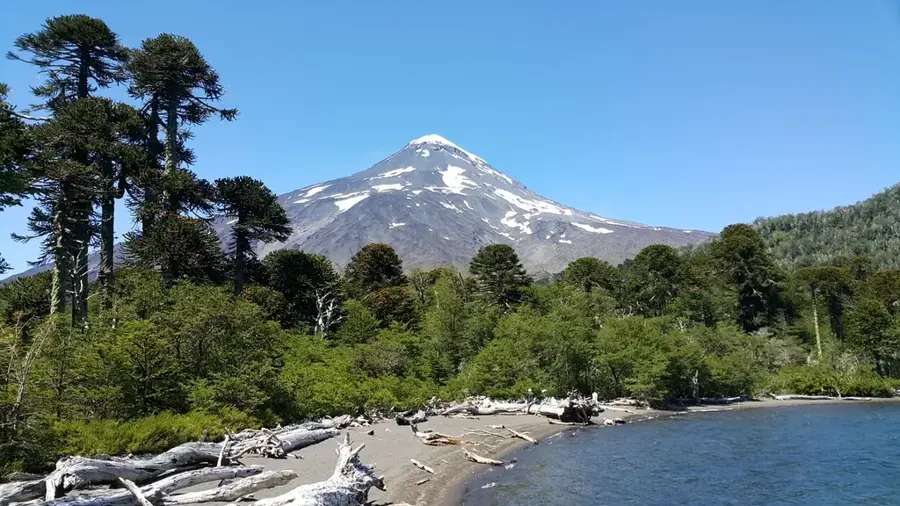
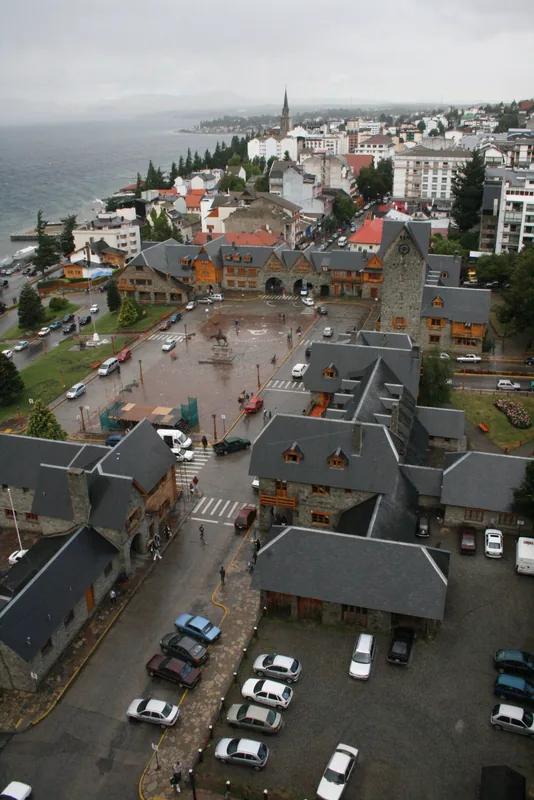
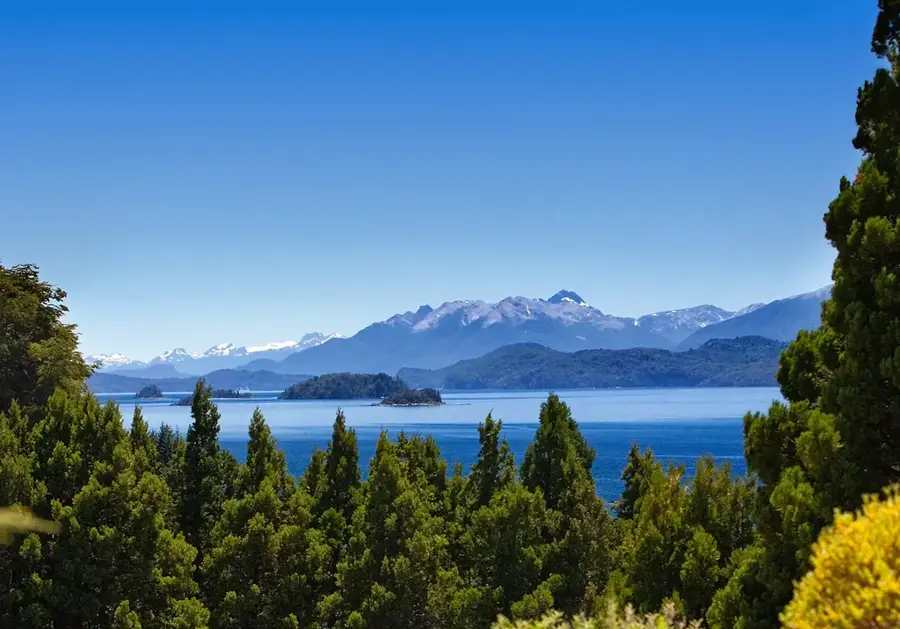
Founded in 1883, Junín de los Andes is the oldest city in the Neuquén province and is widely recognized as Argentina's capital of fly fishing. The town is built along the banks of the Chimehuín River and functions as the primary logistical gateway to Lanín National Park. The urban environment blends classic Patagonian architecture with distinct elements of the indigenous Mapuche culture. The town's most prominent landmark is the Vía Christi park, a monumental sculpture trail located on the Cerro de la Cruz hill. The artworks uniquely combine Christian iconography with Mapuche beliefs and historical figures. Located 60 kilometers away is Lake Huechulafquen, a massive glacial lake reaching the base of the 3,776-meter Lanín Volcano. Hikers and mountaineers use the city as a supply base for multi-day treks toward the volcano. Dining in Junín de los Andes revolves around regional game, slow-roasted Patagonian lamb, and locally sourced trout. The town is directly accessible via National Route 40. The peak travel season aligns with the austral summer from November to April, coinciding with the open fishing and trekking season in the national park.
- Location: Argentina
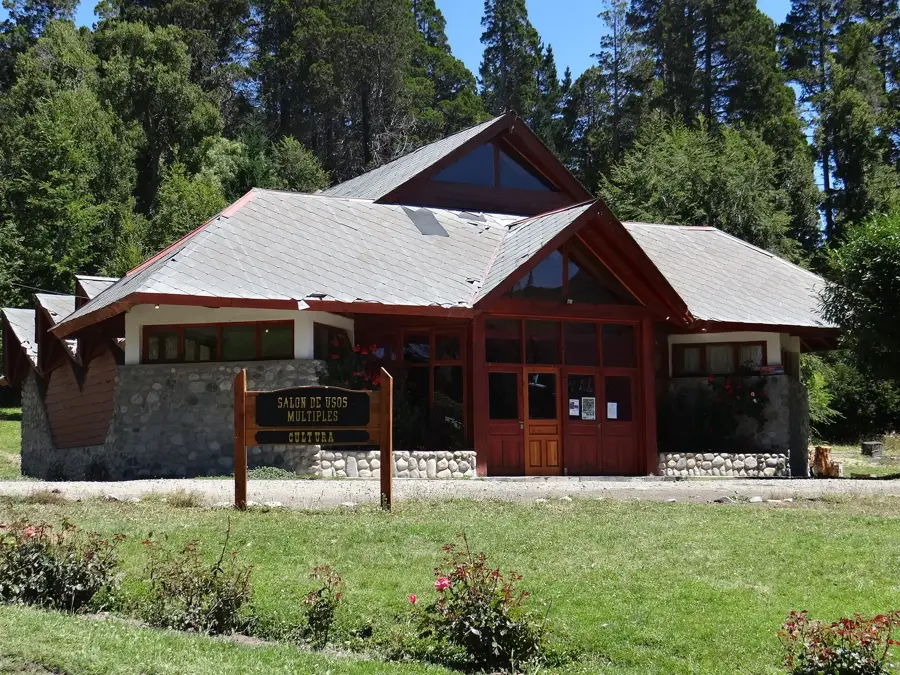
- Top sights: Parque Vía Christi · Museo de Junín de los Andes · Vista al Río
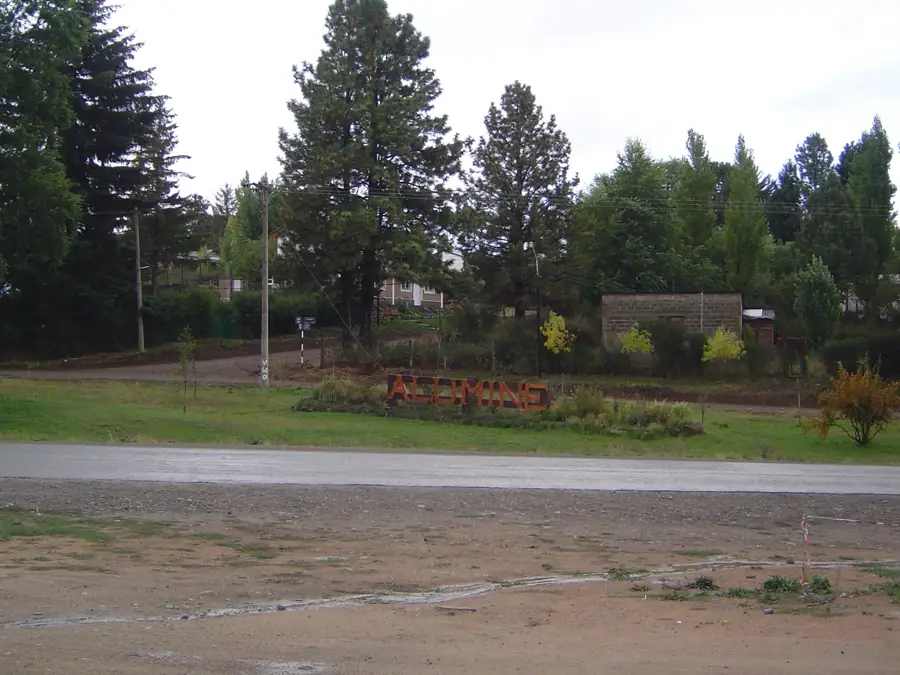
- Nearby: Aluminé (31 km)
- Population: ~10.592 (2026)
Geography
Facts
- Founded in the year 1883
- Capital of fly fishing
- Banks of the Chimehuín River
- Gateway to Lanín National Park
- Vía Christi sculpture park
- Near the Lanín volcano (3776m)
- Mapuche cultural influence
- Accessible via Route 40
Explore nearby
Notable places around
Route planner — Car & Motorhome
Where do you start? We build the route here, with stops and country notes along the way.
© OpenStreetMap contributors · OpenRouteService
Sights in the town Junín de los Andes (14)
Frequently asked questions
Junín de los Andes: where is it located?
Junín de los Andes: what is there to see?
Junín de los Andes: why is it worth visiting?
Nearby cities