Plizio Visual Lab
Curuzú Cuatiá

ℹ️Practical info — Curuzú Cuatiá
▾
🌤 Weather — 5 days
📍 Nearby
Sights nearby
💡 Tips
- Known as the cradle of Chamamé music, keep an eye out for local peñas (folklore music venues) on weekends for an authentic cultural experience.
- The town is small and easily walkable, making a car unnecessary for getting around the center.
- Summer afternoons are very hot; follow the local rhythm and rest indoors until the late afternoon.
- Visit the Parroquia Nuestra Señora del Pilar, a beautiful piece of local architecture.
🍽 Food
Traditional barbecue where meat is slow-cooked on a stake over an open fire, often found in rural outskirts.
Sweet fried pastries filled with quince or sweet potato paste, sold by local bakeries and street vendors.
A hearty local dish made with cornmeal, cheese, and meat, well-suited for cooler evenings.
🛍 Shopping · 🧘 Quiet spots
Look for saddleries (talabarterías) around town for high-quality, handcrafted leather belts and traditional gaucho gear.
Local fairs sometimes pop up in the main square selling regional textiles and woodwork.
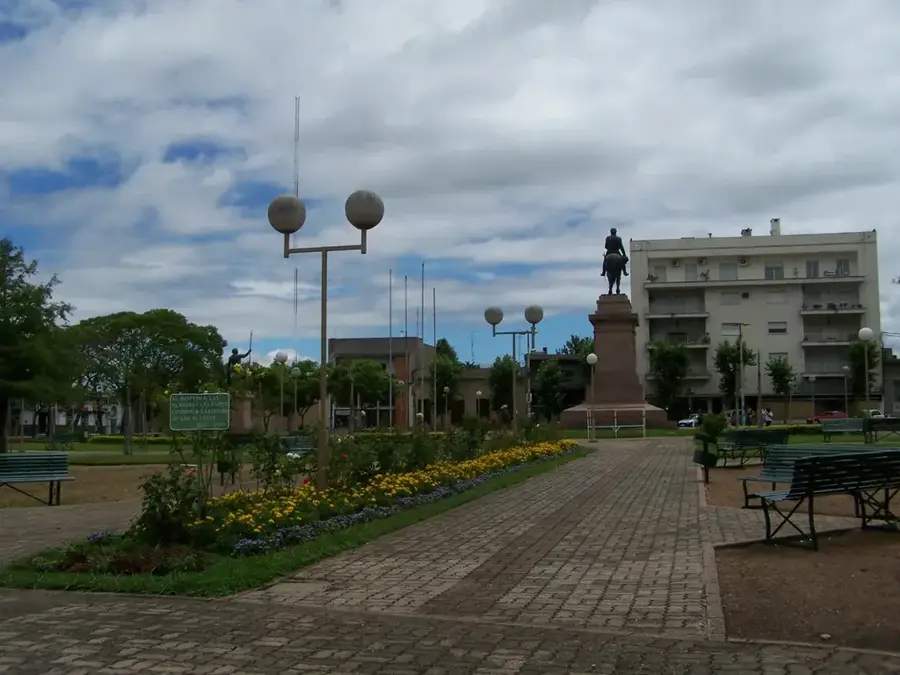
The main plaza is a peaceful spot surrounded by historic buildings, excellent for a shaded walk.
A quiet local park with ample green spaces for sitting and drinking mate in the afternoon.
Water temperature…
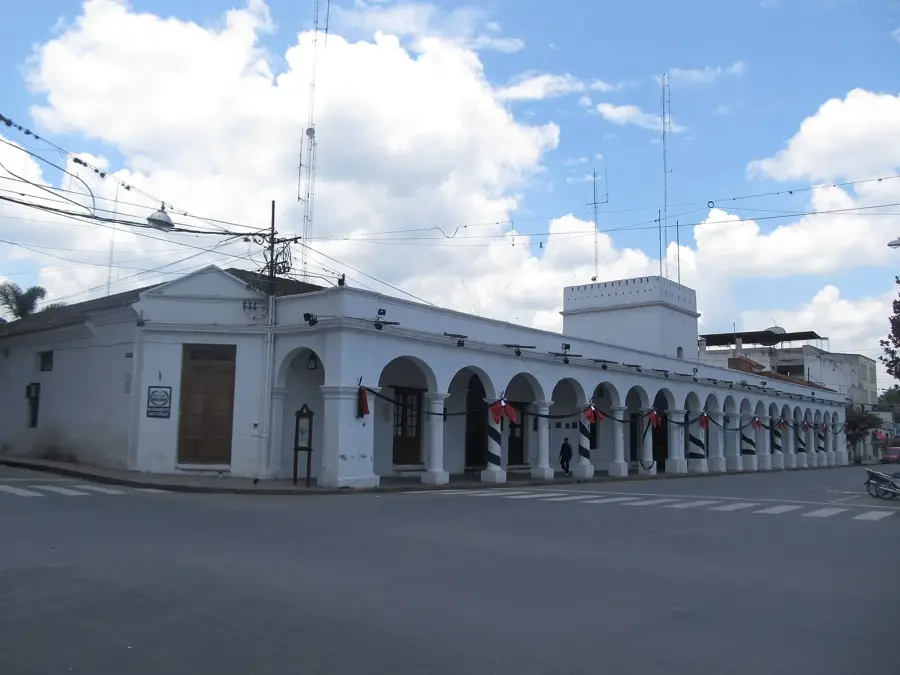
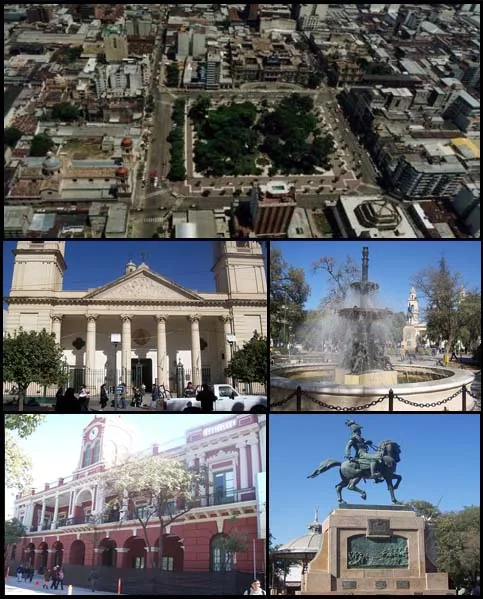
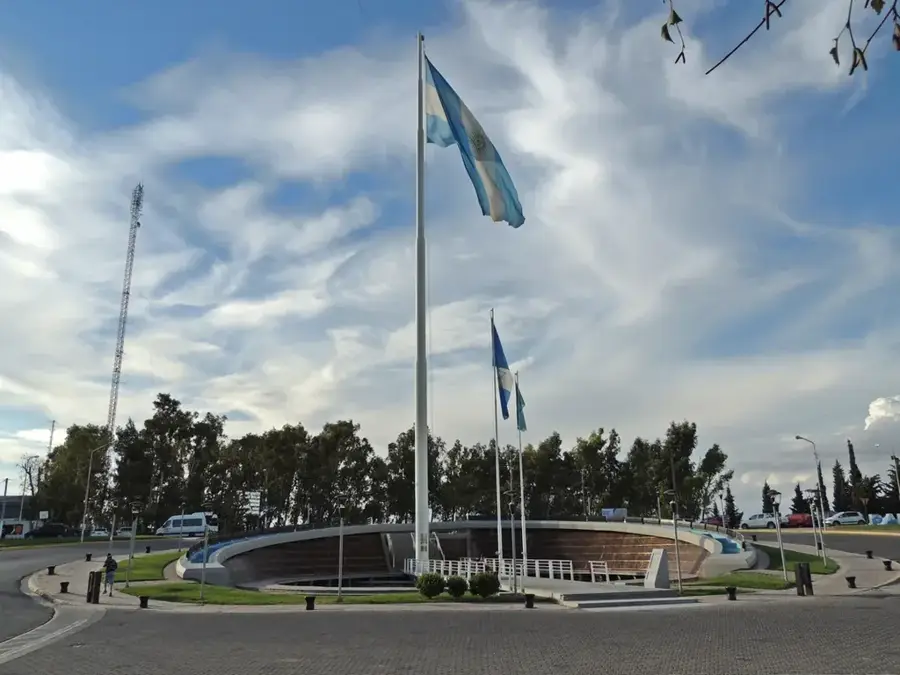
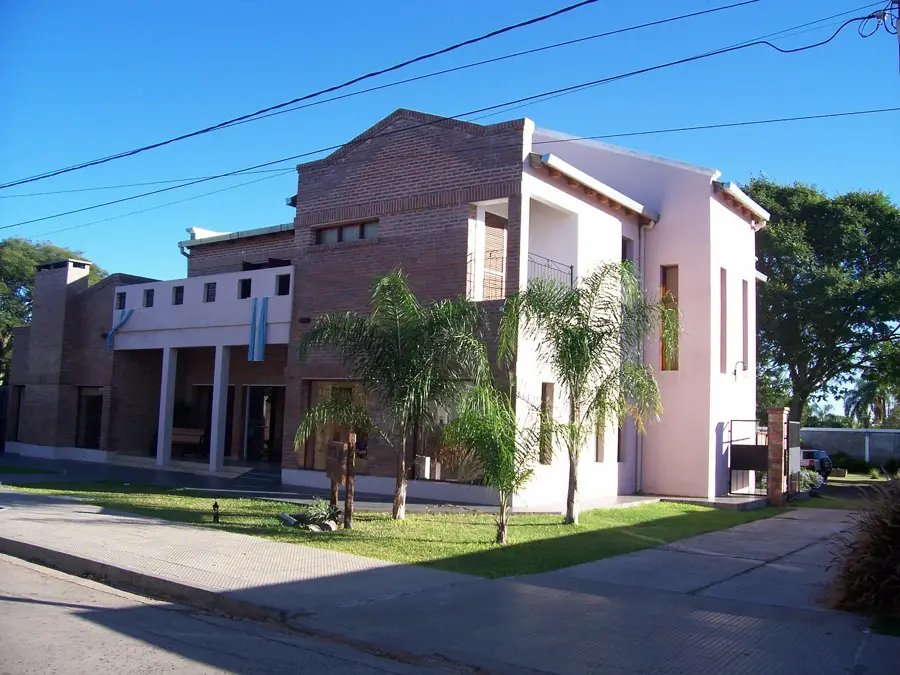
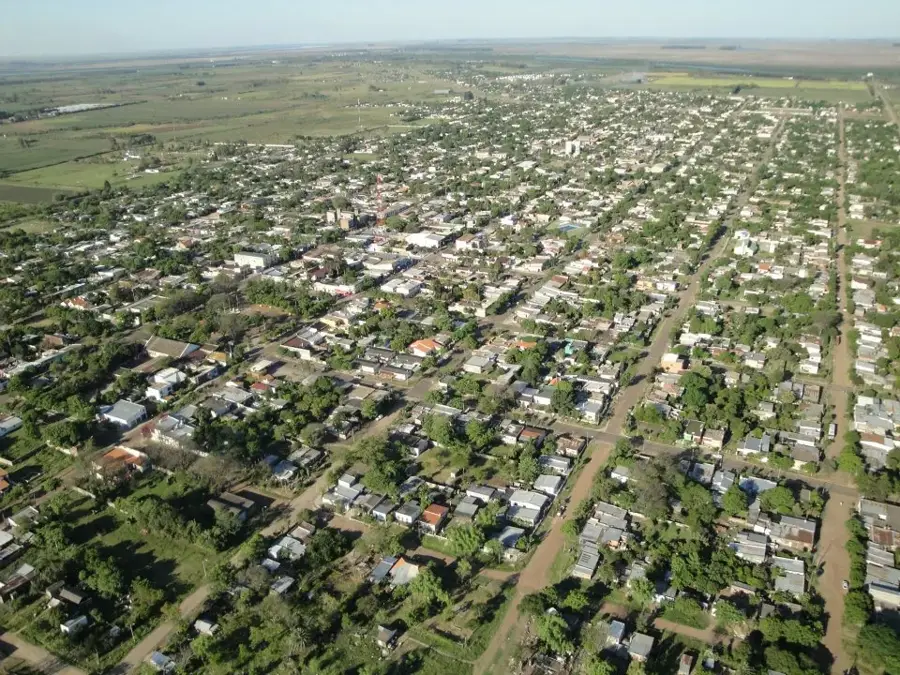
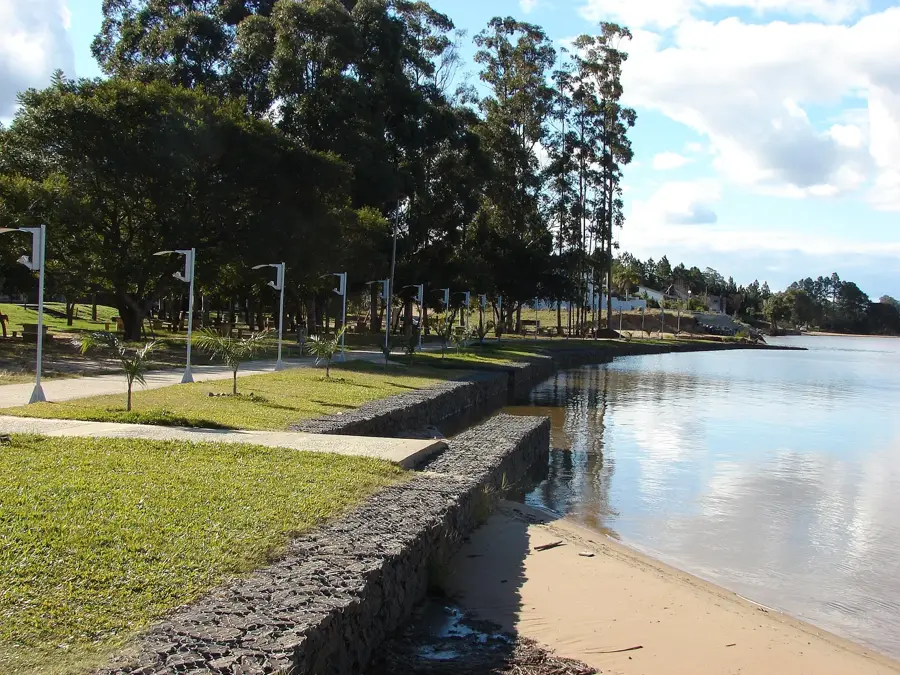
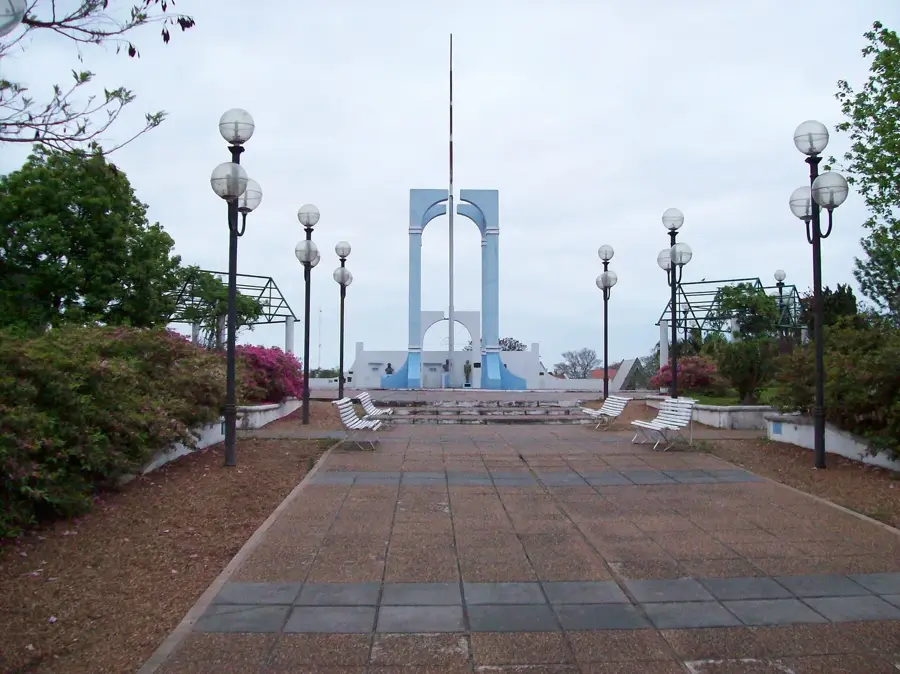
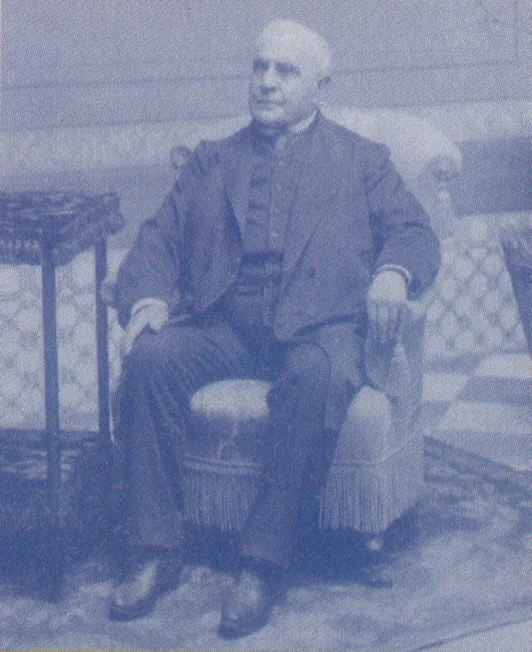
Curuzu Cuatia is a historic city located in the southern part of the Corrientes Province, founded on November 16, 1810, by General Manuel Belgrano. It holds the unique distinction of being the first city established by the national government following the May Revolution. The city name is derived from the Guarani language, meaning Engraved Cross, which refers to the early missionary presence in the region. Widely celebrated as the Cradle of the Chamame, it is the spiritual home of this traditional folk music, which is recognized by UNESCO as Intangible Cultural Heritage. Geographically, it is situated in a rolling plain landscape that supports a robust economy based on cattle ranching and rice cultivation. The urban landscape features significant landmarks such as the Parish Church of Our Lady of the Pillar and various civic monuments. Today, it remains a crucial transportation hub and a center for regional trade within the Argentine Mesopotamia.
- Location: Argentina
- Top sights: Anfiteatro Quique Sorribes · Sociedad Española - Sala Cervantes · Museo "Tarragó Ros"
- Nearby: Federación (72 km)
- Population: ~36.390 (2026)
Best time to visit & climate
The most pleasant time to visit is Mar, Sep, Oct.
| Jan | Feb | Mar | Apr | May | Jun | Jul | Aug | Sep | Oct | Nov | Dec | |
|---|---|---|---|---|---|---|---|---|---|---|---|---|
| Avg °C | 27 | 26 | 23 | 20 | 15 | 13 | 12 | 14 | 16 | 20 | 22 | 25 |
| Rain mm | 142 | 131 | 124 | 161 | 109 | 65 | 49 | 66 | 88 | 148 | 161 | 167 |
Geography
Facts
- Founded on November 16, 1810, by Manuel Belgrano
- First city established after the 1810 May Revolution
- Known as the Cradle of the Chamame music style
- The name means Engraved Cross in Guarani
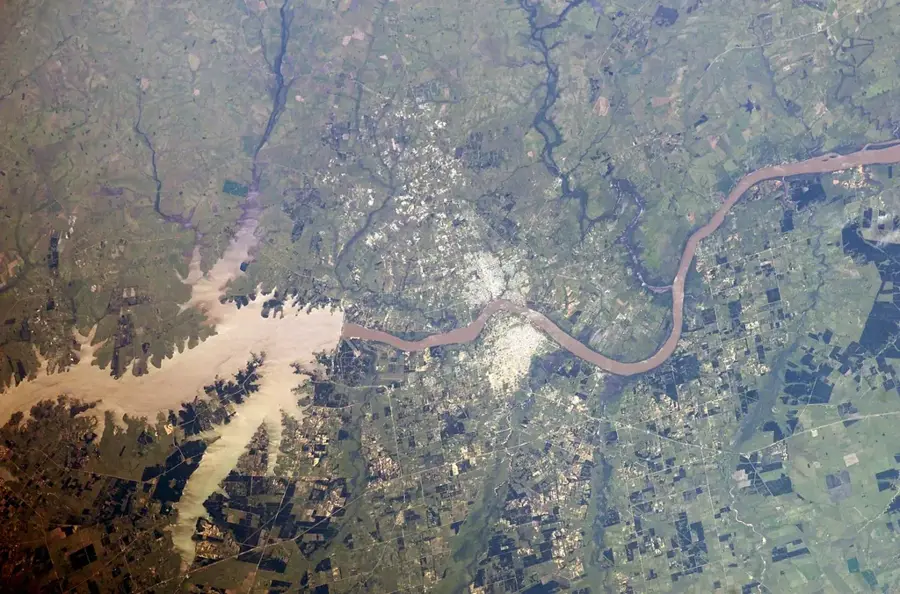
- Located in the southern Corrientes Province
- Major hub for cattle ranching and rice production
Explore nearby
Notable places around
Route planner — Car & Motorhome
Where do you start? We build the route here, with stops and country notes along the way.
© OpenStreetMap contributors · OpenRouteService
Sights in the town Curuzú Cuatiá (3)
Frequently asked questions
How many days do you need for Curuzú Cuatiá?
When is the best time to visit?
How do you get there?
Are there local specialties?
Is Curuzú Cuatiá family-friendly?
Curuzú Cuatiá: where is it located?
Curuzú Cuatiá: what is there to see?
Curuzú Cuatiá: when is the best time to visit?
Curuzú Cuatiá: why is it worth visiting?
Nearby cities