Plizio Visual Lab
Salto
ℹ️Practical info — Salto
▾
🌤 Weather — 5 days
📍 Nearby
Sights nearby
💡 Tips
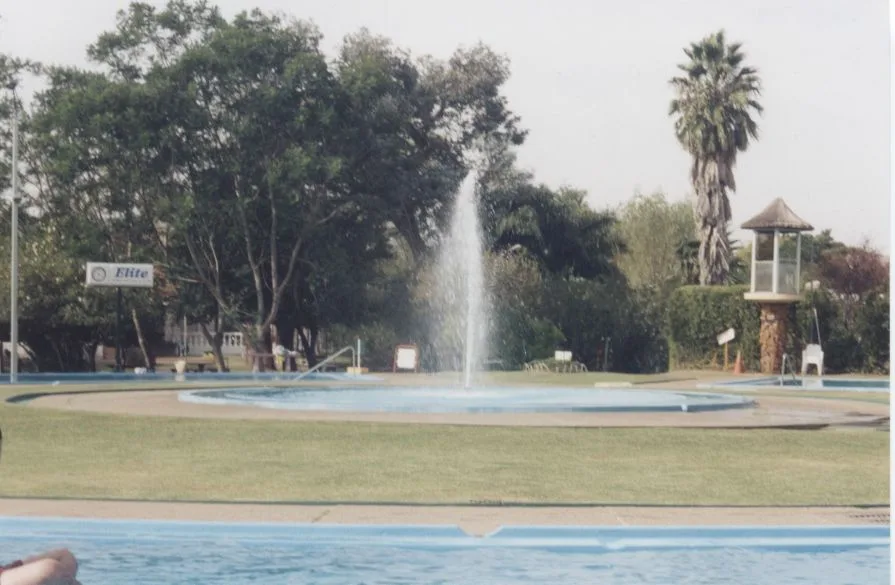
- The main draw here are the thermal baths (Termas del Daymán); pack your swimsuit even in winter, as the water is hot.
- Summers are exceptionally hot and humid; plan outdoor activities for the early morning or evening.
- City buses run frequently between downtown Salto and the Daymán hot springs, making it an easy and cheap day trip.
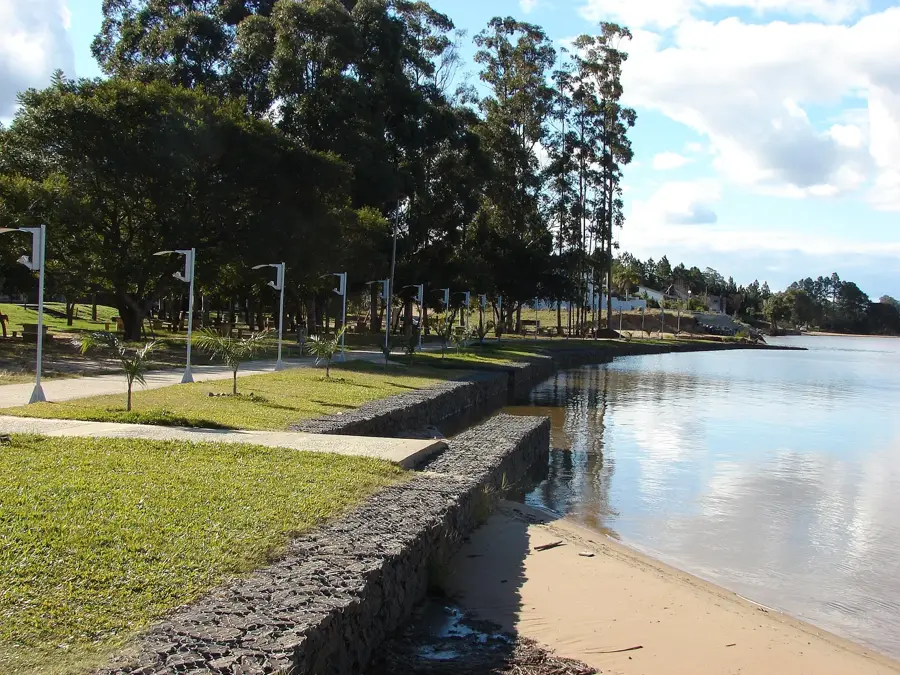
- Take an evening walk along the Costanera (riverside promenade) to watch a beautiful sunset over the Uruguay River.
🍽 Food
Uruguay's famous massive steak sandwich loaded with cheese, ham, egg, and veggies. Find great ones at local pizzerias.
Traditional Uruguayan barbecue. Head to a 'parrillada' (steakhouse) along the riverside for expertly grilled meats.
Salto is the citrus capital of Uruguay. Buy fresh oranges and mandarins from street vendors or local markets.
🛍 Shopping · 🧘 Quiet spots
The main commercial street, lined with clothing shops, cafes, and bakeries. It gets very busy on weekday evenings.
A beautiful historic market building that often hosts artisan fairs, local crafts, and cultural exhibitions.
A scenic parkway along the Uruguay River with barbecue pits, grassy areas, and great views across to Argentina.
A classic landscaped park with old trees and a small lake, offering a quiet retreat from the city center.
Water temperature…
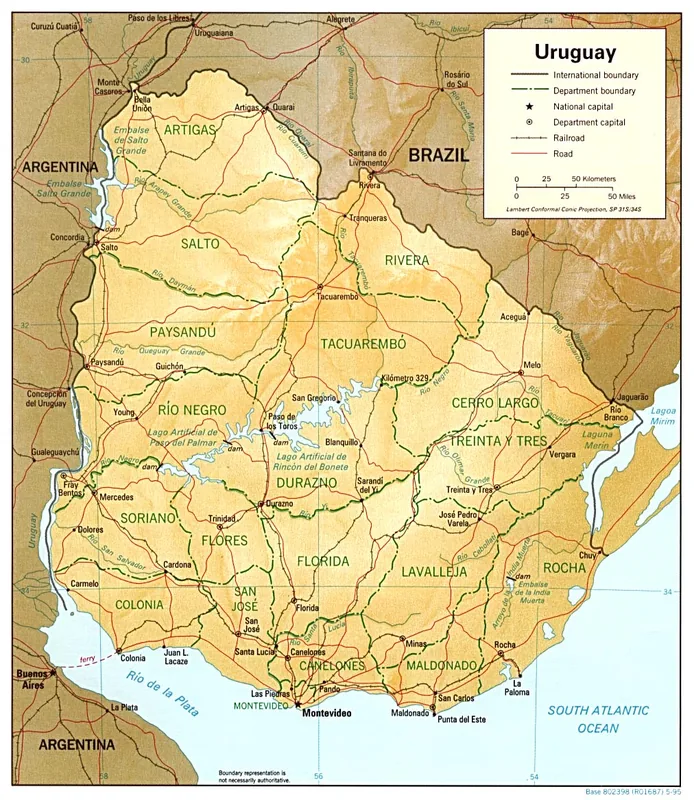
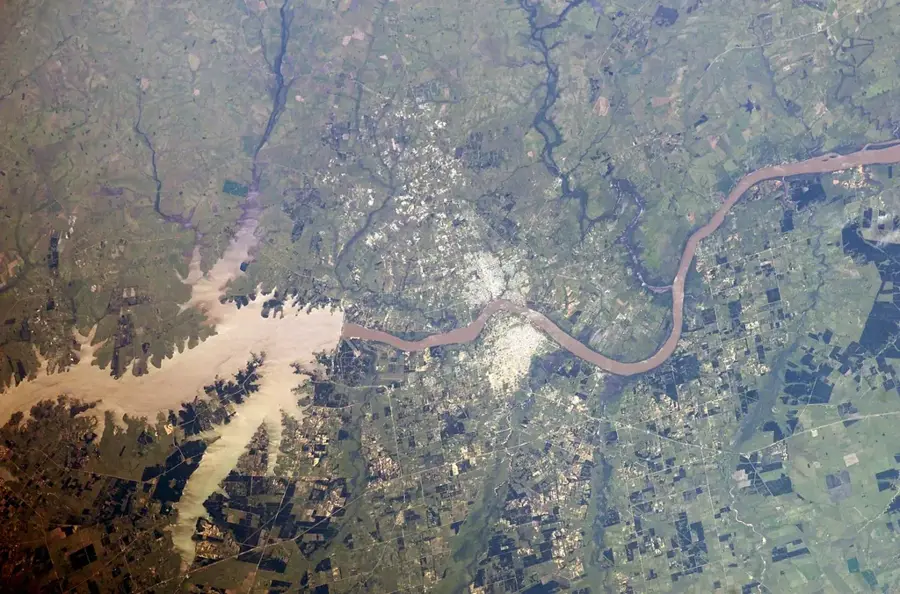
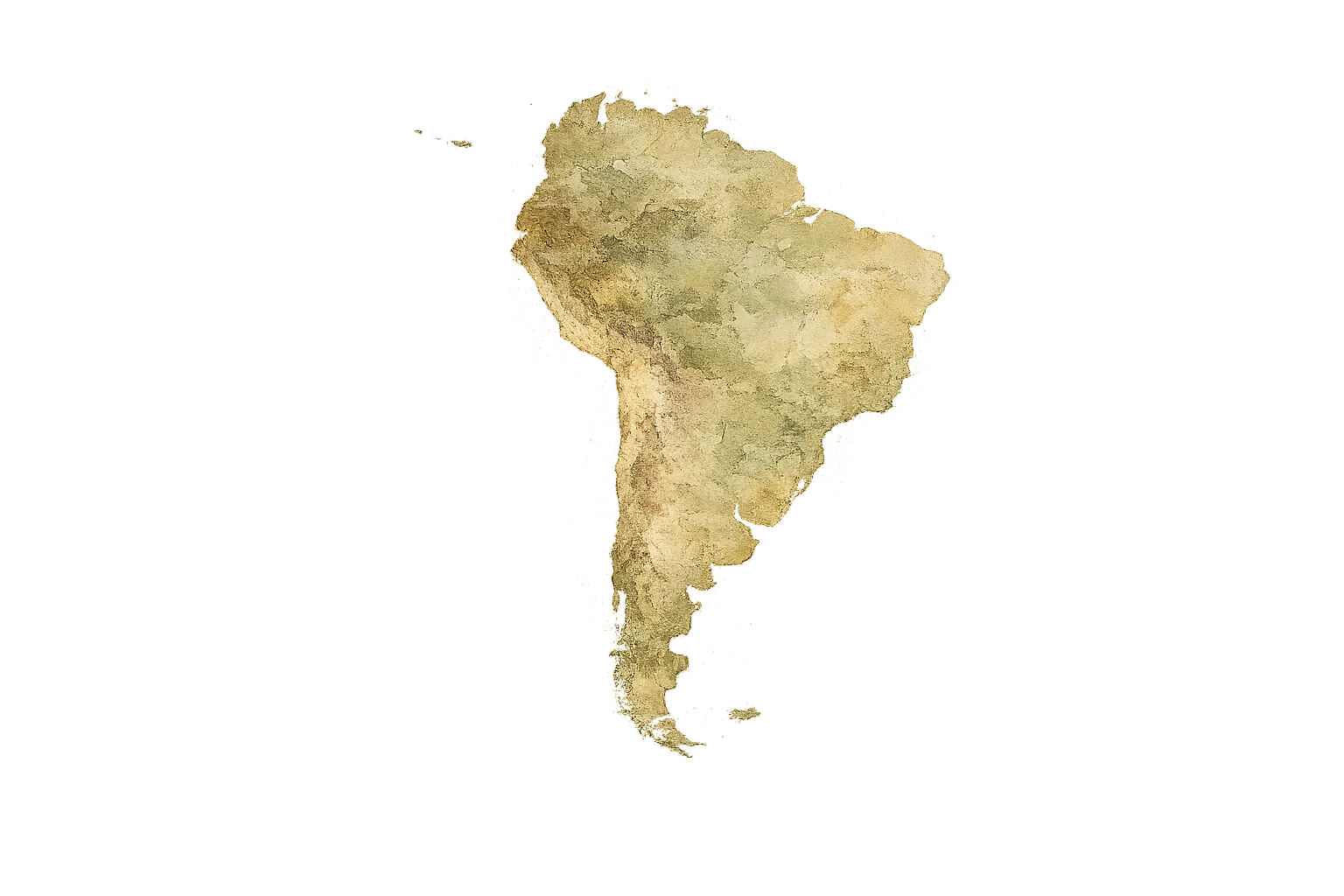
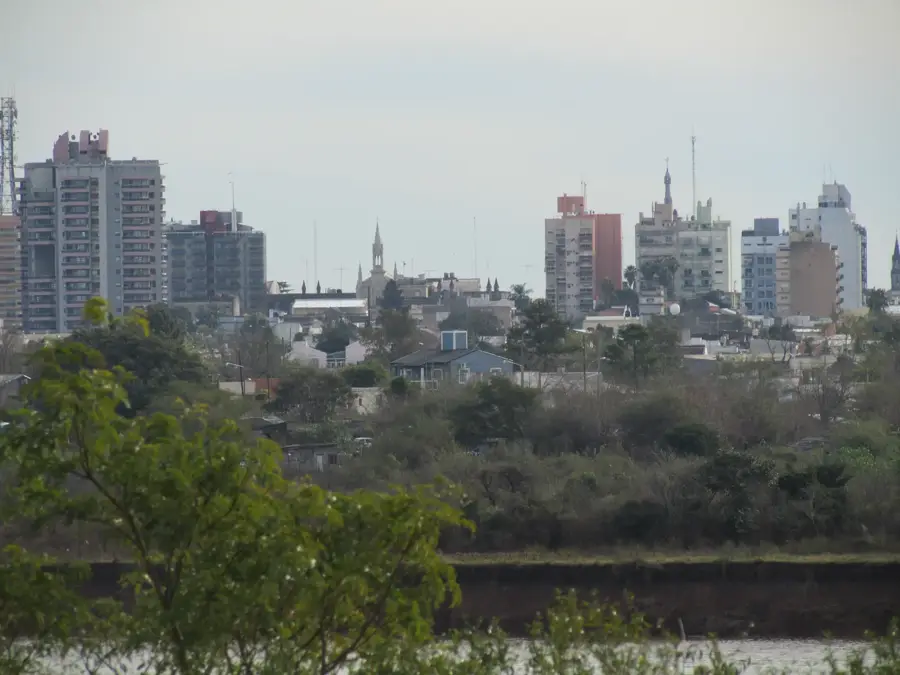
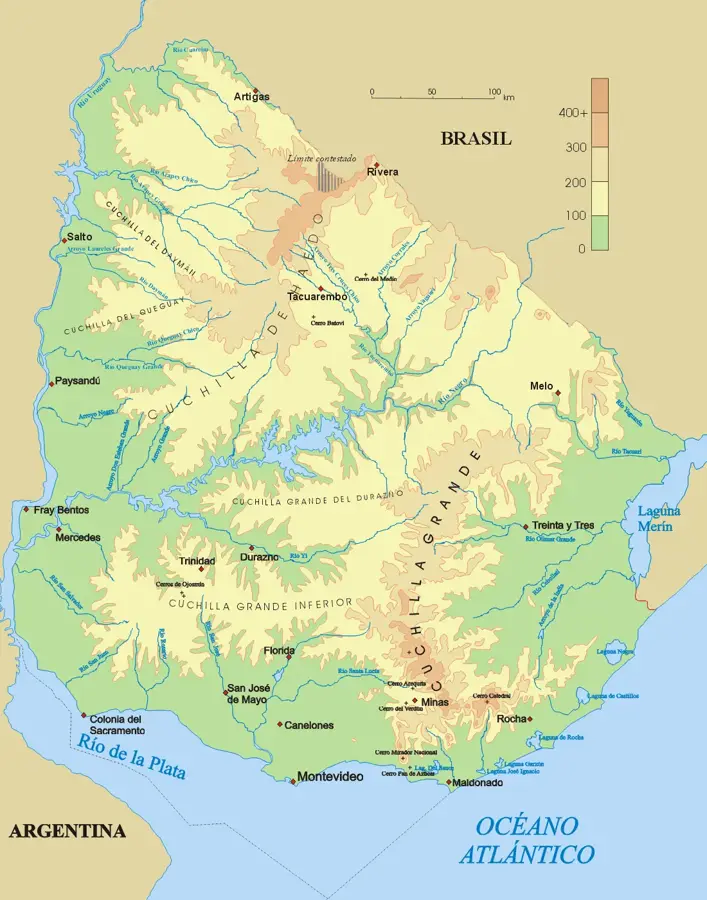
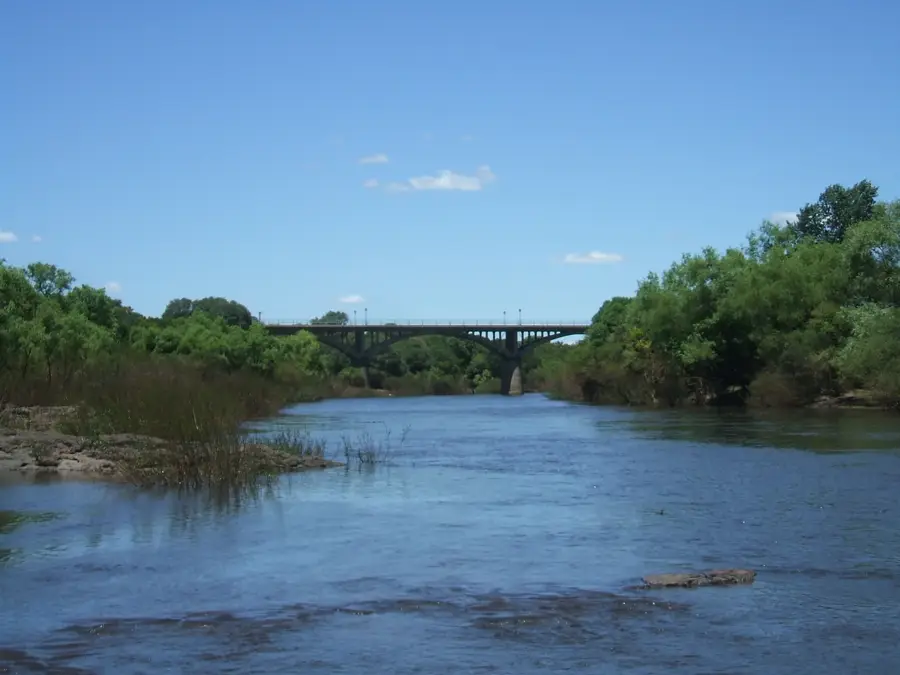
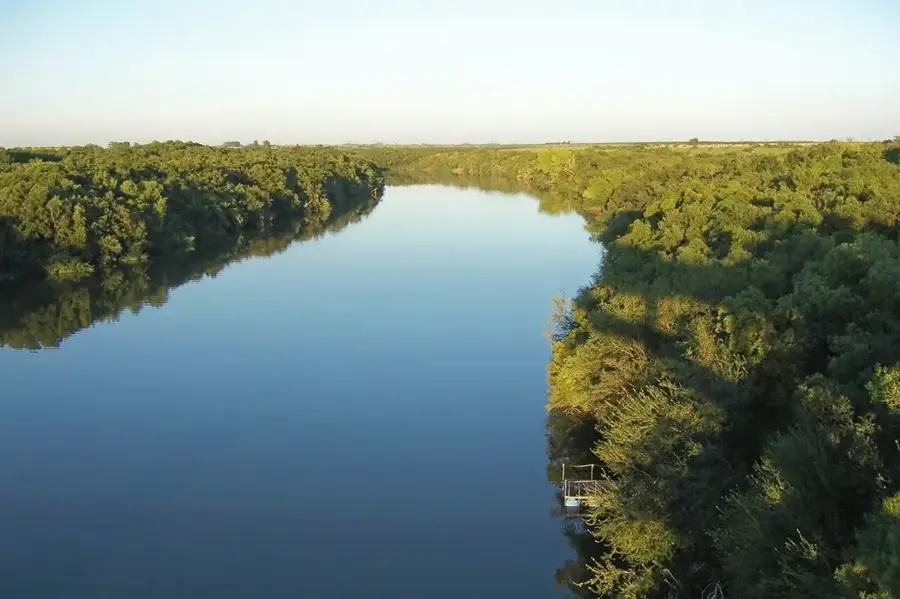
Salto, Uruguay's second-largest city and the capital of the Salto Department, is situated in the northwest, facing the Argentine city of Concordia across the Uruguay River. It is a major economic powerhouse, largely driven by agribusiness and tourism. The city is the undisputed capital of the country's citrus industry, with miles of orange and lemon groves surrounding the urban area. Another critical component of its economy is the Salto Grande Dam, a massive binational hydroelectric project with Argentina that generates nearly half of Uruguay's electricity. Salto is widely famous for its high-quality thermal springs; the resorts of Daymán and Arapey attract visitors year-round to their mineral-rich, healing waters. Culturally, Salto holds a special place in Uruguayan identity as the birthplace of legendary writer Horacio Quiroga and world-class footballers Edinson Cavani and Luis Suárez. The city's urban planning features wide, leafy boulevards and impressive public squares like Plaza Treinta y Tres. The Cathedral of St. John the Baptist, with its grand neoclassical facade, serves as a central landmark. Historically, Salto grew rapidly in the 19th century as a key river port and trade center between the interior and the coast. Today, it is a bustling academic hub, home to several university campuses that infuse the city with a youthful energy. The riverfront promenade, known as the 'Costanera,' is the heart of social life, offering beautiful sunset views over the Uruguay River. With its blend of industrial significance, agricultural wealth, and premier tourist resorts, Salto stands as the most important urban center in the northern half of the country, balancing its historical heritage with forward-looking sustainable energy and tourism initiatives.
- Location: Uruguay
- Top sights: Museo del Hombre y la Tecnología · Teatro Larranaga · Iglesia Evangélica Asamblea de Dios Misionera
- Nearby: Termas del Daymán (8 km)
- Population: ~99.823 (2026)
Best time to visit & climate
The most pleasant time to visit is Mar, Apr, Nov.
| Jan | Feb | Mar | Apr | May | Jun | Jul | Aug | Sep | Oct | Nov | Dec | |
|---|---|---|---|---|---|---|---|---|---|---|---|---|
| Avg °C | 27 | 25 | 23 | 19 | 15 | 12 | 11 | 13 | 15 | 19 | 22 | 25 |
| Rain mm | 127 | 155 | 126 | 159 | 107 | 73 | 50 | 84 | 97 | 155 | 138 | 141 |
Geography
Facts
- Founded on November 8, 1756, as a strategic river outpost.
- Current population is estimated at 104,000 residents.
- The Salto Grande Dam is shared between Uruguay and Argentina.
- Salto is the birthplace of global football stars Suárez and Cavani.
- The city's name literally means 'Jump' or 'Falls' in Spanish.
- Home to the University of the Republic's Northern Campus.
- Daymán hot springs are located just 10 minutes from the city center.
- It is the administrative capital of the Salto Department.
Explore nearby
Notable places around

Route planner — Car & Motorhome
Where do you start? We build the route here, with stops and country notes along the way.
© OpenStreetMap contributors · OpenRouteService
Sights in the town Salto (10)
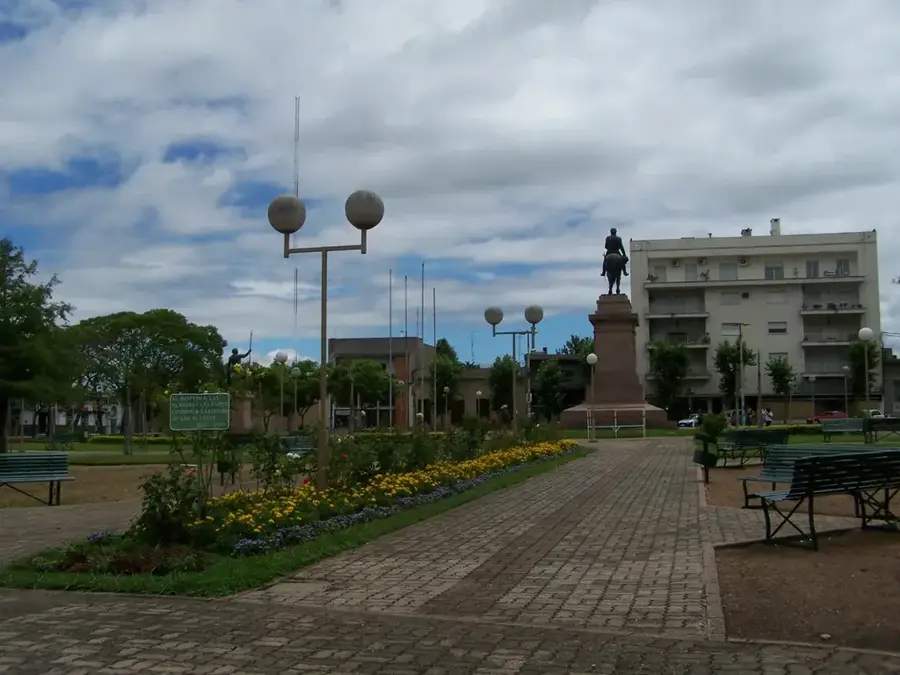
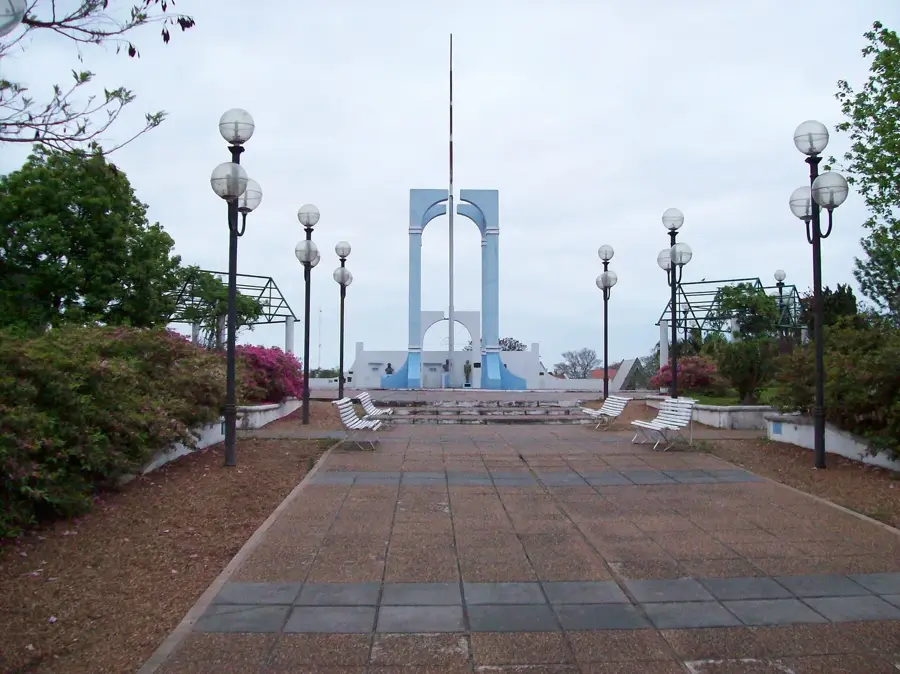
Plaza 33 Orientales🌳 park
Square in Salto, Uruguay, named after the 33 Orientales.
Muelle Negro
Black Pier in Salto, on the Uruguay River.
Plaza 18 de Julio🌳 park
Square in Salto, Uruguay, named after July 18, 1830.
Salón del Reino de los Testigos de Jehová
Kingdom Hall of Jehovah's Witnesses in Salto.
Las Asambleas de Dios
Assemblies of God congregation in Salto.
Catedral Basílica San Juan Bautista
Cathedral Basilica of St. John the Baptist, cultural heritage monument of Uruguay.
Frequently asked questions
What are the highlights of Salto?
What are the opening hours of the thermal baths?
Is Salto suitable for families?
What should I keep in mind when traveling there?
What local fruit is famous?
Salto: where is it located?
Salto: what is there to see?
Salto: when is the best time to visit?
Salto: why is it worth visiting?
Nearby cities
Nature
More places