Plizio Visual Lab

Jesuit Estancia of Santa Catalina
Plizio editorial teamData Sources
Historical site
—°2
Jesuit Estancia of Santa Catalina (Argentina)

Weather…

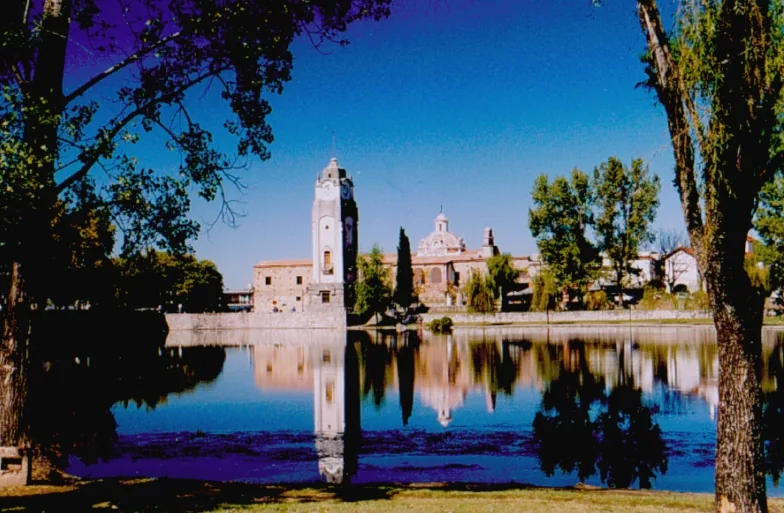
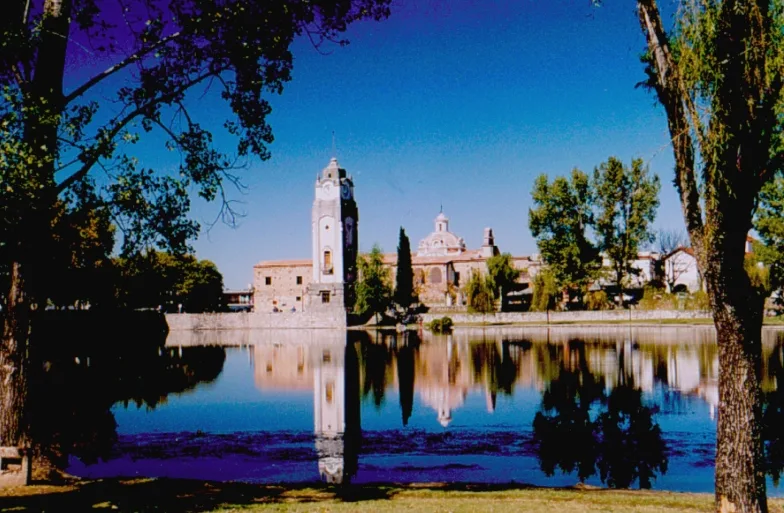
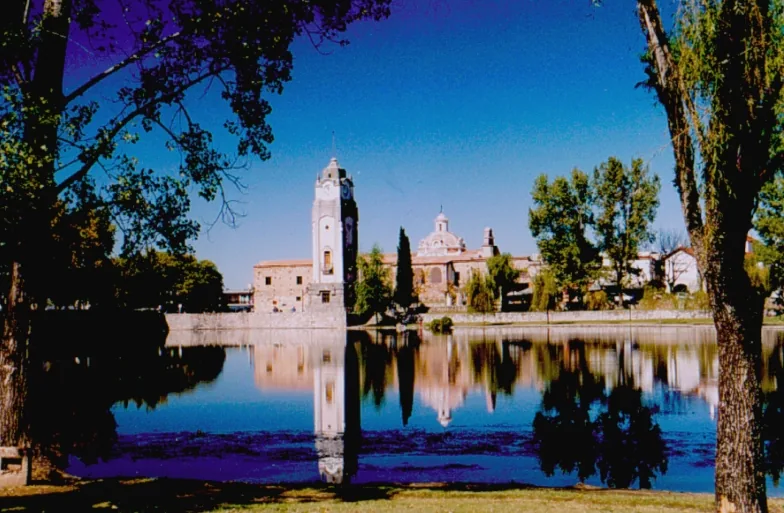
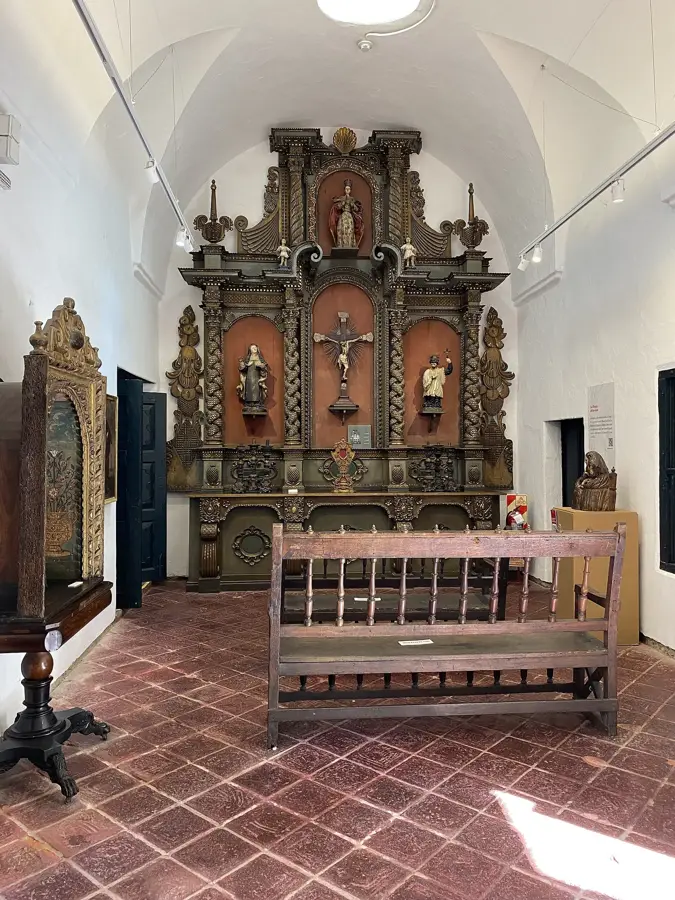
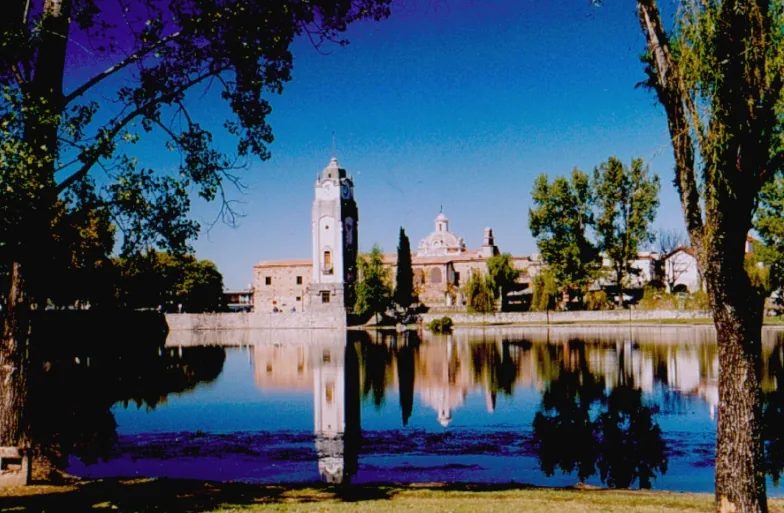
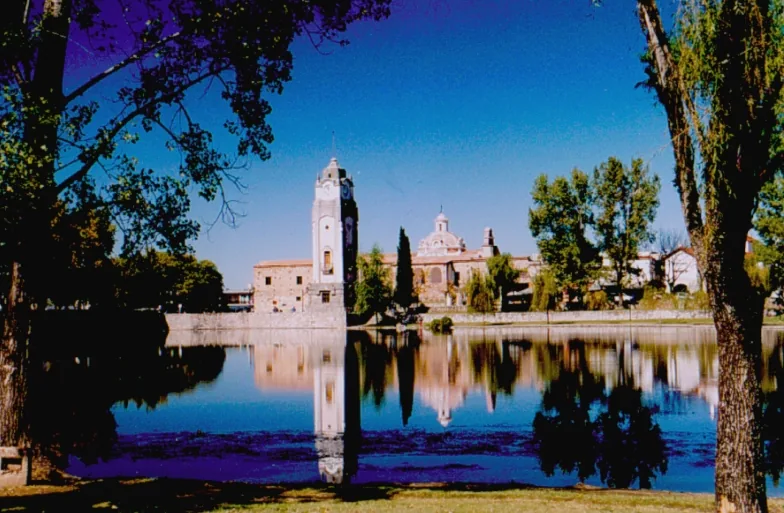
Estancia Santa Catalina was founded in 1622 by the Jesuits and grew to become the order's most significant economic center in the Córdoba region. The complex is distinguished by its impressive Baroque church, whose monumental facade shows clear influences from Central European architectural styles. The estate comprises three large inner courtyards, residential quarters, workshops, and a sophisticated water supply system that was crucial for large-scale viticulture. Unlike other estancias, the focus here was on wine production, with products traded throughout the Viceroyalty of the Río de la Plata. Now a UNESCO World Heritage site, the property serves as a vital testament to colonial architecture and the socio-economic organization of Jesuit missions in South America. The preserved structures offer deep insights into the labor systems and religious practices that shaped the 17th and 18th centuries.

Best time to visit & climate

The most pleasant time to visit is Apr, Sep, Oct.

JanFebMarAprMayJunJulAugSepOctNovDec
Avg °C262422181411111316202325
Rain mm12513211865249973166111111

📋 Practical info

🚪
Visiting
The site of the Jesuit ranch Santa Catalina is open to visitors. You can explore both the restored main building's interior and the extensive outdoor grounds, which offer insight into the agricultural life of the Jesuits.
🕒
Typical hours
Opening hours typically follow standard daytime museum hours, usually from around 9 AM to 5 PM. For exact times, it is advisable to check locally or on the official website, as seasonal changes may occur.
📷
Photography
Indoor and outdoor photography is usually allowed, but flash may be prohibited in certain exhibition rooms. For commercial or professional photography, a special permit might be required.
⏱️
Time needed
For a thorough tour, you should allow about one and a half to two hours. If you also want to see the outbuildings and surrounding fields, up to three hours may be needed.
Combine with
Also visit neighboring Jesuit estancias such as Jesús María and Caroya, which together form the Jesuit Block heritage. Combining with the city of Córdoba is worthwhile, as it hosts the Manzana Jesuítica and Argentina's oldest university.
🧭
Getting there
The estancia is located about 70 kilometers north of Córdoba, near Ruta Nacional 9. It is best reached by rental car or taxi, as public transportation is limited.
💡
Insider tip
Plan your visit for early morning to enjoy pleasant temperatures and soft light for photos. Bring plenty of water and sun protection, as the outdoor areas offer little shade.

Geography

Coordinates
-30.87310, -64.23830

Facts

  • Founded in 1622 by the Society of Jesus
  • UNESCO World Heritage site since the year 2000
  • Features the largest Jesuit church in the Córdoba region
  • Main economic focus was viticulture and cattle ranching
  • Includes a preserved 17th-century stone aqueduct
  • Housed over 300 enslaved people during the 18th century

Explore nearby

Notable places around
Route planner — Car & Motorhome

Where do you start? We build the route here, with stops and country notes along the way.

Vehicle
Only stops with (optional):

© OpenStreetMap contributors · OpenRouteService

Sights in the town Jesuit Estancia of Santa Catalina (2)

Iglesia de Santa Catalina⛪ religious

This renowned Jesuit place of worship stands as a prominent historical landmark within the colonial Santa Catalina estate.

Convento Agua de Las Piedras📍 landmark

A Christian convent providing a secluded retreat for monastic life and contemplative spiritual practice.

Sights nearby

Frequently asked questions

What is the Estancia Jesuítica de Santa Catalina?
It is a monumental Jesuit estate in Córdoba with a church, courtyard, and rural architecture. It belongs to the UNESCO heritage of the Jesuit missions.
How much time should you plan?
1 to 2 hours are usually enough, depending on how thoroughly you want to see the complex. The drive there is often part of the experience.
Is the place family-friendly?
Yes, especially for families interested in history and open space. Because it is rural, water, shade, and good shoes are important.
When is the best time for photos?
Early morning and late afternoon give the nicest light on the stone and landscape. At midday the light is often too harsh.
What is Santa Catalina known for?
The estancia is known for its impressive architecture and its role in the Jesuit landholding system. Many visitors come for the calm, monumental atmosphere.
Jesuit Estancia of Santa Catalina: where is it located?
Jesuit Estancia of Santa Catalina is located in Argentina.
Jesuit Estancia of Santa Catalina: what is there to see?
Highlights include Iglesia de Santa Catalina, Convento Agua de Las Piedras.
Jesuit Estancia of Santa Catalina: when is the best time to visit?
The most pleasant time to visit is Apr, Sep, Oct.
Jesuit Estancia of Santa Catalina: why is it worth visiting?

Estancia Santa Catalina was founded in 1622 by the Jesuits and grew to become the order's most significant economic center in the Córdoba region.
View on map → The Top 50 Attractions → OpenStreetMap →
South America
Explore with Plizio Discover more places in South America
More places in Argentina →

History & landmarks

Nature

More places