Plizio Visual Lab
Kunduz
ℹ️Practical info — Kunduz
▾
🌤 Weather — 5 days
📍 Nearby
Sights nearby
💡 Tips
- Travel to Kunduz requires extreme caution and up-to-date security advice.
- Dress very conservatively and strictly observe Islamic customs.
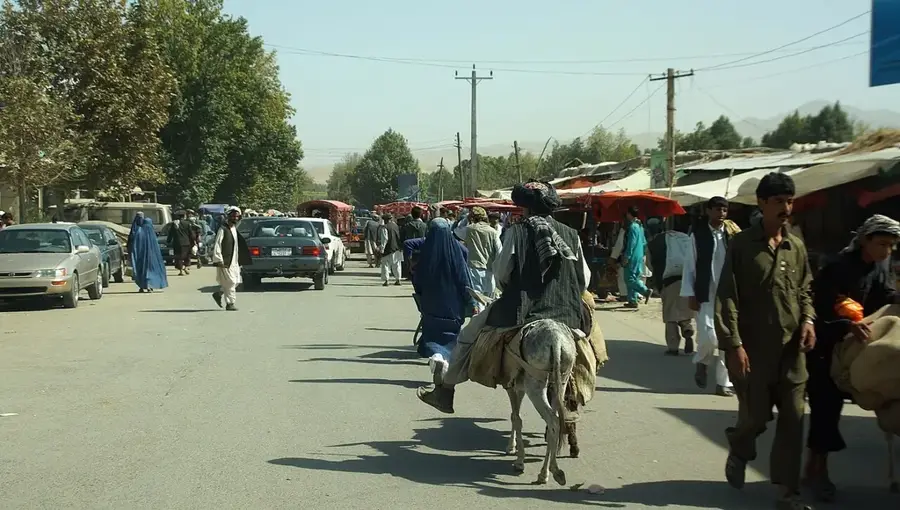
- Traffic is chaotic; rely on trusted local drivers.
- In the summer, the region is famous for its exceptional melons.
🍽 Food
A festive rice dish made with lamb, carrots, and raisins. Often served in traditional teahouses (chaikhanas).
The region is famous for its remarkably sweet melons. Buy them fresh at the market during late summer.
Steamed meat-filled dumplings topped with yogurt and lentils. Popular in local small eateries.
🛍 Shopping · 🧘 Quiet spots
The central bazaar is the heart of the city, trading everything from household goods to traditional Afghan clothing.
Throughout the city, you will find stalls offering excellent local almonds, raisins, and dried mulberries.
The vast cotton and wheat fields on the outskirts of the city offer a peaceful contrast to the bustling center.
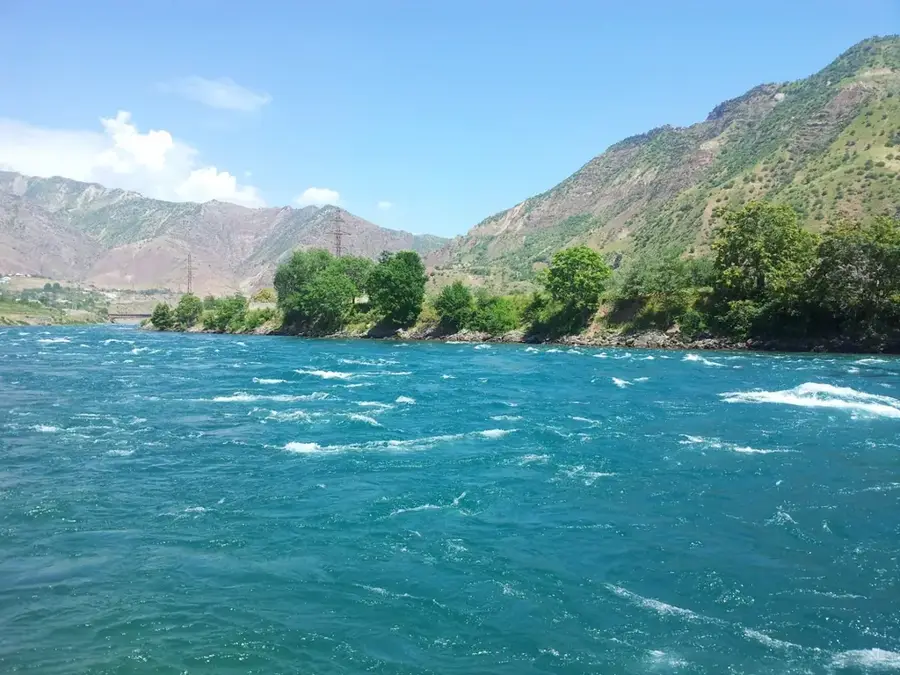
Located further out at the Tajik border, the area by the Amu Darya river features expansive, quiet views.
Water temperature…
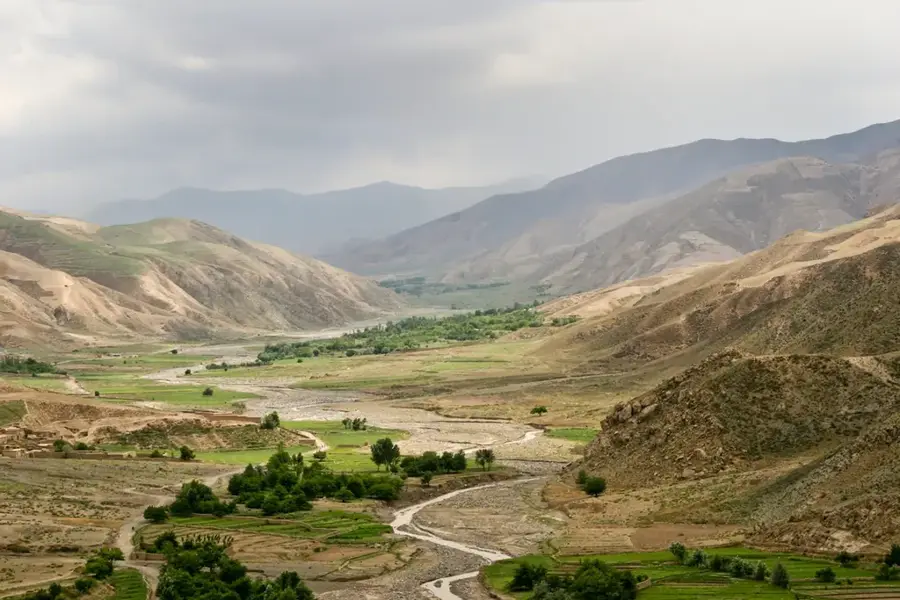
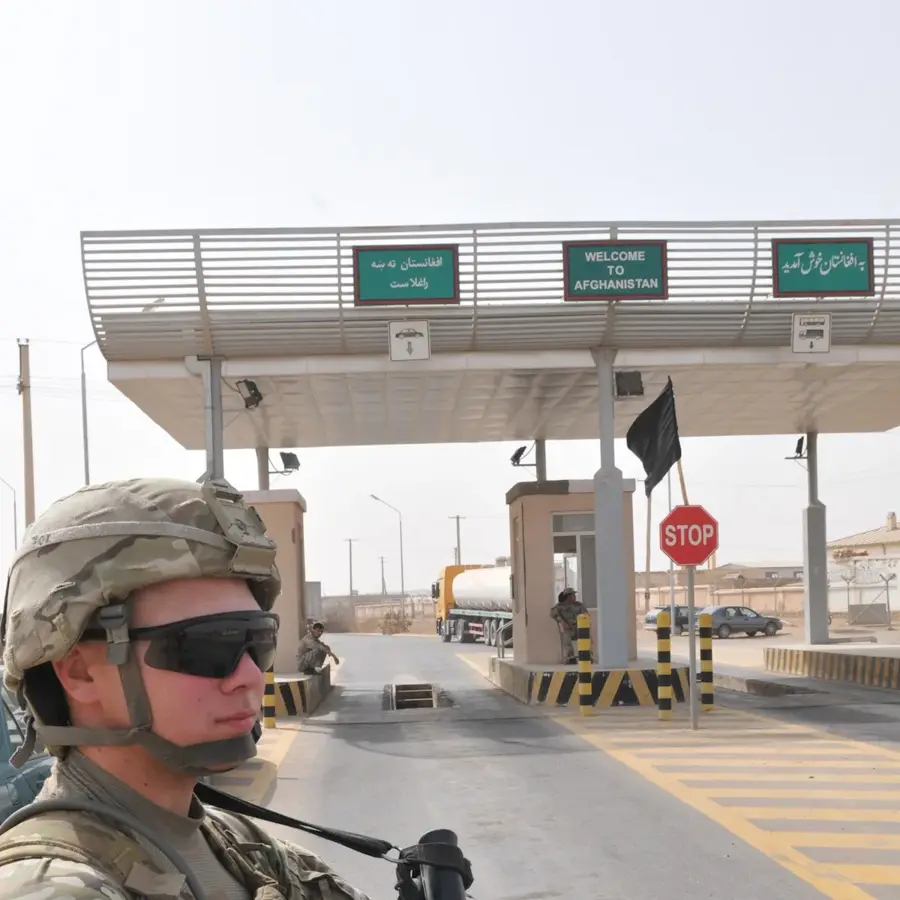
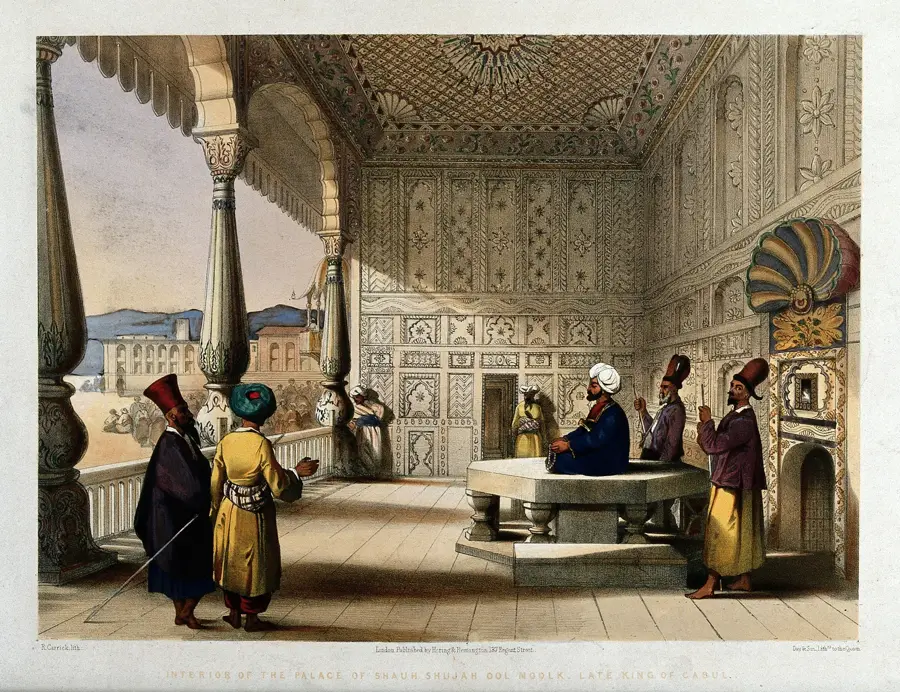
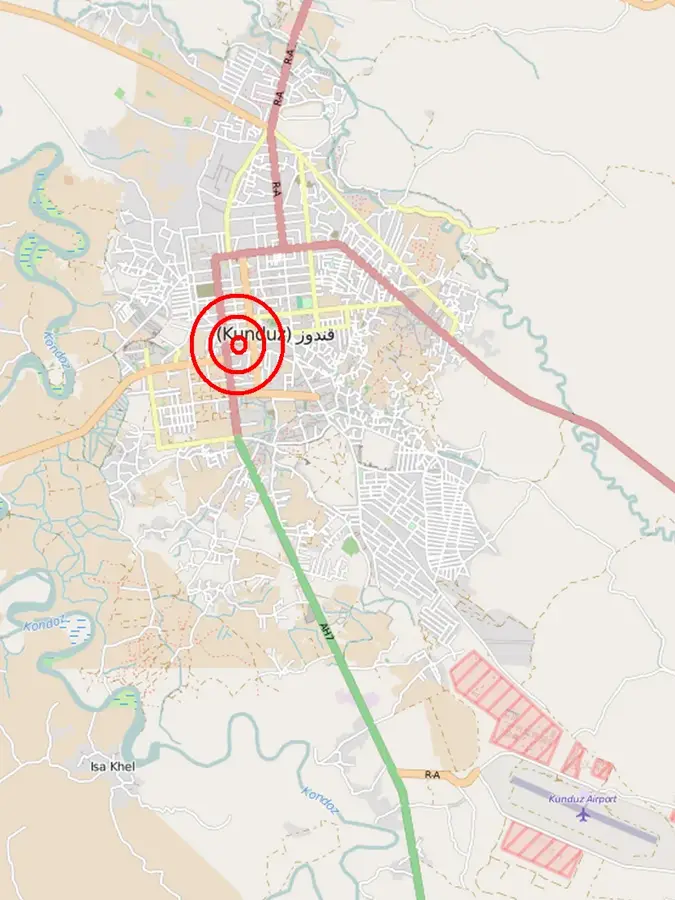
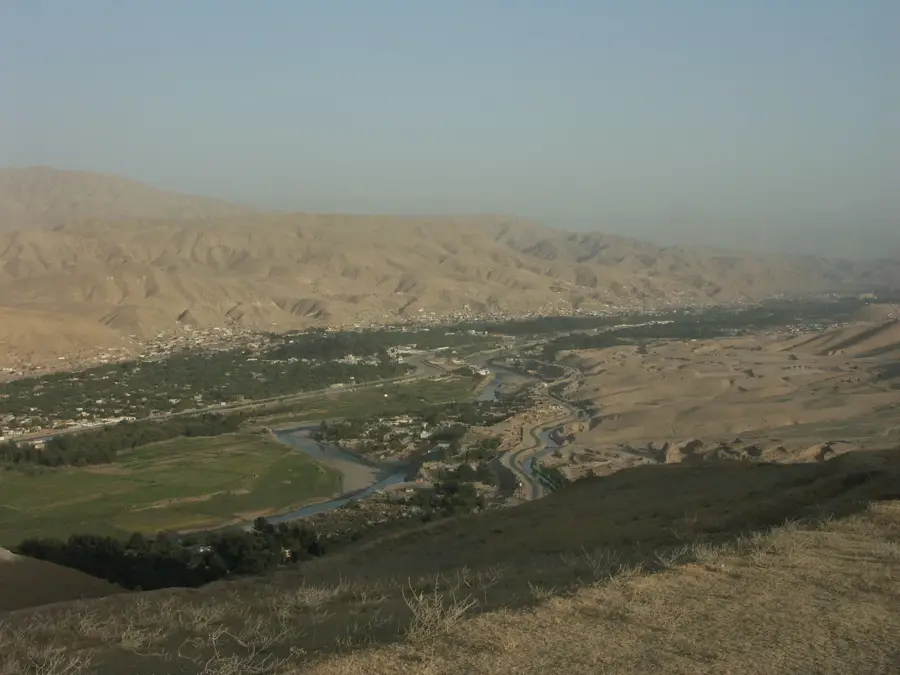
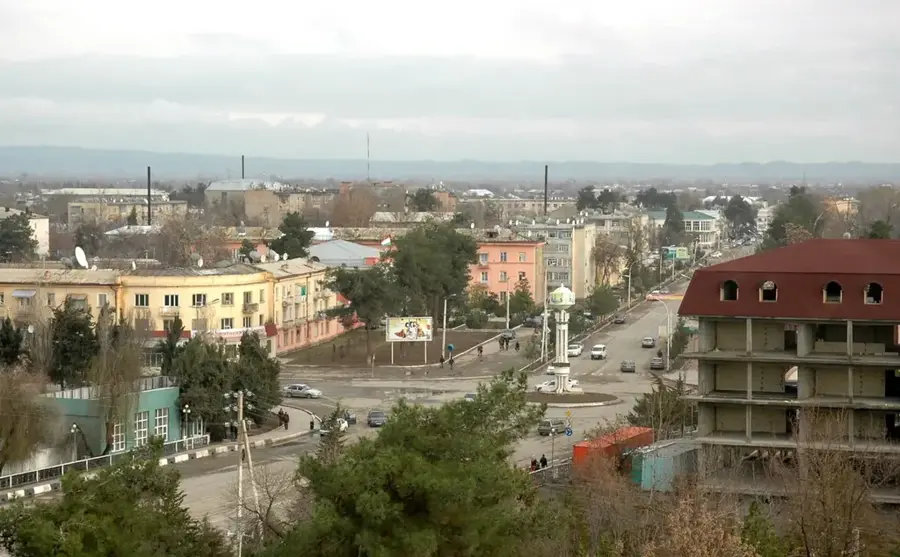
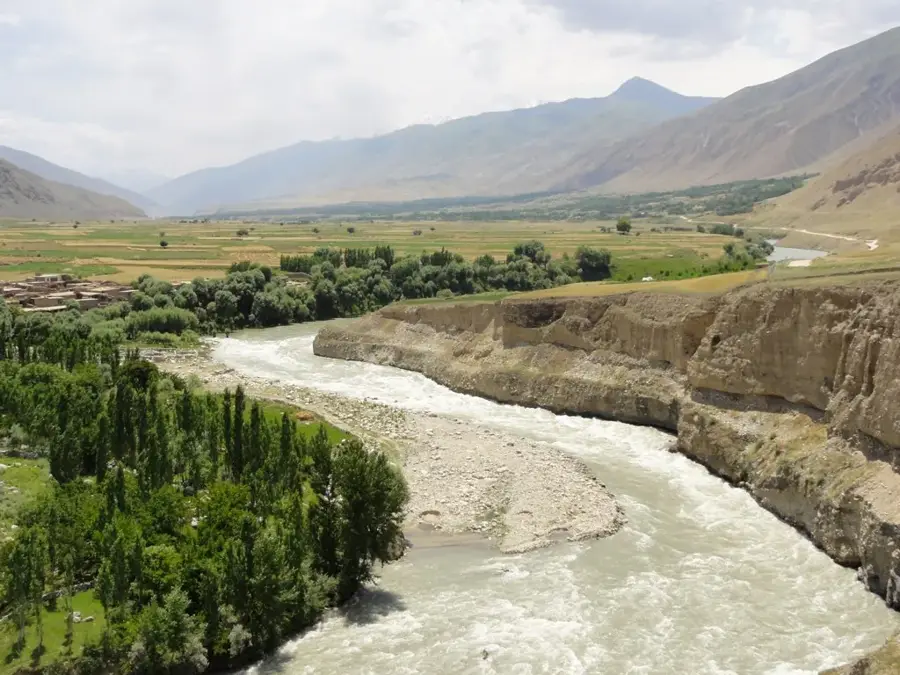
Kunduz, strategically positioned in northern Afghanistan at the confluence of the Kunduz and Khanabad rivers, is a major economic and agricultural powerhouse. Its history stretches back to antiquity, when it was known as Drapsaka, a key stop for Alexander the Great and later a vital hub along the northern branch of the Silk Road. The city's identity is defined by its diverse ethnic tapestry, comprising Tajiks, Pashtuns, Uzbeks, and Turkmen, whose interactions have created a dynamic trade-oriented society. Geographically, Kunduz sits in a wide, well-watered plain that serves as one of Afghanistan's most productive agricultural zones. Known as the 'Granary of the North,' the region is a leading producer of rice, wheat, and melons, sustained by an ancient yet functional irrigation network. The city's industrial legacy is tied to the Spinzar Cotton Company, which in the mid-20th century turned Kunduz into a symbol of Afghan modernization and industrial prosperity. Today, Kunduz remains a critical logistics node for trade with Tajikistan and the wider Central Asian region, with the nearby Shir Khan Bandar border crossing serving as a gateway for international commerce. Urban development in Kunduz reflects both its historical resilience and the scars of recent conflicts, with ongoing efforts to restore its administrative and educational infrastructure, including Kunduz University. The city's markets are famous throughout the country for their abundance of produce and traditional handicrafts, particularly its distinctive textiles and carpets. Despite being a focal point of strategic competition over the last few decades, Kunduz continues to function as the administrative heart of the province and a central pillar of northern Afghanistan's economy. Its importance as a transit hub and food supplier ensures that it remains indispensable to the nation's stability and growth.
- Location: Afghanistan
- Top sights: Chehel Dukhtaran A (BALL-194-1) · Chehel Dukhtaran B (BALL-194-2) · Gozar-e-Sayed Abad Mosque
- Population: ~161.902 (2026)
Best time to visit & climate
The most pleasant time to visit is Apr, Sep, Oct.
| Jan | Feb | Mar | Apr | May | Jun | Jul | Aug | Sep | Oct | Nov | Dec | |
|---|---|---|---|---|---|---|---|---|---|---|---|---|
| Avg °C | 5 | 7 | 13 | 19 | 25 | 30 | 32 | 30 | 25 | 18 | 11 | 6 |
| Rain mm | 30 | 42 | 37 | 30 | 16 | 3 | 1 | 1 | 1 | 5 | 27 | 26 |
Geography
Facts
- Known as Drapsaka in ancient times, visited by Alexander the Great.
- Located at an elevation of 390 meters (1,280 feet) above sea level.
- The Spinzar Cotton Company once led the nation's industrial output here.
- A major logistics hub connecting Afghanistan with Central Asia.
- Primary ethnic groups include Tajiks, Pashtuns, Uzbeks, and Turkmen.
- Often referred to as the 'Granary of the North' for its wheat and rice.
- Home to Kunduz University, serving thousands of students in the region.
- The Kunduz River provides essential water for the city's vast agriculture.
Explore nearby
Notable places around
Route planner — Car & Motorhome
Where do you start? We build the route here, with stops and country notes along the way.
© OpenStreetMap contributors · OpenRouteService
Sights in the town Kunduz (3)
Frequently asked questions
What characterizes Kunduz?
What is the climate like in Kunduz?
Is it a tourist destination?
How to travel to Kunduz?
What can you do in the region?
Kunduz: where is it located?
Kunduz: what is there to see?
Kunduz: when is the best time to visit?
Kunduz: why is it worth visiting?
Nearby cities
History & landmarks
Nature
More places