Plizio Visual Lab

Vakhsh River
Plizio editorial teamData Sources
River
—°1
Vakhsh River (Tajikistan)

Weather…

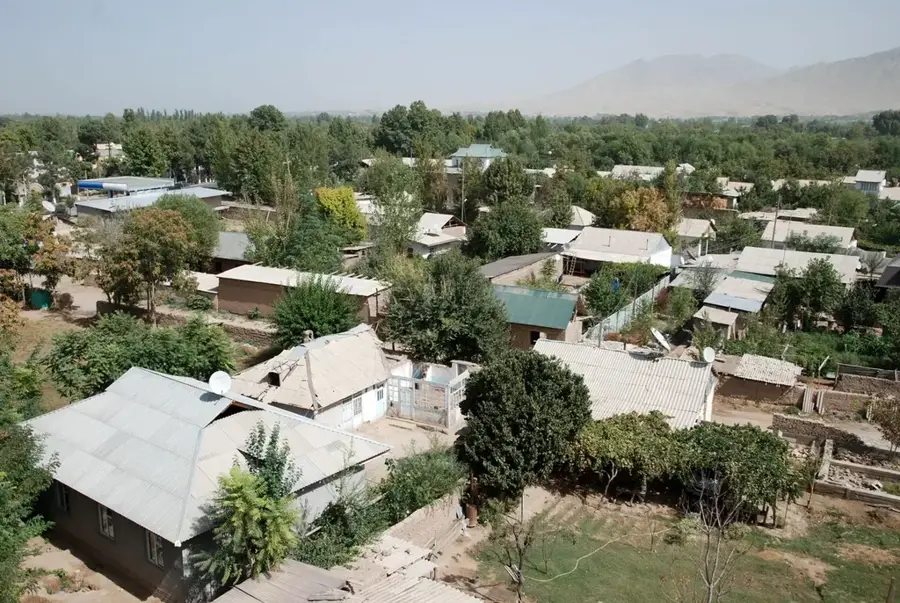
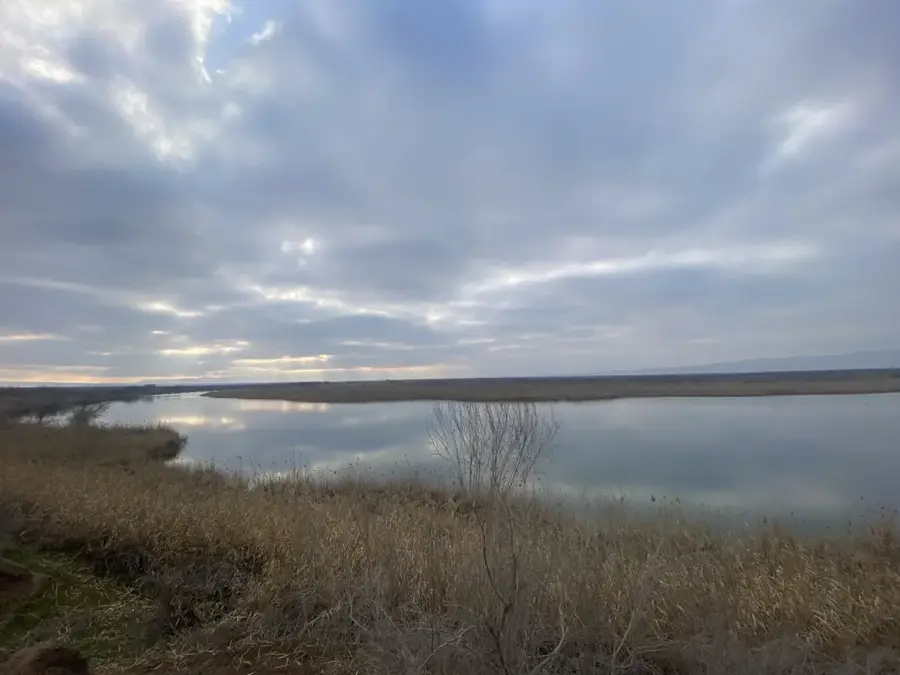
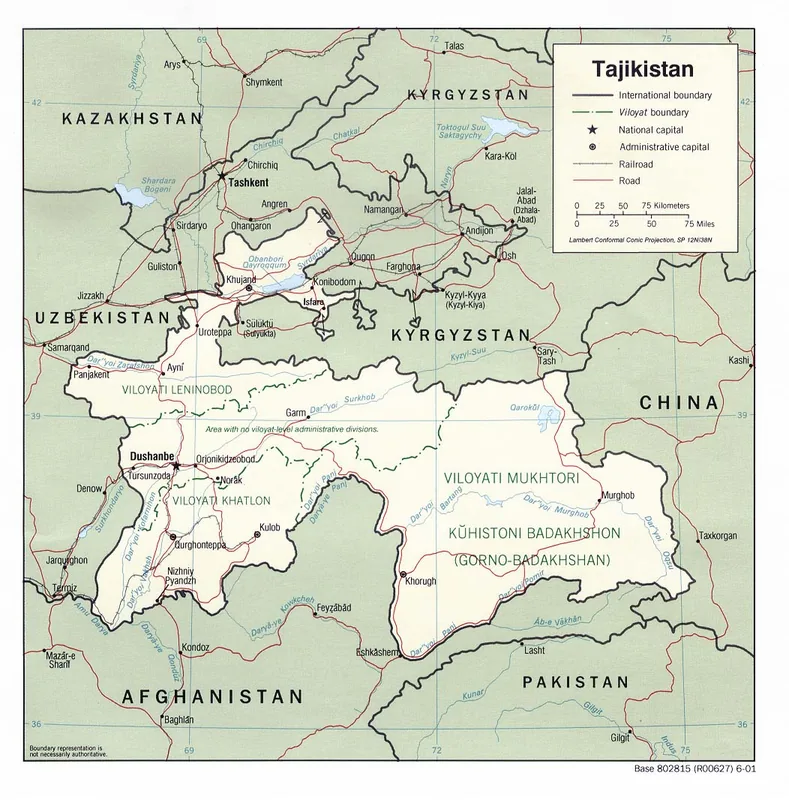
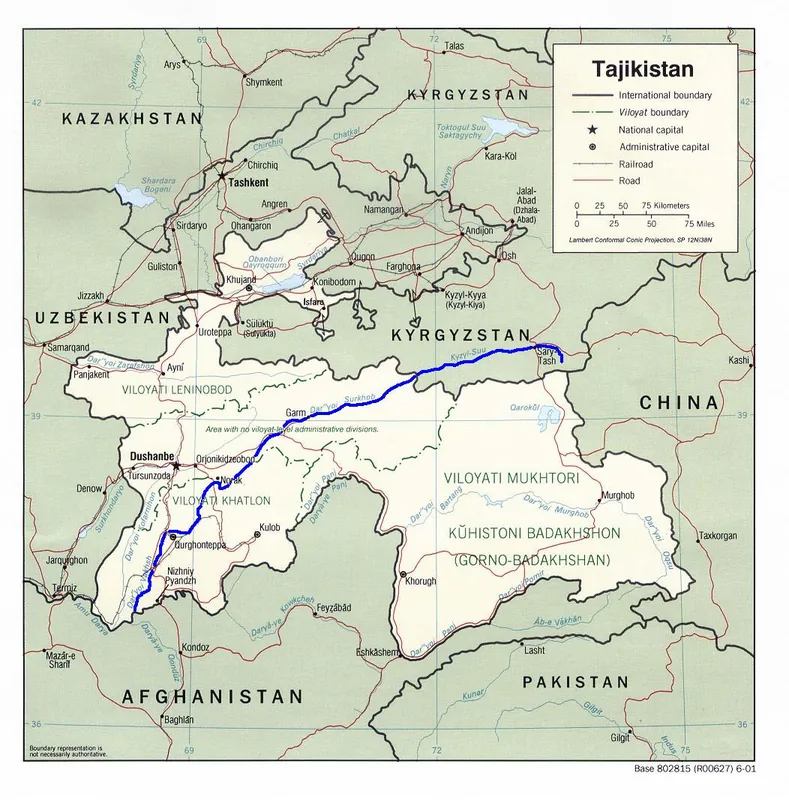
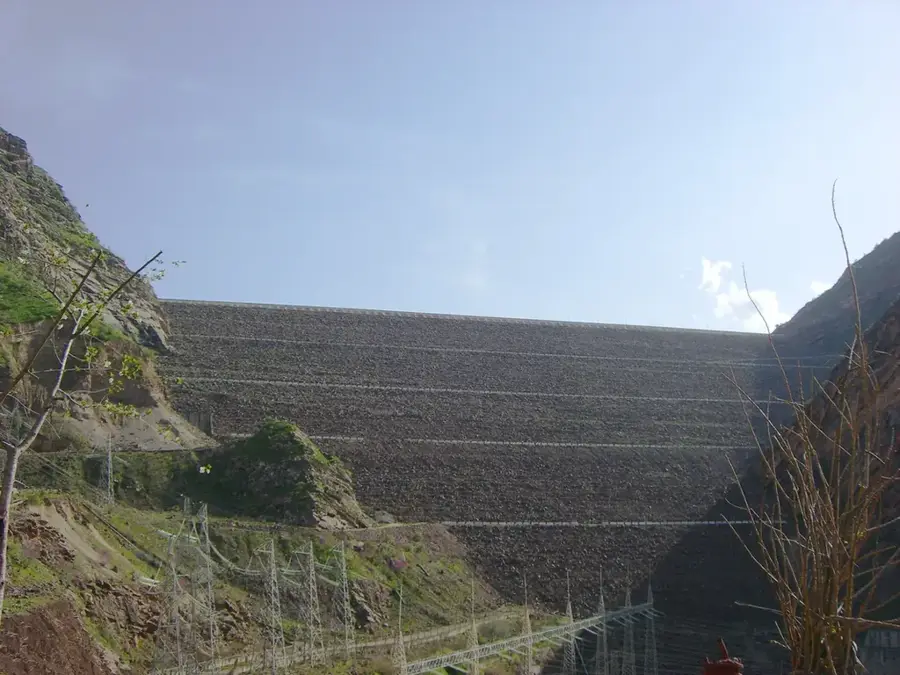
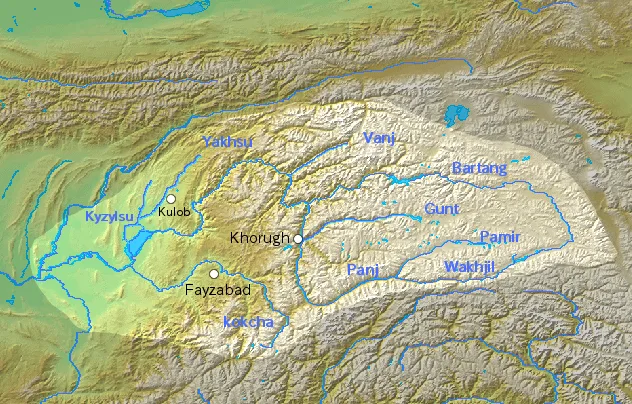
The Vakhsh River is one of Tajikistan's most important rivers, flowing through the south of the country. It rises in the Pamir Mountains and is about 786 kilometers long. Together with the Panj River, it forms the Amu Darya. The river is extensively used for irrigation, especially for cotton fields. Several hydroelectric plants, including the Nurek Dam, produce much of Tajikistan's electricity. Water flow varies greatly with seasons. Banks are densely populated, with cities like Kurgan-Tyube. The river hosts many fish species, including the endangered Amu Darya salmon. Environmental issues like salinization and erosion have resulted from intensive agriculture. The river plays a central role in Tajikistan's economy and culture. Historically, it was part of the Silk Road. The Vakhsh is a lifeline for the country's agriculture and energy production.

Best time to visit & climate

The most pleasant time to visit is Apr, Sep, Oct.

JanFebMarAprMayJunJulAugSepOctNovDec
Avg °C571420263133312619116
Rain mm2942363016410052626

📋 Practical info

🧭
Getting there
The Vakhsh River is primarily reached via the main road heading south from Dushanbe, with the route traversing spectacular mountainous terrain. The roads follow deep gorges and can be steep or unpaved in certain high-altitude sections.
📅
Best season
The best time for a visit is between May and September when the mountain passes are clear of snow and accessible. Winter months are extremely harsh in this region, with heavy snowfall and temperatures dropping well below freezing.
⛰️
Terrain & paths
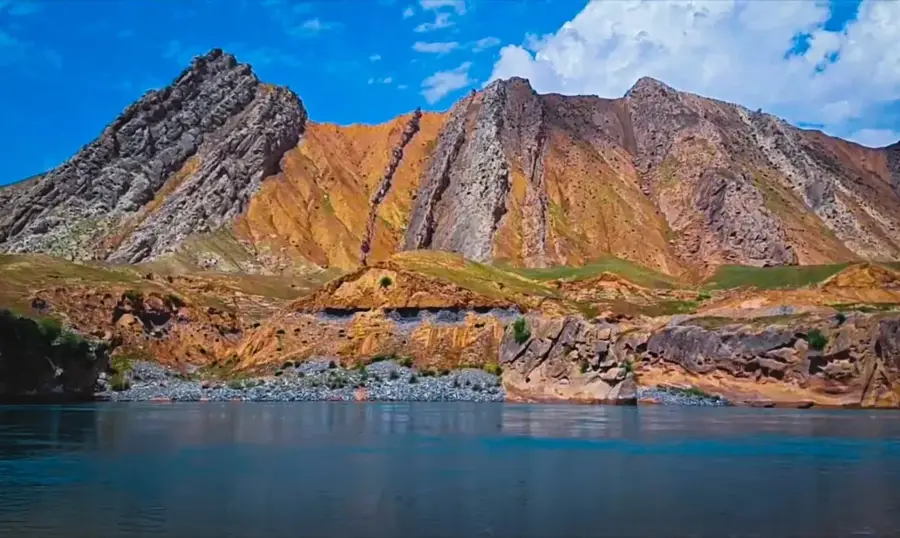
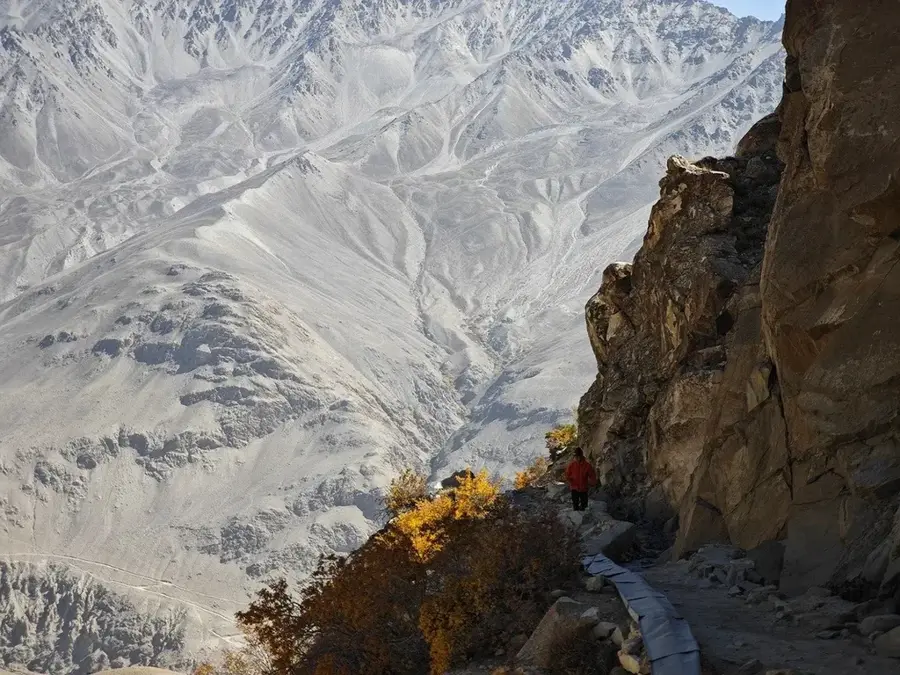
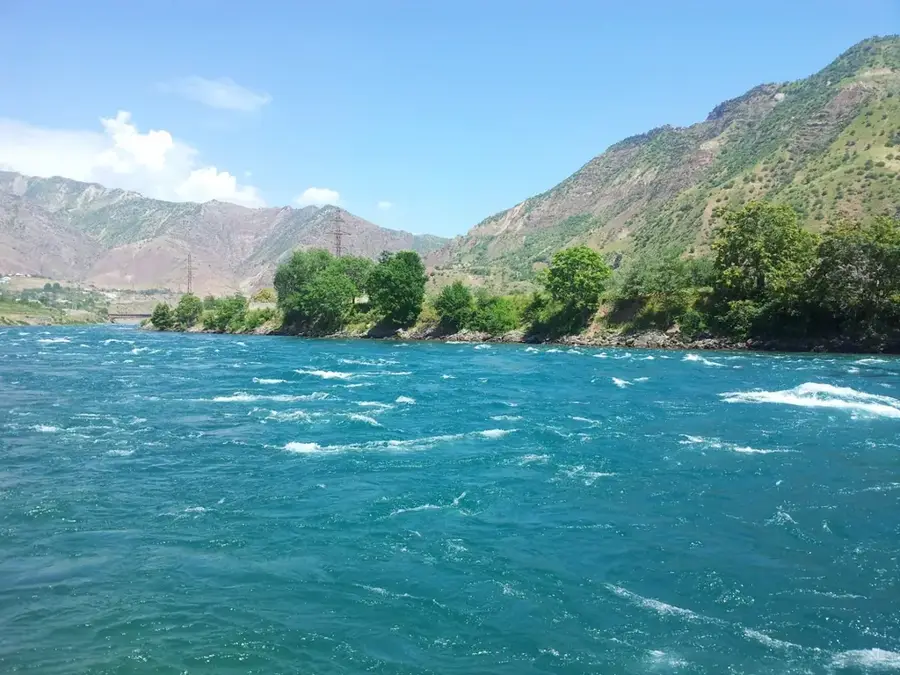
The landscape features rugged rock formations, deep gorges, and steep mountain slopes along the fast-flowing river. The immense power of the water has carved an impressive and raw mountainous topography over thousands of years.
🎒
What to bring
Sturdy hiking boots and windproof clothing are essential due to the variable and often unpredictable mountain weather. A camera with a good lens is well-suited for capturing the dramatic views of the deep gorges and the massive hydropower dams.
🅿️
Parking
Official parking facilities are scarce; visitors usually find small gravel pull-offs along the road or parking spaces in nearby towns like Nurek. Parking is often informal and located near prominent viewpoints overlooking the deep river valley.
⚠️
Safety
Exercise extreme caution near the edges of deep gorges and always stick to established paths to avoid accidents. The river's current is exceptionally strong and unpredictable, making swimming extremely dangerous and strictly prohibited.
⏱️
Time needed
A brief stop for photos at one of the scenic viewpoints takes about an hour, while a more thorough exploration of the dams and surrounding trails can occupy a full day. The journey through the valley is a time-intensive experience.

Geography

Coordinates
37.10000, 68.38330

Facts

  • Length: 786 km
  • Catchment area: 39,000 km²
  • Average discharge: 600 m³/s
  • Hydroelectric potential: over 30,000 GWh/year
  • Length of Nurek Dam: 700 m
  • Cotton cultivation area along river: 250,000 hectares

Explore nearby

Notable places around

Route planner — Car & Motorhome

Where do you start? We build the route here, with stops and country notes along the way.

Vehicle
Only stops with (optional):

© OpenStreetMap contributors · OpenRouteService

Sights in the town Vakhsh River (1)

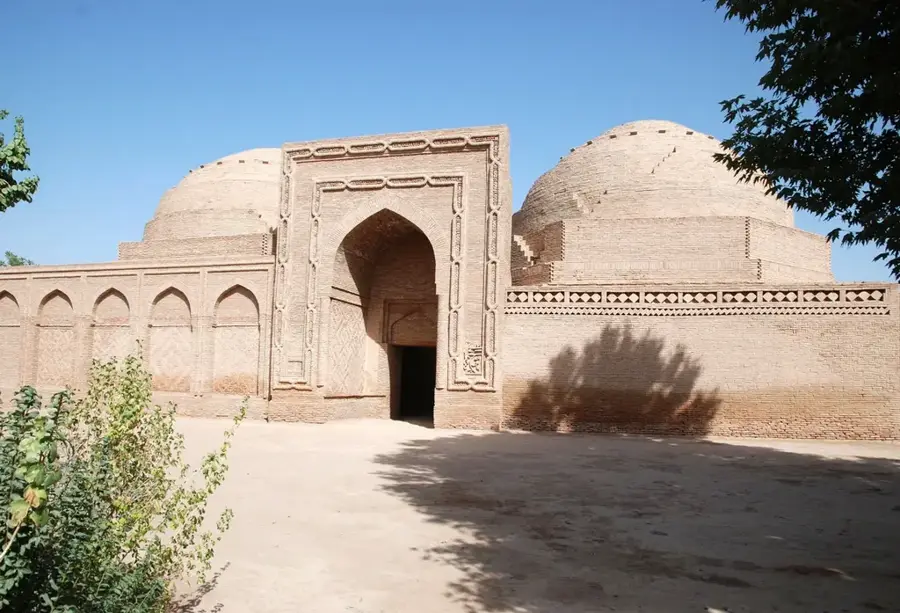
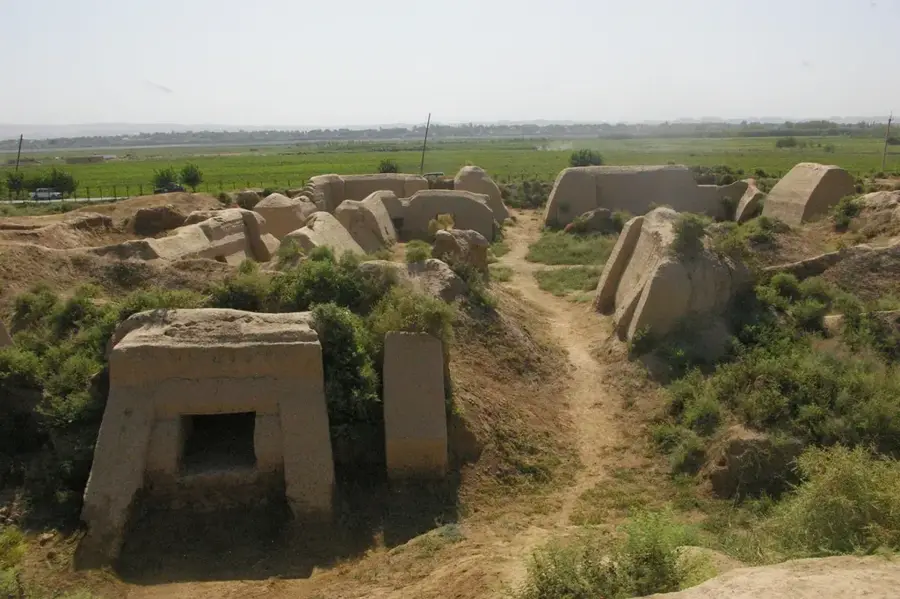
Uraz Bacha🏺 historical

An archaeological settlement mound on the banks of the Vakhsh River, witnessing early habitation.

Sights nearby

Frequently asked questions

Is the Wachsch suitable for rafting?
Yes, parts of the river are suitable for experienced rafting but require professional guides.
Are there power plants on the river?
Yes, the Wachsch is famous for its significant hydropower plants, including the Nurek Dam.
When is the water level highest?
The water level is highest in late spring and summer during snowmelt.
Can the dams be visited?
Visiting large facilities is often possible only with a special permit.
Are there camping opportunities?
Wild camping is possible in nature, but infrastructure is almost non-existent.
Vakhsh River: where is it located?
Vakhsh River is located in Tajikistan.
Vakhsh River: when is the best time to visit?
The most pleasant time to visit is Apr, Sep, Oct.
Vakhsh River: why is it worth visiting?

The Vakhsh River is one of Tajikistan's most important rivers, flowing through the south of the country.
View on map → The Top 50 Attractions → OpenStreetMap →
Asia
Explore with Plizio Discover more places in Asia
More places in Tajikistan →

Nearby cities

History & landmarks
Nature
More places