Plizio Visual Lab
Ajina-Tepa Buddhist Monastery
Weather…
Water temperature…
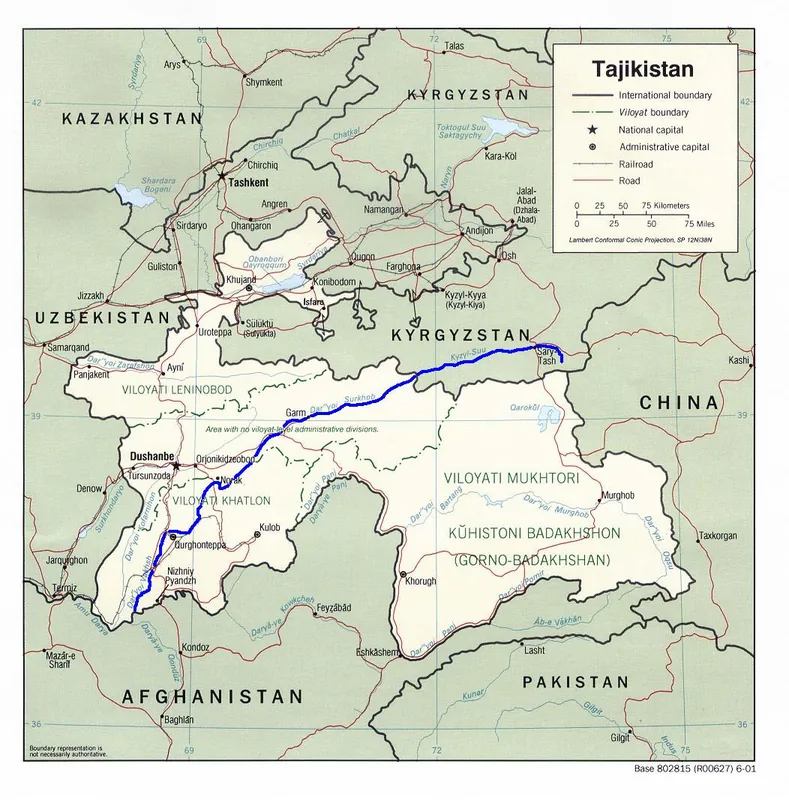
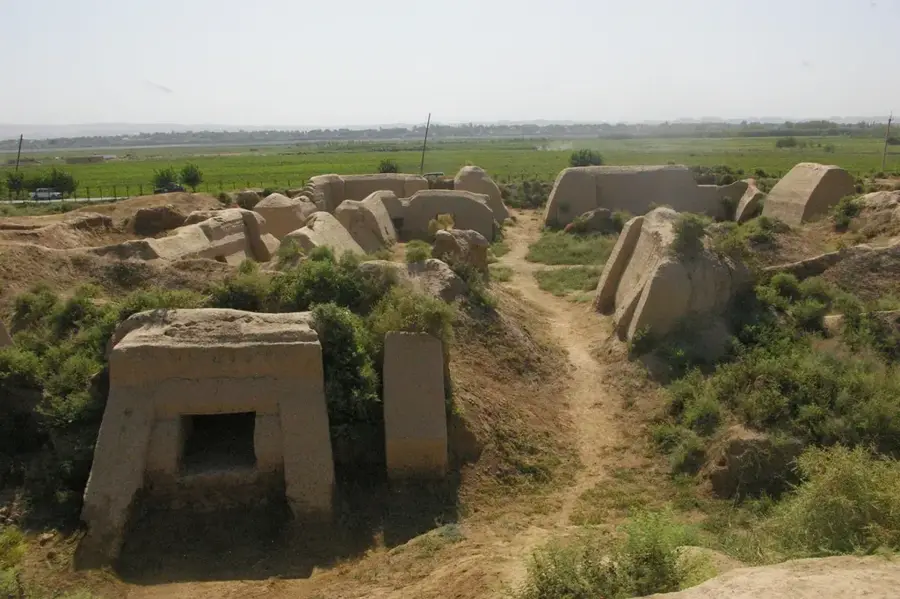
Ajina-Tepa is a significant Buddhist monastery complex dating from the 7th and 8th centuries AD, located in the Vakhsh Valley near the city of Bokhtar. The name translates to "Hill of the Jinns," reflecting the local legends that surrounded the site before its archaeological discovery. The complex consisted of two square courtyards connected by a central building; one part was dedicated to religious worship and the other to the living quarters of the monks. Ajina-Tepa gained international fame in 1966 with the discovery of a 12-meter-long statue of a reclining Buddha in Nirvana, the largest of its kind found in Central Asia. This discovery provides crucial evidence of the strong influence of Buddhism in Tajikistan prior to the spread of Islam. The monastery was partially destroyed during the Arab conquest around 750 AD and subsequently abandoned. Today, the site is a key monument on the Silk Road and is included on the UNESCO World Heritage tentative list, having yielded numerous terracotta sculptures and paintings.
- Location: Tajikistan
- Top sights: Ajina-Teppa Buddhist Monastery Excavation · Masjid · Maschid
- Nearby: Bokhtar (9 km)
Best time to visit & climate
The most pleasant time to visit is May, Sep, Oct.
| Jan | Feb | Mar | Apr | May | Jun | Jul | Aug | Sep | Oct | Nov | Dec | |
|---|---|---|---|---|---|---|---|---|---|---|---|---|
| Avg °C | 4 | 6 | 12 | 18 | 24 | 29 | 32 | 30 | 24 | 17 | 10 | 5 |
| Rain mm | 31 | 45 | 42 | 39 | 23 | 7 | 1 | 0 | 1 | 7 | 28 | 30 |
📋 Practical info
Geography
Facts
- The site was discovered in 1959, with systematic excavations carried out between 1961 and 1975.
- The famous 12-meter Buddha statue was crafted from clay and gypsum in the 7th century.
- The monastery was divided into two symmetrical halves: the temple part and the monastic part.
- Over 500 art objects, including sculptures and reliefs, were recovered from Ajina-Tepa.
- The complex was added to the UNESCO World Heritage tentative list in 1999.
- The original reclining Buddha statue is now housed in the National Museum of Antiquities in Dushanbe.
Explore nearby
Notable places around
Route planner — Car & Motorhome
Where do you start? We build the route here, with stops and country notes along the way.
© OpenStreetMap contributors · OpenRouteService
Sights in the town Ajina-Tepa Buddhist Monastery (3)
Sights nearby
Frequently asked questions
What is Adina-Tepa known for?
What kind of place is this?
Is the place well signposted?
How long does the visit take?
Is it suitable for history enthusiasts?
Ajina-Tepa Buddhist Monastery: where is it located?
Ajina-Tepa Buddhist Monastery: what is there to see?
Ajina-Tepa Buddhist Monastery: when is the best time to visit?
Ajina-Tepa Buddhist Monastery: why is it worth visiting?

Nearby cities
History & landmarks
Nature
More places