Plizio Visual Lab
Taloqan
ℹ️Practical info — Taloqan
▾
🌤 Weather — 5 days
📍 Nearby
Sights nearby
💡 Tips
- Always dress conservatively, covering shoulders and legs, out of respect for local Islamic traditions.
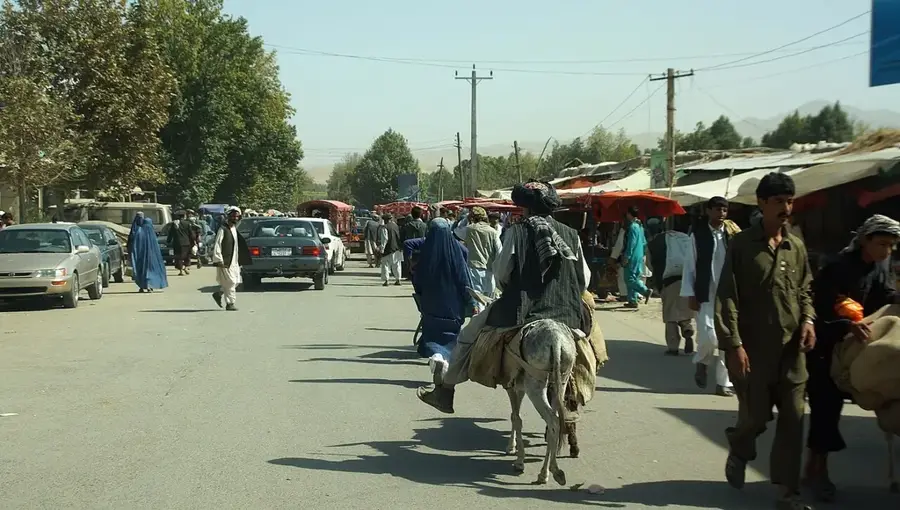
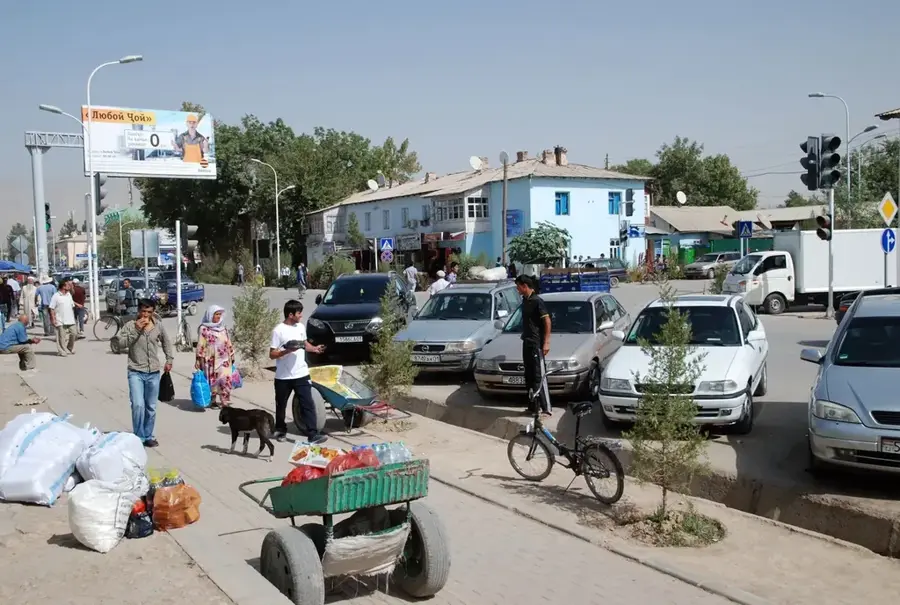
- The local bazaar is the heart of the city; the best time to visit is early morning when traders bring fresh produce.
- Cash is essential; bring enough Afghan Afghanis, as card payments are practically non-existent.
- Hiring a local guide or translator is highly recommended to navigate the area safely and understand the culture.
🍽 Food
The national dish of rice, lamb, carrots, and raisins, often found in local eateries.
Steamed dumplings topped with yogurt and split peas, available in traditional restaurants.
Served after meals and during meetings; it is customary to accept when offered.
🛍 Shopping · 🧘 Quiet spots
A bustling market where you can find local almonds, fresh fruits, and traditional Afghan clothing.
The region is known for its craftsmanship; look for handmade rugs in specialized market stalls.
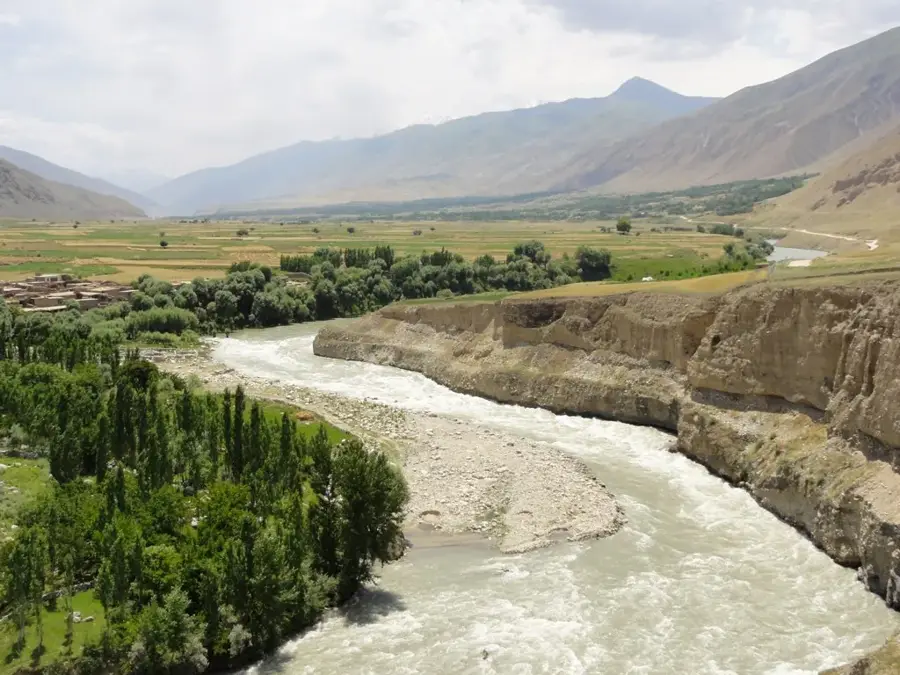
Take a walk along the river on the outskirts of the city for a peaceful retreat.
A scenic drive away, offering memorable mountain views and quieter surroundings.
Water temperature…
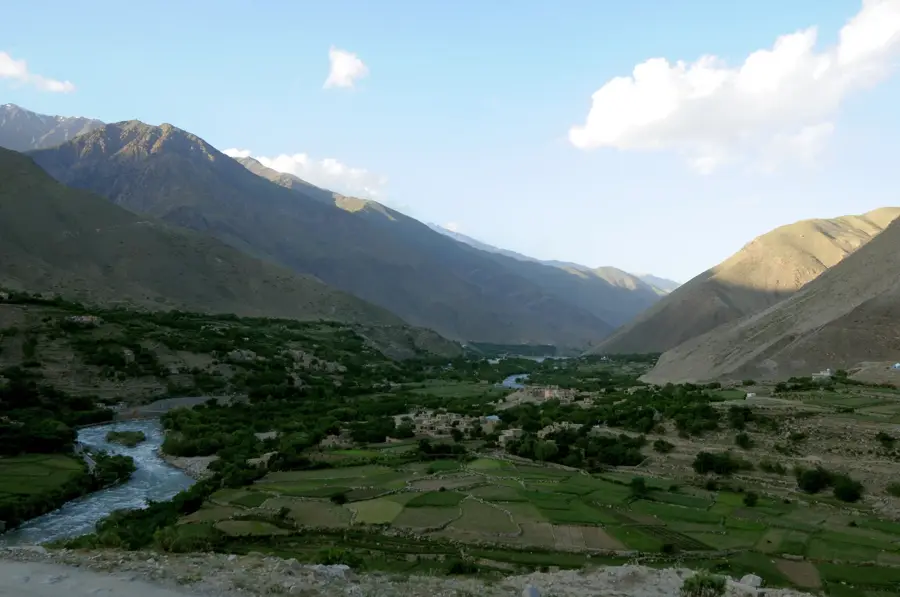
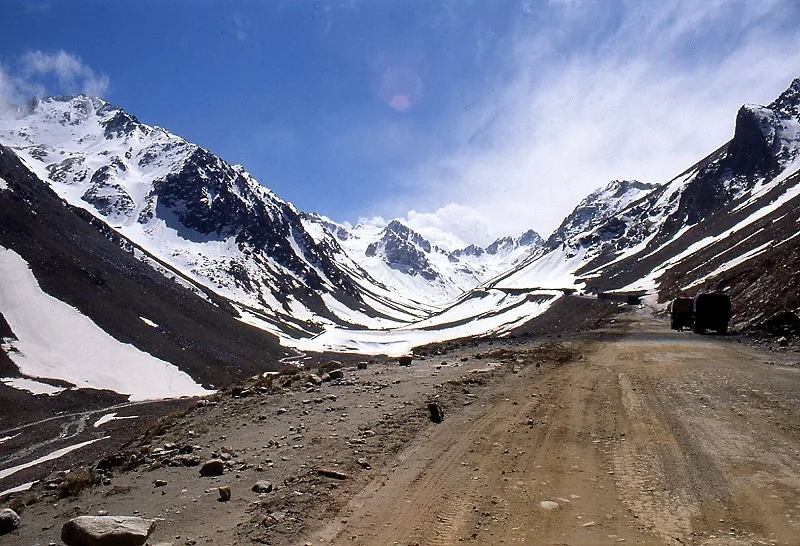
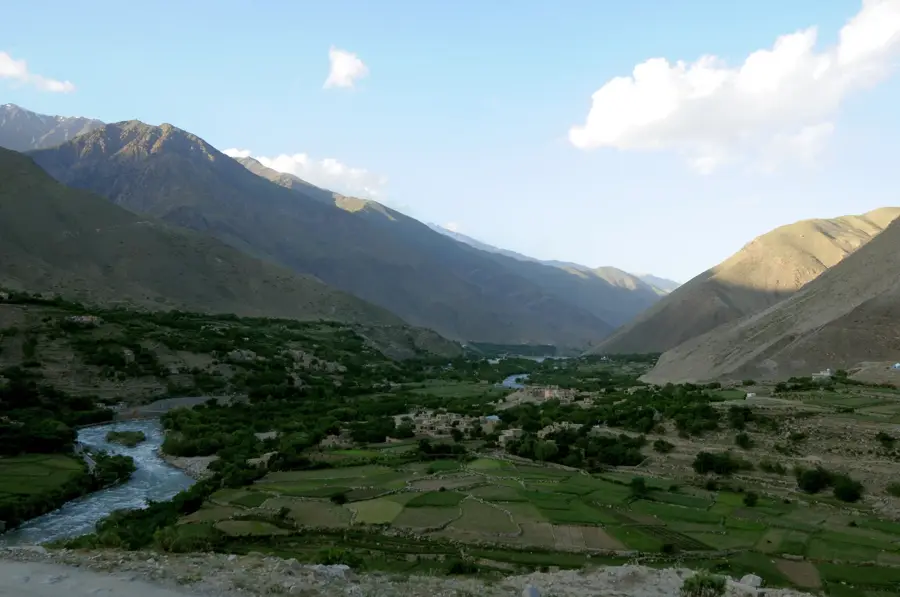
Taloqan stands as the provincial capital of Takhar in northeastern Afghanistan, strategically positioned within the fertile river valley of the Taloqan River. Its location at an elevation of approximately 800 meters, located near the foothills of the Hindu Kush, has historically made it a vital stopping point for travelers and traders. The city's prominence dates back centuries, famously noted by Marco Polo in 1275, who described its significance along the ancient Silk Road connecting the Mediterranean to East Asia. Today, Taloqan is a bustling commercial center with a diverse population primarily composed of Tajiks and Uzbeks, alongside Pashtun and Turkmen minorities. The local economy is heavily reliant on agriculture, with the surrounding plains producing significant yields of wheat, rice, and cotton, while the nearby Namakab salt mines provide one of the region's most valuable mineral exports. In modern history, Taloqan gained international attention as a key stronghold for the Northern Alliance during their resistance in the late 1990s, serving as a political and military hub against the Taliban. The urban landscape features a blend of traditional bazaar architecture and newer administrative buildings, centered around the prominent Great Mosque. Despite the challenges of regional conflict, the city remains a critical transit node, facilitating trade between the Afghan interior and the northern borders with Tajikistan. Educational institutions and local markets drive the city's social life, while the seasonal flow of the river dictates the agricultural cycle. The climate is characterized by semi-arid conditions, with scorching summers and cold, often snowy winters, which has shaped the hardy character of its inhabitants and the traditional architectural styles designed for thermal regulation. Taloqan continues to play a pivotal role in the economic integration of northeastern Afghanistan, serving as a gateway for both domestic commerce and international transit routes through the Panj River corridor.
- Location: Afghanistan
- Top sights: Aboayoub Ansari Mosque · Masjid Jami Dilger say · Central Grand Mosque of Taloqan
- Population: ~64.256 (2026)
Best time to visit & climate
The most pleasant time to visit is May, Jun, Sep.
| Jan | Feb | Mar | Apr | May | Jun | Jul | Aug | Sep | Oct | Nov | Dec | |
|---|---|---|---|---|---|---|---|---|---|---|---|---|
| Avg °C | 2 | 4 | 9 | 14 | 20 | 25 | 27 | 25 | 20 | 14 | 8 | 4 |
| Rain mm | 30 | 40 | 37 | 31 | 15 | 3 | 1 | 1 | 1 | 4 | 26 | 25 |
Geography
Facts
- Taloqan is situated at an elevation of 800 meters in the Taloqan River valley.
- Marco Polo documented the city's commercial importance in 1275.
- The Namakab salt mines nearby are a primary source of industrial salt.
- It serves as the administrative capital of the Takhar Province.
- The city was a vital stronghold for the Northern Alliance in the late 1990s.
- Agriculture in the region focuses on wheat, cotton, and diverse fruit orchards.
- The population is ethnically diverse, led by Tajiks and Uzbeks.
- It is a key transit point on the highway connecting Kabul to Tajikistan.
Explore nearby
Notable places around
Route planner — Car & Motorhome
Where do you start? We build the route here, with stops and country notes along the way.
© OpenStreetMap contributors · OpenRouteService
Sights in the town Taloqan (3)
Frequently asked questions
What is the main feature of Taloqan?
Are there accommodations?
When is the best time to travel?
Is the surrounding area scenic?
What should one keep in mind?
Taloqan: where is it located?
Taloqan: what is there to see?
Taloqan: when is the best time to visit?
Taloqan: why is it worth visiting?

Nearby cities
History & landmarks
Nature
More places