Attractions in Turkmenistan
The finest attractions in Turkmenistan at a glance: castles, natural wonders, historic old towns and more. Each place links to a detailed page with map, tips and photos.
Culture & History
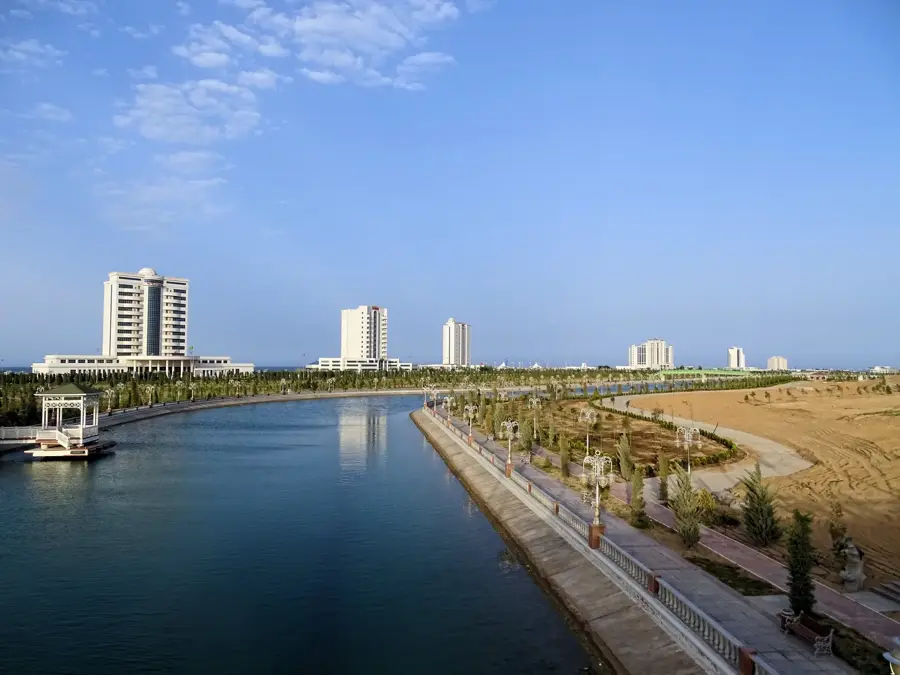
Awaza Tourist Zone
Awaza is an ambitious resort project on the Caspian Sea, featuring luxury hotels, artificial canals, and parks.
Learn more →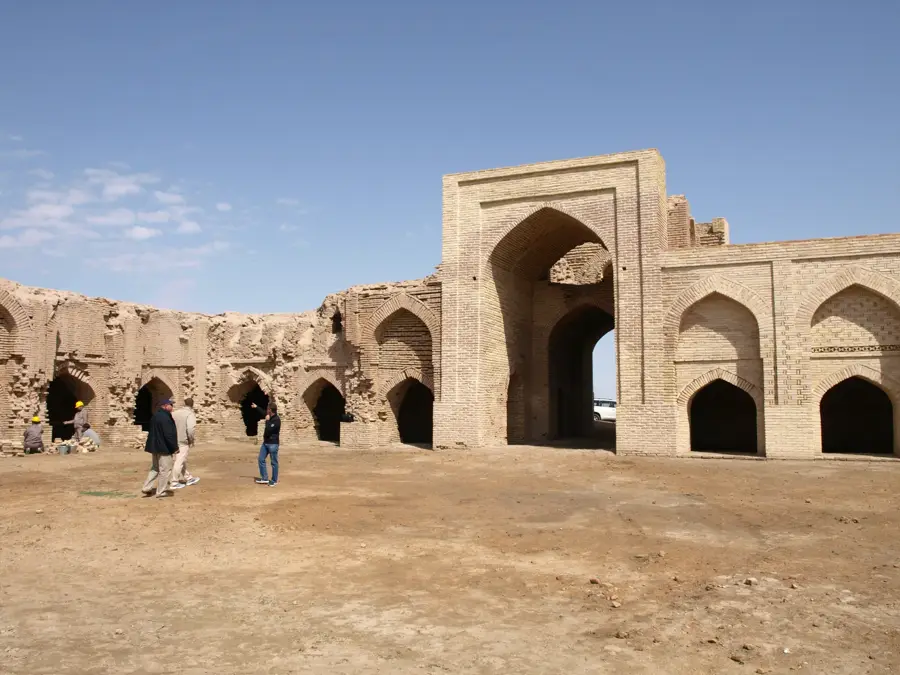
Dayahatyn Caravanserai
The ruins of the 11th-century Dayahatyn Caravanserai are a stunning example of Seljuk brick architecture along the Silk Road.
Learn more →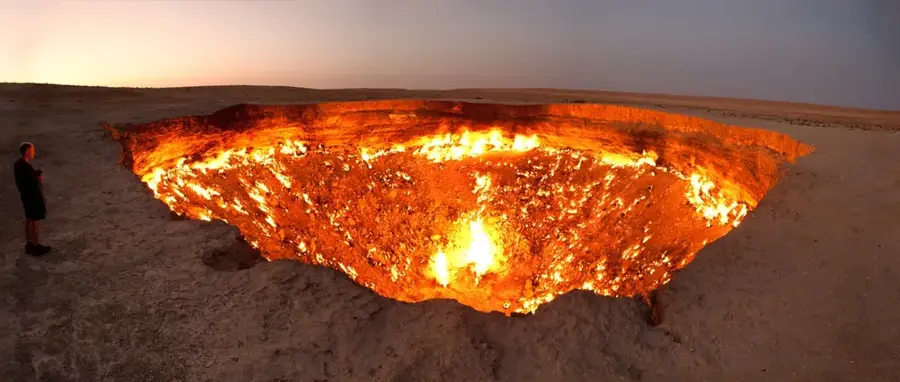
Darvaza Gas Crater
Often called the 'Door to Hell', this burning crater was formed in 1971 when a natural gas cavern collapsed.
Learn more →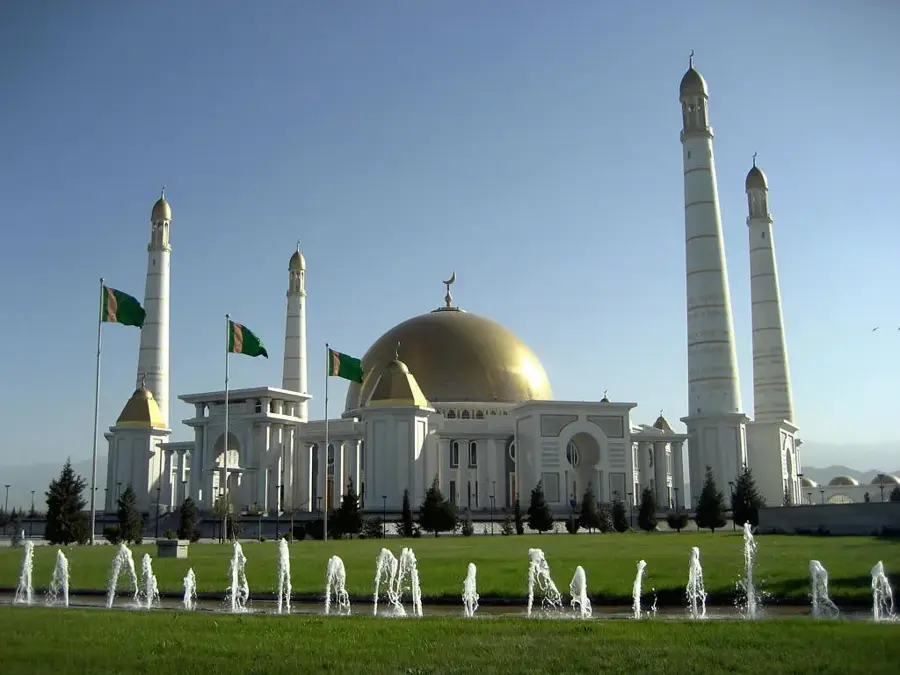
Türkmenbaşy Ruhy Mosque
Located in Gökdepe, it is one of the largest mosques in Central Asia, distinguished by its white marble and golden dome.
Learn more →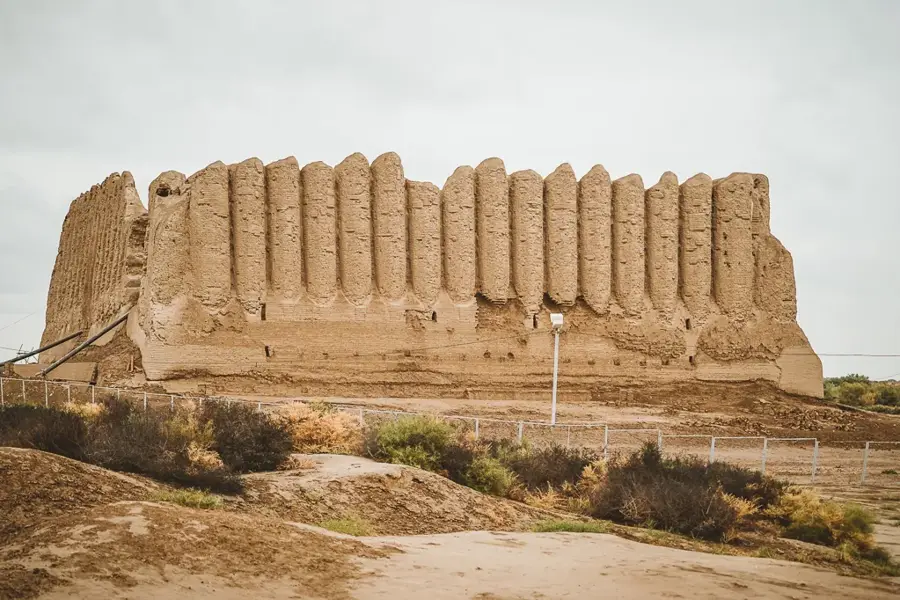
Ancient Merv
The oasis city of Merv was once one of the largest metropolises in the world and a major hub on the Silk Road.
Learn more →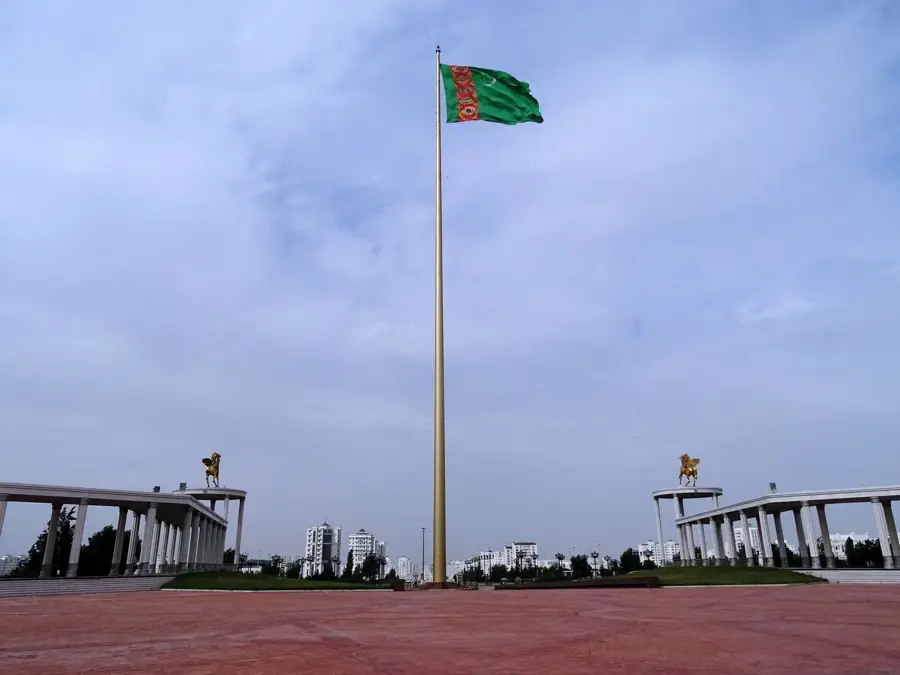
Ashgabat Flagpole
One of the tallest freestanding flagpoles in the world stands proudly in front of the State Museum in Ashgabat.
Learn more →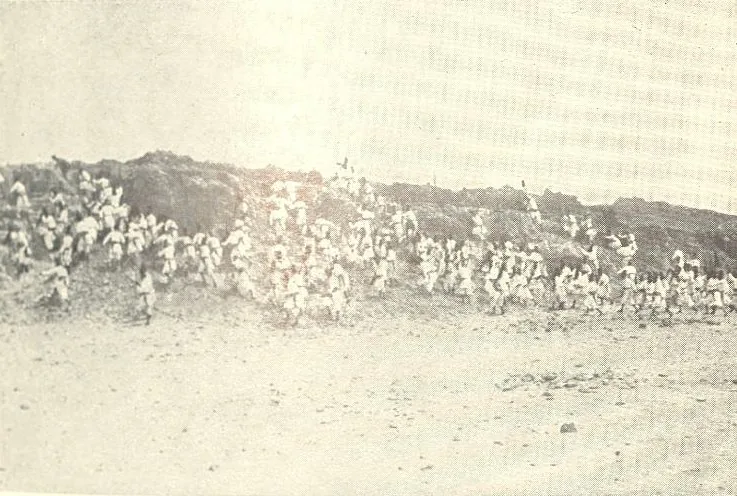
Shir Kabir Mausoleum
This ancient monument in western Turkmenistan combines the function of a mosque and a mausoleum.
Learn more →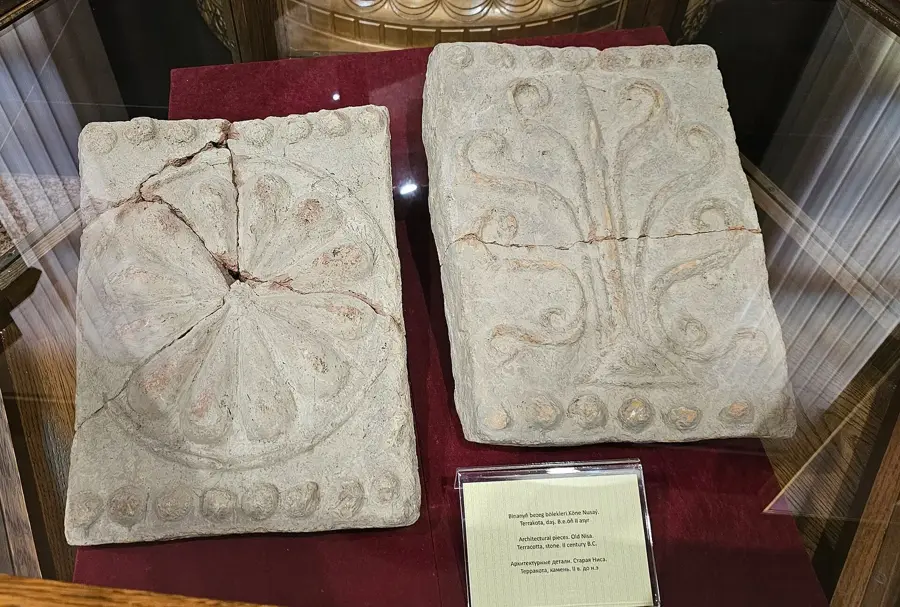
State Museum of Turkmenistan
The impressive State Museum documents the history and culture of Turkmenistan.
Learn more →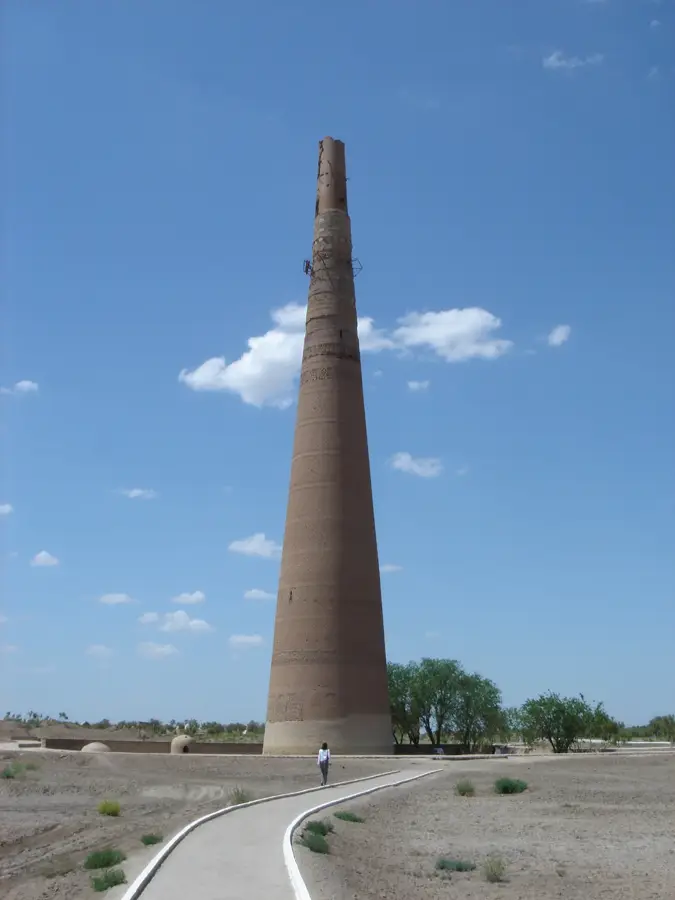
Kutlug Timur Minaret
This historic minaret in Köneürgenç is one of the tallest surviving minarets in Central Asia.
Learn more →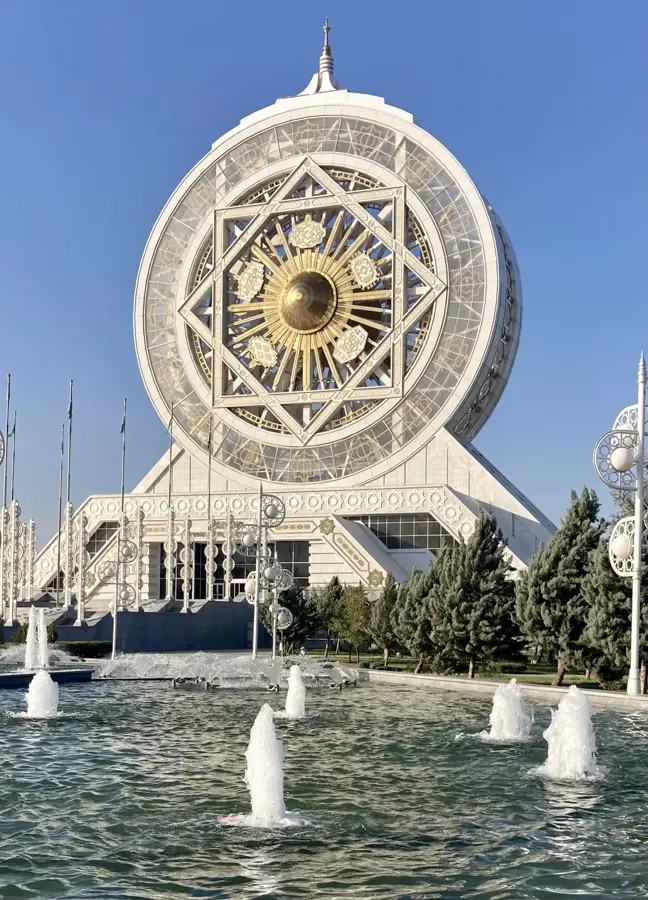
Alem Cultural and Entertainment Center
The Alem Cultural Center in Ashgabat houses a gigantic Ferris wheel integrated into a structure of glass and white marble.
Learn more →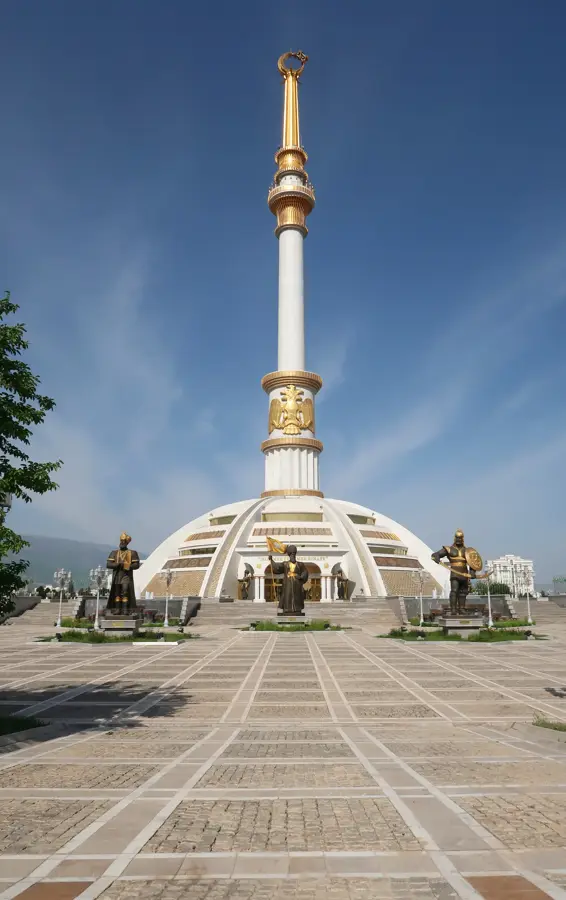
Independence Monument
This magnificent monument in Ashgabat symbolizes Turkmen independence.
Learn more →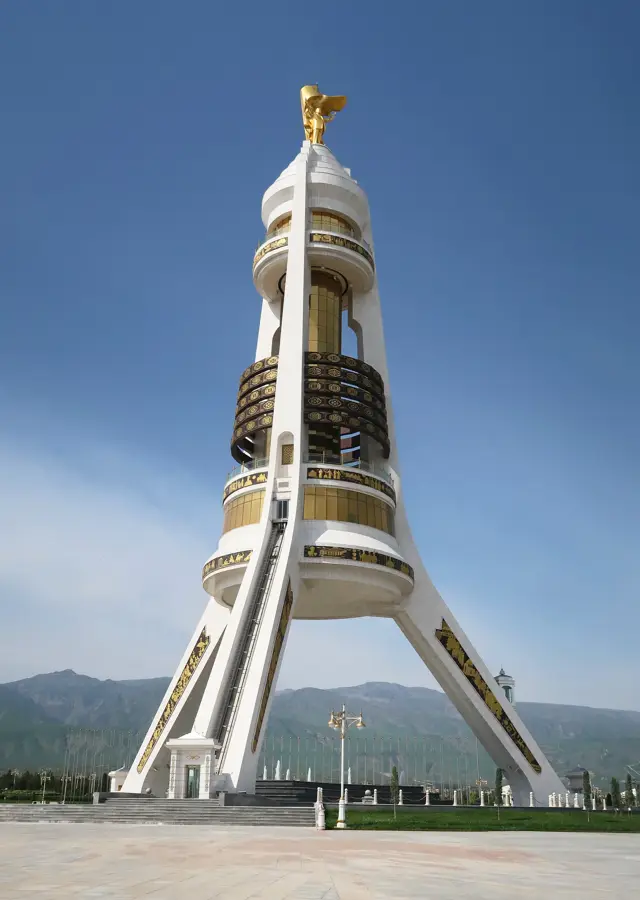
Monument of Neutrality
Crowned with a golden statue of former President Niyazov, this monument celebrates Turkmenistan's official neutrality.
Learn more →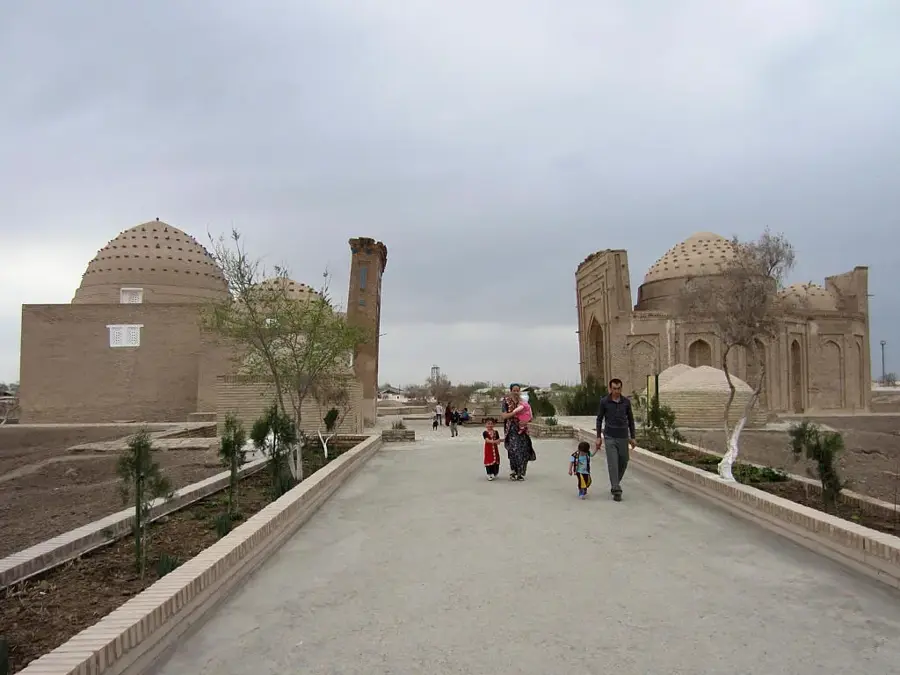
Tekesh Mausoleum
A monument featuring a stunning blue-tiled conical dome in honor of a powerful ruler.
Learn more →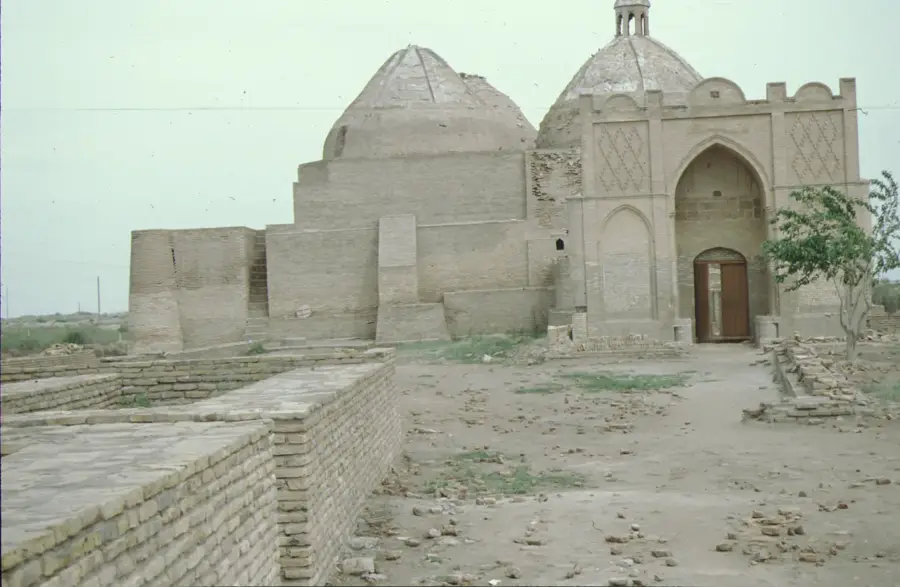
Astana-Baba Mausoleum
A complex of interconnected religious monuments built over several centuries.
Learn more →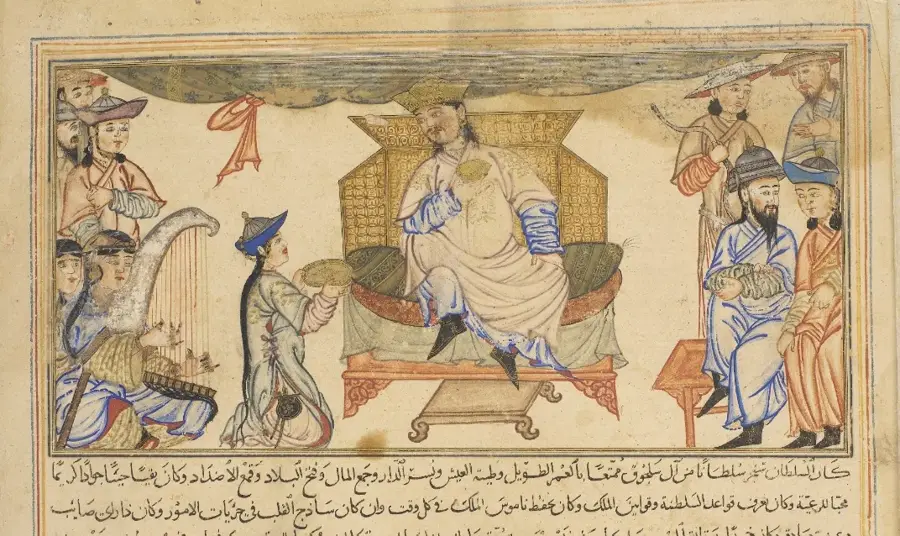
Sultan Sanjar Mausoleum
A magnificent 12th-century tomb built for the Seljuk ruler.
Learn more →Nature
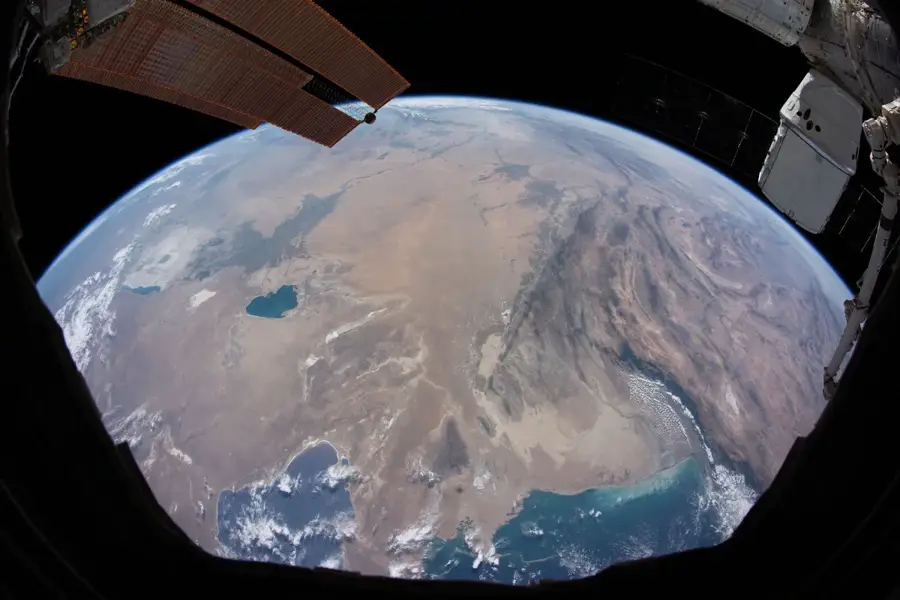
Türkmenbaşy Gulf Coast
This stretch of coast on the Caspian Sea is characterized by sheltered bays and important wetlands.
Learn more →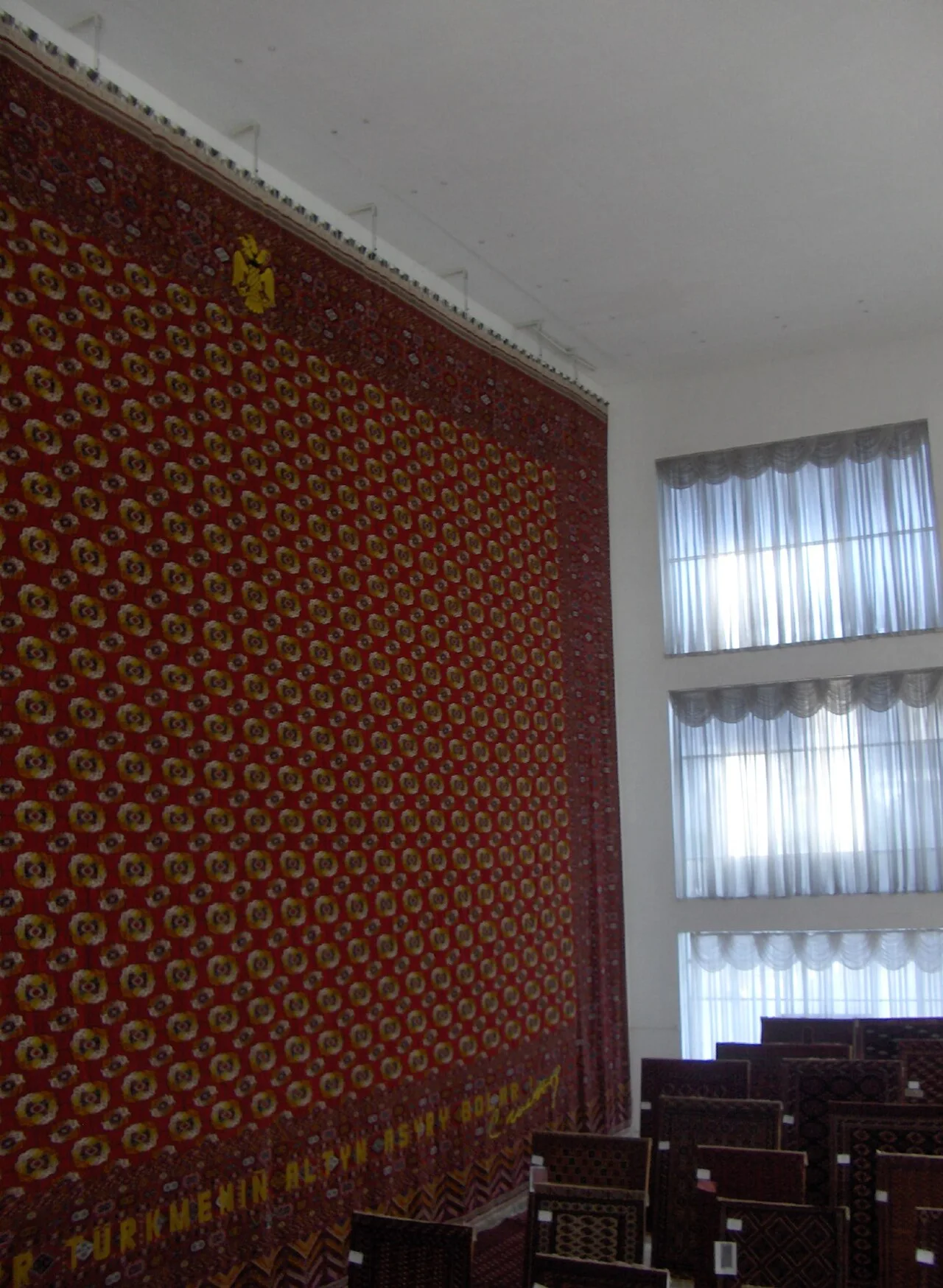
Ruhyyet Park
An elegant city park near the Presidential Palace, known for its marble architecture and tranquility.
Learn more →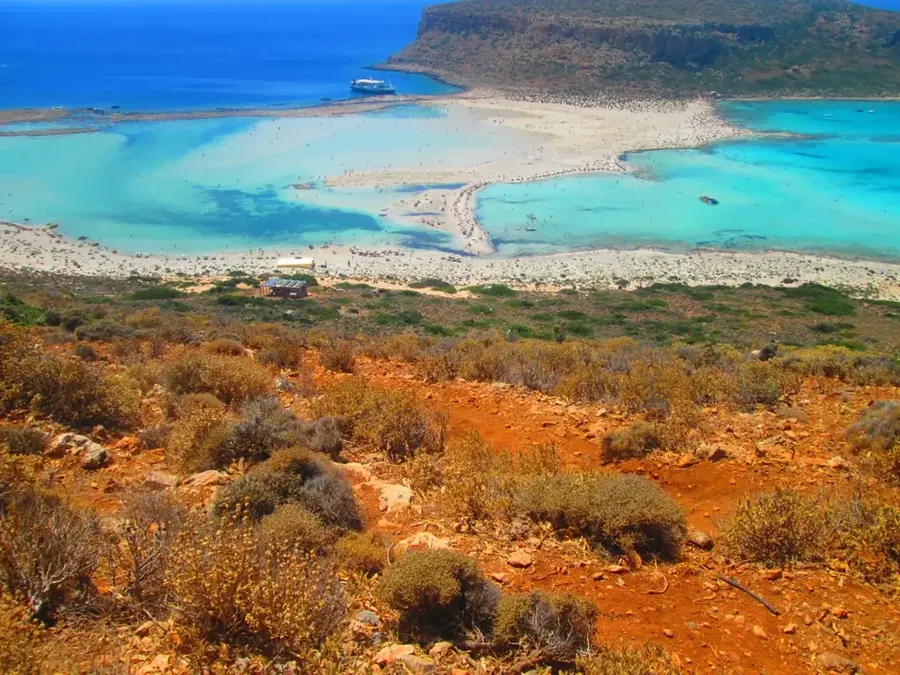
Garabogazköl Coast
An isolated coastal region on the shallow lagoon of the Caspian Sea.
Learn more →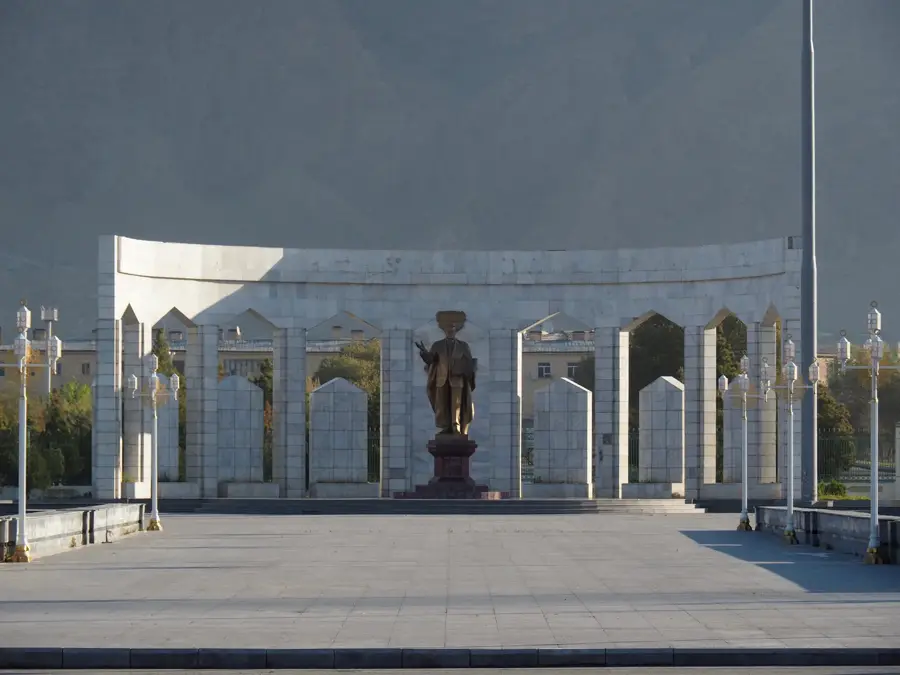
Balkanabat Central Park
A green oasis in the desert city of Balkanabat, offering recreation for the local population.
Learn more →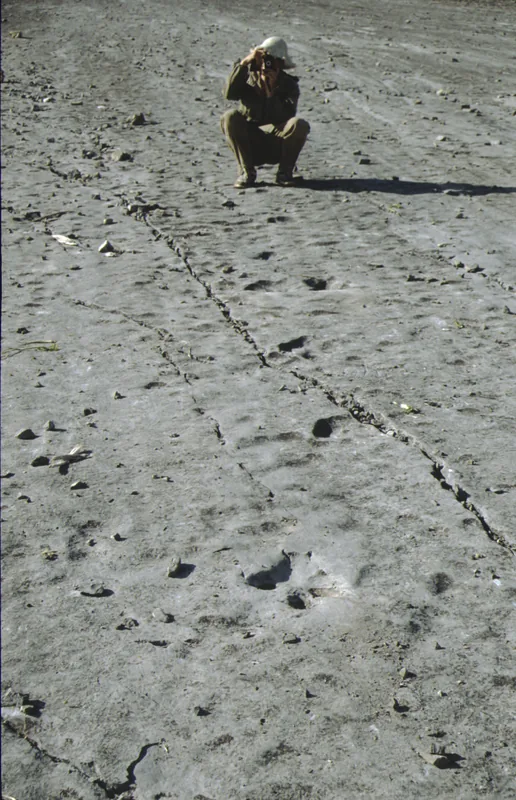
Köýtendag Range
A prominent mountain range in the far east of Turkmenistan, hosting the country's highest peaks.
Learn more →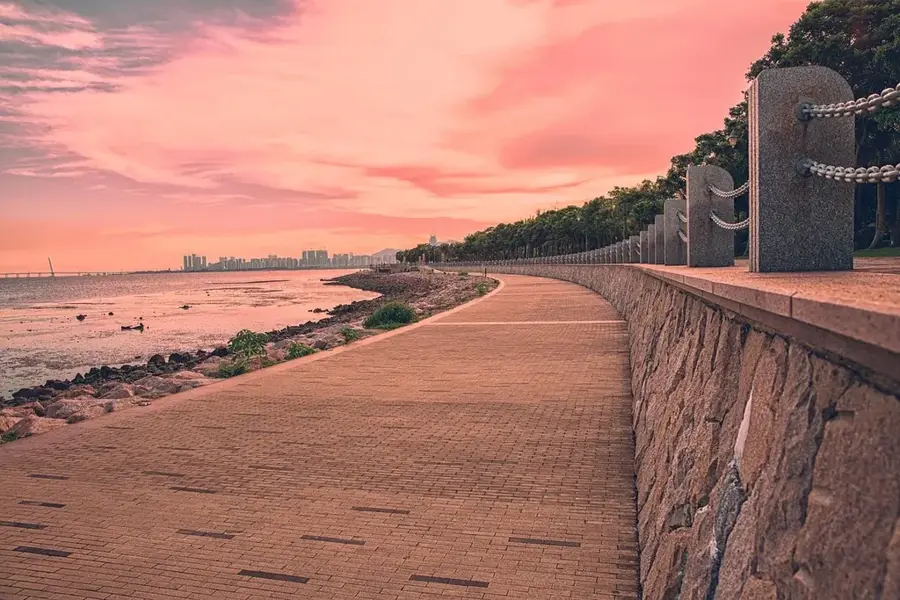
Turkmenbashi Seaside Park
A scenic park along the coast that allows for walks with sea views.
Learn more →
Mount Syunt
A prominent mountain peak in the western part of the Kopet-Dag Mountains.
Learn more →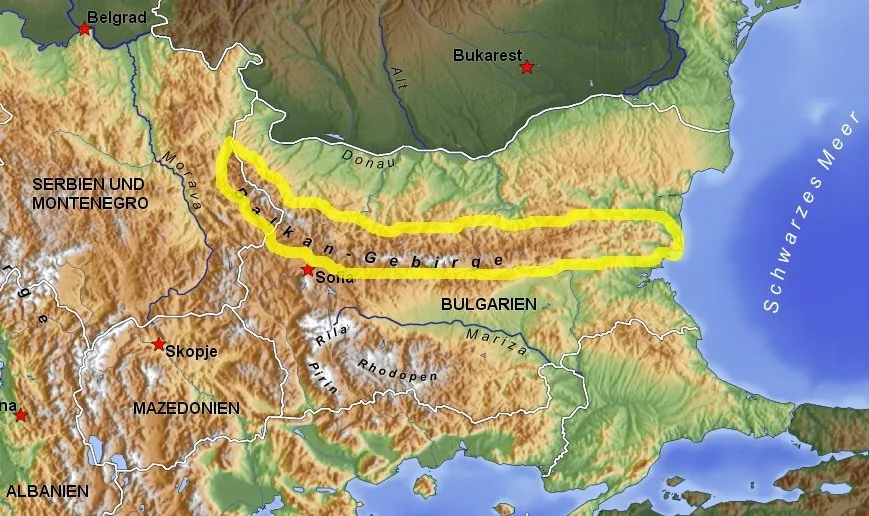
Little Balkan Range
The smaller twin brother of the Great Balkan Range is located to its south.
Learn more →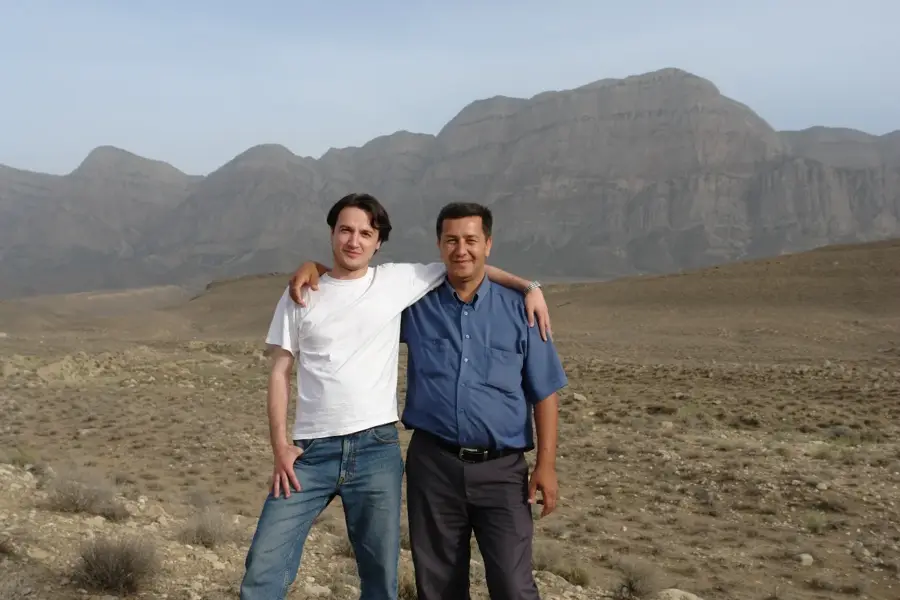
Great Balkan Range
An isolated mountain massif in the western desert landscape of Turkmenistan.
Learn more →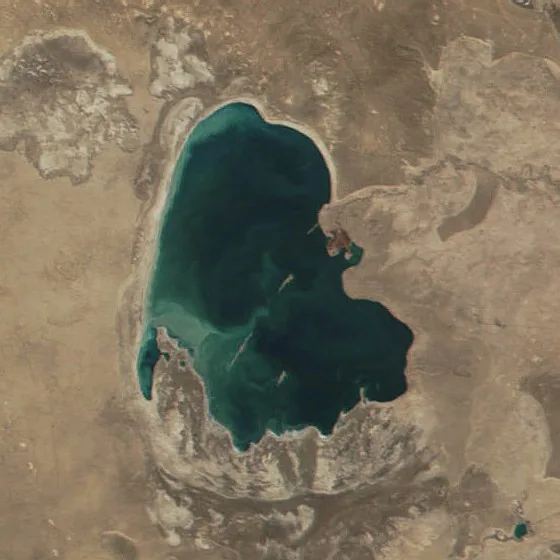
Sarygamysh Lake
A large lake on the border with Uzbekistan in a deep depression.
Learn more →More highlights
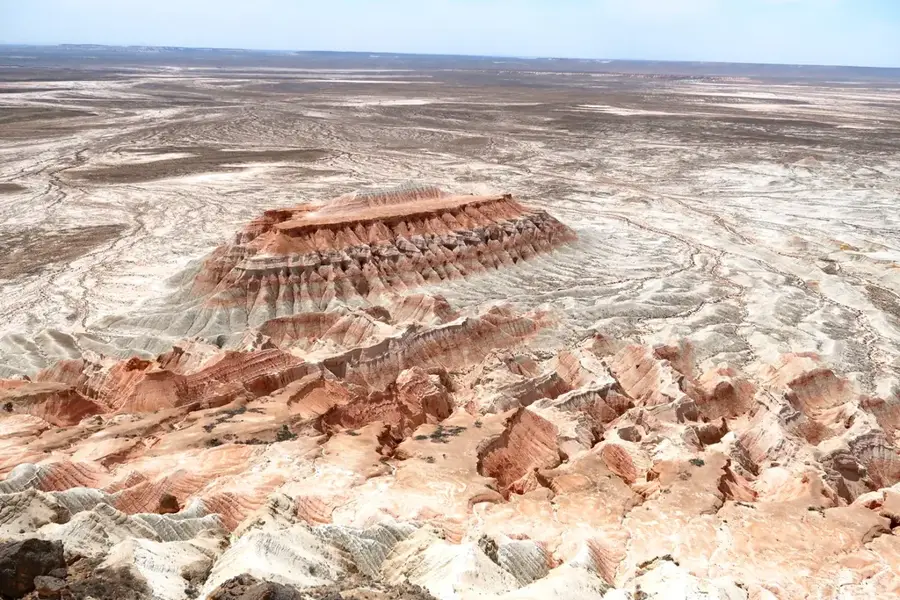
Yangykala Canyon
Yangykala Canyon, meaning 'Fire Fortress', impresses with its steep, colorful rock walls in shades of pink, red, and yellow.
Learn more →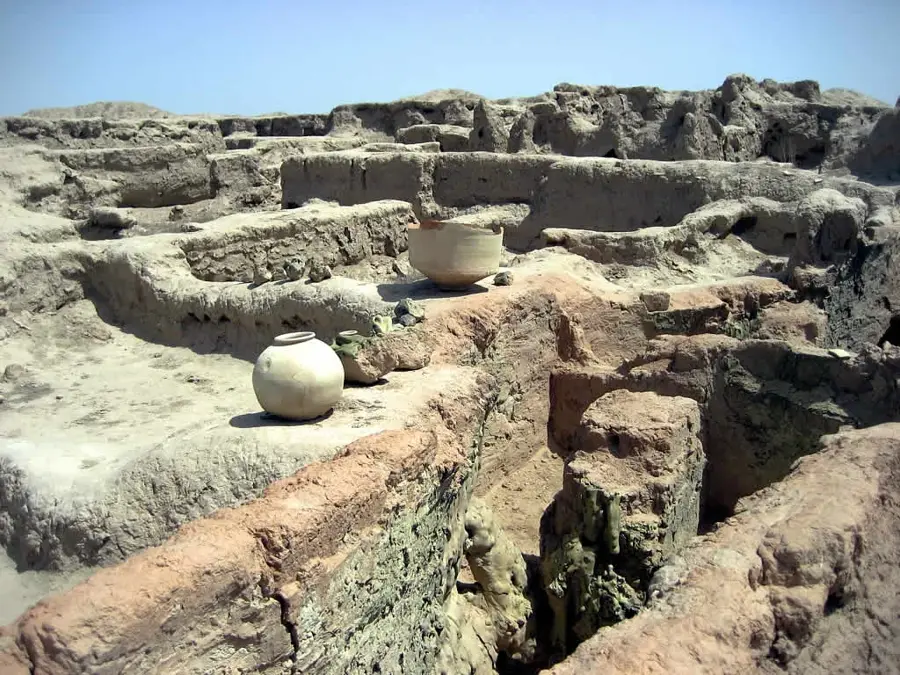
Gonur Depe
Gonur Depe is a vast archaeological site and the center of the Bronze Age oasis culture in Central Asia.
Learn more →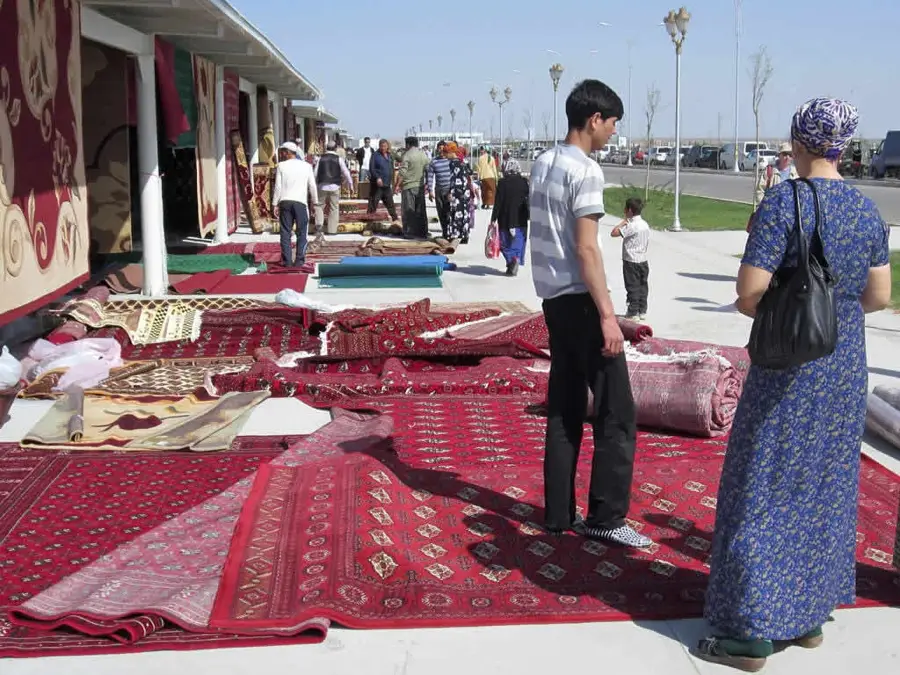
Altyn Asyr Bazaar
This vast market on the outskirts of Ashgabat, often called Tolkuchka, is one of the largest in Central Asia.
Learn more →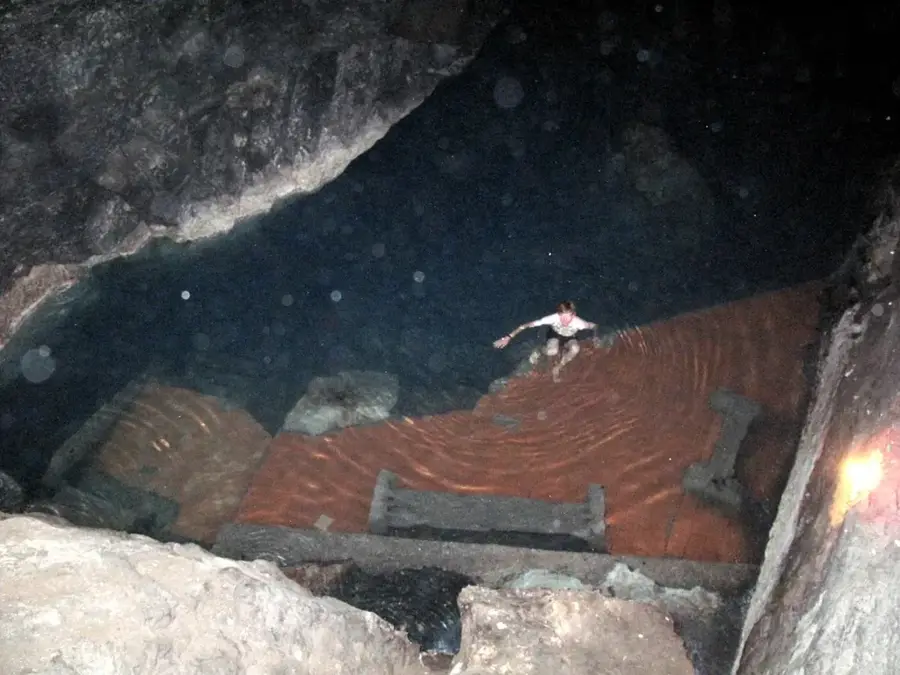
Kow-Ata Underground Lake
Deep in the foothills of the Kopet Dag mountains lies this natural thermal underground lake.
Learn more →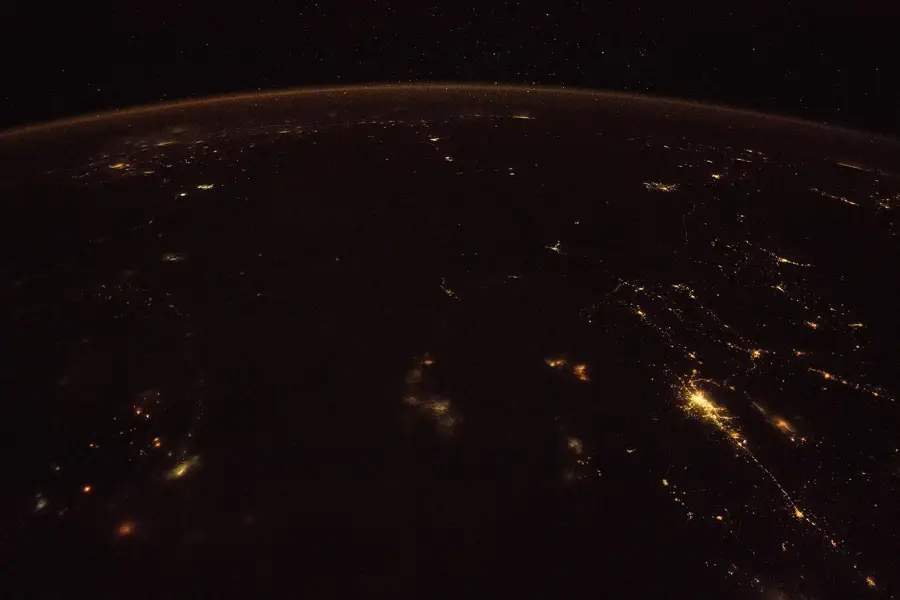
Zaunguz Karakum
The northernmost part of the Karakum Desert, separated from the rest of the desert by the Unguz depression.
Learn more →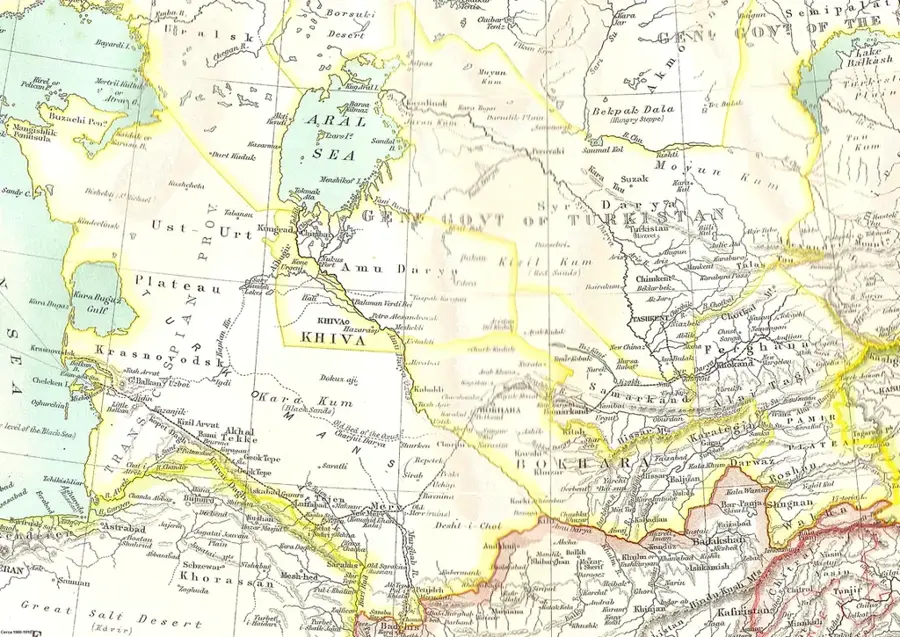
Uzboy Valley
The dry riverbed of a historic watercourse that once connected the Amu Darya with the Caspian Sea.
Learn more →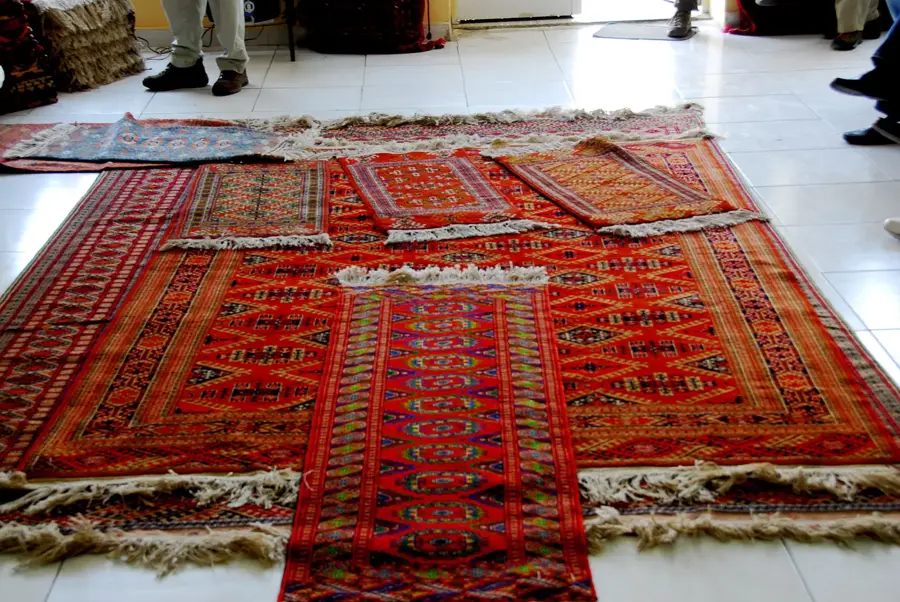
Ertuğrul Gazi Mosque
Built in classical Ottoman style, the mosque in Ashgabat resembles the famous Blue Mosque in Istanbul.
Learn more →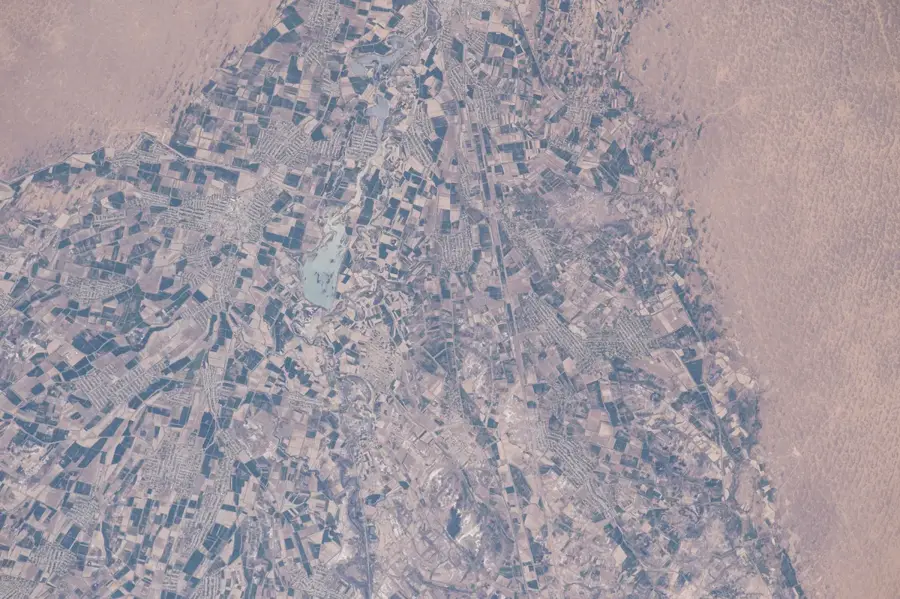
Southeastern Karakum
This part of the desert is located near the oases of Mary and is influenced by the Murghab River.
Learn more →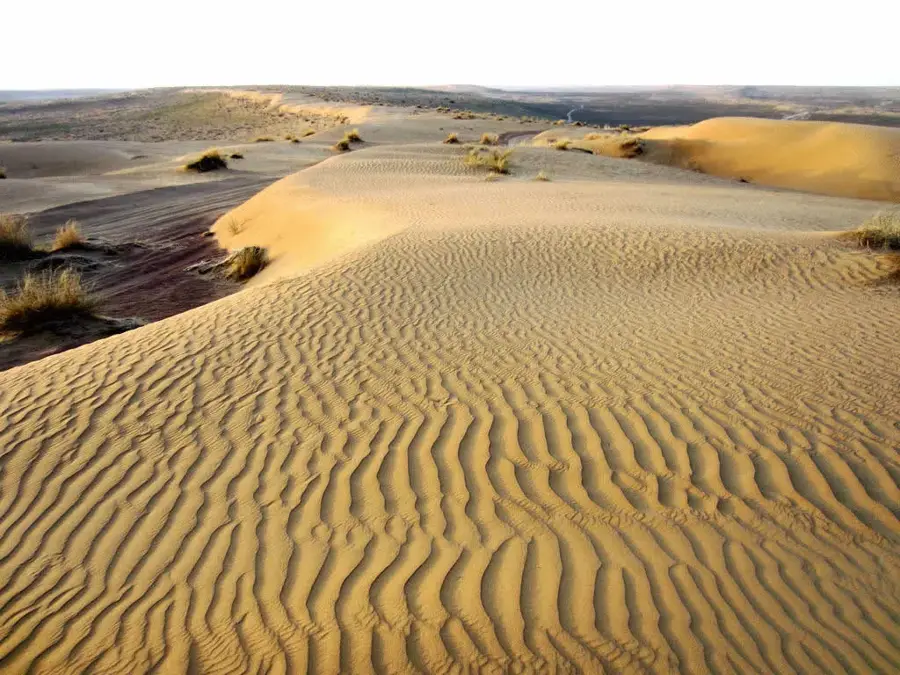
Central Karakum
The heart of the Karakum Desert, characterized by endless sand dunes and sparse vegetation.
Learn more →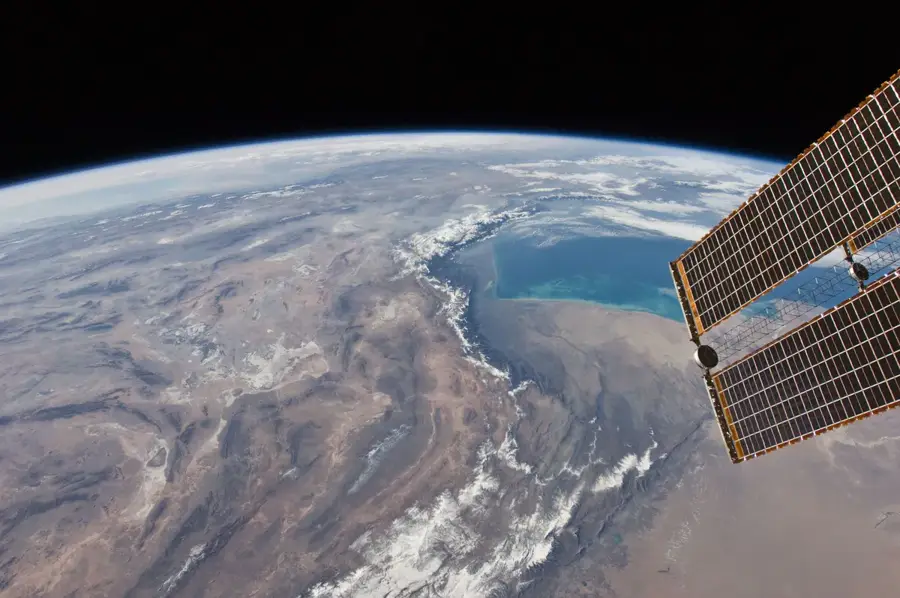
Murghab Valley
This fertile river valley forms an important oasis in the middle of the arid Karakum Desert.
Learn more →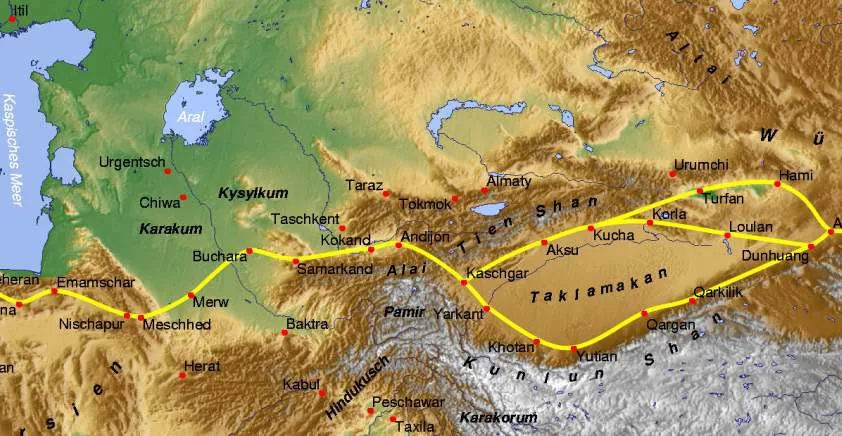
Karakum Desert
A vast sand desert that covers more than seventy percent of the area of Turkmenistan.
Learn more →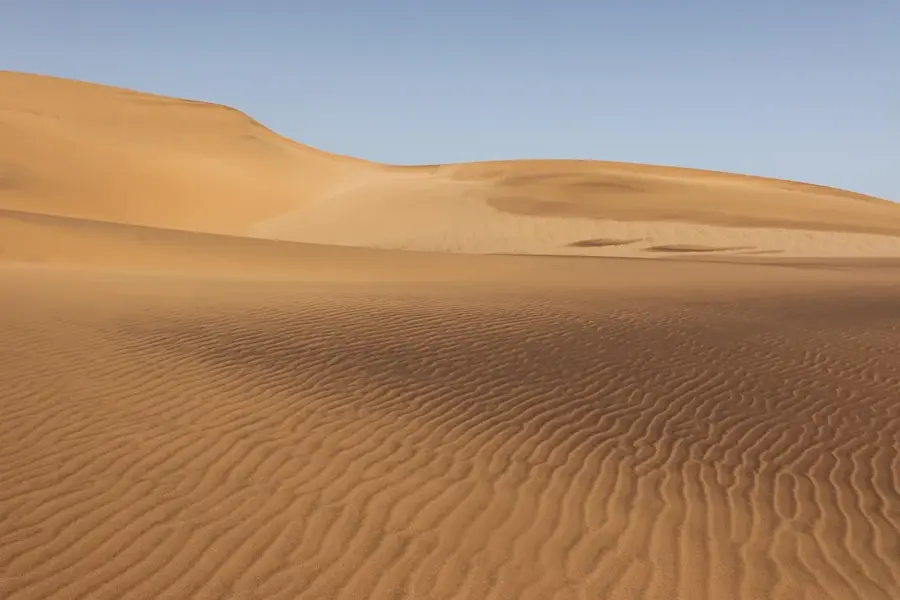
Sundukli Desert
A smaller desert region in eastern Turkmenistan, bordering the Amu Darya river.
Learn more →
Ustyurt Plateau
A vast, inhospitable limestone plateau stretching across northwestern Turkmenistan.
Learn more →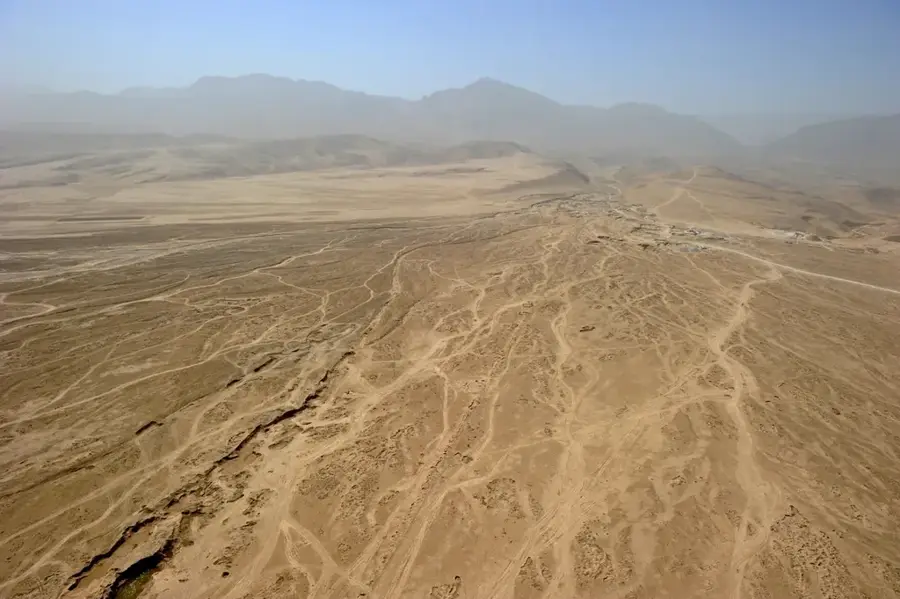
Badhyz Hills
A rolling, drought-prone hilly landscape in southern Turkmenistan.
Learn more →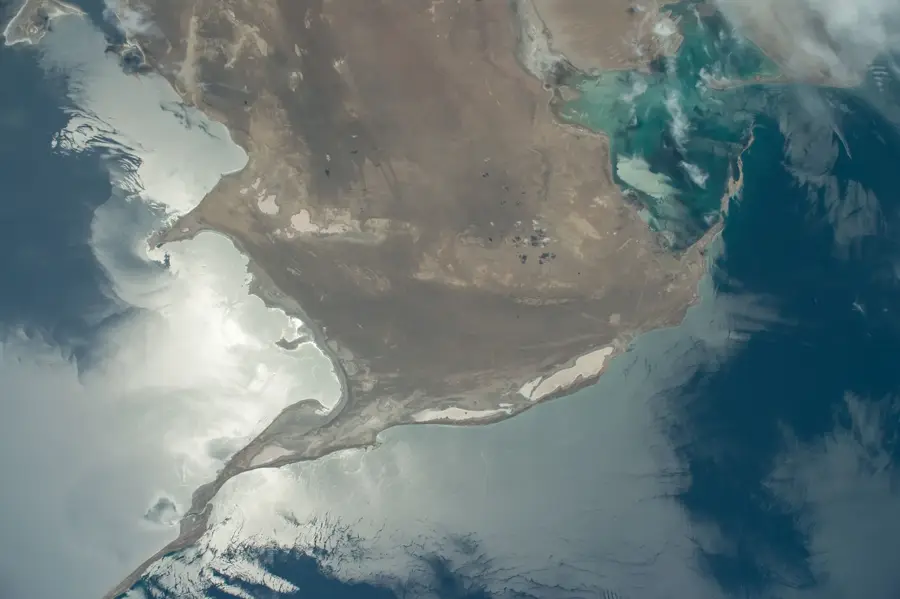
Krasnovodsk Plateau
A barren plateau in the west of the country bordering the Caspian Sea.
Learn more →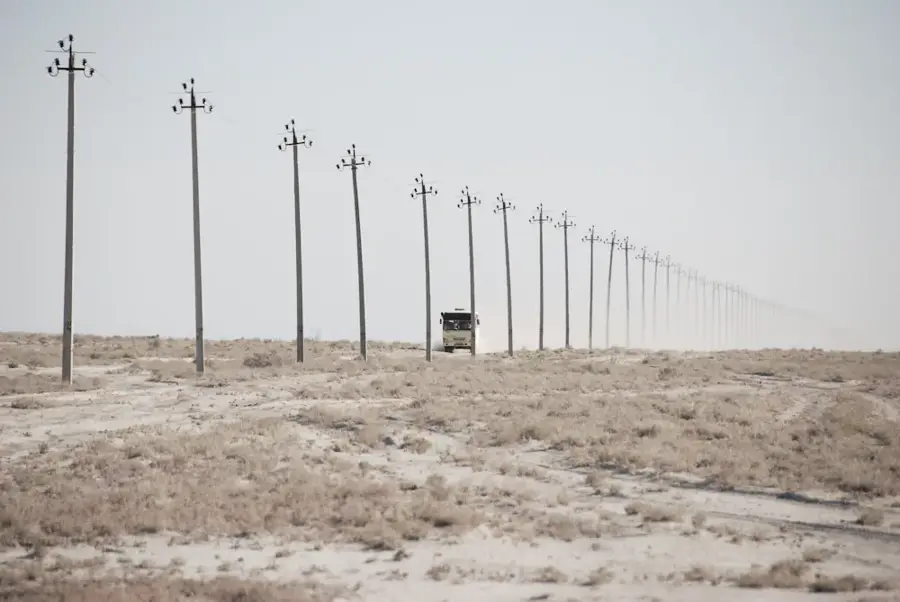
Kaplankyr Plateau
This rugged plateau forms a southern spur of the Ustyurt Plateau.
Learn more →
Serhetyaka Trade Hub
An important logistics and trade center near the border with Iran, promoting cross-border commodity exchange.
Learn more →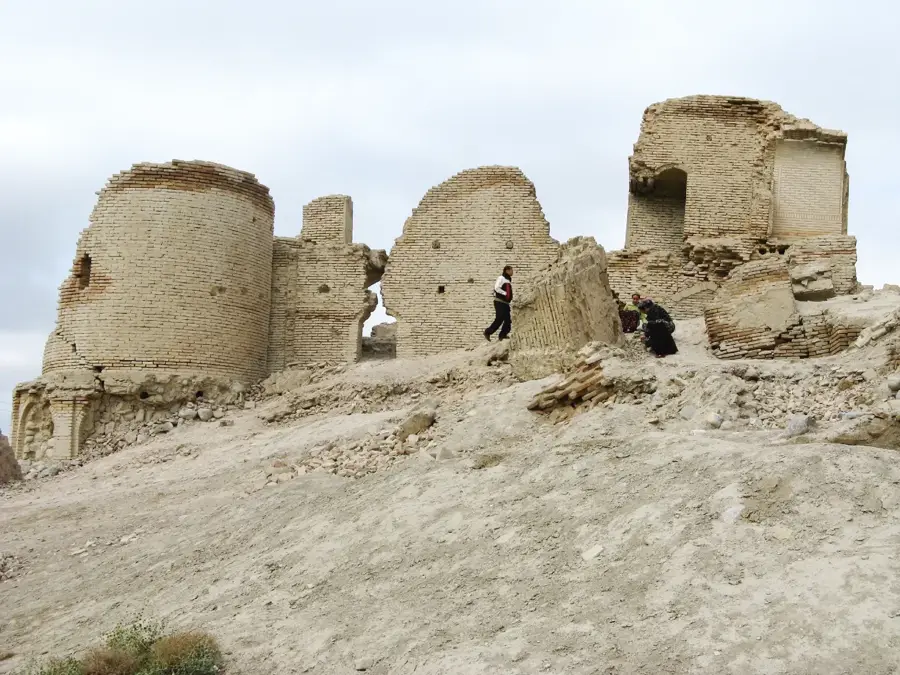
Ahal State Power Plant
An important power generation facility that supplies electricity to the capital Ashgabat and the surrounding Ahal region.
Learn more →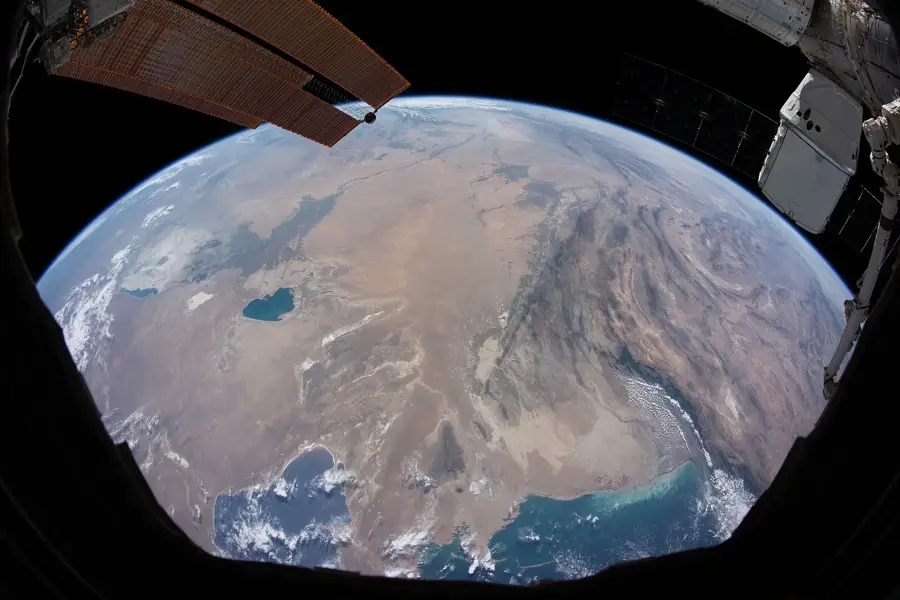
Caspian Seal Habitat
A coastal protected area in the Caspian Sea important for the survival of the endangered Caspian seal.
Learn more →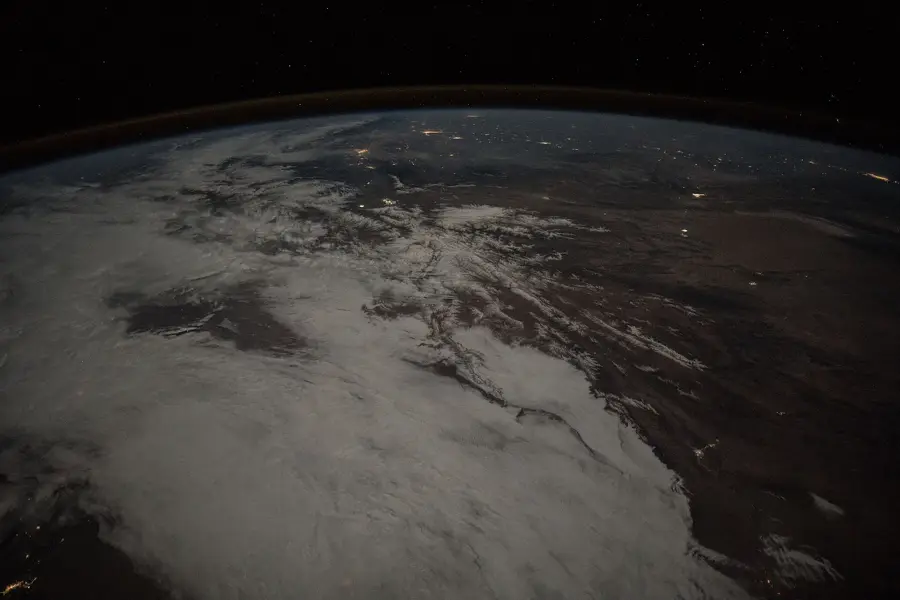
Abiverd Ruins
One of the most important cities of northern Khorasan, abandoned after multiple destructive invasions.
Learn more →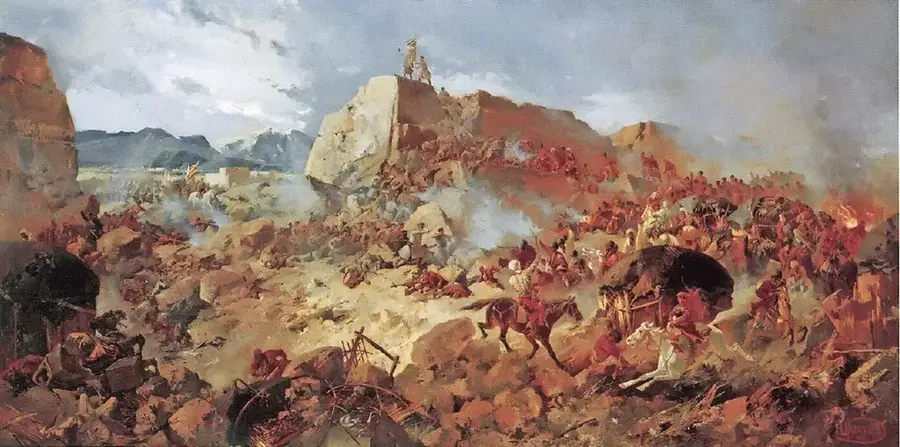
Geok Tepe Fortress
The site of a major battle in 1881 where Turkmen forces defended themselves against the Russian army.
Learn more →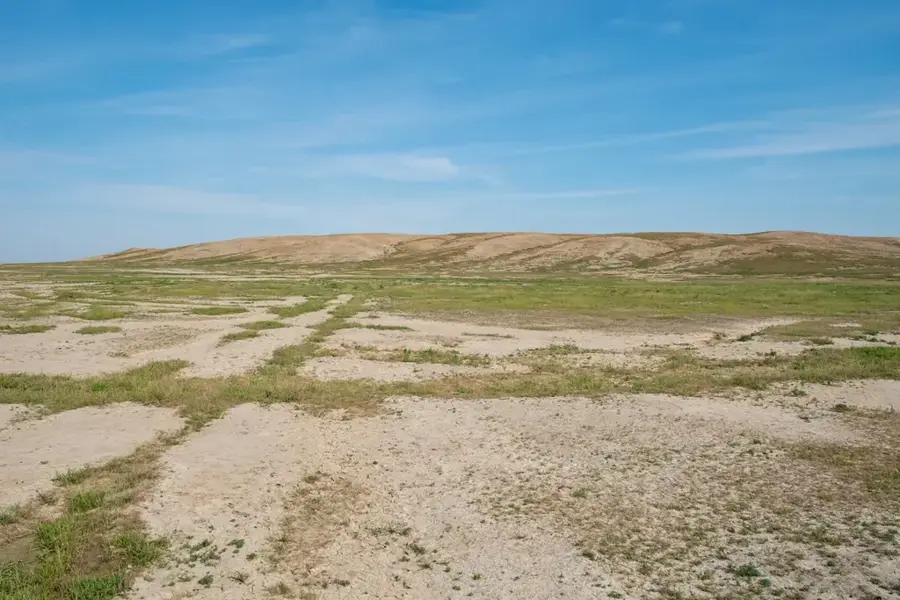
Altyn Depe
A significant archaeological site from the Copper and Bronze Ages, whose name refers to a golden hill.
Learn more →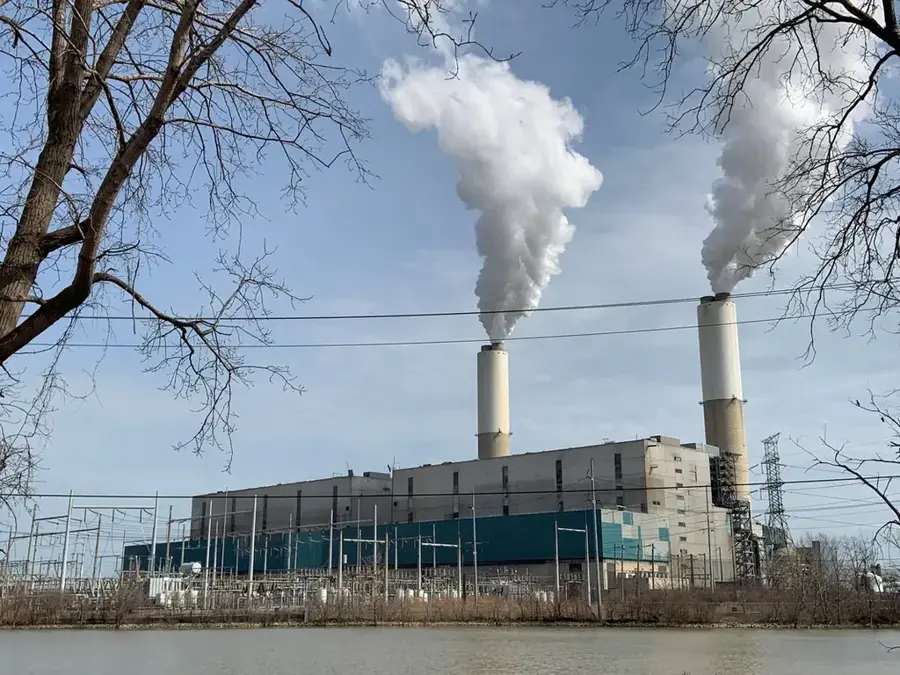
Mary State Power Plant
The largest power plant in Turkmenistan, providing a large portion of the country's electrical energy.
Learn more →
Agricultural University Fields
Experimental fields in Ashgabat where new cultivation methods for the desert climate are developed.
Learn more →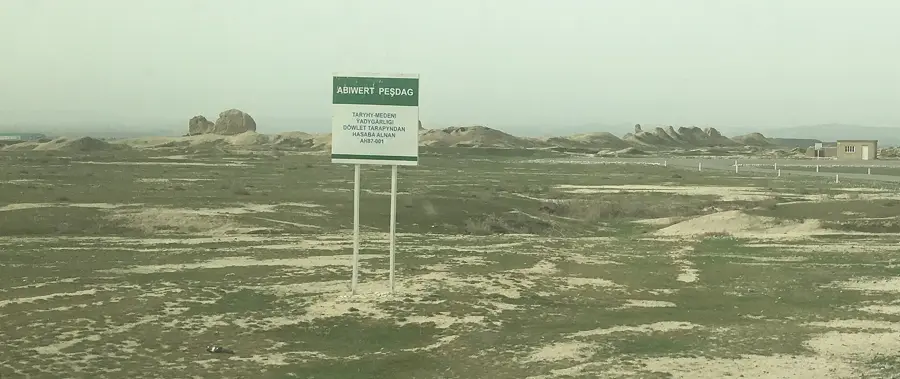
Namazga Depe
One of the largest early agricultural settlements in southern Turkmenistan from the Chalcolithic period.
Learn more →Frequently asked questions
What are the top attractions in Turkmenistan?
Among the most popular are Awaza Tourist Zone, Dayahatyn Caravanserai, Darvaza Gas Crater, Türkmenbaşy Ruhy Mosque, Ancient Merv and many more – the full top 50 list is on this page.
When is the best time to visit Turkmenistan?
May to October offers the most pleasant weather; July and August are warmest and busiest.