Plizio Visual Lab

Central Karakum
Plizio editorial teamData Sources
desert
—°
Central Karakum (Turkmenistan)

Weather…

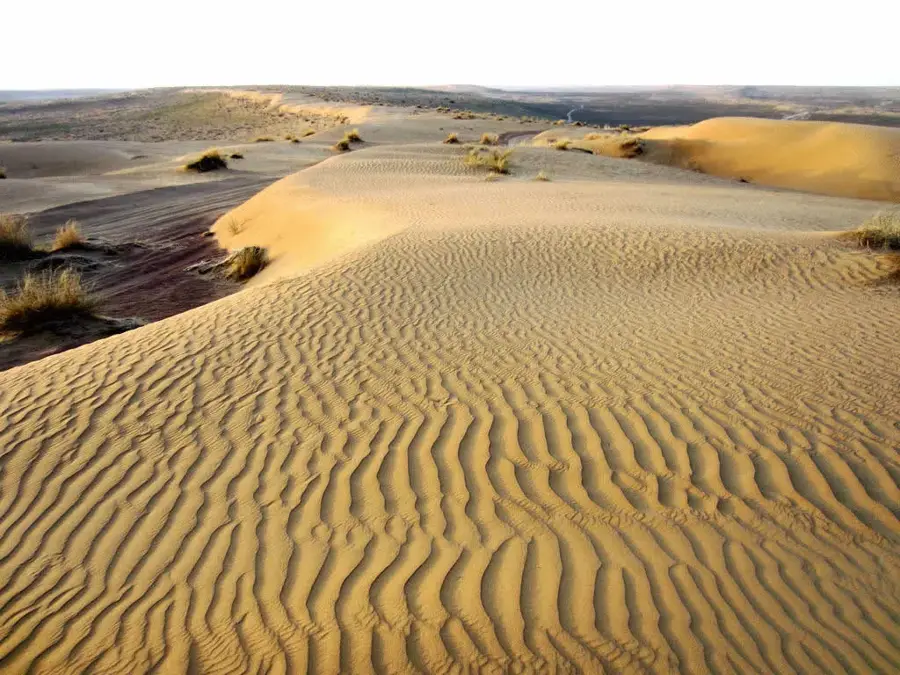
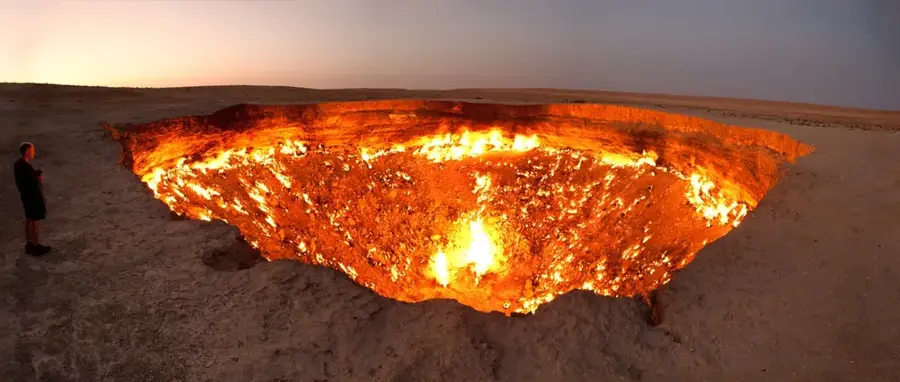
Central Karakum is the largest part of the Turkmen desert, situated between the Zaunguz plateau to the north and the Karakum Canal to the south. This region is characterized by a lower-lying relief featuring vast expanses of shifting sand dunes and crescent-shaped barkhans. Geologically, the Central Karakum consists of young Quaternary sediments, primarily deposited by the ancient courses of the Amu Darya River. Numerous takyrs (clay pans) are scattered throughout the region, occasionally collecting water after rare desert rainfalls. The climate is intensely continental, with scorching summers and frigid winters. The area gained international fame for the Darvaza Gas Crater, a burning natural gas field that has been alight since the early 1970s. Despite the hostile environment, the desert is used seasonally by nomadic herders for grazing sheep and camels, taking advantage of the sparse vegetation that emerges after spring showers.

Best time to visit & climate

The most pleasant time to visit is Apr, May, Sep.

JanFebMarAprMayJunJulAugSepOctNovDec
Avg °C13101725313330241671
Rain mm92224209321361110

📋 Practical info

🧭
Getting there
Access to the Central Karakum is strictly via specialized 4x4 expeditions typically departing from Ashgabat or other major regional hubs. Independent travel without an experienced desert driver and official permits is virtually impossible.
📅
Best season
Spring and autumn are the only truly feasible seasons to visit, offering clear skies and manageable temperatures for outdoor activities. The summer heat is famously oppressive and dangerous, while winters can be surprisingly harsh and freezing.
⛰️
Terrain & paths
The environment is a vast, seemingly endless expanse of rolling sand dunes, cracked clay pans, and sparse scrub vegetation. Moving across the shifting sands on foot is physically demanding and disorienting without clear geographical landmarks.
🎒
What to bring
Comprehensive desert survival gear is required, including extreme sun protection, closed-toe boots, and large quantities of water and electrolytes. Warm layers and a windbreaker are crucial for the sudden, drastic temperature drops that occur after sunset.
🅿️
Parking
Parking is strictly handled by the expedition operators who know the safe areas to stop and set up desert camps. Attempting to navigate or park a personal vehicle in these deep sands without expertise almost guarantees becoming inextricably stuck.
⚠️
Safety
Never separate from your organized group or guide under any circumstances, as losing one's way can quickly become fatal in this arid zone. Beware of venomous scorpions or snakes when sitting on the ground or rummaging through gear at night.
⏱️
Time needed
A deep dive into the Karakum normally involves a multi-day journey ranging from three to seven days of continuous desert camping. Shorter introductory trips might simply touch the fringes before returning quickly to more populated settlements.

Geography

Coordinates
39.50000, 58.50000

Facts

  • Central Karakum constitutes the largest geographic division of the desert.
  • The Darvaza Gas Crater is the most famous landmark in this region.
  • The relief was primarily shaped by the alluvial deposits of the ancient Oxus.
  • Sand dunes in some areas reach heights of up to 30 meters above the floor.
  • The area is home to the world-class Galkynysh natural gas field.
  • Traditional nomadic life still persists in parts of the Central Karakum.

Explore nearby

Notable places around
Route planner — Car & Motorhome

Where do you start? We build the route here, with stops and country notes along the way.

Vehicle
Only stops with (optional):

© OpenStreetMap contributors · OpenRouteService

Sights nearby

Frequently asked questions

What characterizes Central Karakum?
It is the heart of the desert with extreme temperatures and the largest sand dune areas.
How to get there?
Usually from Ashgabat with 4x4 vehicles as part of organized desert tours.
Is it dangerous to hike there?
Yes, due to the heat, the lack of landmarks, and the risk of getting lost.
What animals are typical?
Scorpions, snakes, and desert rodents, which mostly appear at night.
Is there infrastructure there?
No, there are no roads or accommodations, only very few nomadic settlements.
Central Karakum: where is it located?
Central Karakum is located in Turkmenistan.
Central Karakum: when is the best time to visit?
The most pleasant time to visit is Apr, May, Sep.
Central Karakum: why is it worth visiting?

Central Karakum is the largest part of the Turkmen desert, situated between the Zaunguz plateau to the north and the Karakum Canal to the south.
View on map → The Top 50 Attractions → OpenStreetMap →
Asia
Explore with Plizio Discover more places in Asia
More places in Turkmenistan →

Nearby cities

History & landmarks

Nature
More places