Attractions in Micronesia
The finest attractions in Micronesia at a glance: castles, natural wonders, historic old towns and more. Each place links to a detailed page with map, tips and photos.
Culture & History
Japanese Radio Station
The ruins of the Japanese Radio Station in Kolonia date back to the pre-WWII era.
Learn more →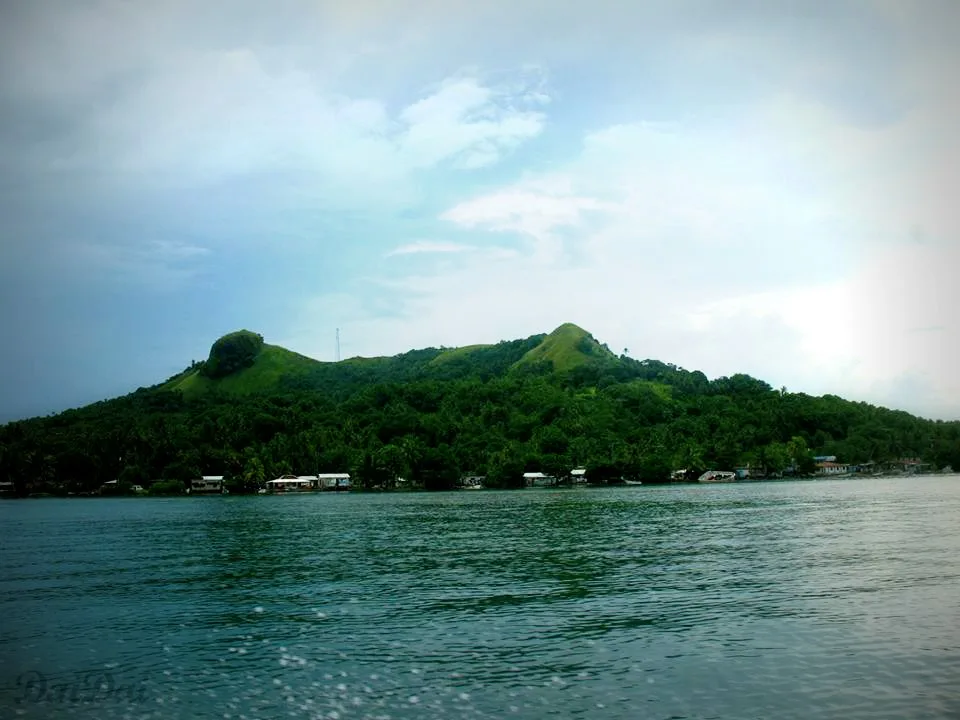
Nantaku Communication Center
The Nantaku Center was a vital Japanese command post during WWII in Chuuk.
Learn more →
Kosrae Sleeping Lady
The Sleeping Lady is a mountain ridge on Kosrae whose silhouette resembles a reclining woman.
Learn more →
Paliikir Historical Base
Paliikir, now the capital of the Federated States of Micronesia, was a significant Japanese airfield and base during World War II.
Learn more →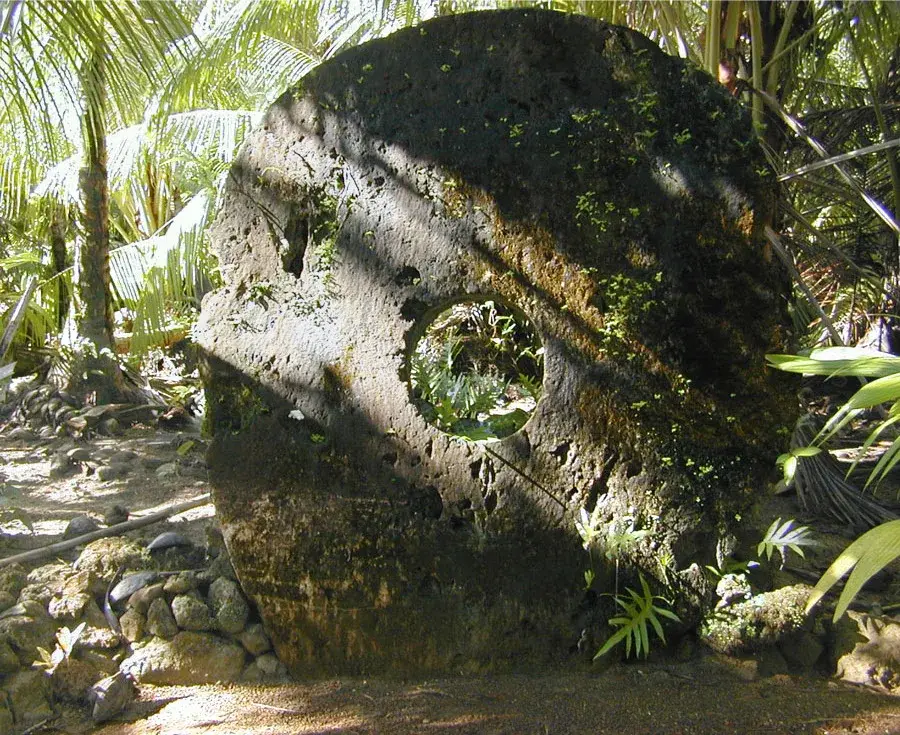
Yap Stone Money Banks
The Stone Money Banks on Yap consist of massive limestone discs called Rai.
Learn more →
Xavier High School
This prestigious school in Chuuk is housed in a former Japanese communications center built during World War II.
Learn more →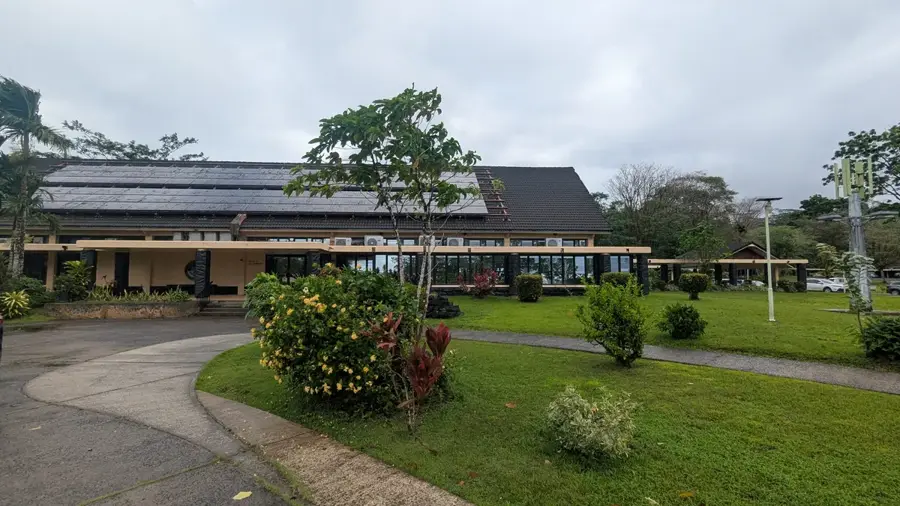
FSM National Capitol
The national capitol in Palikir is the seat of the federal government of the Federated States of Micronesia.
Learn more →
Menke Ruins
The Menke Ruins in the jungle of Kosrae were a significant religious center.
Learn more →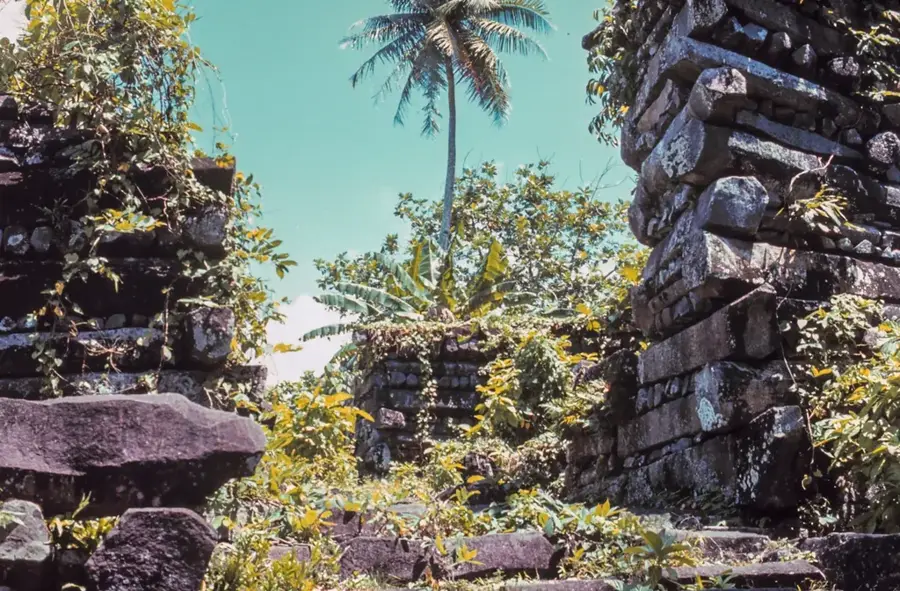
Nan Madol
Nan Madol is a ruined city on Pohnpei, built on artificial islands.
Learn more →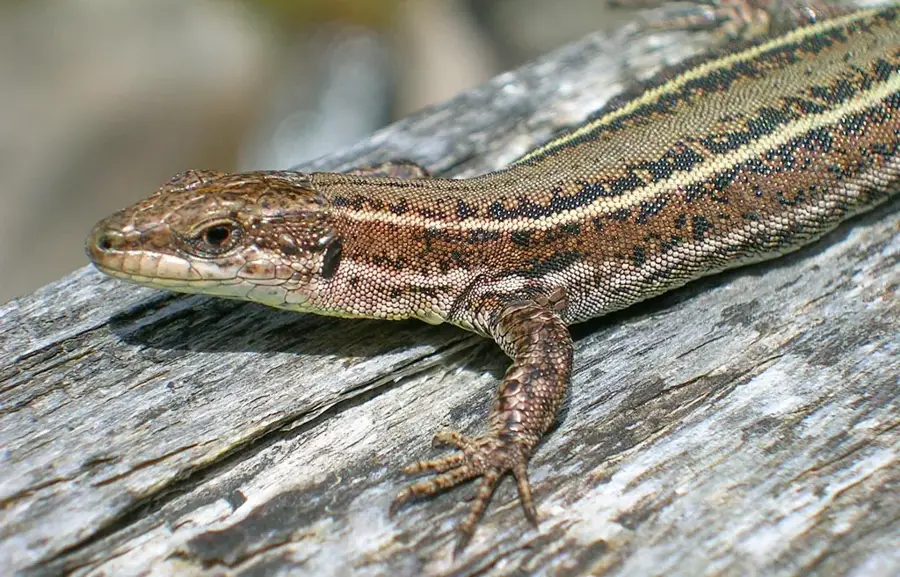
Spanish Wall
The Spanish Wall in Kolonia is a relic of Spanish colonial rule from the late 19th century.
Learn more →
Lelu
Lelu is a historical town on Kosrae island, renowned for its massive megalithic ruins dating back to the 14th century.
Learn more →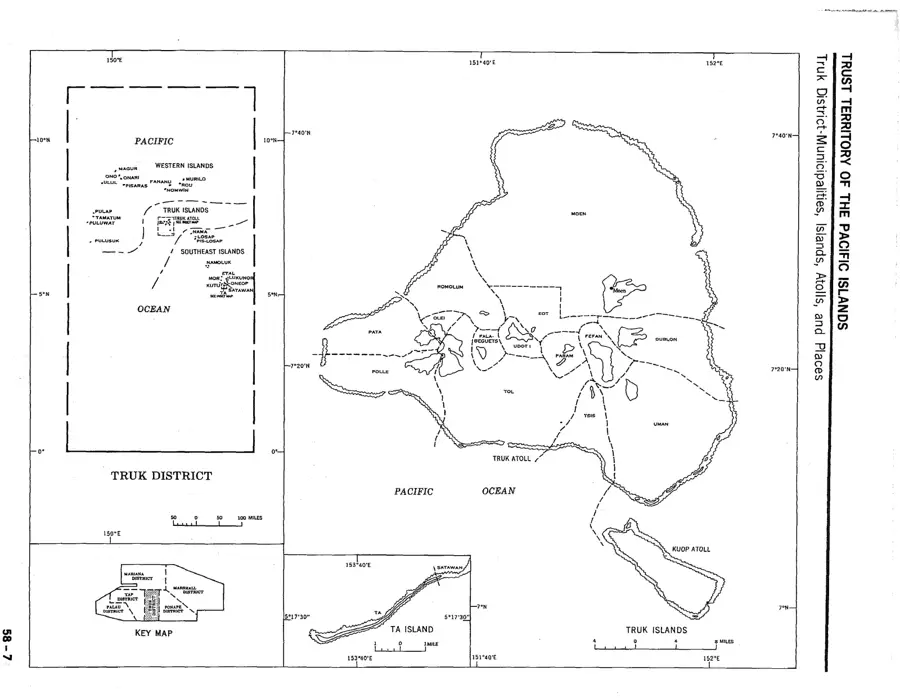
Japanese Lighthouse Chuuk
The old Japanese lighthouse in Sapuk offers wide views over the northeast Chuuk Lagoon and is a relic of the wartime era.
Learn more →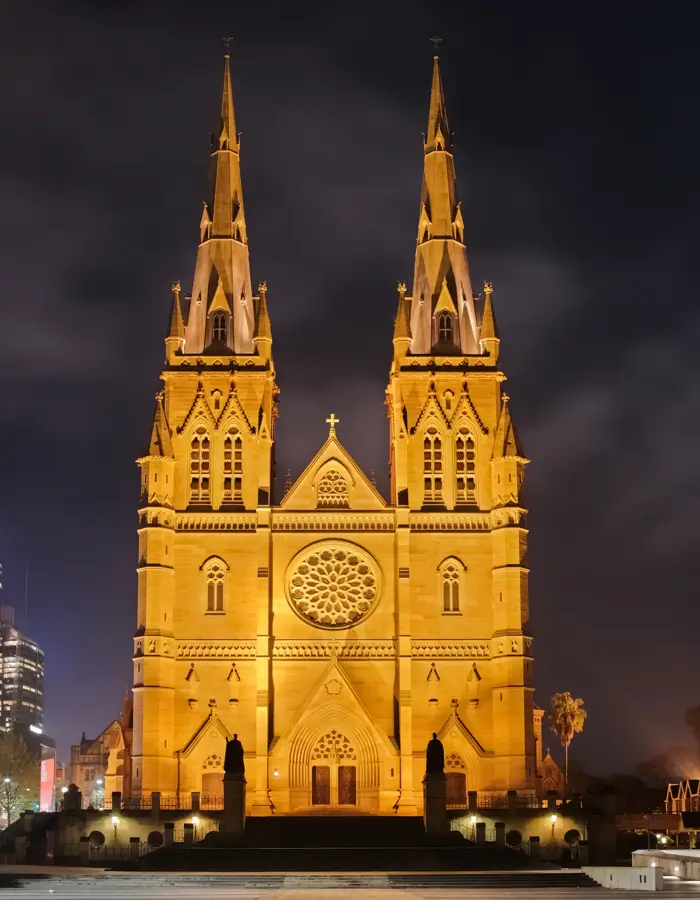
St. Mary's Catholic Church
St.
Learn more →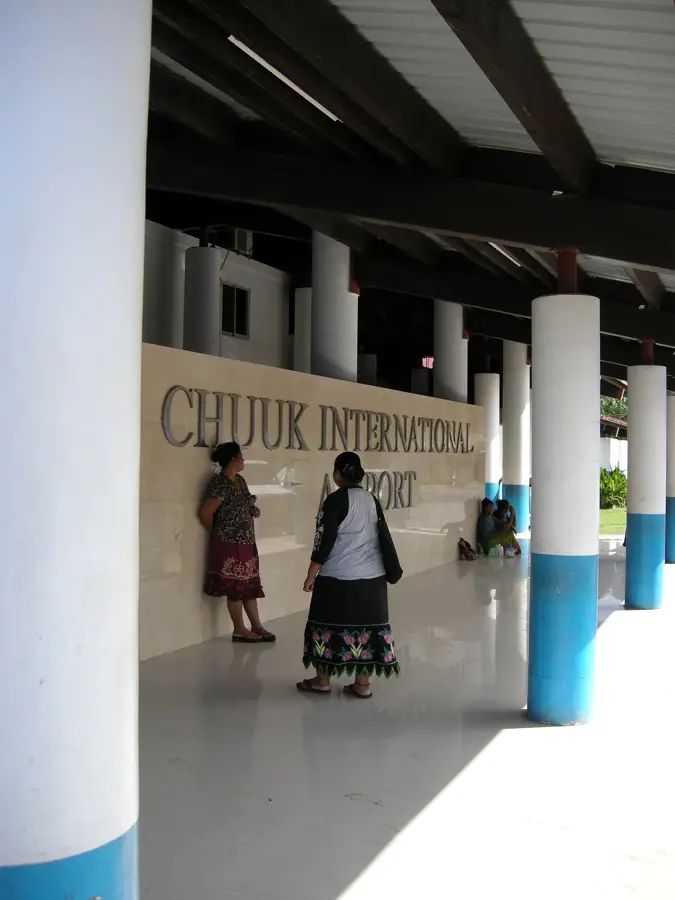
Tunnuk Catholic Church
The Tunnuk Church on Weno Island is one of the most prominent religious buildings in Chuuk, known for its colorful architecture.
Learn more →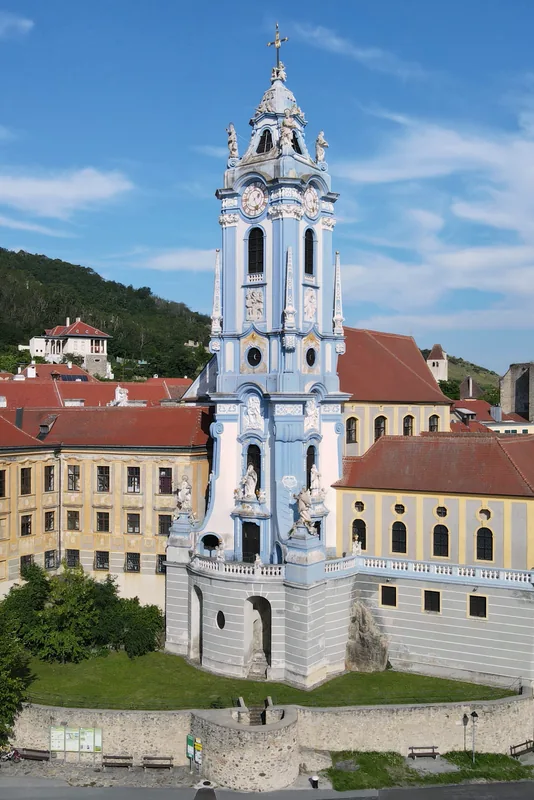
German Bell Tower
This bell tower is the sole surviving structure of an early 20th-century German mission in Pohnpei.
Learn more →Nature
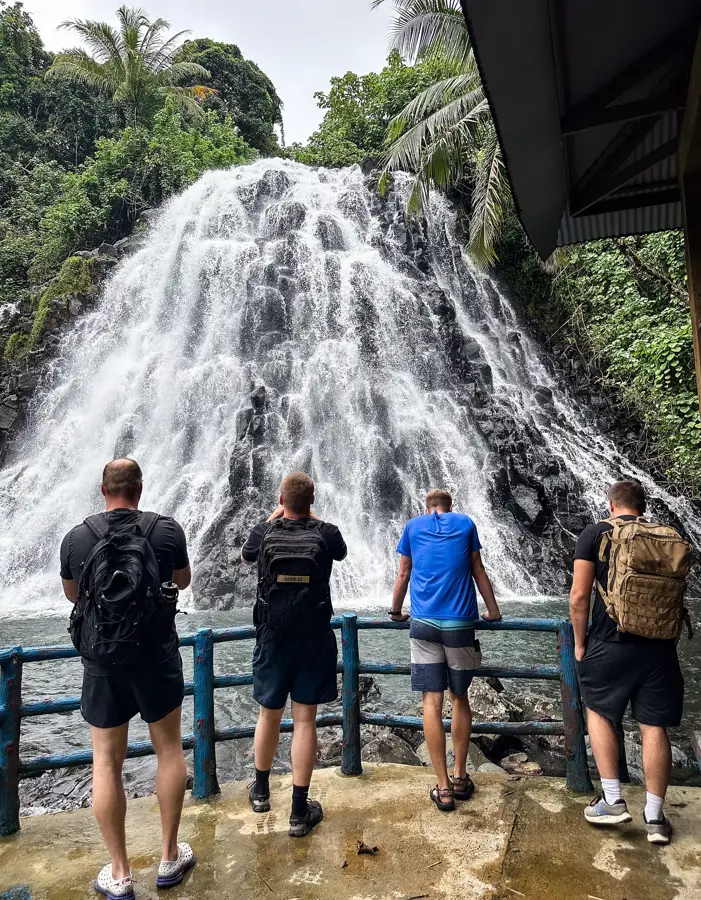
Kepirohi Waterfall
Kepirohi Waterfall is one of the most famous and photogenic waterfalls on Pohnpei.
Learn more →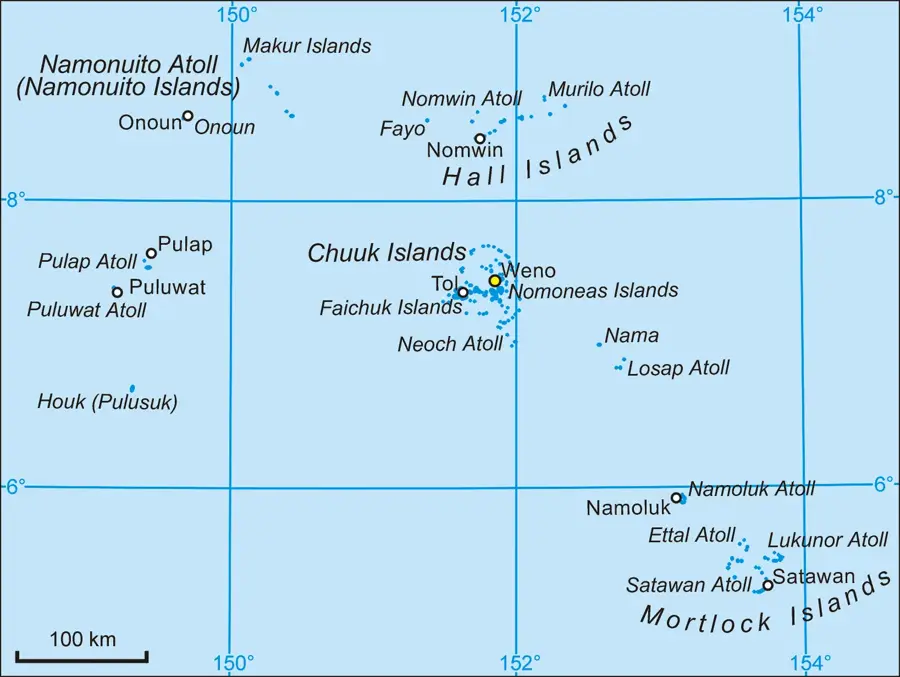
Chuuk Lagoon
Chuuk Lagoon is one of the world's largest atolls, famous for its immense marine biodiversity.
Learn more →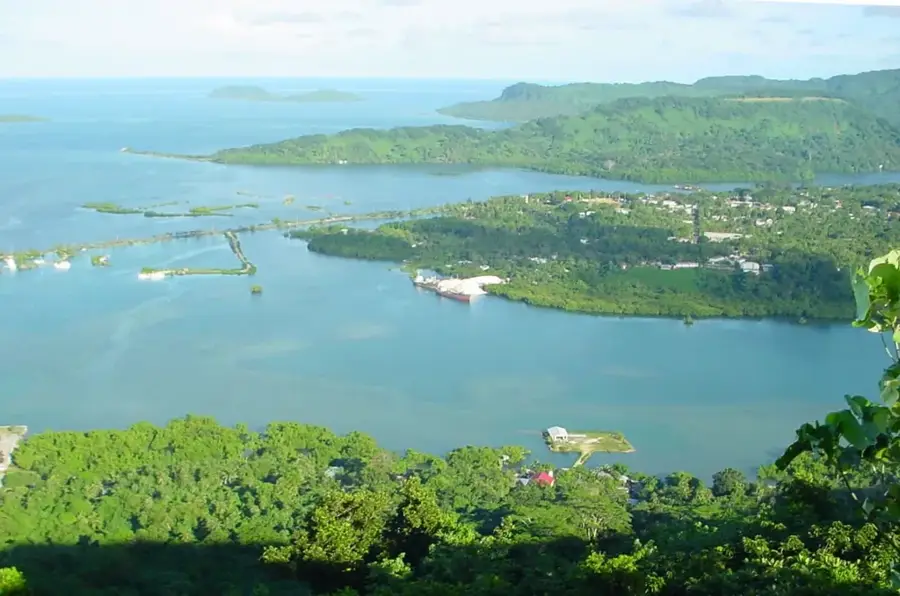
Mount Nanlaud
Mount Nanlaud is the highest point on the island of Pohnpei and the entire Federated States of Micronesia, reaching 782 meters.
Learn more →
Kuop Atoll
Kuop Atoll is a small, uninhabited atoll located just south of Chuuk Lagoon.
Learn more →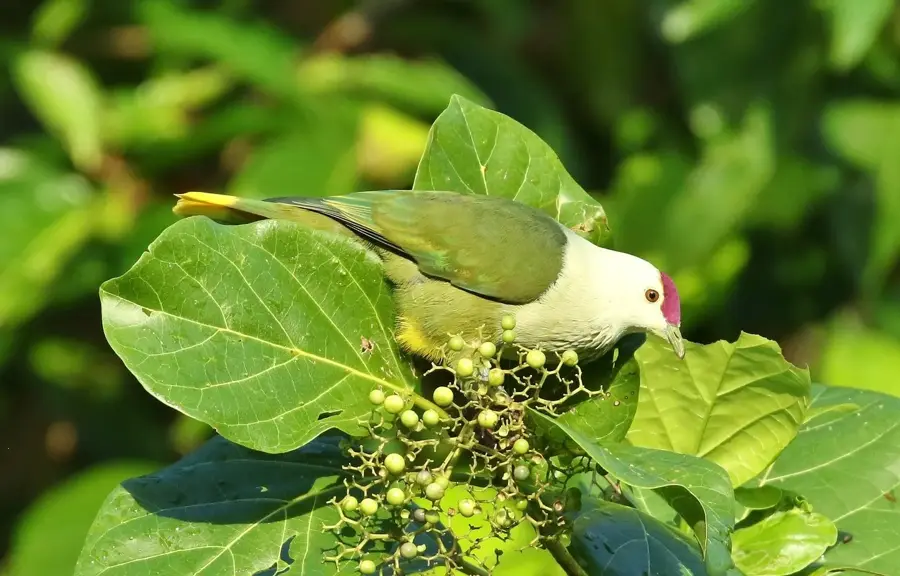
Wiya Bird Cave
The Wiya Bird Cave on Kosrae is a large limestone cavern that serves as a nesting site for thousands of Micronesian swiftlets.
Learn more →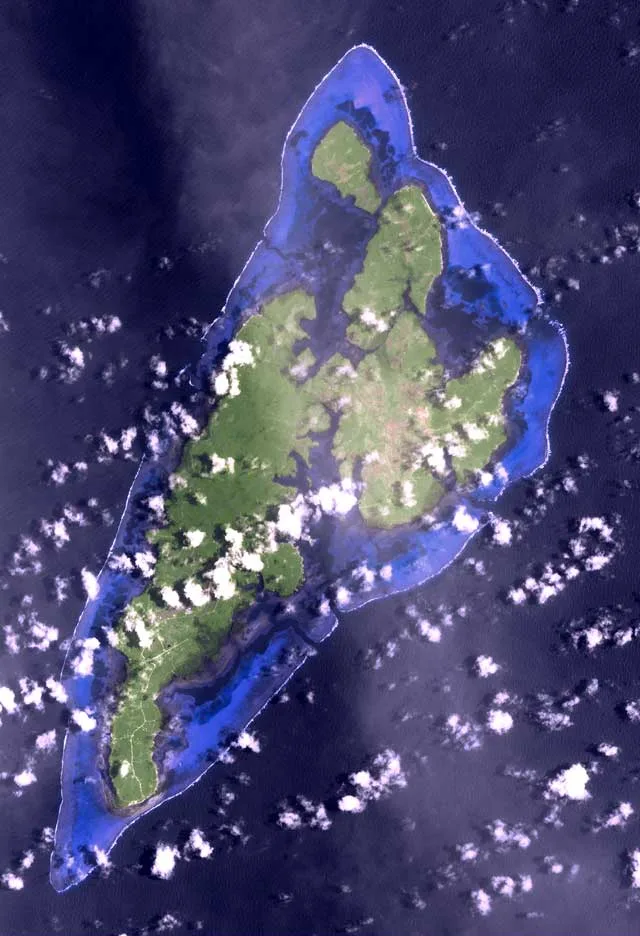
Mount Matade
Mount Matade is the highest elevation on the island of Yap.
Learn more →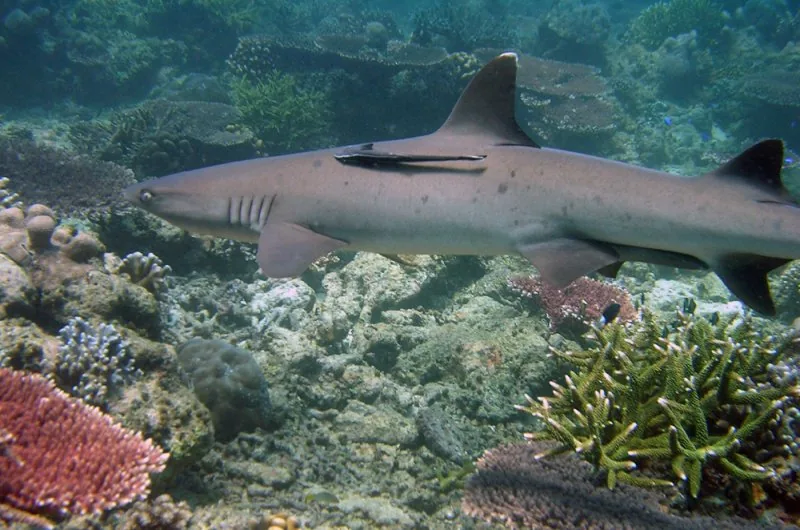
Yap Manta Sanctuary
Yap is world-famous for its resident population of reef manta rays.
Learn more →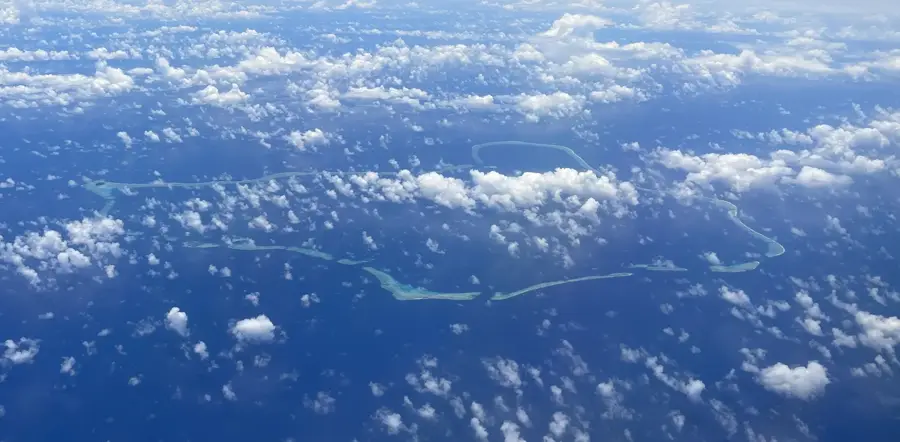
Oroluk Atoll
Oroluk Atoll is a remote wildlife sanctuary known for its sea turtle population.
Learn more →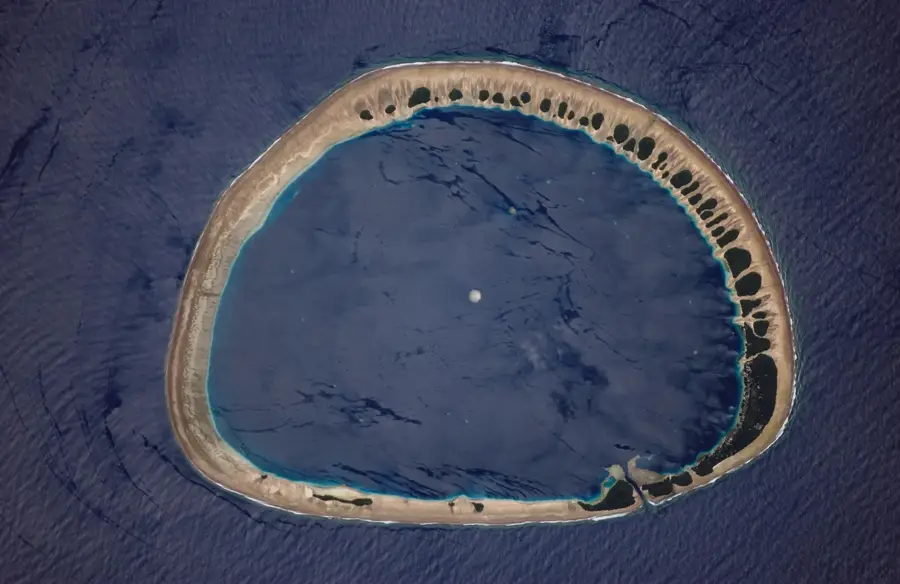
Nukuoro Atoll
Nukuoro Atoll is striking for its nearly perfect circular shape.
Learn more →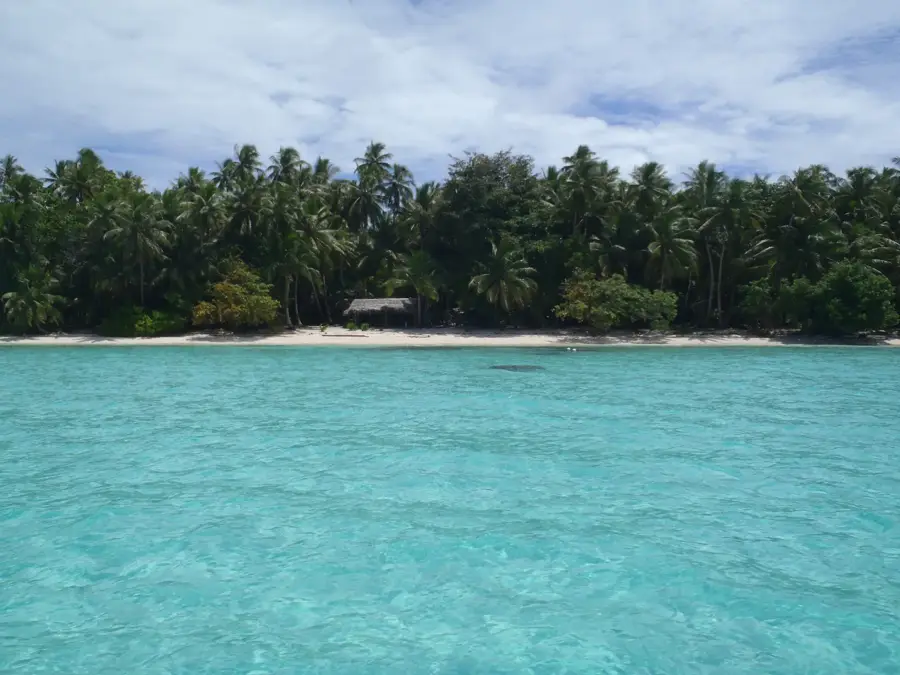
Ant Atoll
Ant Atoll is a significant marine biosphere reserve located near Pohnpei.
Learn more →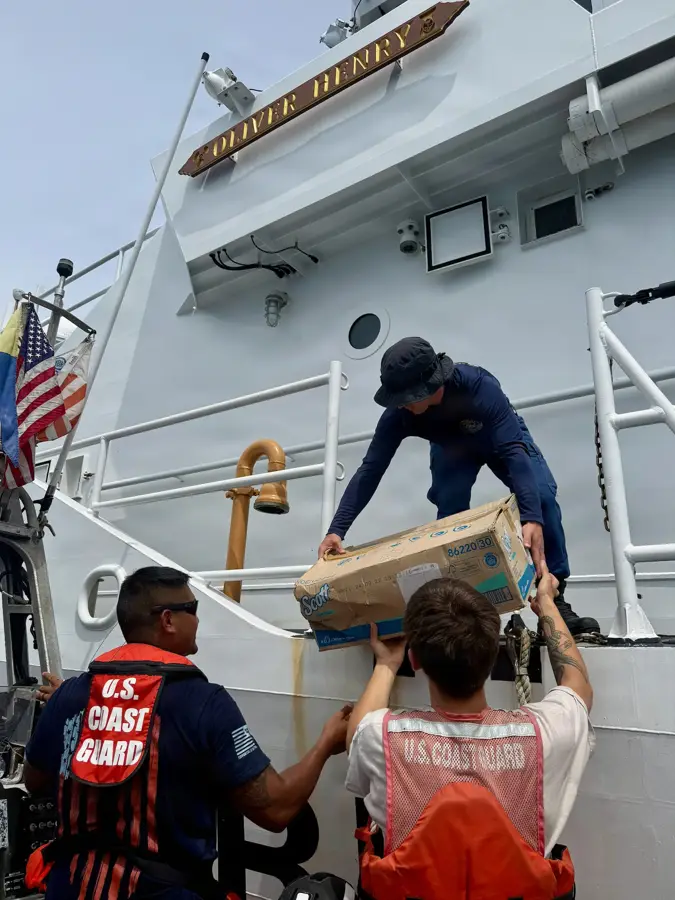
Kapingamarangi Marine Life
Kapingamarangi is the southernmost atoll of Micronesia.
Learn more →
Utwe-Walung Marine Park
The Utwe-Walung Marine Park on Kosrae protects valuable mangroves and coral reefs.
Learn more →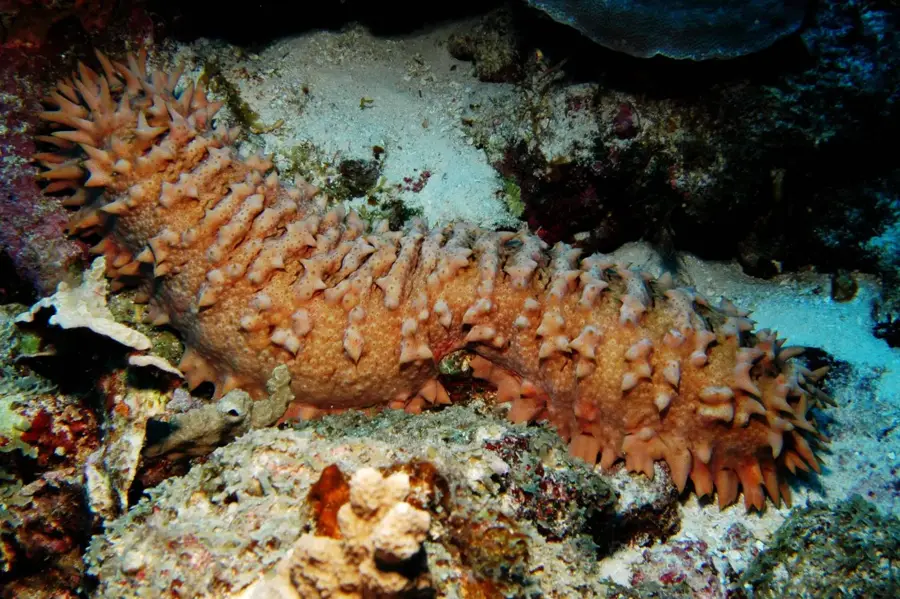
Mount Finkol
Mount Finkol is the highest peak on Kosrae.
Learn more →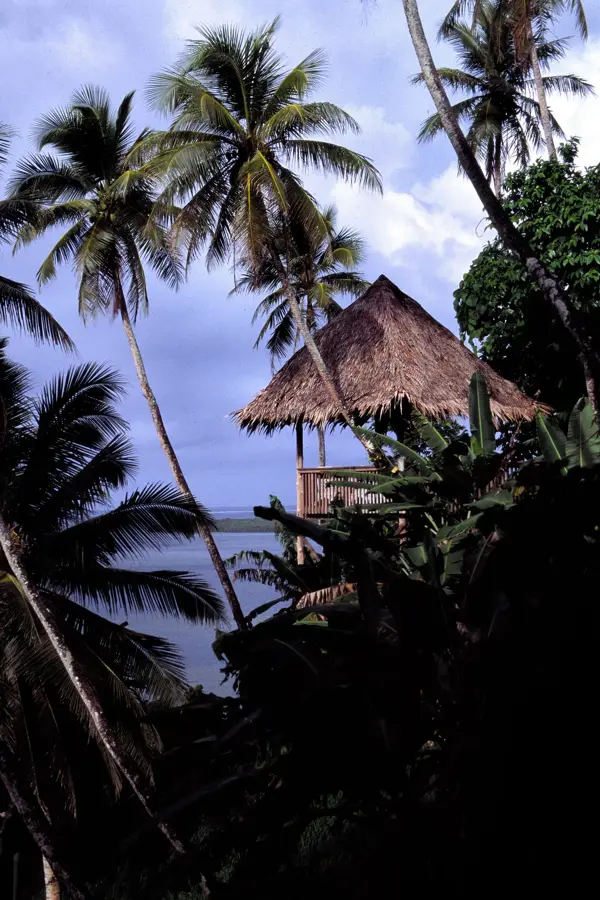
Dolohmwar
Dolohmwar is a high peak in the Senyavin Islands on Pohnpei.
Learn more →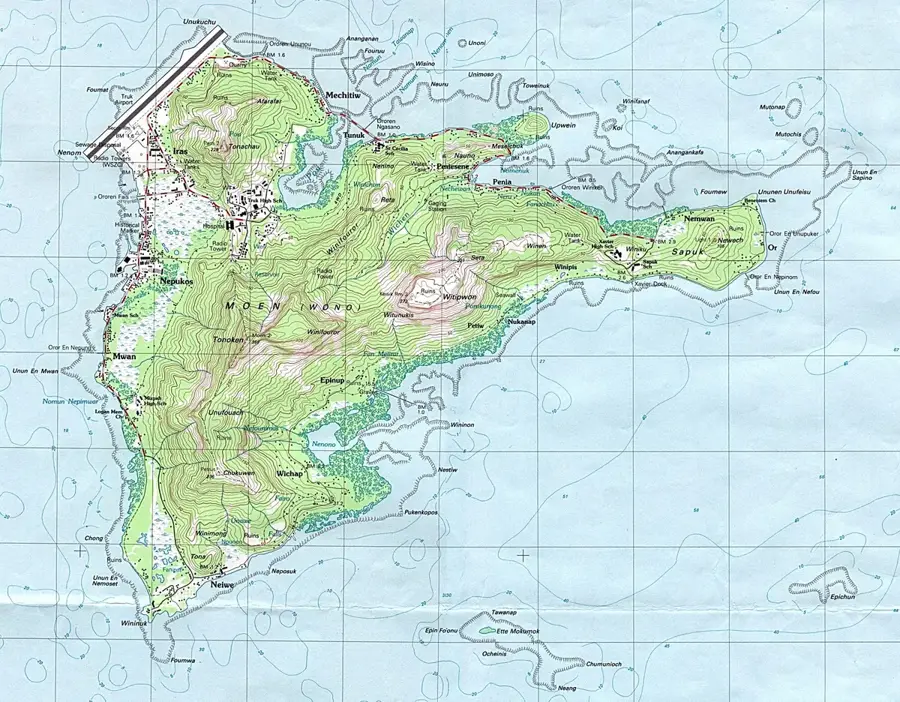
Mount Teroken
Mount Teroken is a prominent hill on Weno Island in Chuuk.
Learn more →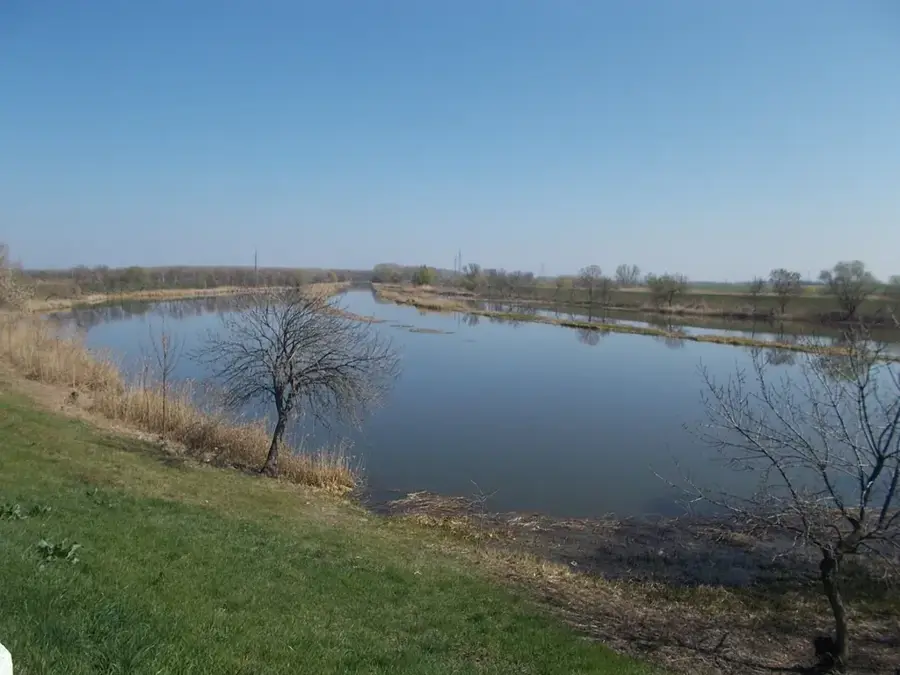
Okat River
The Okat River is the largest river system on the island of Kosrae.
Learn more →Cities & Architecture
More highlights
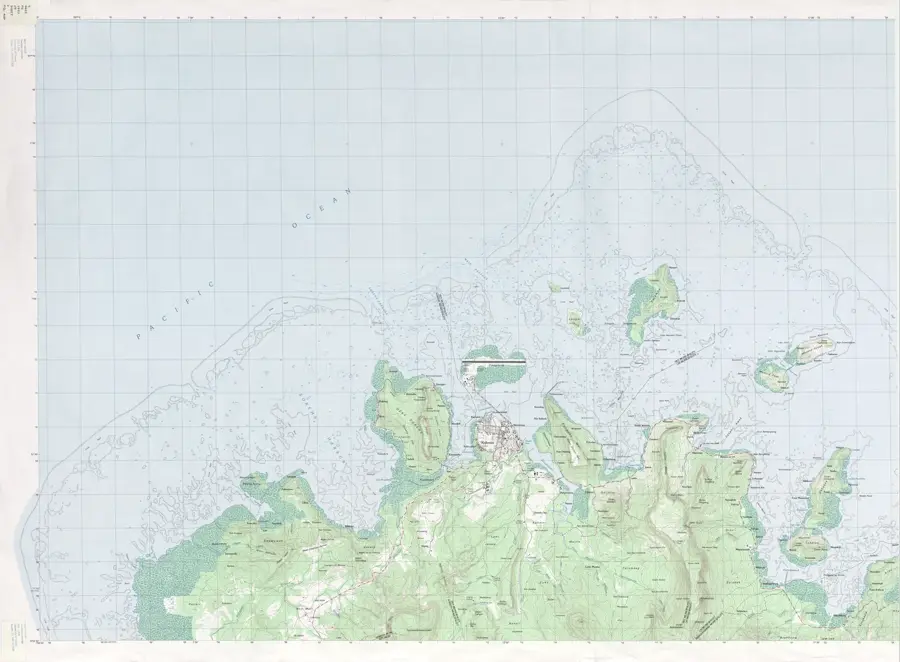
Sokehs Rock
Sokehs Rock is a prominent landmark on Pohnpei and the site of the 1910 Sokehs Rebellion.
Learn more →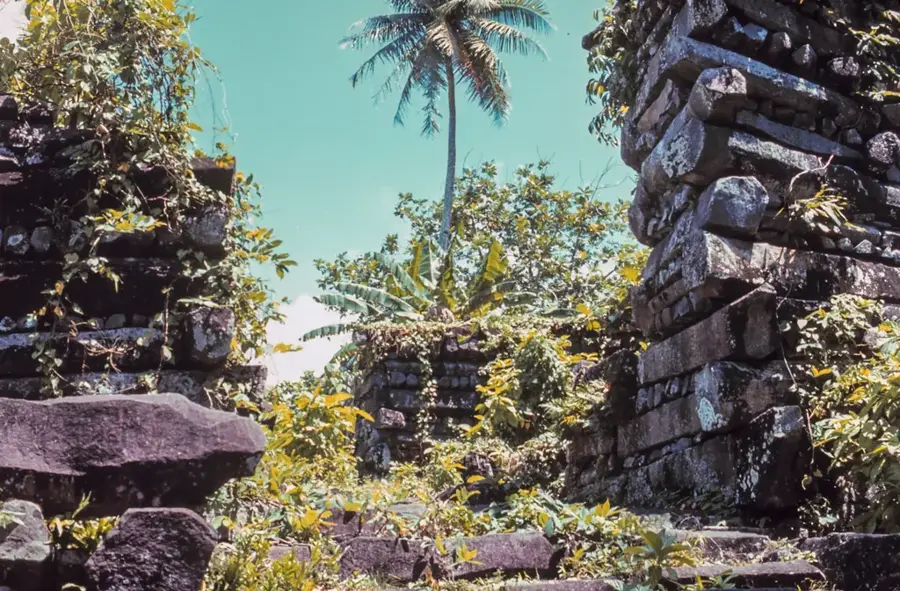
Pohnpei Mangroves
The mangrove forests of Pohnpei form a dense coastal protection belt.
Learn more →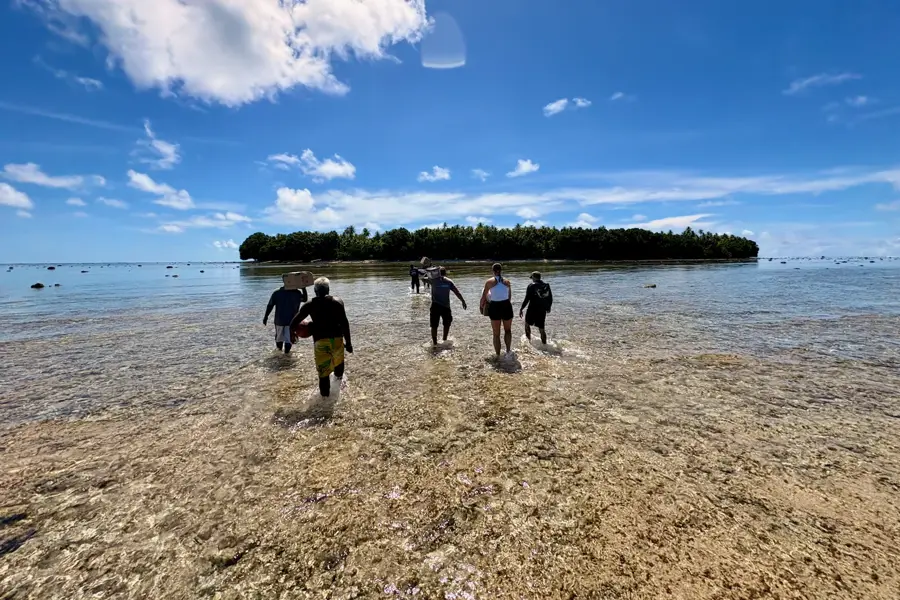
Sapwuahfik Massacre Site
This site on Sapwuahfik Atoll commemorates the 1837 massacre, during which the local male population was almost entirely wiped out.
Learn more →Frequently asked questions
What are the top attractions in Micronesia?
Among the most popular are Kepirohi Waterfall, Chuuk Lagoon, Japanese Radio Station, Mount Nanlaud, Kuop Atoll and many more – the full top 50 list is on this page.
When is the best time to visit Micronesia?
May to October offers the most pleasant weather; July and August are warmest and busiest.