Plizio Visual Lab
Nukuoro Atoll
Weather…
Water temperature…
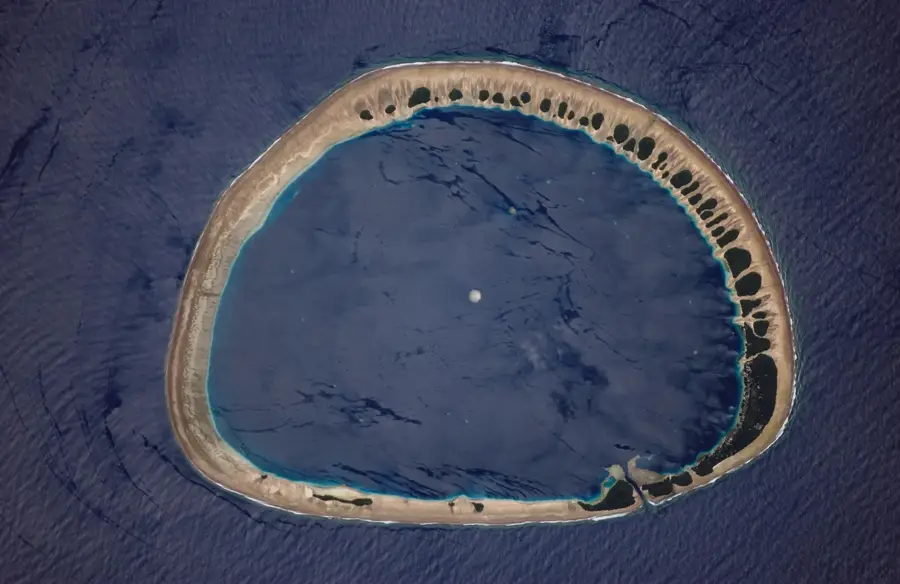
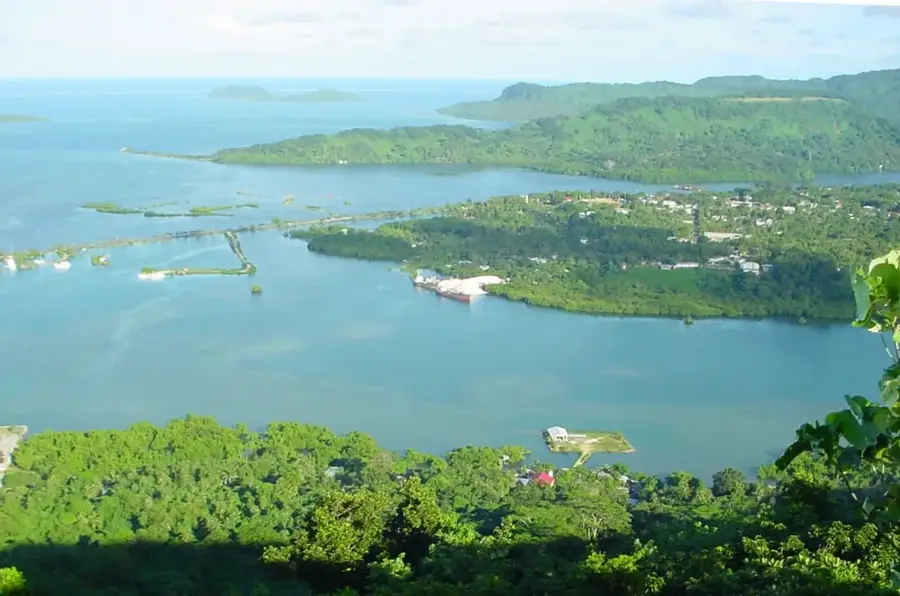
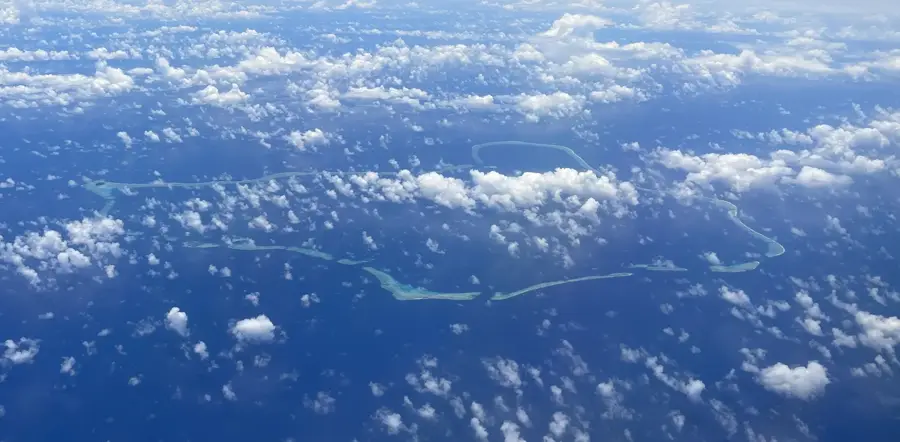
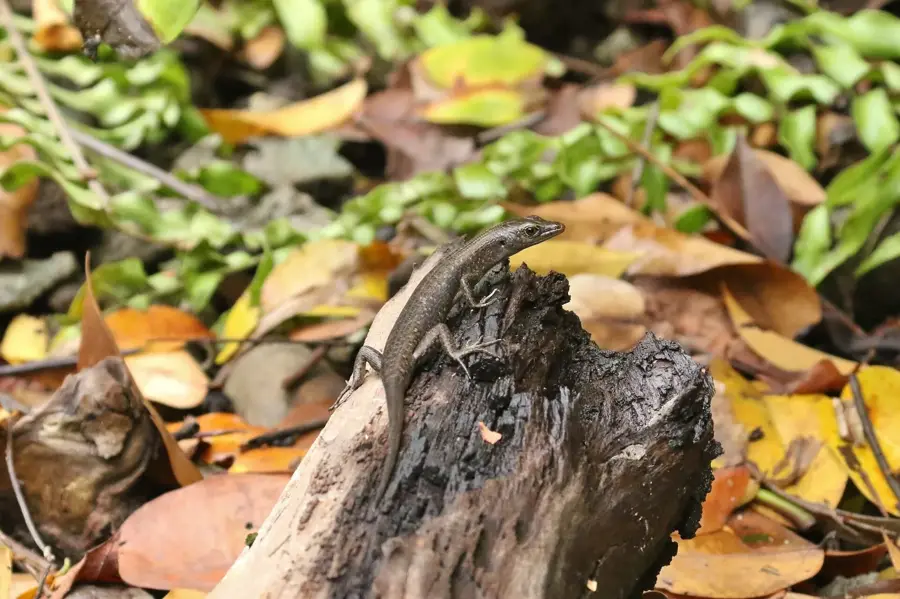
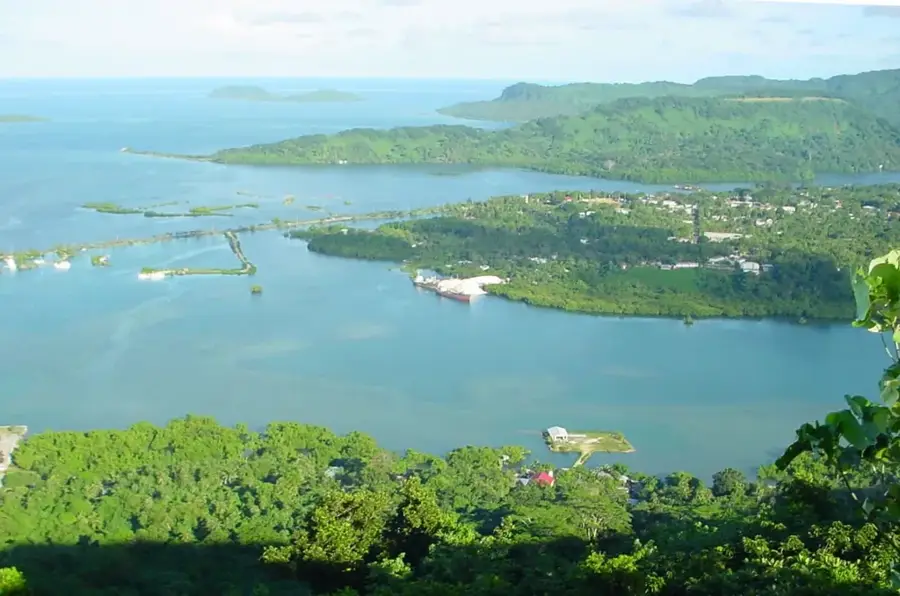
Nukuoro Atoll stands as a remarkable geological feature in the Federated States of Micronesia, celebrated for its nearly flawless circular ring of coral reef that encloses a deep, lively lagoon. This remote outpost is classified as a Polynesian outlier, home to a community that has maintained its distinct Polynesian language and customs for centuries despite being located far west of Polynesia. The atoll's isolation has served as a sanctuary for diverse wildlife, particularly for numerous species of seabirds that utilize the coconut groves and mangroves as undisturbed nesting grounds. Beneath the waves, the coral reef systems remain exceptionally healthy, hosting a vast array of marine life in clear, nutrient-rich waters. The people of Nukuoro are well-known for their sustainable fishing practices and their historically significant wooden sculptures, reflecting a culture deeply attuned to the rhythms and limitations of their small, circular world.
Best time to visit & climate
The most pleasant time to visit is Aug–Oct.
| Jan | Feb | Mar | Apr | May | Jun | Jul | Aug | Sep | Oct | Nov | Dec | |
|---|---|---|---|---|---|---|---|---|---|---|---|---|
| Avg °C | 29 | 29 | 28 | 28 | 28 | 28 | 28 | 28 | 28 | 28 | 28 | 29 |
| Rain mm | 315 | 262 | 346 | 334 | 306 | 272 | 278 | 228 | 221 | 197 | 236 | 225 |
📋 Practical info
Geography
Facts
- Consists of 46 small islets
- Lagoon diameter is approximately 6 km
- Famous for Tino Aitu wooden carvings
- Population speaks Nukuoro (Polynesian)
- Rediscovered by Europeans in 1806
- Total land area is only 1.7 km²
Route planner — Car & Motorhome
Where do you start? We build the route here, with stops and country notes along the way.
© OpenStreetMap contributors · OpenRouteService
Sights nearby
Frequently asked questions
How can I reach Nukuoro Atoll?
What language is spoken here?
Is there accommodation for tourists?
What is the main attraction?
Is internet available?
Nukuoro Atoll: where is it located?
Nukuoro Atoll: when is the best time to visit?
Nukuoro Atoll: why is it worth visiting?

Nearby cities






History & landmarks



Nature




More places