Plizio Visual Lab
Yap Stone Money Banks
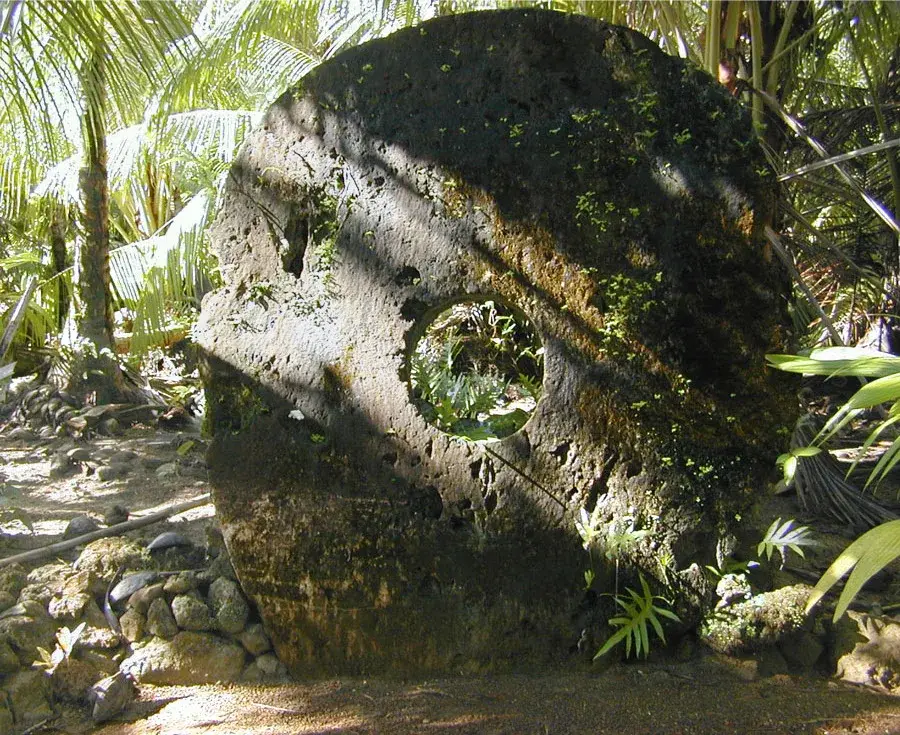
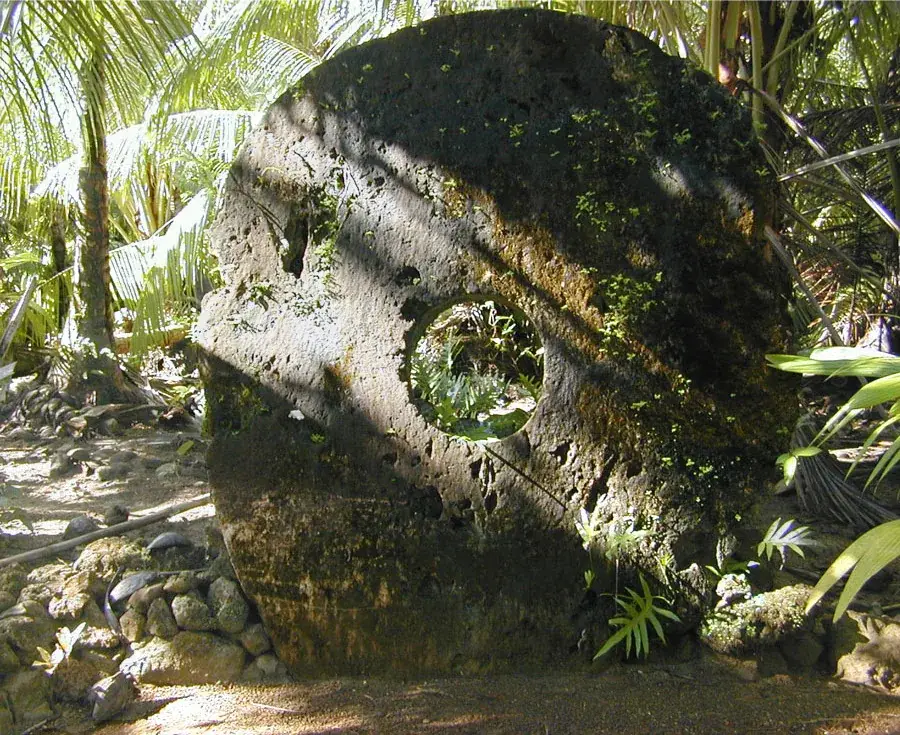
The „banks” of Yap are not buildings but rather village paths and open communal areas where the massive limestone discs known as Rai stones are lined up. This unique monetary system is world-renowned for its physical scale and oral history. The stones were originally quarried in the islands of Palau, hundreds of miles away, and transported across the open ocean on wooden canoes, a feat of extreme bravery and skill. A stone's value is determined less by its physical dimensions and more by its „provenance”: how many people perished during its transport or which high chief commissioned the voyage. Because the largest stones can weigh several tons, they are rarely moved; instead, ownership is transferred through verbal agreement within the community. Today, while the US dollar is used for daily goods, Rai stones remain essential for traditional transactions like dowries, land rights, and ceremonial apologies, serving as a permanent record of the island's history.
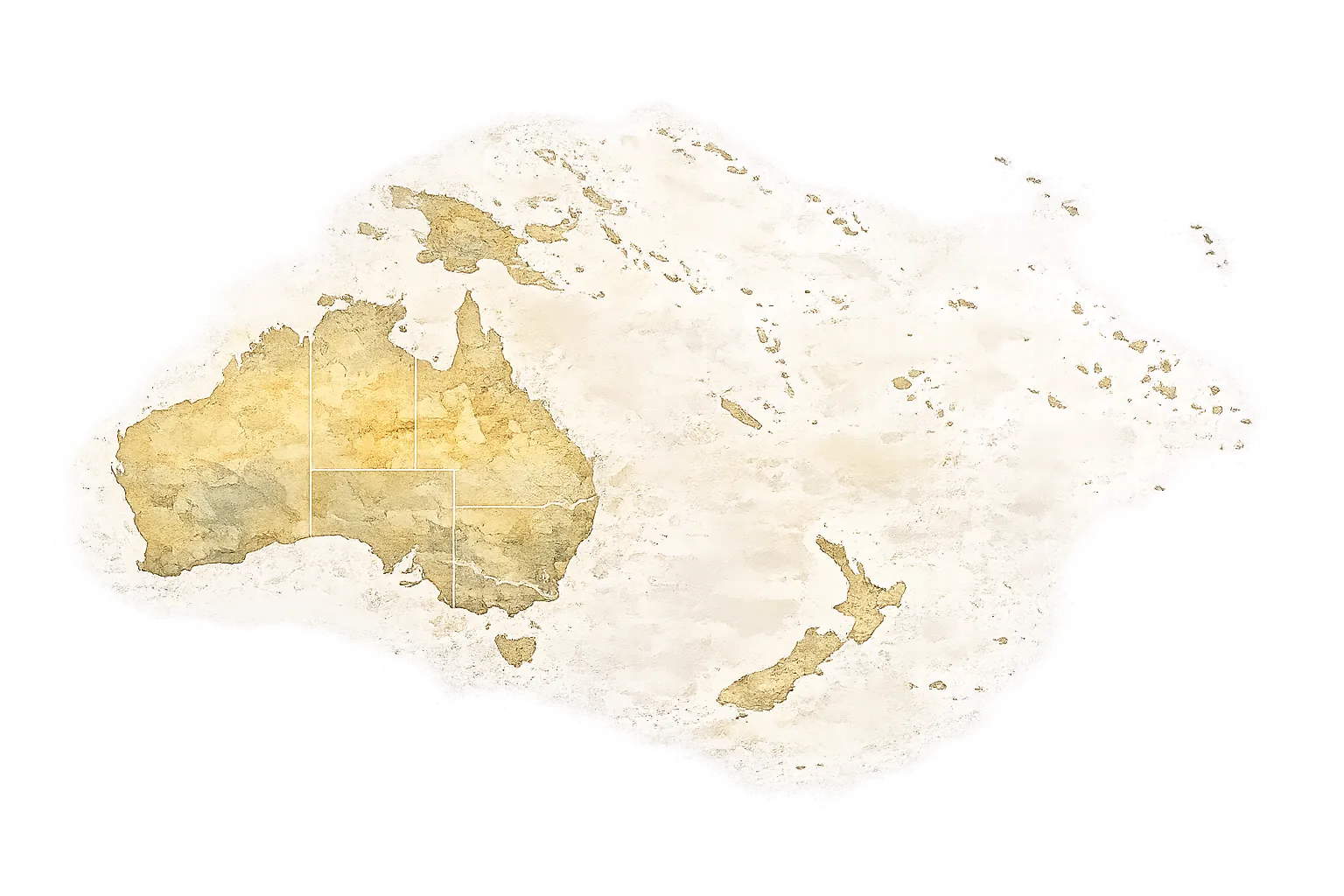
- Location: Micronesia
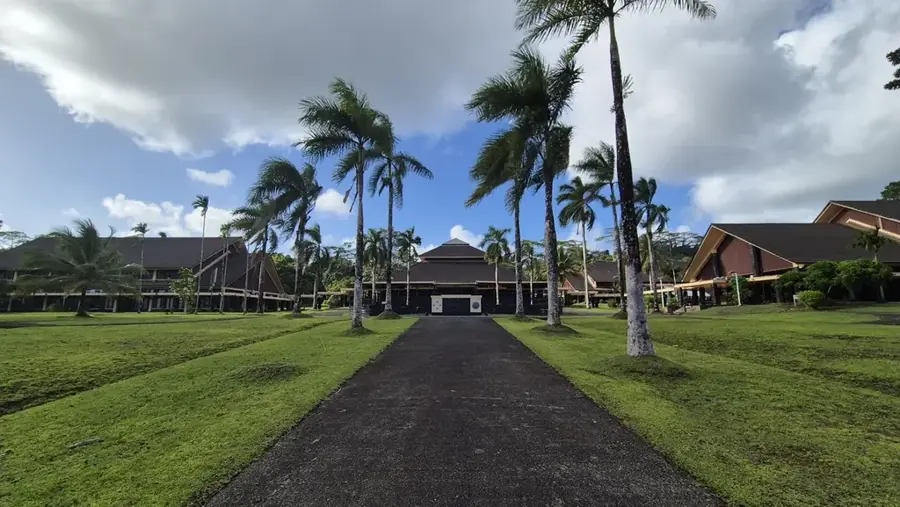
- Top sights: Yap Living History Museum · meeting house · St. Mary's
- Nearby: Bechiyal Cultural Village (9 km)
Best time to visit & climate
The most pleasant time to visit is Feb–Apr.
| Jan | Feb | Mar | Apr | May | Jun | Jul | Aug | Sep | Oct | Nov | Dec | |
|---|---|---|---|---|---|---|---|---|---|---|---|---|
| Avg °C | 28 | 28 | 28 | 28 | 28 | 28 | 28 | 28 | 28 | 28 | 29 | 29 |
| Rain mm | 148 | 123 | 137 | 139 | 200 | 245 | 328 | 344 | 302 | 257 | 211 | 197 |
📋 Practical info
Geography
Facts
- The stones are made of aragonite or calcite.
- Largest stones reach 4 meters in diameter.
- Banks are often located near village men's houses.
- Ownership changes without moving the stone.
- Used as primary currency until the early 20th century.
- There are over 6,000 registered stones on Yap.
Explore nearby
Notable places around


Route planner — Car & Motorhome
Where do you start? We build the route here, with stops and country notes along the way.
© OpenStreetMap contributors · OpenRouteService
Sights in the town Yap Stone Money Banks (4)
Sights nearby
Frequently asked questions
What are stone money banks?
Is this money still used?
How heavy are the stones?
Where do the stones come from?
Is it allowed to touch them?
Yap Stone Money Banks: where is it located?
Yap Stone Money Banks: what is there to see?
Yap Stone Money Banks: when is the best time to visit?
Yap Stone Money Banks: why is it worth visiting?
Nearby cities



History & landmarks


Nature

More places