Plizio Visual Lab
Bassar
ℹ️Practical info — Bassar
▾
🌤 Weather — 5 days
📍 Nearby
Sights nearby
💡 Tips
- Hire a local guide to show you the traditional iron smelting furnaces, particularly around the Bandjeli area.
- If visiting in September, don't miss the D'za (yam festival), a bustling cultural celebration.
- Bring small bills in CFA francs to buy souvenirs directly from the local blacksmiths.
- Keep hydrated, as the climate here is consistently hot and very humid.
- Motorcycle taxis (zemidjans) are the quickest and most common way to get around town.
🍽 Food
A filling staple popular at local chop bars in the town center.
A savory evening snack from street vendors operating grills after dark.
Traditional sorghum beer found in local taverns and served in authentic calabashes.
🛍 Shopping · 🧘 Quiet spots
Purchase unique traditional souvenirs directly from the local blacksmith workshops.
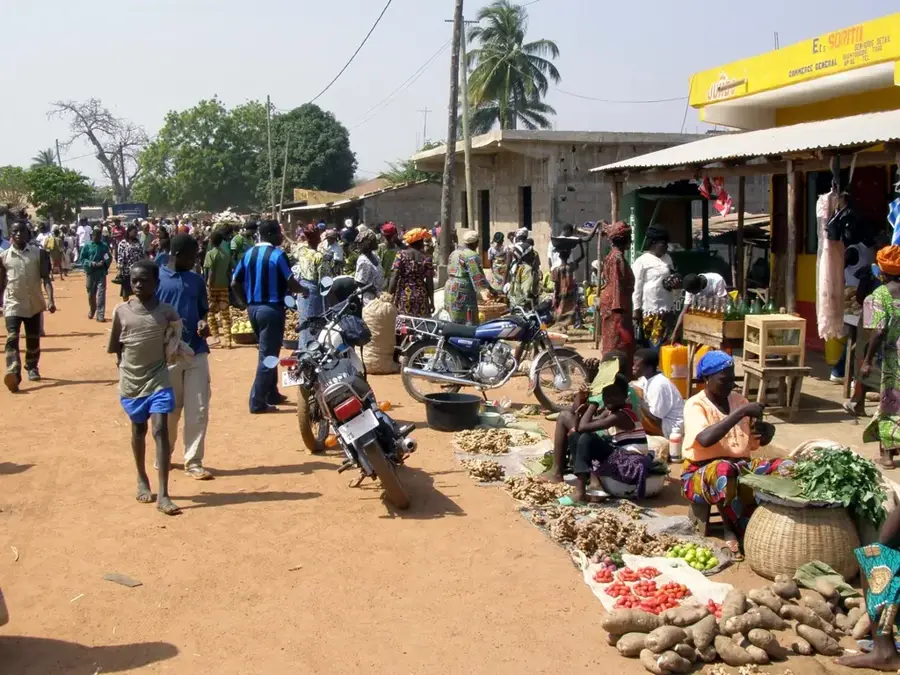
Experience the bustle and huge agricultural yields at the main Bassar market.
First-rate for scenic and relatively peaceful nature hiking.
Offer a quiet look into the region's fascinating ancient industrial past.
Water temperature…
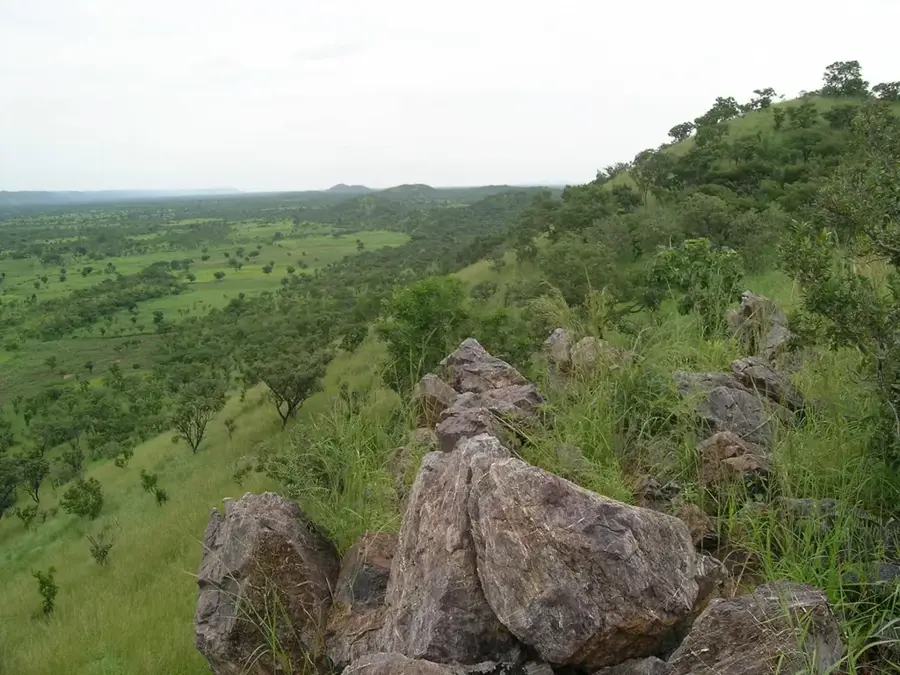
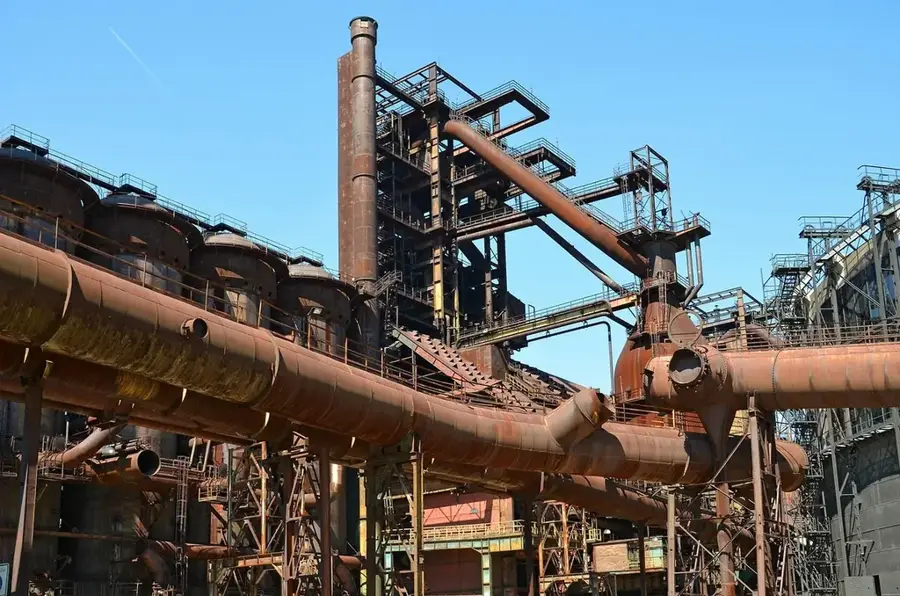
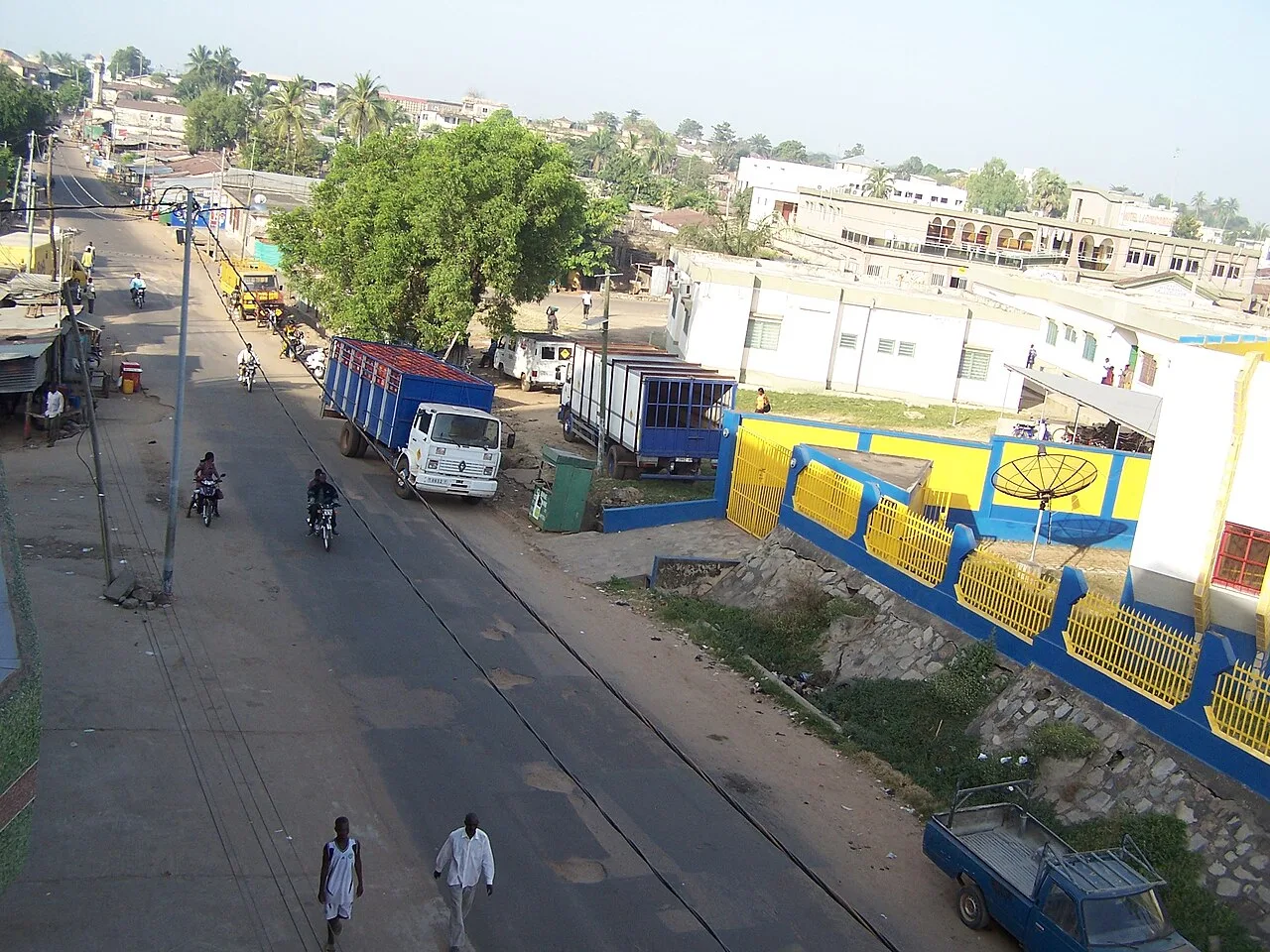
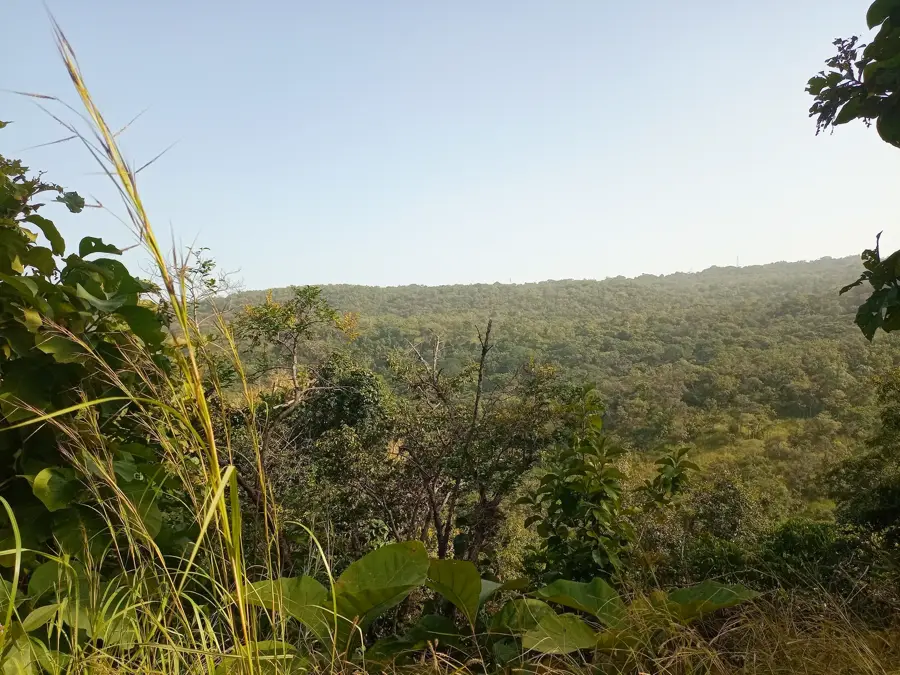
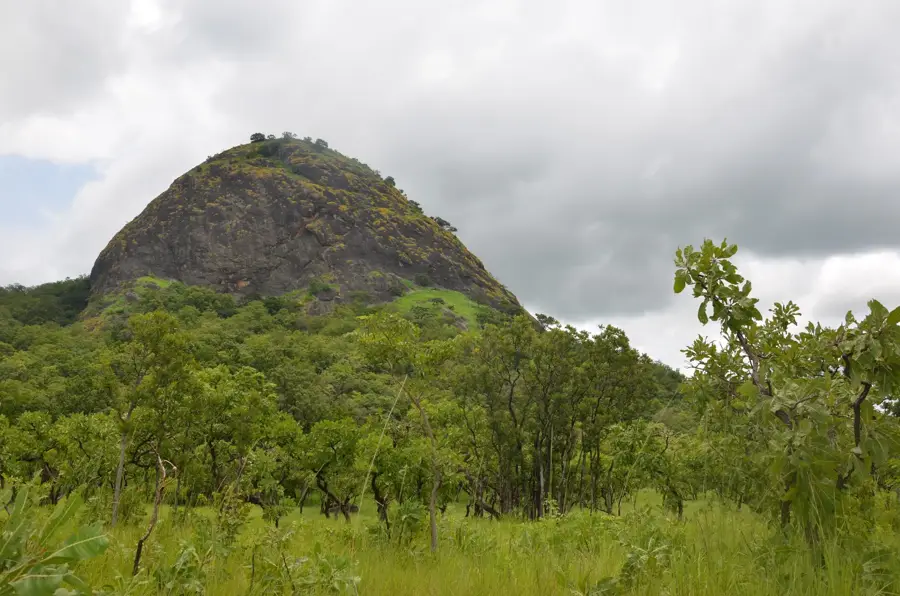
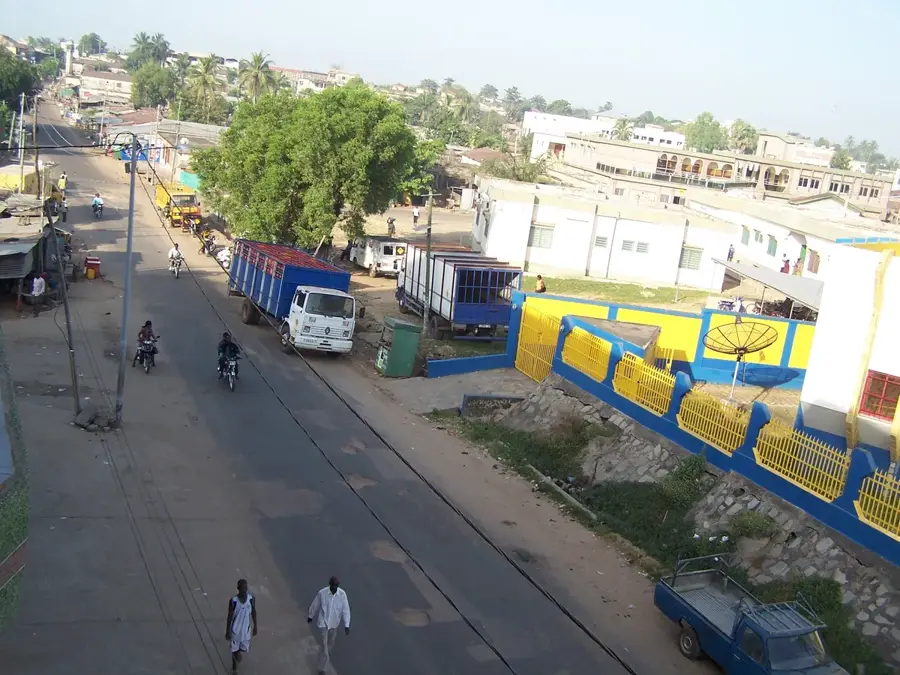
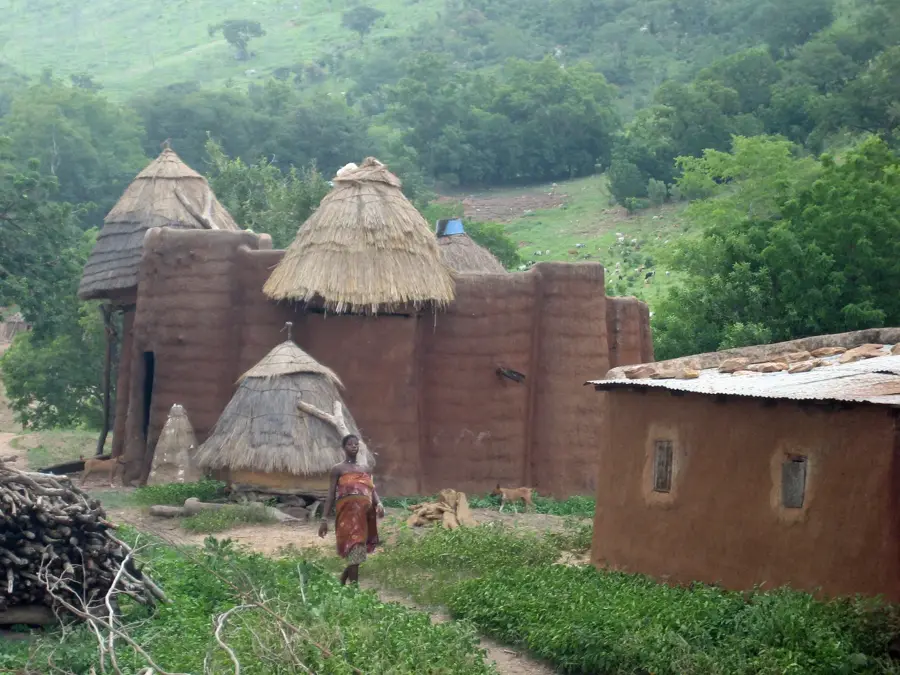
Bassar lies in the Kara Region, some 75 kilometres west of Kara city, set in a rolling hill country at about 400 metres above sea level. The Bassar area is famed for its centuries-old iron smelting tradition: as early as the 14th century, blacksmiths of the Bassar people produced iron in cylindrical clay-built furnaces from locally mined ore, trading the metal across West Africa. Archaeological research shows that Bassar was one of the largest pre-industrial iron-producing centres in Africa. Today, in surrounding villages such as Bandjéli or Bitchabe, the ancient furnaces are still operated for demonstrations, supporting a small but growing heritage tourism. Bassar is also Togo's most important yam-growing district, and its 'Diponi' yam festival in September is one of the highlights of the year. Economically, rice and groundnut cultivation, along with cross-border trade with Ghana, also play a significant role.
- Location: Togo
- Top sights: Bassar Prefecture · Bekouleb · Binanoualiba
- Nearby: Fazao-Malfakassa National Park (37 km)
- Population: ~61.845 (2014)
Best time to visit & climate
The most pleasant time to visit is Jan, Nov, Dec.
| Jan | Feb | Mar | Apr | May | Jun | Jul | Aug | Sep | Oct | Nov | Dec | |
|---|---|---|---|---|---|---|---|---|---|---|---|---|
| Avg °C | 25 | 28 | 29 | 28 | 27 | 26 | 25 | 24 | 25 | 25 | 26 | 25 |
| Rain mm | 4 | 11 | 38 | 89 | 125 | 147 | 197 | 208 | 207 | 118 | 11 | 2 |
Geography
Facts
- Bassar is an ancient center of iron smelting in West Africa.
- The historical blast furnaces of Bandjeli are located nearby.
- The town is the primary hub for yam production in Togo.
- Bassar is situated at the foot of the Bassar Mountains.
- The traditional fire dance is a major cultural heritage of the region.
- The town is approximately 400 kilometers away from Lomé.
Explore nearby
Notable places around


Route planner — Car & Motorhome
Where do you start? We build the route here, with stops and country notes along the way.
© OpenStreetMap contributors · OpenRouteService
Sights in the town Bassar (3)
Frequently asked questions
What is Bassar known for?
Can you visit the old smelting sites?
Is Bassar safe to visit?
How do you get to Bassar?
Are there accommodation options?
Bassar: where is it located?
Bassar: what is there to see?
Bassar: when is the best time to visit?
Bassar: why is it worth visiting?

Nearby cities

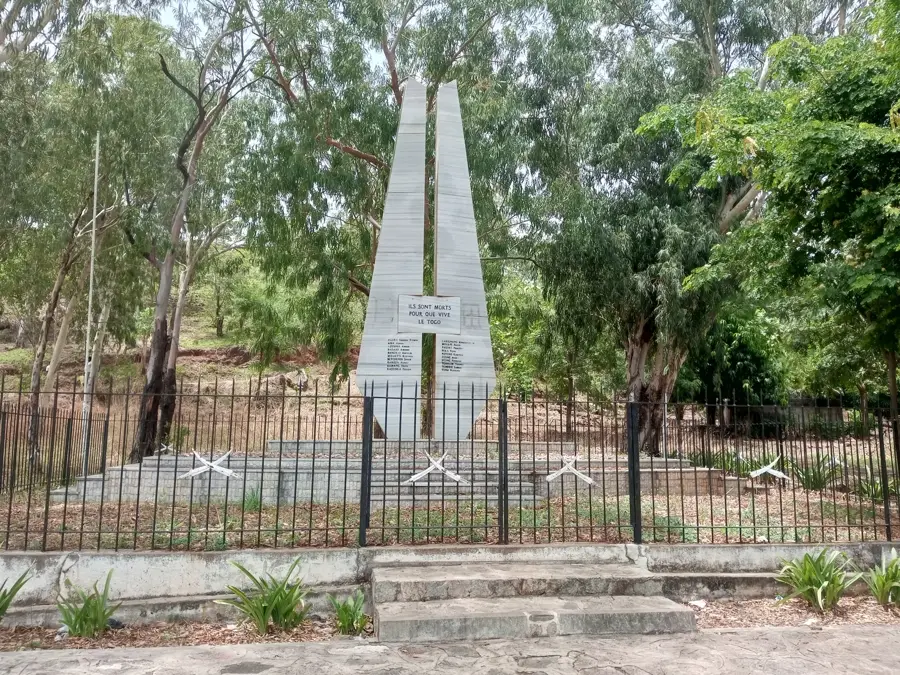
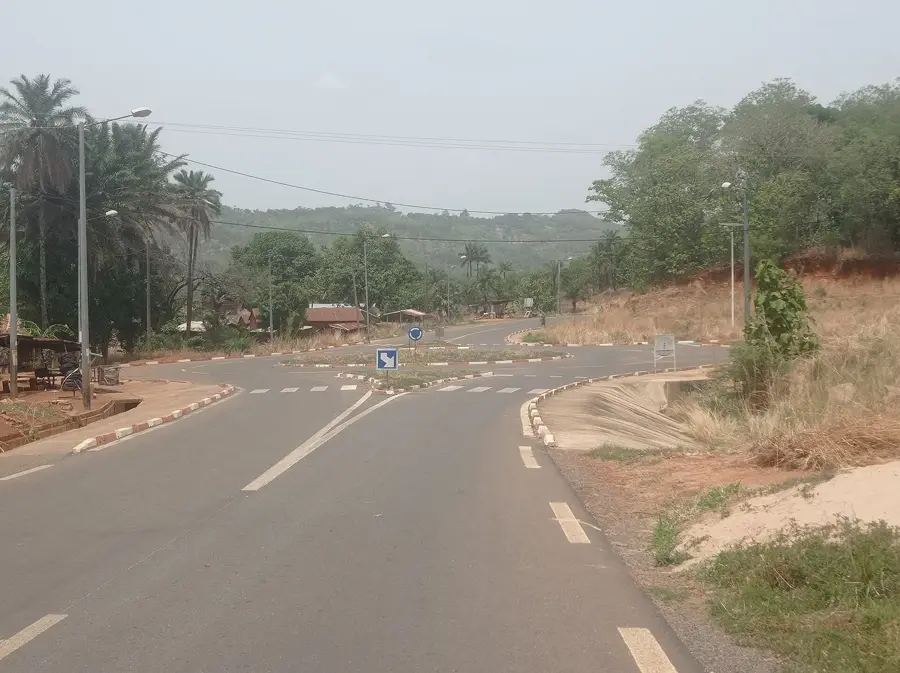

History & landmarks
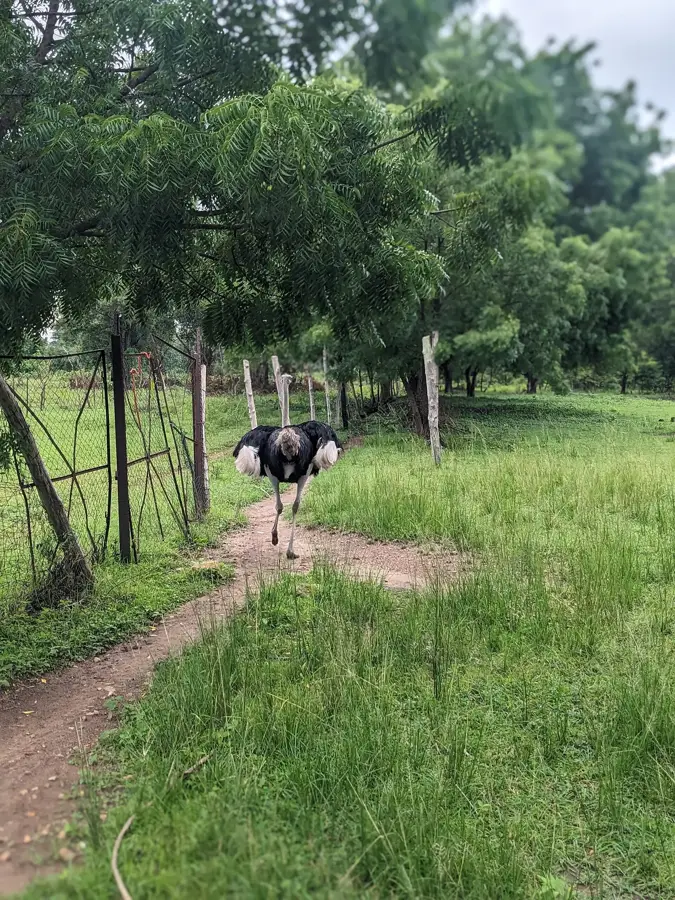
Nature

More places