Plizio Visual Lab
Sabi Lamba
ℹ️Practical info — Sabi Lamba
▾
🌤 Weather — 5 days
📍 Nearby
Sights nearby
💡 Tips
- Always negotiate fares for shared taxis or zémidjans (moto-taxis) before starting your journey.
- ATMs are very rare; bring enough CFA francs from a larger regional city like Kara.
- Learn a few basic greetings in French or Kabiye, as English is barely spoken here.
- Plan a visit during the harvest season when local markets and traditional festivals are most animated.
- Ask permission from village elders before venturing into certain rural areas or attending agricultural ceremonies.
🍽 Food
A hearty staple food best tried at the modest roadside eateries near the central market.
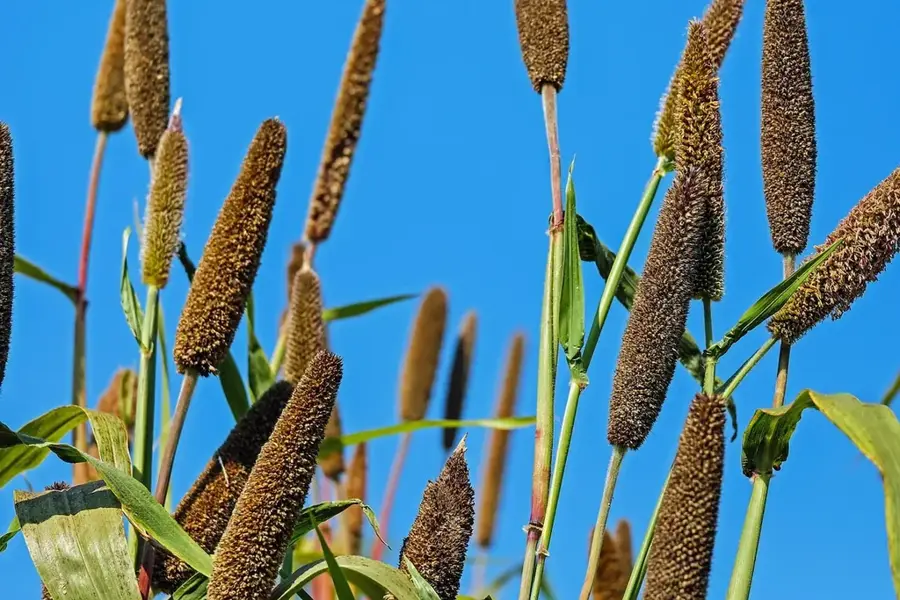
Traditional millet beer served in calabashes during the afternoon in local courtyards.
The first-rate on-the-go snack, roasted at street stalls during the late afternoon.
🛍 Shopping · 🧘 Quiet spots
Handmade clay items that can be purchased directly from the rural craft workshops run by local women.
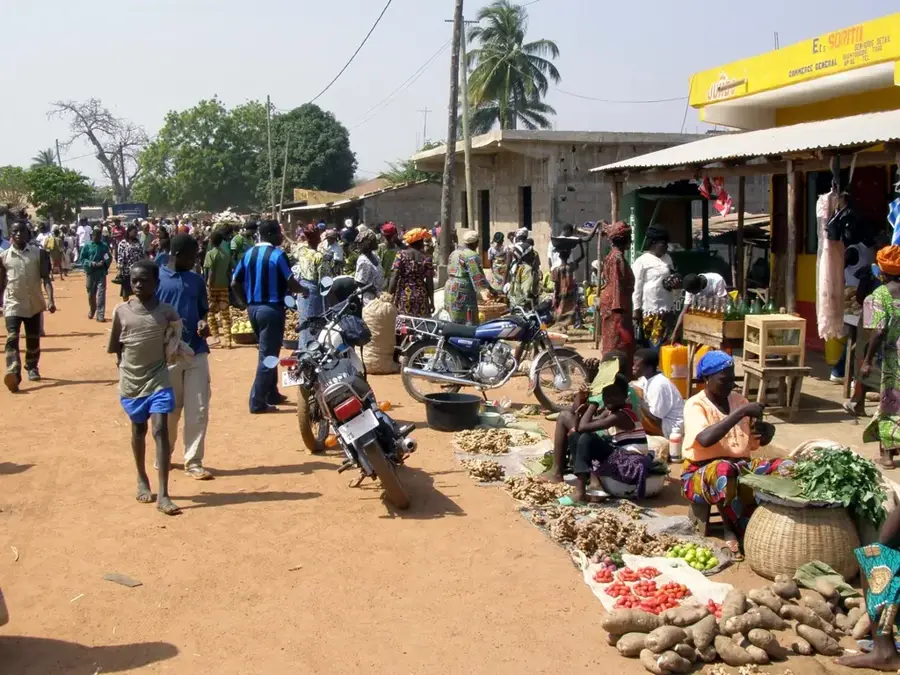
Buy fresh yams and local spices directly from the farmers at the weekly agricultural market.
Walk along the agricultural paths in the early morning to peacefully observe traditional farming life.
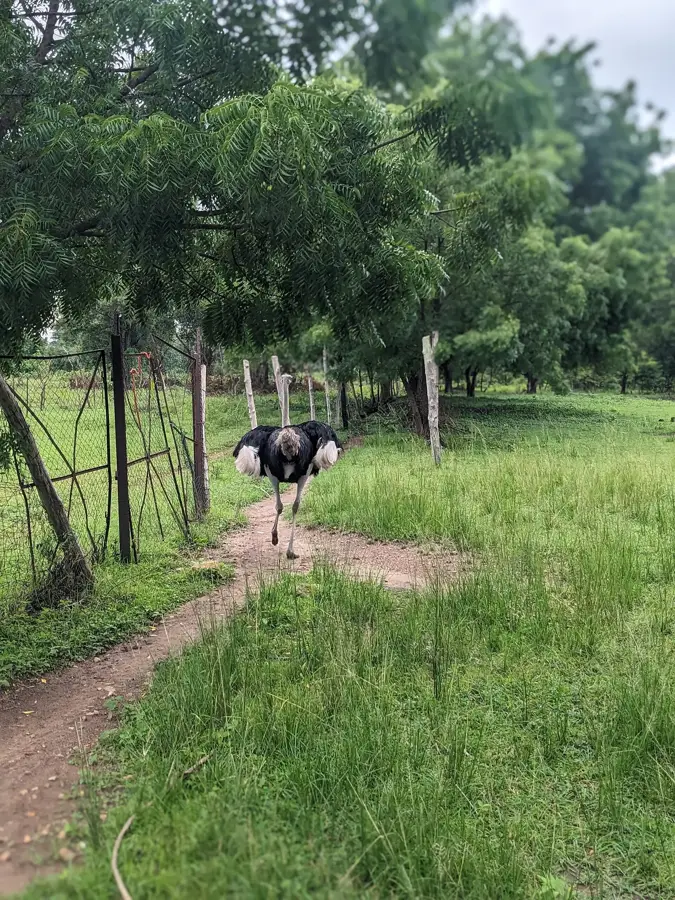
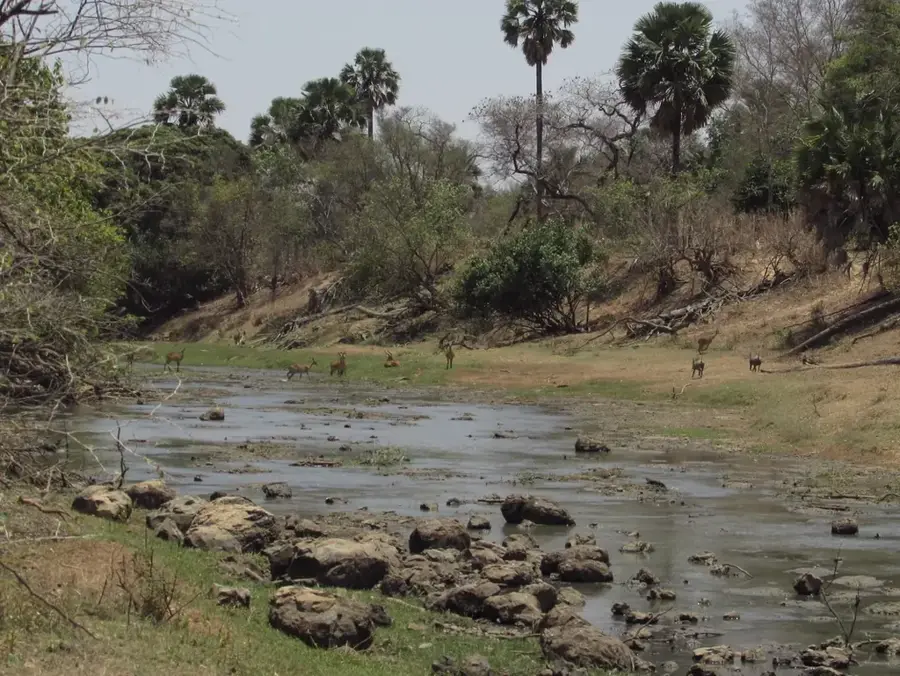
The quiet edges of the town are excellent for peaceful walks and bird watching.
Water temperature…
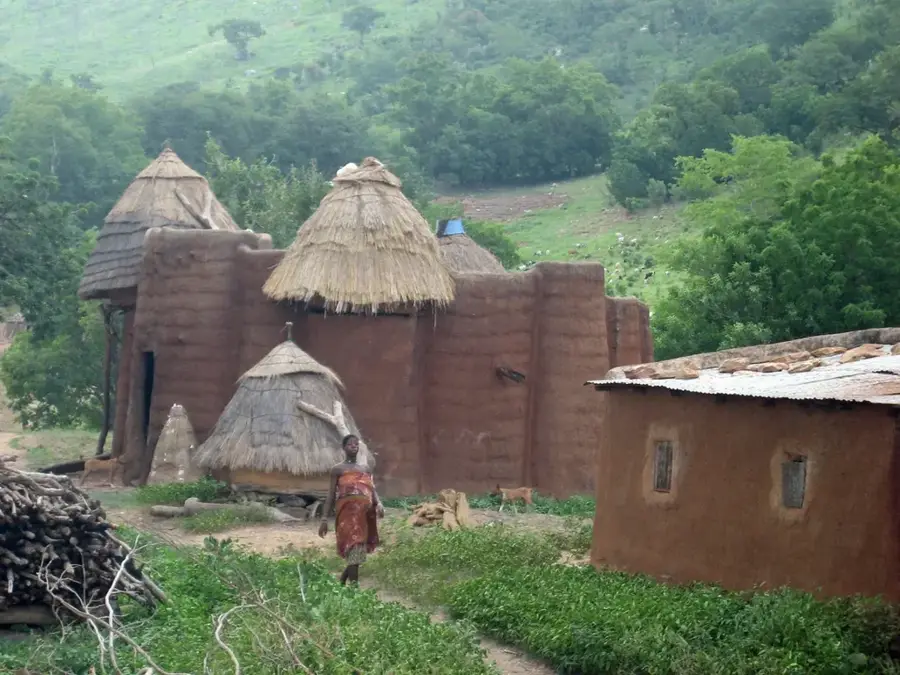
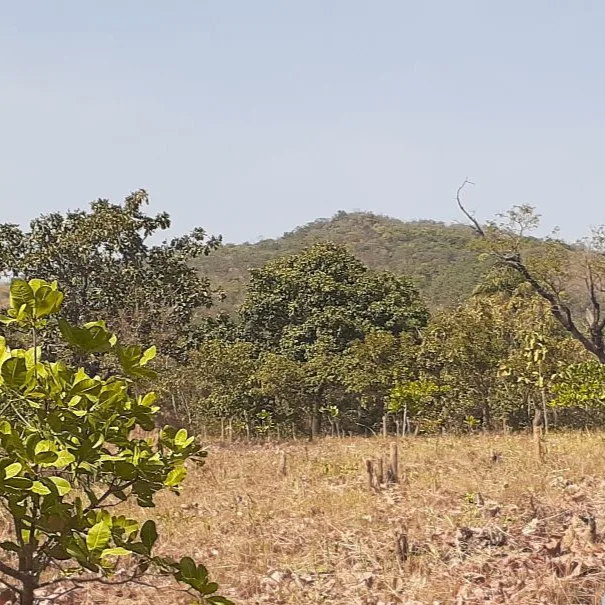
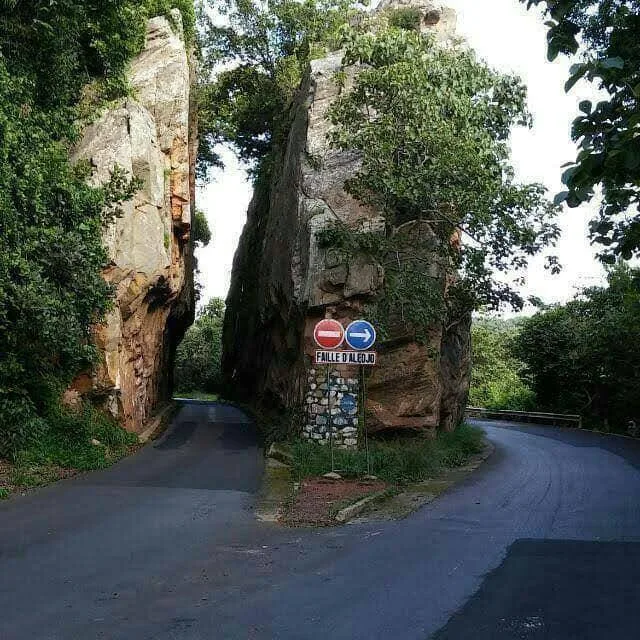
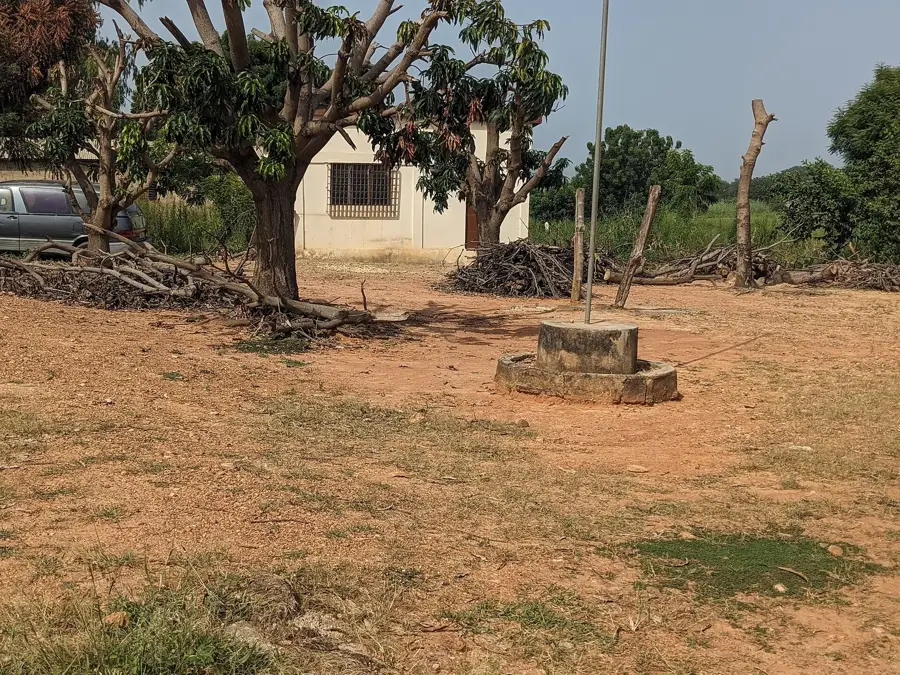
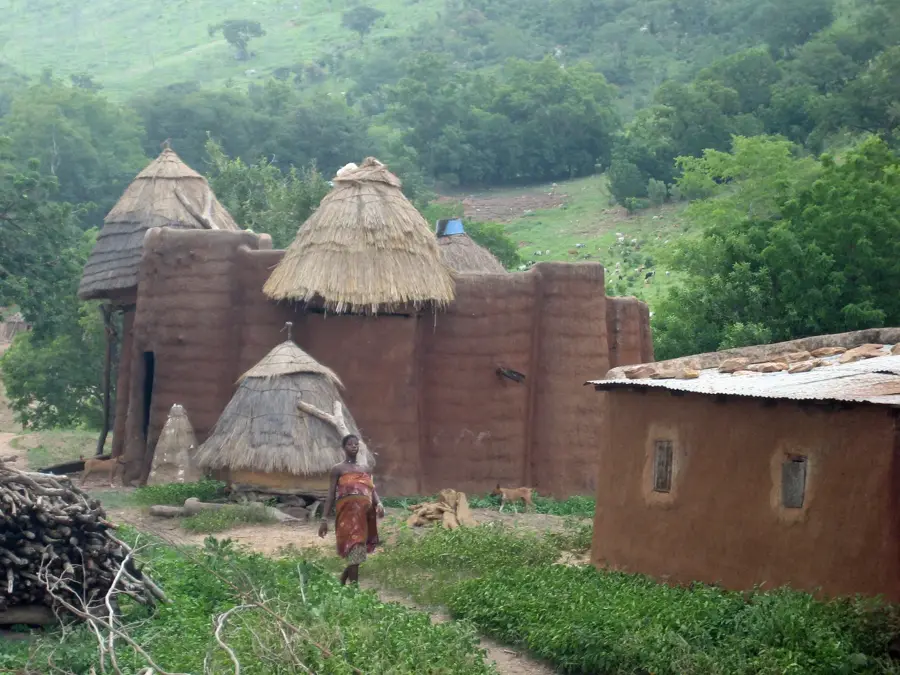
Sabi Lamba is a small rural settlement in Doufelgou Prefecture in the northern part of the Kara Region. It nestles in the characteristic hilly landscape of the Kabyè-Lamba country and preserves an authentic atmosphere little touched by modern life. The population is predominantly Lamba, a sub-group of the Kabyè, whose language and traditions have been passed down through generations. Economically Sabi Lamba is shaped by subsistence farming in the traditional sense: families cultivate small, terraced fields with millet, sorghum, yams, groundnuts and beans. Women organise themselves into small workshops to process groundnuts into oil and paste and to produce local pottery. Religiously, nature cults and ancestor veneration still play a major role, complemented by Christian and some Muslim influences. The region is celebrated for its medicinal plants, which traditional healers use to treat a wide range of ailments.
- Location: Togo
- Nearby: Sirka (9 km)
Best time to visit & climate
The most pleasant time to visit is Jan, Nov, Dec.
| Jan | Feb | Mar | Apr | May | Jun | Jul | Aug | Sep | Oct | Nov | Dec | |
|---|---|---|---|---|---|---|---|---|---|---|---|---|
| Avg °C | 25 | 28 | 29 | 28 | 27 | 26 | 25 | 24 | 25 | 25 | 26 | 25 |
| Rain mm | 4 | 11 | 38 | 89 | 125 | 147 | 197 | 208 | 207 | 118 | 11 | 2 |
Geography
Facts
- Transition point between the Kara and Savanes regions.
- Important location for local grain trade.
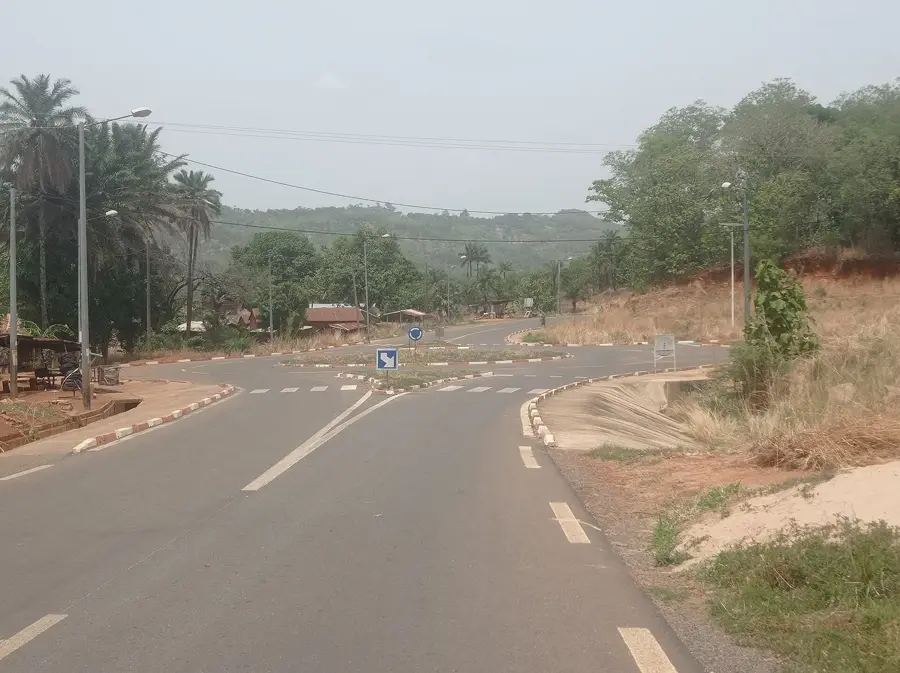
- Located on the strategic N1 highway.
- Characterized by small-scale farming.
- Popular rest stop for travelers heading north.
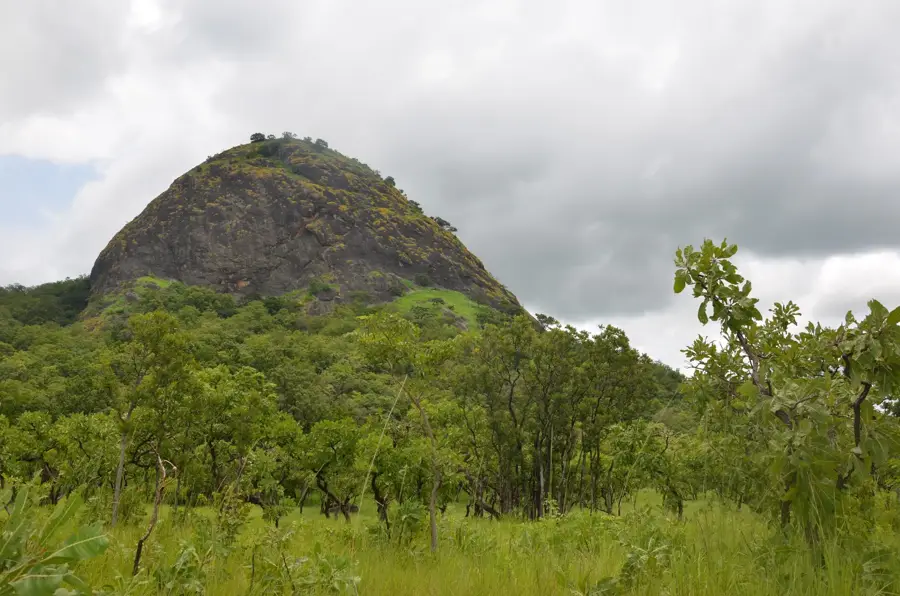
- Landscape offers wide views of the savannah.
Explore nearby
Notable places around


Route planner — Car & Motorhome
Where do you start? We build the route here, with stops and country notes along the way.
© OpenStreetMap contributors · OpenRouteService
Frequently asked questions
How traditional is Sabi Lamba?
Can I experience cultural festivals here?
How do I get there?
Are there restaurants?
Do I need cash?
Sabi Lamba: where is it located?
Sabi Lamba: when is the best time to visit?
Sabi Lamba: why is it worth visiting?

Nearby cities

History & landmarks
Nature
More places