Plizio Visual Lab
Kara

ℹ️Practical info — Kara
▾
🌤 Weather — 5 days
📍 Nearby
Sights nearby
💡 Tips
- Moto-taxis (zemidjans) are the easiest way to get around; agree on the fare before hopping on.
- The annual Evala wrestling festival in July brings huge crowds; book accommodation well in advance if visiting then.
- The climate is hotter and drier than on the coast; schedule excursions for early morning or late afternoon.
- The city center around the market gets very dusty during the Harmattan season (December to February); bring a scarf or face mask.
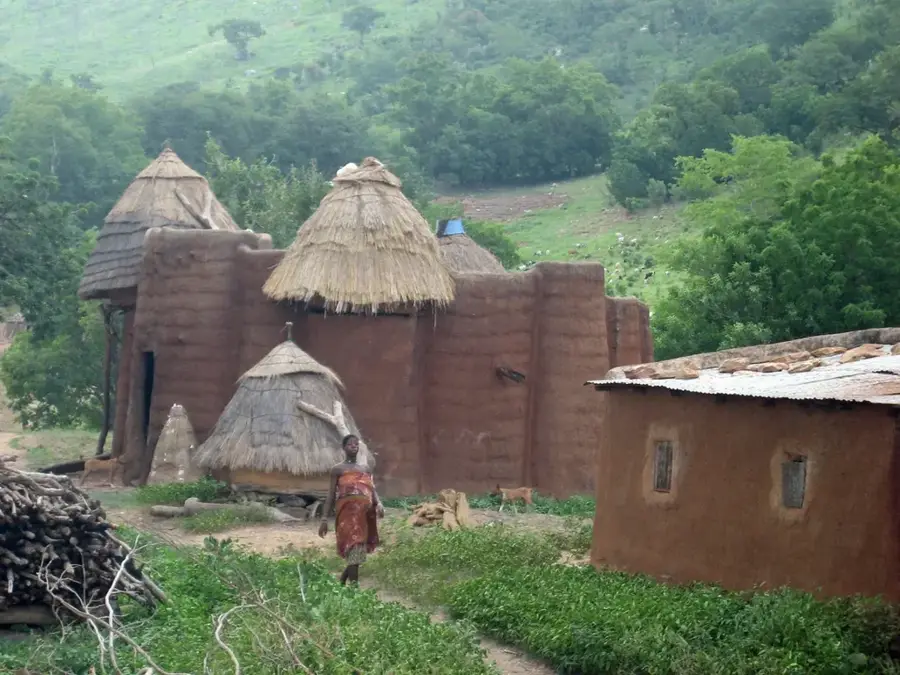
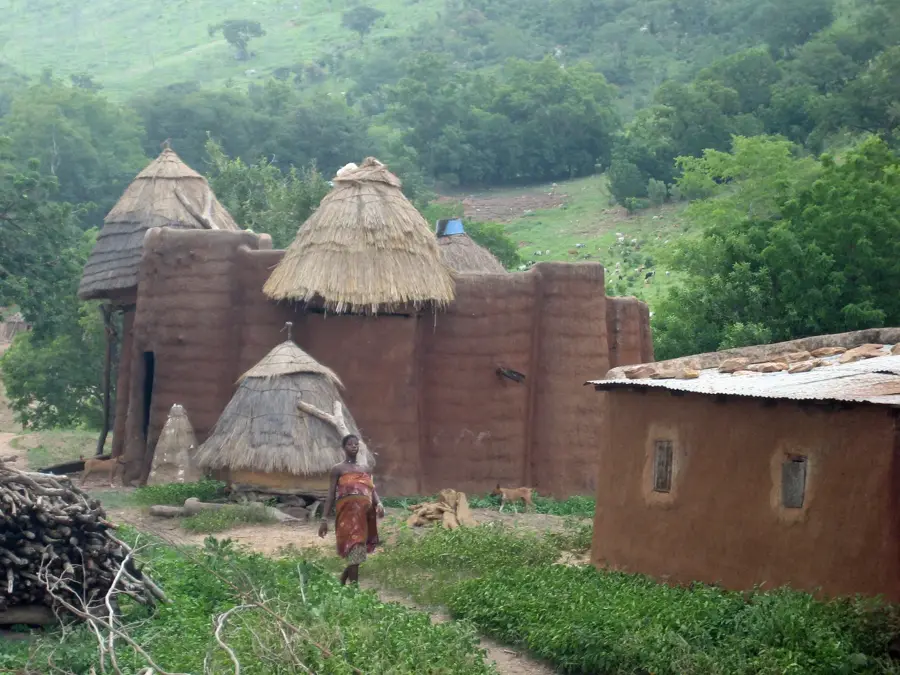
- A visit to the nearby Koutammakou landscape (Batammaliba mud tower houses) is best organized with a local guide from Kara.
🍽 Food
Pounded yam served with a spicy meat or fish soup. Popular in busy local restaurants in the center.
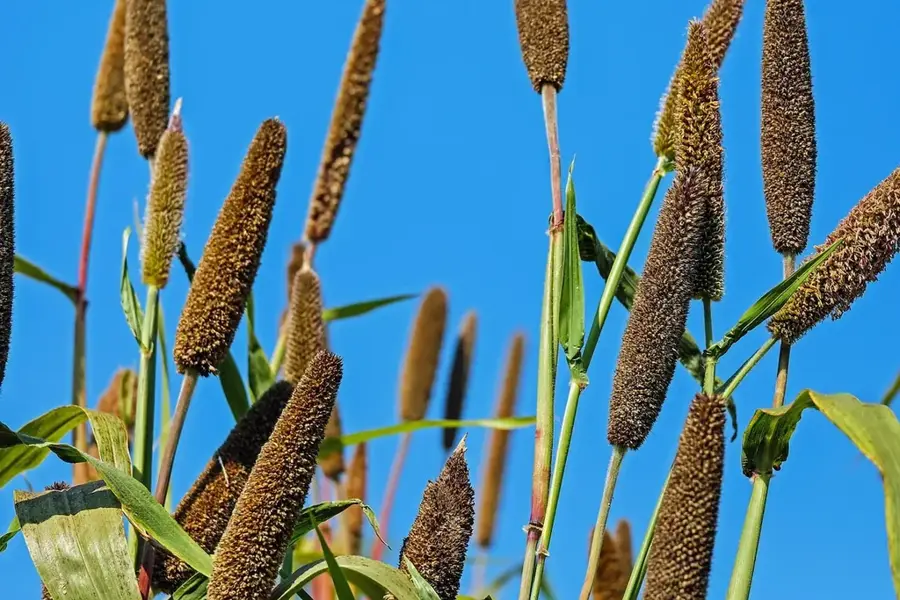
The traditional millet beer. Served in calabashes in informal local bars (maquis).
Often heavily seasoned and roasted over open fires; look for roadside smoke and stalls in the evening.
🛍 Shopping · 🧘 Quiet spots
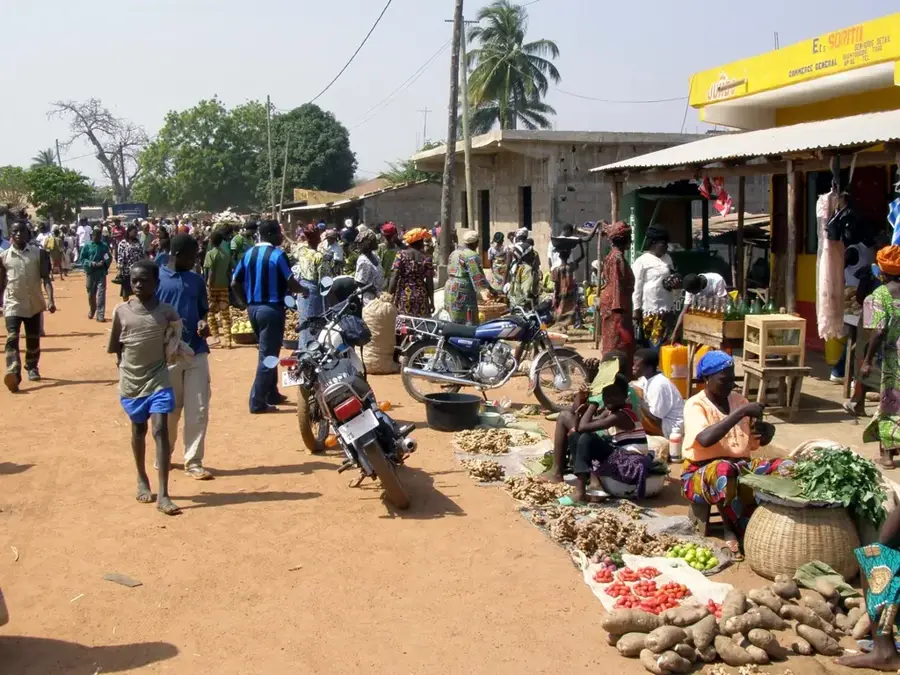
A bustling hub for colorful fabrics (pagne), spices, and local crafts. Be prepared to bargain gently.
You can find miniature clay houses, bows, and leather goods sold by artisans in the city.
The river gives a calmer atmosphere; find a shaded spot in the late afternoon to watch local life.
The grounds around the main Catholic church provide a peaceful break from the bustling streets.
Water temperature…
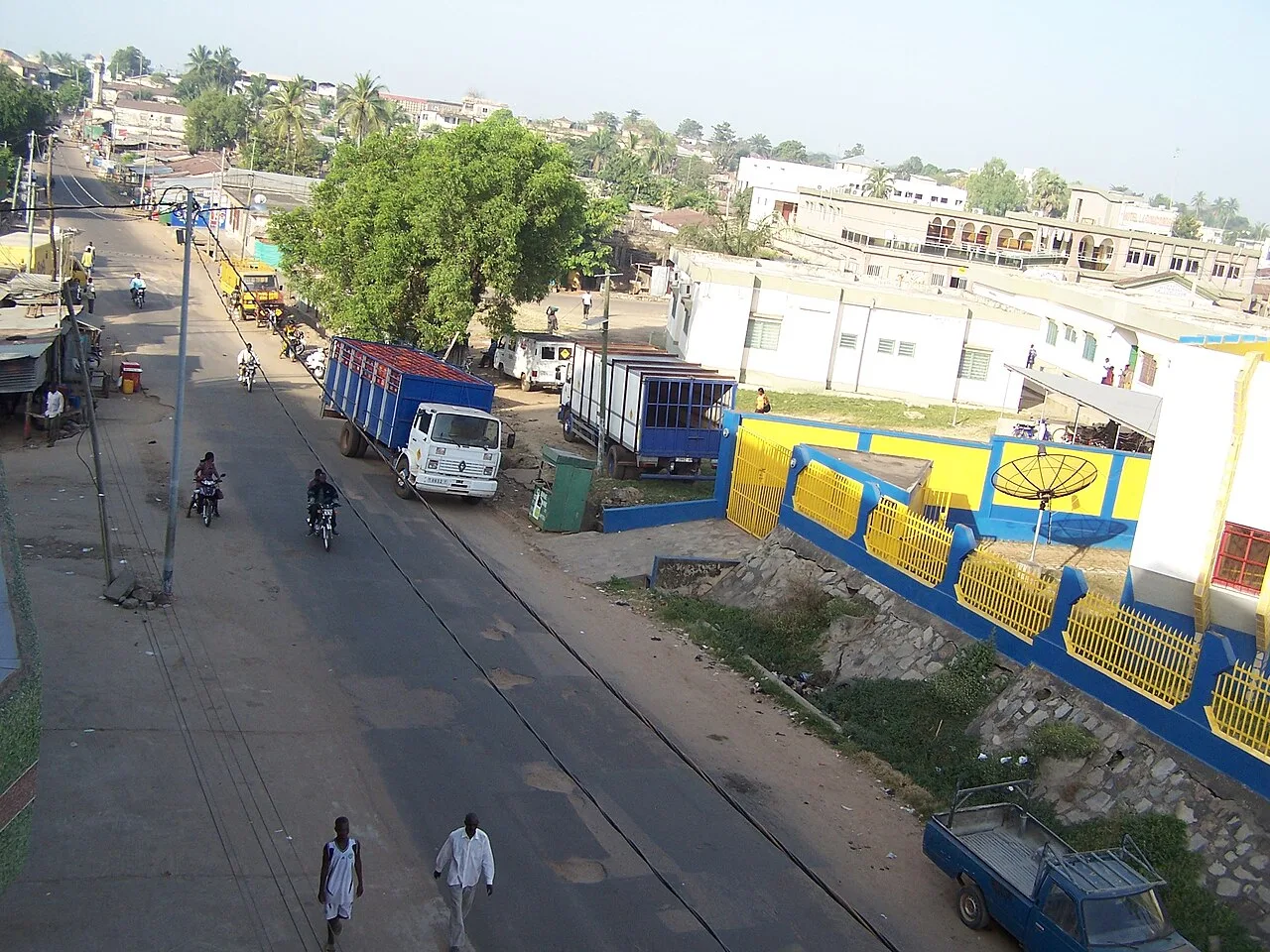
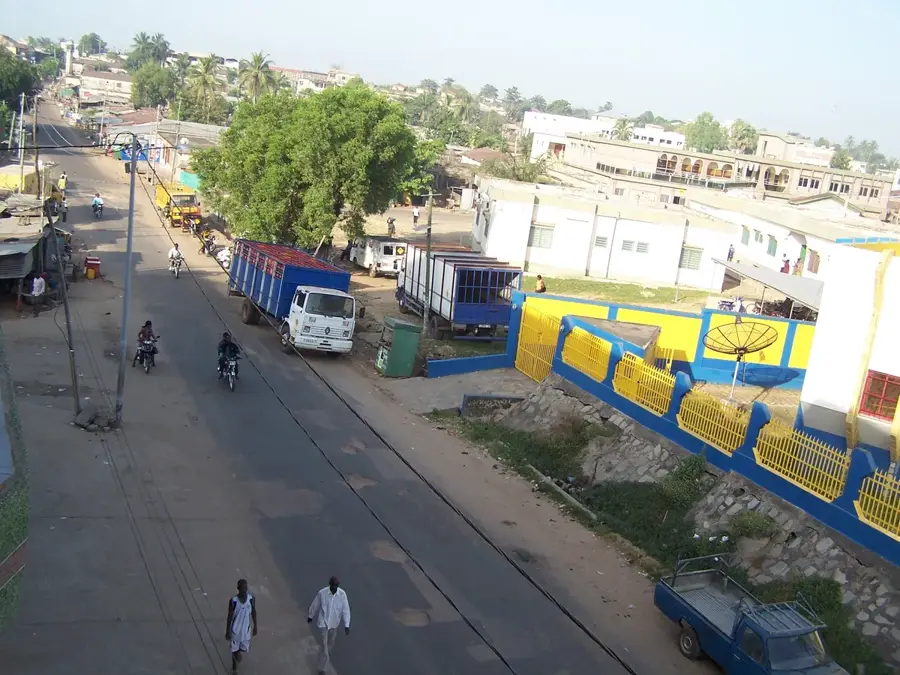
Kara, the administrative capital of the Kara Region and Togo's third-largest city, is a major economic and political hub located about 410 kilometers north of Lomé. Situated along the Kara River, the city serves as the heartland of the Kabye ethnic group, who are renowned for their expertise in terraced agriculture across the rocky hillsides of the Atakora range. Kara saw significant urban development during the presidency of Gnassingbé Eyadéma, who was born in the nearby village of Pya; this legacy is visible in the city's modern infrastructure, wide boulevards, and expansive government buildings. Today, Kara is a thriving university town, home to the University of Kara, which infuses the city with a spirited, youthful energy. The regional economy is supported by manufacturing, including a brewery and textile plants, as well as a large regional market. Culturally, Kara is internationally known for the annual Evala wrestling championships, an intensive initiation rite for young Kabye men that has become a cornerstone of Togolese national identity. The city also serves as the primary gateway for tourists visiting Koutammakou, the Land of the Batammariba, a UNESCO World Heritage site famous for its unique mud-tower houses known as 'takienta.' With its strategic location on the main north-south trade route, Kara is a vital transit point for commerce reaching into Benin and Burkina Faso. The city is served by the Niamtougou International Airport, located just to the north, which supports regional logistics. Kara's climate is tropical, with a significant rainy season that sustains the surrounding agricultural landscape. Blending traditional indigenous culture with the trappings of a modern administrative center, Kara remains a pivotal city in Togo's efforts toward balanced regional development and national integration.
- Location: Togo
- Top sights: Paroisse Saint Pierre et Paul de Kara · sculterie · Place de la Victoire
- Nearby: Pya (10 km)
- Population: ~104.207 (2026)
Best time to visit & climate
The most pleasant time to visit is Jan, Nov, Dec.
| Jan | Feb | Mar | Apr | May | Jun | Jul | Aug | Sep | Oct | Nov | Dec | |
|---|---|---|---|---|---|---|---|---|---|---|---|---|
| Avg °C | 25 | 28 | 29 | 28 | 27 | 26 | 25 | 24 | 25 | 25 | 26 | 25 |
| Rain mm | 4 | 11 | 38 | 89 | 125 | 147 | 197 | 208 | 207 | 118 | 11 | 2 |
Geography
Facts
- Kara is the capital of the Kara Region and seat of the Kozah Prefecture.
- The city population is approximately 110,000 as of 2022 estimates.
- The Evala festivals draw national television coverage every July.
- The University of Kara was the second university established in Togo.
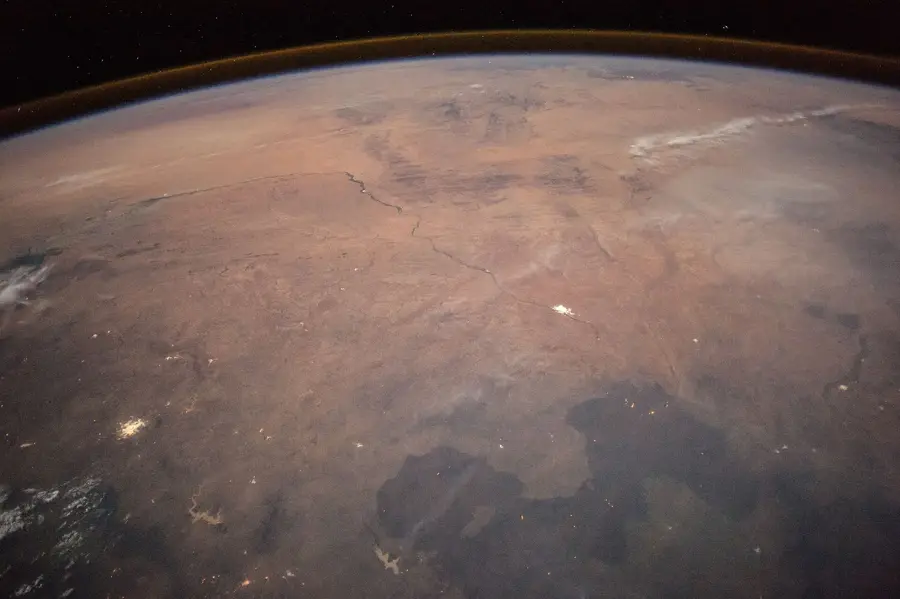
- It is located 413 km (257 miles) north of the capital city, Lomé.
- The city's brewery is one of the largest industrial employers in the north.
- Kara serves as a major logistical hub for the ECOWAS trade corridor.
- The surrounding Atakora mountains provide a rugged, scenic backdrop.
Explore nearby
Notable places around


Route planner — Car & Motorhome
Where do you start? We build the route here, with stops and country notes along the way.
© OpenStreetMap contributors · OpenRouteService
Sights in the town Kara (5)
Paroisse Sainte Famille de Dongoyo
Catholic church in Dongoyo, dedicated to the Holy Family.
Frequently asked questions
What are the main sights in Kara?
How many days of stay are recommended?
Is Kara a good starting point for excursions?
Are there family-friendly accommodations?
What is the climate like in Kara?
Kara: where is it located?
Kara: what is there to see?
Kara: when is the best time to visit?
Kara: why is it worth visiting?

Nearby cities

History & landmarks
Nature
More places