Plizio Visual Lab
Pagouda

ℹ️Practical info — Pagouda
▾
🌤 Weather — 5 days
📍 Nearby
Sights nearby
💡 Tips
- Terraced Fields: Explore the unique Kabyè terraced agriculture in the surrounding hillsides.
- Traditional Blacksmiths: The region is famous for its ironworking heritage; look for small workshops on the outskirts.
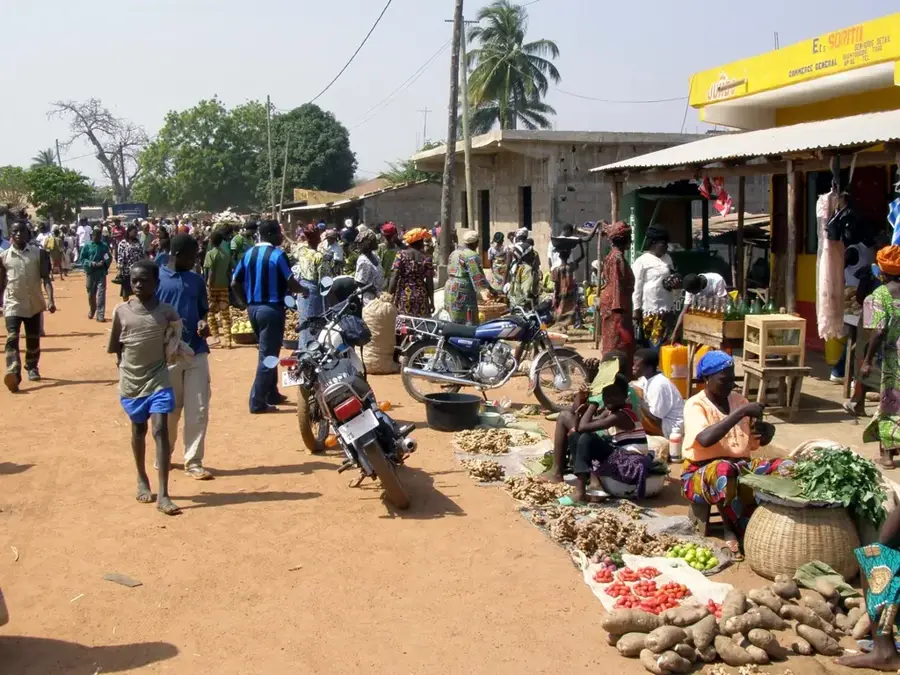
- Authentic Market: Pagouda's market is very authentic and a great place to observe traditional Kabyè life.
- Evala Season: If visiting in July, you might catch the preparations for the traditional Evala wrestling festivals.
- Scenery: The hilly terrain provides great vistas; sturdy footwear is recommended for exploring the rocky paths.
🍽 Food
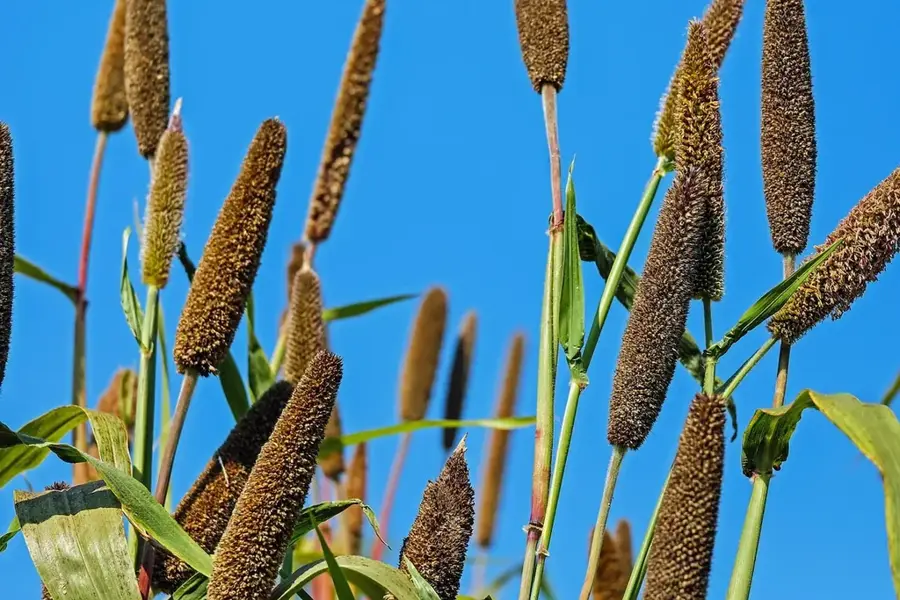
A locally brewed millet beer often served in calabashes; it is a central part of Kabyè social life.
Very popular in this region, typically served with a hearty goat meat stew or light sauce.
Freshly prepared and grilled over charcoal, usually seasoned with spicy local peppers.
🛍 Shopping · 🧘 Quiet spots
Purchase small, hand-forged knives or decorative tools as an authentic souvenir of the local craft.
Look for handcrafted clay pots often used for storing and serving traditional millet beer.
Follow the narrow paths into the hills for complete peace and a wide view over the Kabyè heartland.
Around the settlements, you will often find large, ancient shade trees first-rate for a quiet rest.
Water temperature…
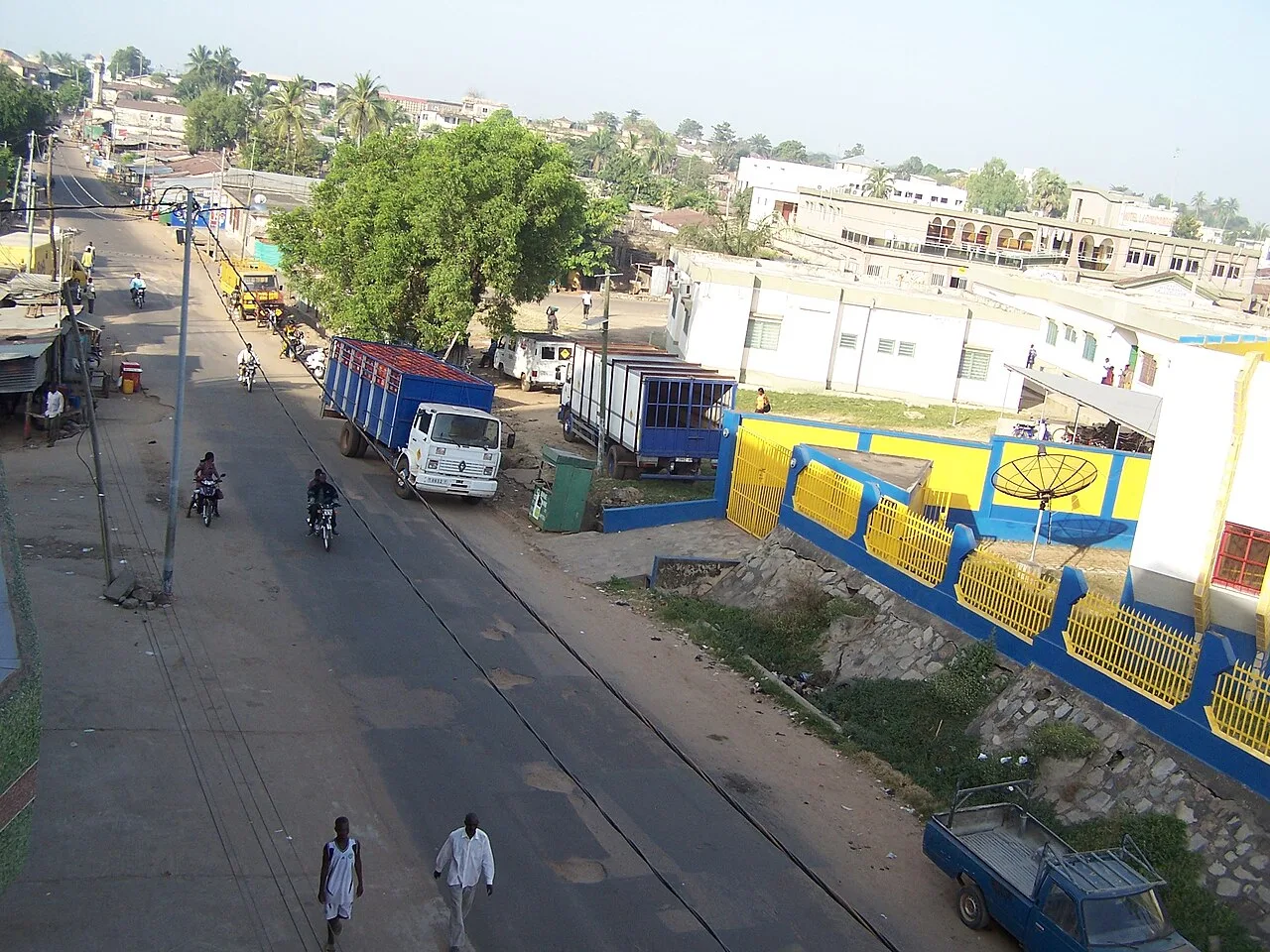
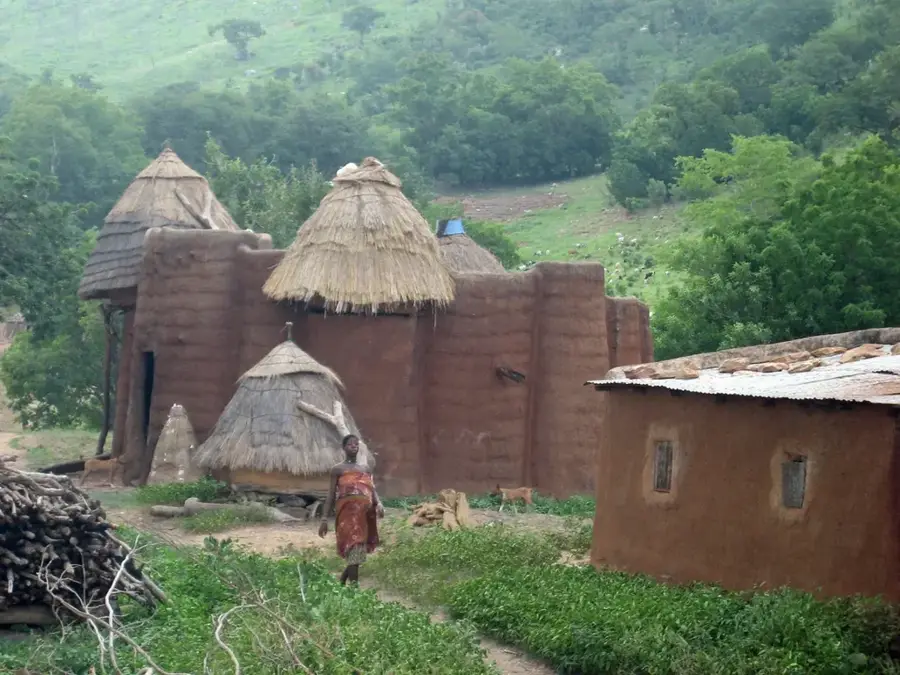
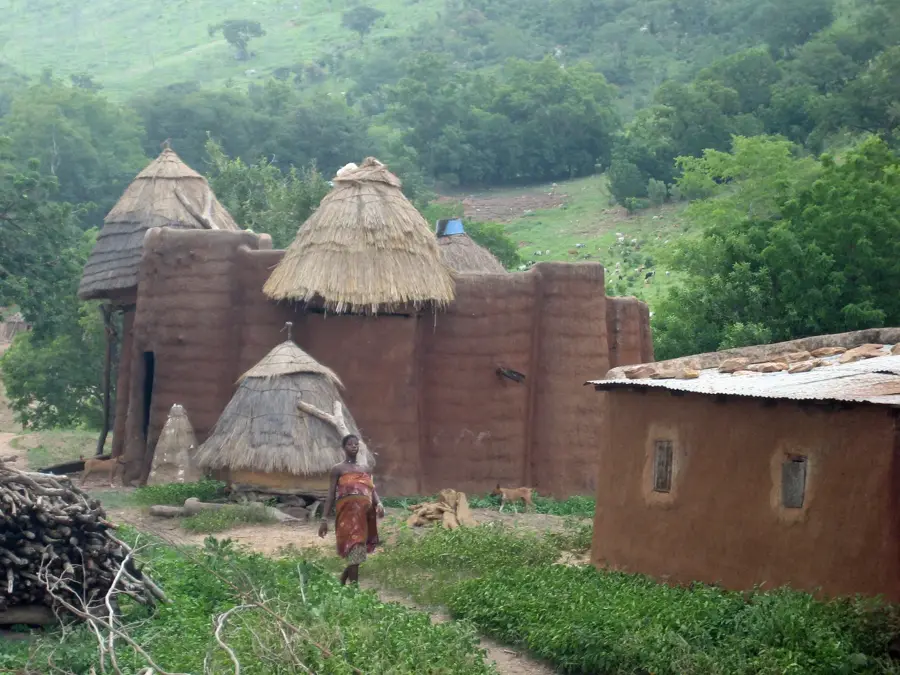
Pagouda lies about 25 kilometres north of Kara in Binah Prefecture and belongs to the Kara Region. The town nestles against the slopes of the Atakora Mountains and is a heartland of the Kabyè people, one of Togo's most important ethnic groups. The surrounding countryside is characterised by remarkable terraced fields built over centuries on steep mountain slopes to prevent erosion and to grow millet, sorghum and yams - a tradition still very much alive today. Pagouda is also known for its traditional iron-working: blacksmiths in surrounding villages still produce tools and ritual objects. The town plays an important role in the annual Kabyè initiation rituals, particularly the famous Evala wrestling competitions. Religiously, the region preserves a strong bond with nature cults and ancestor veneration, complemented by a growing Christian presence in the form of churches and mission schools.
- Location: Togo
- Nearby: Sanda-Kagbanda (11 km)
- Population: ~7.686 (2012)
Best time to visit & climate
The most pleasant time to visit is Jan, Nov, Dec.
| Jan | Feb | Mar | Apr | May | Jun | Jul | Aug | Sep | Oct | Nov | Dec | |
|---|---|---|---|---|---|---|---|---|---|---|---|---|
| Avg °C | 24 | 27 | 30 | 29 | 28 | 26 | 25 | 25 | 25 | 26 | 25 | 24 |
| Rain mm | 2 | 7 | 25 | 83 | 142 | 173 | 236 | 274 | 219 | 107 | 9 | 1 |
Geography
Facts
- Main town of the Binah Prefecture in the Kara Region.
- Famous for the Kabyé terraced farming.
- Center of intensive millet and sorghum production.
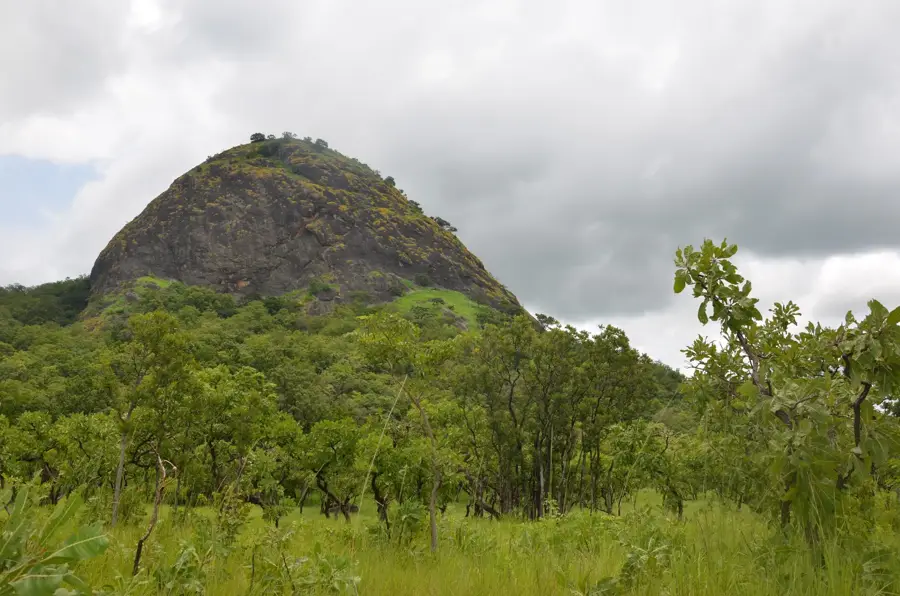
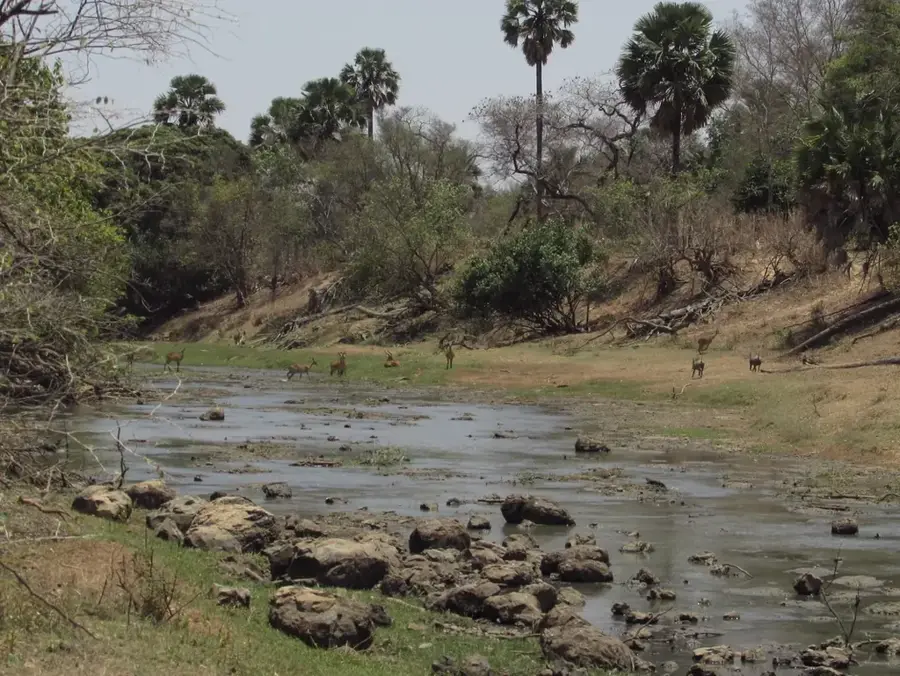
- Landscape characterized by striking, rocky hill ranges.
- Important site for traditional Kabyé rites.
- Known for artisanal blacksmithing.
Explore nearby
Notable places around


Route planner — Car & Motorhome
Where do you start? We build the route here, with stops and country notes along the way.
© OpenStreetMap contributors · OpenRouteService
Frequently asked questions
How long?
When?
Transport?
Food?
Children?
Pagouda: where is it located?
Pagouda: when is the best time to visit?
Pagouda: why is it worth visiting?

Nearby cities

History & landmarks
Nature

More places