Plizio Visual Lab
Slovak Karst National Park
Plizio editorial teamData Sources
park
Weather…
Water temperature…
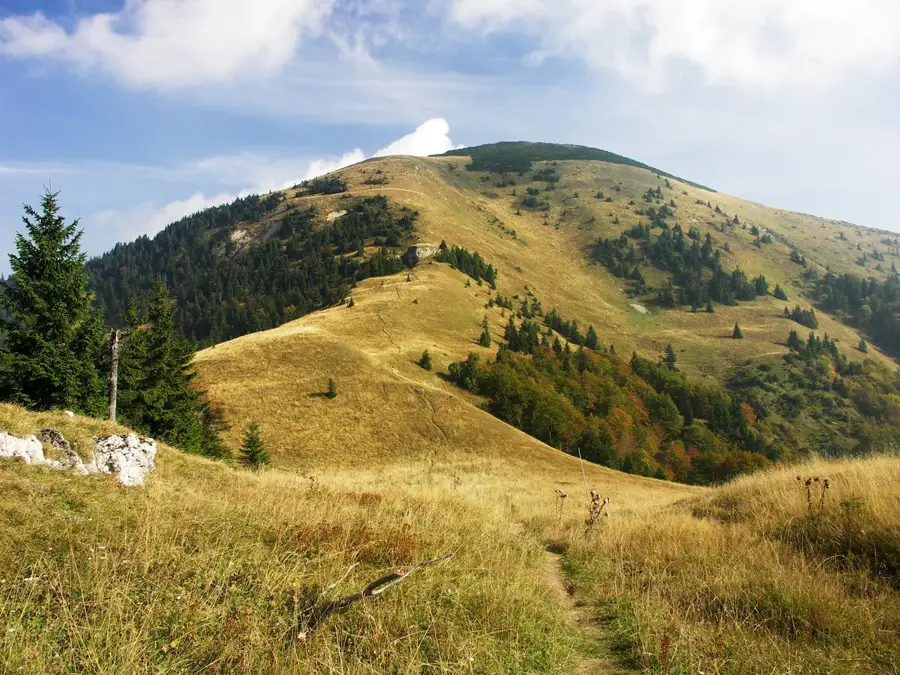
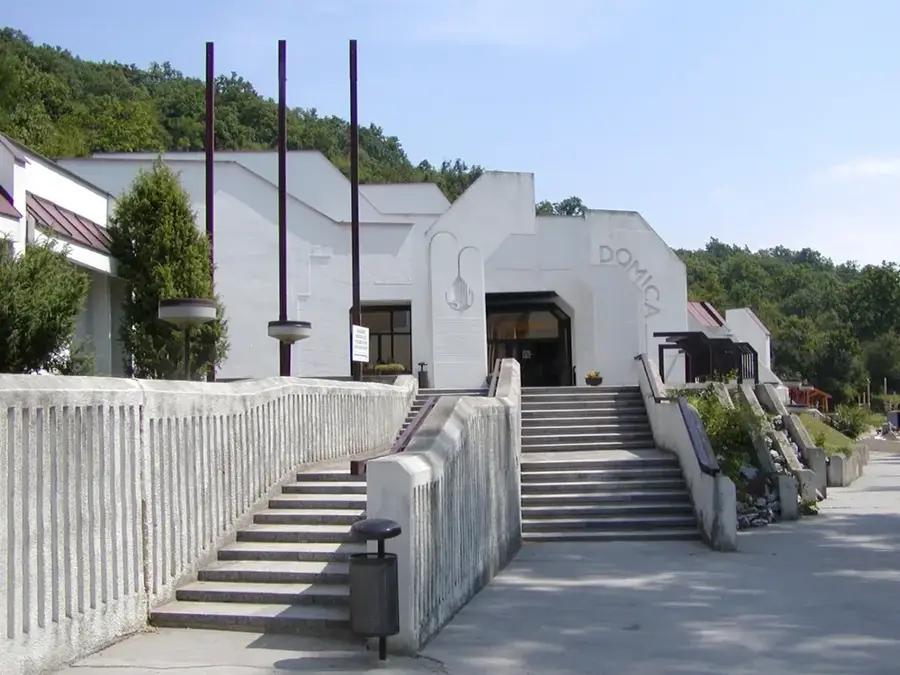
The Slovak Karst National Park (Slovenský kras), declared in 2002, protects the largest contiguous karst area in Central Europe with a surface area of 346 square kilometers. The plateaus in southeastern Slovakia, shaped by Middle Triassic limestones, are divided into several isolated tablelands by the deep river valleys of the Slaná and Štítnik. This geological makeup has resulted in an extraordinary density of subterranean phenomena; over 1350 karst caves and abysses have been documented. Among the most famous is the Domica Cave, part of a 25-kilometer-long cross-border system shared with Hungary. Due to its geological wealth and endemic fauna and flora, the area has been recognized as a UNESCO Biosphere Reserve since 1977. The surface vegetation consists largely of thermophilous oak and hornbeam forests, providing good conditions for numerous reptiles and heat-loving insect species.
- Location: Slovakia
- Top sights: Reformed church · Brázda · Kúria Andrášiovcov
- Nearby: Rožňava (10 km)
Best time to visit & climate
The most pleasant time to visit is Jun–Aug.
| Jan | Feb | Mar | Apr | May | Jun | Jul | Aug | Sep | Oct | Nov | Dec | |
|---|---|---|---|---|---|---|---|---|---|---|---|---|
| Avg °C | -4 | -2 | 3 | 10 | 15 | 19 | 21 | 21 | 15 | 9 | 4 | -2 |
| Rain mm | 38 | 40 | 41 | 44 | 78 | 84 | 91 | 67 | 57 | 56 | 47 | 44 |
📋 Practical info
Getting there
The expansive Slovak Karst National Park is widely accessible from the regional center of Rožňava. Numerous roads lead to key entry points and cave systems, making it easily reachable by car or local bus networks.
Best season
Summer provides the best access to the high plateaus and fully operational cave tours. Spring and autumn provide excellent hiking temperatures, while winter can see some remote trails and deep canyons closed due to ice.
Terrain & paths
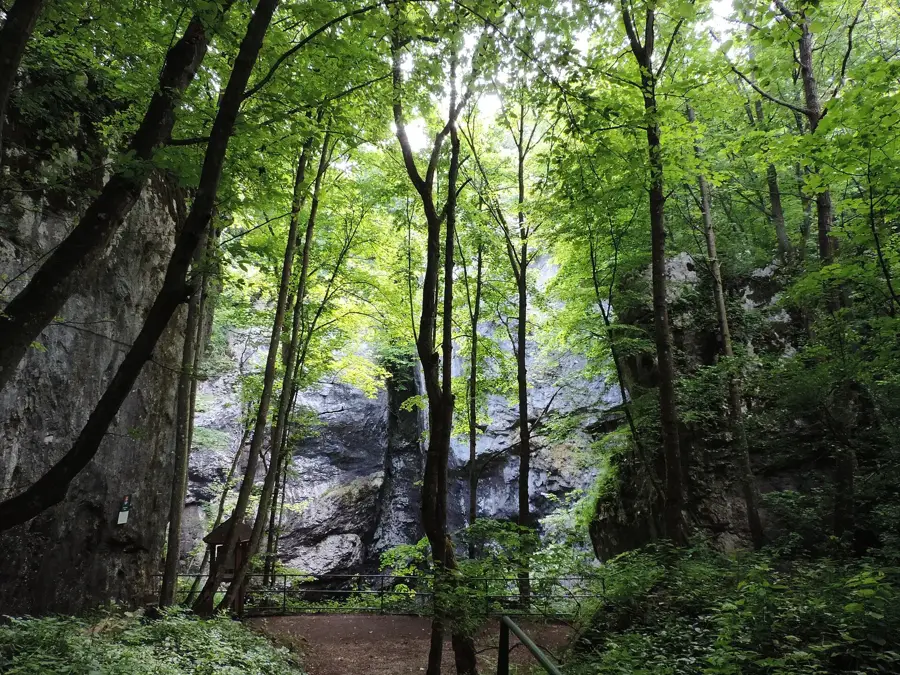
The terrain features massive limestone plateaus intersected by deep, steep-walled canyons. Hiking trails vary from flat walks across the plateau to strenuous, rocky ascents out of the deeply carved river gorges.
What to bring
Sturdy hiking boots are crucial for the rocky, uneven karst terrain and slick gorge paths. Bring ample water, as surface water is scarce on the plateaus, and carry warm layers if you plan to visit the underground caves.
Parking
Designated parking is usually available at major natural attractions, gorge entrances, and visitor cave centers. While parking near the famous caves is generally paid and ample, trailhead parking can be more rugged.
Safety
Stick strictly to marked trails; the karst landscape is dotted with dangerous hidden sinkholes, crevices, and steep drop-offs. Always be prepared for rapid weather changes and extreme temperature drops in the gorges.
Time needed
Exploring the national park takes multiple days to fully appreciate the varied landscapes and subterranean wonders. However, a standard hike through one of the deep valleys or across a plateau generally takes 4 to 8 hours.
Geography
Explore nearby
Notable places around

Route planner — Car & Motorhome
Where do you start? We build the route here, with stops and country notes along the way.
Vehicle
Only stops with (optional):
© OpenStreetMap contributors · OpenRouteService
Sights in the town Slovak Karst National Park (10)
Pauliner monastery
Ruins of a Pauline monastery in the Slovak Karst.
Szabalyok
Sign or rules board in the national park, a landmark.
Amfiteáter
Open-air amphitheatre in the Slovak Karst, used for events.
Divadlo v stodole
Theatre in a barn in the Slovak Karst, a rural stage.
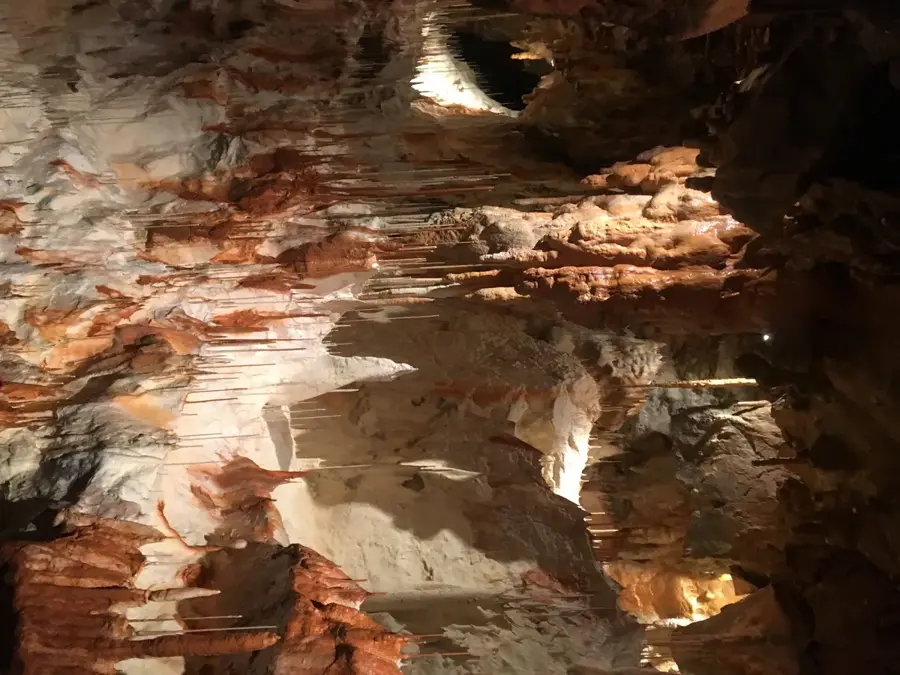
Gombasecká jaskyňa
Slovakian cave, known for its thin stalactites.
Kúria
Manor house in the Slovak Karst, a typical noble residence.
Sights nearby
Frequently asked questions
Which caves are most famous?
Domica, Gombasecká, and Jasovská caves are UNESCO World Heritage sites open to the public.
How many caves are in the park?
There are over 1,300 registered caves and abysses in this karst region.
When is the best time for hiking?
May, June, and September offer mild weather for hiking on the plateaus.
Are there entry fees for the park?
Park entry is free, but the caves charge admission fees between 7-12 €.
What rare animals live here?
The imperial eagle and numerous bat species inhabit the forests and caves.
Slovak Karst National Park: where is it located?
Slovak Karst National Park is located in Slovakia.
Slovak Karst National Park: what is there to see?
Highlights include Reformed church, Brázda, Kúria Andrášiovcov.
Slovak Karst National Park: when is the best time to visit?
The most pleasant time to visit is Jun, Aug.
Slovak Karst National Park: why is it worth visiting?
The Slovak Karst National Park (Slovenský kras), declared in 2002, protects the largest contiguous karst area in Central Europe with a surface area of 346 square kilometers.

Explore with Plizio
Discover more places in Europe
More places in Slovakia →
Nearby cities
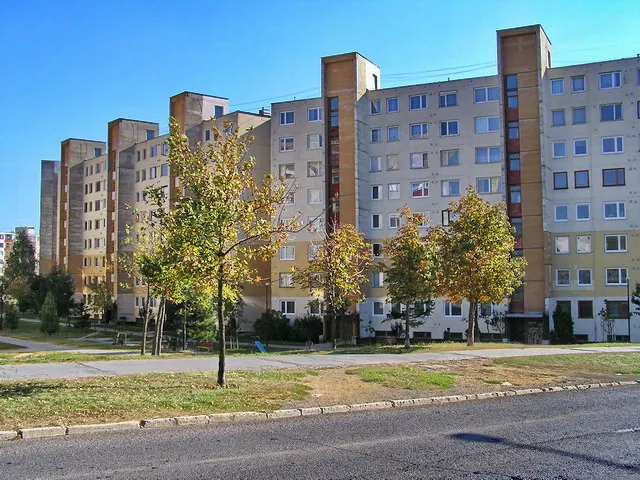
Sídlisko KVP
One of the largest housing estates in Košice, offering a mix of modern living and green spaces, providing a unique glimpse into local life.
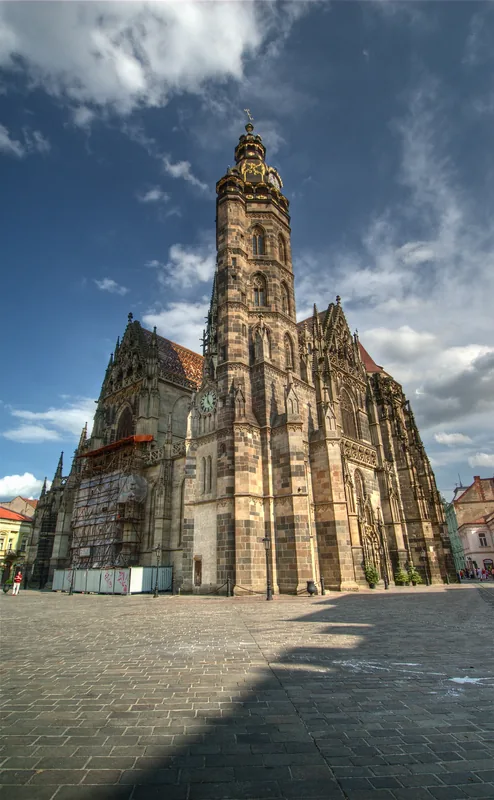
Košice
Košice is the second-largest city in Slovakia and the center of the eastern region.
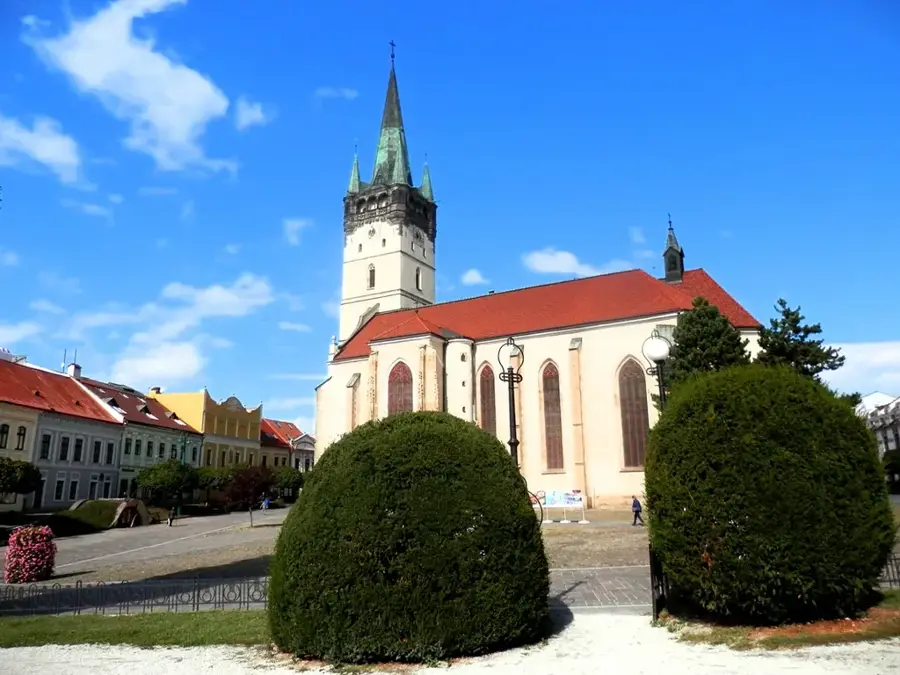
Prešov
The third-largest city in Slovakia is located at the confluence of the Torysa and Sekčov rivers.
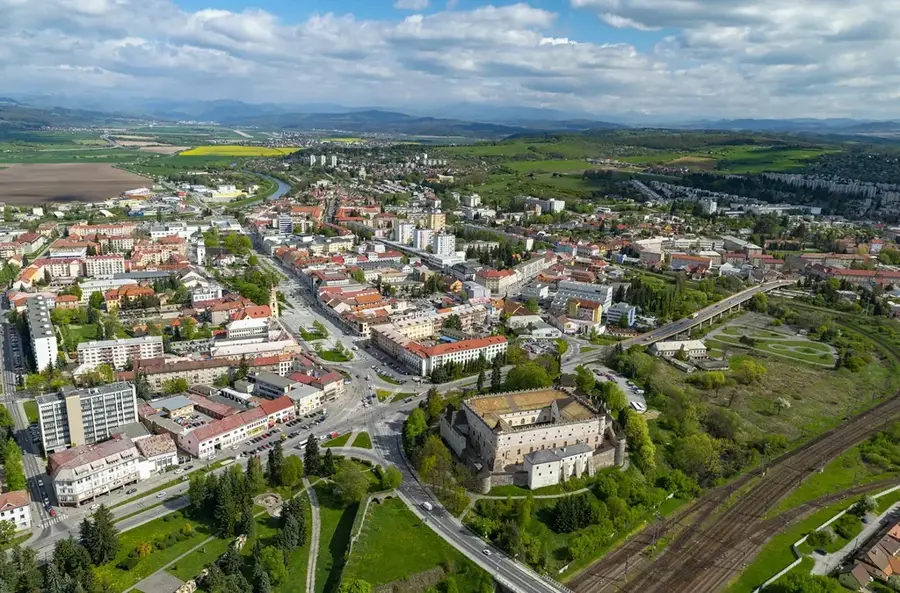
Zvolen
Zvolen is located at the confluence of the Hron and Slatina rivers in central Slovakia.
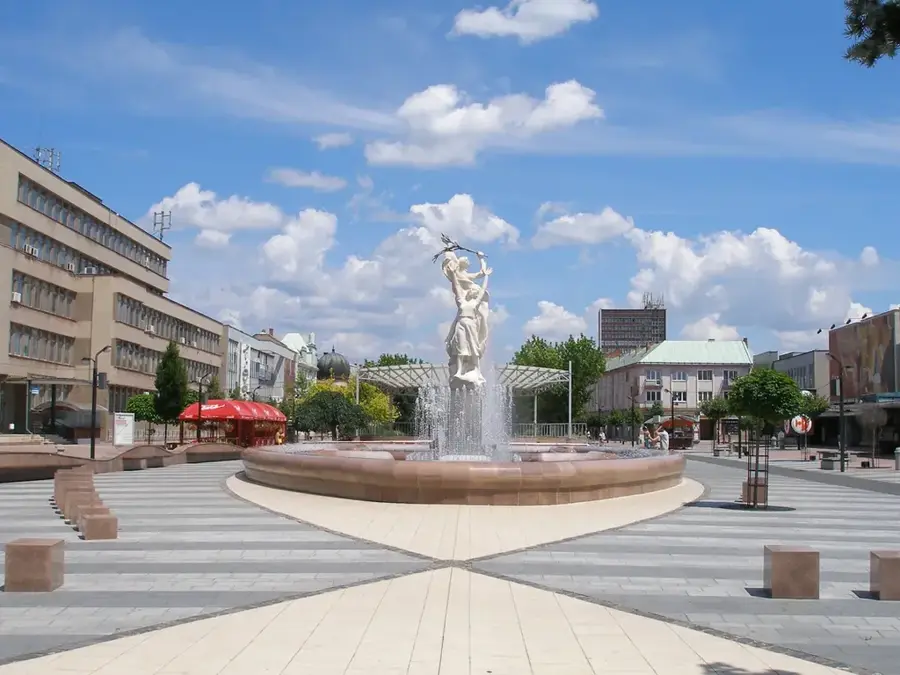
Michalovce
Michalovce is the center of the Eastern Slovak Lowland, located on the Laborec River.
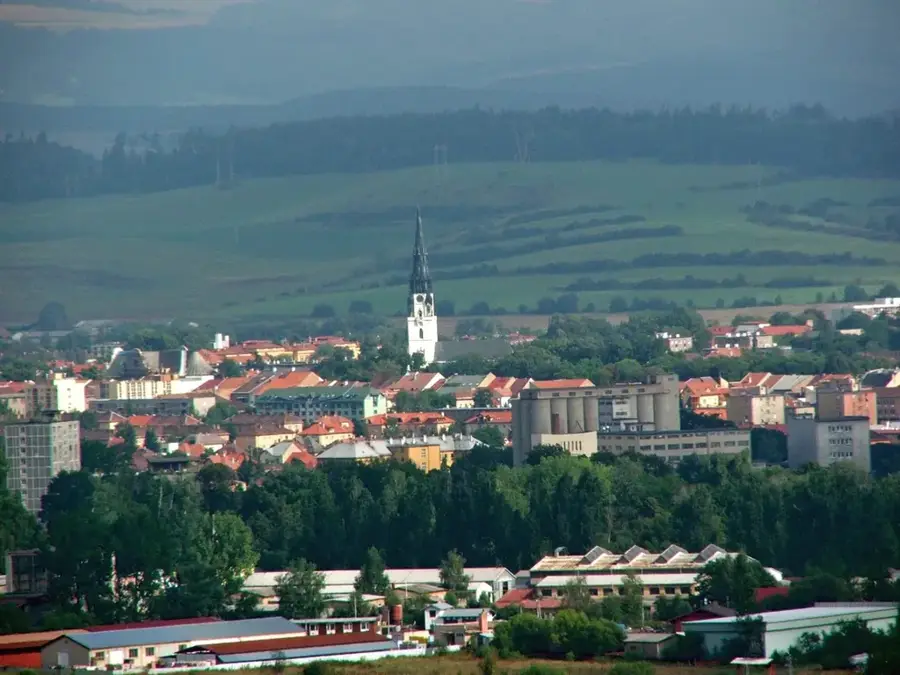
Spišská Nová Ves
This Spiš region city is the gateway to the Slovak Paradise National Park.
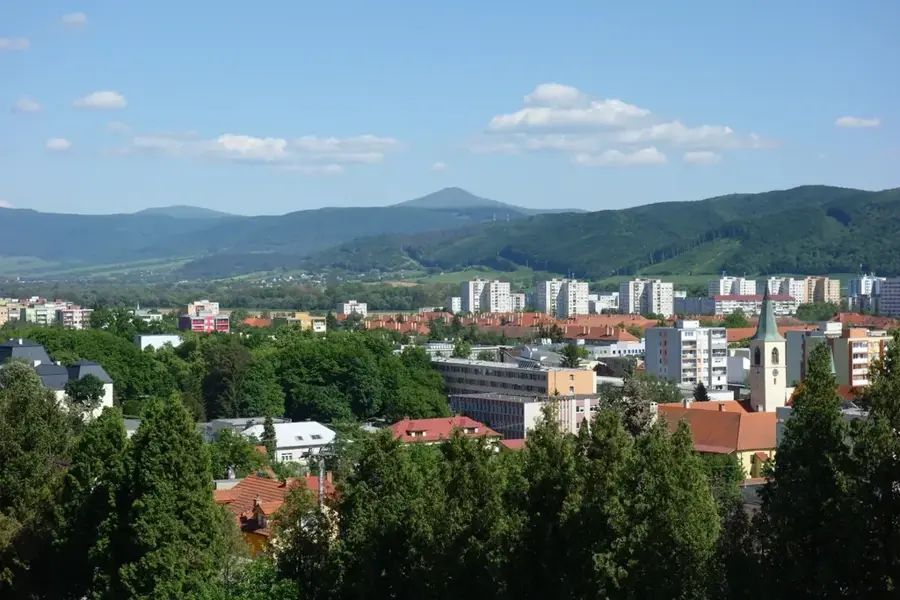
Humenné
Humenné is located in the Laborec valley in eastern Slovakia.
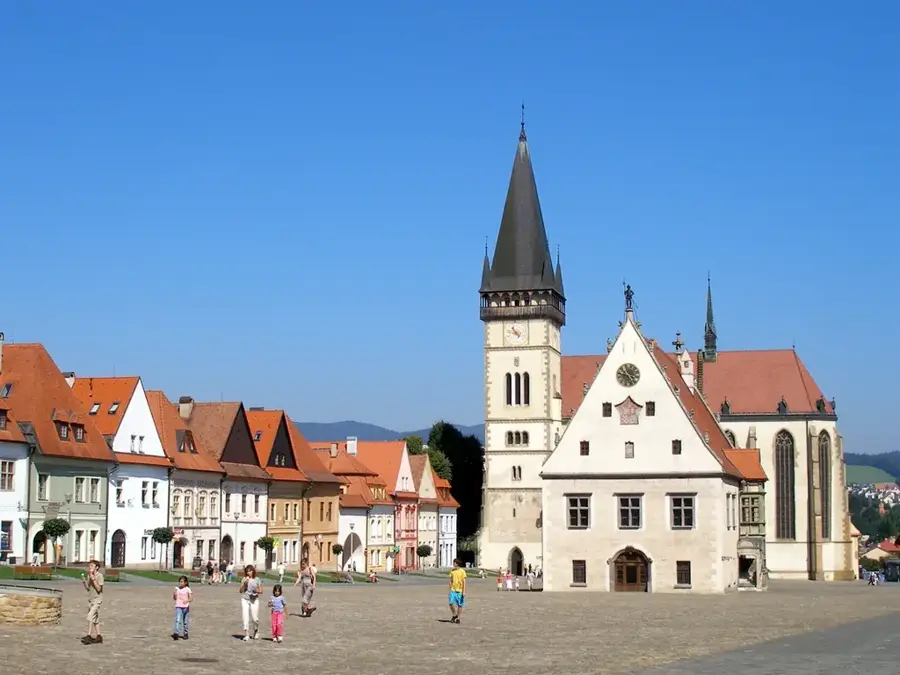
Bardejov
Bardejov in the northeast is one of Slovakia's oldest and most beautiful towns.
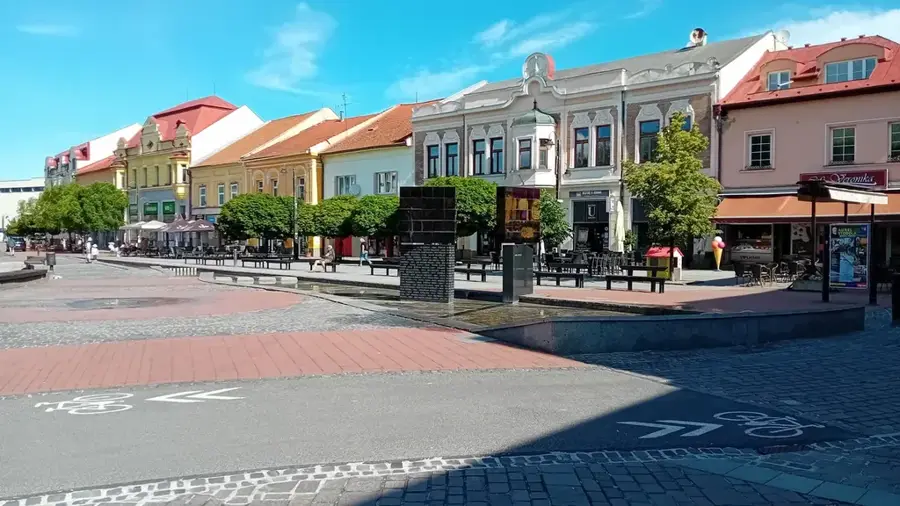
Liptovský Mikuláš
Located in the Liptov Basin between the Low and High Tatras, this town is a major tourist hub.
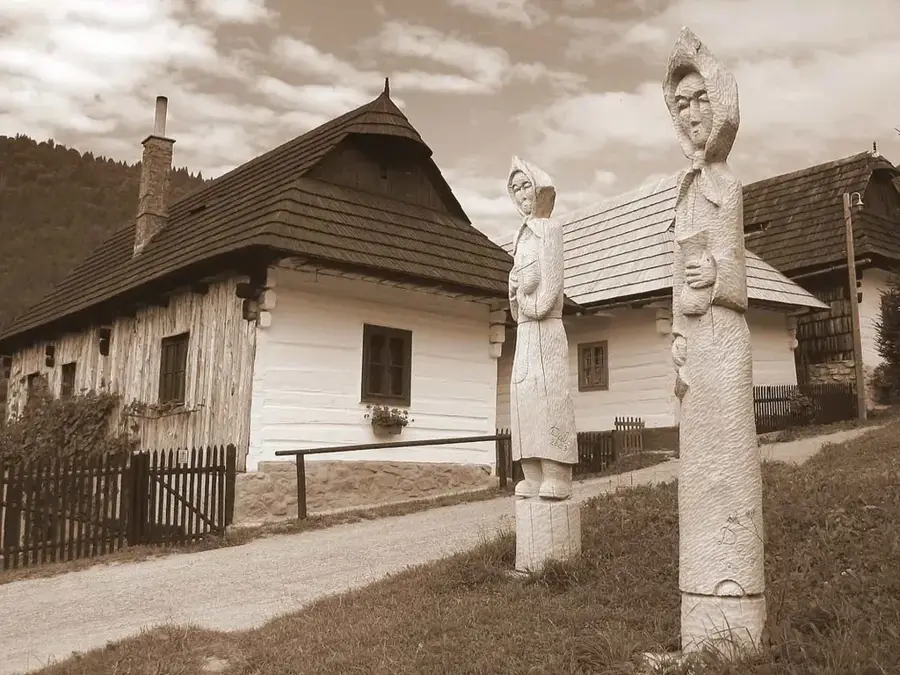
Vlkolínec Historical Heritage
The village preserves traditional folk architecture from the 19th century.
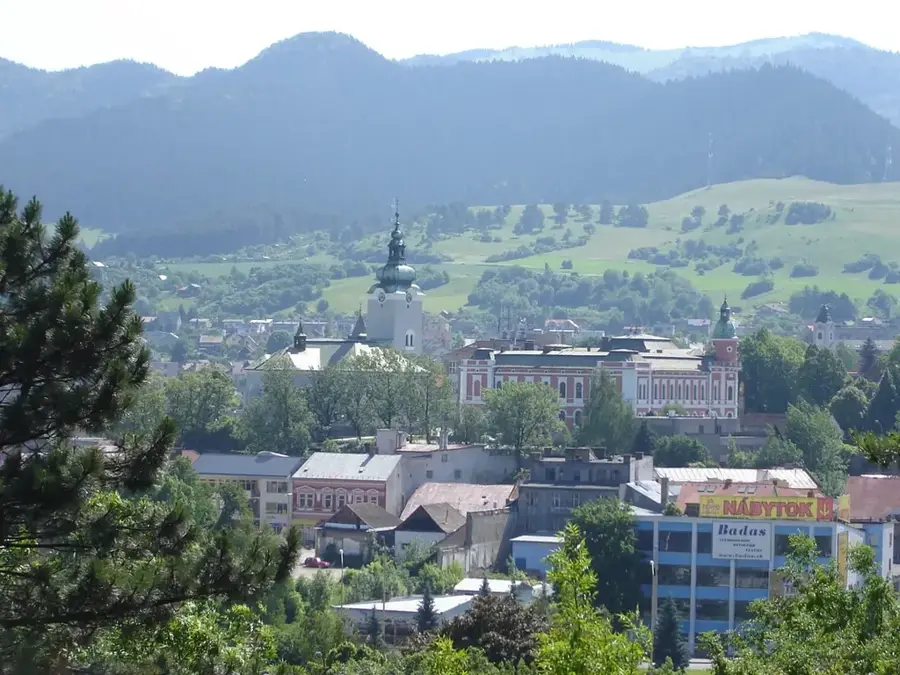
Ružomberok
Ružomberok is located at the confluence of the Váh and Revúca rivers and is a major center for the paper industry.
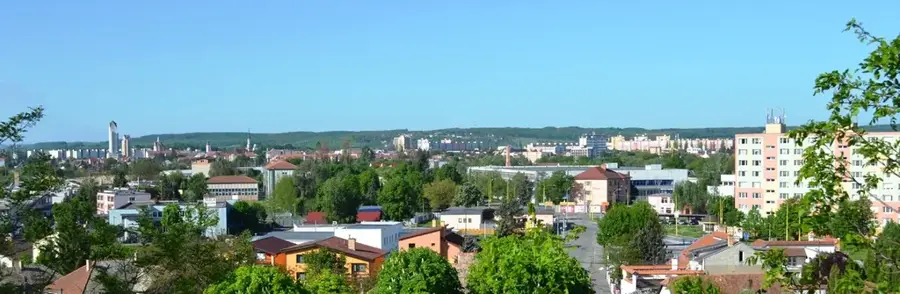
Lučenec
Lučenec is the economic and cultural center of the Novohrad region in southern Slovakia.
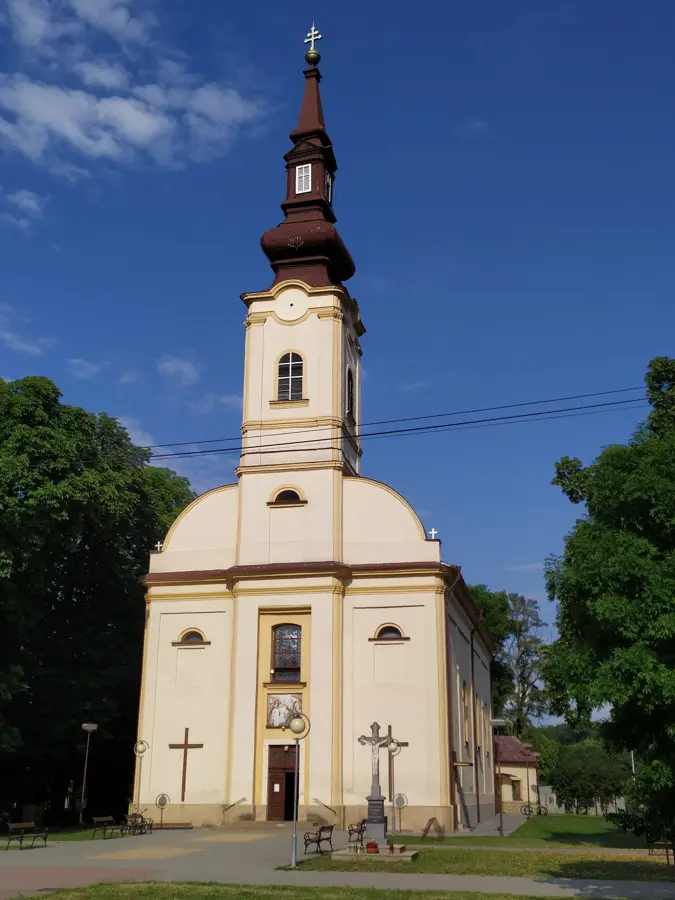
Trebišov
Trebišov is located in the southern part of the Eastern Slovak Lowland.
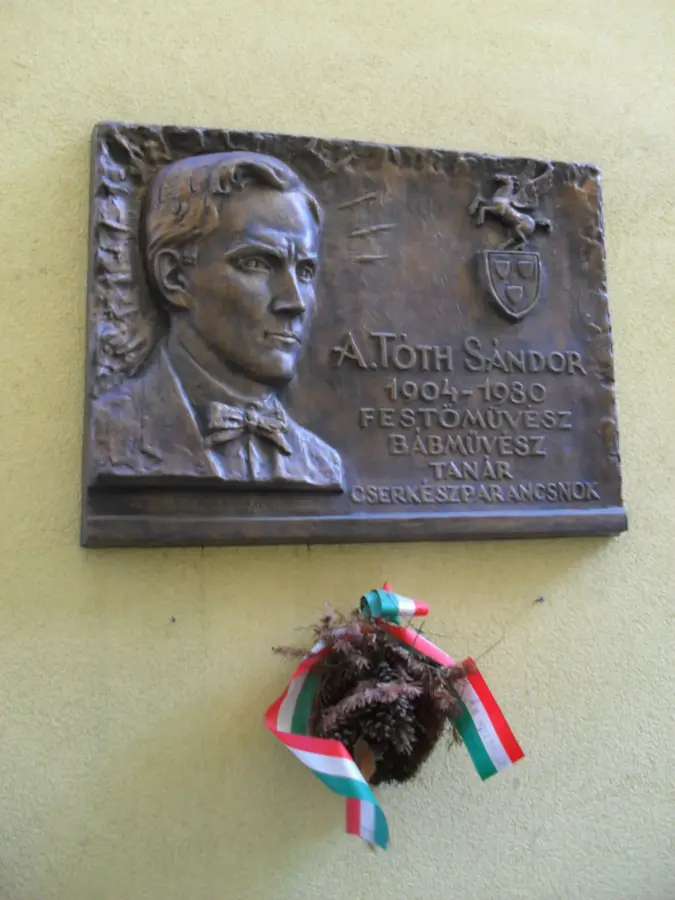
Rimavská Sobota
Rimavská Sobota is located on the Rimava River in southern Slovakia.
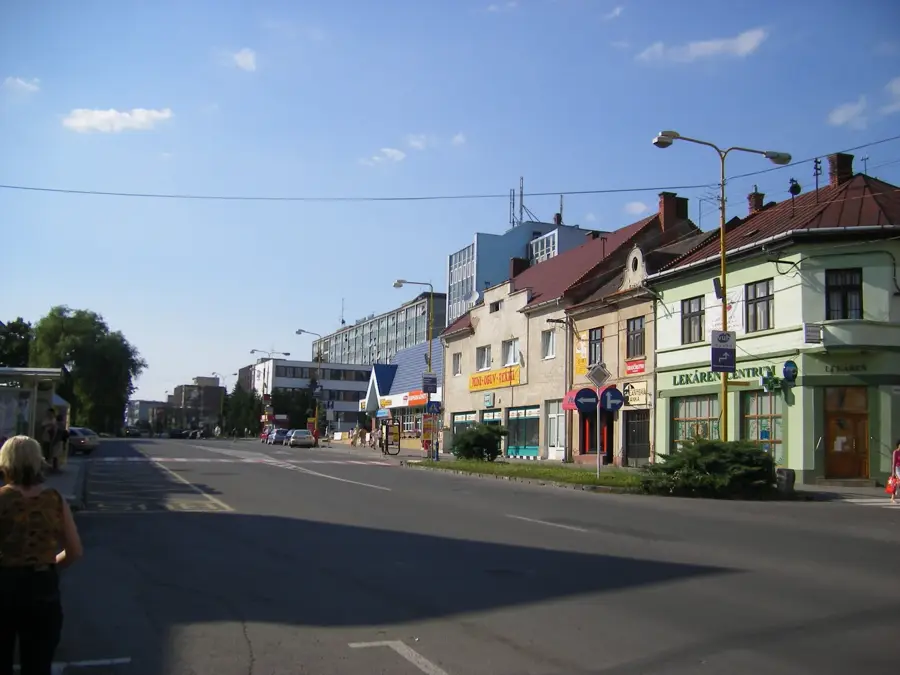
Vranov nad Topľou
Vranov nad Topľou is located in northeastern Slovakia on the Topľa River.
History & landmarks
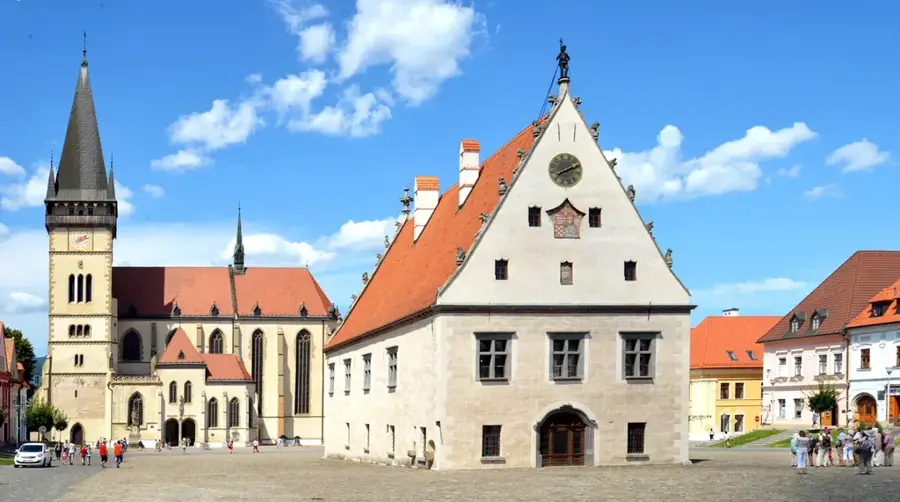
Bardejov Town Hall
This former town hall stands isolated in the center of Bardejov's market square.
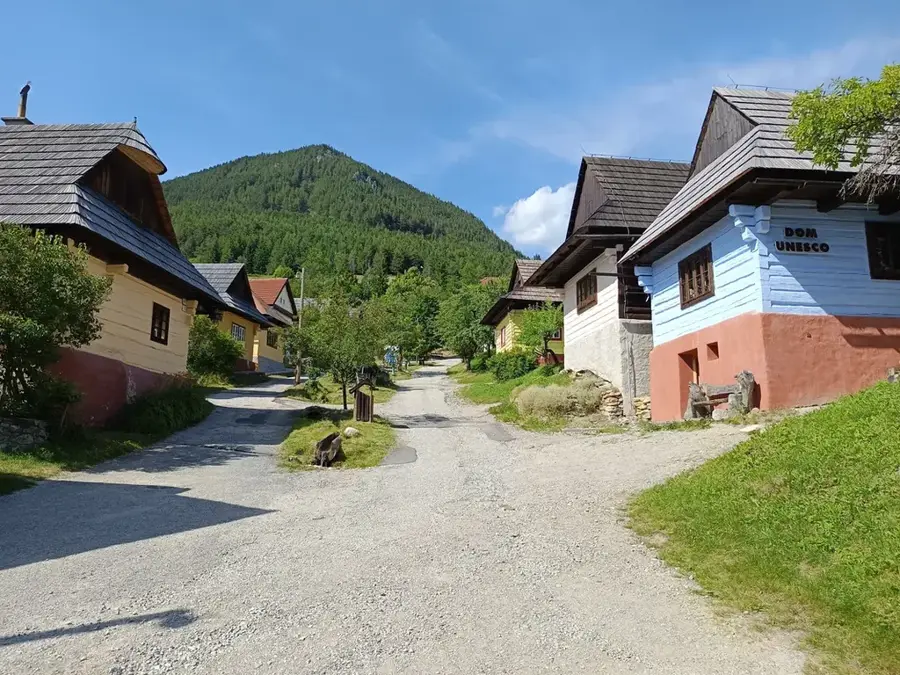
Vlkolínec
A perfectly preserved mountain village and UNESCO World Heritage site showcasing Northern Slovakia's traditional log architecture.
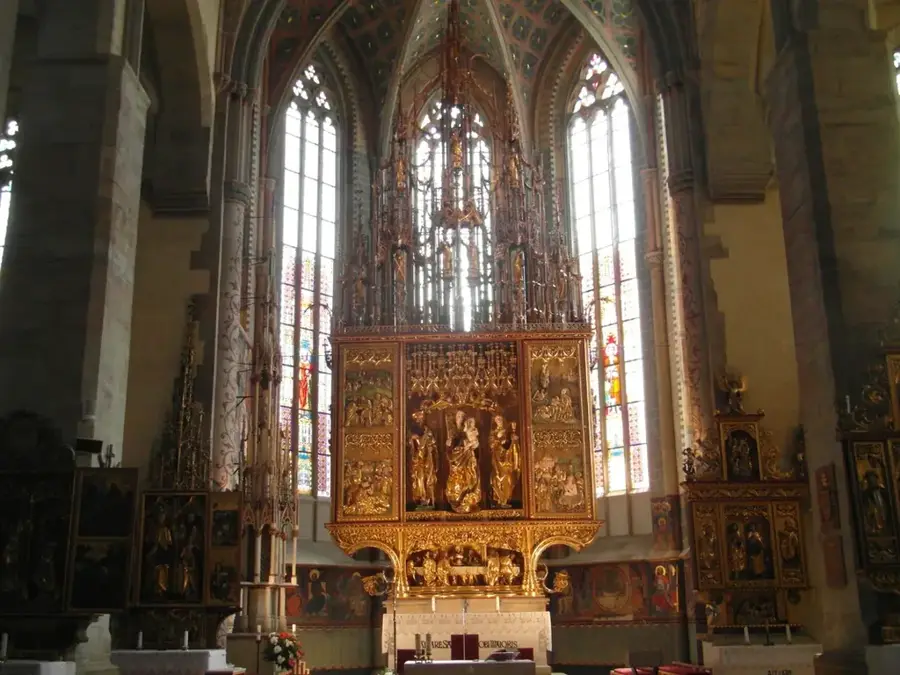
Levoča Old Town Hall
This Renaissance town hall stands in the middle of Levoča's historic square.
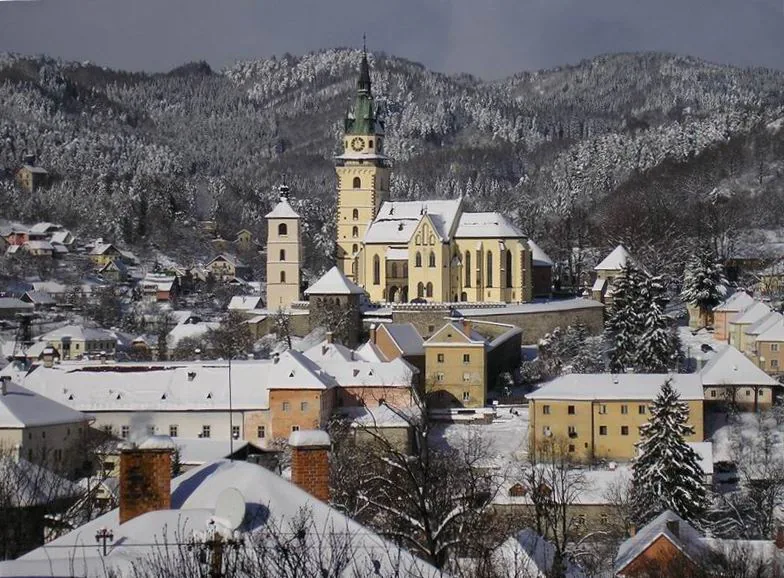
Kremnica
A historic mining town featuring one of the world's oldest continuously operating mints.