Plizio Visual Lab

Slovak Karst
Plizio editorial teamData Sources
Landmark
—°10
Slovak Karst (Slovakia)

Weather…

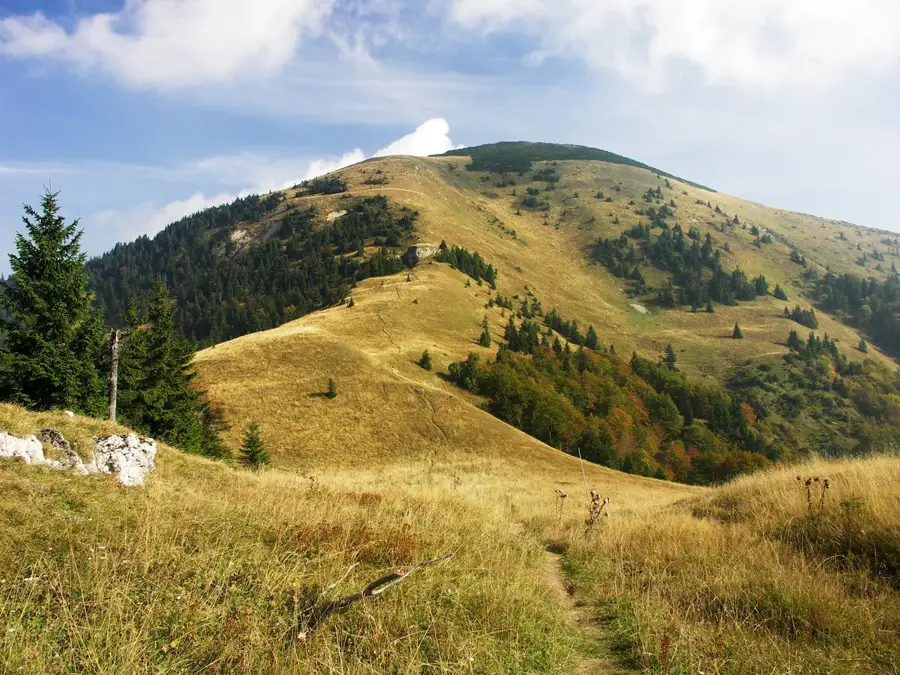
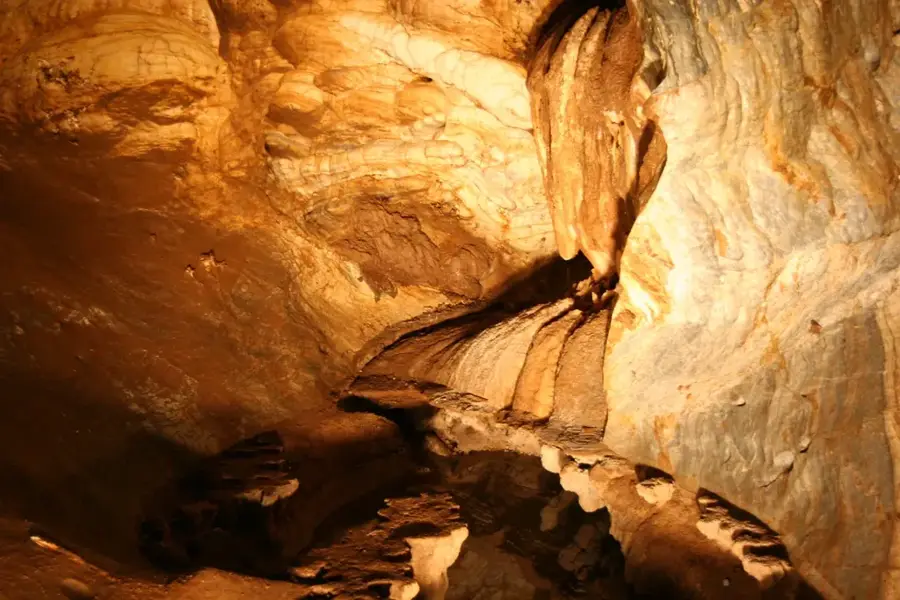
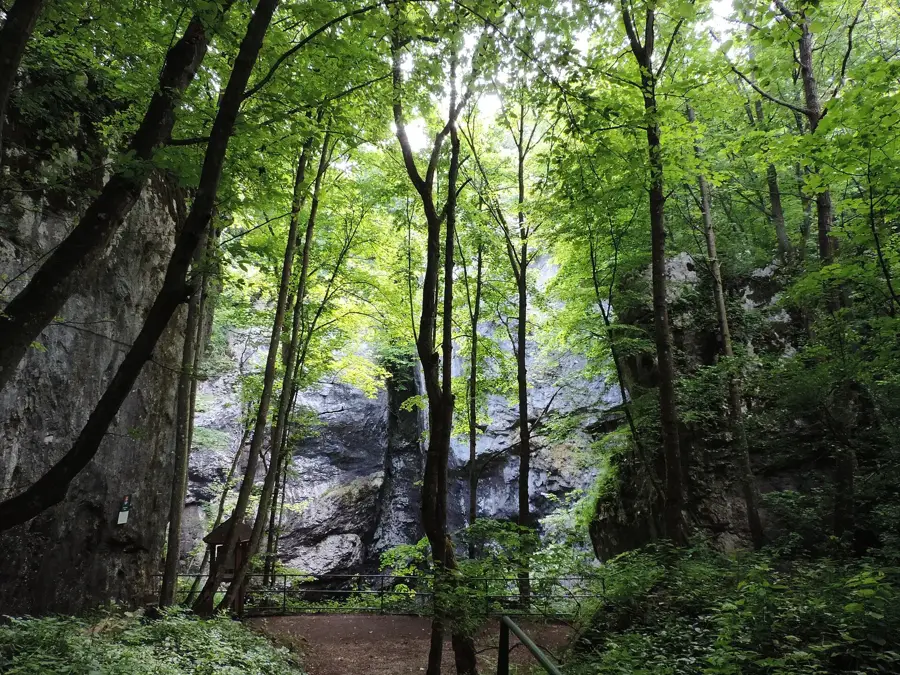
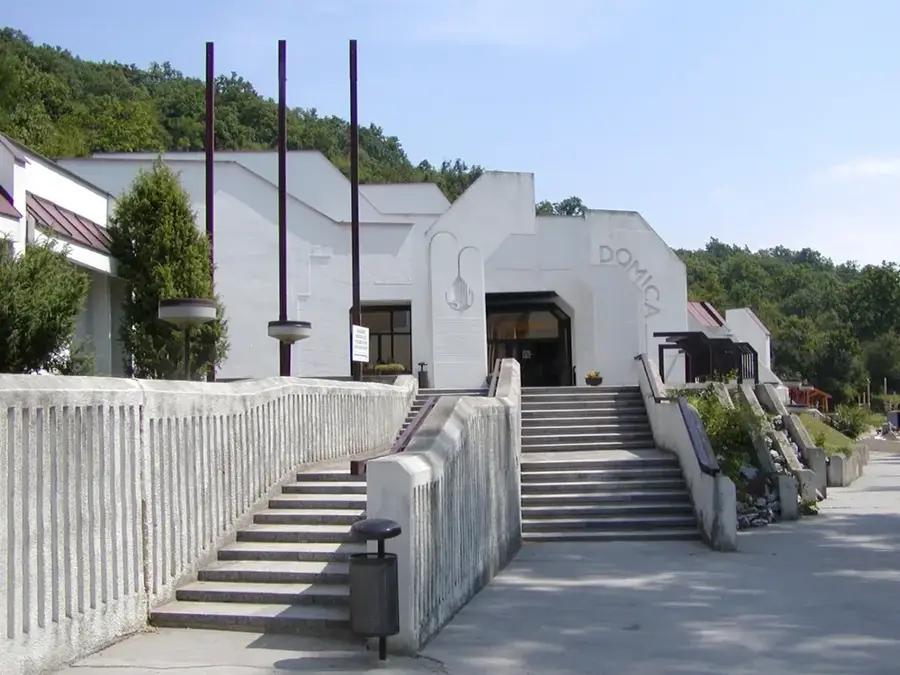
The Slovak Karst (Slovenský kras) is the most extensive and highly developed karst landscape in Central Europe, located in the southeastern part of Slovakia. This impressive region is characterized by huge, flat limestone plateaus intersected by gorges up to 300 meters deep, such as the spectacular Zádiel Gorge. Together with Hungary's Aggtelek National Park, the Slovak Karst forms a transboundary cave system that was inscribed on the UNESCO World Heritage list in 1995. Hidden beneath the surface is a gigantic labyrinth of over 1000 explored caves and deep abysses, including the famous Domica Cave with its underground boat rides. The barren, stony, sun-drenched surface stands in stark contrast to the damp subterranean worlds, fostering a unique, drought-resistant flora and fauna.

Best time to visit & climate

The most pleasant time to visit is Jun–Aug.

JanFebMarAprMayJunJulAugSepOctNovDec
Avg °C-4-2310151921211594-2
Rain mm384041447884916757564744

📋 Practical info

🚪
Visiting
The Slovak Karst features expansive outdoor nature experiences that are good for extended hikes across the limestone plateaus. Access to the famous subterranean cave systems is generally organized through official guided tours.
🕒
Typical hours
The surface hiking trails within the national park are typically open continuously. However, the show caves maintain strict, season-dependent opening hours, often being completely closed or operating on very limited schedules during winter.
📷
Photography
The dramatic gorges and karst formations provide spectacular landscape photography opportunities above ground. Inside the caves, photography is often strictly regulated, frequently requiring a special permit fee, with tripods mostly banned.
⏱️
Time needed
Depending on your chosen activities, you can easily spend a full day or even multiple days exploring the region. An average guided tour through one of the well-known show caves typically takes about sixty to ninety minutes.
Combine with
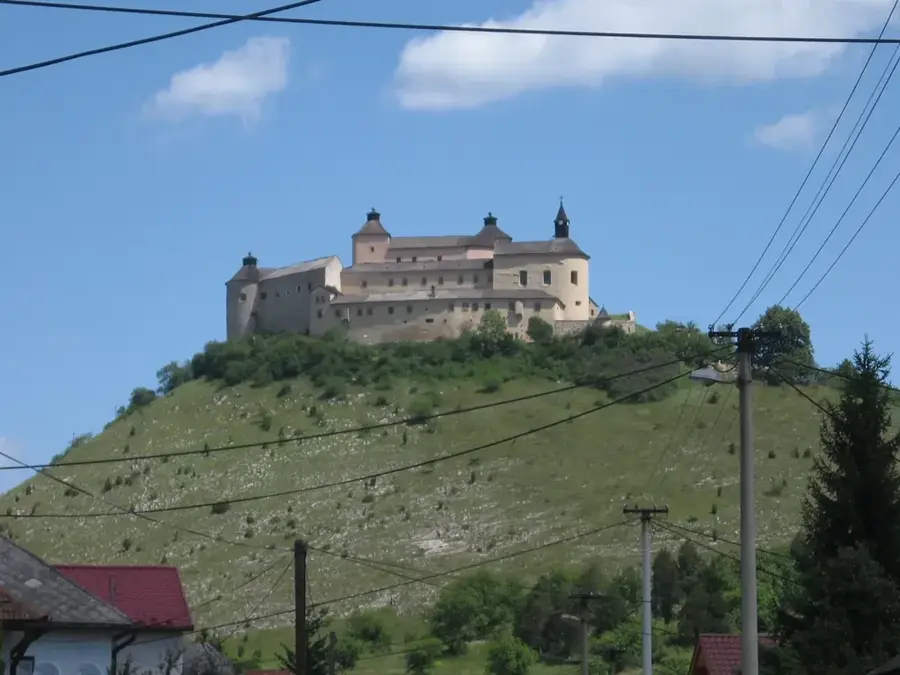
The karst region is excellent for combining extensive surface hikes with deep subterranean explorations. Nearby, the historic Betliar Manor House or the scenic Krásna Hôrka Castle serve as excellent cultural additions to your nature trip.
🧭
Getting there
The region is best explored with your own car, as this provides the greatest flexibility when traveling between the various gorges and cave entrances. Some of the main attractions can also be reached using regional bus services.
💡
Insider tip
Even if you are visiting during the peak of summer heat, it is essential to bring warm layers for the cave visits. The temperature inside the subterranean passages remains a constant, chilly eight to ten degrees Celsius all year round.

Geography

Coordinates
48.55000, 20.47000

Explore nearby

Notable places around
Route planner — Car & Motorhome

Where do you start? We build the route here, with stops and country notes along the way.

Vehicle
Only stops with (optional):

© OpenStreetMap contributors · OpenRouteService

Sights in the town Slovak Karst (10)

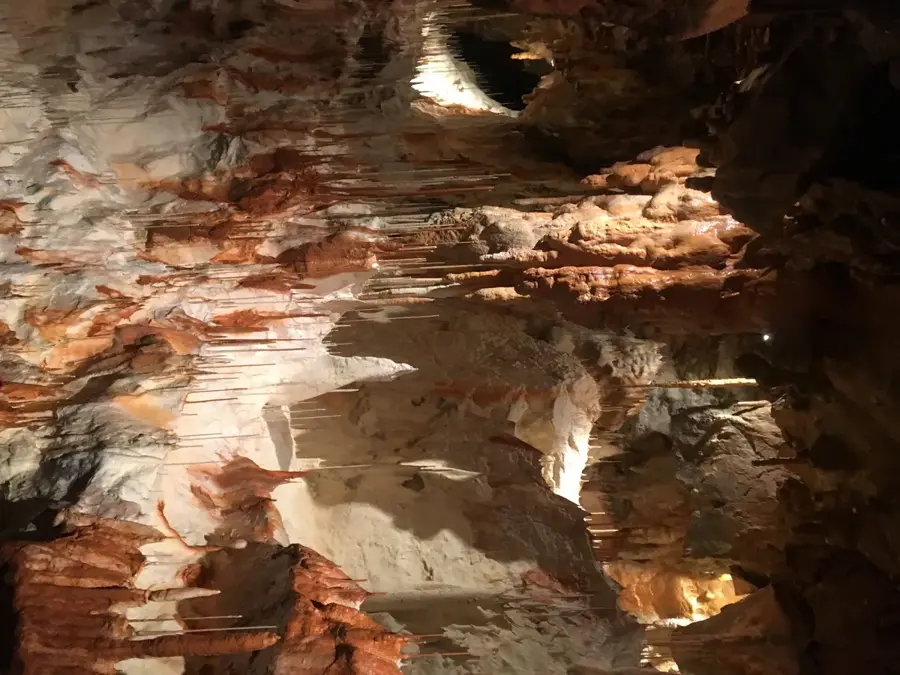
Gombasecká jaskyňa

Stalactite cave in the Slovak Karst, known for thin stalactites and an underground river.

🕒 May 15-Oct 31 Tu-Su 09:00-16:00💶

Amfiteáter

Open-air theatre in the municipality, used for cultural events and concerts.

Divadlo v stodole

Theatre in a converted barn, offering performances in an intimate setting.

Szabalyok

Viewpoint overlooking the karst landscape and surrounding hills.

Kostol Panny Márie

Ruins of a Gothic church from the 14th century, dedicated to the Virgin Mary.

Pauliner monastery

Ruins of a Pauline monastery from the 17th century, located in the forest.

Kúria Andrášiovcov

Manor house of the Andrássy family, a Baroque building from the 18th century.

Silická ľadnica

Ice cave in the Slovak Karst, covered with ice year-round, 110 m deep.

Babská diera

Cave in Slovakia, part of the cave system in the Slovak Karst.

Malá Ľadnica

Small ice cave in the Slovak Karst, with ice formation in winter.

Sights nearby

Frequently asked questions

What is special about the Slovak Karst?
It is the largest karst area in Central Europe, with over 1,000 registered caves.
Is the area a UNESCO World Heritage site?
Yes, the caves of the Slovak Karst are on the UNESCO list together with the Aggtelek caves.
Which plateau is the most famous?
The Silica Plateau (Silická planina) is famous for its deep chasms and karst phenomena.
Are there any gorges?
Yes, the Zádiel Gorge (Zádielska tiesňava) is one of the deepest and most beautiful gorges in Slovakia.
Can you go cycling in the Karst?
Yes, there are marked cycling routes across the plateaus, though they require good fitness.
Slovak Karst: where is it located?
Slovak Karst is located in Slovakia.
Slovak Karst: what is there to see?
Highlights include Gombasecká jaskyňa, Amfiteáter, Divadlo v stodole.
Slovak Karst: when is the best time to visit?
The most pleasant time to visit is Jun, Aug.
Slovak Karst: why is it worth visiting?

The Slovak Karst (Slovenský kras) is the most extensive and highly developed karst landscape in Central Europe, located in the southeastern part of Slovakia.
View on map → The Top 50 Attractions → OpenStreetMap →
Europe
Explore with Plizio Discover more places in Europe
More places in Slovakia →

Nearby cities

History & landmarks