Plizio Visual Lab
Najran
ℹ️Practical info — Najran
▾
🌤 Weather — 5 days
📍 Nearby
Sights nearby
💡 Tips
- Respect the conservative local culture of the southern region by dressing modestly at all times.
- The most comfortable time to visit is during the cooler winter months from November to February.
- Renting a car is highly recommended as it is essential for exploring the surrounding valleys and ruins.
- The mud-brick Al-Aan Palace is the city's architectural highlight and a must-see landmark.
- Be aware that many shops and businesses close for a long midday break in the early afternoon.
🍽 Food
A local variation of spiced meat and rice, a flavorful and filling traditional meal.
A dense, warm dough dish made from wheat flour, typically served with rich broth or honey.
The regional style of Arabic coffee, often lightly roasted and heavily spiced with cardamom.
🛍 Shopping · 🧘 Quiet spots
The city's historic market is famous for selling beautifully crafted Janbiya (traditional curved daggers).
The Najran Valley produces excellent dates; buy them in bulk at local agricultural markets.
Look for shops selling traditional regional pottery and brightly colored, hand-woven textiles.
One of the largest municipal parks in Saudi Arabia, offering dense tree cover and peaceful walking paths.
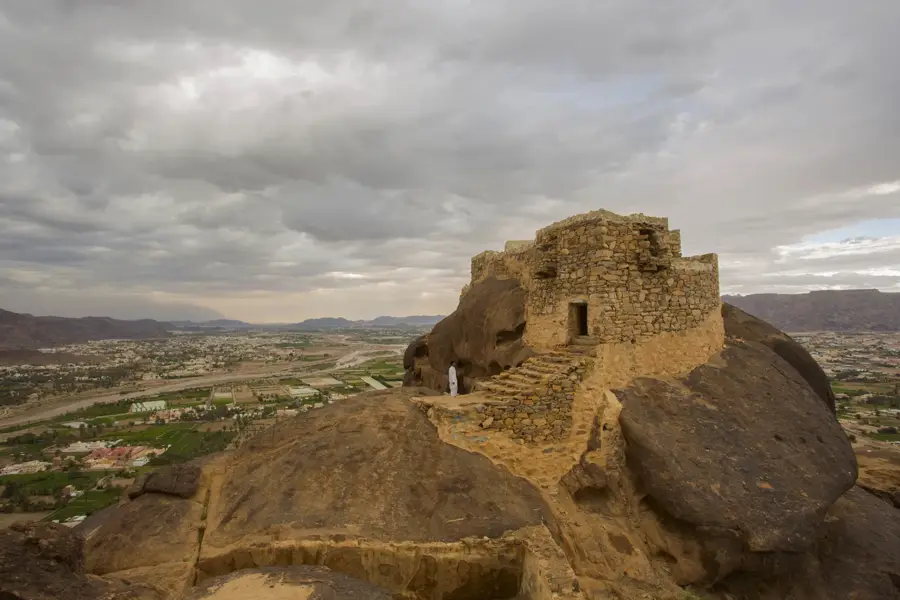
Hike up this mountain, which features a ruined fort, to enjoy absolute quiet and panoramic valley views.
The wide, dry riverbed areas of the wadi are incredibly peaceful for a walk in the early morning light.
Water temperature…
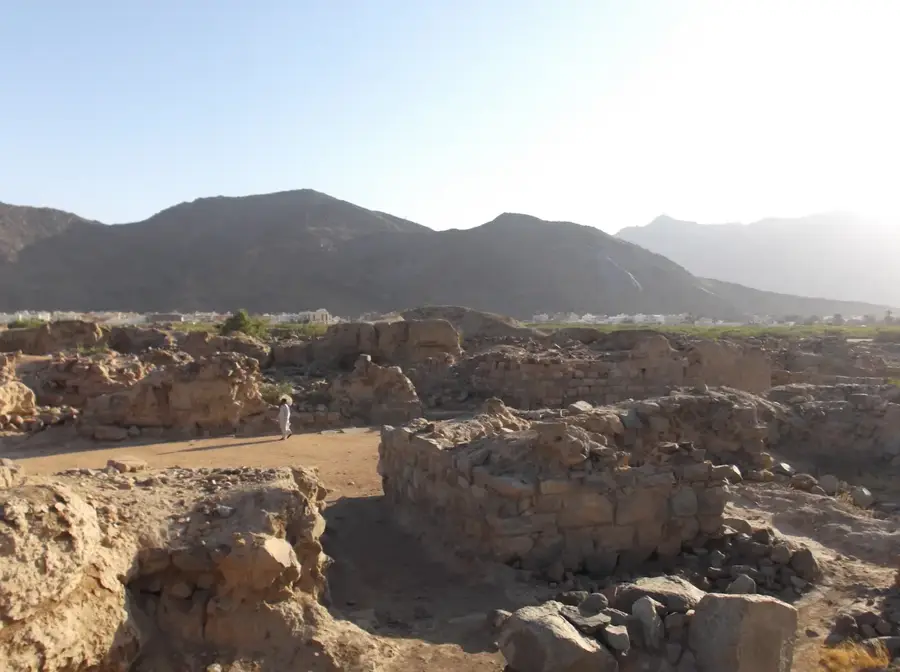
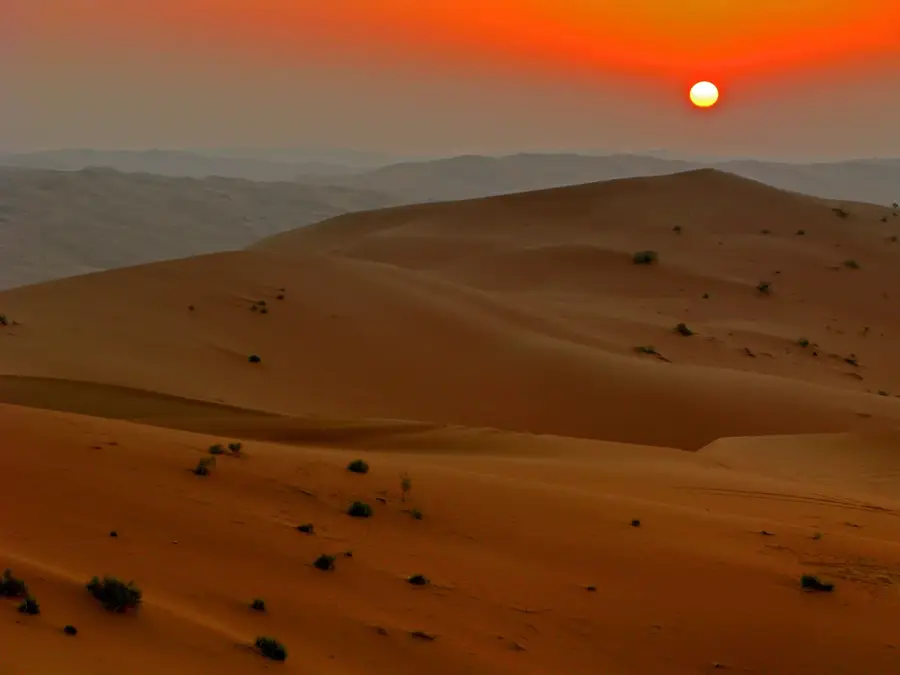
Najran, the capital of the Najran Province in southwestern Saudi Arabia, stands as a testament to the region's long and complex history. Positioned in the fertile Wadi Najran, the city is strategically located near the border with Yemen, a position that influenced its development for millennia. Ancient Najran was a pivotal station on the Incense Route, connecting the spice-rich south of the Arabian Peninsula with the markets of the Mediterranean and Mesopotamia. The archaeological site of Al-Ukhdud is the city's historical centerpiece, preserving the remnants of a 6th-century city whose tragic story is recounted in the Quran. The traditional architecture of Najran is particularly striking, featuring multi-story mud-brick towers known as 'qasr' or 'midmakh,' which are characterized by their stepped levels and white decorative finishes. Modern Najran has successfully blended this historical charm with contemporary urban development, boasting modern transportation networks, healthcare facilities, and the expansive Najran University. The economy is heavily supported by the agricultural sector, as the wadi provides ample water for farming citrus fruits, grapes, and high-quality dates. The Wadi Najran Dam, an engineering marvel in the area, ensures water security for the surrounding farms and residents. Culturally, the city is an animated hub of traditional arts, crafts, and tribal hospitality, often showcased during local festivals. The climate is generally more temperate than the interior deserts, thanks to its elevation and proximity to the mountains. Najran’s geographic setting, bordered by the vast Rub' al Khali desert to the east and rugged mountains to the west, creates a unique environmental backdrop. As Saudi Arabia looks toward its Vision 2030 goals, Najran is emerging as a destination for cultural tourism, offering visitors a glimpse into the ancient soul of the Arabian Peninsula while providing all the comforts of a modern city.
- Location: Saudi Arabia
- Top sights: Qal`at Ra`um · Aan Palace · Emara Palace
- Population: ~505.652 (2026)
Best time to visit & climate
The most pleasant time to visit is Mar, Apr, Oct.
| Jan | Feb | Mar | Apr | May | Jun | Jul | Aug | Sep | Oct | Nov | Dec | |
|---|---|---|---|---|---|---|---|---|---|---|---|---|
| Avg °C | 15 | 17 | 20 | 22 | 25 | 26 | 26 | 26 | 24 | 20 | 17 | 15 |
| Rain mm | 2 | 2 | 2 | 8 | 4 | 1 | 5 | 5 | 0 | 1 | 2 | 3 |
Geography
Facts
- The city is a major center for the Banu Yam and Hamdan tribes.
- Najran's Al-Aan Palace is a prime example of traditional mud-tower architecture.
- The historical site of Hima, north of the city, is a UNESCO World Heritage site.
- Najran experiences a semi-arid climate with seasonal rains in the wadi.
- The city served as the seat of a bishopric in the pre-Islamic era.
- Agriculture in Najran focuses on dates, wheat, and diverse vegetable crops.
- The city is connected by a domestic airport with flights to major Saudi hubs.
- Najran's local museum houses artifacts dating back to the Bronze Age.
Explore nearby
Notable places around
Route planner — Car & Motorhome
Where do you start? We build the route here, with stops and country notes along the way.
© OpenStreetMap contributors · OpenRouteService
Sights in the town Najran (4)
Frequently asked questions
What makes Najran historically special?
Is there a museum there?
Are the old mud-brick buildings accessible?
Is Najran hot all year round?
What is a must-try dish in Najran?
Najran: where is it located?
Najran: what is there to see?
Najran: when is the best time to visit?
Najran: why is it worth visiting?

Nearby cities

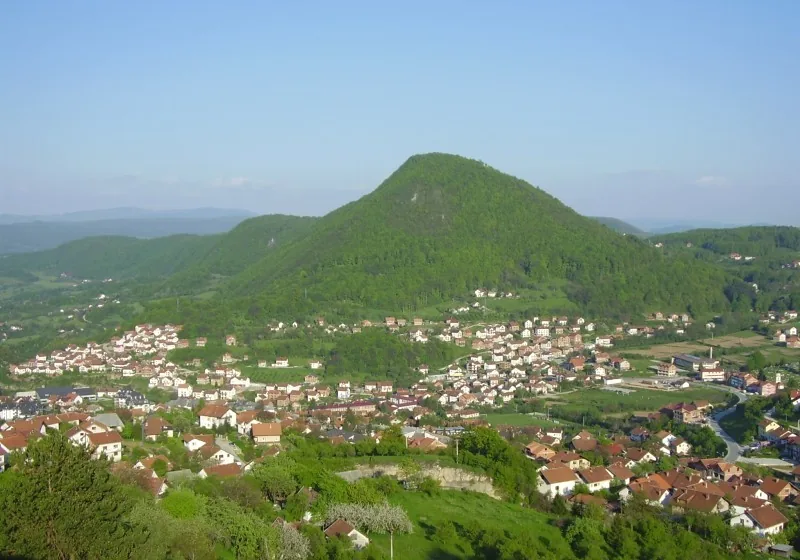
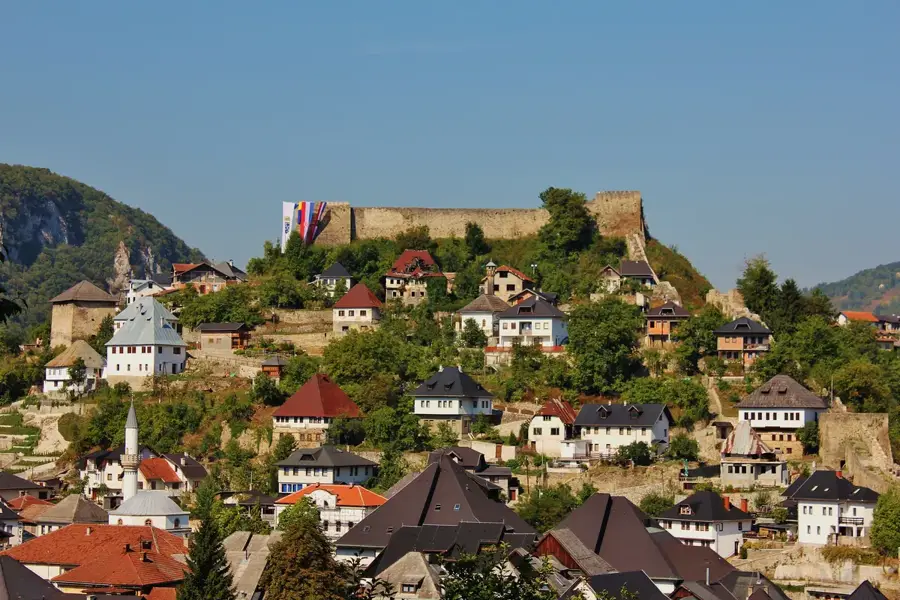
History & landmarks
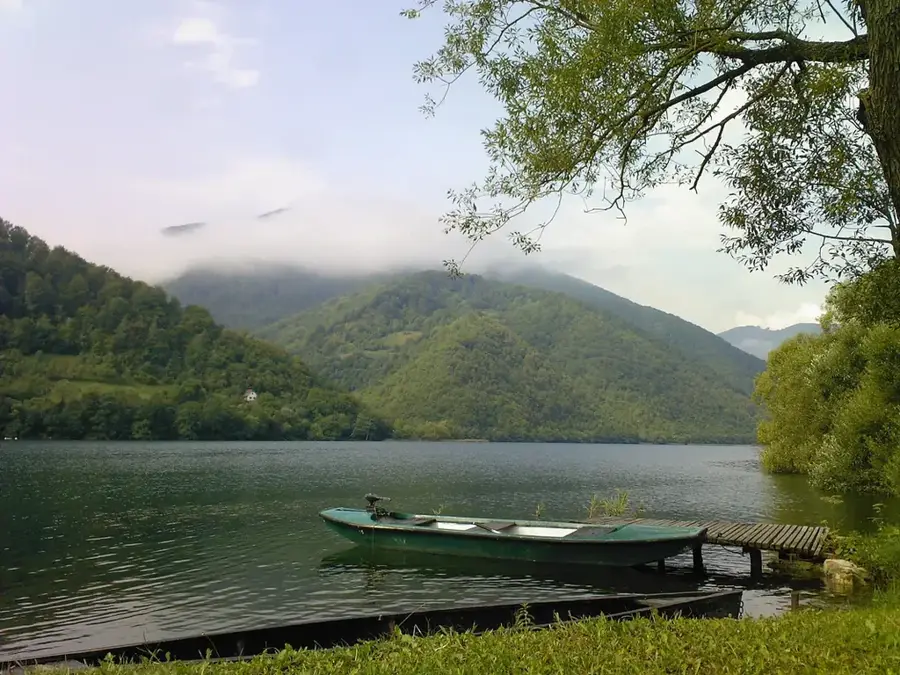
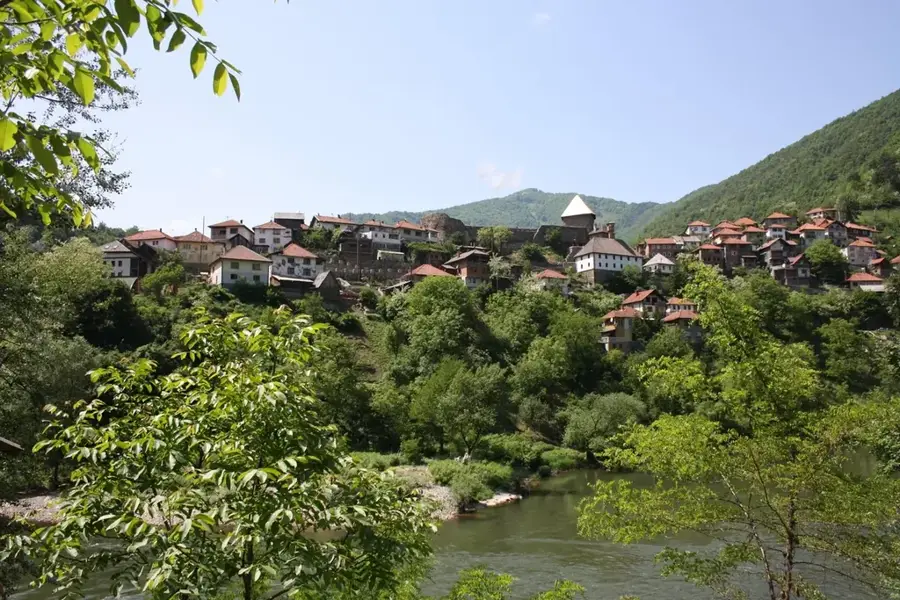
Nature
More places