Plizio Visual Lab
Paraguarí
ℹ️Practical info — Paraguarí
▾
🌤 Weather — 5 days
📍 Nearby
Sights nearby
💡 Tips
- The city is surrounded by hills; start your hikes early in the morning to beat the heat.
- Buses from Asunción are frequent and take about 1.5 to 2 hours.
- Locals drink Tereré (cold herbal tea) constantly; buy a thermo to stay refreshed.
- Wear sturdy shoes if you plan to explore the rocky trails of Cerro Santo Tomás.
🍽 Food
A savory, solid cornbread with cheese and onions, found in local eateries near the main square.
Traditional Paraguayan barbecue; look for local parrilladas (steakhouses) for a hearty meal.
Cheesy tapioca bread, best bought warm from street vendors or at bus stops.
🛍 Shopping · 🧘 Quiet spots
The central market for fresh produce, local snacks, and everyday items.
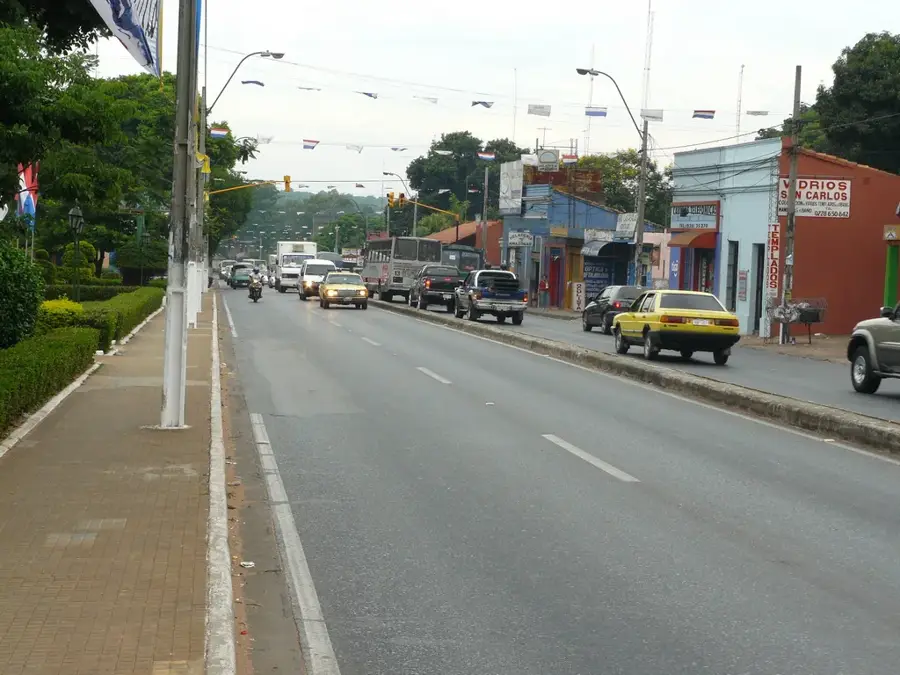
Small shops along the main road occasionally sell leather goods and local crafts.
A prominent hill offering a relatively easy walk and great panoramic views of the city.
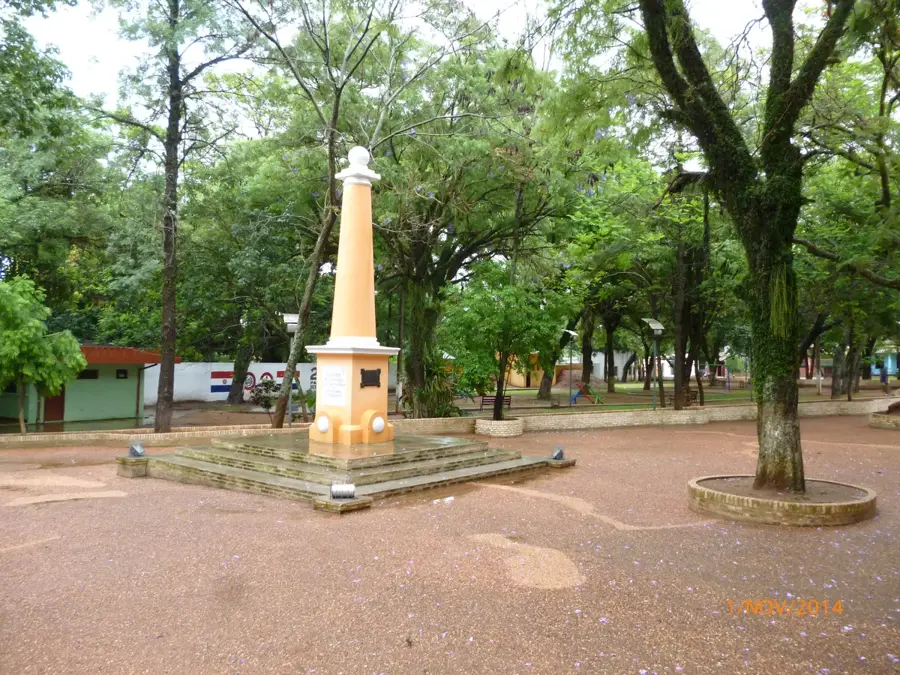
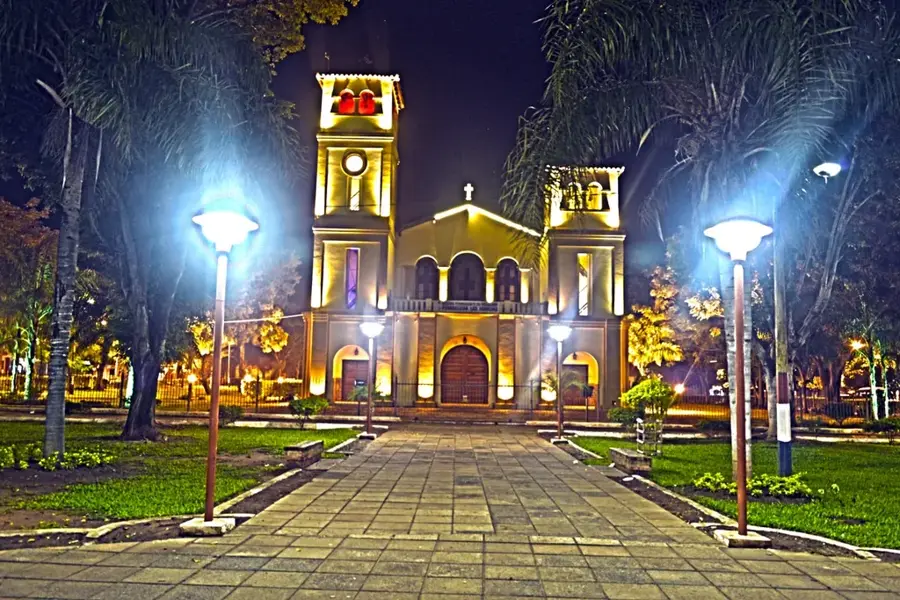
The central square, great for sitting under the trees with a cold Tereré.
Water temperature…
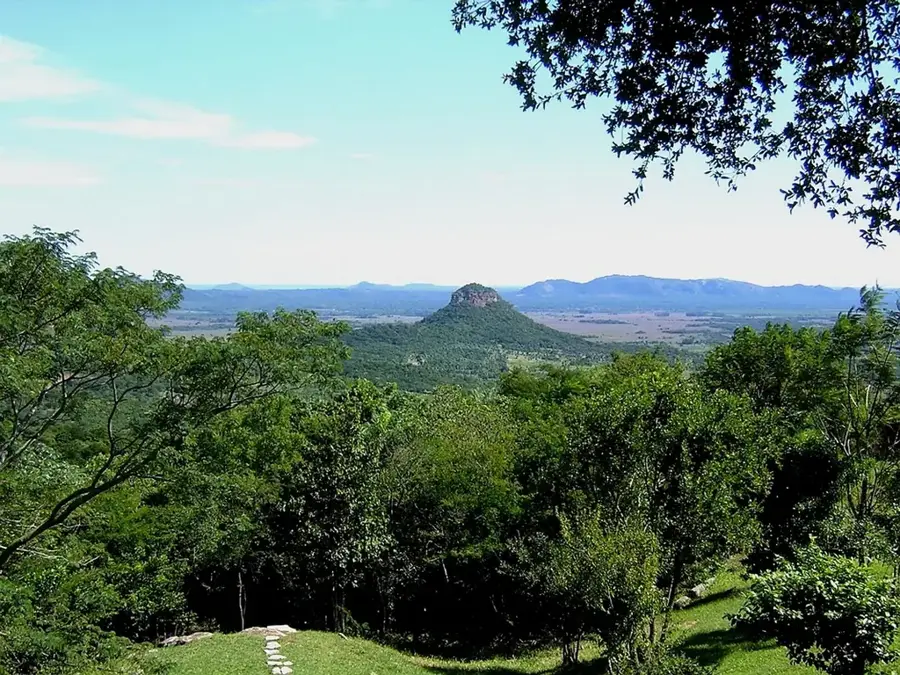
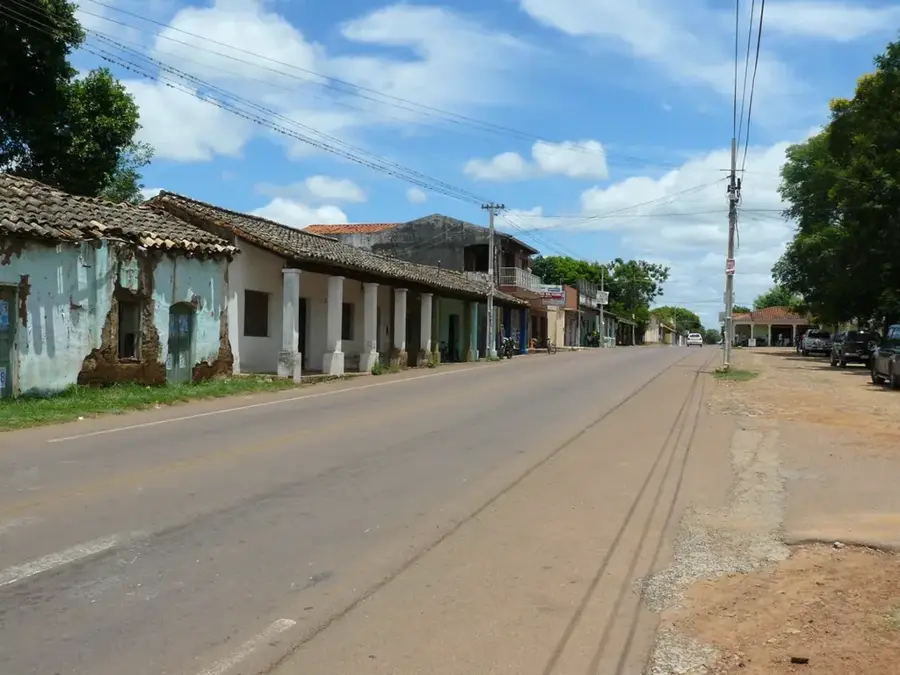
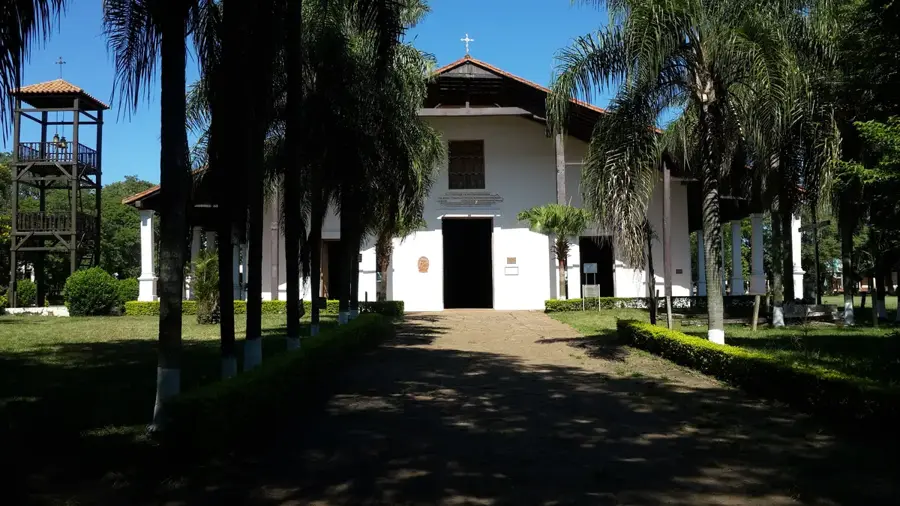
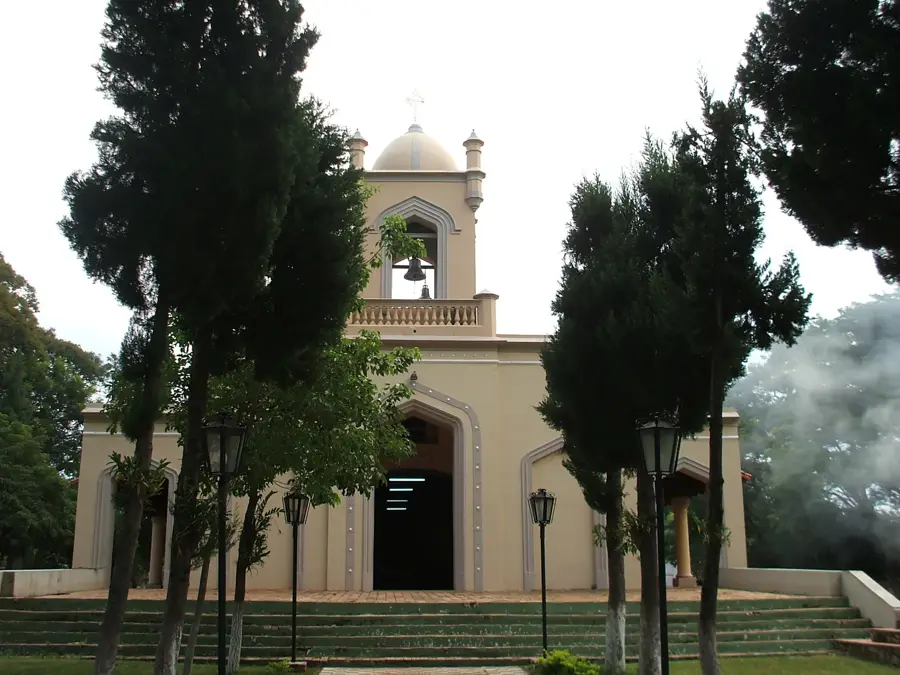
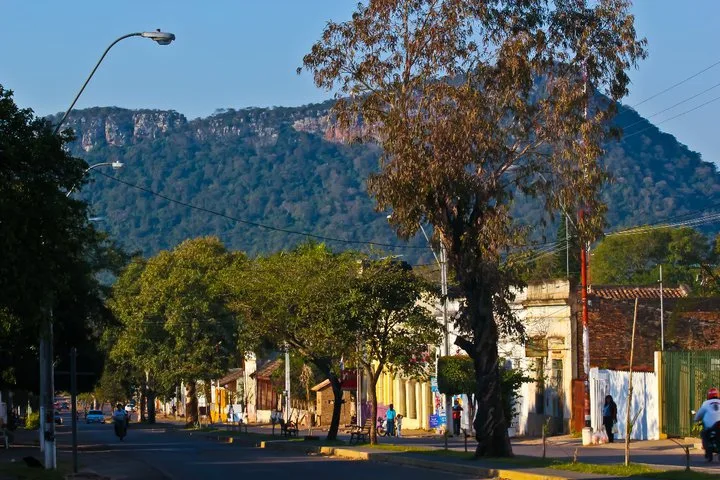
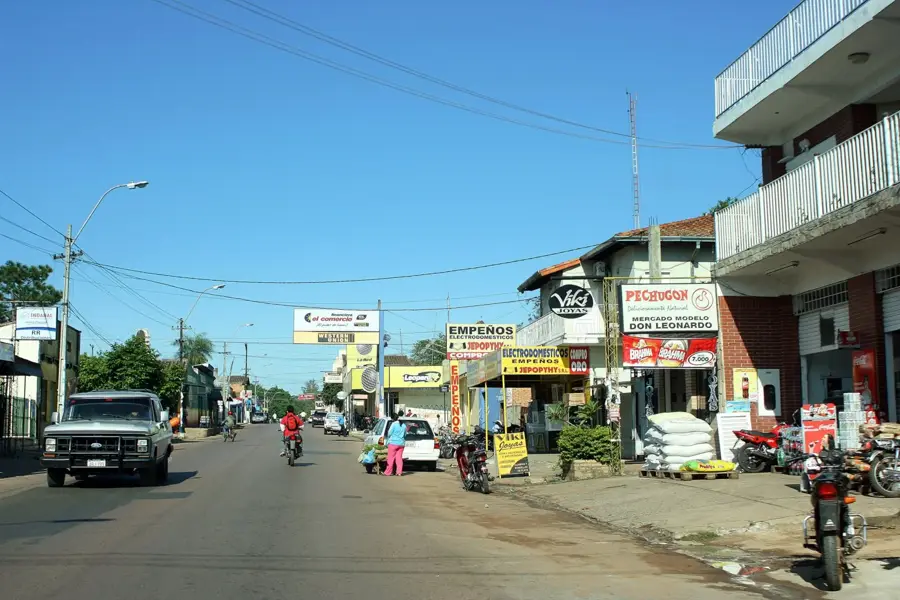
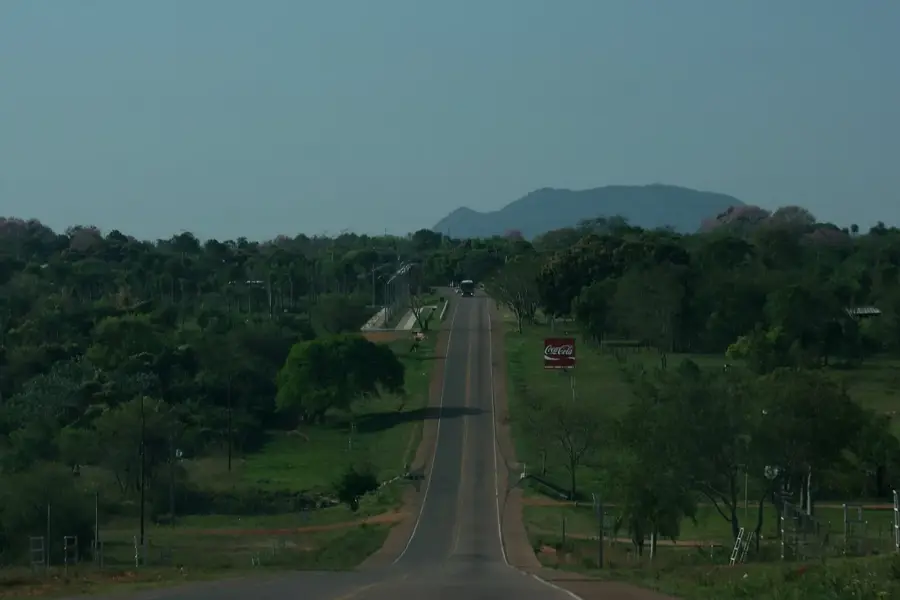
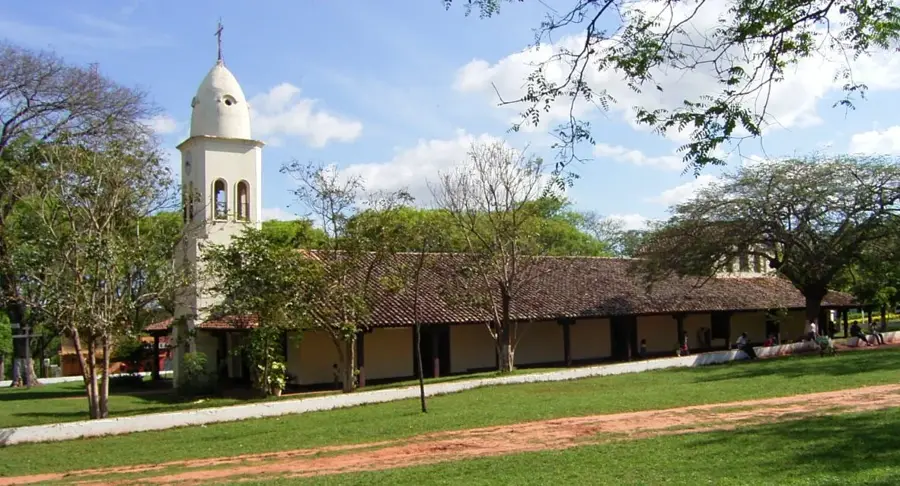
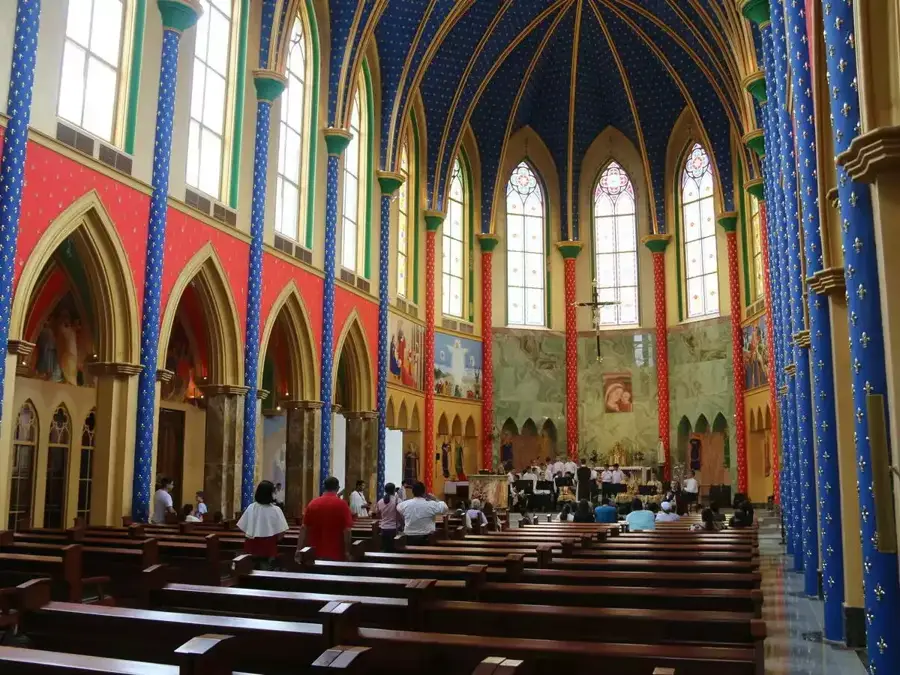
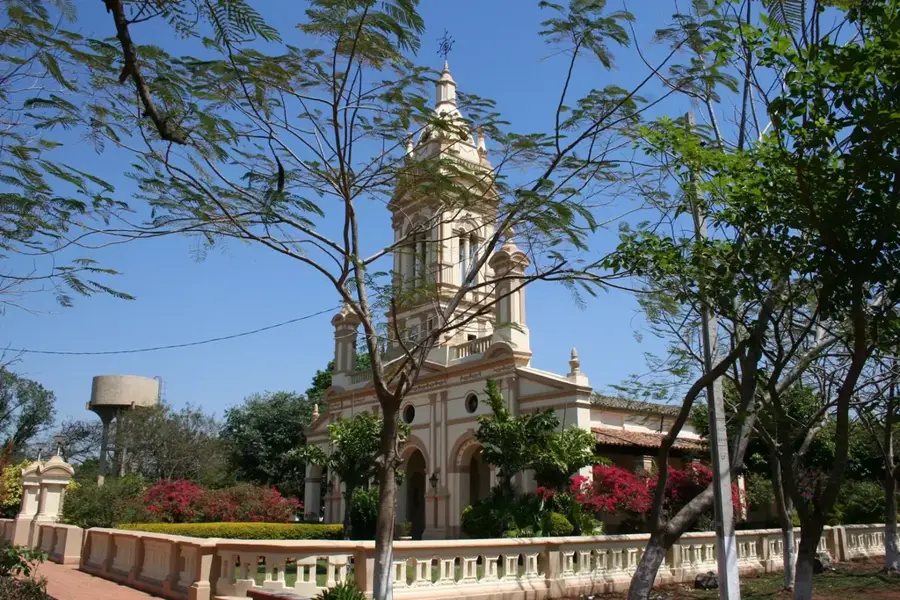
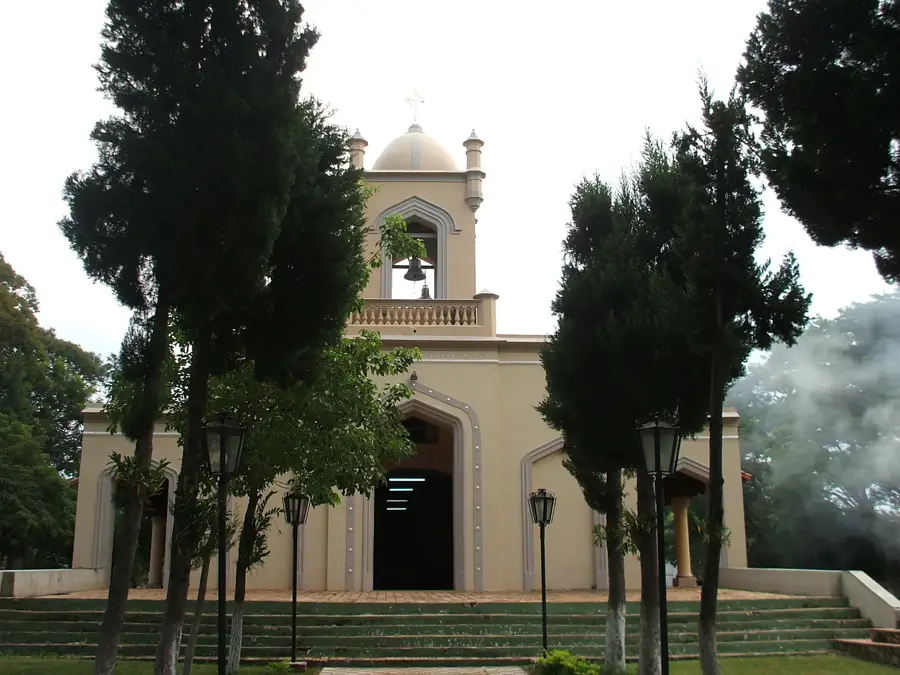
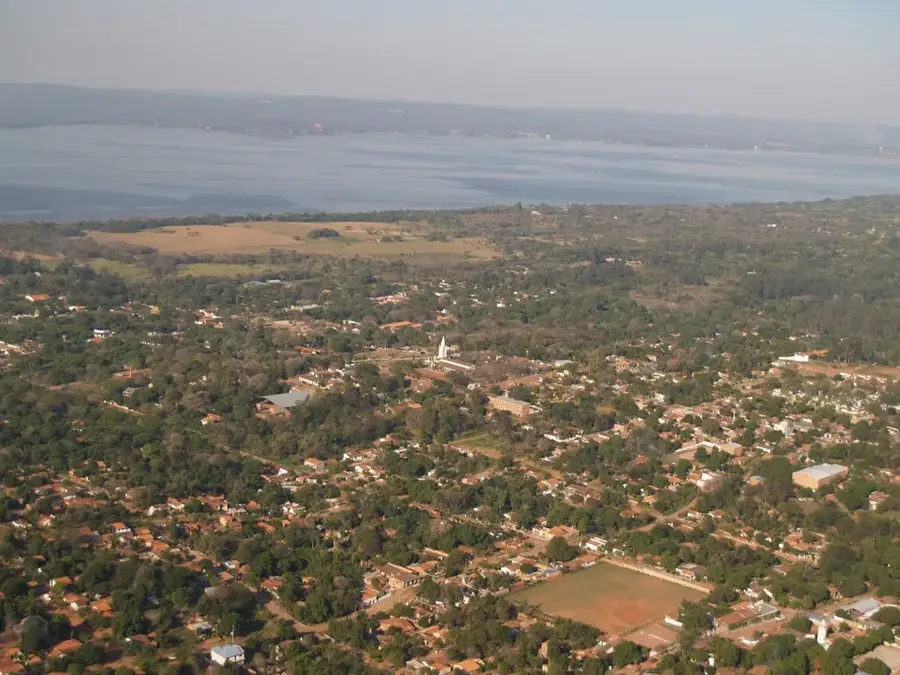
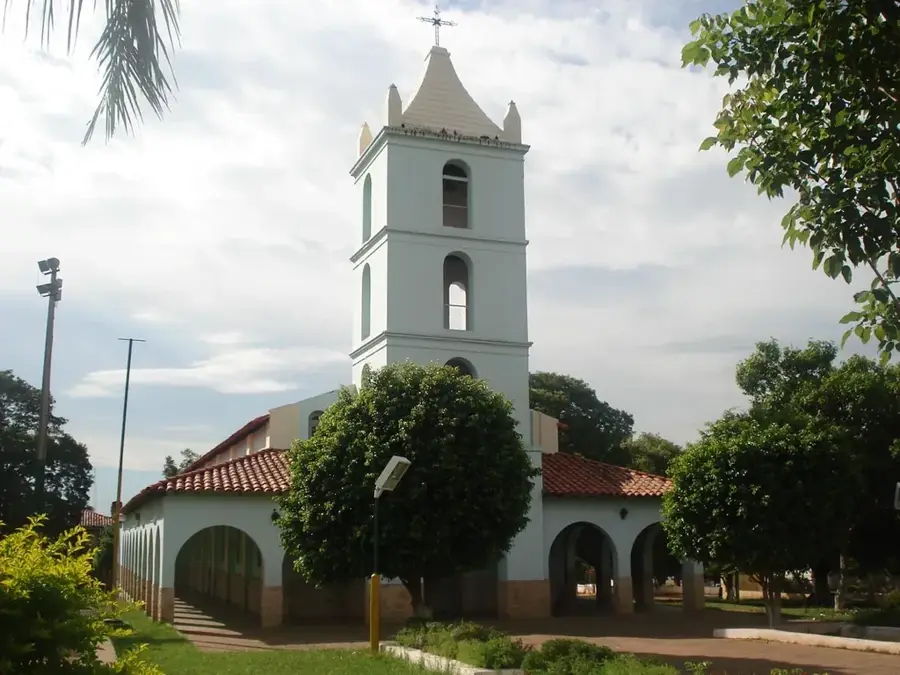
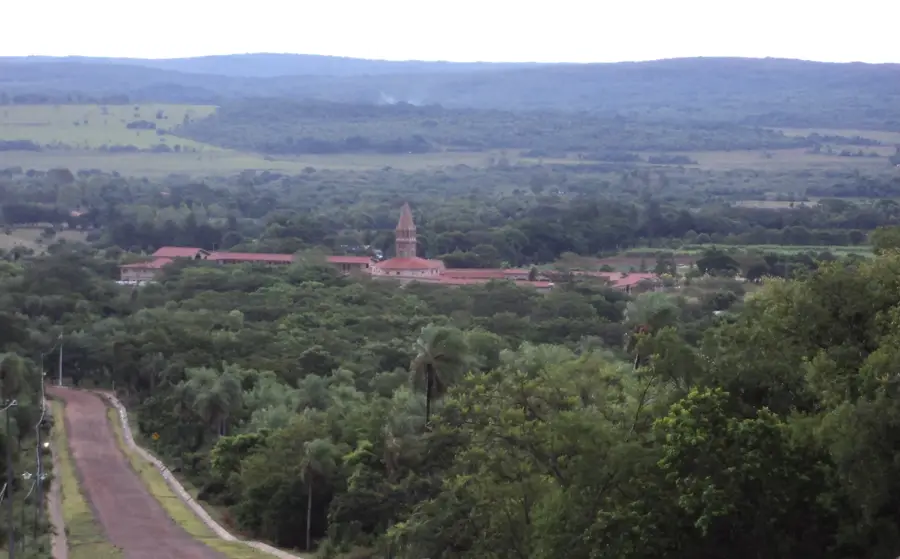
Paraguarí, known as the 'Cradle of National Independence,' is the capital of the Paraguarí Department, located roughly 66 kilometers southeast of Asunción. Founded on August 18, 1775, by Governor Agustín Fernando de Pinedo on former Jesuit lands, the city holds a place of honor in Paraguayan history. It was here, in January 1811, that the Battle of Paraguarí took place, where local forces successfully repelled an invading army from Buenos Aires led by Manuel Belgrano. This victory was a decisive step toward Paraguay's eventual independence from Spain later that year. Geographically, the city is positioned in a remarkable valley surrounded by the hills of the Cordillera de los Altos, including the iconic Cerro Perō, Cerro Mbatoví, and Cerro Santo Tomás. These formations make Paraguarí a top destination for eco-tourism and adventure sports like paragliding and hiking. The city's architecture reflects its long history, with many colonial-era buildings and a historic railway station that was once a vital link in South America's first railroad network. The local economy is driven by agriculture, livestock, and increasingly, tourism. The region is famous for its citrus fruits, sugarcane, and artisanal leather work. Culturally, Paraguarí is a bastion of traditional Paraguayan values; the annual festival of Saint Thomas Aquinas is a major event featuring religious processions and traditional 'jineteadas' (horseback riding displays). The population is predominantly bilingual, speaking both Spanish and Guaraní, and the local hospitality is legendary. With its strategic location on the PY01 highway, Paraguarí serves as a gateway to the southern regions of the country. It is a city where history is lived in the streets and nature provides a wide-open backdrop for both daily life and leisure, making it one of the most visited locations in the interior of Paraguay.
- Location: Paraguay
- Top sights: Mirador del Cerro Peró · La Casita del Cerro · Cerro Hu
- Nearby: Piribebuy (14 km)
- Population: ~10.079 (2026)
Best time to visit & climate
The most pleasant time to visit is Jul–Sep.
| Jan | Feb | Mar | Apr | May | Jun | Jul | Aug | Sep | Oct | Nov | Dec | |
|---|---|---|---|---|---|---|---|---|---|---|---|---|
| Avg °C | 28 | 27 | 26 | 23 | 19 | 17 | 17 | 19 | 21 | 24 | 25 | 27 |
| Rain mm | 127 | 140 | 133 | 149 | 152 | 78 | 66 | 41 | 77 | 171 | 193 | 176 |
Geography
Facts
- Founded on August 18, 1775, on land seized from the Jesuits.
- Known as the 'Cradle of National Independence' due to 1811 events.
- Located 66 km (41 miles) from the national capital, Asunción.
- Home to the famous Cerro Mbatoví eco-adventure park.
- The city sits at an elevation of 87 meters (285 feet).
- A major hub for the production of leather goods and citrus.
- The historic train station is a key landmark in the center.
- Annual patron saint festival is held on January 28th.
Explore nearby
Notable places around
Route planner — Car & Motorhome
Where do you start? We build the route here, with stops and country notes along the way.
© OpenStreetMap contributors · OpenRouteService
Sights in the town Paraguarí (7)
Frequently asked questions
How many days should I spend in Paraguarí?
When is the best time to visit Paraguarí?
What is the best way to get to Paraguarí?
Are there any local specialties in Paraguarí?
Is Paraguarí a family-friendly destination?
Paraguarí: where is it located?
Paraguarí: what is there to see?
Paraguarí: when is the best time to visit?
Paraguarí: why is it worth visiting?
Nearby cities


History & landmarks

Nature
More places