Plizio Visual Lab
Caacupé
ℹ️Practical info — Caacupé
▾
🌤 Weather — 5 days
📍 Nearby
Sights nearby
💡 Tips
- The town is incredibly crowded around December 8th for the pilgrimage; visit at any other time of the year for a quiet experience.
- Try "Chipa Barrero", the most famous local version of Paraguay's cheese bread, sold by street vendors.
- Walk up to the top of the Basilica for a panoramic view of the city and the surrounding green hills.
- Bring a reusable bottle to fill with water at the Tupasy Ykua, a holy well believed to have miraculous properties.
- Public buses from Asunción run frequently, making this an easy day trip.
🍽 Food
A dense, baked cheese and cassava bread. Buy it hot from the roaming vendors carrying large baskets around the Basilica.
A solid, savory sponge cake made from cornmeal, cheese, and onions. Available in traditional eateries near the main square.
A starchy, cheesy flatbread made of cassava starch, well-suited with a hot coffee or mate cocido.
🛍 Shopping · 🧘 Quiet spots
The streets surrounding the Basilica are lined with shops selling rosaries, saint statues, and holy water bottles.
Look for locally crafted leather belts and tereré thermos sleeves in the small artisan shops.
Located slightly away from the main church, this well has a peaceful place for reflection under the trees.
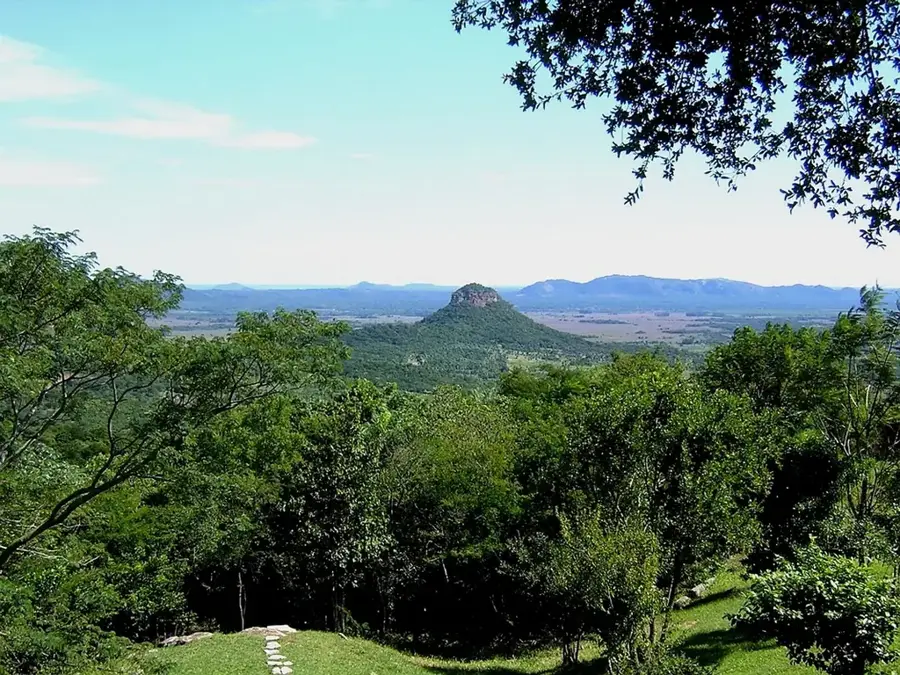
A short hike up this hill rewards you with a serene environment and an excellent view of the Cordillera department.
Water temperature…
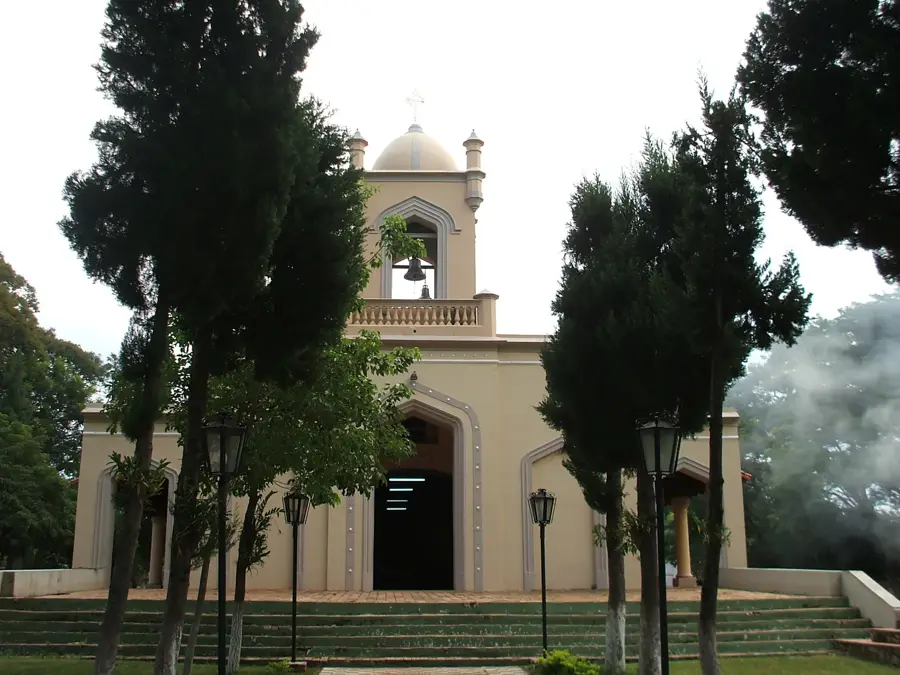
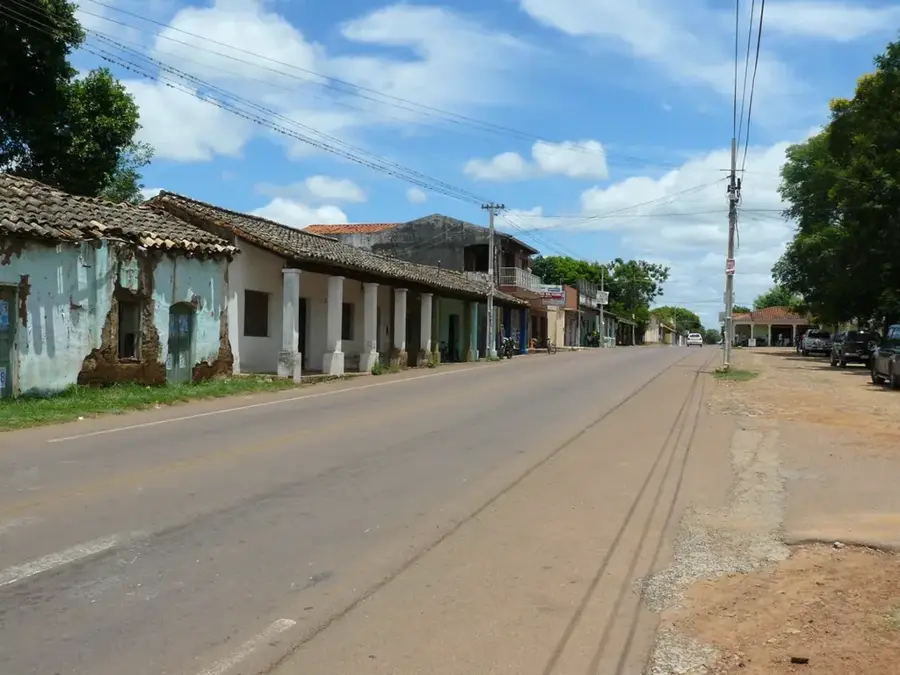
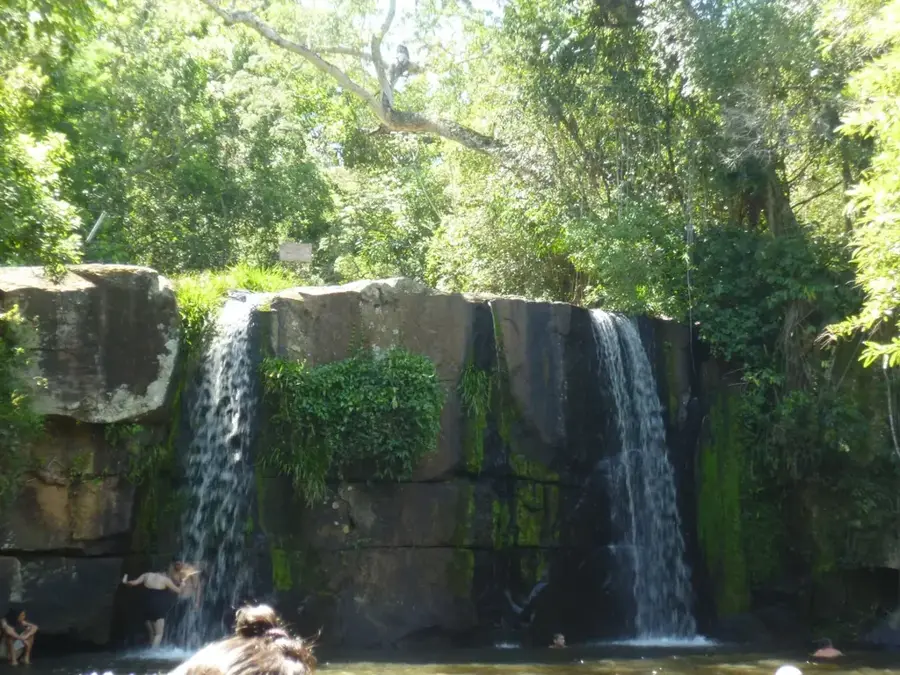
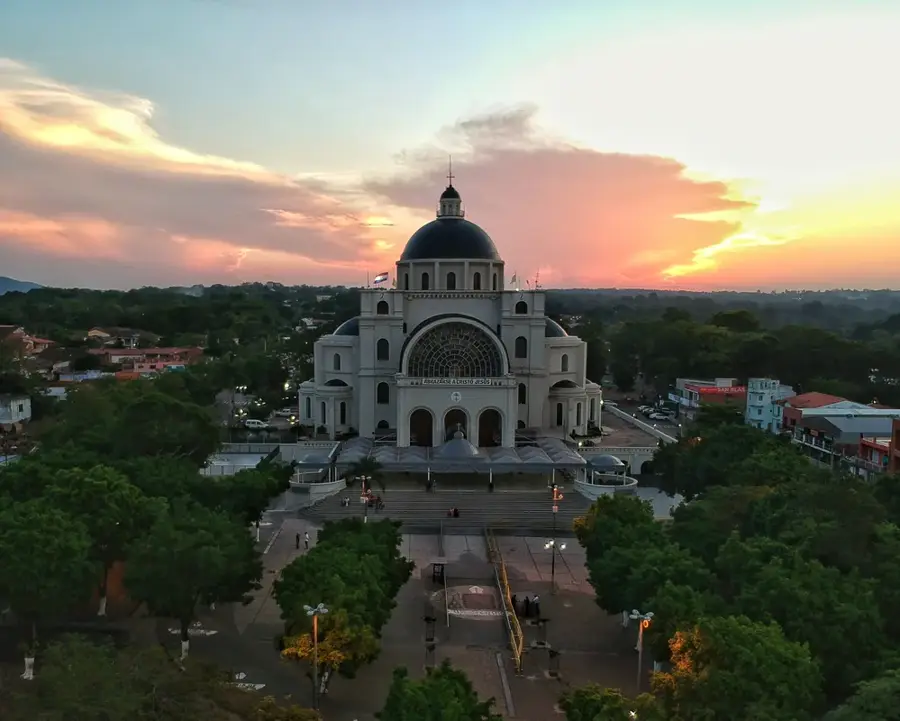
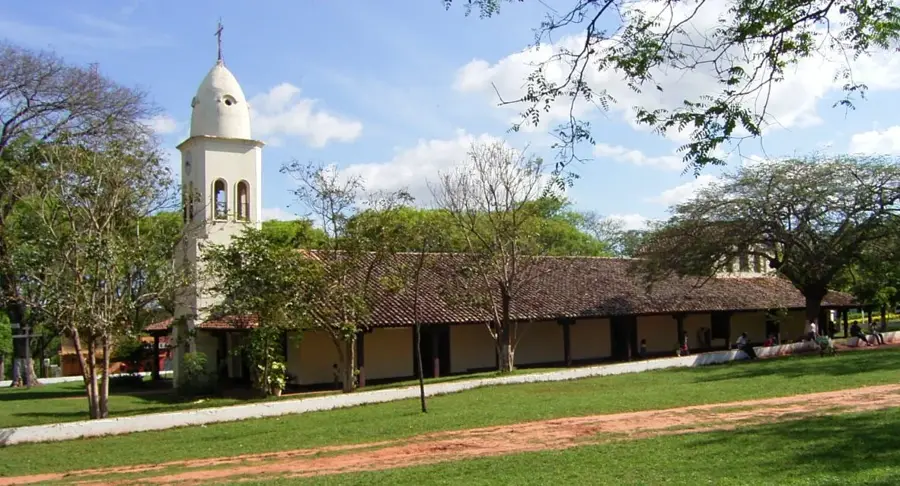
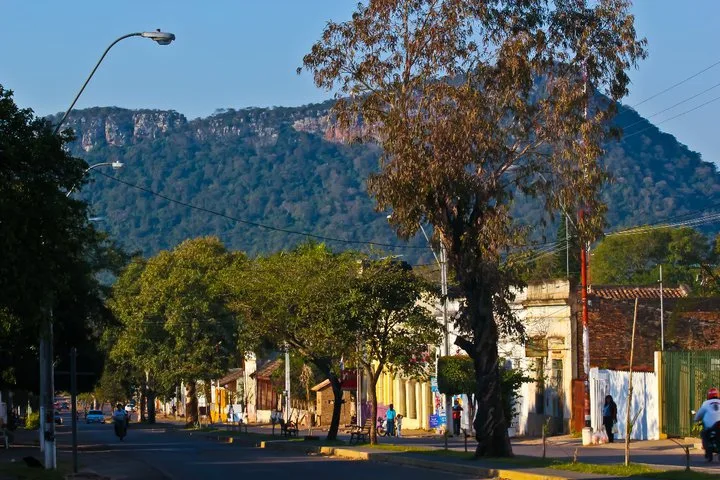
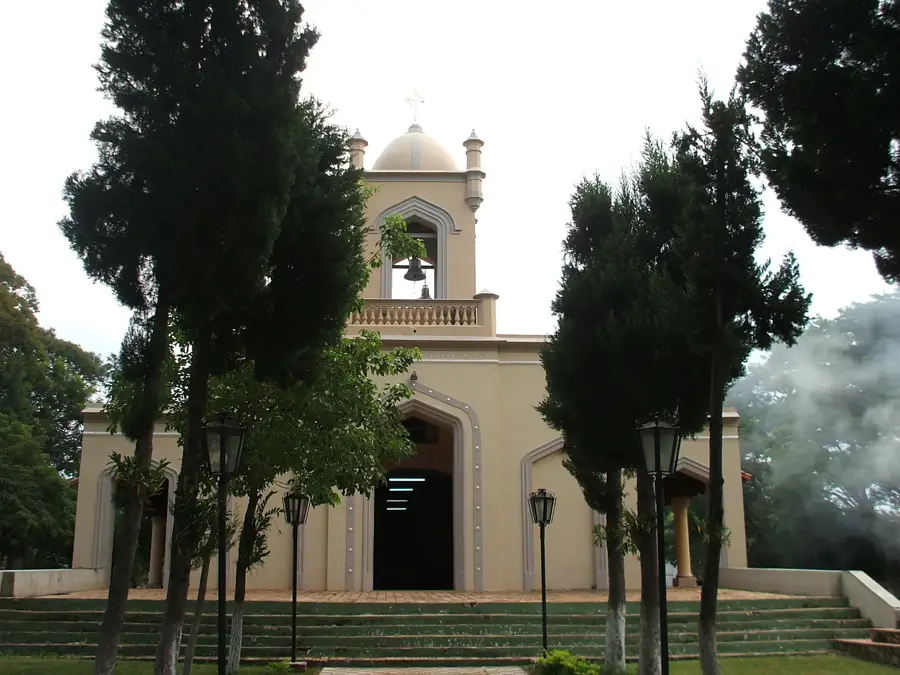
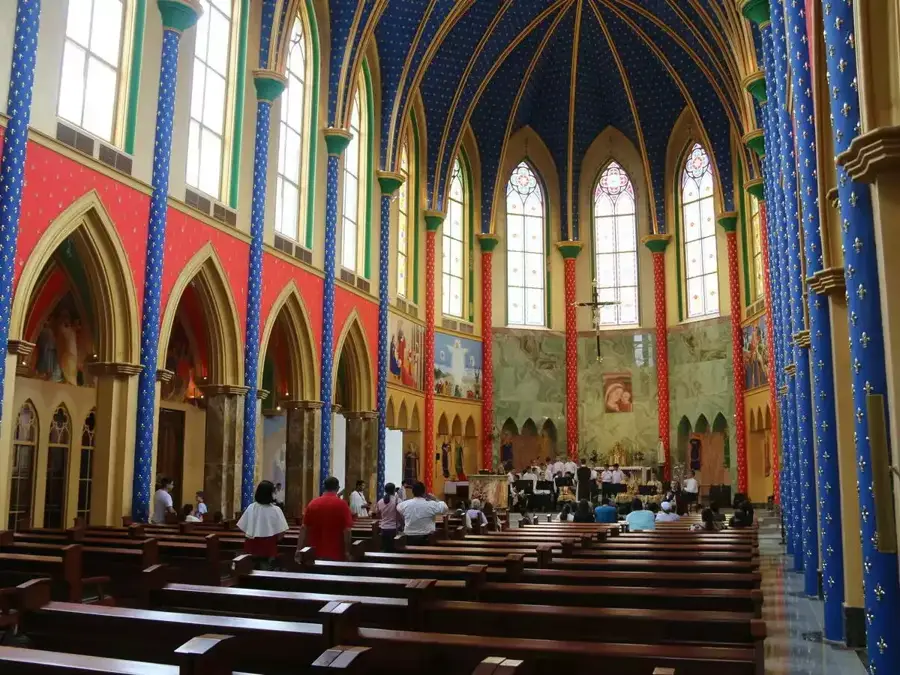
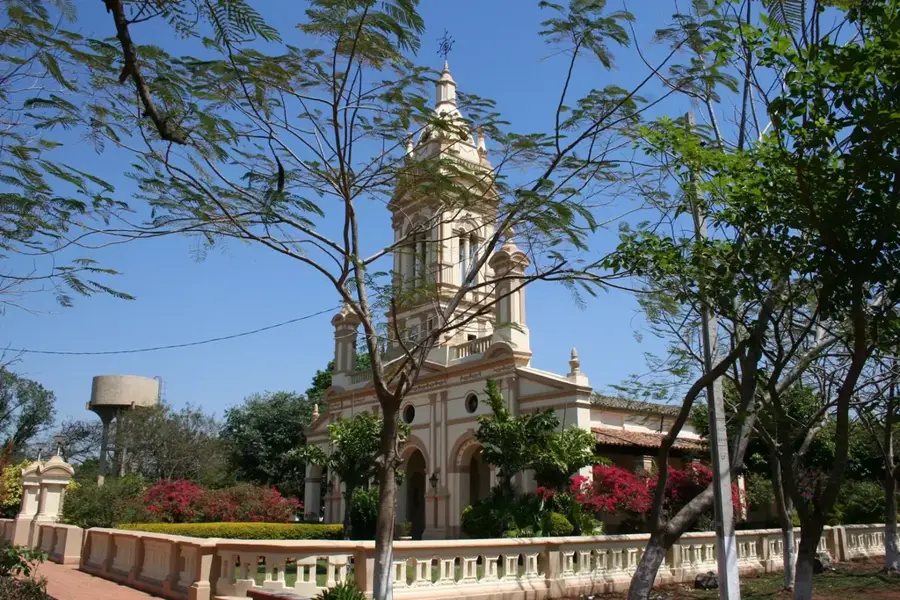
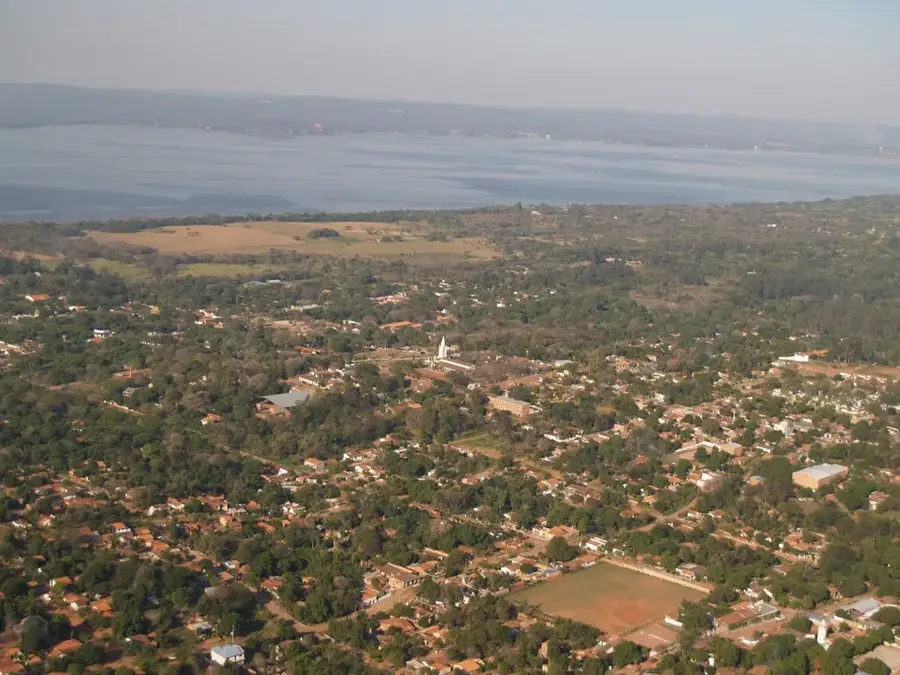
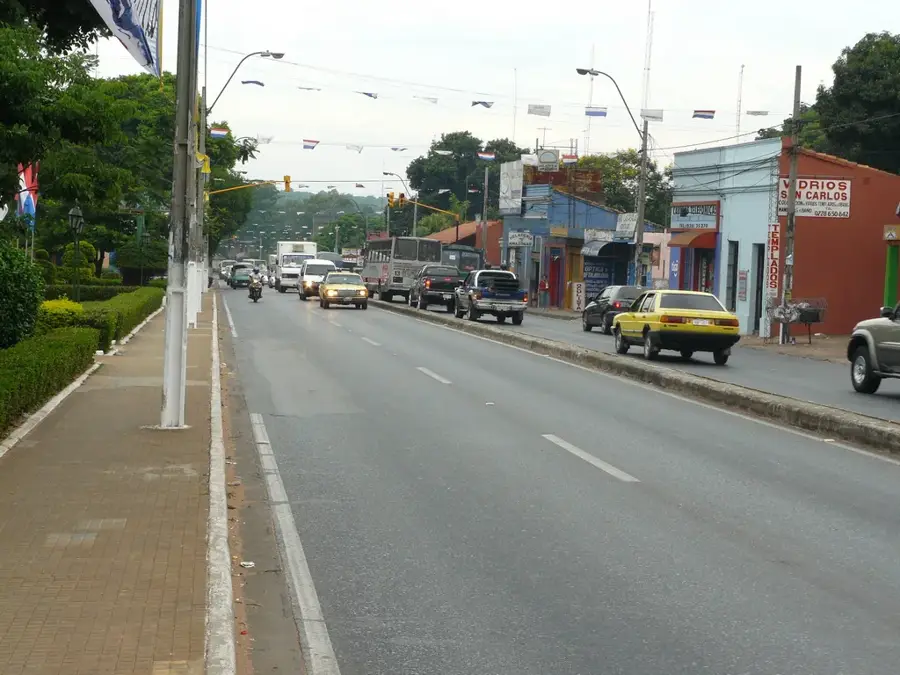
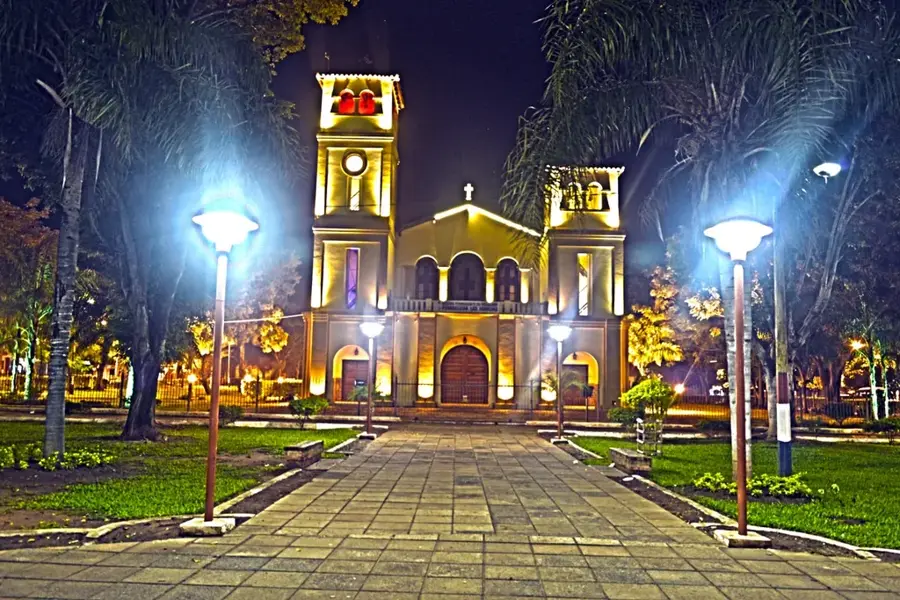
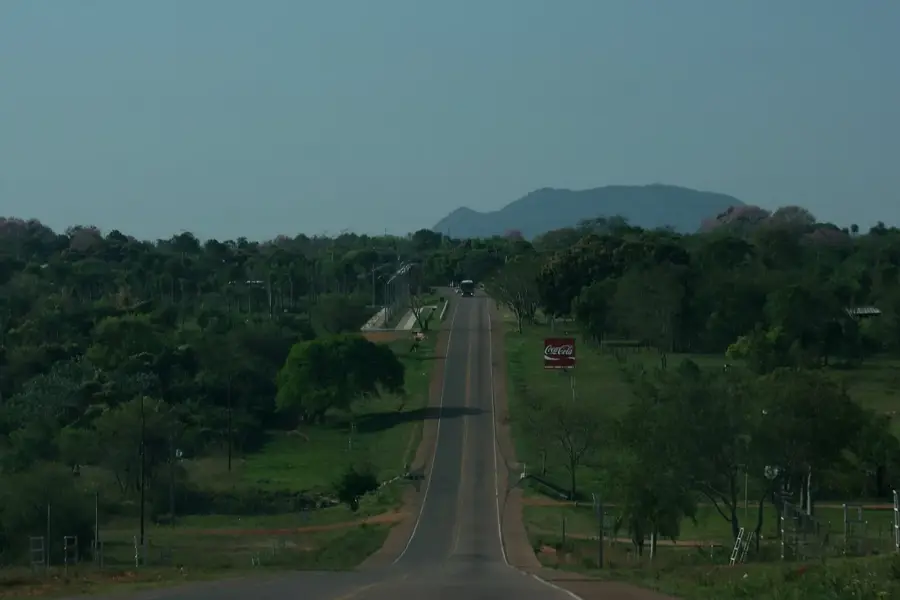
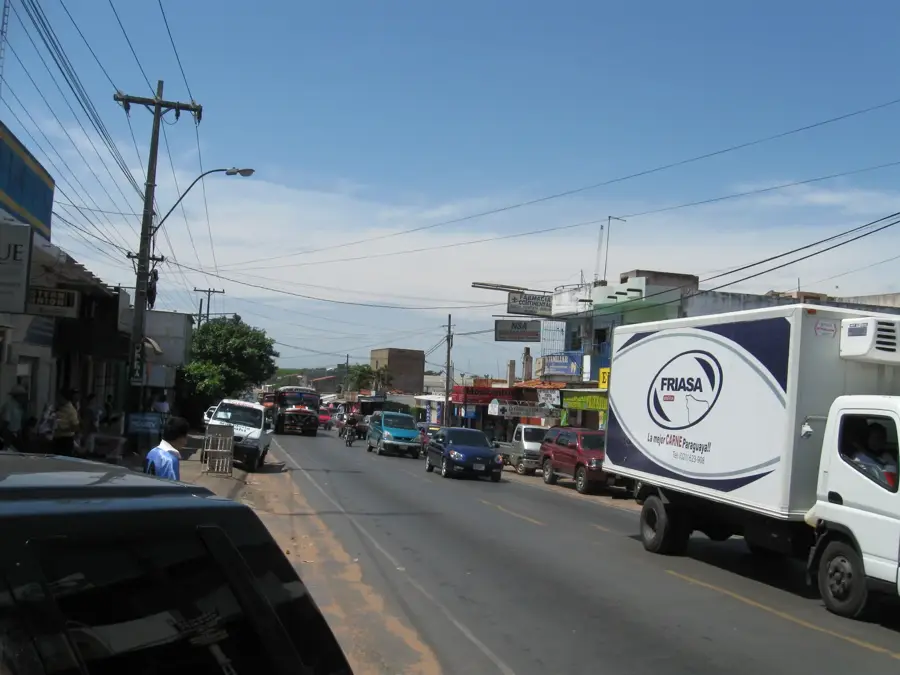
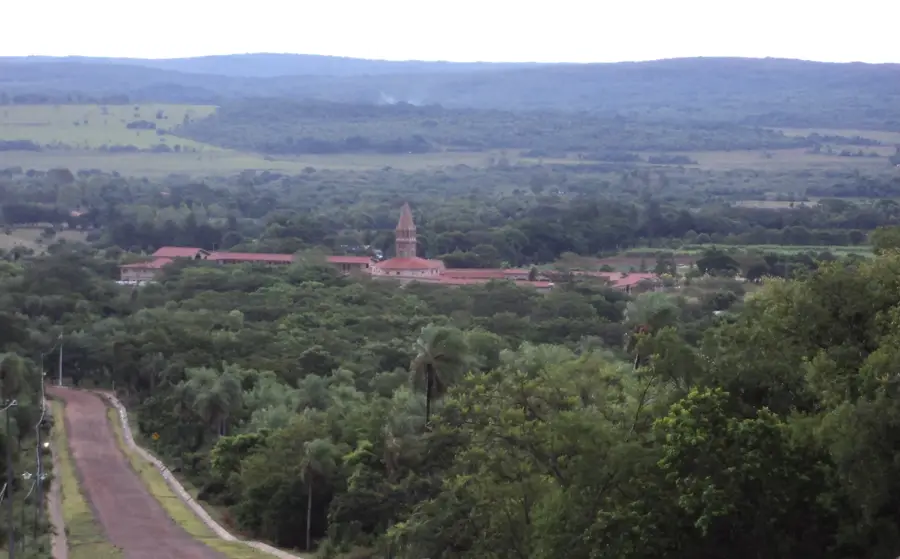
Caacupé, the capital of the Cordillera Department in Paraguay, is widely regarded as the spiritual heart of the nation. Located about 54 kilometers east of Asunción, the city is positioned among the rolling hills of the Cordillera de los Altos, providing a cooler and more scenic environment than the capital. Formally founded in 1770 by Carlos Murphy, Caacupé's identity is deeply intertwined with the cult of the Virgin of the Miracles of Caacupé. According to legend, a Guaraní convert named José carved an image of the Virgin Mary in the 16th century after surviving an ambush by hostile tribes, an event that sparked centuries of devotion. The city's primary landmark is the Basilica Minore of Our Lady of the Miracles, a massive structure with a prominent dome that serves as the national shrine. Every December 8th, Caacupé becomes the epicenter of the country's most significant religious festival, with hundreds of thousands of pilgrims traveling, many on foot, to pay their respects and fulfill vows. This religious tourism is the backbone of the local economy, supporting a vast array of hotels, eateries, and artisans specializing in religious imagery and traditional Paraguayan crafts. Beyond its sacred role, Caacupé is an essential administrative center for the region and a gateway to the natural attractions of the Cordillera, such as waterfalls and eco-tourism parks. The city reflects the deep-seated Catholic traditions of Paraguay, blended with indigenous Guaraní influences. It is a place of profound national unity, where the quietude of the hills meets the fervent energy of faith, making it a unique cultural and religious destination in the heart of South America.
- Location: Paraguay
- Top sights: Quinta Maravilla · Mirador 2 del Cerro · Acceso 1 al sendero del Cerro Cristo Rey
- Nearby: Tobatí (10 km)
- Population: ~56.864 (2026)
Best time to visit & climate
The most pleasant time to visit is Jul–Sep.
| Jan | Feb | Mar | Apr | May | Jun | Jul | Aug | Sep | Oct | Nov | Dec | |
|---|---|---|---|---|---|---|---|---|---|---|---|---|
| Avg °C | 28 | 27 | 26 | 23 | 19 | 17 | 17 | 19 | 21 | 24 | 25 | 27 |
| Rain mm | 127 | 140 | 133 | 149 | 152 | 78 | 66 | 41 | 77 | 171 | 193 | 176 |
Geography
Facts
- Caacupé was officially founded on April 4, 1770, by Carlos Murphy.
- The city's name means 'behind the forest' in the native Guaraní language.
- The Basilica of Our Lady of Miracles was consecrated as a Minor Basilica in 2015.
- It is the main pilgrimage site for the Feast of the Immaculate Conception in Paraguay.
- The city is located in the Cordillera Mountains, part of the Altos mountain range.
- Caacupé is approximately 54 kilometers (33 miles) away from the capital, Asunción.
- The Pozo de la Virgen (Virgin's Well) is a popular local site where pilgrims collect water.
- The city is a hub for the production of chipa, a traditional Paraguayan cheese bread, during festivals.
Explore nearby
Notable places around

Route planner — Car & Motorhome
Where do you start? We build the route here, with stops and country notes along the way.
© OpenStreetMap contributors · OpenRouteService
Sights in the town Caacupé (10)
Frequently asked questions
Why is Caacupé famous?
When should one avoid traveling?
Is a day trip worth it?
Where to find accommodation?
Are there good restaurants?
Caacupé: where is it located?
Caacupé: what is there to see?
Caacupé: when is the best time to visit?
Caacupé: why is it worth visiting?
Nearby cities

History & landmarks

Nature
More places