Plizio Visual Lab
San José de los Arroyos

ℹ️Practical info — San José de los Arroyos
▾
🌤 Weather — 5 days
📍 Nearby
Sights nearby
💡 Tips
- The city is famous for its traditional music; ask locals about upcoming folk performances.
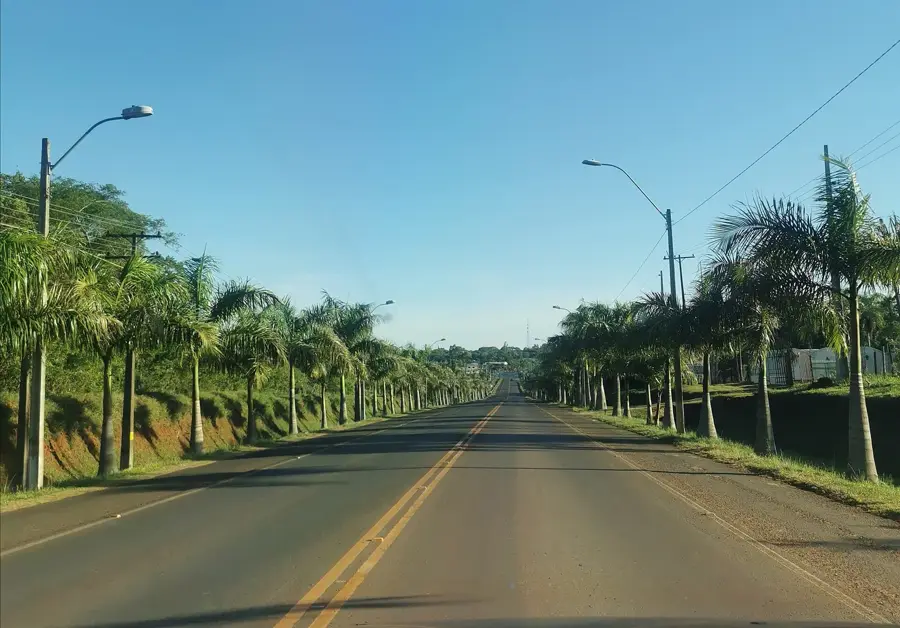
- A first-rate pit stop on Route 2 between Asunción and Ciudad del Este.
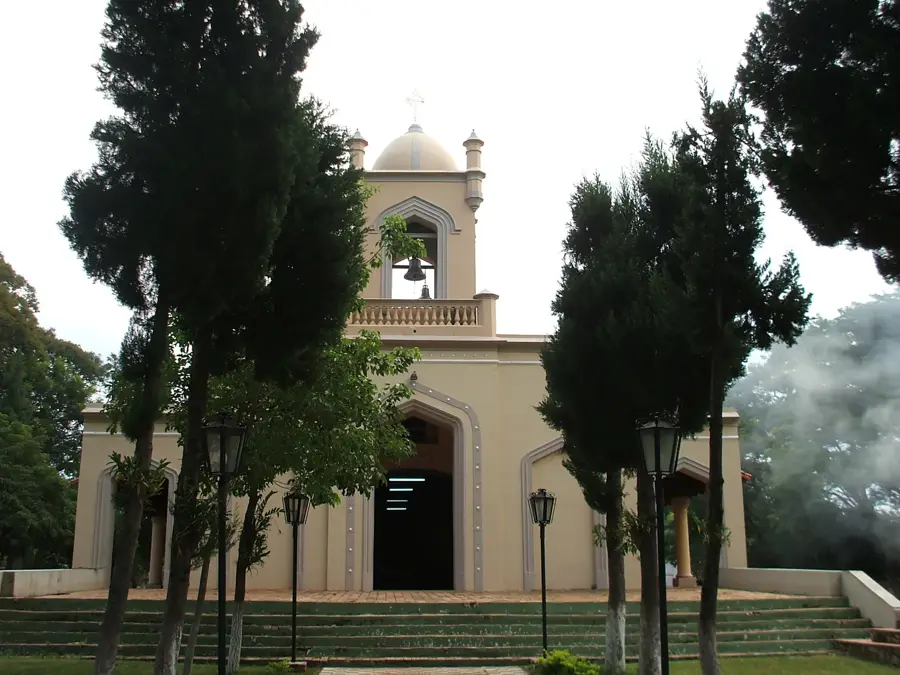
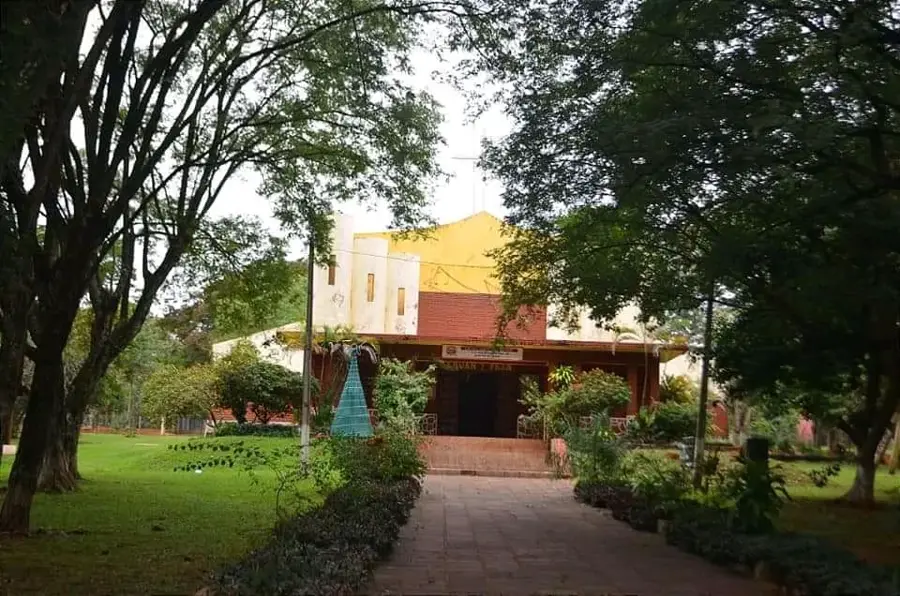
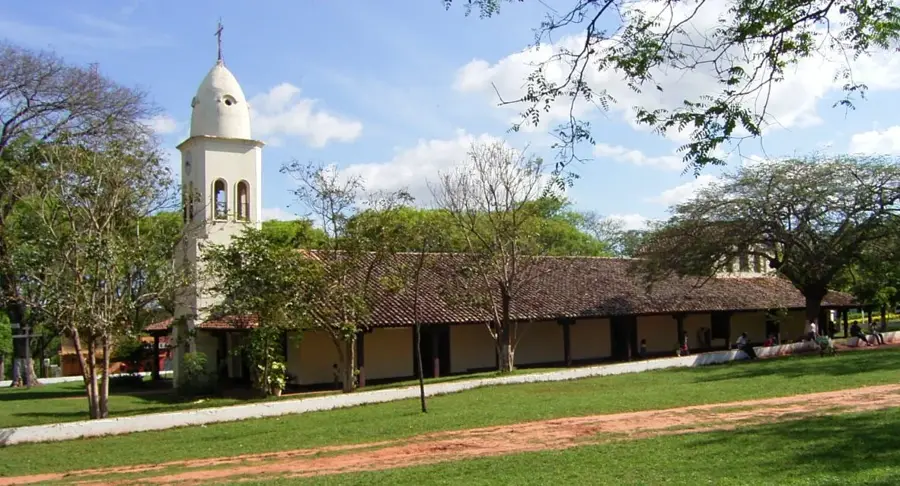
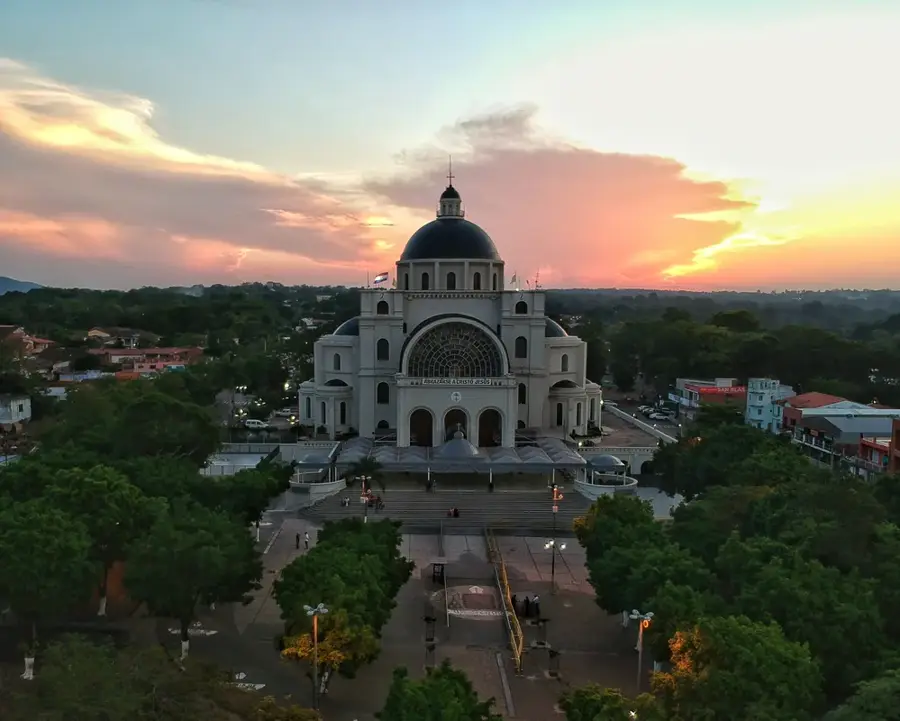
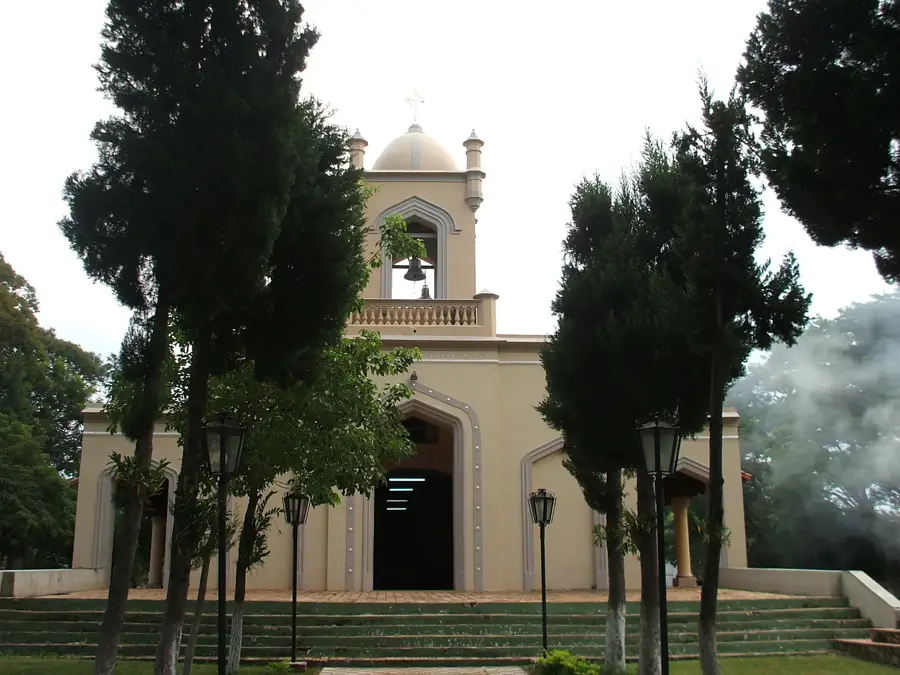
- Visit the historic church in the town center, a landmark of local architecture.
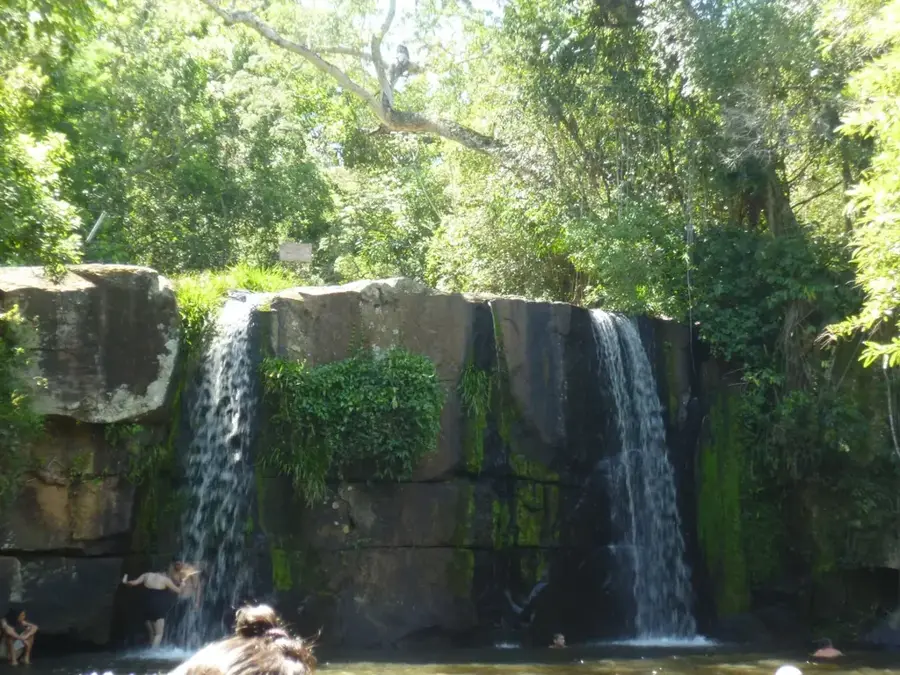
- Explore the nearby streams (arroyos) that give the city its name for a refreshing break.
- Respect the local siesta; most businesses close between noon and 3 PM.
🍽 Food
Thanks to the proximity to Barrero Grande, you'll find top-quality corn and cheese bread here.
A hearty chicken soup with cornmeal dumplings, available in small local diners.
Look for homemade guava pastes and jams sold at roadside stalls.
🛍 Shopping · 🧘 Quiet spots
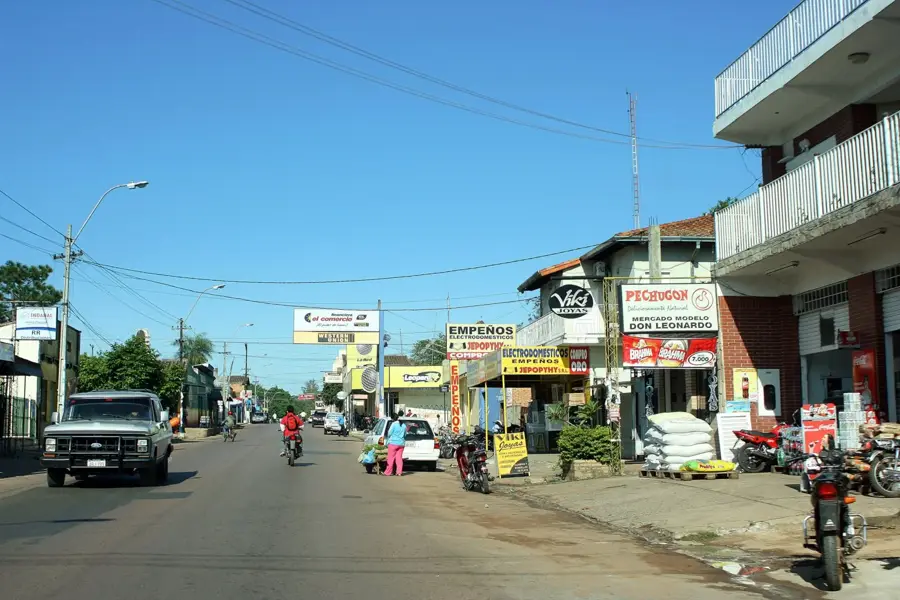
Great for quick snacks and finding small pieces of local folk art.
Look for traditional hand-woven hats made from local palm leaves.
Find a shaded spot along one of the local arroyos for a relaxing picnic.
A peaceful area in the town center, excellent for quiet reflection.
Water temperature…
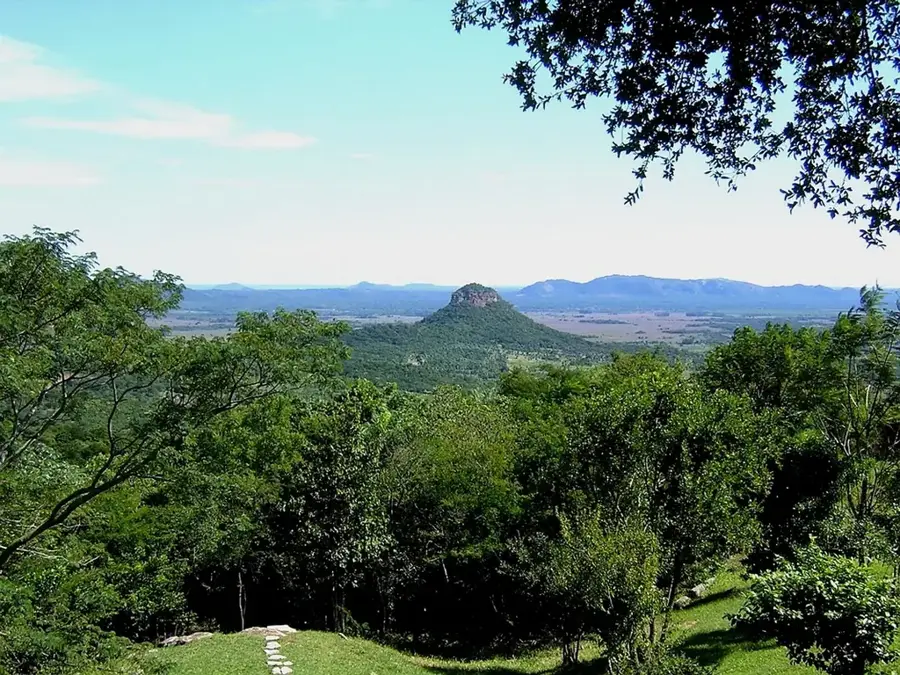
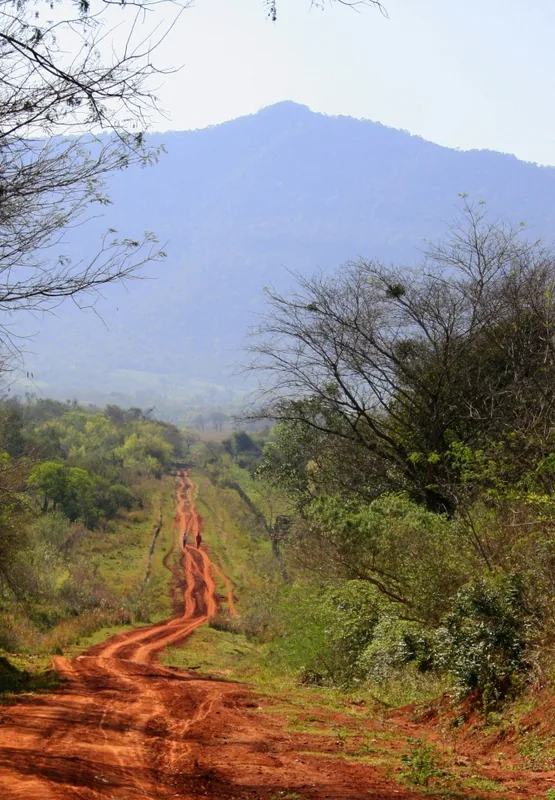
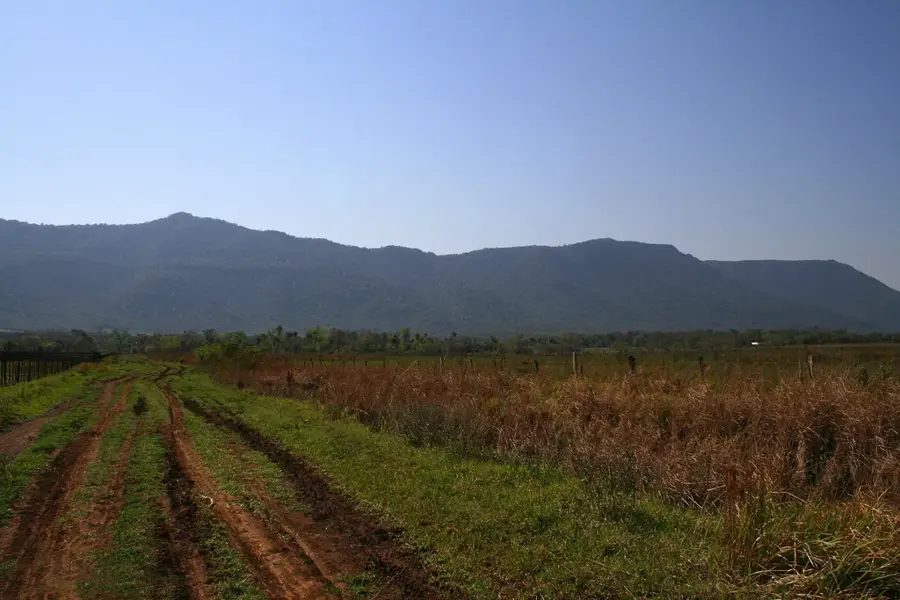
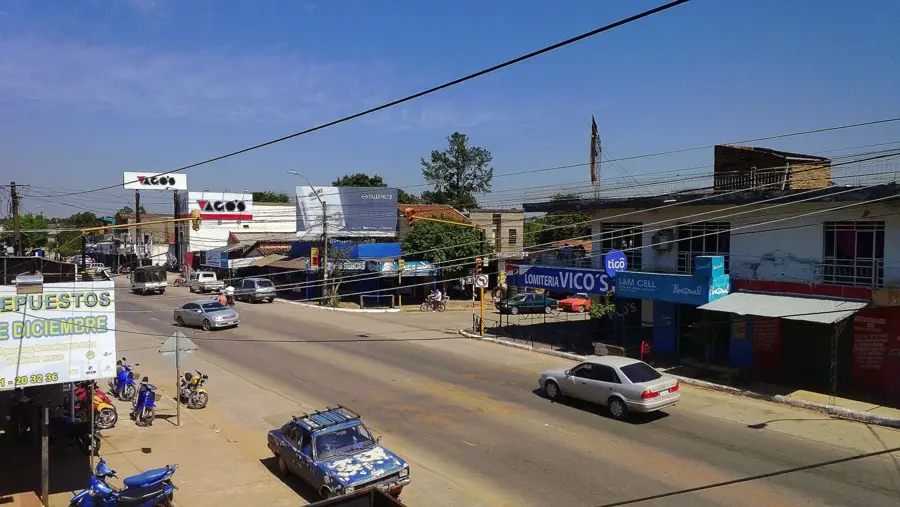
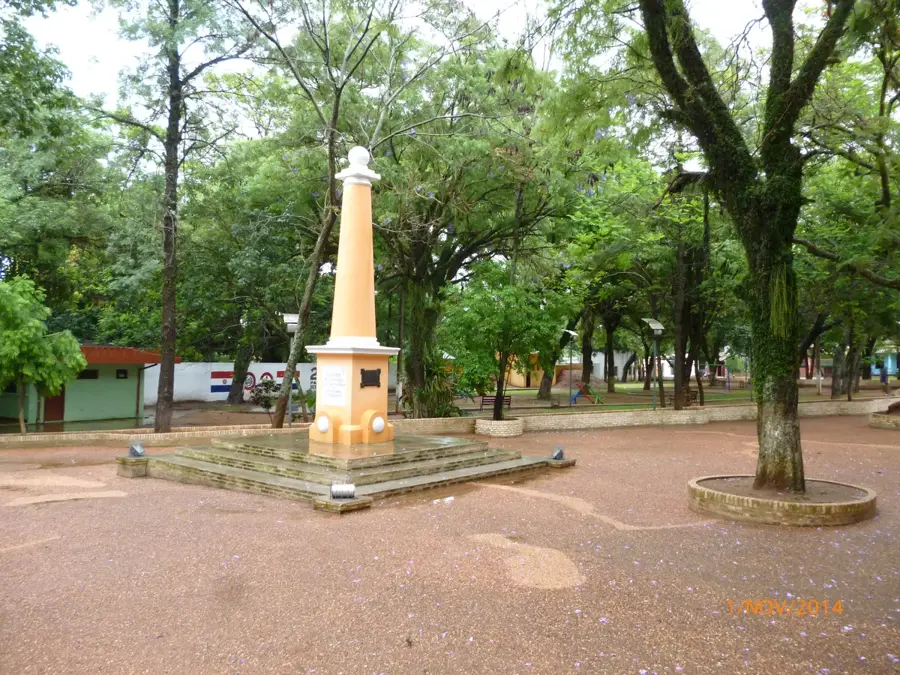
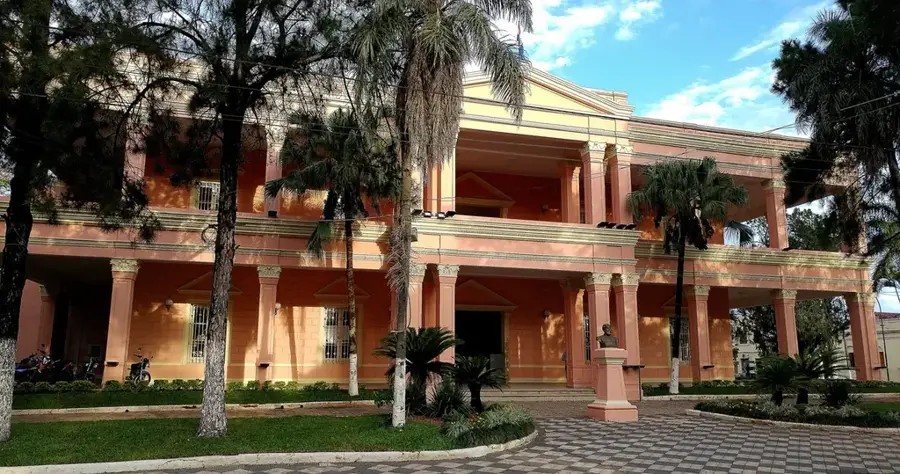
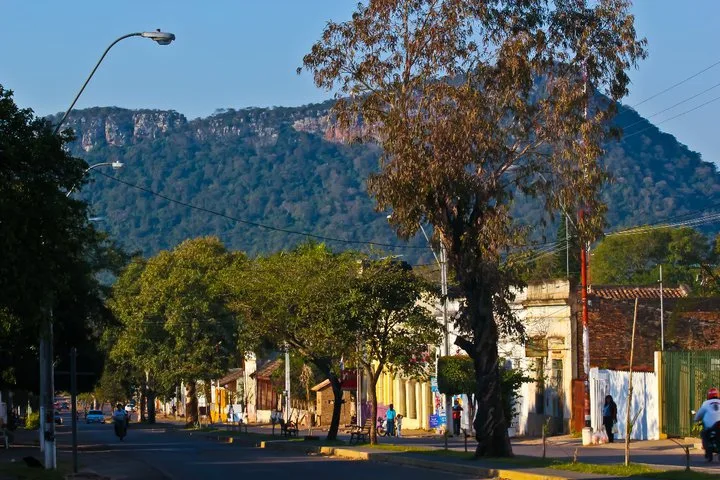
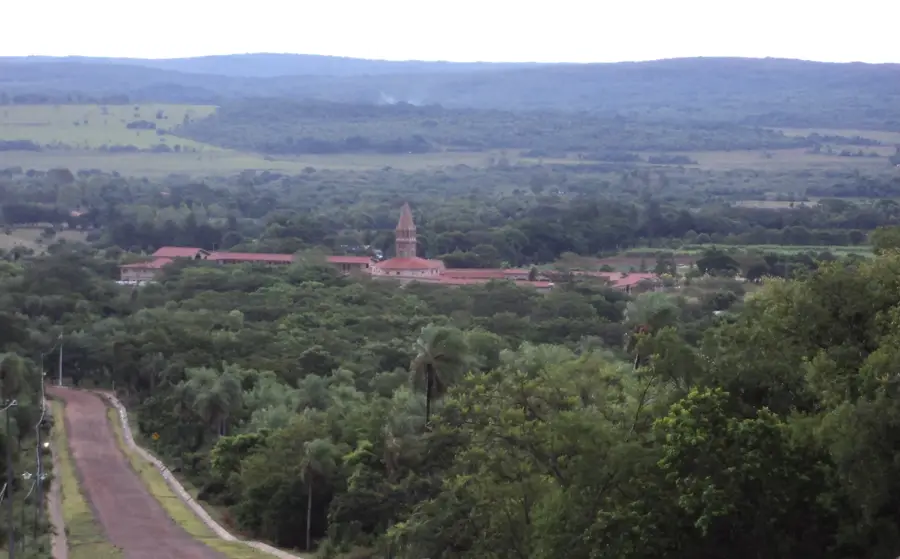
San José de los Arroyos, a town in the Caaguazú Department of eastern Paraguay, lies about 130 kilometres east of Asunción along Route 2 in a hilly landscape crossed by streams and small rivers, to which the name itself refers, meaning Saint Joseph of the Streams. It was founded in 1782 and is one of the oldest towns in the region. The town acquired tragic significance during the War of the Triple Alliance when several battles were fought here. Today around 25 000 people live in the town. San José de los Arroyos is nationally known for its pottery and handicraft tradition and for producing the typical Paraguayan hammocks. Economically the town relies on agriculture (maize, cassava, beans), cattle ranching, handicrafts and commuting to Asunción. Notable sights include the historic eighteenth-century parish church, the Mercado Artesanal with its traditional clay products and the annual patronal feast on Saint Joseph's day in March.
- Location: Paraguay
- Nearby: Eusebio Ayala (31 km)
- Population: ~5.117 (2020)
Best time to visit & climate
The most pleasant time to visit is Jul–Sep.
| Jan | Feb | Mar | Apr | May | Jun | Jul | Aug | Sep | Oct | Nov | Dec | |
|---|---|---|---|---|---|---|---|---|---|---|---|---|
| Avg °C | 27 | 27 | 26 | 23 | 18 | 17 | 16 | 18 | 20 | 23 | 24 | 26 |
| Rain mm | 131 | 136 | 131 | 152 | 172 | 90 | 75 | 52 | 92 | 187 | 190 | 167 |
Geography
Facts
- Year of foundation: 1780
- Population: approx. 20,000
- Specialty: Chipa (traditional snack)
- Location: Caaguazú Department
- Altitude: 147 meters
- Area: 496 square kilometers
Explore nearby
Notable places around

Route planner — Car & Motorhome
Where do you start? We build the route here, with stops and country notes along the way.
© OpenStreetMap contributors · OpenRouteService
Frequently asked questions
How long does a visit take?
What is the best season?
Are there local specialties?
Is it easily accessible by public transport?
Is it a family-friendly place?
San José de los Arroyos: where is it located?
San José de los Arroyos: when is the best time to visit?
San José de los Arroyos: why is it worth visiting?

Nearby cities



History & landmarks

Nature

More places