Plizio Visual Lab
Apollo 11 Cave
Weather…
Water temperature…
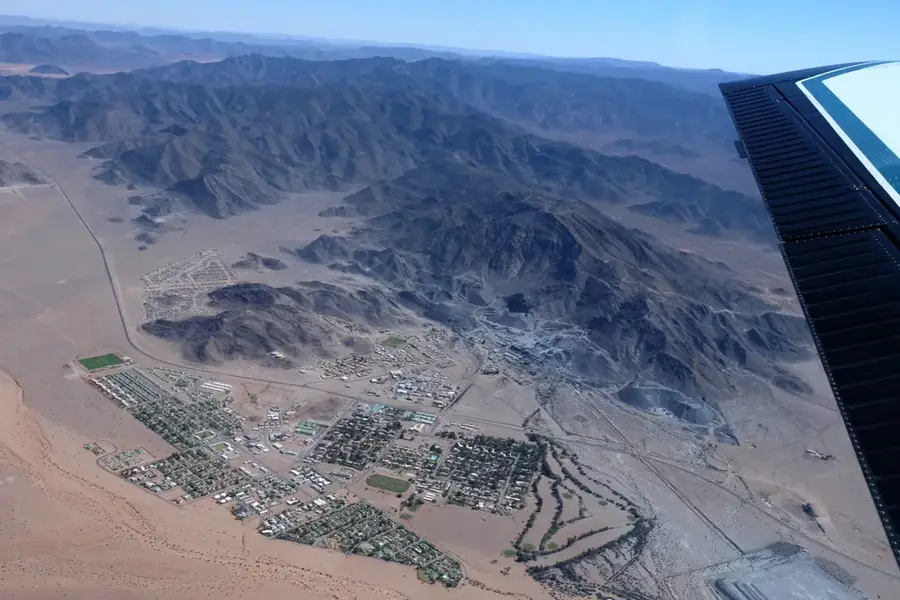
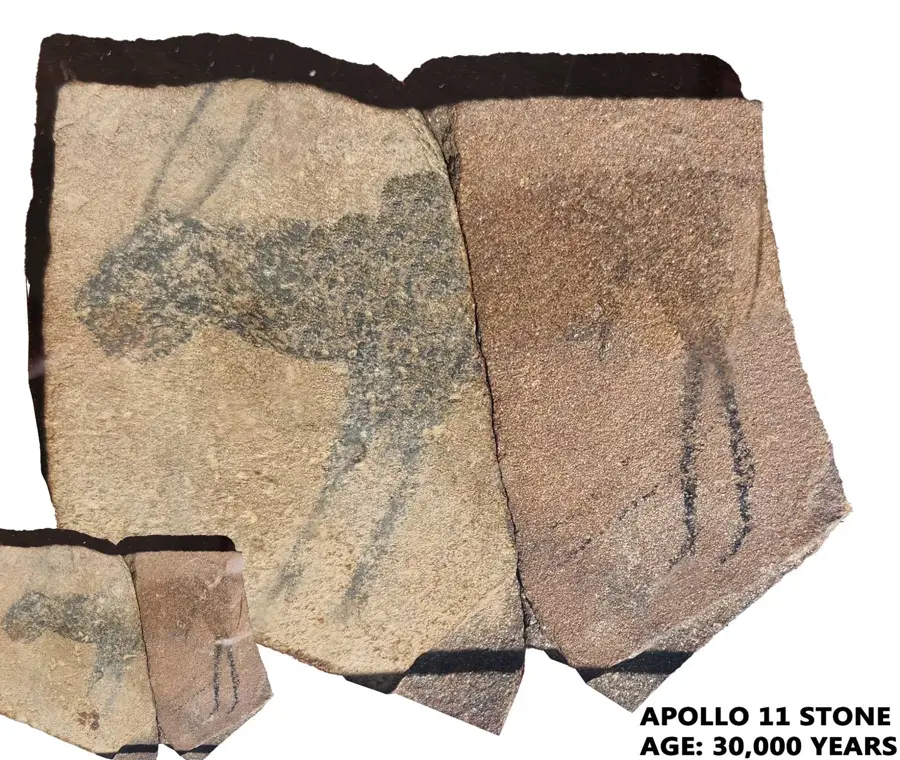
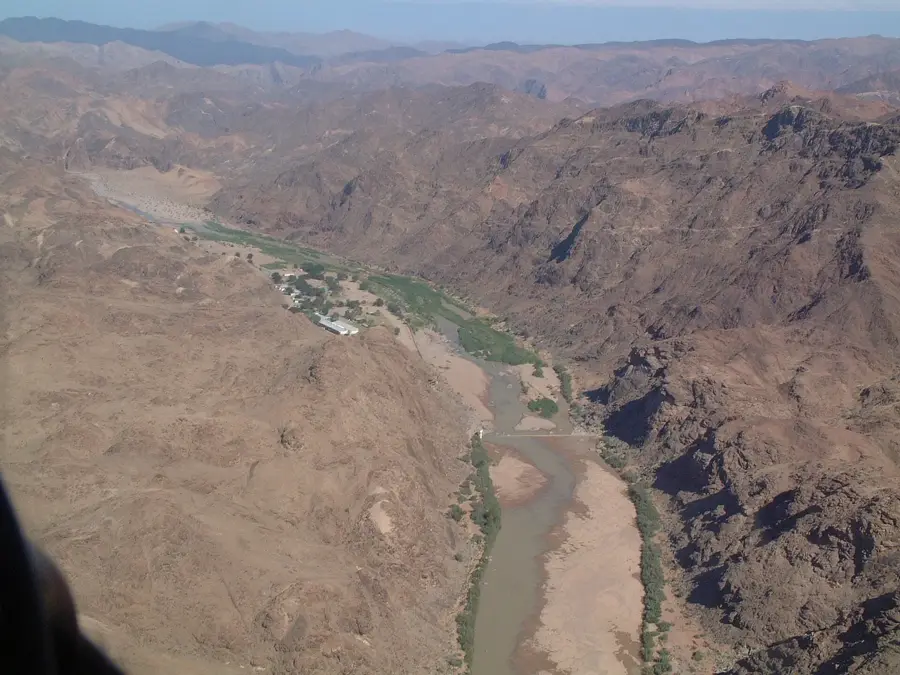
The Apollo 11 Cave, located in the Huns Mountains of southern Namibia, is one of the world's most significant archaeological sites, providing a vital link to the dawn of human artistic expression. The cave gained international renown following the discovery of seven small stone plaques decorated with charcoal and ochre, depicting animal figures such as rhinoceroses and felines. These artifacts were excavated between 1969 and 1972 by German archaeologist Wolfgang Wendt; the discovery of the first plaque coincided with the Apollo 11 moon landing, hence the cave's name. Radiocarbon dating places these artworks at approximately 25,500 to 27,500 years old, making them the oldest known examples of mobile art in Africa. The site provides profound insights into the spiritual and cultural lives of Late Stone Age inhabitants. Due to its remote location and immense scientific importance, the cave is a protected site that documents the enduring nature of human creativity over tens of millennia.
- Location: Namibia
- Nearby: Rosh Pinah (76 km)
📋 Practical info
Geography
Facts
- Scientific excavation began in 1969 under archaeologist Wolfgang Wendt.
- The cave was named after the Apollo 11 moon landing occurring at that time.
- Archaeologists found seven stone plaques with charcoal and ochre animal art.
- The findings are radiocarbon dated to between 25,500 and 27,500 years old.
- It is recognized as the site of Africa's oldest known mobile art.
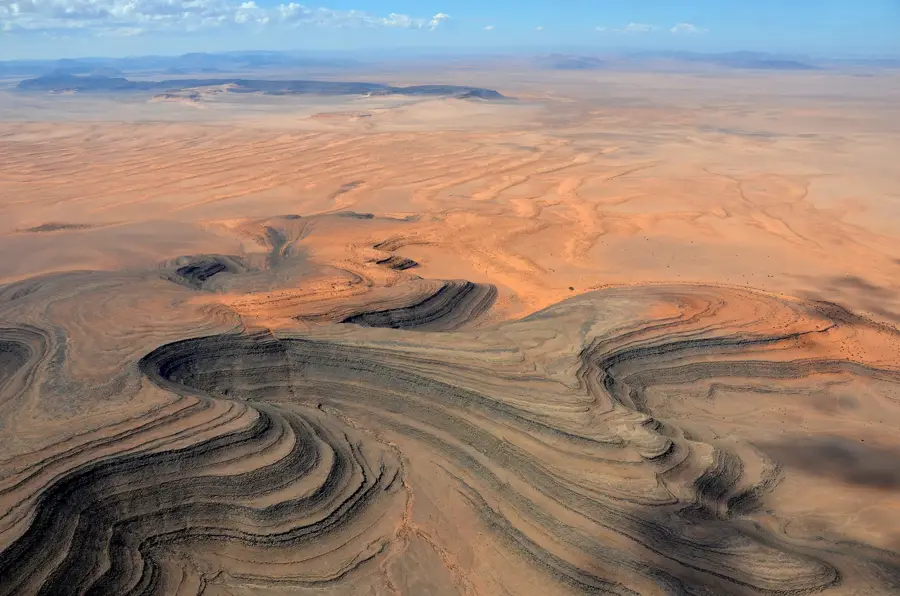
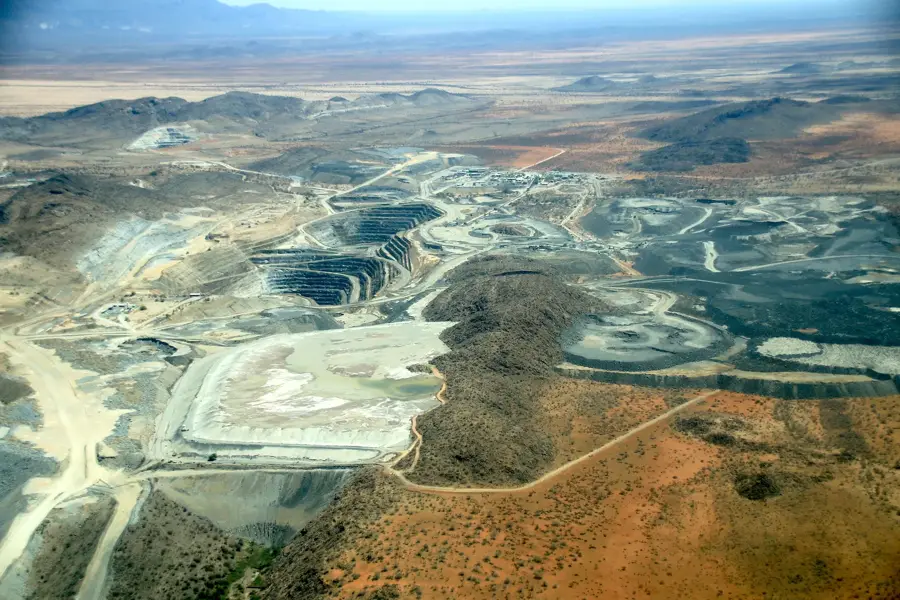
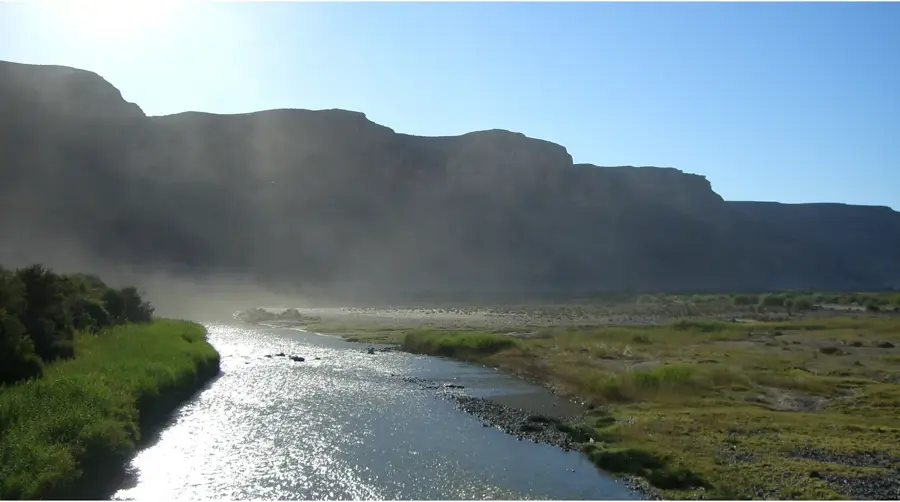
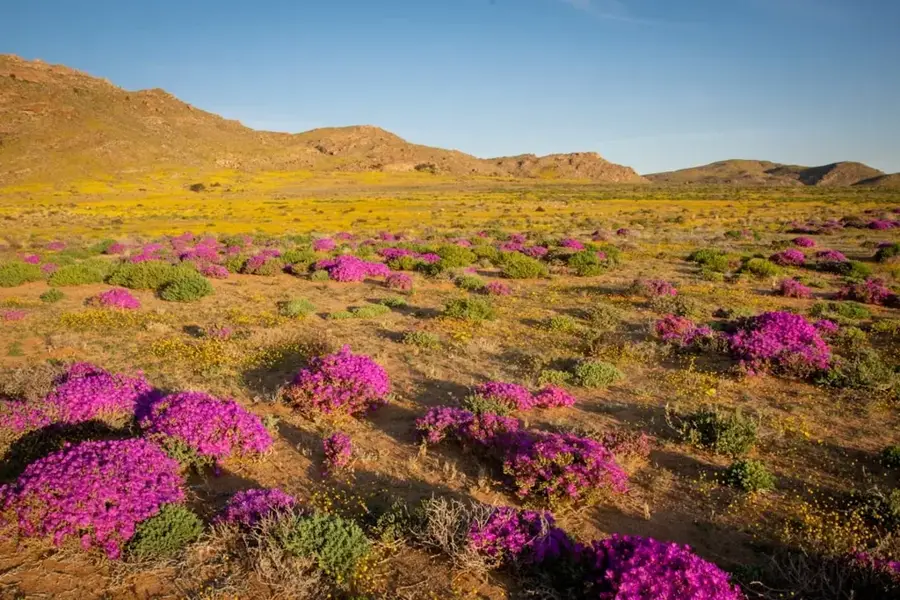
- The cave is situated in the remote Huns Mountains within the Karas Region.
Explore nearby
Notable places around
Route planner — Car & Motorhome
Where do you start? We build the route here, with stops and country notes along the way.
© OpenStreetMap contributors · OpenRouteService
Sights nearby
Frequently asked questions
How do I reach the Apollo 11 Cave?
Do I need a guide?
What is the historical significance?
How long does the visit take?
Is it allowed to enter the cave?
Apollo 11 Cave: where is it located?
Apollo 11 Cave: why is it worth visiting?
Nearby cities
History & landmarks
Nature
More places