Plizio Visual Lab

Ebon Tropical Forest
Plizio editorial teamData Sources
Forest
—°
Ebon Tropical Forest (Marshall Islands)

Weather…

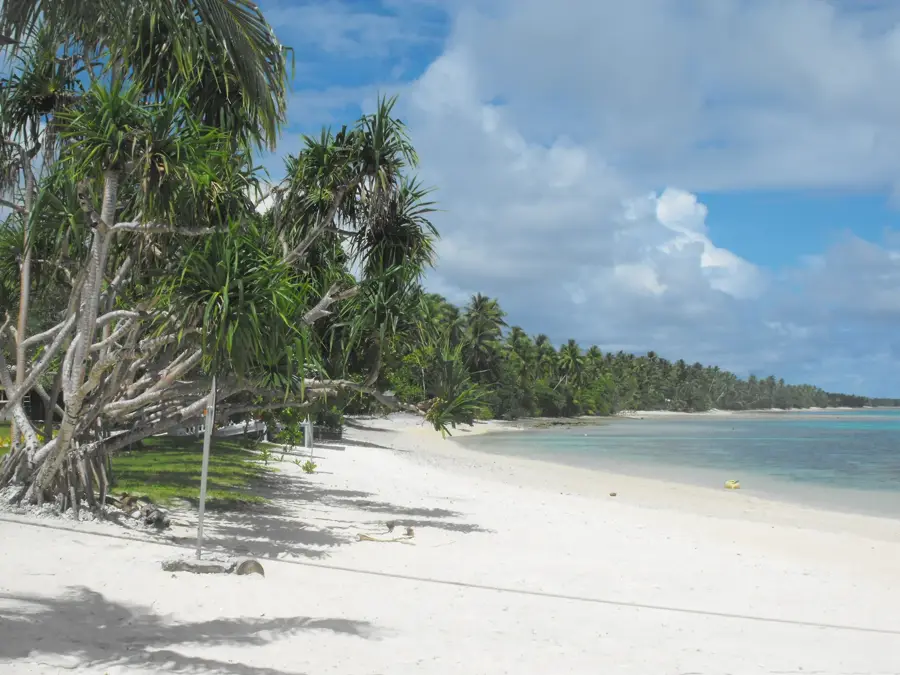
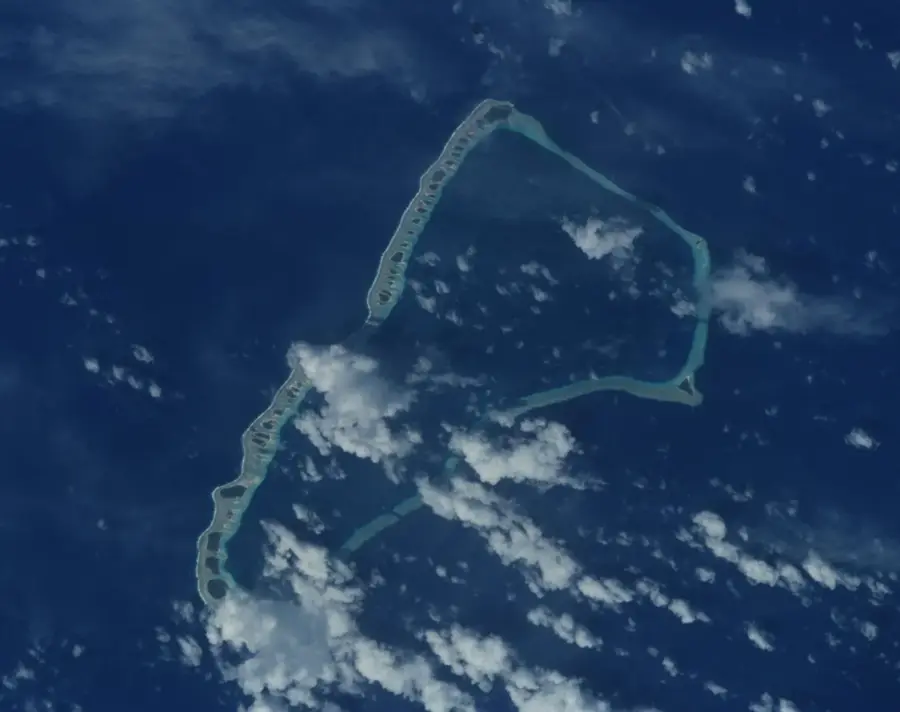
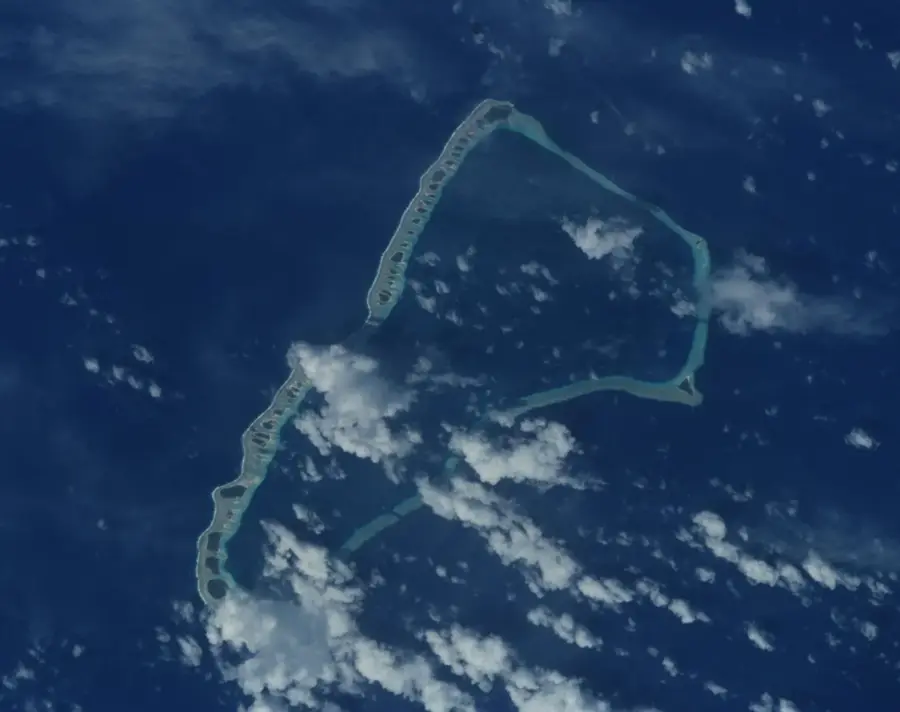
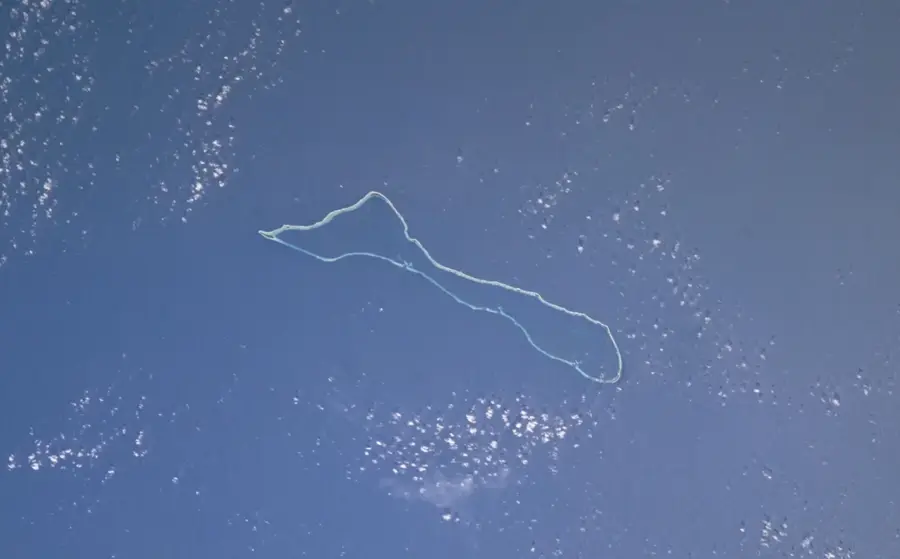
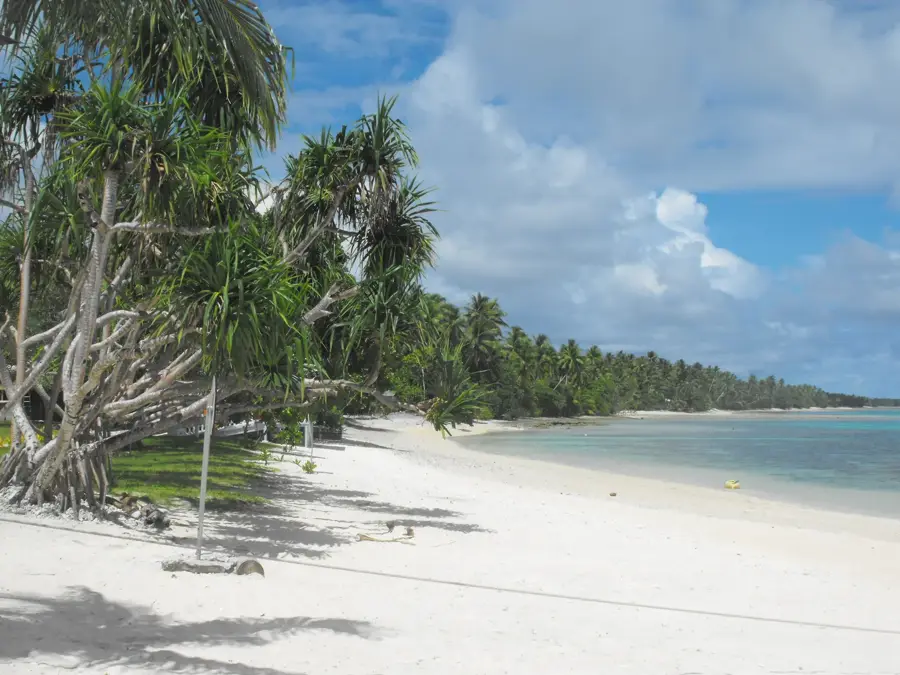
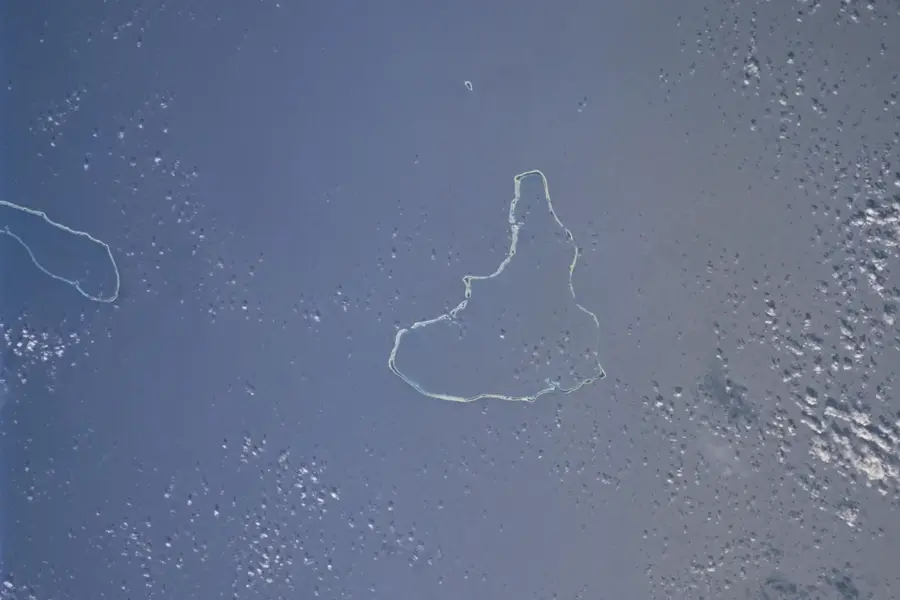
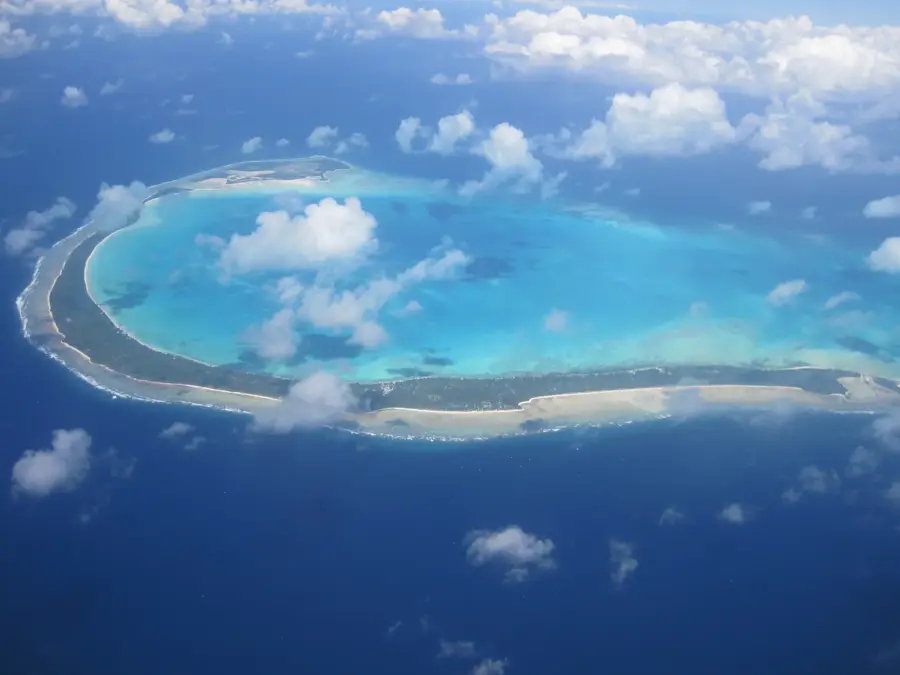
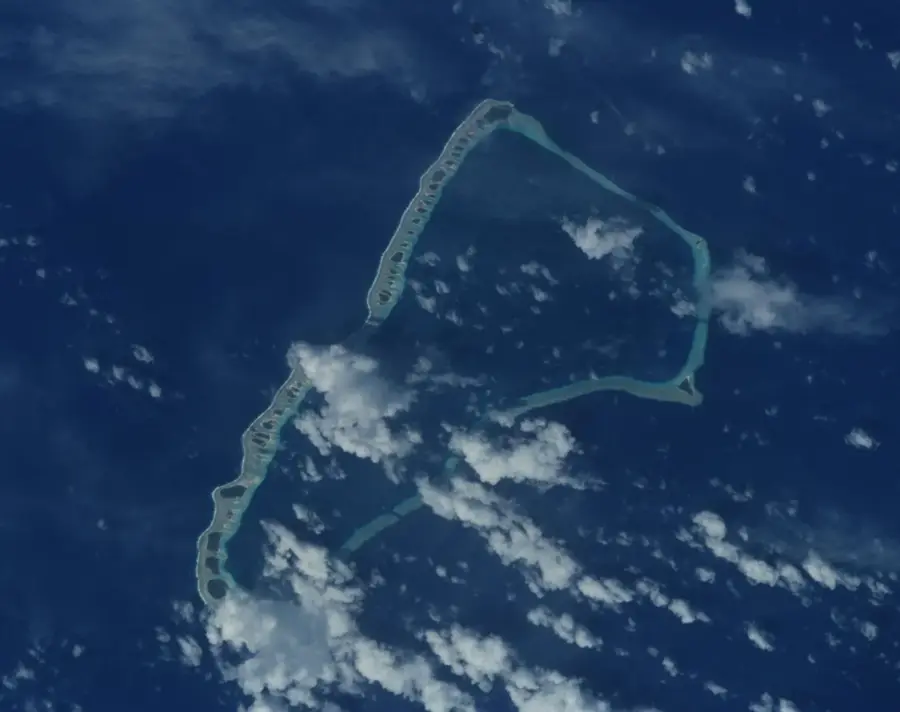
The Ebon Tropical Forest is a remarkable ecological exception within the Marshall Islands, thriving on the southernmost atoll where rainfall is significantly higher than in the northern archipelagos. This abundance of water has fostered a dense, jungle-like environment that stands in stark contrast to the sparser vegetation typically found on coral atolls. The forest is characterized by its towering breadfruit trees, which have been a vital source of nutrition and building materials for the local population for centuries. Known historically for its exceptionally fertile soil, Ebon was once a central hub for regional trade and traditional navigation. The interior of the forest provides a critical habitat for unique avian species, including the Ebon-helper bird, which relies on the thick canopy for protection and nesting. Today, the forest remains a symbol of the atoll's natural wealth, preserved through traditional land management practices.

Best time to visit & climate

The most pleasant time to visit is Aug–Oct.

JanFebMarAprMayJunJulAugSepOctNovDec
Avg °C282828282828282828282828
Rain mm286209258311260261265203201177203262

📋 Practical info

🧭
Getting there
Entering this incredibly lush forest environment begins once you arrive on Ebon Atoll via a sparse domestic flight schedule. From the main settlement, accessing the densest vegetation requires simply walking along small, informal community trails into the interior.
📅
Best season
The forest is vividly green year-round due to the exceptional local climate, but visiting between January and March may offer slightly fewer intense downpours. Regardless of the month, humidity remains consistently high under the thick tree canopy.
⛰️
Terrain & paths
The pathways winding through the jungle are generally flat and comprised of compacted damp sand mixed with fallen palm fronds. The sheer density of the vegetation creates a very shaded, almost twilight atmosphere even during the midday sun.
🎒
What to bring
Breathable, lightweight long sleeves and pants are highly recommended to physically block mosquito bites while walking beneath the trees. A waterproof bag is vital for carrying cameras or phones, as sudden localized rain showers happen frequently.
🅿️
Parking
There are absolutely no motorized vehicles or formal parking areas within the vicinity of this protected natural growth. All exploration starts directly on foot from the modest guest houses located near the main lagoon shoreline.
⚠️
Safety
Getting briefly turned around on the myriad of informal foraging trails is a common occurrence, so walking with a local villager is wise. Strong insect repellent is your primary defense against the aggressive mosquitos that thrive in the damp shadows.
⏱️
Time needed
A leisurely hike through the thickest parts of the palm and breadfruit forests usually takes one to two hours of gentle walking. Nature enthusiasts often spend several days taking slow, repeated walks to study the unique plants thriving in this wet environment.

Geography

Coordinates
4.58000, 168.71000

Facts

  • Land area: 5.8 km².
  • Canopy height: 15 meters.
  • Protected area since: 2005.
  • Plant species: over 100.
  • Carbon storage: 300 tonnes per hectare.
  • Endemic orchid species present.

Explore nearby

Notable places around

Route planner — Car & Motorhome

Where do you start? We build the route here, with stops and country notes along the way.

Vehicle
Only stops with (optional):

© OpenStreetMap contributors · OpenRouteService

Sights nearby

Frequently asked questions

What is the Ebon tropical forest?
A dense, natural forest with tropical vegetation.
Can you hike there?
Yes, on local trails, but it is very humid.
Are there guided tours there?
Local guides know the best routes.
What clothing should I wear?
Lightweight, breathable clothing and sturdy shoes.
Is it safe?
Stay on the trails to avoid getting lost.
Ebon Tropical Forest: where is it located?
Ebon Tropical Forest is located in Marshall Islands.
Ebon Tropical Forest: when is the best time to visit?
The most pleasant time to visit is Aug, Oct.
Ebon Tropical Forest: why is it worth visiting?
The Ebon Tropical Forest is a remarkable ecological exception within the Marshall Islands, thriving on the southernmost atoll where rainfall is significantly higher than in the northern archipelagos.
View on map → The Top 50 Attractions → OpenStreetMap →
Oceania
Explore with Plizio Discover more places in Oceania
More places in Marshall Islands →

Nearby cities

History & landmarks
Nature
More places