Plizio Visual Lab
Mili Atoll Garrison

Weather…
Water temperature…
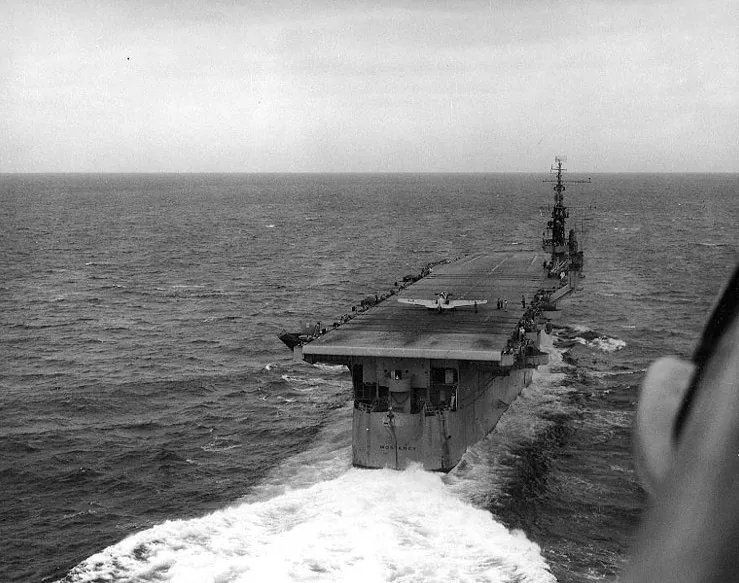
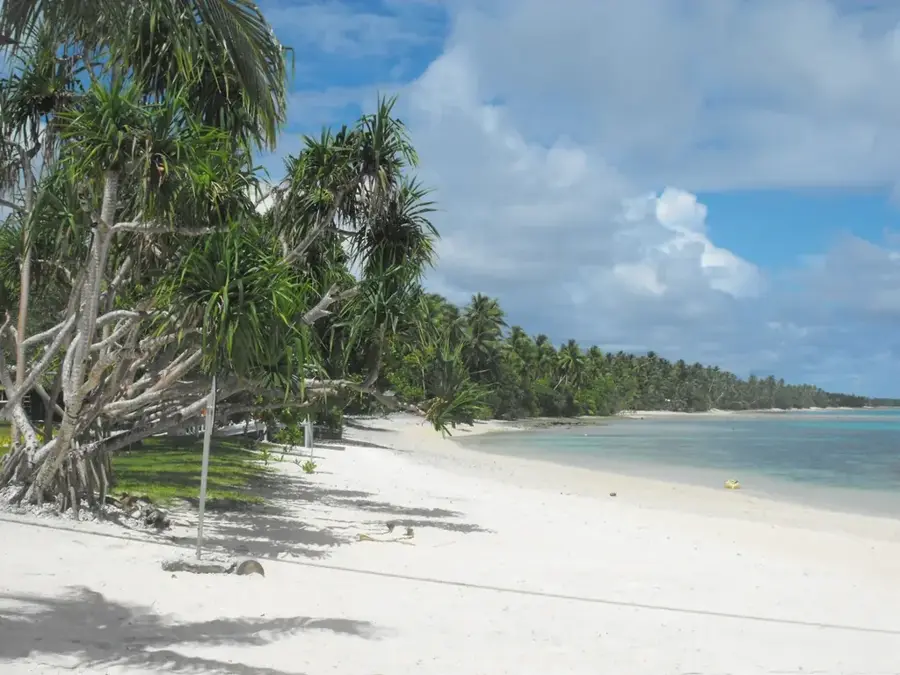
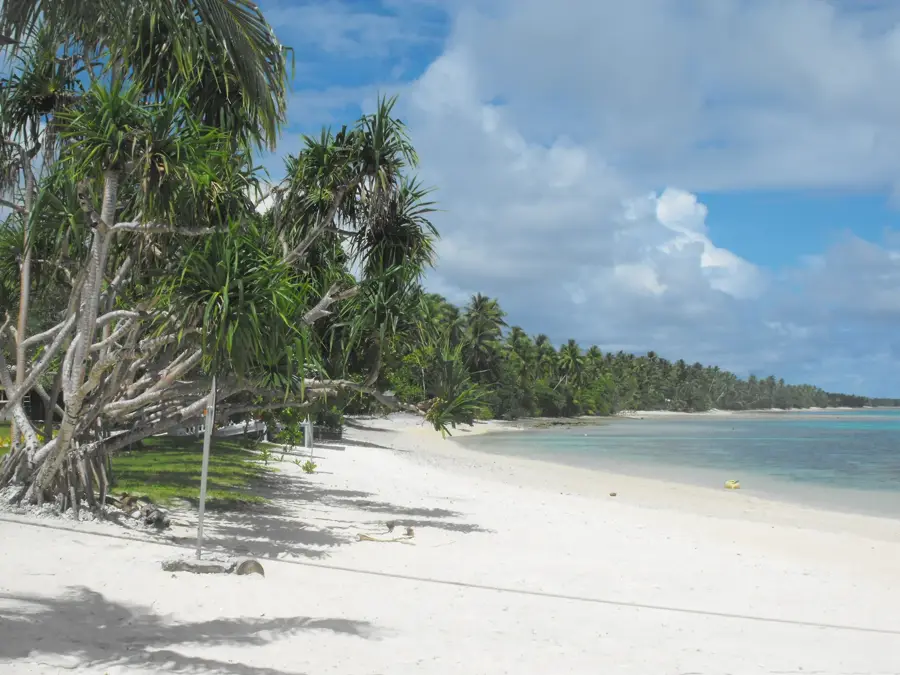
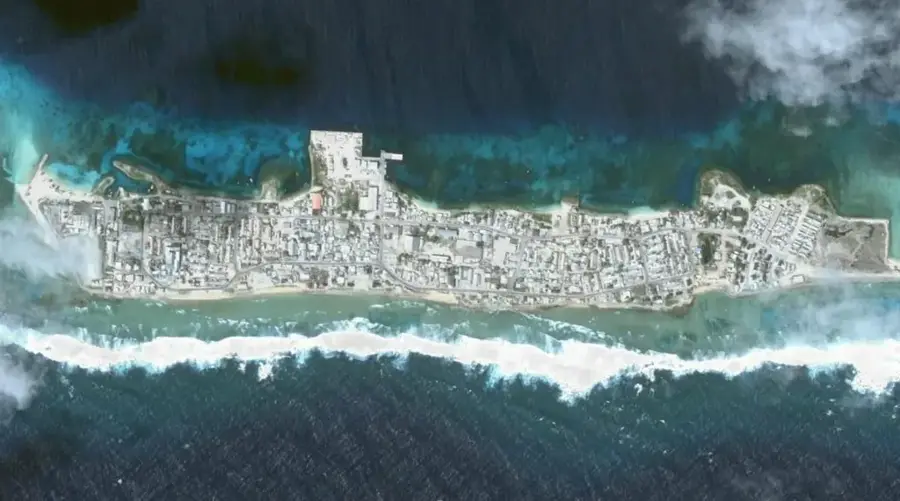
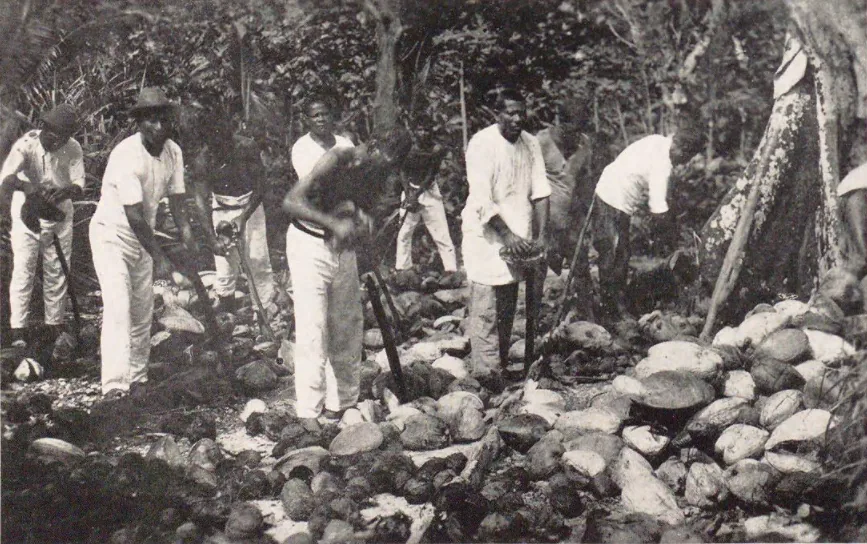
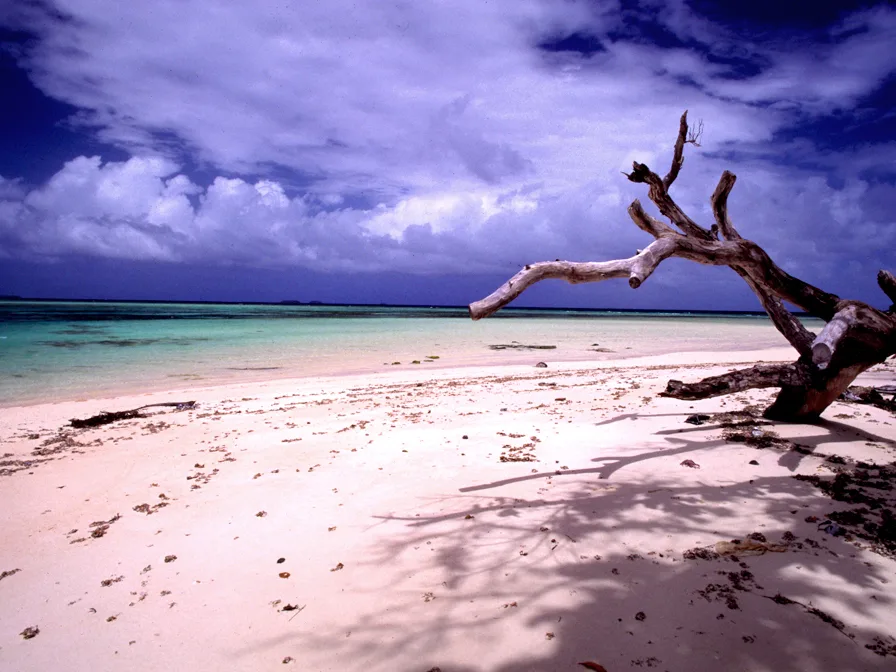
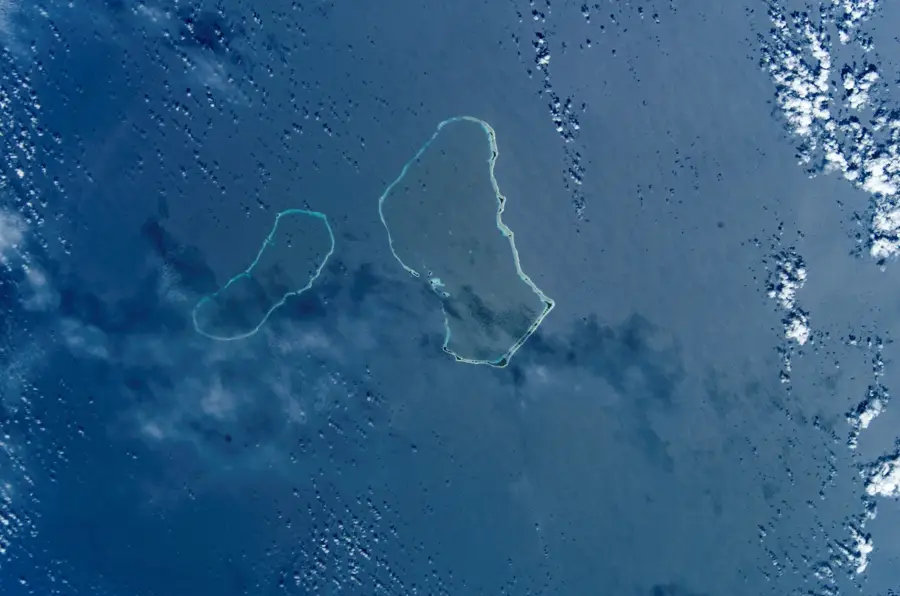
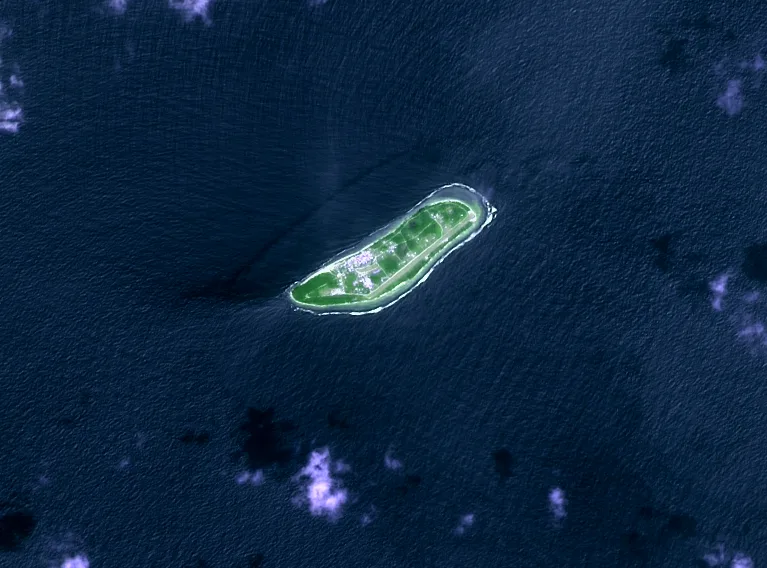
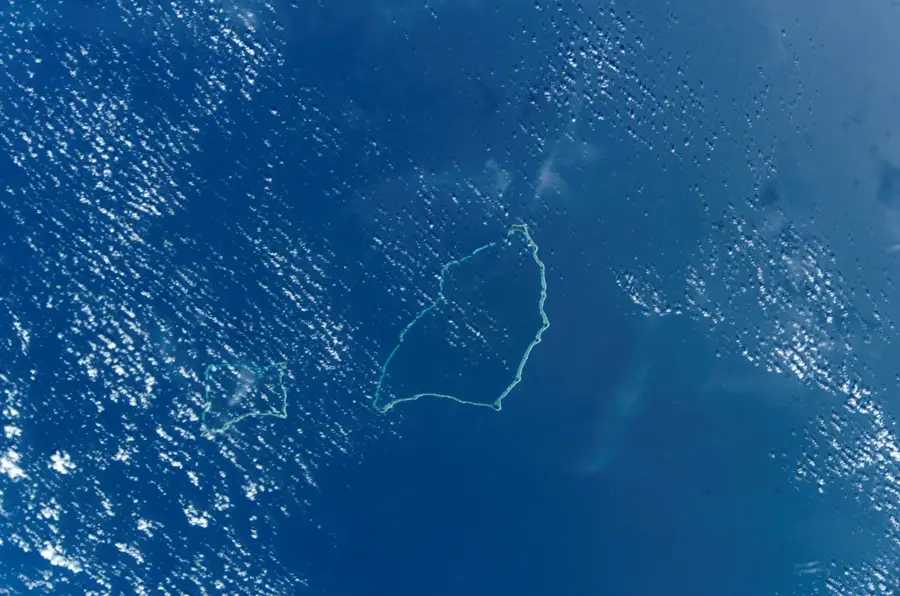
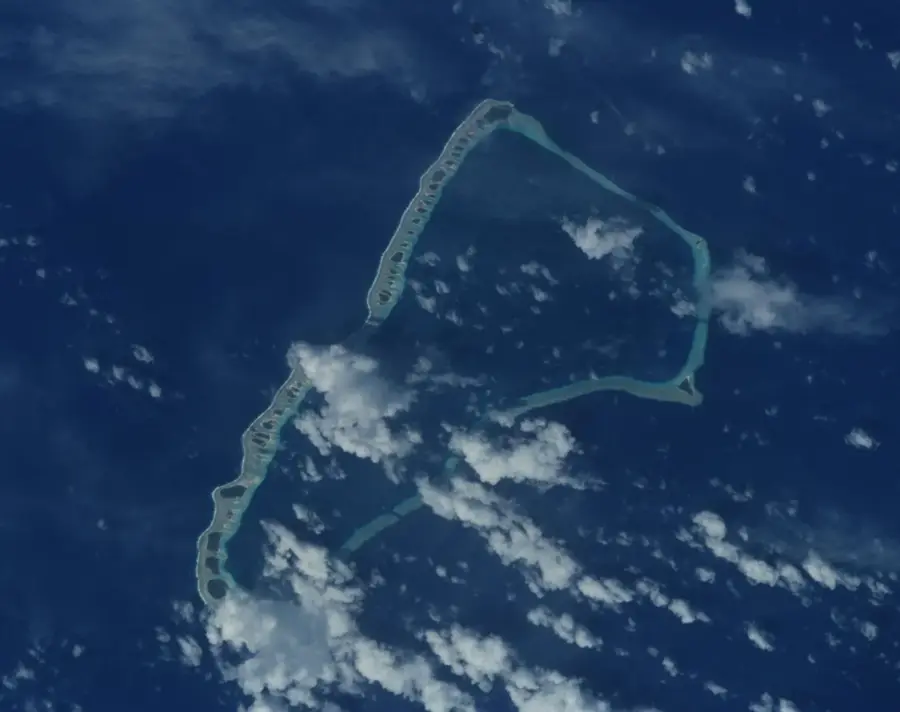
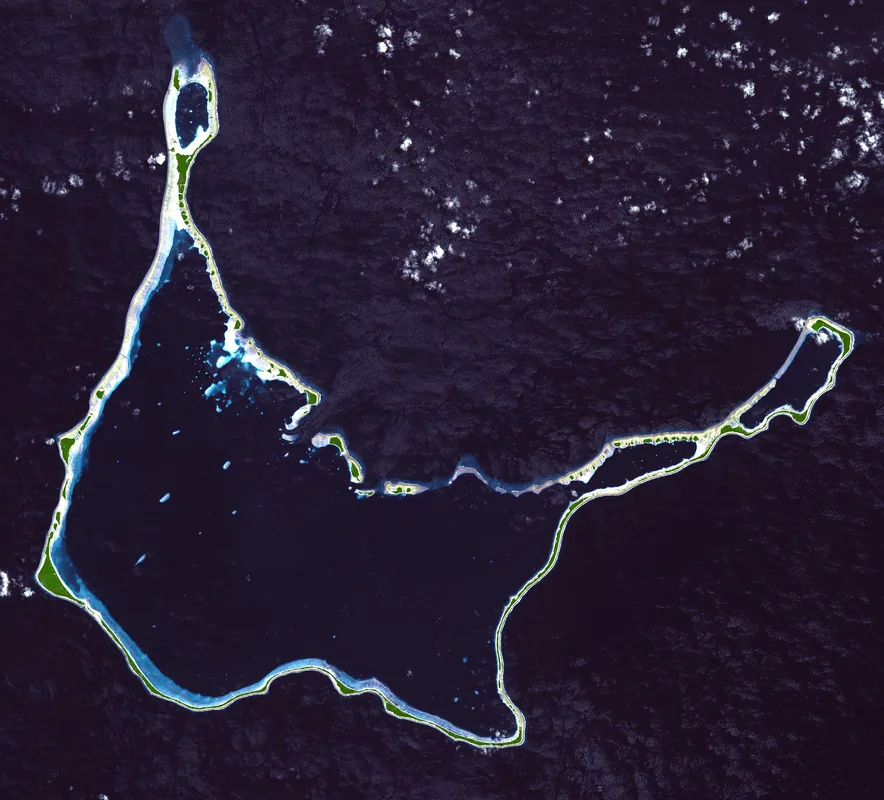
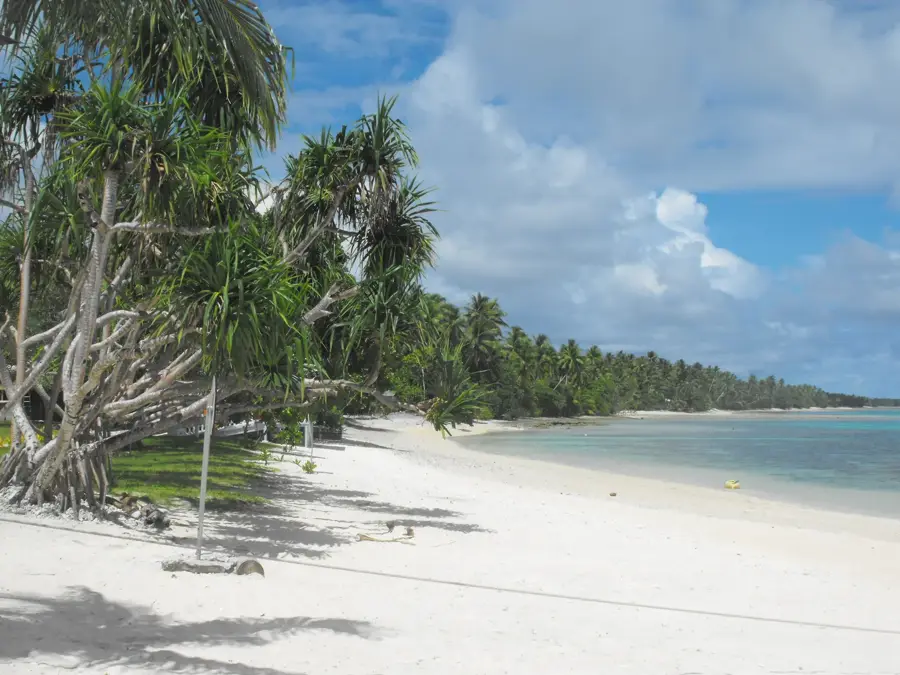
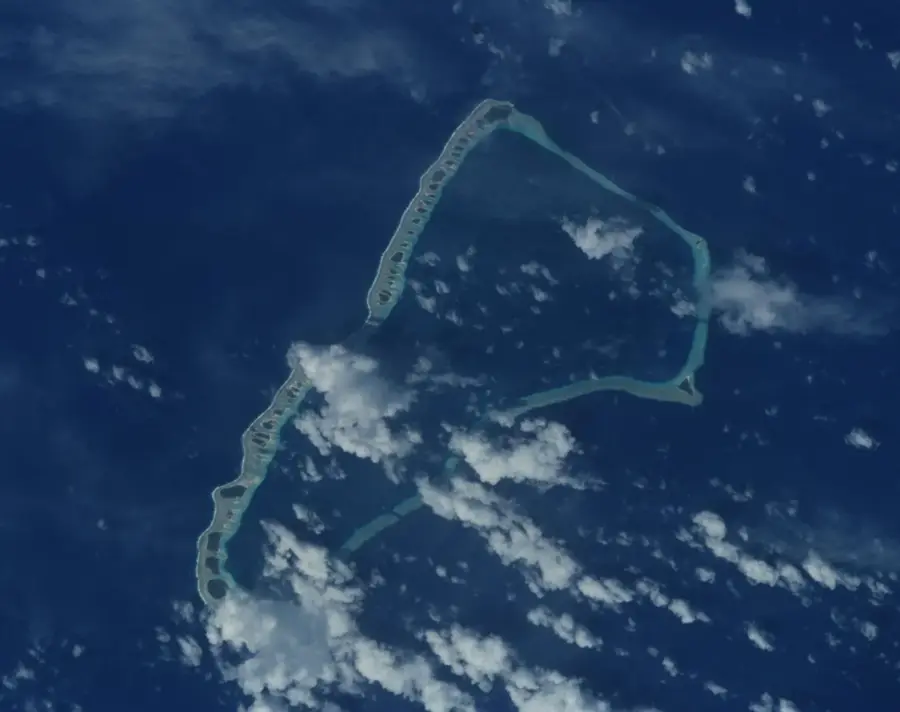
The Mili Atoll Garrison was a major Japanese military stronghold during World War II, serving as a heavily fortified outpost in the Marshall Islands. At its peak, it housed over 5,000 personnel and featured an extensive infrastructure of airfields, radar stations, and formidable coastal defense batteries. As the tide of the war turned, the garrison was strategically bypassed by Allied forces in 1944, leaving it completely cut off from Japanese supply lines. The soldiers remained under siege for over a year, facing severe starvation and near-constant aerial bombardment until their eventual surrender in August 1945. Today, the atoll is a remarkable open-air museum of Pacific War history; the dense tropical vegetation partially conceals well-preserved anti-aircraft guns, bunkers, and the remains of Mitsubishi Zero fighters. For visitors, it features a haunting and poignant look at the scale of the conflict, where rusted machinery and concrete fortifications stand in stark contrast to the pristine coral lagoons and white sandy beaches of the atoll.
- Location: Marshall Islands
- Nearby: Mili (6 km)
Best time to visit & climate
The most pleasant time to visit is Feb, Mar, Aug.
| Jan | Feb | Mar | Apr | May | Jun | Jul | Aug | Sep | Oct | Nov | Dec | |
|---|---|---|---|---|---|---|---|---|---|---|---|---|
| Avg °C | 28 | 28 | 28 | 28 | 28 | 28 | 28 | 28 | 28 | 28 | 28 | 28 |
| Rain mm | 224 | 163 | 222 | 273 | 247 | 238 | 257 | 220 | 245 | 252 | 255 | 267 |
📋 Practical info
Geography
Facts
- The Japanese garrison on Mili consisted of about 2,500 soldiers.
- Construction of fortifications began in 1942.
- The atoll has a land area of 14.9 km².
- There were at least three airfields on the atoll.
- The garrison lost 1,000 men to disease in 1944.
- Surrender occurred on September 3, 1945.
Explore nearby
Notable places around


Route planner — Car & Motorhome
Where do you start? We build the route here, with stops and country notes along the way.
© OpenStreetMap contributors · OpenRouteService
Sights nearby
Frequently asked questions
How do you get to Mili Atoll?
Do you need a guide for the ruins?
Can you enter the military ruins?
When is the best time to visit?
Are there any photography restrictions?
Mili Atoll Garrison: where is it located?
Mili Atoll Garrison: when is the best time to visit?
Mili Atoll Garrison: why is it worth visiting?
Nearby cities

History & landmarks

Nature
More places