Plizio Visual Lab
Ruins of Hamdallahi

Weather…
Water temperature…
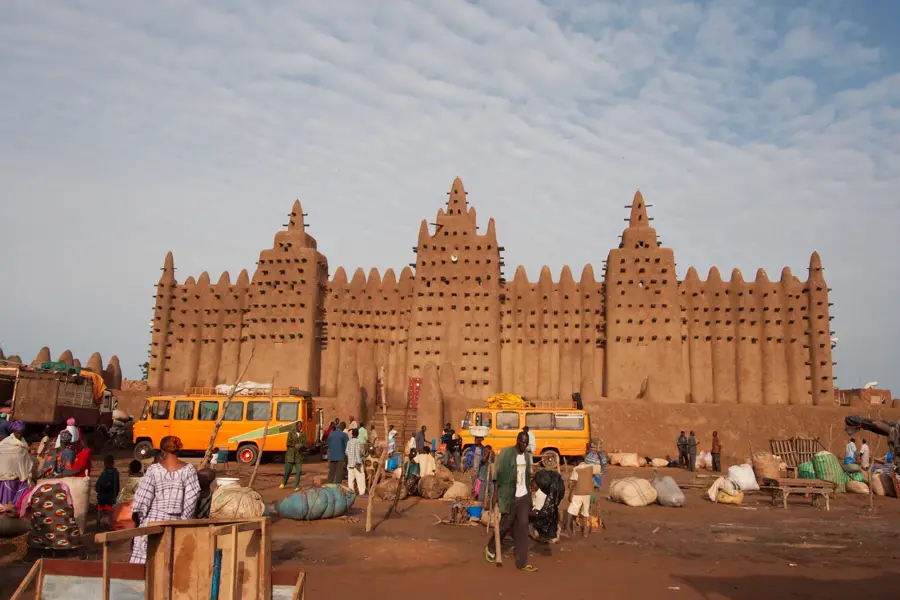
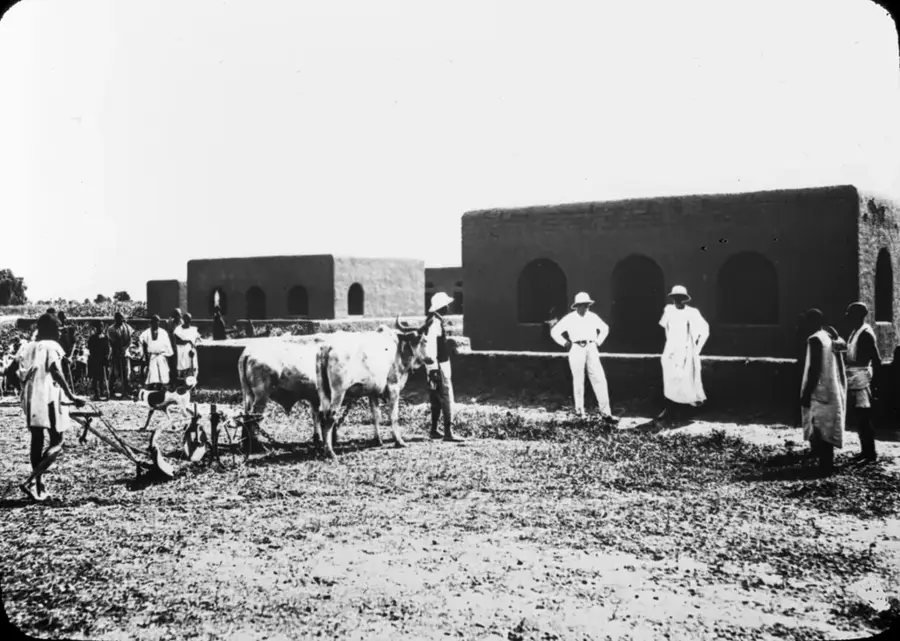
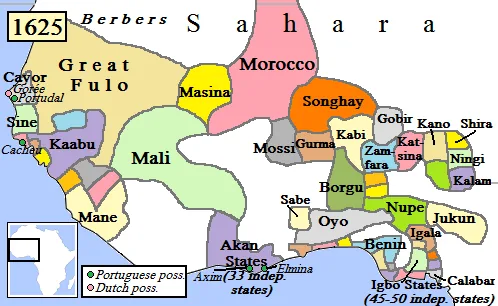
The ruins of Hamdallahi mark the site of the former capital of the Massina Empire, a 19th-century theocratic Fulani state. The city was founded in 1820 by Seku Amadu, who envisioned Hamdallahi as a place for "praising God" and governed it strictly according to Islamic principles. The city was renowned for its monumental Grand Mosque and a rigorous code of conduct that prohibited music and tobacco. At its peak, Hamdallahi was home to thousands of residents and served as a major center for religious scholarship in the Sahel. In 1862, the city was captured and largely destroyed by the forces of El Hadj Umar Tall following a bloody siege. Today, only scattered wall fragments, foundations, and the tombs of prominent leaders remain of the once-magnificent capital. The site serves as a vital historical landmark for Fulani identity and the broader Islamic history of West Africa. Archaeological research continues to reconstruct the social and religious life of this unique metropolis.
- Location: Mali
- Nearby: Mopti (28 km)
Best time to visit & climate
The most pleasant time to visit is Jan, Feb, Dec.
| Jan | Feb | Mar | Apr | May | Jun | Jul | Aug | Sep | Oct | Nov | Dec | |
|---|---|---|---|---|---|---|---|---|---|---|---|---|
| Avg °C | 23 | 26 | 30 | 33 | 34 | 32 | 29 | 27 | 27 | 28 | 27 | 24 |
| Rain mm | 0 | 0 | 1 | 7 | 23 | 81 | 155 | 222 | 109 | 23 | 1 | 0 |
📋 Practical info
Geography
Facts
- Year founded: 1820
- Destruction: 1862 by El Hadj Umar Tall
- Founder: Seku Amadu
- Significance: Capital of the Massina Empire
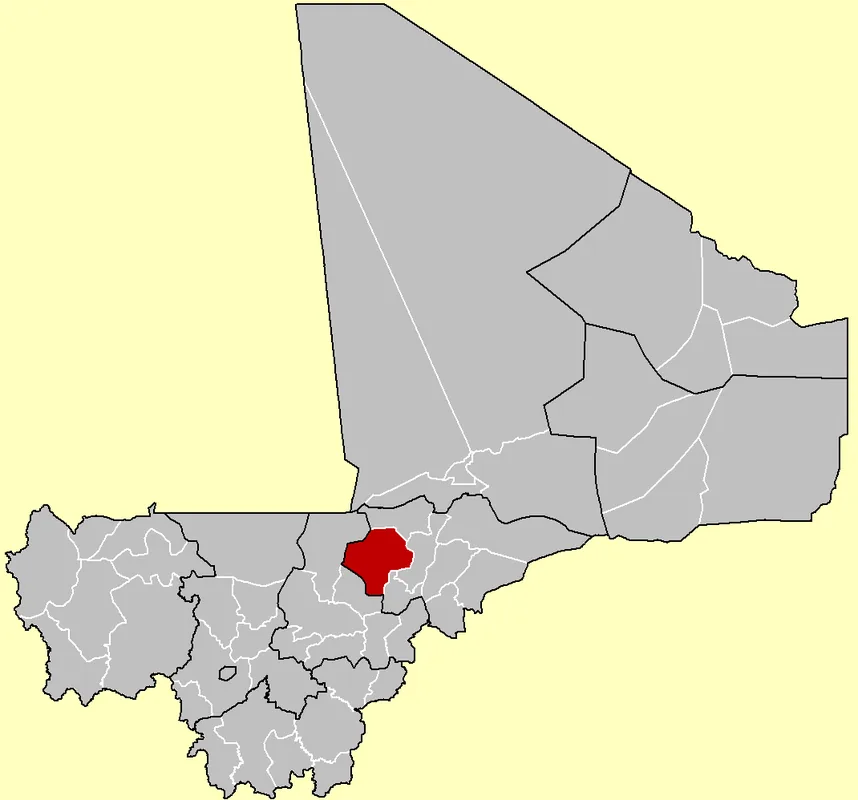
- Location: Mopti Region, Mali
- Unique trait: Strict Islamic theocracy
Explore nearby
Notable places around

Route planner — Car & Motorhome
Where do you start? We build the route here, with stops and country notes along the way.
© OpenStreetMap contributors · OpenRouteService
Sights in the town Ruins of Hamdallahi (1)
Sights nearby
Frequently asked questions
What are the ruins of Hamdallahi?
Is the place well preserved?
Why is Hamdallahi historically important?
Can one visit the ruins?
What is the best travel time?
Ruins of Hamdallahi: where is it located?
Ruins of Hamdallahi: when is the best time to visit?
Ruins of Hamdallahi: why is it worth visiting?

Nearby cities
History & landmarks
More places