Plizio Visual Lab
Djenné
ℹ️Practical info — Djenné
▾
🌤 Weather — 5 days
📍 Nearby
Sights nearby
💡 Tips
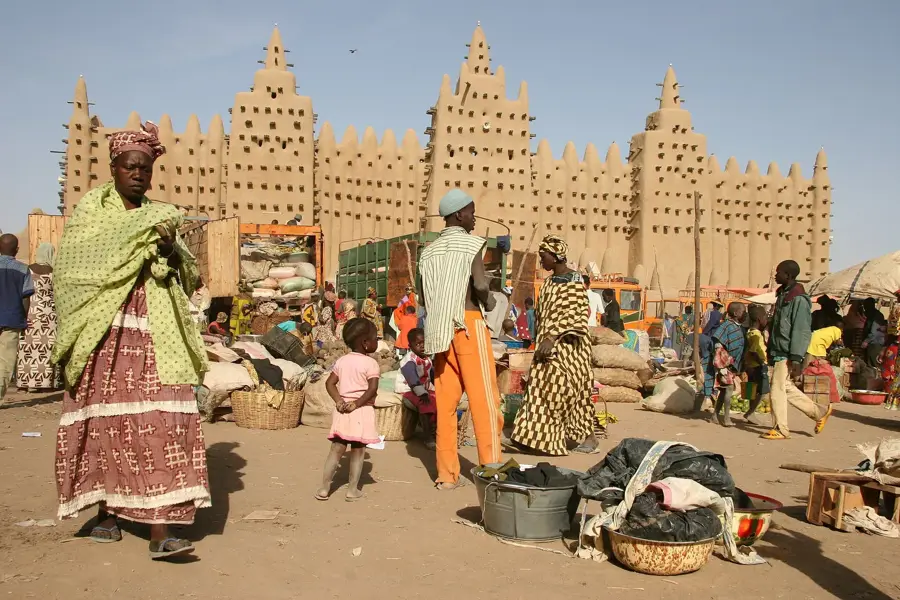
- Visit the Great Mosque early morning or late afternoon for the best photography light.
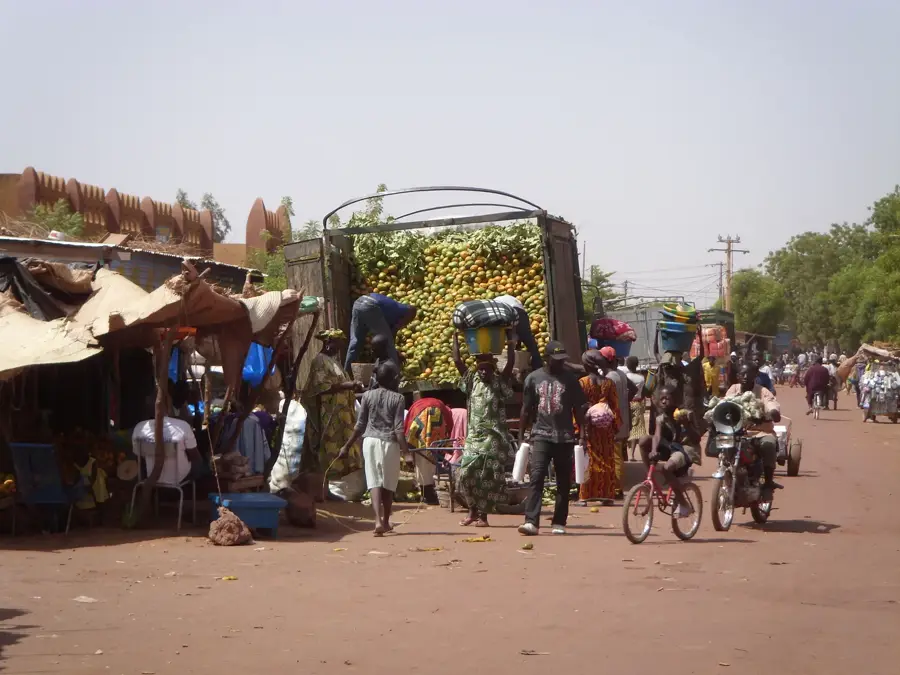
- The massive Monday market is an absolute must-see.
- Dress conservatively and respect local Islamic customs.
- Note that non-Muslims cannot enter the mosque.
- Always bargain respectfully when buying souvenirs.
🍽 Food
Peanut stew with meat at a local maquis.
Fresh from the Bani river, usually served grilled.
Strong and sweet, traditionally served in small glasses.
🛍 Shopping · 🧘 Quiet spots
Buy directly from the artisans in the narrow alleys.
The main square market for bustling fabrics, pottery, and local crafts.
A morning stroll along the quiet banks of the river.
The maze of quiet, narrow streets away from the main square.
Water temperature…
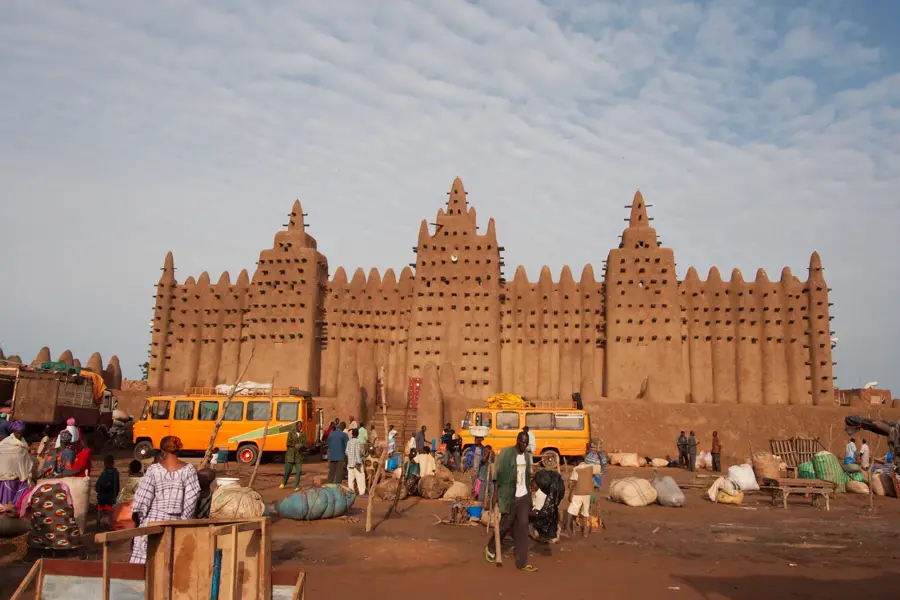
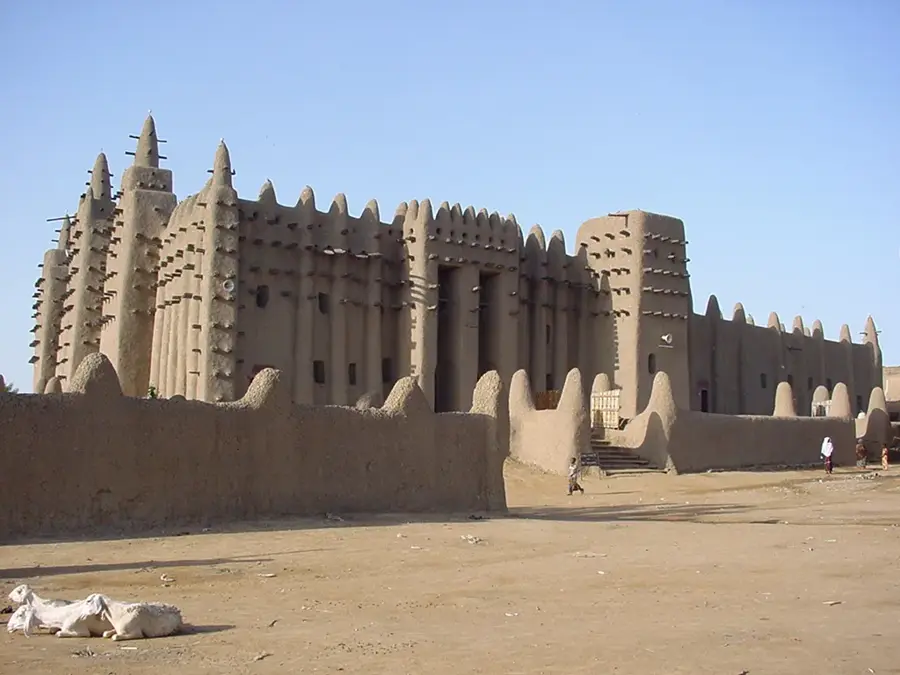
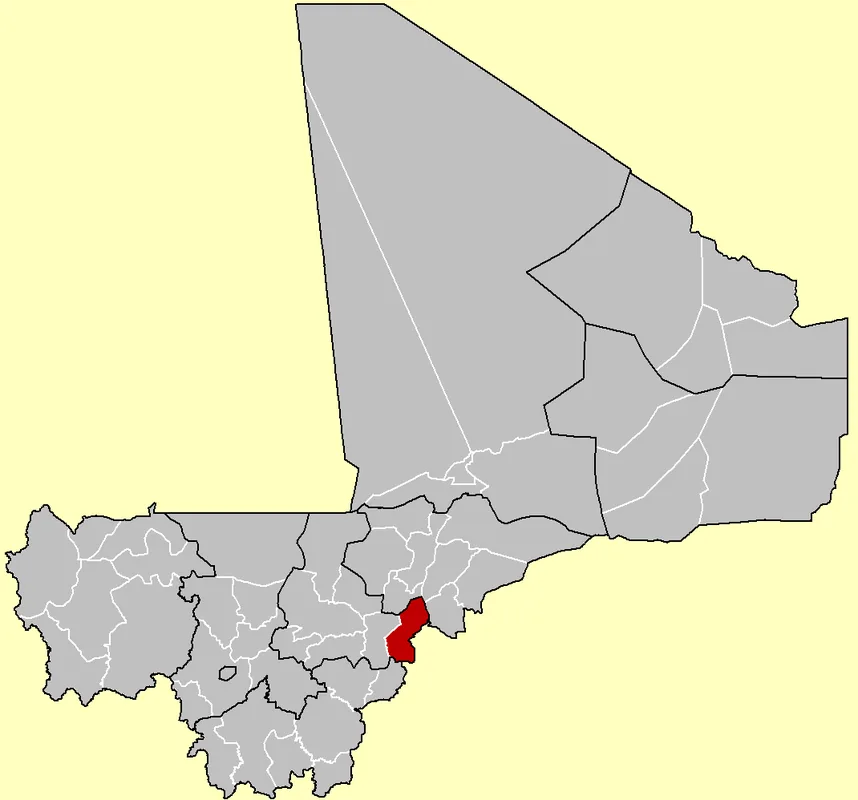
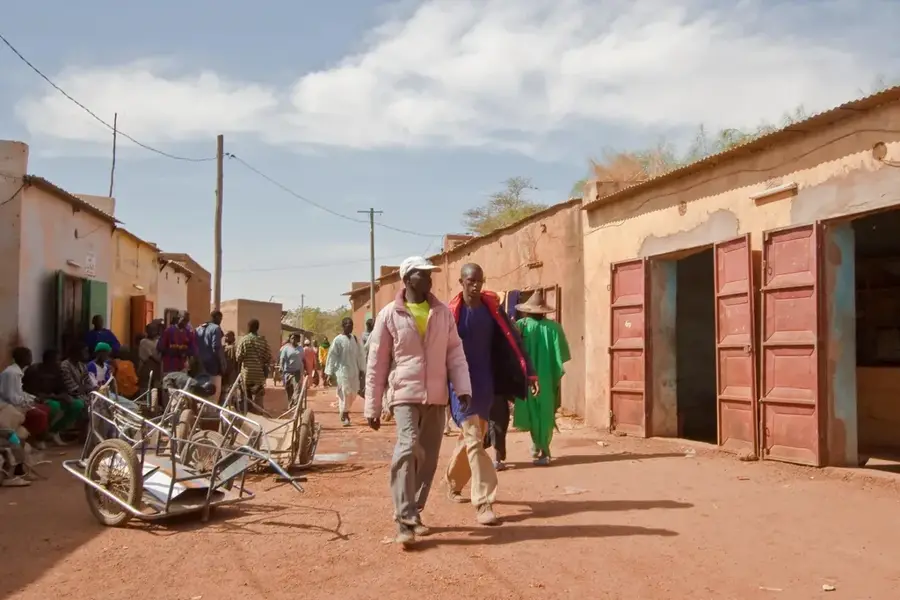
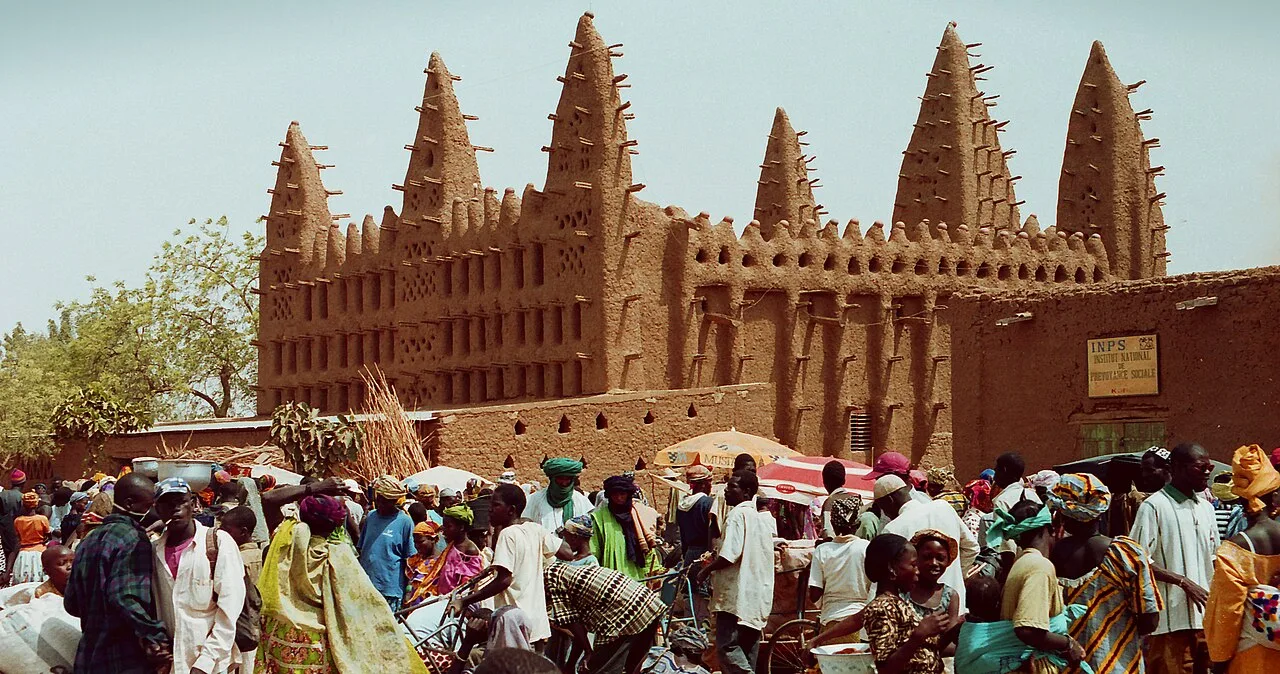
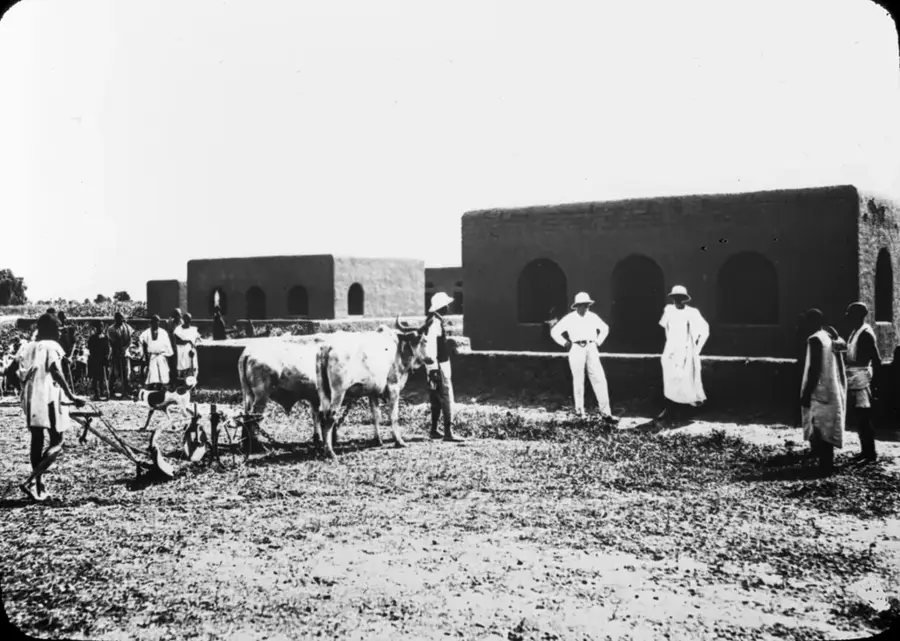
Djenné is one of West Africa's most historically significant cities, located in the Inland Niger Delta within the Mopti Region of Mali. Founded around 800 AD, it evolved into a pivotal hub for trans-Saharan trade in gold, salt, and slaves, as well as a renowned center of Islamic scholarship. Its most striking feature is the Great Mosque of Djenné, the world's largest mud-brick religious building and a masterpiece of Sudano-Sahelian architecture. Since 1988, the old town of Djenné has been designated a UNESCO World Heritage site for preserving its traditional architectural heritage over centuries. Each year, the spectacular replastering of the mosque takes place, a communal event where the entire town collaborates to protect the structure from rain with a fresh layer of mud. The city sits on an island between the Bani and Niger rivers, leaving it isolated during annual floods but ensuring fertile ground for agriculture. Despite its historic grandeur, the city currently faces challenges from environmental shifts and the difficulties of maintaining its fragile earthen architecture in a modernizing world.
- Location: Mali
- Top sights: Great Mosque of Djenné · Musée de Djenné · Tonombo
- Nearby: Sofara (42 km)
- Population: ~40.489 (2024)
Best time to visit & climate
The most pleasant time to visit is Jan, Feb, Dec.
| Jan | Feb | Mar | Apr | May | Jun | Jul | Aug | Sep | Oct | Nov | Dec | |
|---|---|---|---|---|---|---|---|---|---|---|---|---|
| Avg °C | 23 | 26 | 30 | 33 | 34 | 32 | 29 | 27 | 27 | 29 | 26 | 24 |
| Rain mm | 0 | 0 | 1 | 8 | 27 | 86 | 159 | 238 | 116 | 23 | 1 | 0 |
Geography
Facts
- Djenné was inscribed on the UNESCO World Heritage List in 1988.
- The current structure of the Great Mosque was completed in 1907.
- The city is located on an island formed by the Bani and Niger rivers.
- Historically, Djenné was closely linked with the trading city of Timbuktu.
- The population of the commune was approximately 32,944 as of 2009.
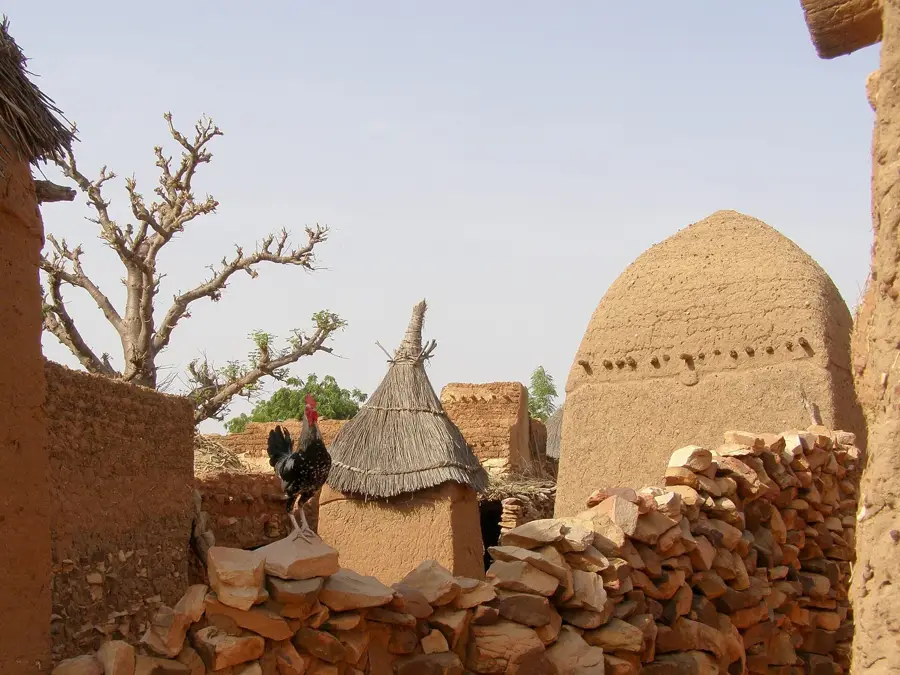
- Traditional houses are constructed using hand-molded mud bricks called Ferey.
Explore nearby
Notable places around

Route planner — Car & Motorhome
Where do you start? We build the route here, with stops and country notes along the way.
© OpenStreetMap contributors · OpenRouteService
Sights in the town Djenné (5)
Kaniana
Kaniana is an archaeological site near Djenné preserving evidence of early cultures.
Frequently asked questions
What is Djenné's landmark?
How is the architecture here?
When is market day?
Is it safe to travel?
How is the climate?
Djenné: where is it located?
Djenné: what is there to see?
Djenné: when is the best time to visit?
Djenné: why is it worth visiting?

Nearby cities
History & landmarks
More places