Plizio Visual Lab
Great Mosque of Djenné
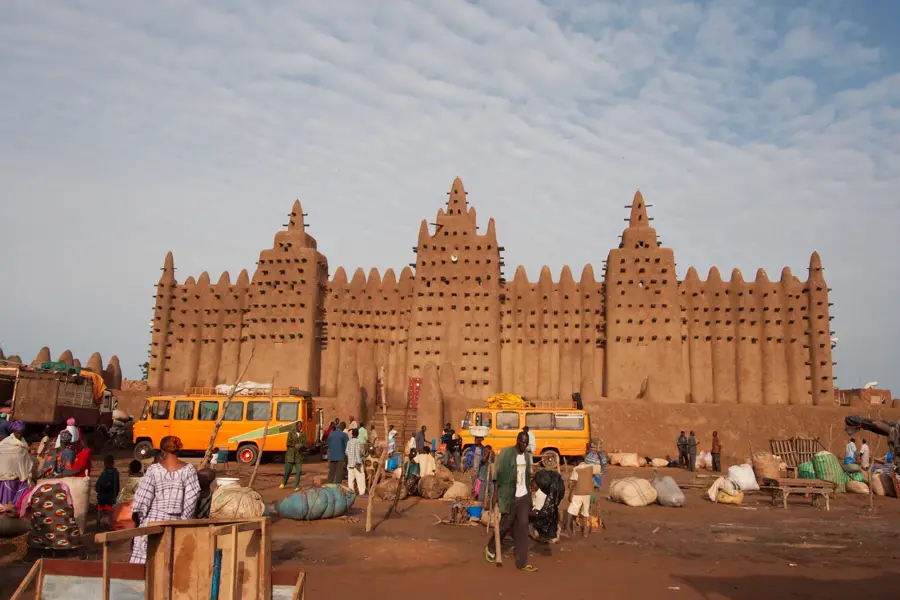
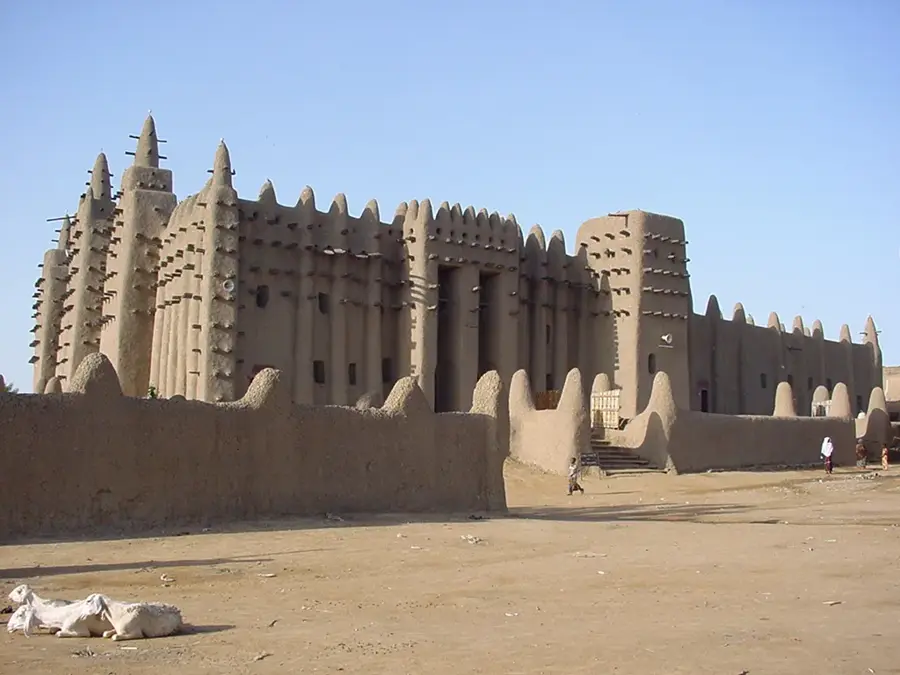
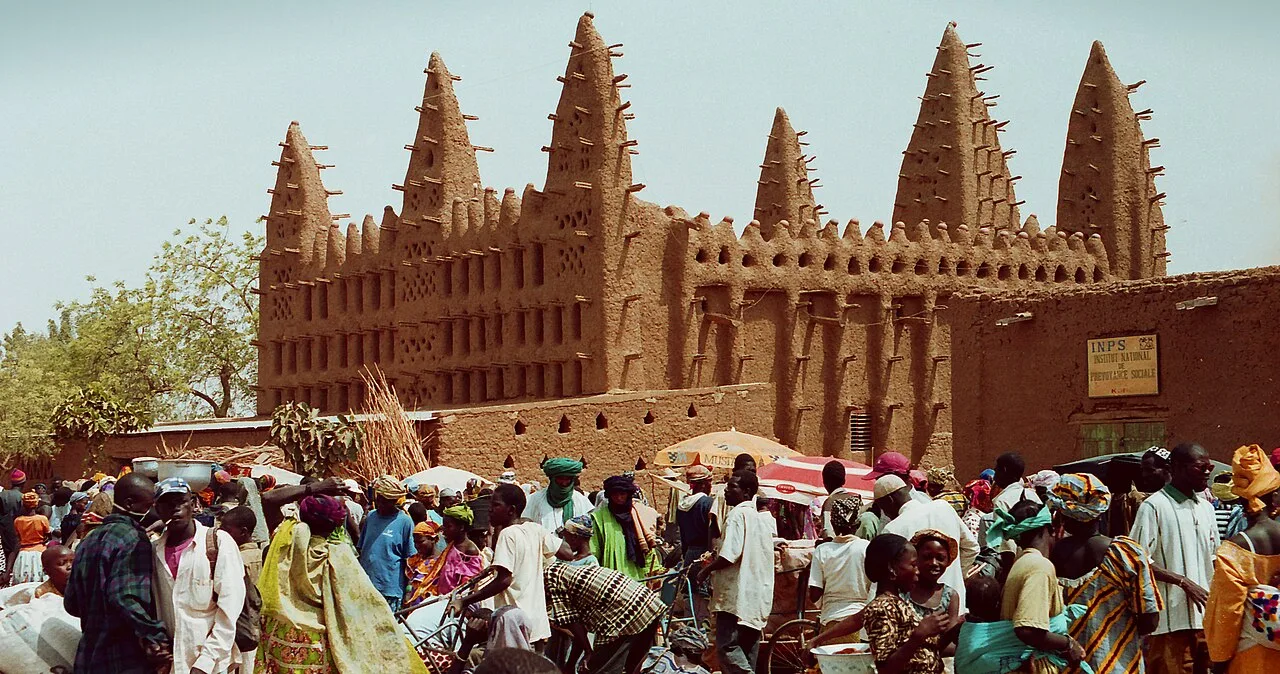
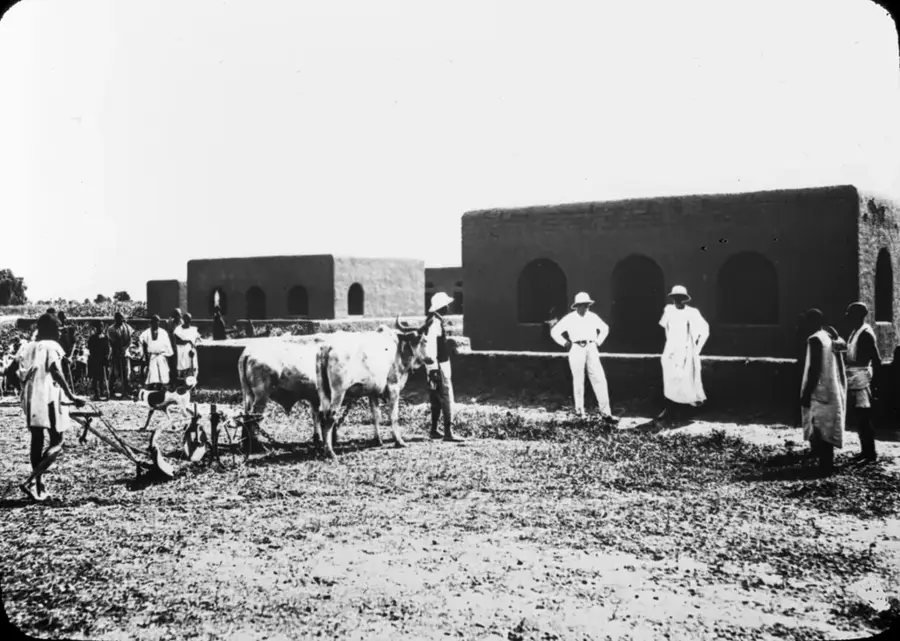
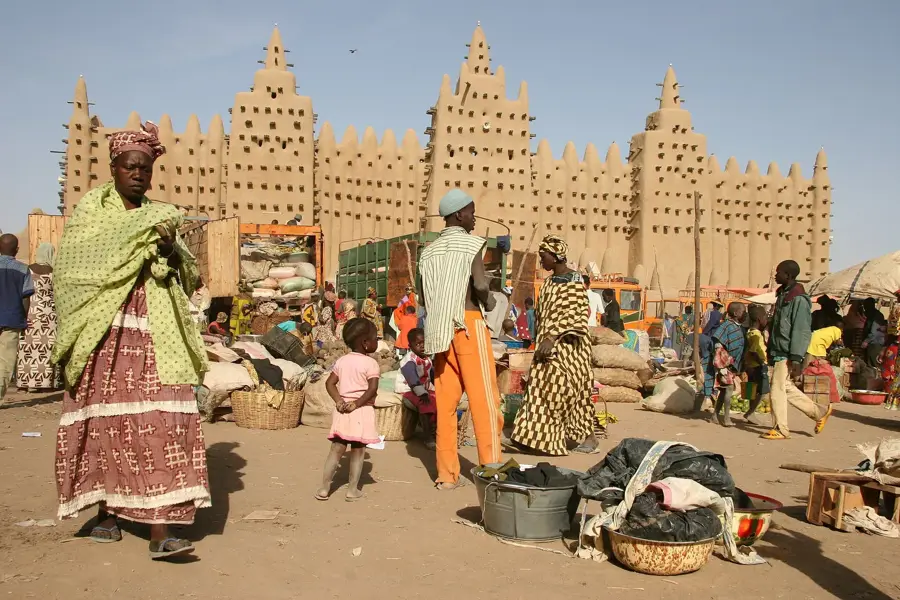
The Great Mosque of Djenné is the world's largest mud-brick structure and is considered one of the most outstanding examples of Sudano-Sahelian architecture. The current building was erected in 1907 on the ruins of an earlier 13th-century mosque and has been a UNESCO World Heritage site since 1988. The mosque stands on a raised platform to protect it from the seasonal flooding of the Inner Niger Delta. A unique feature is the annual 'Crépissage' festival, during which the entire town's population comes together to reinforce the facade with fresh mud plaster. The walls are crowned with ostrich eggs, symbolizing purity and fertility. Inside, a forest of massive earthen pillars supports the roof, creating a cool and meditative atmosphere. As the spiritual heart of the city of Djenné, it attracts pilgrims and travelers from all over the world and remains a symbol of the endurance of traditional West African architectural art.
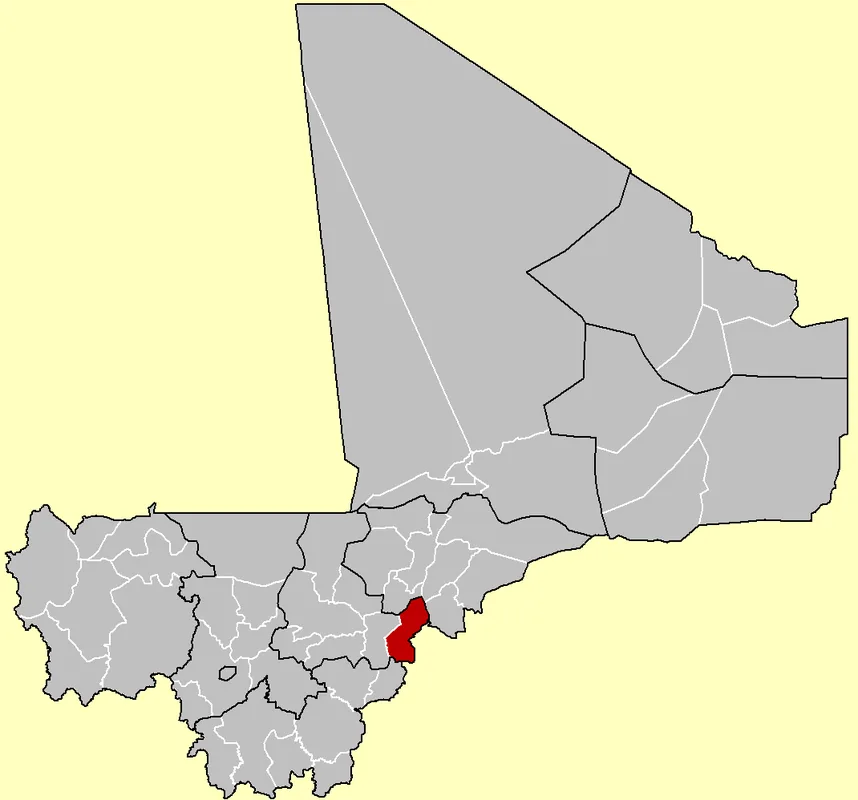
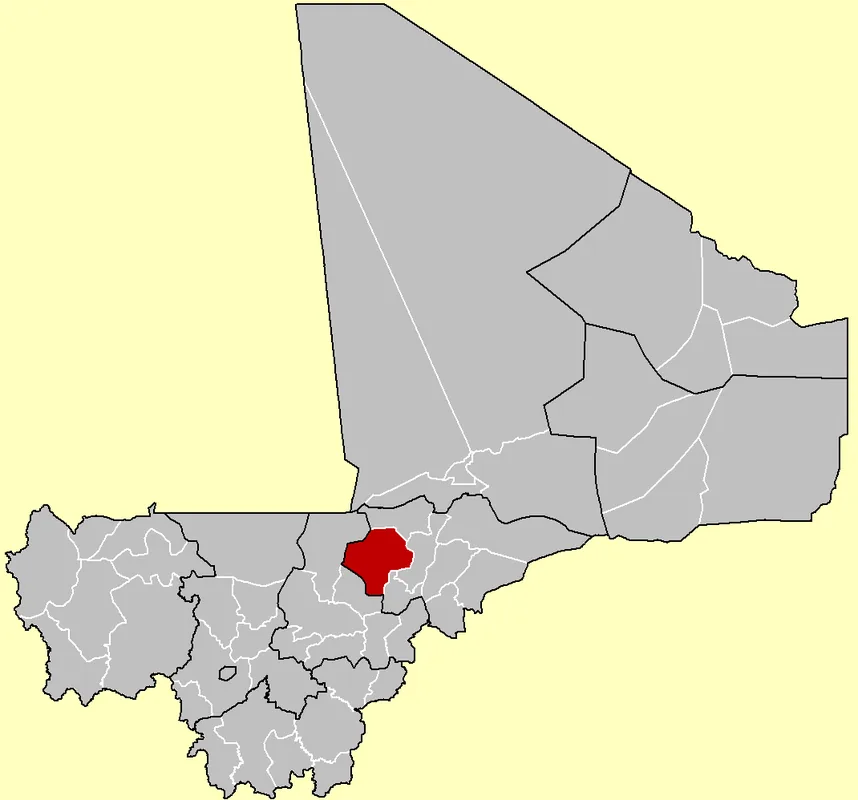
- Location: Mali
- Top sights: Kaniana · Musée de Djenné · Great Mosque of Djenné
- Nearby: Sofara (42 km)
Best time to visit & climate
The most pleasant time to visit is Jan, Feb, Dec.
| Jan | Feb | Mar | Apr | May | Jun | Jul | Aug | Sep | Oct | Nov | Dec | |
|---|---|---|---|---|---|---|---|---|---|---|---|---|
| Avg °C | 23 | 26 | 30 | 33 | 34 | 32 | 29 | 27 | 27 | 29 | 26 | 24 |
| Rain mm | 0 | 0 | 1 | 8 | 27 | 86 | 159 | 238 | 116 | 23 | 1 | 0 |
📋 Practical info
Geography
Facts
- World's largest mud-brick building
- UNESCO World Heritage site since 1988
- Current structure dates back to 1907
- Stands on a 75-meter long raised platform
- Annual replastering festival by the community (Crépissage)
- Facade is embedded with decorative wooden beams (toron)
Explore nearby
Notable places around

Route planner — Car & Motorhome
Where do you start? We build the route here, with stops and country notes along the way.
© OpenStreetMap contributors · OpenRouteService
Sights in the town Great Mosque of Djenné (3)
Sights nearby
Frequently asked questions
What is the Great Mosque of Djenné?
When is the best time to visit?
Is entry to the mosque allowed?
How long does a visit to Djenné take?
Is photography allowed?
Great Mosque of Djenné: where is it located?
Great Mosque of Djenné: what is there to see?
Great Mosque of Djenné: when is the best time to visit?
Great Mosque of Djenné: why is it worth visiting?

Nearby cities
History & landmarks
More places