Plizio Visual Lab
Sofara
ℹ️Practical info — Sofara
▾
🌤 Weather — 5 days
📍 Nearby
Sights nearby
💡 Tips
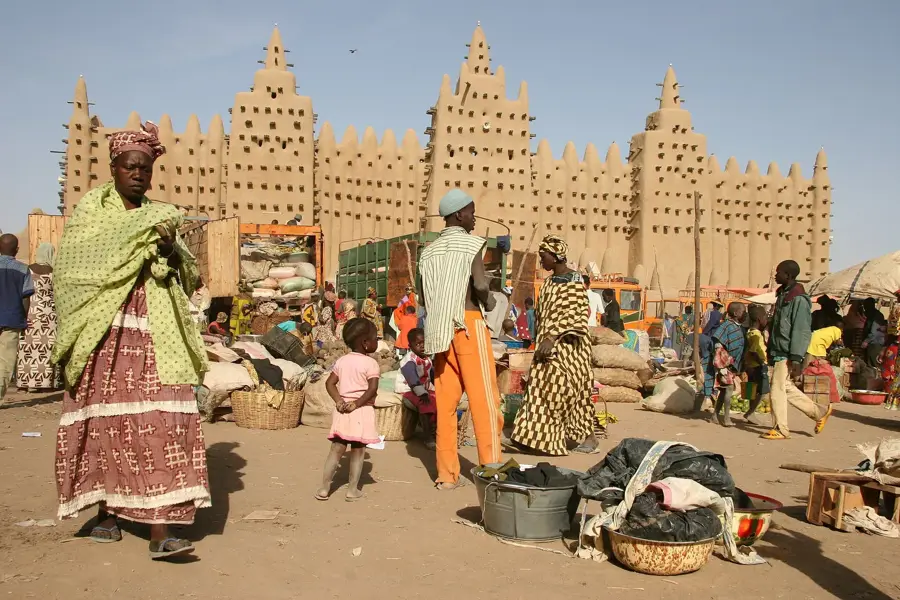
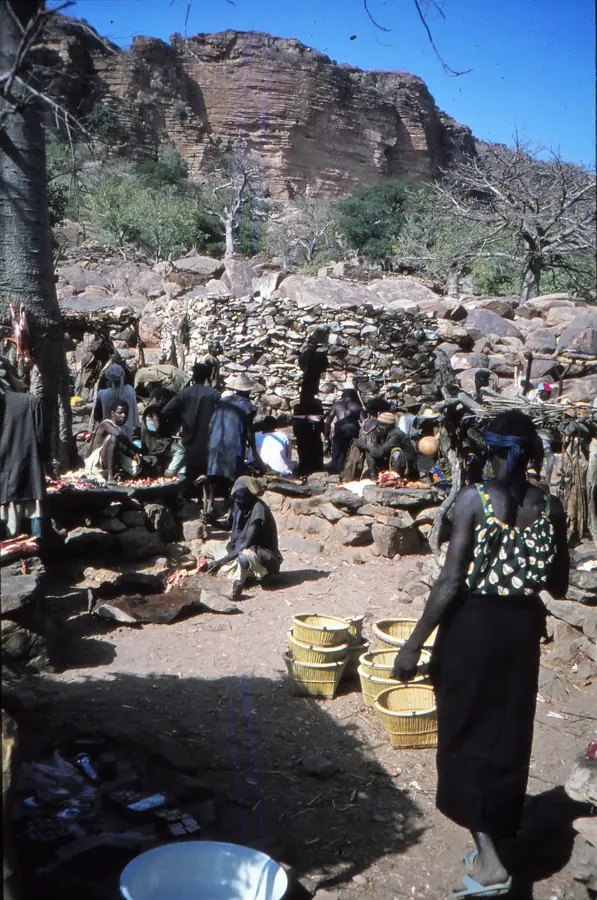
- Be sure to visit Sofara on a Tuesday to experience the famous weekly market.
- Use the traditional wooden boats (pirogues) for a scenic crossing of the Bani River.
- Haggling in the market is expected; do it with a smile as it is part of the local culture.
- Look out for the colorful traditional attire of the Fulani herders who visit on market days.
- Try the fresh local fruits offered by vendors directly along the riverbank.
🍽 Food
Freshly caught Nile Perch from the Bani River, grilled over charcoal right on the riverbank.
Sweet, fermented millet pancakes that are a popular morning snack in the market.
A refreshing, deep red drink made from hibiscus flowers, sold by many street vendors.
🛍 Shopping · 🧘 Quiet spots
Beautifully woven textiles with geometric patterns for which this market is famous.
Look for hand-woven items made from palm leaves by local craftsmen.
Purchase slabs of rock salt brought by camel caravans from the deep Sahara desert.
Enjoy the sunset by the river and watch the fishermen in their traditional pirogues.
Find a quiet spot under the giant baobab trees on the outskirts for a peaceful rest.
Take a stroll through the small agricultural plots located right by the water's edge.
Water temperature…
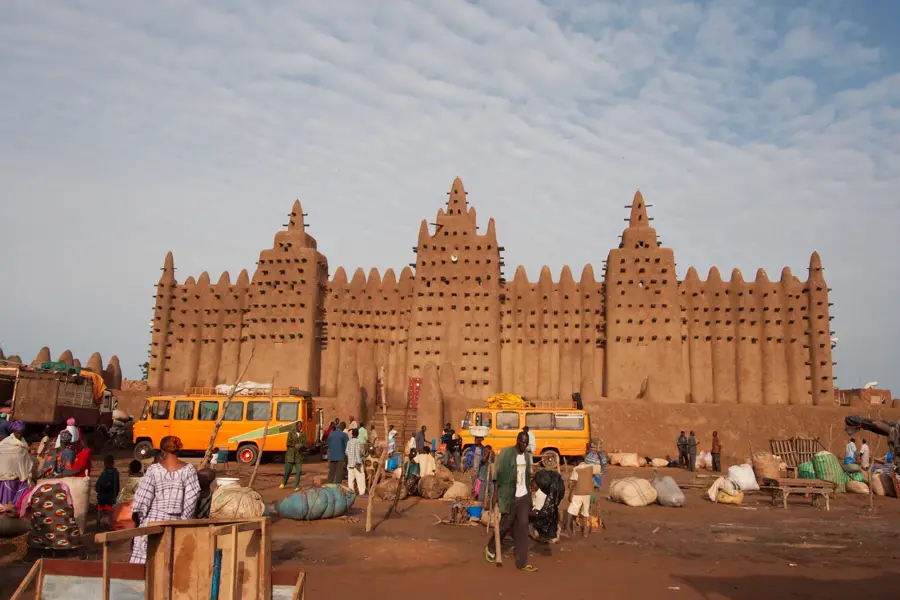
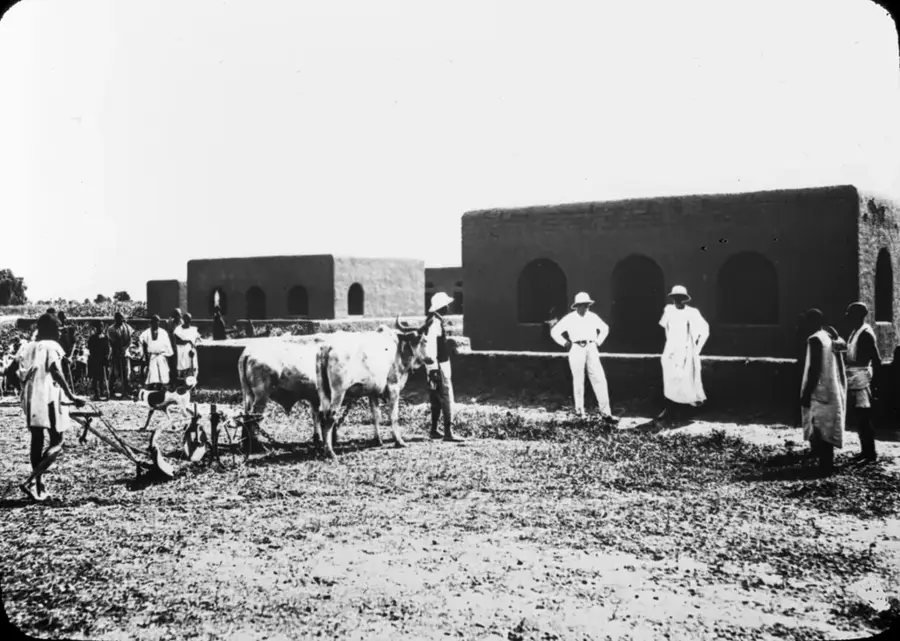
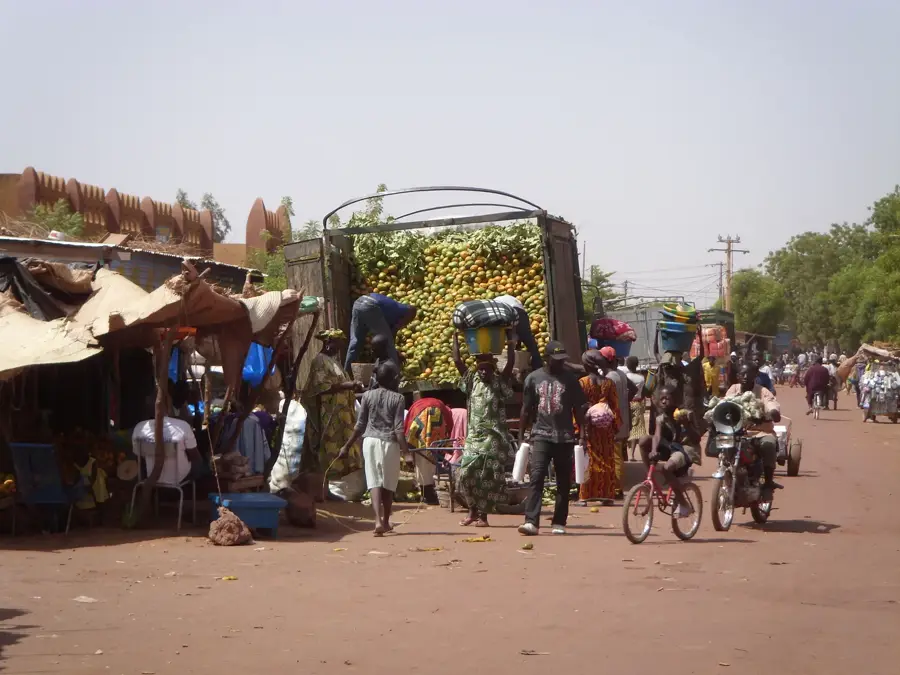
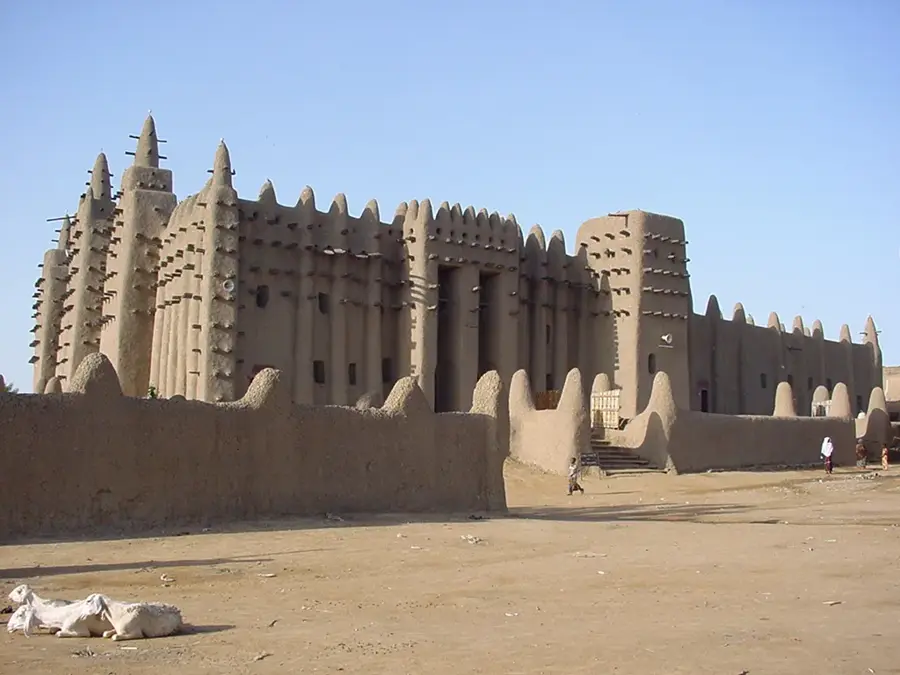
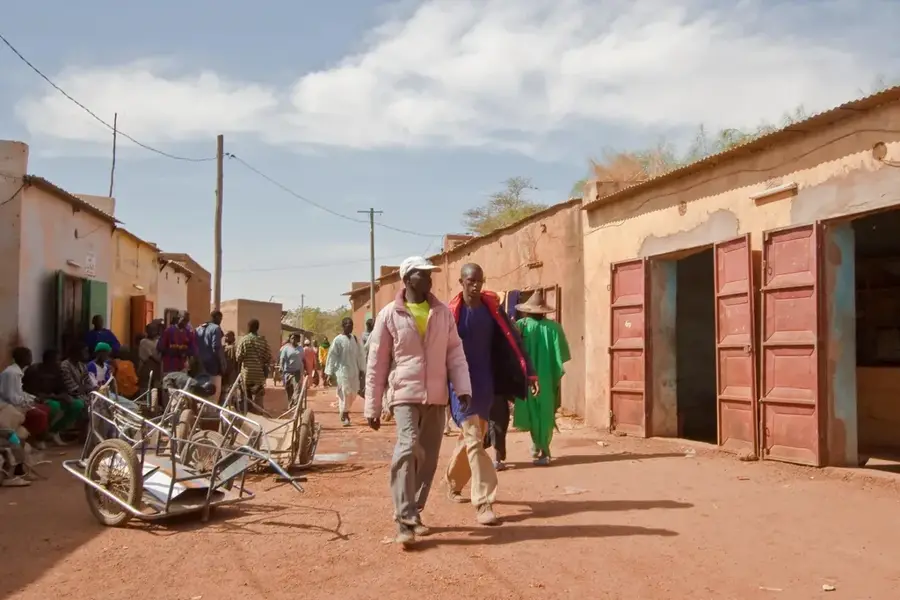
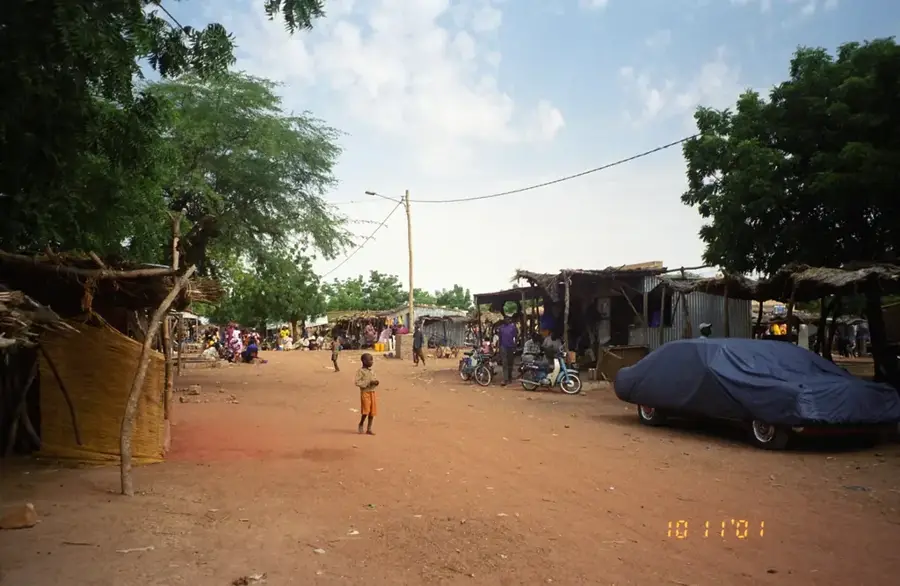
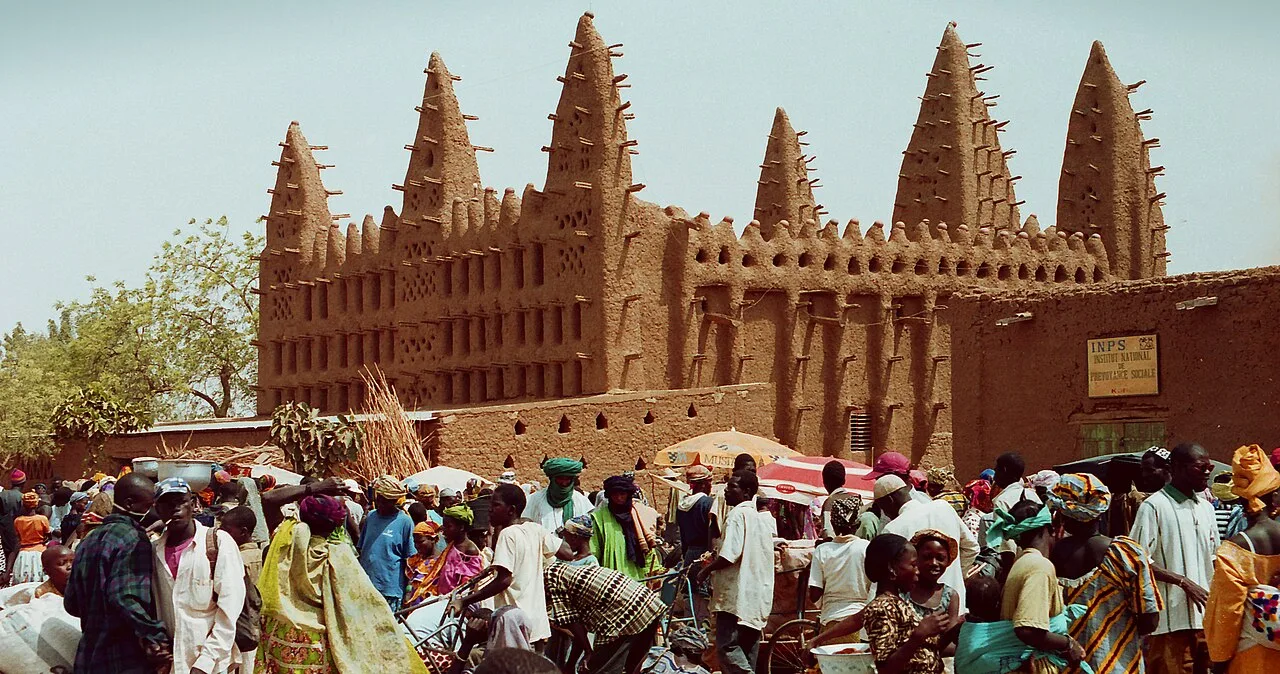
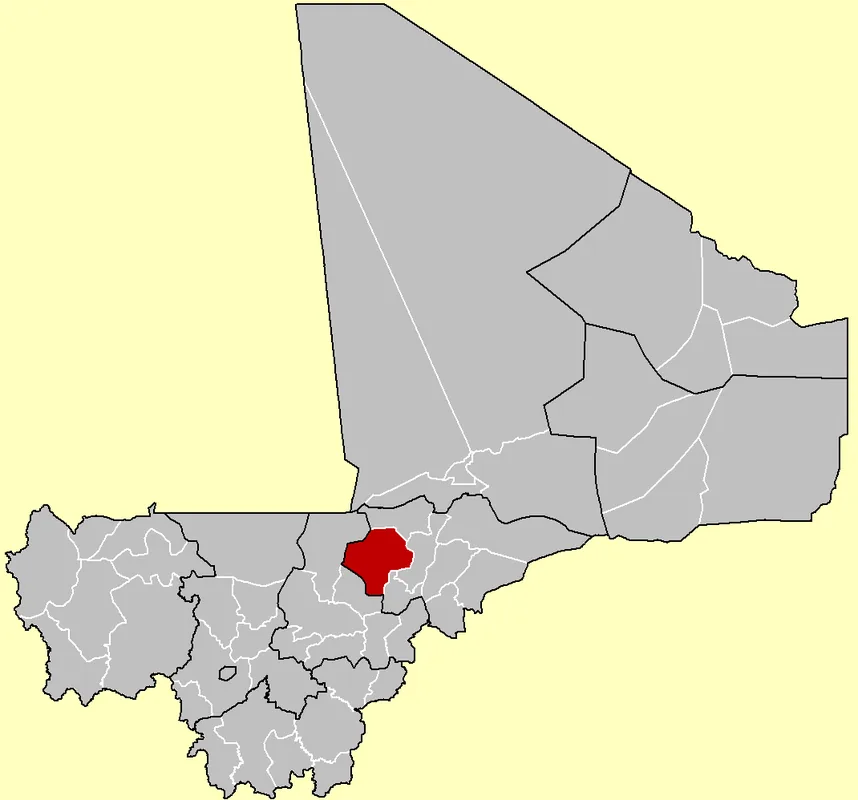
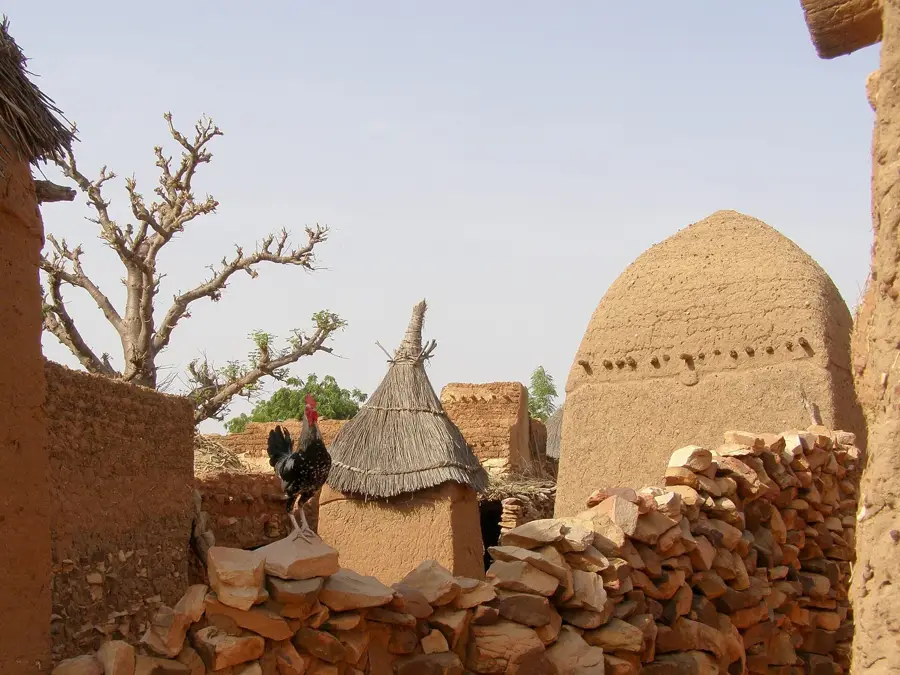
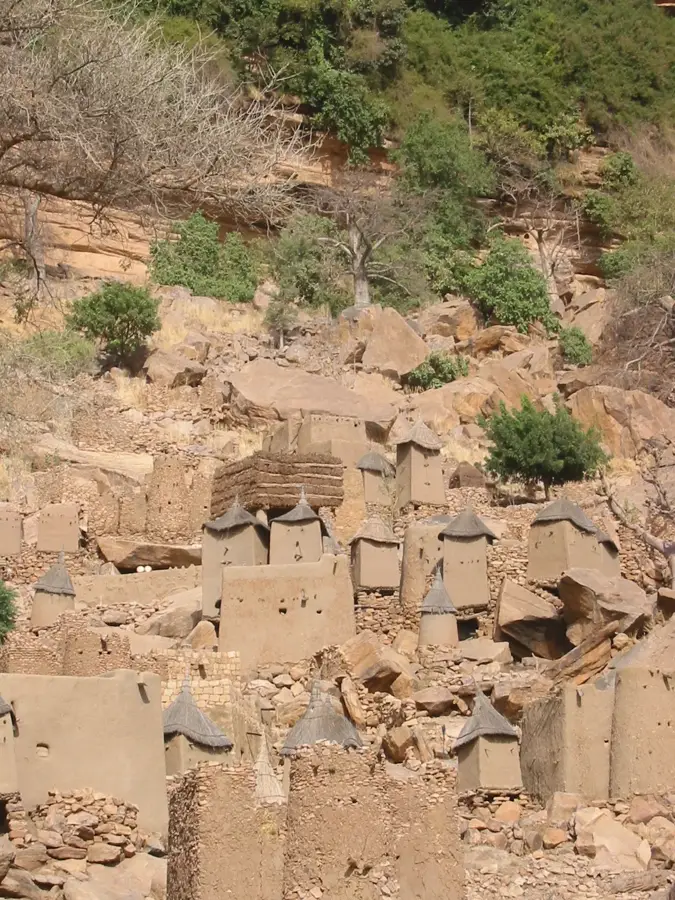
Sofara is a significant small town situated on the banks of the Bani River within the Djenné Cercle of the Mopti Region. The settlement is widely renowned beyond regional borders for its animated weekly market, held every Tuesday, which attracts traders from across the Inner Niger Delta. Its geographical location on the Bani makes Sofara a vital commercial hub for fish, livestock, and agricultural produce. Ethnically, the town is characterized by the harmonious coexistence of Bozo fishermen, Peul nomads, and Bambara farmers. Historically, Sofara often served as a strategic outpost for the nearby city of Djenné and benefited from its cultural influence. The town's architecture displays many features of the Sudano-Sahelian style, with dwellings traditionally constructed from hand-molded mud bricks. Due to the seasonal flooding of the Niger Delta, boat transport plays a crucial role in logistics and the movement of goods during the rainy season. Despite the challenges posed by climate change, Sofara remains a pulsating hub in the heart of Mali.
- Location: Mali
- Nearby: Djenné (42 km)
Best time to visit & climate
The most pleasant time to visit is Jan, Feb, Dec.
| Jan | Feb | Mar | Apr | May | Jun | Jul | Aug | Sep | Oct | Nov | Dec | |
|---|---|---|---|---|---|---|---|---|---|---|---|---|
| Avg °C | 23 | 26 | 30 | 33 | 34 | 32 | 29 | 27 | 27 | 28 | 27 | 24 |
| Rain mm | 0 | 0 | 1 | 7 | 23 | 81 | 155 | 222 | 109 | 23 | 1 | 0 |
Geography
Facts
- Major weekly market held on Tuesdays
- Situated on the banks of the Bani River
- Administrative part of the Djenné Cercle
- Important center for fish trade
- Population consists primarily of Bozo and Peul
- Located in the Mopti Region
Explore nearby
Notable places around

Route planner — Car & Motorhome
Where do you start? We build the route here, with stops and country notes along the way.
© OpenStreetMap contributors · OpenRouteService
Frequently asked questions
What is Sofara?
How long to plan?
What is to see there?
Access?
Travel time?
Sofara: where is it located?
Sofara: when is the best time to visit?
Sofara: why is it worth visiting?

Nearby cities
History & landmarks
More places