Plizio Visual Lab
Tominian
ℹ️Practical info — Tominian
▾
🌤 Weather — 5 days
📍 Nearby
Sights nearby
💡 Tips
- Ask locals about the schedule for Bwa mask dances; these usually take place during harvest time.
- Always ask respectfully for permission before taking close-up photos of the distinctive local architecture or people.
- A local guide can better explain the complex symbolism behind the Bwa masks and traditions.
- Dress modestly to respect the traditional values of the rural community.
🍽 Food
A traditional drink often served in calabashes. A must-try at local gatherings.
Taste meals made from this local grain in the town's small family-run eateries.
Often served with a rich vegetable sauce in the small dining spots near the center.
🛍 Shopping · 🧘 Quiet spots
Look out for hand-carved Bwa masks sold by local artisans.
Traditional mud-dyed fabrics that you can often find in the town center.
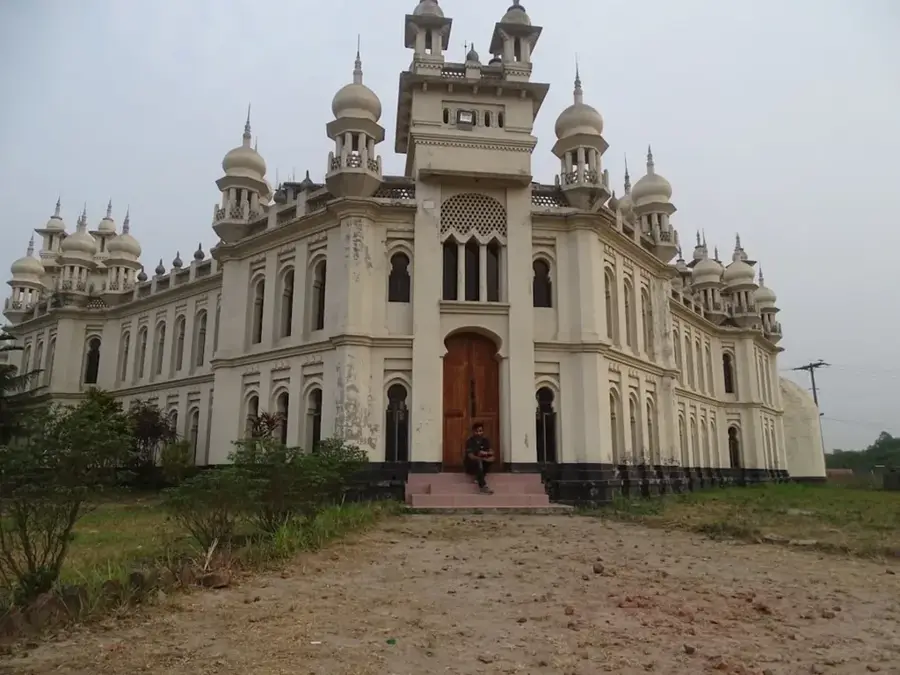
On the outskirts, you can peacefully admire the fascinating, traditionally built houses.
The open landscapes just beyond the residential areas offer a peaceful retreat.
Water temperature…
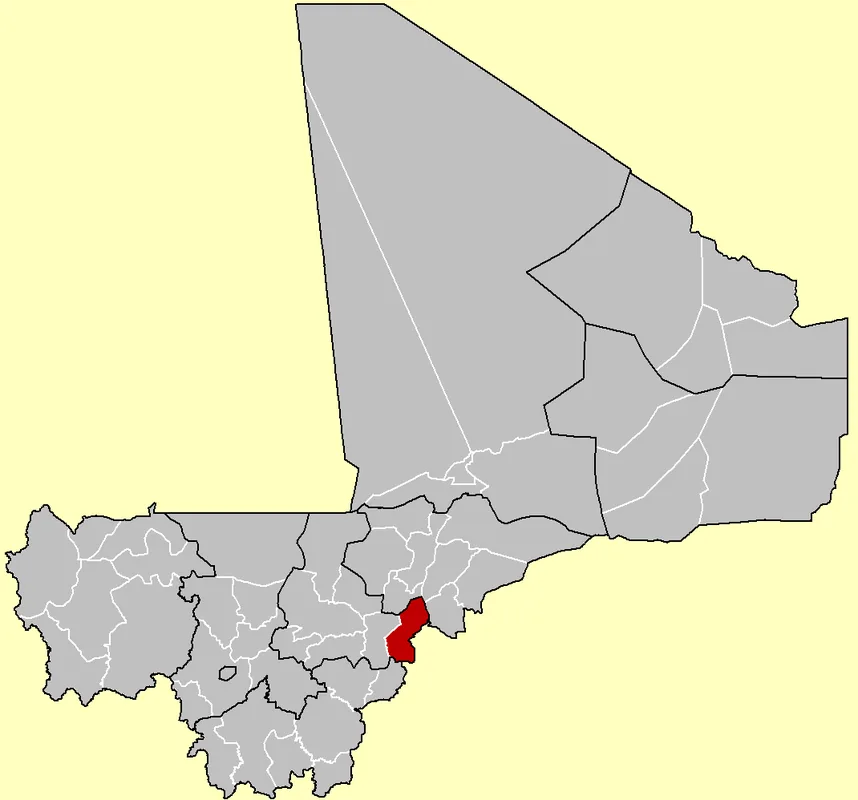
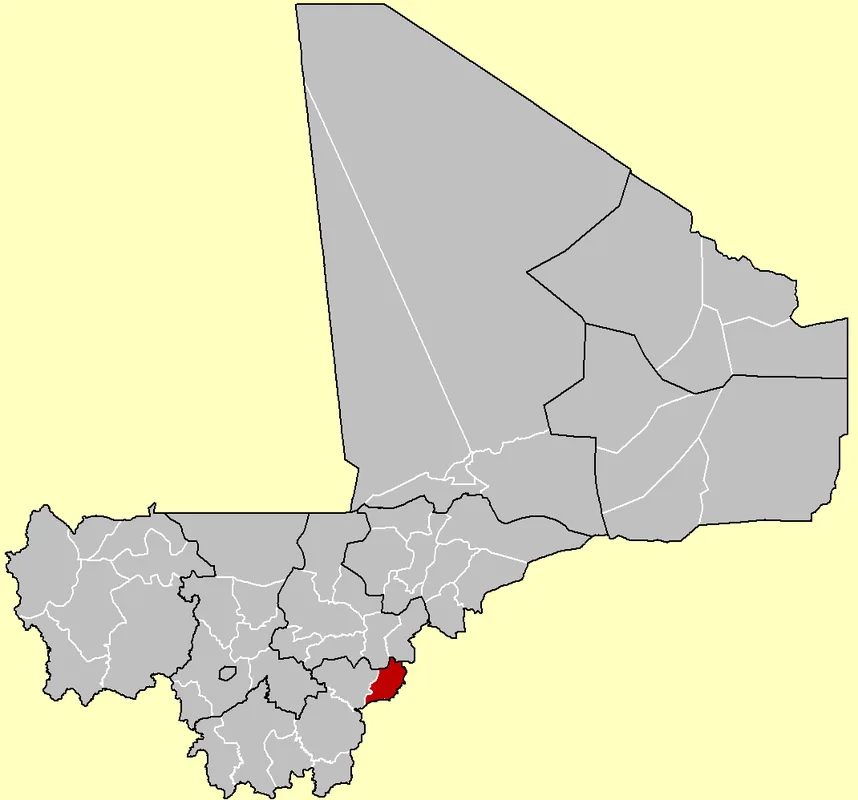
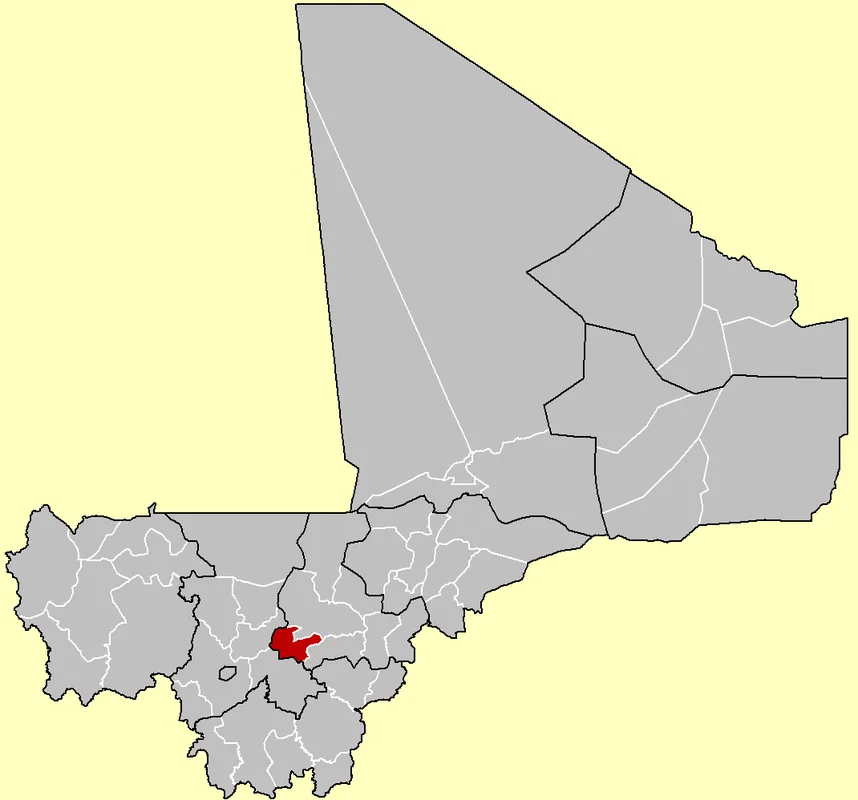
Tominian is a significant town in eastern Mali, situated within the Ségou Region near the international border with Burkina Faso. It serves as the primary cultural and spiritual hub for the Bwa people, also commonly referred to as the Bobo. The town is globally renowned for its spirited mask traditions, particularly the intricate wooden masks used during religious ceremonies and agricultural festivals to ensure community prosperity. Architecturally, Tominian is characterized by traditional mud-brick structures often adorned with symbolic geometric patterns that reflect the local heritage. The economy is heavily dependent on Sahelian agriculture, with a focus on producing millet, sorghum, and fonio, an ancient grain resilient to the harsh climate. As an administrative capital of the Tominian Cercle, the town is a crucial node for local trade and regional development projects. The inhabitants maintain a strong connection to their animist roots while actively participating in the modern economic life of the border region. It remains a focal point for ethnologists and travelers seeking to understand the deep-seated cultural complexities of the West African Sahel.
- Location: Mali
- Nearby: Djenné (65 km)
Best time to visit & climate
The most pleasant time to visit is Jan, Nov, Dec.
| Jan | Feb | Mar | Apr | May | Jun | Jul | Aug | Sep | Oct | Nov | Dec | |
|---|---|---|---|---|---|---|---|---|---|---|---|---|
| Avg °C | 23 | 26 | 30 | 33 | 33 | 31 | 28 | 27 | 27 | 28 | 26 | 23 |
| Rain mm | 0 | 0 | 2 | 11 | 38 | 106 | 180 | 262 | 128 | 29 | 2 | 0 |
Geography
Facts
- Primary cultural hub for the Bwa (Bobo) ethnic group
- Famous for intricate traditional wooden mask festivals
- Key regional producer of the resilient ancient grain fonio
- Strategically located near the border with Burkina Faso
- Administrative capital of the productive Tominian Cercle
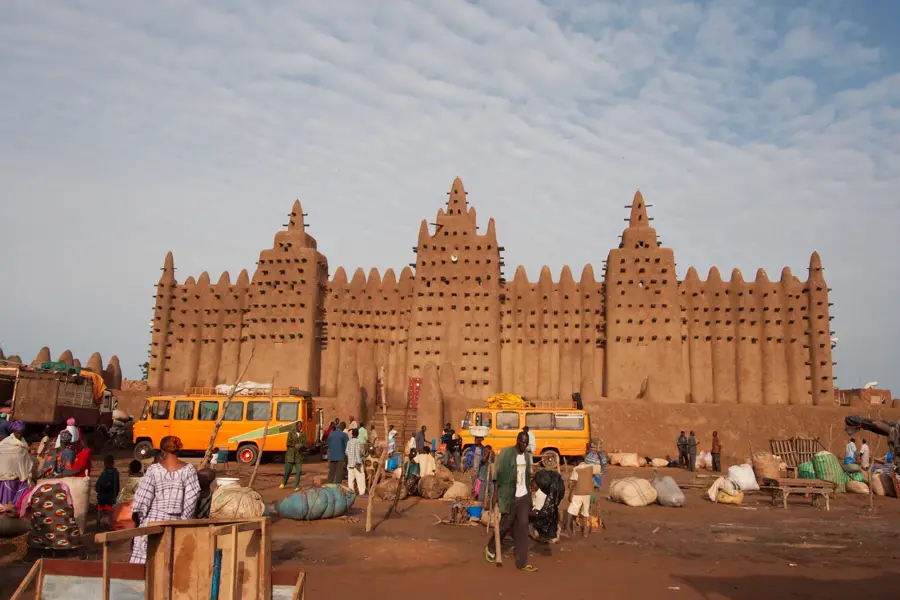
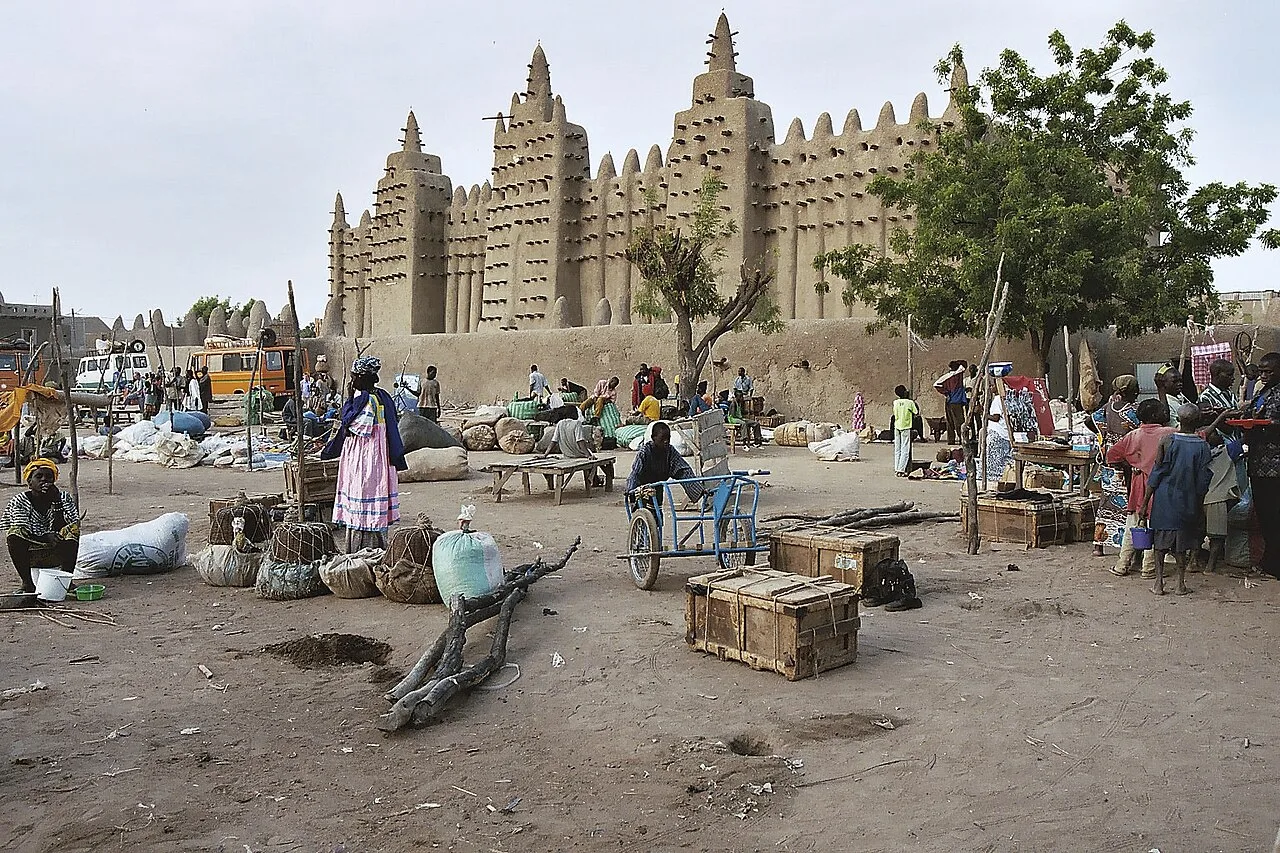
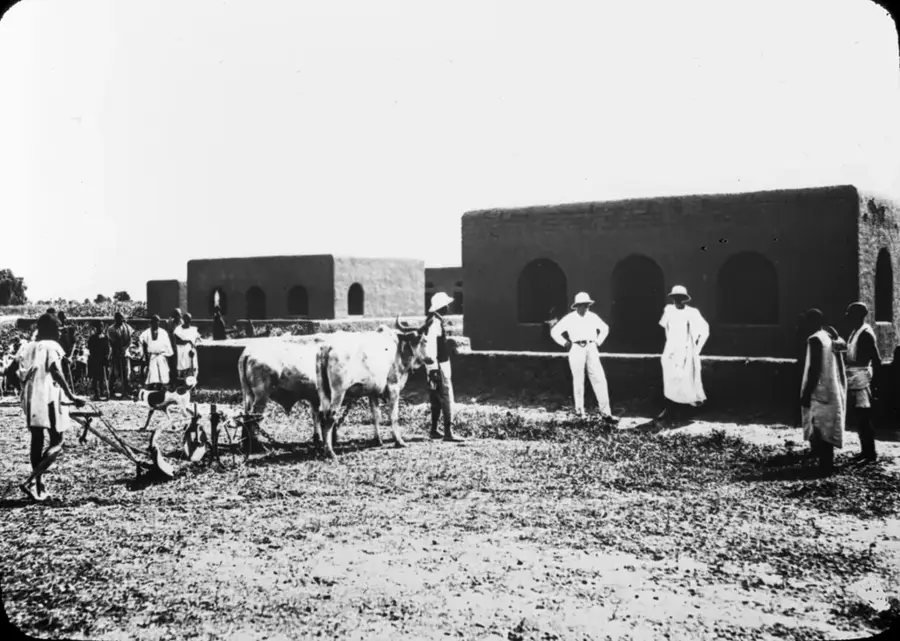
- Features distinctive Sudano-Sahelian mud architecture
Explore nearby
Notable places around

Route planner — Car & Motorhome
Where do you start? We build the route here, with stops and country notes along the way.
© OpenStreetMap contributors · OpenRouteService
Frequently asked questions
Why should you visit Tominian?
How long does a visit take?
When is the best time for a visit?
What is the local specialty?
Is Tominian easy to reach?
Tominian: where is it located?
Tominian: when is the best time to visit?
Tominian: why is it worth visiting?

Nearby cities

History & landmarks
More places