Plizio Visual Lab
Tenenkou
ℹ️Practical info — Tenenkou
▾
🌤 Weather — 5 days
📍 Nearby
Sights nearby
💡 Tips
- Access can be extremely difficult during the rainy season; make sure to plan your trip during the dry months.
- Hiring a local guide is highly recommended to navigate the complex terrain of the delta.
- Observe the daily cattle movements, a central part of the local Peul (Fulani) culture.
- Bring all necessary supplies and medications with you, as shops here have a very limited stock.
🍽 Food
A refreshing sour milk drink sold directly by the Peul herders at the market.
Simple but delicious. Found at the grill stands around the market center.
Taste the fresh cow's milk cheese, often wrapped in leaves, from the cattle breeders.
🛍 Shopping · 🧘 Quiet spots
Buy durable leather items made by the local herders and artisans.
The distinctive conical hats make a fantastic and authentic souvenir.
Take an afternoon walk outside the town to relax and watch the grazing cattle herds.
During the dry season, the dried-up river branches offer a peaceful place for reflection.
Water temperature…
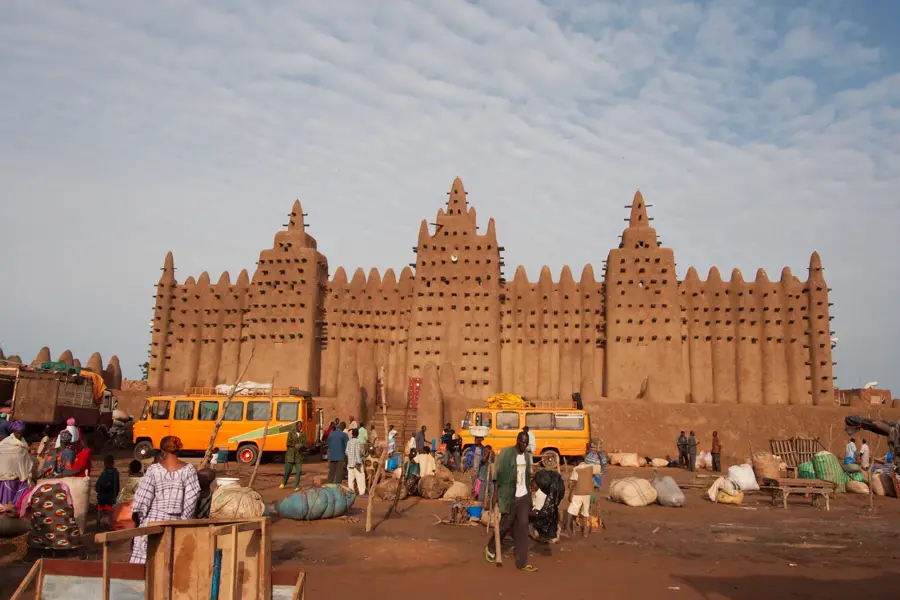
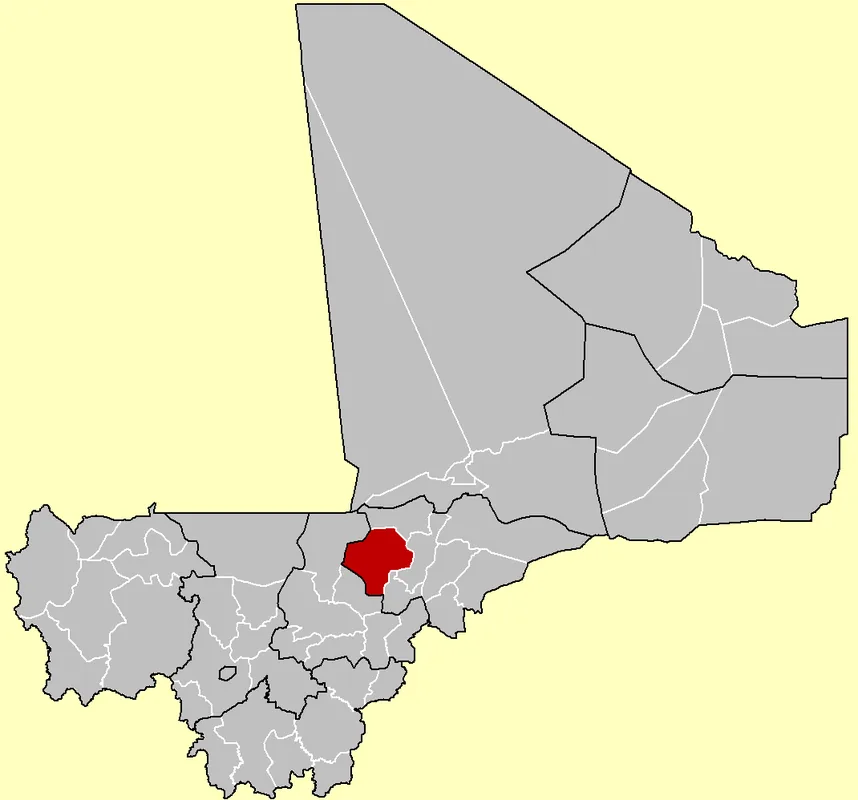
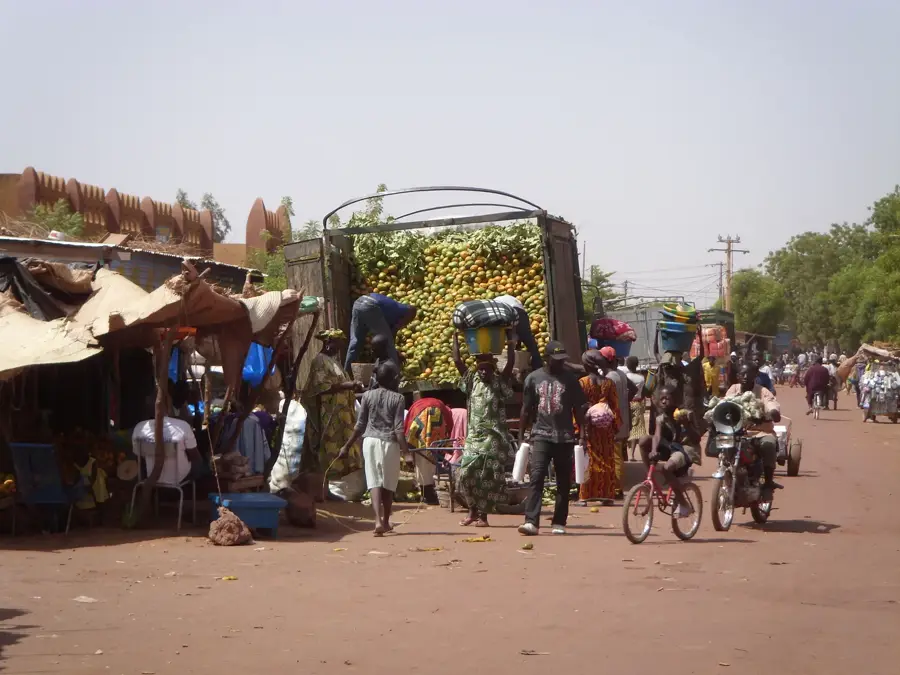
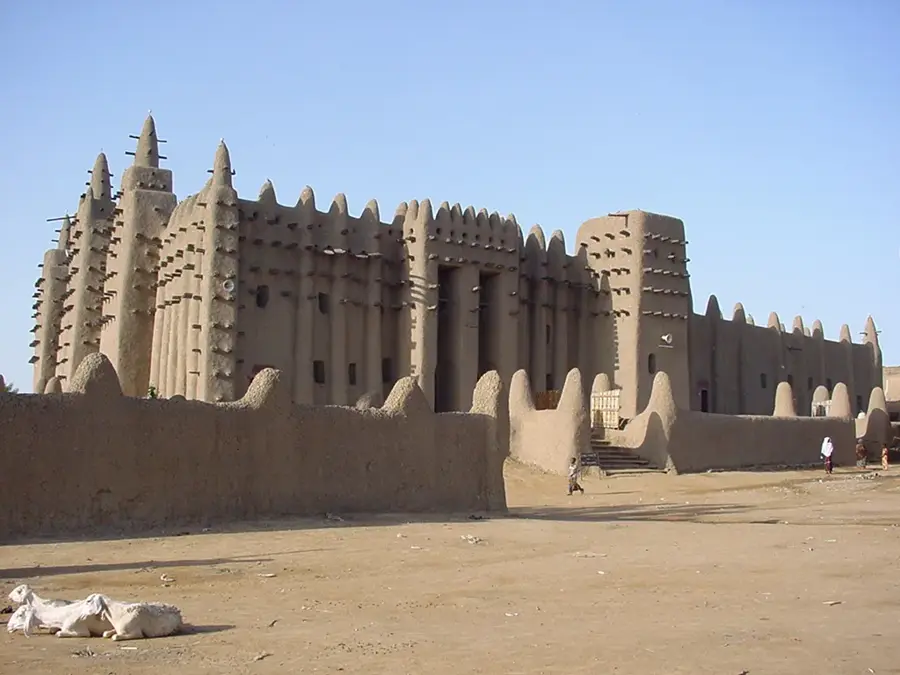
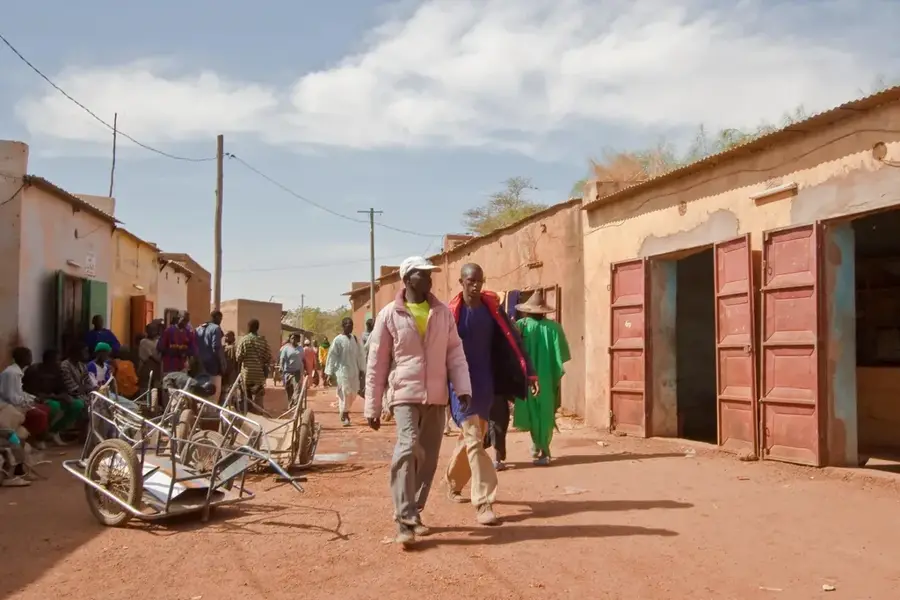
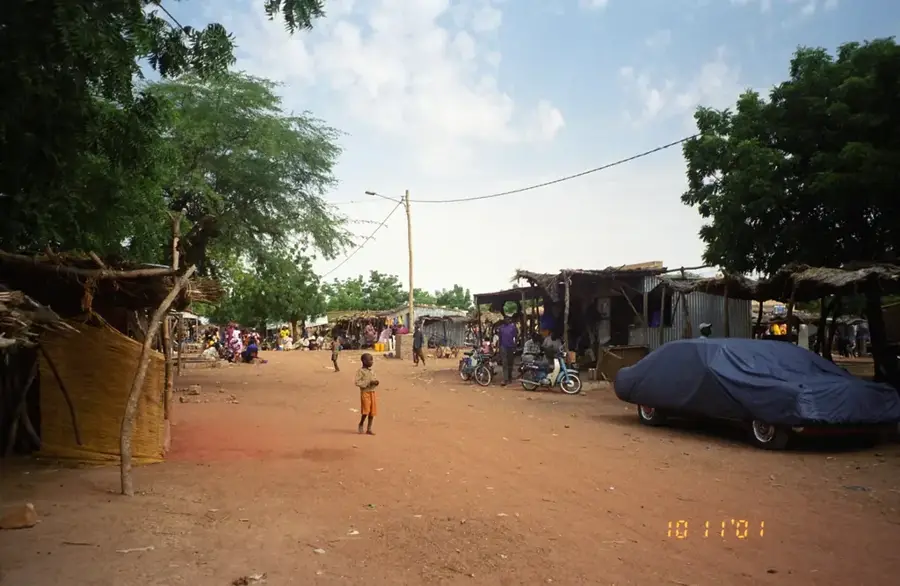
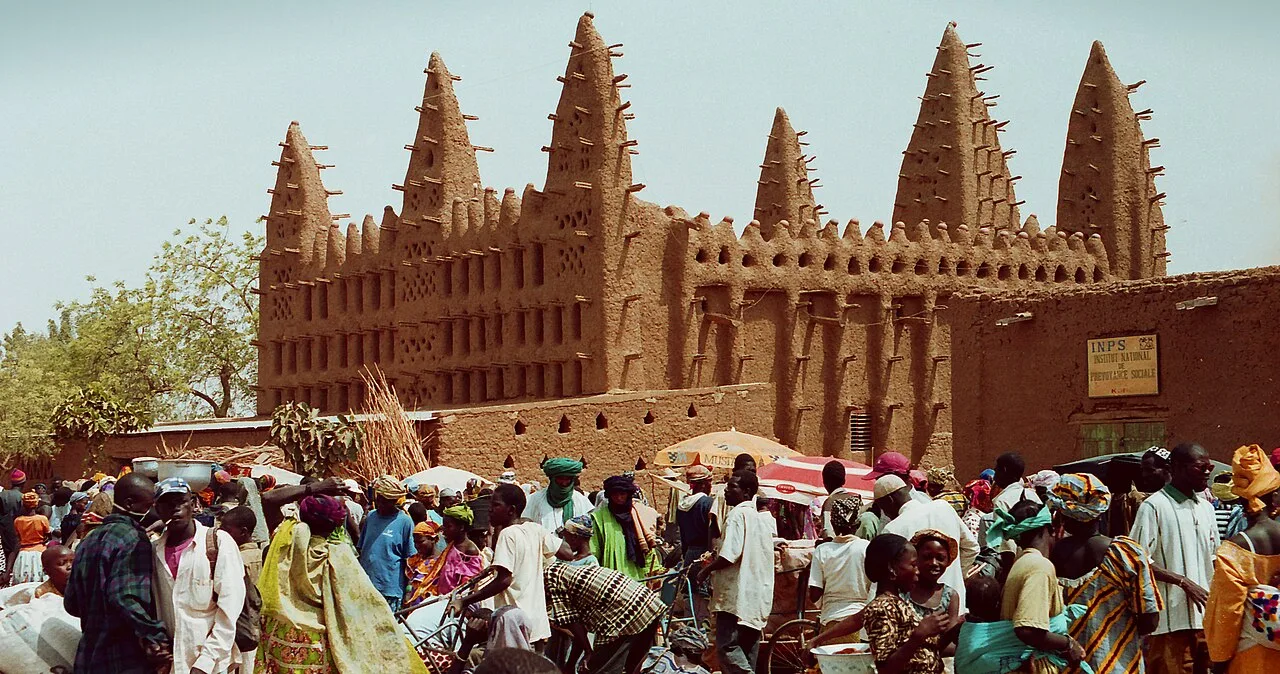
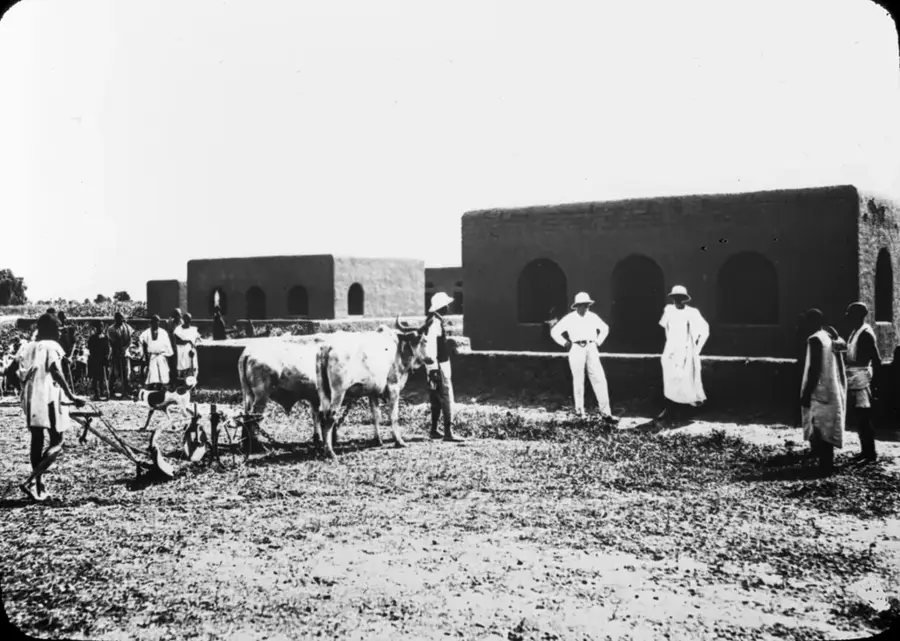
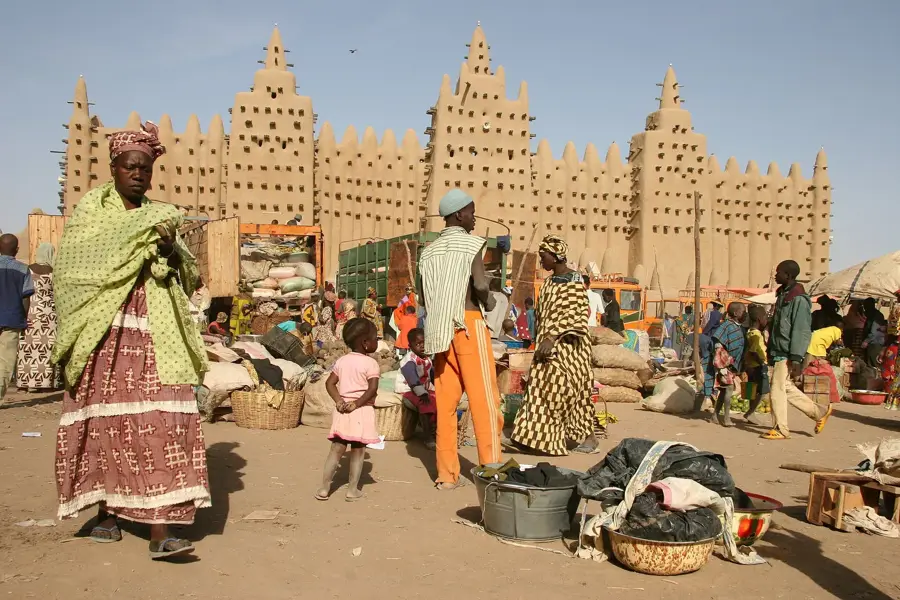
Ténenkou is a historic and strategic town located deep in the heart of the Inner Niger Delta in central Mali. It serves as a major cultural bastion for the Fulani (Peul) people and was historically a key province of the 19th-century Massina Empire. Life in Ténenkou is governed by the seasonal flooding cycle of the Niger River, which often isolates the town, making it accessible only by riverboats or elevated dyke-roads during high water. The local economy is built on transhumant livestock herding, particularly Zebu cattle, and productive rice farming on the delta's fertile silt. Ténenkou is world-renowned for hosting the 'Yaral' and 'Degal' cattle crossing festivals, which are recognized by UNESCO as intangible cultural heritage. A major architectural landmark is the Great Mosque of Ténenkou, built in the magnificent Sudano-Sahelian mud style. As the administrative capital of the Ténenkou Cercle, it is the logistical and political heart of Mali's 'internal sea,' preserving a unique aquatic and pastoral way of life found nowhere else in the Sahel.
- Location: Mali
- Nearby: Macina (73 km)
- Population: ~7.471 (2021)
Best time to visit & climate
The most pleasant time to visit is Jan, Feb, Dec.
| Jan | Feb | Mar | Apr | May | Jun | Jul | Aug | Sep | Oct | Nov | Dec | |
|---|---|---|---|---|---|---|---|---|---|---|---|---|
| Avg °C | 22 | 26 | 30 | 33 | 35 | 32 | 29 | 28 | 28 | 29 | 27 | 23 |
| Rain mm | 0 | 0 | 1 | 8 | 21 | 79 | 144 | 222 | 98 | 18 | 1 | 0 |
Geography
Facts
- Historic cultural center for the Fulani in the Inner Niger Delta
- Former key province of the 19th-century Massina Empire
- Home to the UNESCO-listed Yaral and Degal cattle crossing rituals
- Often accessible only by water during the peak flood season
- Economic hub for Zebu cattle herding and flood-recession rice
- Features a magnificent traditional Sudano-Sahelian Great Mosque
Explore nearby
Notable places around


Route planner — Car & Motorhome
Where do you start? We build the route here, with stops and country notes along the way.
© OpenStreetMap contributors · OpenRouteService
Sights in the town Tenenkou (1)
Frequently asked questions
What is typical for Tenenkou?
When should you visit Tenenkou?
How long should you stay?
Are there activities there?
Is Tenenkou a tourist destination?
Tenenkou: where is it located?
Tenenkou: when is the best time to visit?
Tenenkou: why is it worth visiting?

Nearby cities
History & landmarks
More places