Plizio Visual Lab
Tolanaro
ℹ️Practical info — Tolanaro
▾
🌤 Weather — 5 days
📍 Nearby
Sights nearby
💡 Tips
- Be prepared for the wind; the city is known for its strong coastal breezes.
- Roads around the region can be very poor, so hire a 4x4 if exploring beyond the city.
- If you enjoy surfing, Libanona beach has some of the best waves in the area.
- Visit the botanical gardens to see unique pitcher plants and lemurs.
🍽 Food
Fort Dauphin is famous for its affordable and delicious lobster; try it at beachfront restaurants.
A local delicacy often served freshly caught in the traditional eateries.
🛍 Shopping · 🧘 Quiet spots
The region produces excellent honey, often sold in small markets and roadside stalls.
Look for intricately carved wooden souvenirs depicting local wildlife.
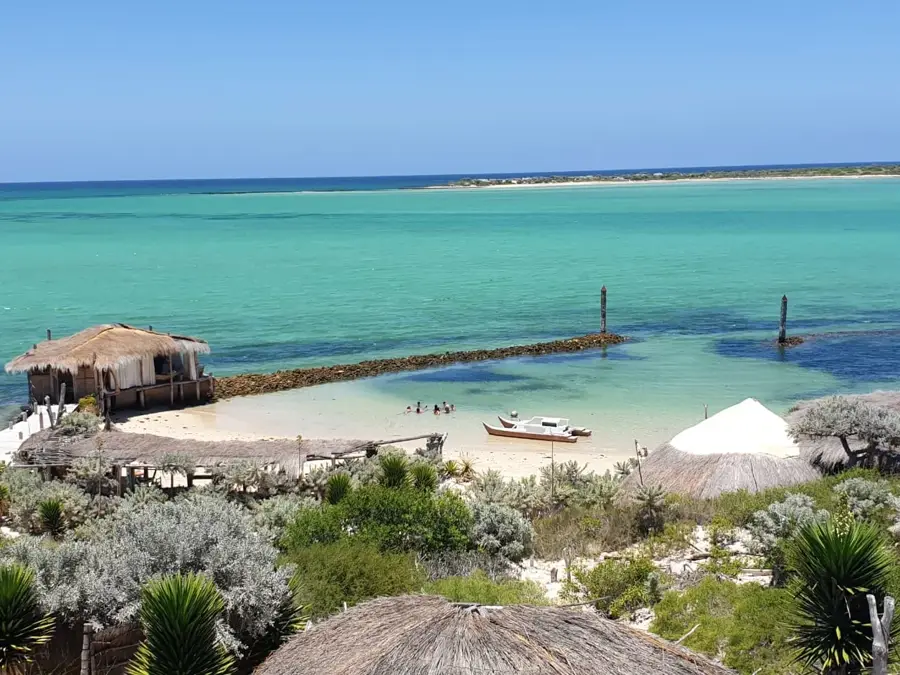
A pretty and relatively quiet beach, first-rate for watching the sunset.
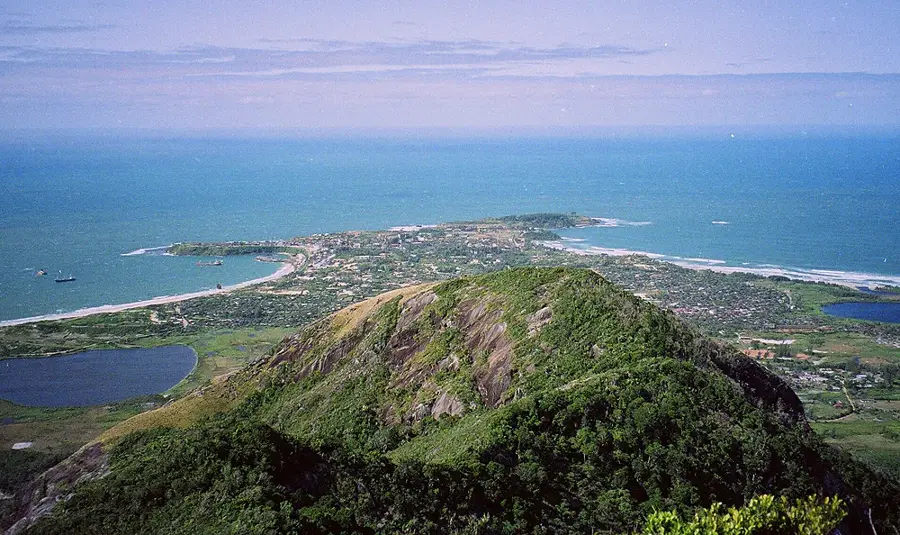
Hike up for a serene, panoramic view of the coastline and the city.
Water temperature…
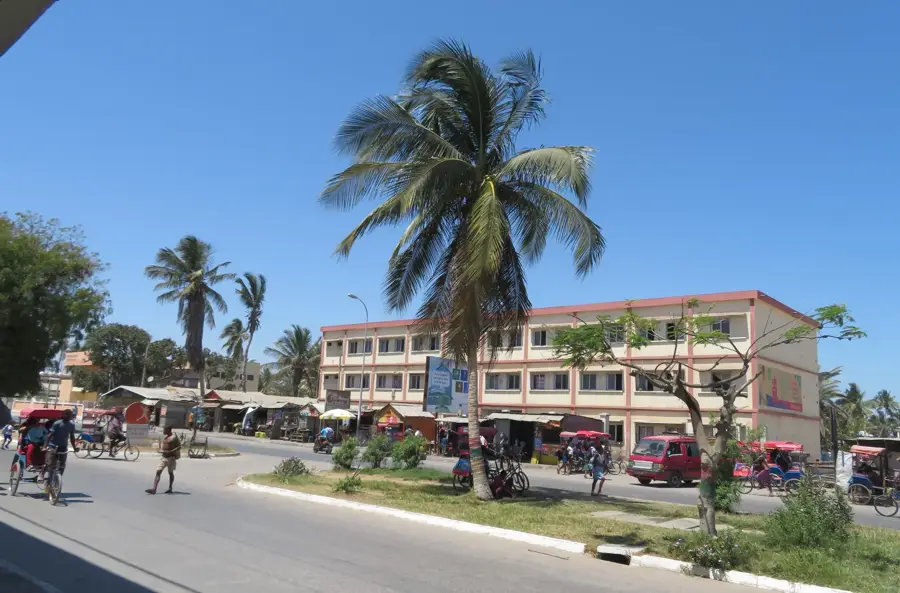
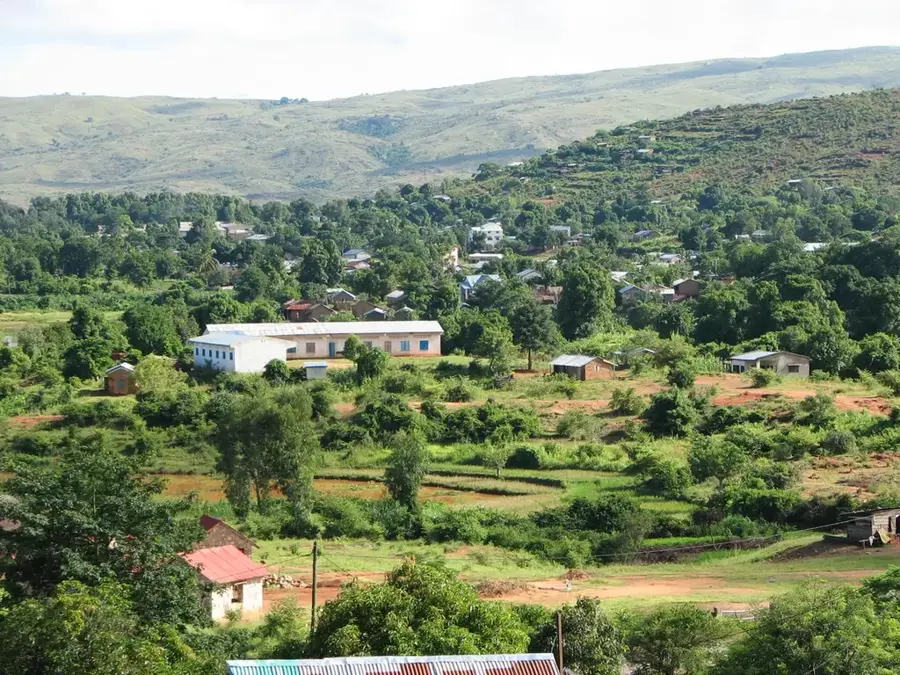
Tolanaro, widely known by its colonial name Fort-Dauphin, is a historic port city on the southeastern coast of Madagascar and the capital of the Anosy region. Established in 1643 by the French East India Company, it stands as the first permanent European settlement on the island, named after the future King Louis XIV. The city's geography is spectacular, situated on a peninsula surrounded by bays, rugged mountains, and the Indian Ocean. This unique location creates a microclimate where lush rainforests meet the arid southern spiny bush. Economically, the city has undergone a major transformation with the construction of the deep-water Port of Ehoala and the large-scale mining of ilmenite in the surrounding area. Beyond industry, Tolanaro is a premier tourism destination, serving as the main entry point for the Berenty Reserve and Nahampoana Park. The local Antanosy people have a rich cultural heritage, with traditions shaped by centuries of interaction between indigenous customs and European influences. Today, Tolanaro is a lively economic center that balances its colonial past with modern industrial and environmental significance.
- Location: Madagascar
- Top sights: Plage Monseigneur · Libanona Beach · Bastion de Maudave
- Nearby: Sainte Luce (29 km)
- Population: ~71.258 (2026)
Best time to visit & climate
The most pleasant time to visit is Jun, Aug, Sep.
| Jan | Feb | Mar | Apr | May | Jun | Jul | Aug | Sep | Oct | Nov | Dec | |
|---|---|---|---|---|---|---|---|---|---|---|---|---|
| Avg °C | 25 | 25 | 25 | 23 | 22 | 20 | 19 | 20 | 21 | 23 | 24 | 25 |
| Rain mm | 200 | 192 | 207 | 135 | 97 | 60 | 58 | 52 | 49 | 78 | 107 | 156 |
Geography
Facts
- Founded in 1643, making it the first permanent French settlement.
- Originally named after the Dauphin of France, the future Louis XIV.
- Home to the modern deep-water Ehoala Port, opened in 2009.
- A global center for ilmenite (titanium ore) extraction.
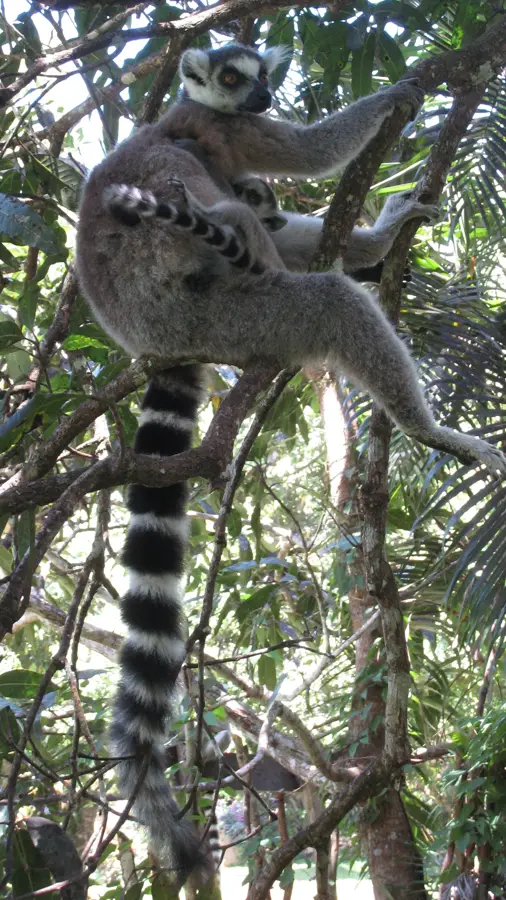
- Gateway to the Berenty Reserve, famous for ring-tailed lemurs.
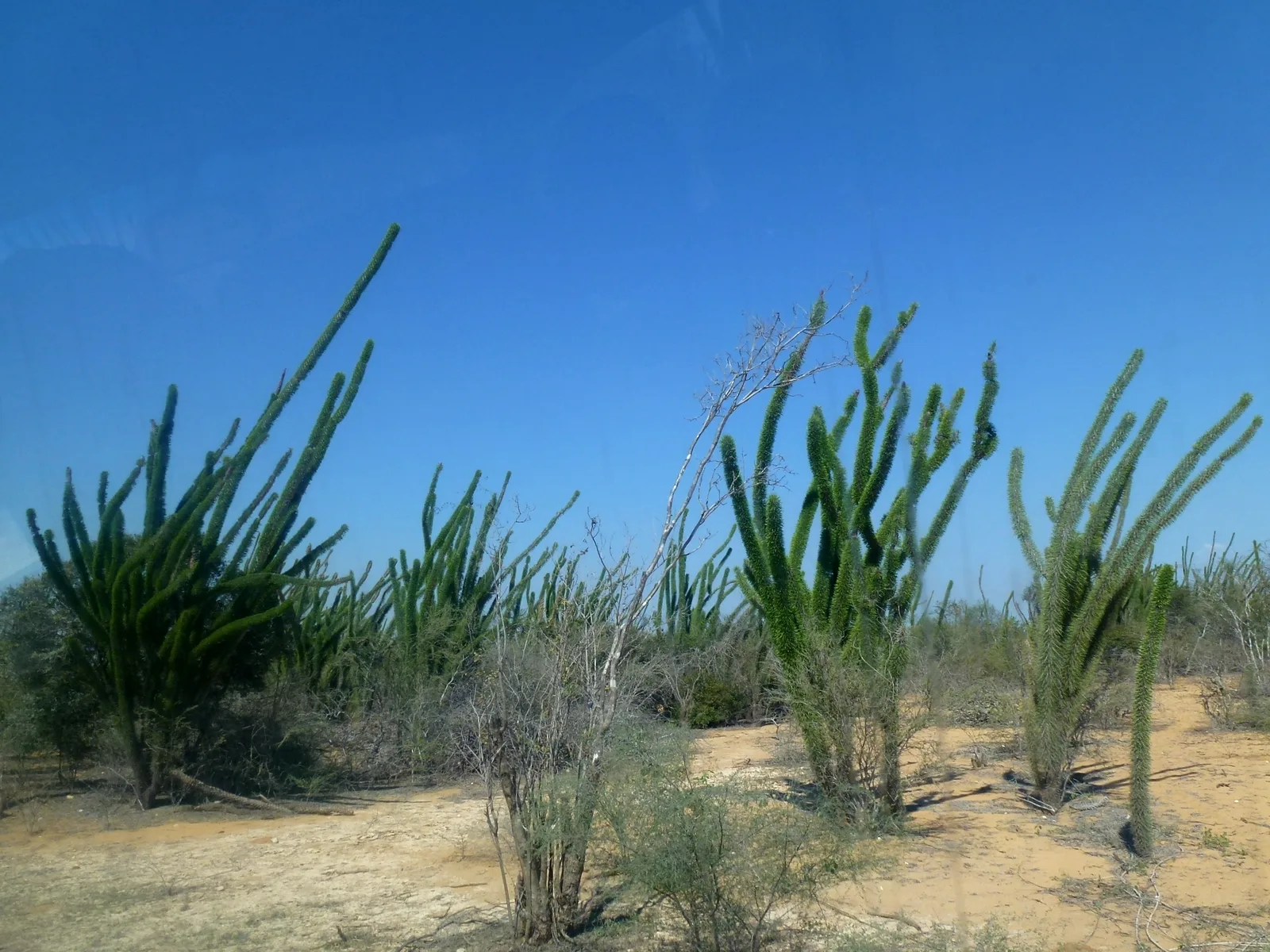
- Features a rare intersection of tropical and semi-arid ecosystems.
Explore nearby
Notable places around


Route planner — Car & Motorhome
Where do you start? We build the route here, with stops and country notes along the way.
© OpenStreetMap contributors · OpenRouteService
Sights in the town Tolanaro (4)
Faux-Cap Beach
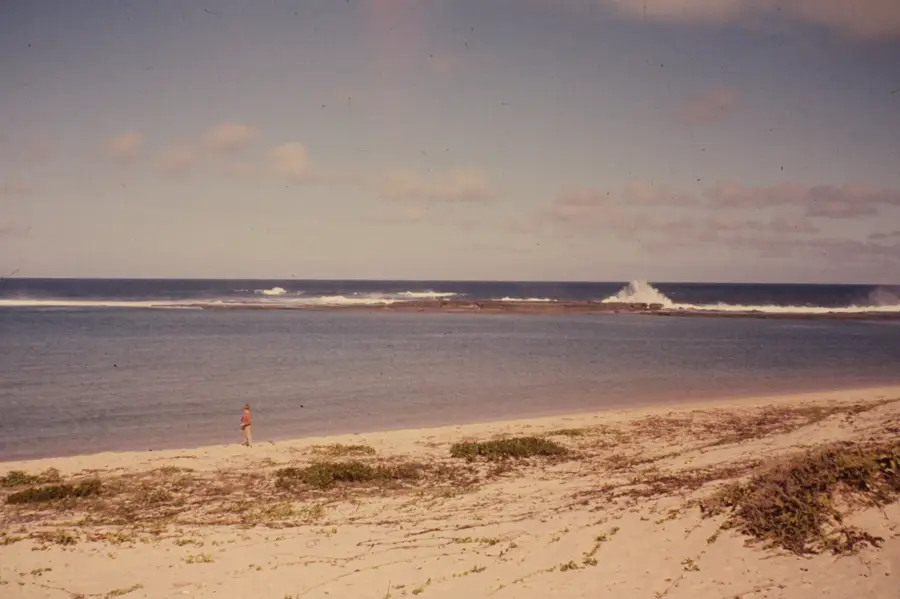
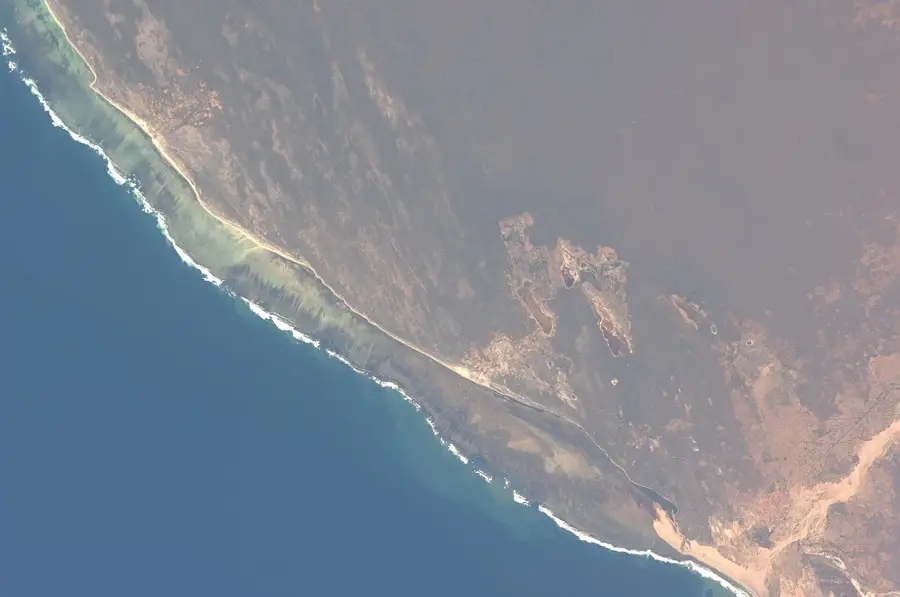
Faux-Cap Beach in Tolanaro is a remote beach with strong waves and wide sand.
Frequently asked questions
How long to stay in Tolanaro?
When is the best time to travel?
How to get to Tolanaro?
What is a culinary must?
Is Tolanaro family-friendly?
Tolanaro: where is it located?
Tolanaro: what is there to see?
Tolanaro: when is the best time to visit?
Tolanaro: why is it worth visiting?

Nearby cities

History & landmarks
More places