Plizio Visual Lab
Lazdijai
ℹ️Practical info — Lazdijai
▾
🌤 Weather — 5 days
📍 Nearby
Sights nearby
💡 Tips
- As a border town, expect more traffic on weekends when cross-border shopping peaks.
- The Lazdijai Region Museum is a great starting point to learn about the local border history.
- Cycling is very popular here; the surrounding nature trails and nearby lakes are easily accessible.
- Visit the local market early on Saturday mornings for the best fresh regional produce.
- If driving into Poland, check fuel prices, as they often fluctuate between the two countries.
🍽 Food
Traditional Lithuanian spit cake, available in bakeries around the town center.
Hearty potato dumplings, best enjoyed at a traditional tavern along the main transit roads.
Refreshing cold beet soup, a summer staple in cafes near the main square.
🛍 Shopping · 🧘 Quiet spots
Great for seasonal berries, mushrooms, and regional honey.
Convenient for stocking up on both Lithuanian and imported Polish snacks.
A peaceful green space right in the town for a short, relaxing walk.
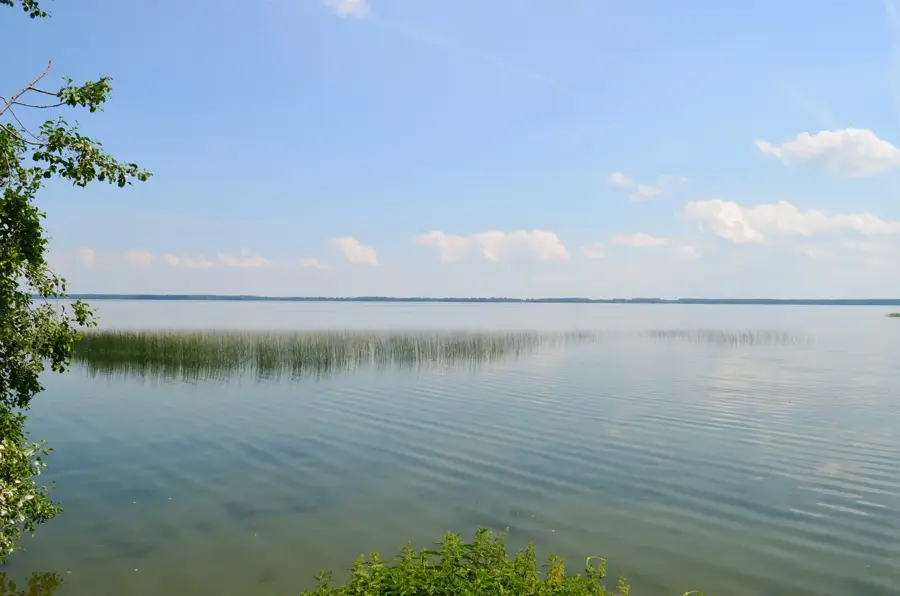
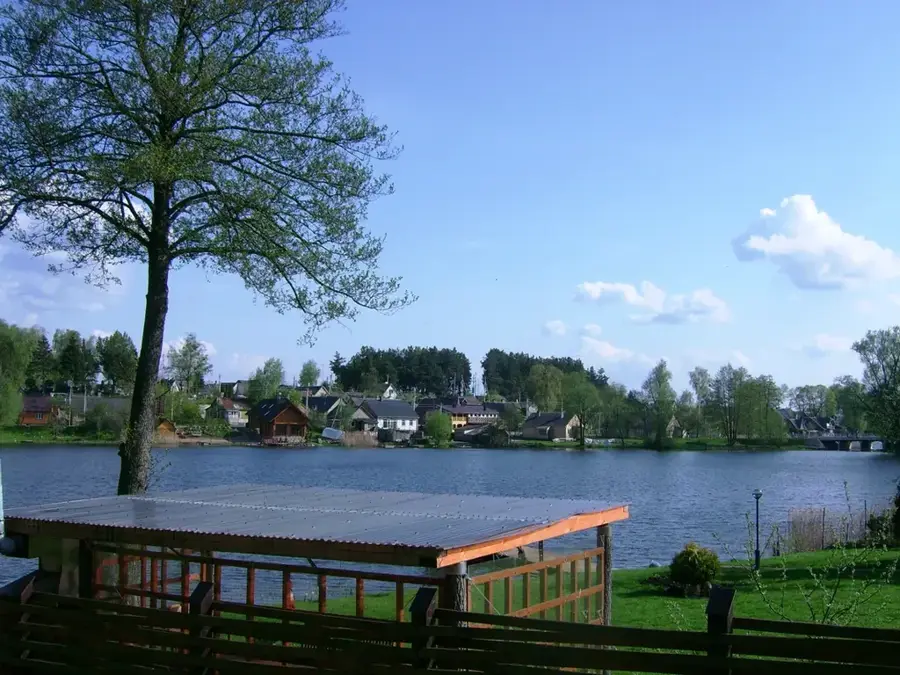
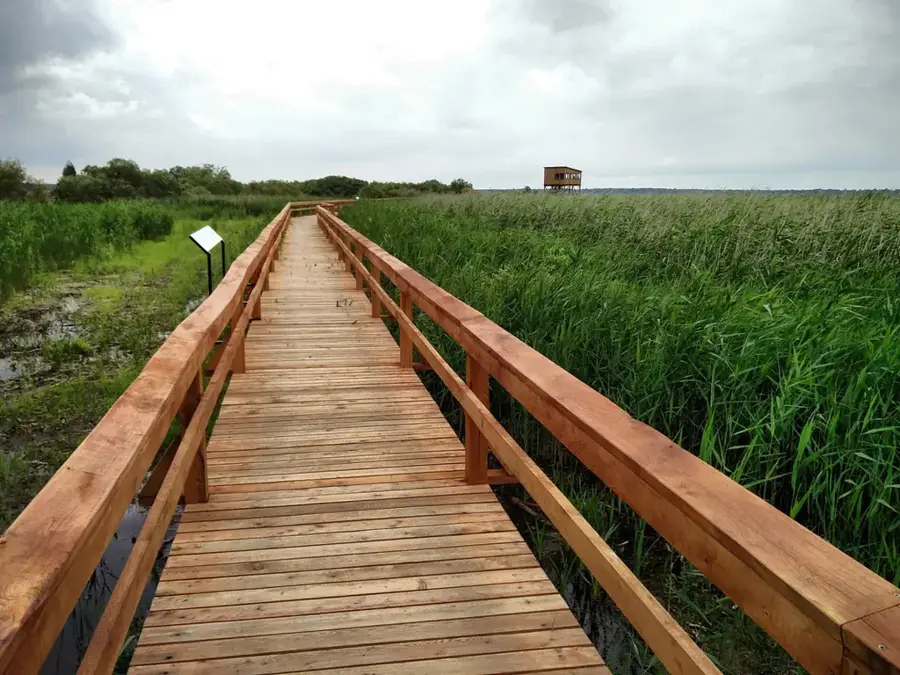
A short drive out of town will bring you to tranquil lakes great for quiet swimming.
Water temperature…
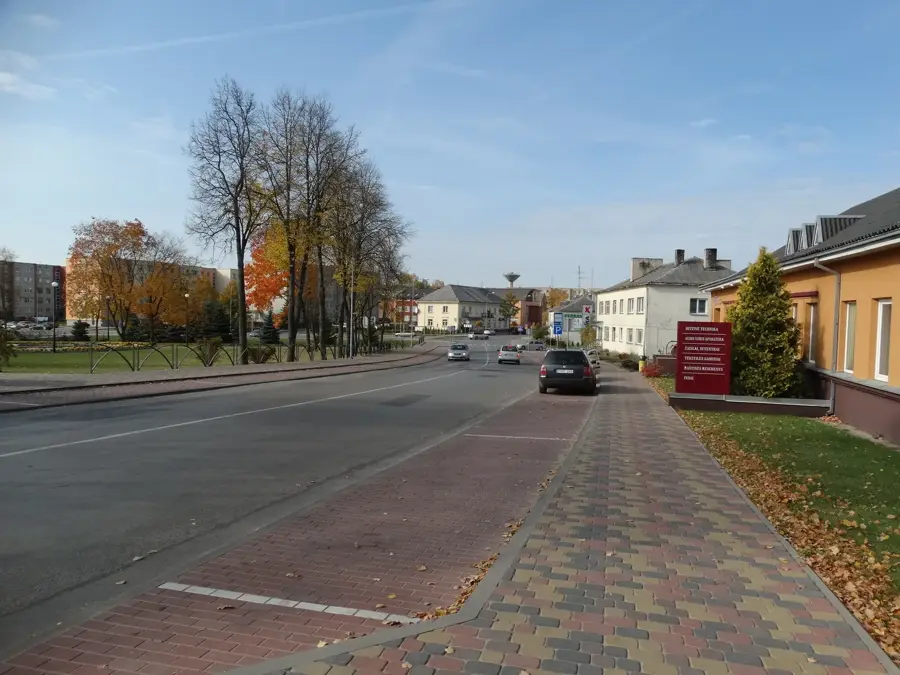
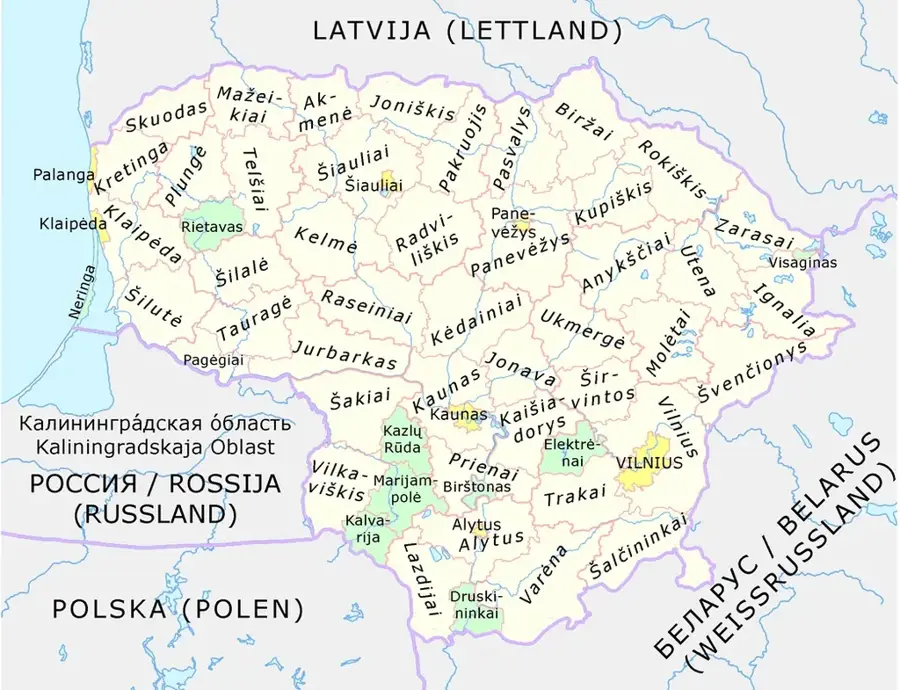
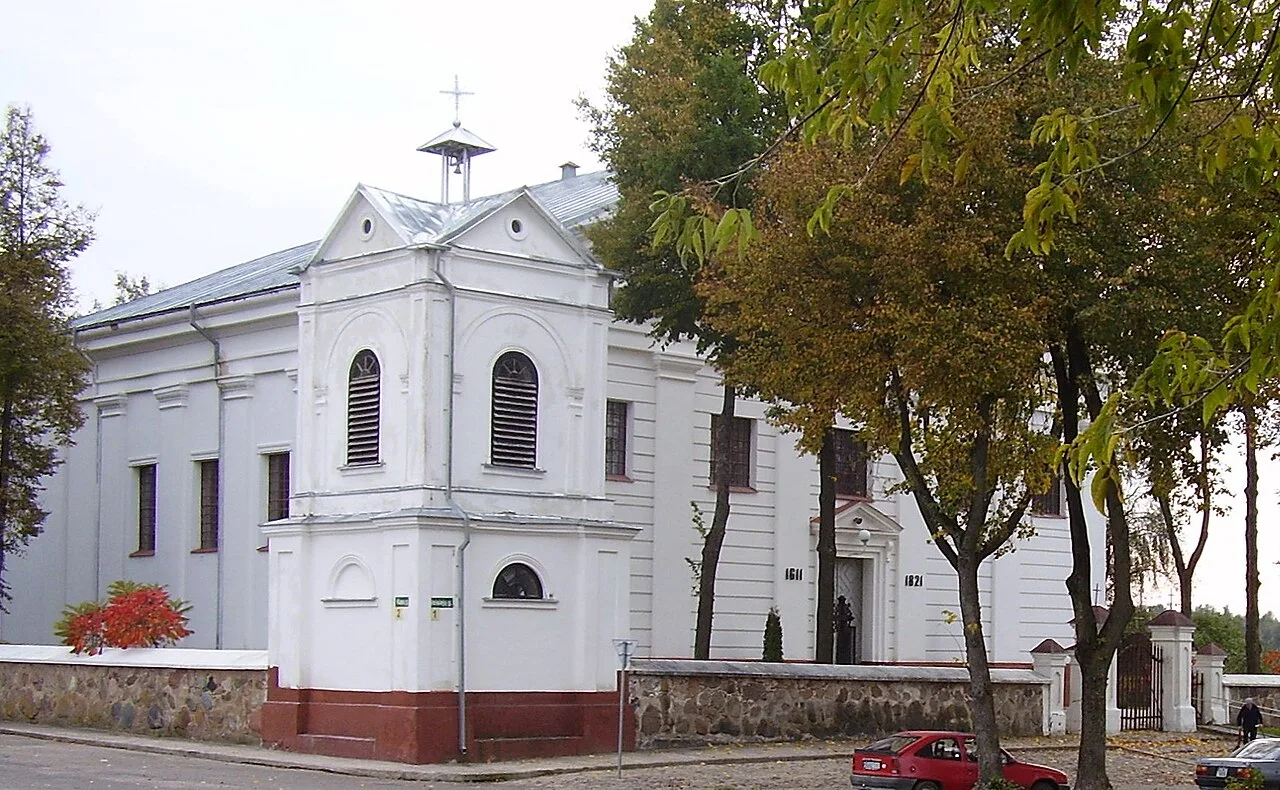
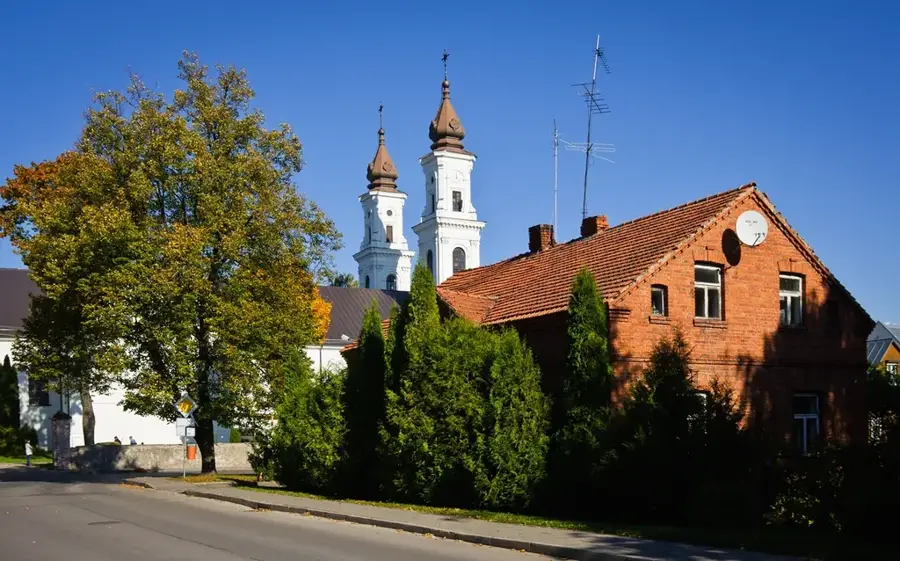
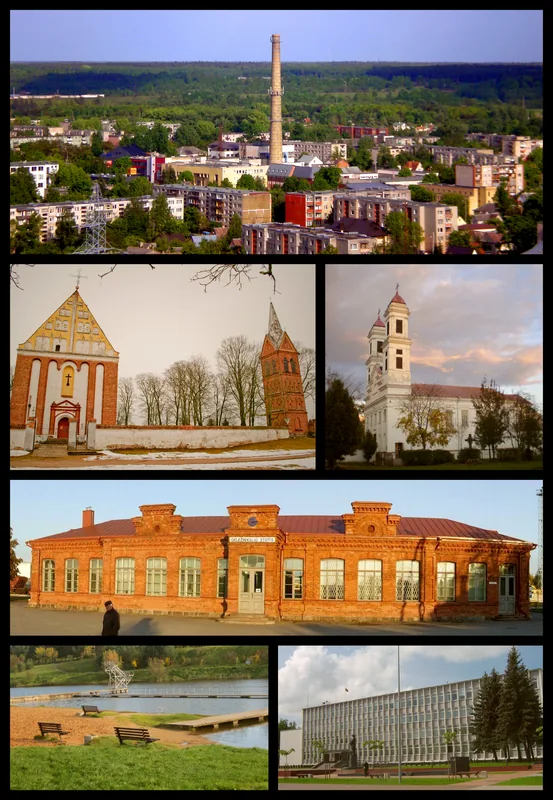
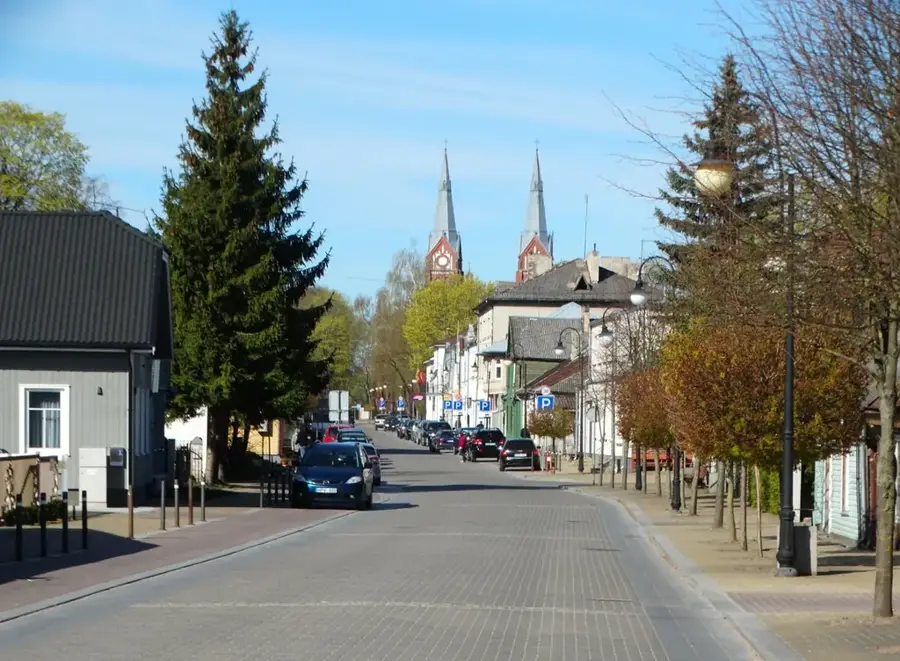
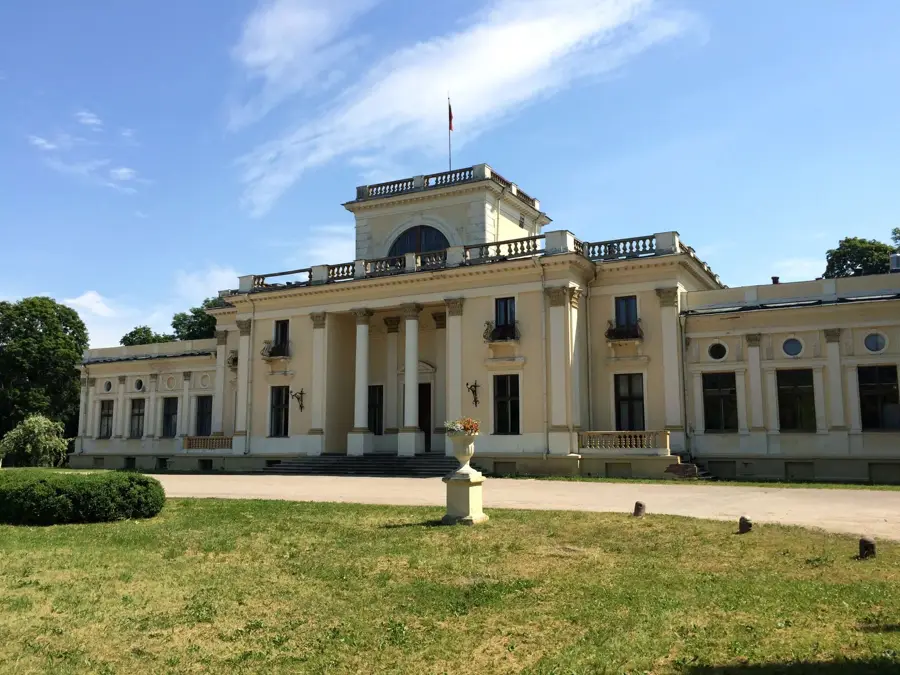
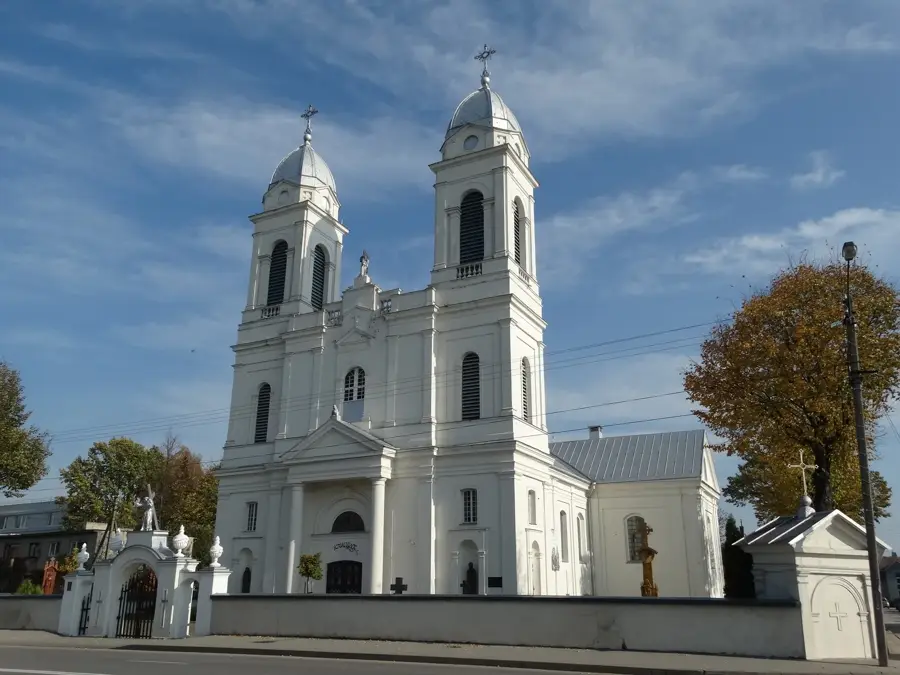
Lazdijai is located in southwestern Lithuania, near the borders with Poland and Belarus, serving as the administrative center of the Lazdijai district. The town was founded in 1570 by Sigismund II Augustus and was granted Magdeburg rights in 1597. Historically, the region was inhabited by the Yotvingians, a West Baltic tribe whose cultural heritage remains a subject of great local pride and study. Geographically, the area is defined by its rolling hills and a multitude of lakes, positioning Lazdijai as a historic gateway for travel between Lithuania and Western Europe. Throughout the 20th century, the town's fate was shaped by shifting borders, transitioning from a heavily fortified frontier to a symbol of modern European integration. The architectural heart of the town features the Church of St. Anne and several well-preserved civic buildings. The Lazdijai Regional Museum serves as a cultural hub, documenting local history and the lives of influential figures like the educator Motiejus Gustaitis. Today, the town's economy relies on farming, forestry, and international transport services, maintaining its status as a vital cross-border link.
- Location: Lithuania
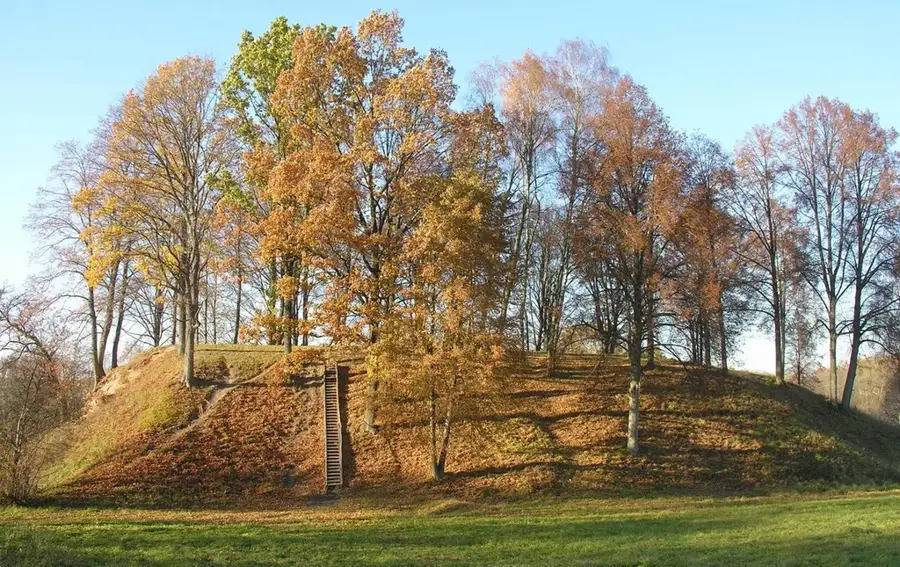
- Top sights: Papalazdijų piliakalnis · Laisvės kovų muziejus · Lazdijų krašto muziejus
- Nearby: Veisiejai (18 km)
- Population: ~3.629
Best time to visit & climate
The most pleasant time to visit is Jun–Aug.
| Jan | Feb | Mar | Apr | May | Jun | Jul | Aug | Sep | Oct | Nov | Dec | |
|---|---|---|---|---|---|---|---|---|---|---|---|---|
| Avg °C | -6 | -4 | 0 | 7 | 13 | 17 | 19 | 18 | 13 | 7 | 2 | -3 |
| Rain mm | 47 | 38 | 40 | 41 | 68 | 74 | 91 | 80 | 53 | 59 | 50 | 48 |
Geography
Facts
- Lazdijai was formally established in 1570 by the Grand Duke Sigismund II Augustus.
- The town was honored with Magdeburg rights in 1597, fostering early growth.
- The area is famous for being the ancestral home of the ancient Yotvingian people.
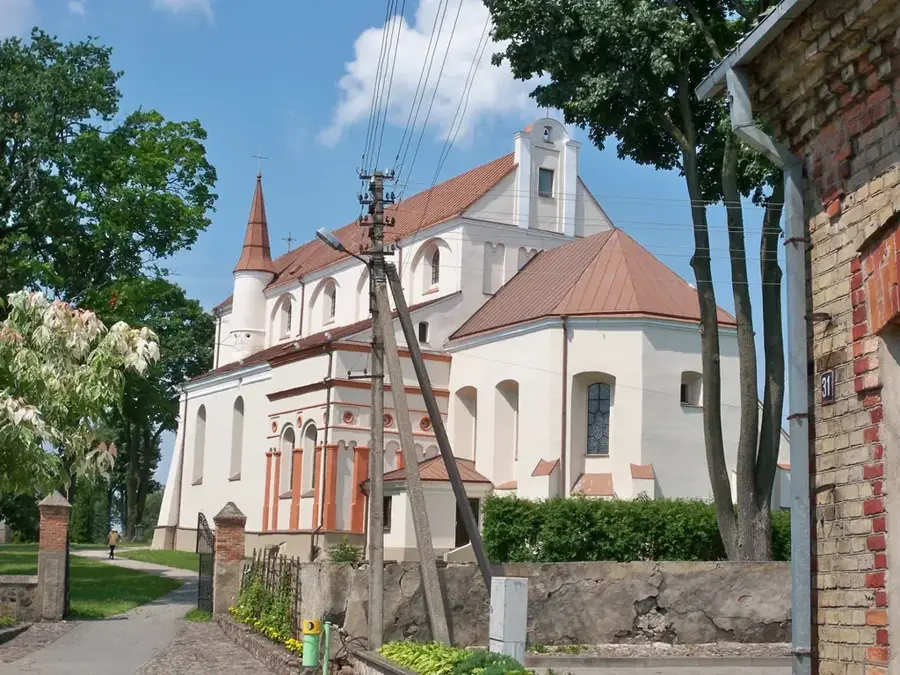
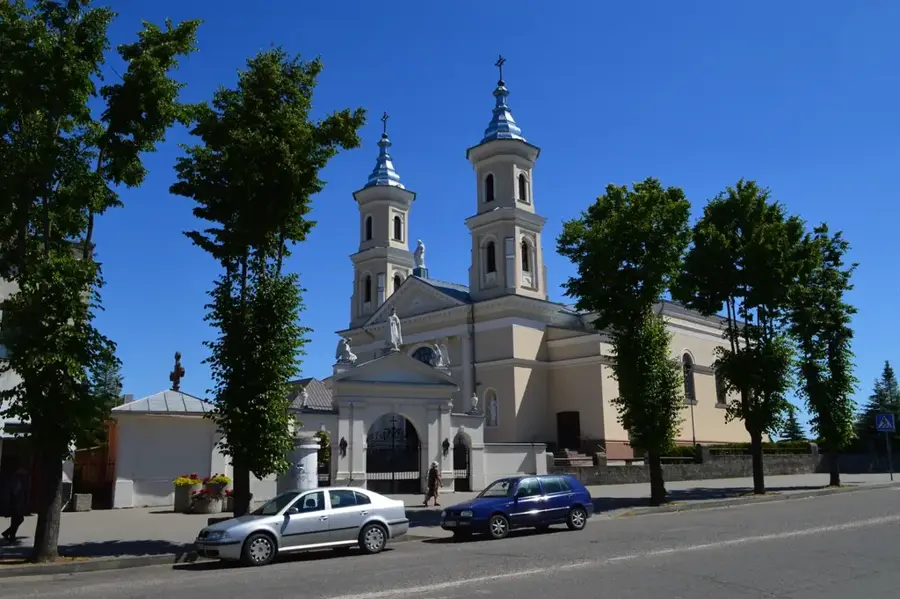
- The Church of St. Anne, a central landmark, was completed in its current form in 1895.
- The town is located just 7 kilometers from the border with Poland.
- Lazdijai is a major node for European transit on the 'Via Baltica' auxiliary routes.
Explore nearby
Notable places around
Route planner — Car & Motorhome
Where do you start? We build the route here, with stops and country notes along the way.
© OpenStreetMap contributors · OpenRouteService
Sights in the town Lazdijai (8)
Laisvės kovų muziejus🏛 museum
A museum in Lazdijai documenting the Lithuanian struggles for independence.
Lazdijų krašto muziejus🏛 museum
This regional museum explores the social and cultural history of the Lazdijai district.
Frequently asked questions
What is Lazdijai known for?
Are there cultural museums in Lazdijai?
What natural sights are nearby?
When is the market day in Lazdijai?
Is the town a good starting point for travel to Poland?
Lazdijai: where is it located?
Lazdijai: what is there to see?
Lazdijai: when is the best time to visit?
Lazdijai: why is it worth visiting?

Nearby cities
History & landmarks