Cucumber Festival (Agurku festivalis)
One of Lithuania's oldest gastronomic festivals in mid-July, celebrating Kedainiai's centuries-old cucumber-growing tradition. The city park hosts cucumber food and drinks, a fair, concerts and competitions.
PlizioGo
The city is famous for its cucumbers; look for fresh ones at the market or try local cucumber dishes!
Potato pancakes - A hearty treat you must try in the traditional eateries of the Old Town.
Relax with a regional brew in the pubs along Didžioji street.
The best place to buy local vegetables, especially the famous regional cucumbers.
Browse the small souvenir shops in the Old Town for authentic Lithuanian products.
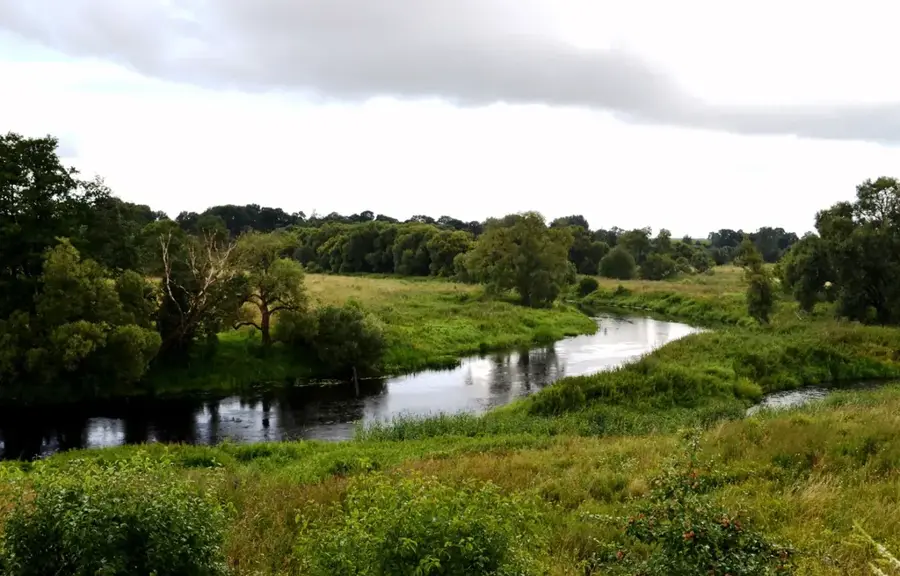
A quiet spot with ponds and old trees for a relaxing break.
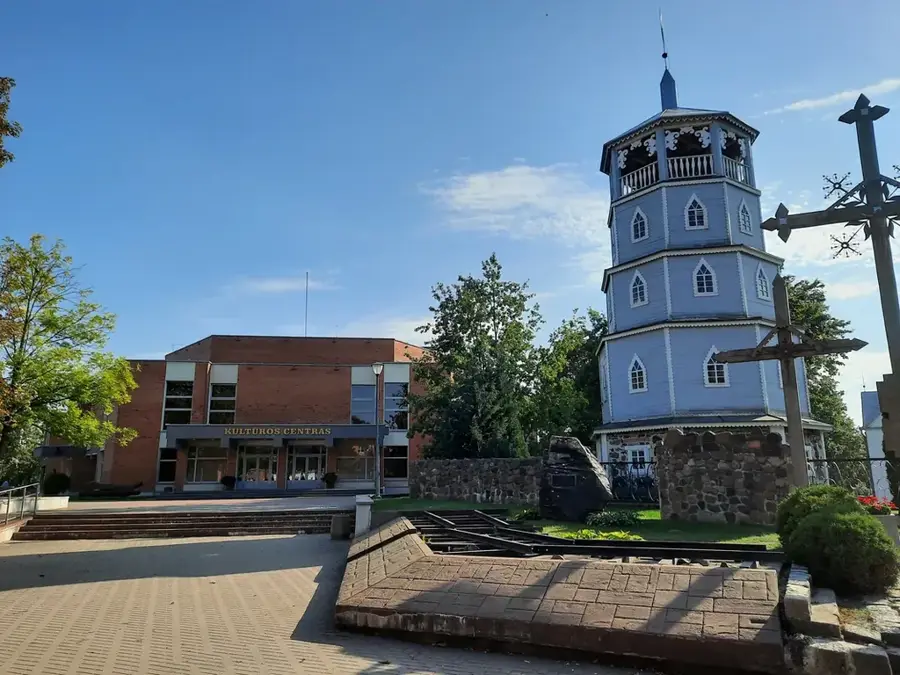
A unique and peaceful landmark located slightly outside the center in the park area.
Water temperature…
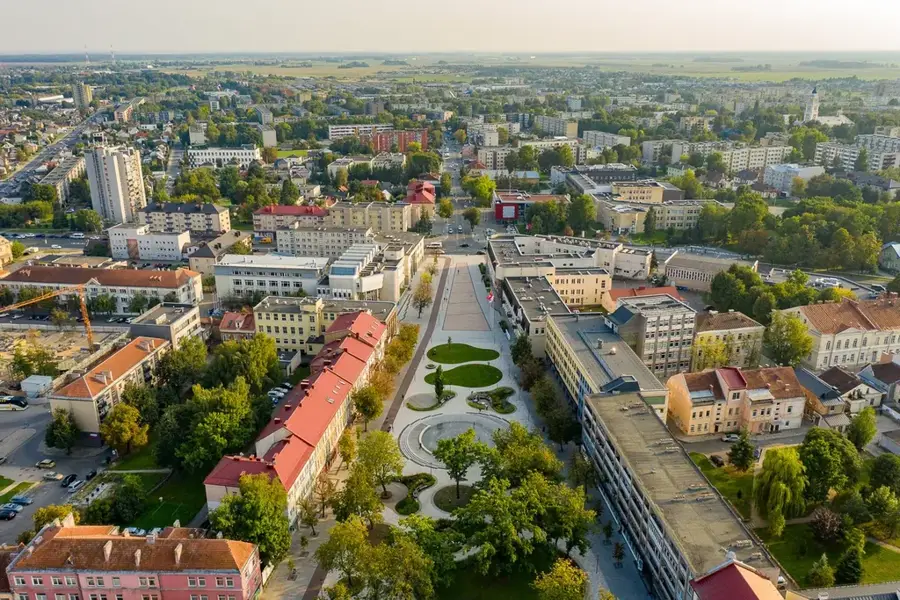
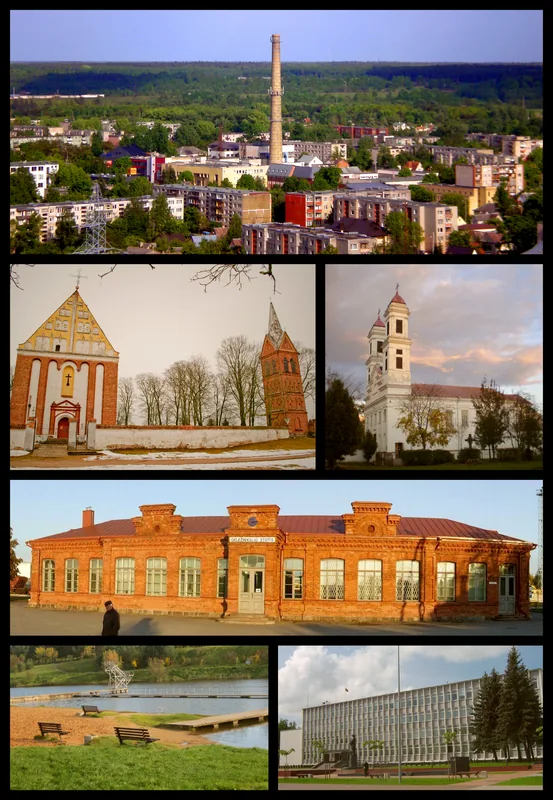
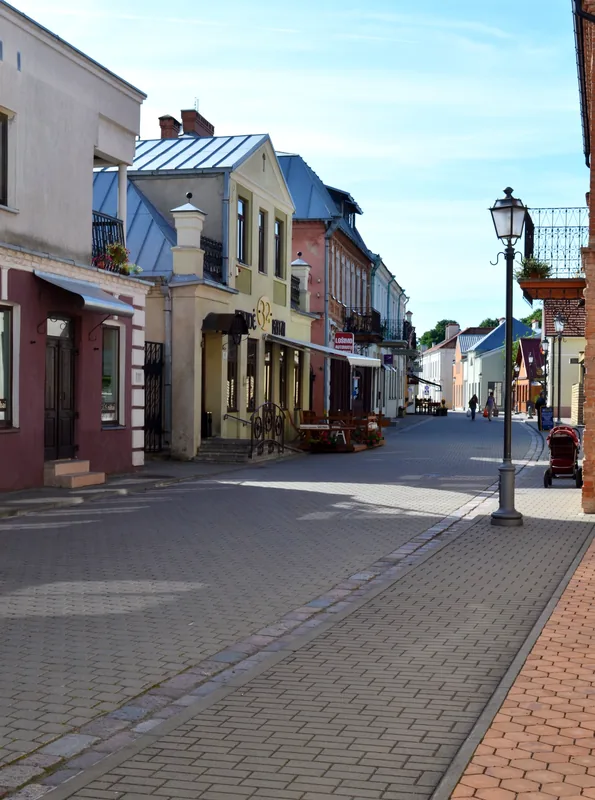
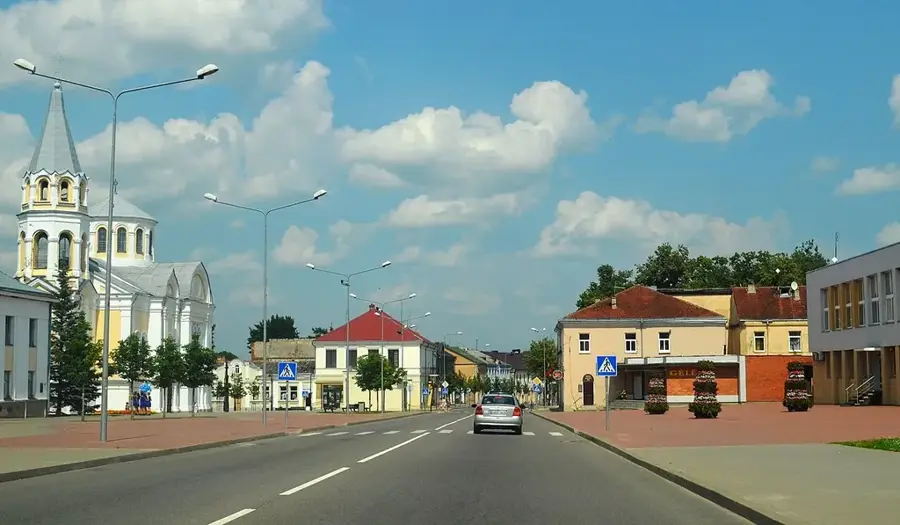
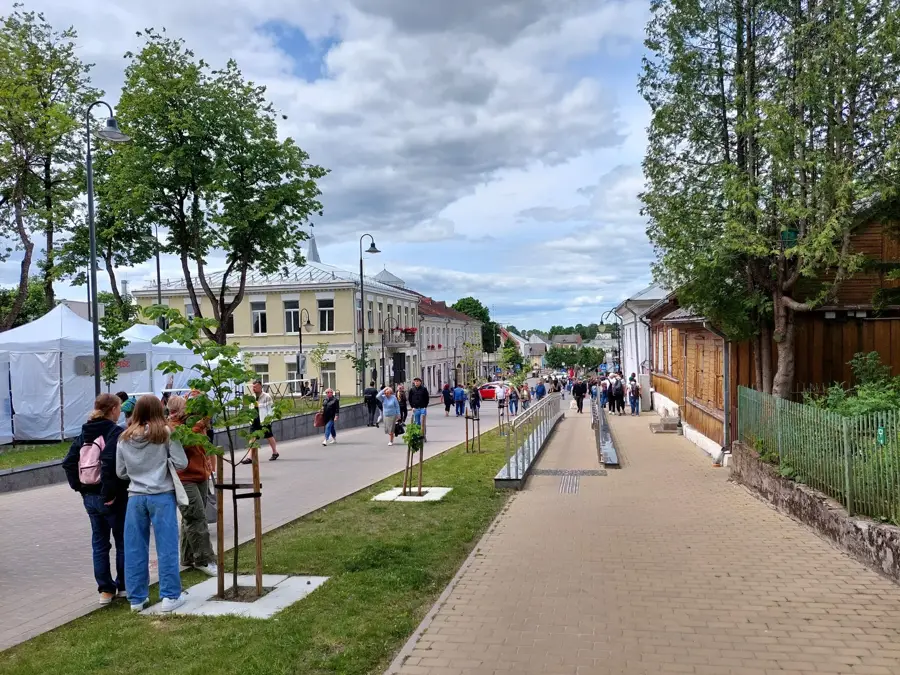
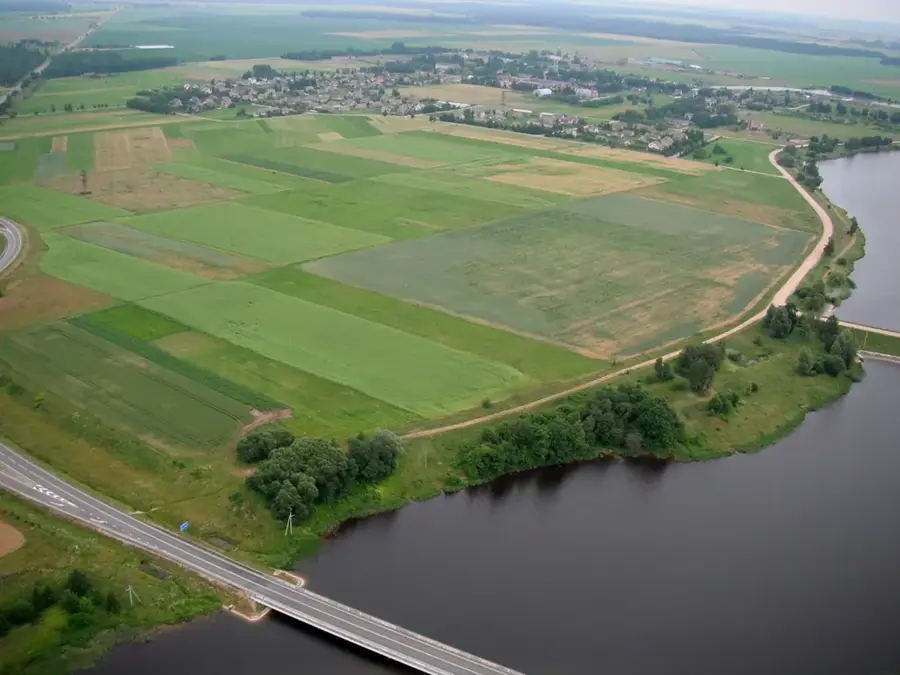
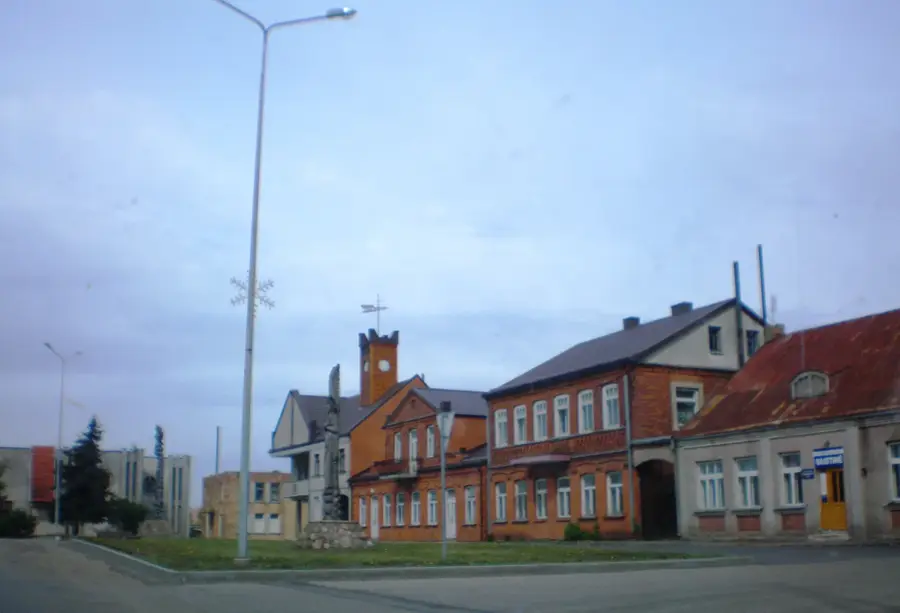
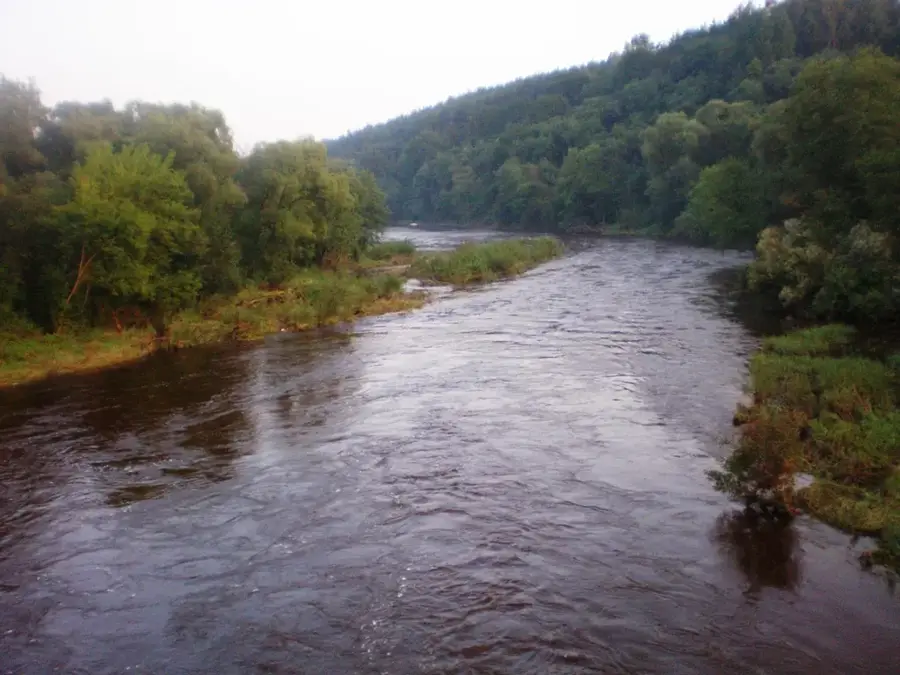
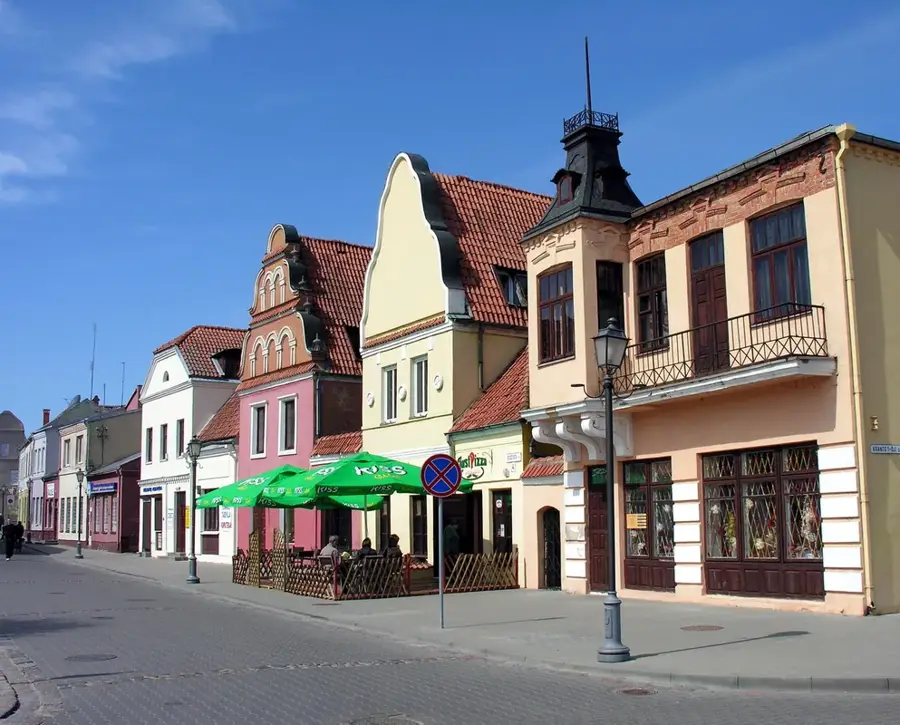
Kėdainiai, often referred to as the geographical center of Lithuania, is one of the oldest and most architecturally precious cities in the country. Founded in 1372 along the Nevėžis River, the city features an exceptionally well-preserved old town that reflects a blend of Scottish, Jewish, German, and Lithuanian cultural heritage. During the 17th century, Kėdainiai was governed by the powerful Radziwiłł noble family, who transformed it into a prominent hub of the Reformation and education. The cobblestone streets, Renaissance buildings, historic synagogues, and ancient churches give the city a truly unique atmosphere. Today, this city of 23,000 residents is also famously known as the “Cucumber Capital” of Lithuania, an agricultural tradition celebrated with an annual festival.
The most pleasant time to visit is Jun–Aug.
| Jan | Feb | Mar | Apr | May | Jun | Jul | Aug | Sep | Oct | Nov | Dec | |
|---|---|---|---|---|---|---|---|---|---|---|---|---|
| Avg °C | -6 | -5 | 0 | 6 | 12 | 16 | 18 | 17 | 12 | 6 | 2 | -3 |
| Rain mm | 55 | 44 | 44 | 45 | 63 | 80 | 93 | 82 | 57 | 69 | 62 | 56 |
Notable places around
Where do you start? We build the route here, with stops and country notes along the way.
© OpenStreetMap contributors · OpenRouteService
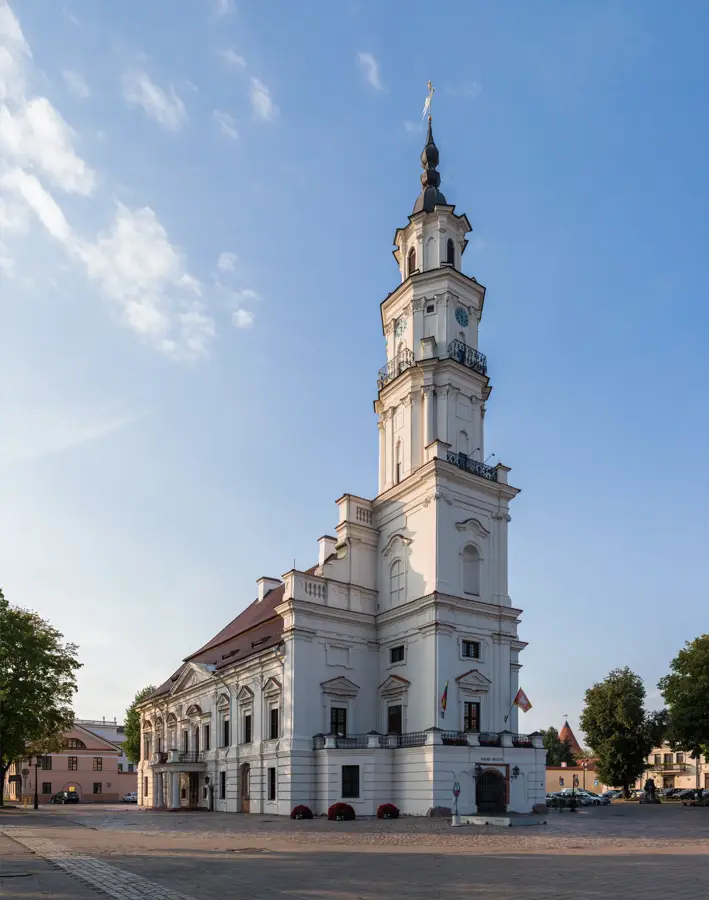
Start your walk at the Great Market Square, the vibrant heart of the Old Town. The morning is for exploring the historic squares and impressive architecture, including the old Town Hall and the unique wooden St. George's Church. At midday, immerse yourself in the Renaissance atmosphere of the Evangelical Reformed Church and learn about the powerful Radziwiłł family. The afternoon brings a surprise with Lithuania's only minaret, a testament to the city's diverse past. End your day at the Regional Museum, which encapsulates the fascinating history of Kėdainiai.
Rain adds a glossy sheen to the Great Market Square as you seek shelter under the old arcades. The morning is dedicated to history inside the Town Hall, where thick walls make you forget the gray skies. At midday, immerse yourself in the modern art of the Janina Monkutė-Marks Museum. It is the perfect sanctuary to stay dry and enjoy the city's creative vibe while waiting for the shower to pass. In the afternoon, quick dashes between historical churches lead you through wet alleys. The distant minaret looks almost mystical in the fog, though the visit is kept brief today. You spend the evening at the Regional Museum. Inside the former monastery buildings, you find peace and protection from the rain before ending the day in the cozy old town.
Frost crunches underfoot at the Great Market Square as the historic backdrop shines in the pale winter light. A visit to the Town Hall provides a welcome warming break in a storied setting. At midday, seek warmth inside the Janina Monkutė-Marks Museum. The bright galleries offer a wonderful contrast to the gray winter day outside the windows. In the afternoon, the route leads through the snowy old town to the churches. Plan to visit the minaret in the park before 4:00 PM, as dusk sets in early and fast in Lithuania. The evening at the Regional Museum is particularly atmospheric. In the heated exhibition rooms, it is easy to ignore the cold outside before the illuminated old town invites you for a short stroll.
Start your bike tour at the Great Market Square and enjoy the freedom of exploring the city on two wheels. The morning takes you past historic buildings to the quiet St. George's Church and then to the surprising Minaret on the edge of a park. At midday, return to the center to visit the impressive Evangelical Reformed Church, an ideal spot for a longer break. The afternoon is dedicated to art and history, with visits to the Janina Monkutė-Marks Museum and the Regional Museum, both easily accessible by bike.
Splashing water at the Great Market Square signals a wet start. Short distances between sights help you stay relatively dry during the transitions. At midday, seek shelter for you and your bike near the large churches or museums. The ride to the minaret requires caution on the wet park paths. In the afternoon, the indoor spaces of the Janina Monkutė-Marks Museum offer a dry break for both your body and your gear. The evening concludes at the Regional Museum. Park your bike in a sheltered spot and enjoy the exhibits while the rain drums on the roofs outside.
The cold winter air bites as you pedal across the Great Market Square. Short distances keep your body moving without letting it cool down too much. At midday, churches and museums provide necessary warmth. The ride through the snowy park to the minaret is strenuous but visually stunning. In the afternoon, warm up at the Janina Monkutė-Marks Museum before the early darkness limits visibility. The evening ends at the Regional Museum. Ensure you have good lighting for the ride back through the frosty, illuminated old town.
This car day is designed for maximum efficiency. First, park near the City Park to see the unique minaret. This is your first, smaller cluster. Afterwards, drive to a central parking spot in the Old Town. From here, your second, larger cluster begins: a leisurely walk taking you to the Great Market Square, the Town Hall, and the impressive Evangelical Reformed Church. The afternoon is reserved for a longer stay at the Regional Museum to fully absorb the city's rich history before returning to your car.
Relax inside your dry car as you glide through rainy Kėdainiai. The day starts with a quick dash from the parking lot to the minaret. At midday, park near the old town to keep the walks to the churches and Town Hall as short as possible. The drumming of rain on the car roof becomes a soothing backdrop. In the afternoon, staying in the museums offers the perfect escape from the wet and cold weather. The evening ends comfortably; from the parking lot, take one last look at the illuminated, wet streets before heading home.
The heated car is your home base against the Lithuanian winter cold. The tour starts at the frosty City Park with a view of the minaret. At midday, enjoy the short walks from the old town parking lots to the historic monuments. The wintry city looks like something out of a fairy tale. In the afternoon, museums provide warmth and culture while the world outside slowly disappears under a blanket of snow. The evening ends with an atmospheric drive through the illuminated old town, with headlights catching the dancing snowflakes.