Dainava Music Festival
Classical music festival in Alytus offering concerts over several weeks in summer across the Dainava region.
PlizioGo
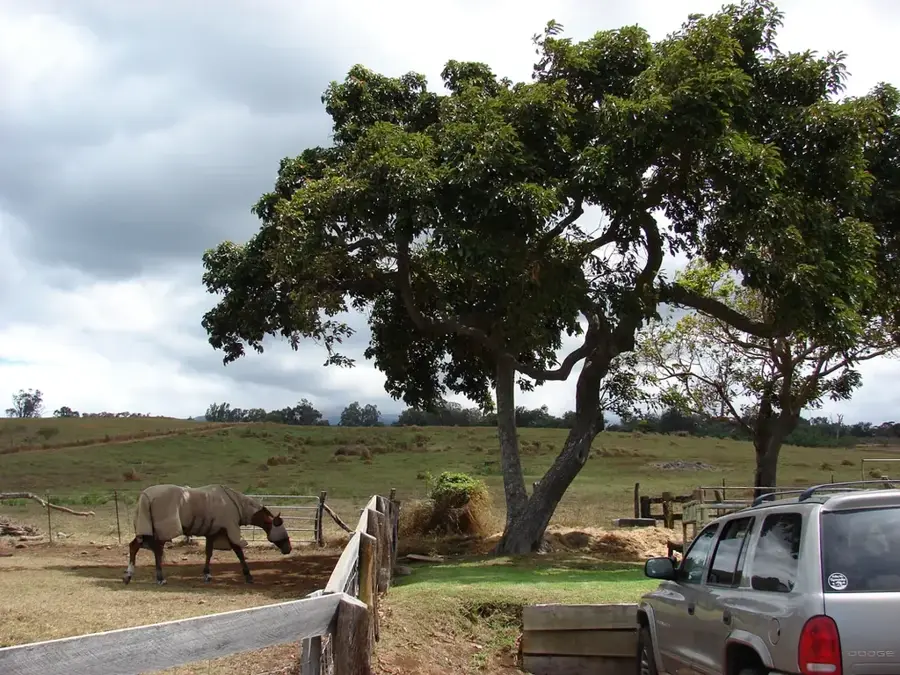
Try this potato dish baked on cabbage leaves in traditional Lithuanian taverns in town.
The region is famous for mushrooms, served in most local restaurants.
Look for this sweet tree cake specialty at local bakeries.
A great spot to pick up fresh produce and local honey.
Find these in small boutiques around the city center.
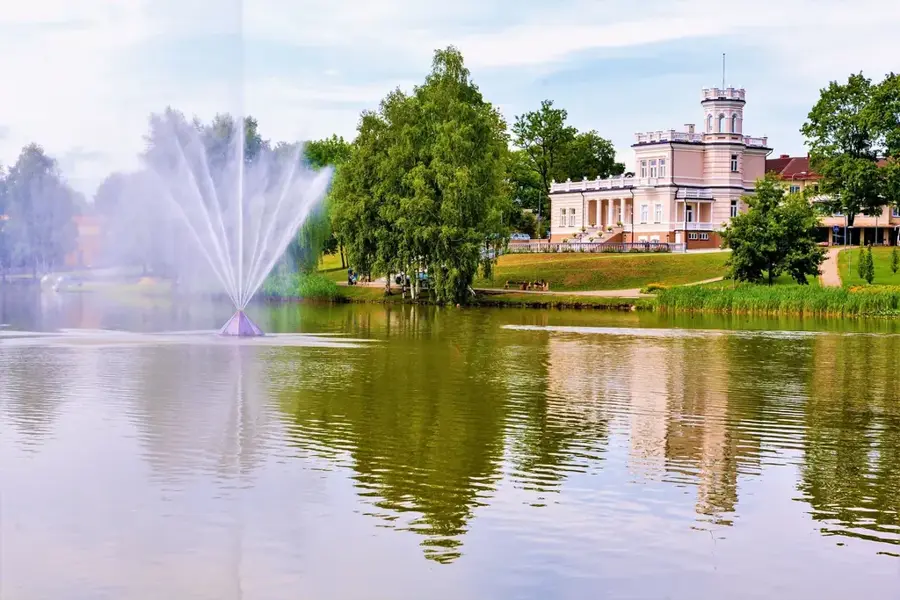
A quiet park with a fountain in the center.
A peaceful pine forest right in the city for relaxing walks.
Water temperature…
Classical music festival in Alytus offering concerts over several weeks in summer across the Dainava region.
International race-walking sports event with a tradition dating back to 1975, drawing athletes from Lithuania and abroad to Alytus each year.
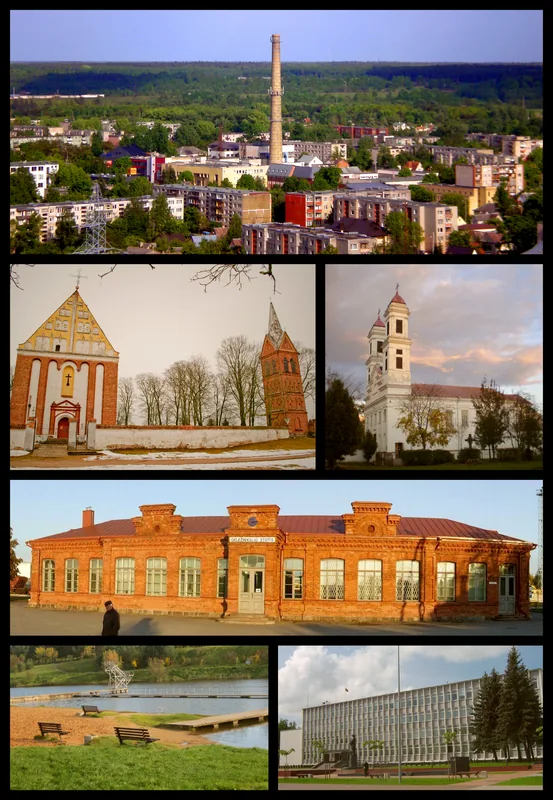
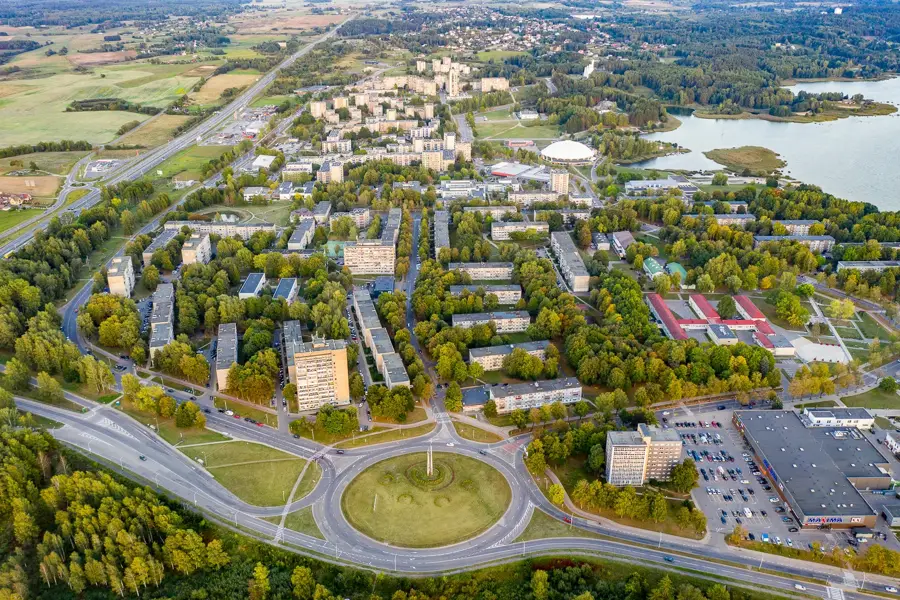
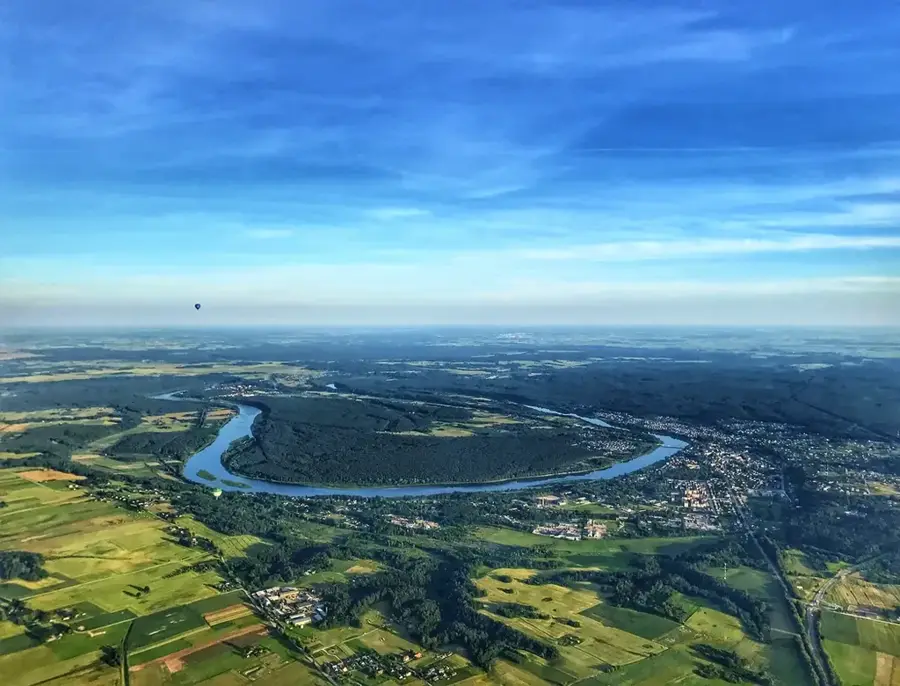
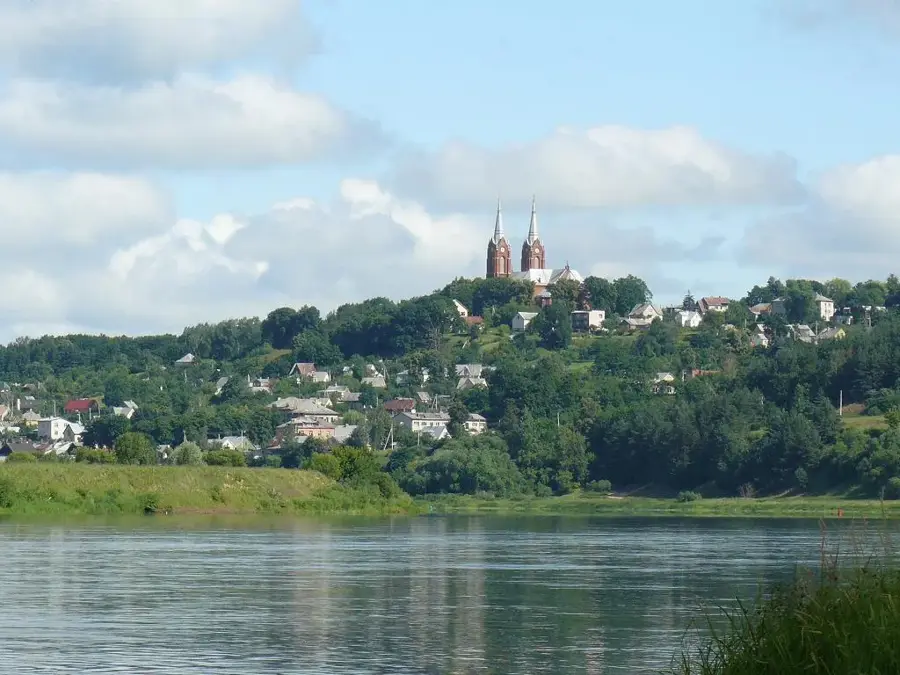
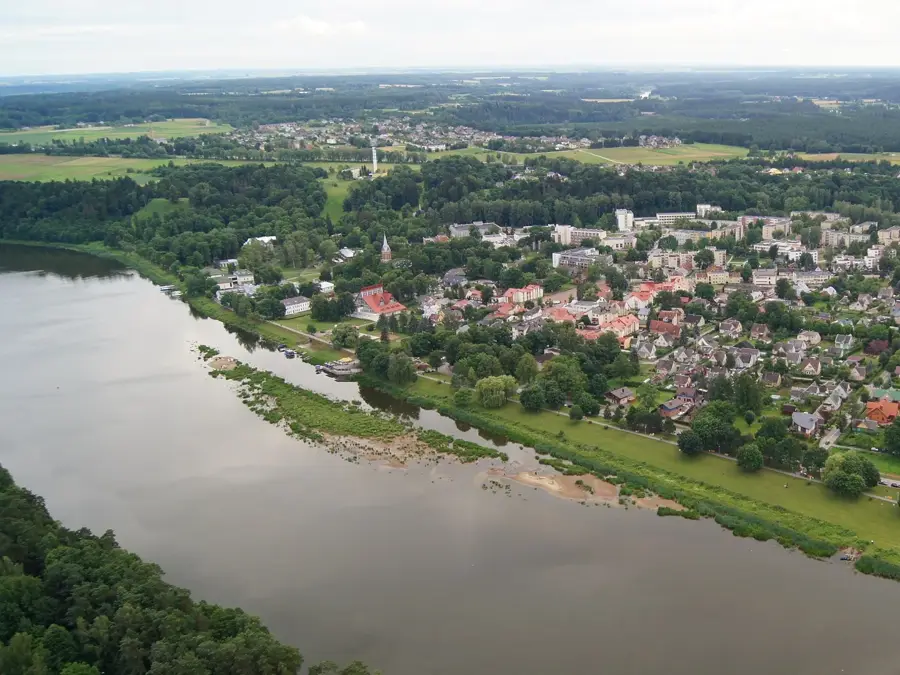
Alytus is the sixth largest city in Lithuania and serves as the administrative center of Alytus County and the historical Dzūkija region. Located in the southern part of the country, the city is uniquely divided by the Nemunas River into two distinct sections: Alytus I on the right bank and Alytus II on the left bank. Historically, the settlement was first documented in 1377 in the chronicles of the Teutonic Knights, and it received Magdeburg rights in 1581 from King Stephen Báthory. During the 19th century, Alytus became a significant fortress for the Russian Empire, leading to the construction of extensive defensive structures and strategic bridges. Today, the city is a vital industrial and cultural hub, featuring the White Rose Bridge, which is the highest pedestrian and cyclist bridge in Lithuania, standing 38 meters above the river. The local economy is supported by furniture manufacturing, textile production, and food processing industries, while the surrounding pine forests provide a natural environment for recreation.
The most pleasant time to visit is Jun–Aug.
| Jan | Feb | Mar | Apr | May | Jun | Jul | Aug | Sep | Oct | Nov | Dec | |
|---|---|---|---|---|---|---|---|---|---|---|---|---|
| Avg °C | -6 | -5 | 0 | 7 | 13 | 16 | 19 | 18 | 13 | 7 | 2 | -3 |
| Rain mm | 55 | 42 | 44 | 43 | 67 | 80 | 98 | 87 | 55 | 66 | 55 | 53 |
Notable places around
Where do you start? We build the route here, with stops and country notes along the way.
© OpenStreetMap contributors · OpenRouteService
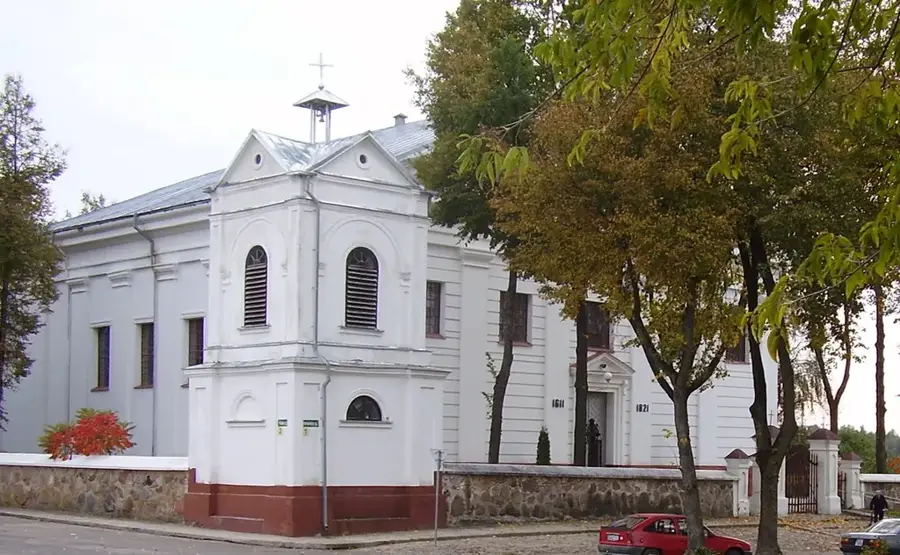
Start your day at the Angel of Freedom, the city's symbol. The morning takes you through the quiet City Garden and to the modern St. Casimir's Church. At noon, delve deep into local history at the Alytus Museum. The afternoon gets adventurous: climb the Castle Mound for a breathtaking view and cross the impressive White Rose Bridge. End the day relaxing in the expansive Youth Park, where you can enjoy nature.
The morning starts at the Angel of Freedom, where a sturdy umbrella is needed against the riverside breeze. At noon, the City Garden provides some cover under the trees before finding dry silence inside St. Casimir's Church. The afternoon is best spent at the Alytus Museum, a perfect indoor escape for local history. We finish the walk at the White Rose Bridge, watching the rain create ripples on the Nemunas river surface.
In winter, Alytus is transformed by snow and frost. The Angel of Freedom looks particularly grand against a white backdrop. At noon, warm up in St. Casimir's Church after a stroll through the snowy City Garden. The museum offers refuge from the cold in the afternoon, as sunset arrives early around 16:00. We end the day at the White Rose Bridge, seeing the frozen Nemunas river under the evening city lights.
Get on your bike and start in the green City Garden. A short ride takes you to the Angel of Freedom before heading to the historic Alytus Castle Mound. At noon, cross the famous White Rose Bridge and visit St. Casimir's Church. The afternoon is for recreation: take a long break in the Youth Park and finish your bike tour with a scenic loop around the Dailidė Lakes, where you can fully enjoy nature.
Rain won't stop a dedicated cyclist in Alytus. We start at the City Garden, with trees shielding us from the first drops. After passing the Angel of Freedom, we head to the Castle Mound, where tires need grip on the wet ground. Cycling across the White Rose Bridge, we reach St. Casimir's Church for a quick break. The tour ends at the Dailidė Lakes, which look mystical and misty in the rain.
Winter biking in Alytus requires caution and warm gloves. We start at the City Garden, with snow decorating the sculptures. After the Angel of Freedom, we cycle to the snow-covered Castle Mound for the views. Crossing the White Rose Bridge in the frost is a thrill for the hardy. After stops at St. Casimir's Church and Youth Park, the tour ends at the frozen Dailidė Lakes, a winter sports hub.
Explore Alytus in clusters by car. Park in the center and in the morning, stroll through the City Garden to the Angel of Freedom and the museum. At noon, drive to the second cluster: the historic Castle Mound. After lunch, climb the hill and walk across the nearby White Rose Bridge. The best way to spend the afternoon is with a longer drive to the Dailidė Lakes, where you can end the day in quiet nature.
Rainy days in Alytus are best handled by car. From the central parking, the City Garden and Angel of Freedom are just short walks away. At noon, the Alytus Museum provides a long, dry cultural break. After a quick stop at the Castle Mound parking, we visit the White Rose Bridge, ending the tour at the Dailidė Lakes, which can be enjoyed even from the car.
Winter driving in Alytus leads through a white wonderland. After parking in the center, we visit the frosty City Garden and Angel of Freedom. At noon, the car heater warms us on the way to the Alytus Museum, where we forget the cold. In the afternoon, we head to the Castle Mound before visiting the bridge in the evening glow. The tour ends at Dailidė Lakes, where you can often see ice fishermen.
An archaeological exhibition about the history of the Alytus region.
A memorial museum dedicated to the Lithuanian poet Anzelmas Matutis.
A local history museum showcasing the culture and history of Alytus.